We may earn money or products from the companies mentioned in this post. This means if you click on the link and purchase the item, I will receive a small commission at no extra cost to you ... you're just helping re-supply our family's travel fund.
In a country where phones rarely leave hands, some corners still insist on quiet. These places are not just scenic; they are structured around weak signals, strict rules, or house policies that keep screens out of sight. For travelers who enter them, the first shock is often the absence of bars on a signal icon, followed by the slow return of longer conversations and quieter evenings. Tech still exists at the edges, but inside these zones, the default rhythm is analog, and attention finally has fewer places to run.
Green Bank, West Virginia, National Radio Quiet Zone

Green Bank sits inside the National Radio Quiet Zone, a 13,000 square mile region designed to shield the Green Bank Observatory’s radio telescopes from interference. Cell towers are limited, Wi-Fi is tightly controlled, and visitors touring the site are asked to shut phones down or leave them in the car before crossing behind the gates. Even digital cameras and fitness trackers can be restricted near the dish. The result feels less like a nostalgic gimmick and more like a working science campus where silence is measured in radio waves instead of decibels.
Green Bank Observatory Trails And Back Roads

Outside the visitor center, trails and back roads around Green Bank extend that quiet into the surrounding hills. Hikers are asked to power devices completely off, not just drop them into airplane mode, so stray signals do not contaminate sensitive data. Locals live with similar limits, relying more on landlines, wired internet, and face to face check-ins. For travelers who arrive with pockets full of gadgets, the landscape becomes a kind of enforced pause, where the only notifications are bird calls, wind, and the crunch of gravel underfoot.
Amtrak Quiet Cars On Busy Rail Corridors

On many Amtrak routes, the quiet car functions as a rolling soft ban on digital noise. Conductors announce simple rules at departure: no phone calls, no speaker audio, and only low-volume headphones that cannot be heard by nearby riders. Laptops stay, but their screens glow more discreetly, and conversations drop to a murmur. The effect feels oddly old fashioned, closer to a reading room than a commuter coach. For travelers used to constant ringtones, that short corridor between stations becomes one of the few places where silence still has posted rules and real consequences.
LeConte Lodge, Tennessee, Above The Signal
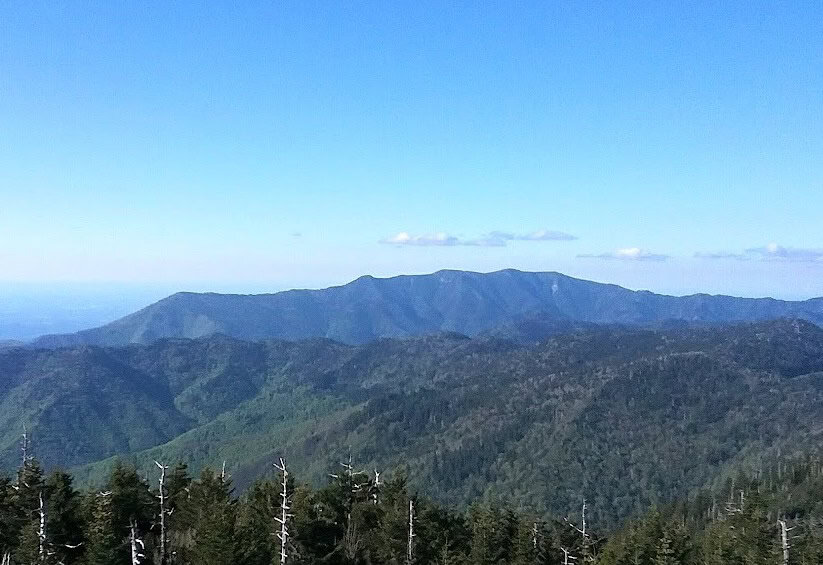
High above Gatlinburg in Great Smoky Mountains National Park, LeConte Lodge can only be reached by foot, which already filters out most screens. There is no road, no in-room Wi-Fi, and power is limited to what the lodge needs to cook and keep lights on. Guests eat family-style meals by lantern glow, check weather on posted boards, and watch clouds roll past the porch instead of watching feeds. Phones do appear for photos, but there is little service to chase. The mountain itself sets the terms, and being unreachable becomes part of the stay.
Charit Creek Lodge, Tennessee, Valley Without Bars

In Tennessee’s Big South Fork, Charit Creek Lodge offers a similar unplugged rhythm in a valley far from the nearest paved road. Guests hike, ride, or bike in, then settle into historic cabins with no televisions, weak or nonexistent cell service, and limited electricity. Evening entertainment usually means card games, front-porch talk, or a walk under a sky that suddenly looks much bigger. Because contact with the outside world takes real effort, most visitors accept the temporary blackout and lean into the quiet, letting messages and alerts pile up somewhere beyond the ridge.
Len Foote Hike Inn, Georgia, A Phone-Light Ridge
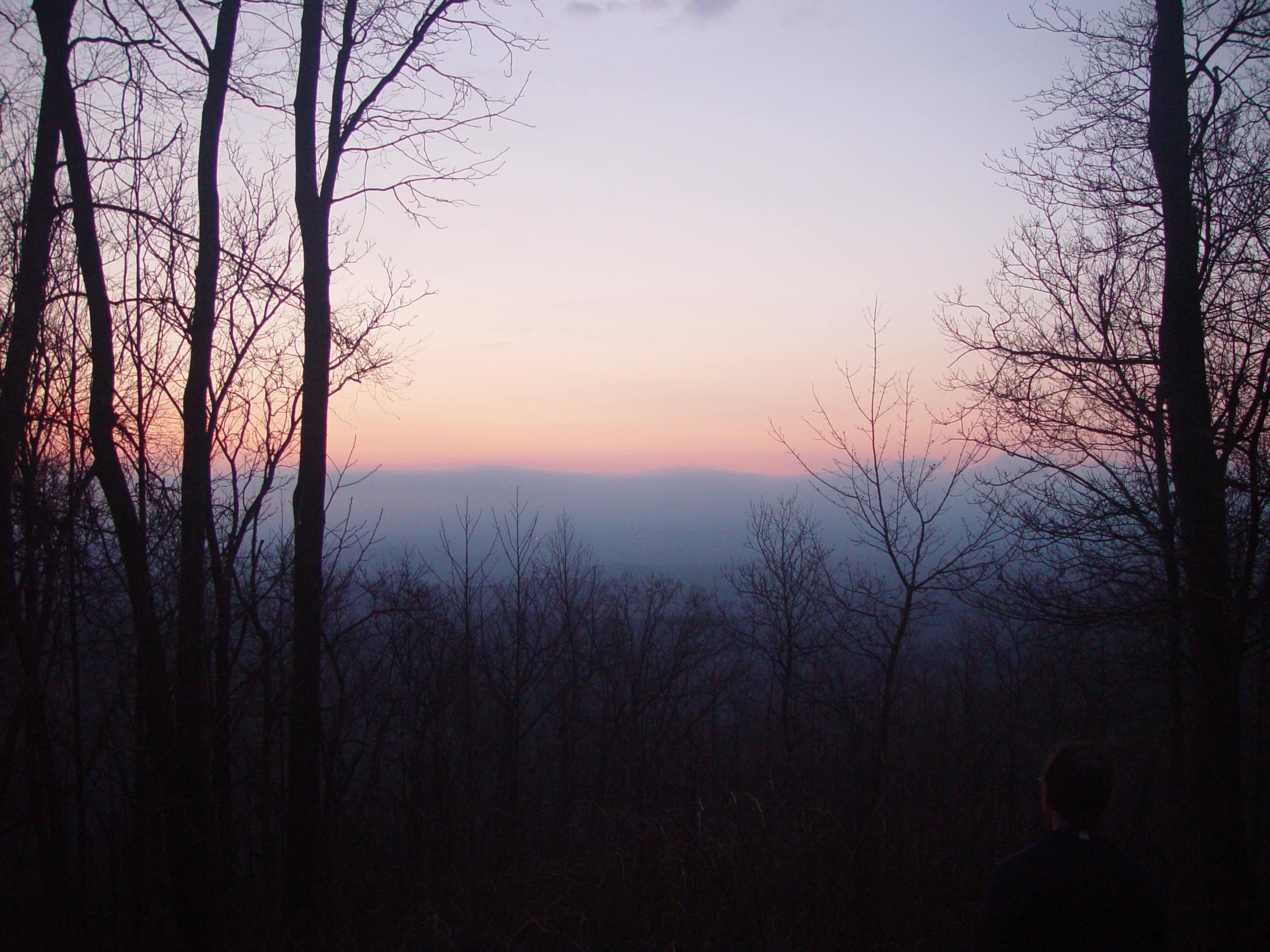
North of Atlanta, the Len Foote Hike Inn in Georgia sits at the end of a moderate trail that begins near Amicalola Falls. The lodge markets itself as simple rather than luxurious, with bunk rooms, family-style meals, and no in-room outlets for charging a forest of devices. Wi-Fi is absent, cell service patchy, and common spaces are stacked with board games instead of televisions. Staff gently encourage guests to put phones away, and the design makes that choice easy. The focus shifts to trail talk, shared sunrises, and the slow pace of a day structured by meal bells.
Lakes Of The Clouds Hut, New Hampshire, Signal On The Wind
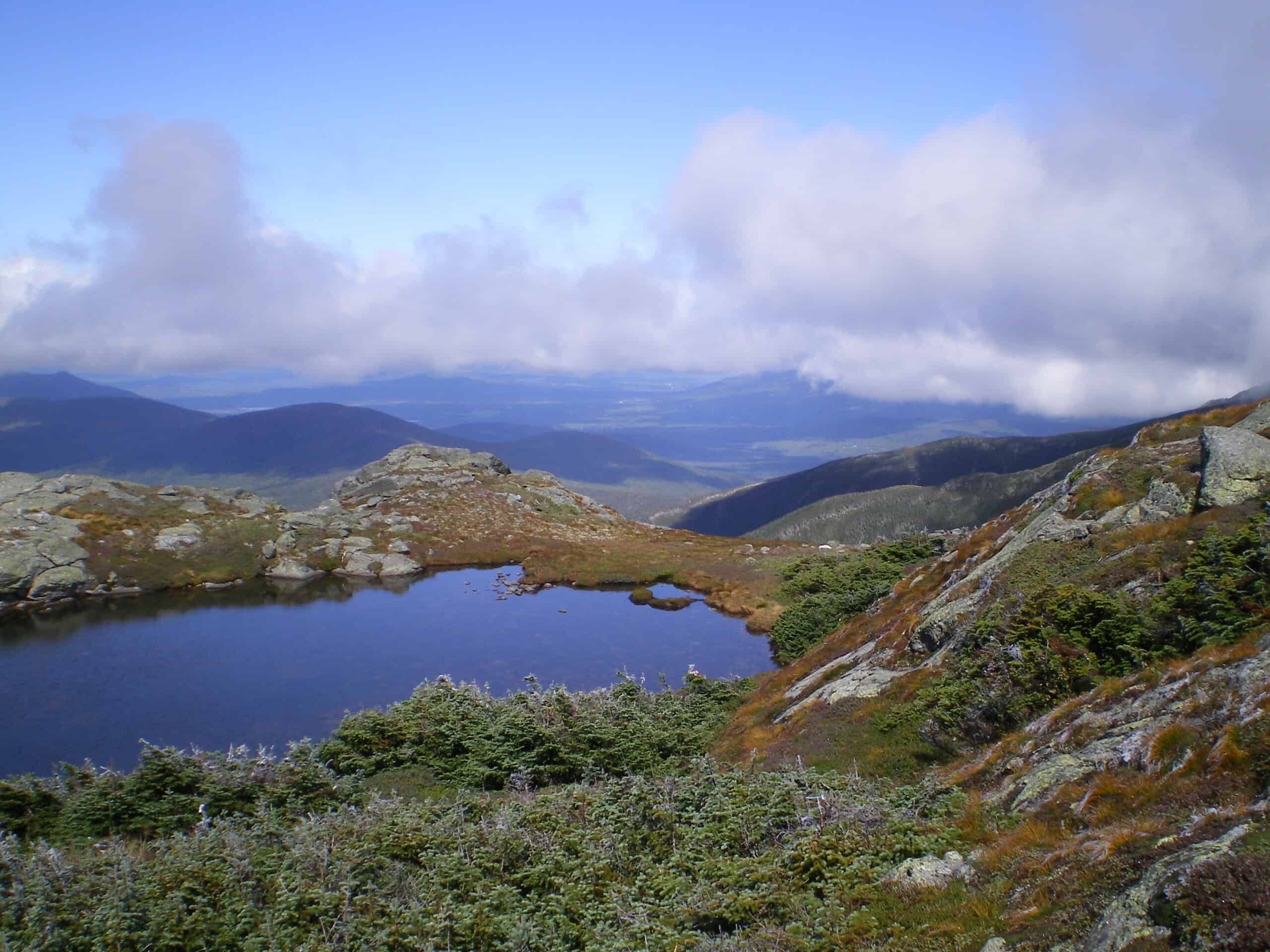
In New Hampshire’s White Mountains, Lakes of the Clouds Hut perches on the shoulder of Mount Washington, days away from reliable service. The Appalachian Mountain Club runs it as a seasonal, off-grid stop for hikers, with composting toilets, shared bunks, and limited solar power. Cell reception drops in and out with the weather, and there are no charging stations or Wi-Fi networks to anchor attention. Evening routines revolve around simple dinners, safety briefings, and watching light fade over the ridge. Screens, when they appear at all, feel strangely out of place in the thin air.
Sperry Chalet, Montana, Glacier’s Off-Grid Balcony
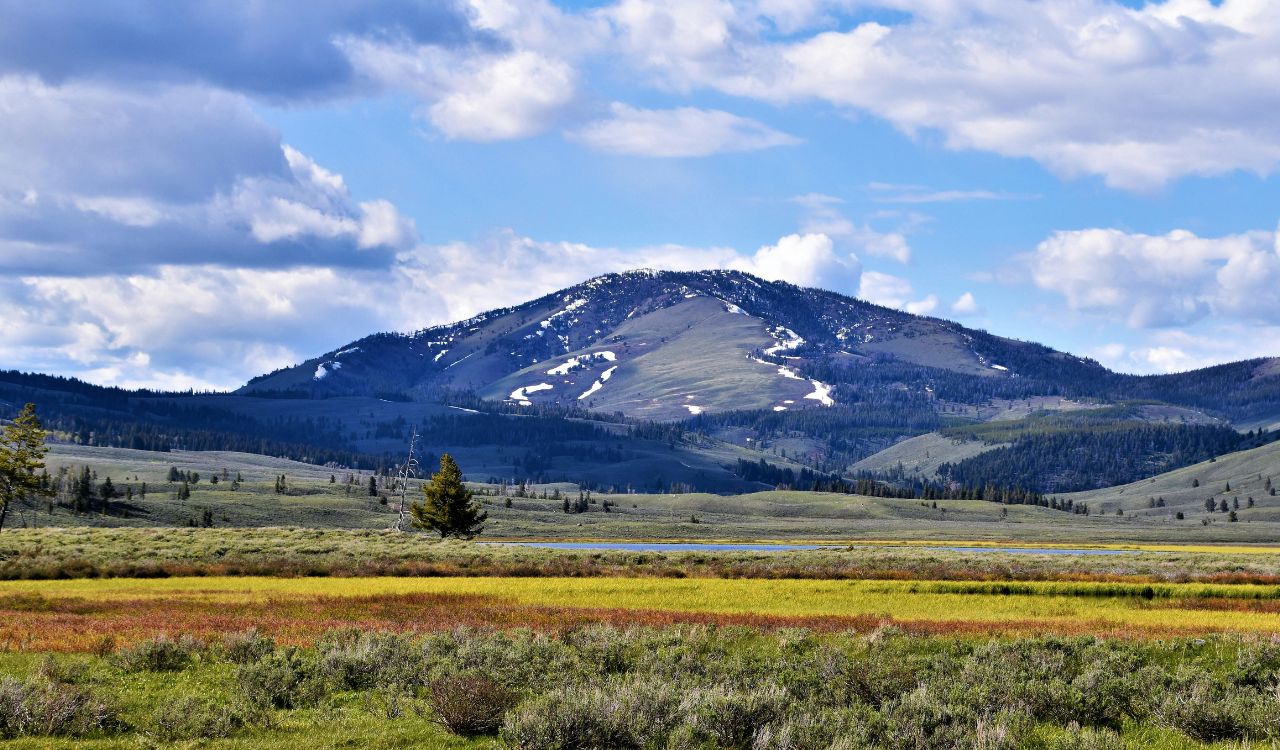
Glacier National Park’s Sperry Chalet already feels improbable, clinging to a high ledge above a basin of waterfalls and stone. Reached only by a long hike or horseback ride, the rebuilt lodge operates without in-room electricity, televisions, or internet access. Staff ration limited power for operations, and guests quickly learn that phones function mainly as cameras and flashlights, not portals to the outside world. After dinner, most people drift to the balcony or the stone porch to watch alpenglow slide off the peaks, leaving conversations to stretch in the dark without a single lit screen in sight.
City Hotel Digital Detox Packages

Big city hotels are experimenting with quieter corners too. In Chicago and other metros, digital detox packages now invite guests to hand phones to the front desk, where they are sealed in a safe or locked box until departure. Rooms are stripped of televisions and smart speakers, replaced with puzzles, analog clocks, and handwritten neighborhood guides. Staff lean into the theme with journaling kits, bike rentals, and long bath menus. The absence is not accidental; disconnection becomes a paid feature, framed almost like a spa treatment for an overworked nervous system.
National Park Dead Zones As Unofficial Quiet Zones

Across much of the national park system, geography quietly creates its own tech-free rules. Backcountry valleys, deep canyons, and remote ridgelines in parks from Yosemite to Canyonlands still sit far outside reliable cell coverage, despite growing pressure to wire scenic overlooks. Hikers and backpackers move through days where messages simply cannot arrive, and help, if needed, depends on radios, paper maps, and judgment rather than constant bars. The absence is not enforced by signs so much as by topography. For many, those dead zones end up being the most memorable part of the trip.