We may earn money or products from the companies mentioned in this post. This means if you click on the link and purchase the item, I will receive a small commission at no extra cost to you ... you're just helping re-supply our family's travel fund.
Italy unfolds like a living gallery shaped by empires, artists, merchants, and dreamers. From cities older than 2,500 years to coastlines carved by the Mediterranean, every region tells a different story through architecture, cuisine, and landscape. This refined list presents 10 essential destinations, each carefully balanced in depth and detail, giving you scale, context, and practical perspective for a once-in-a-lifetime Italian journey.
1. Rome
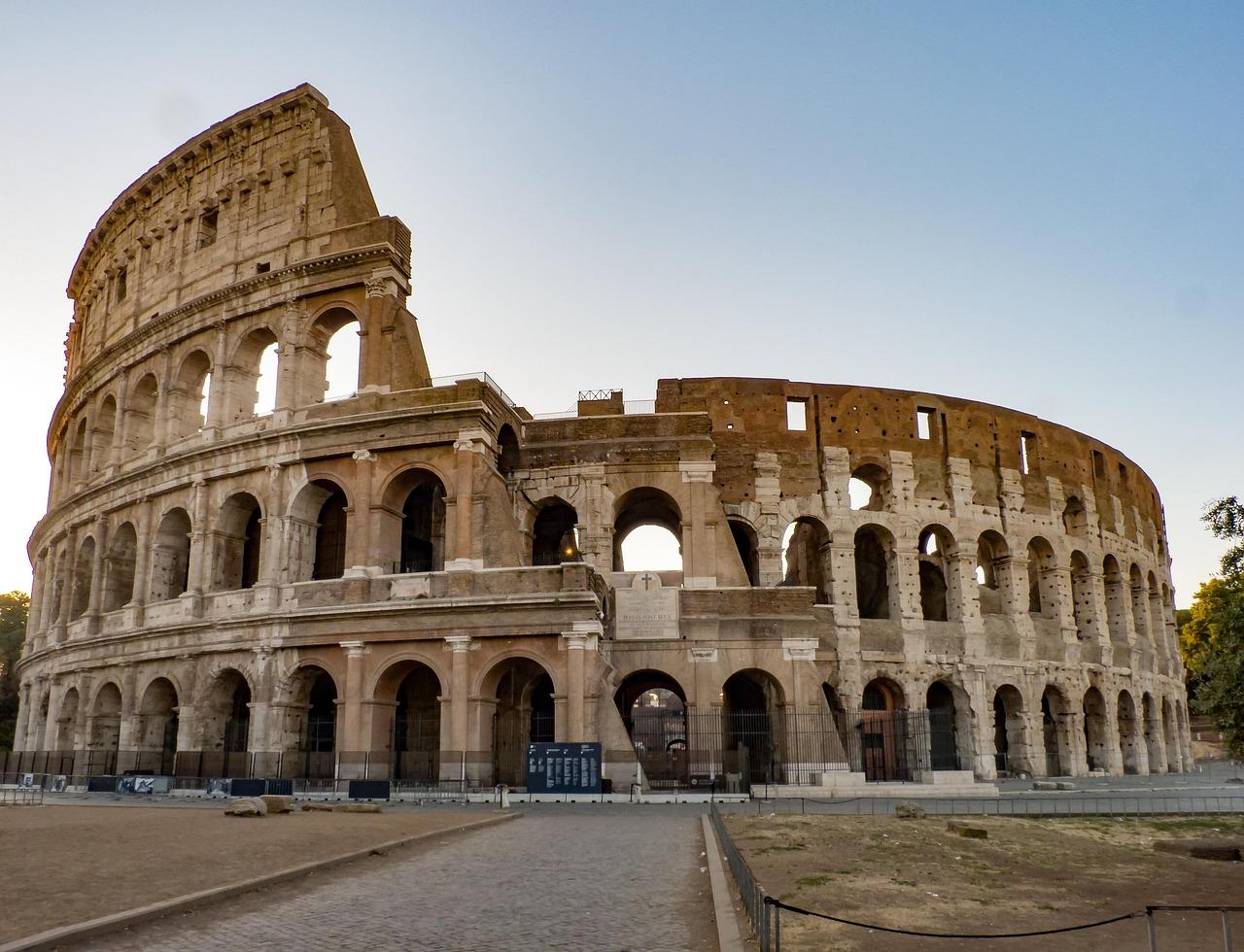
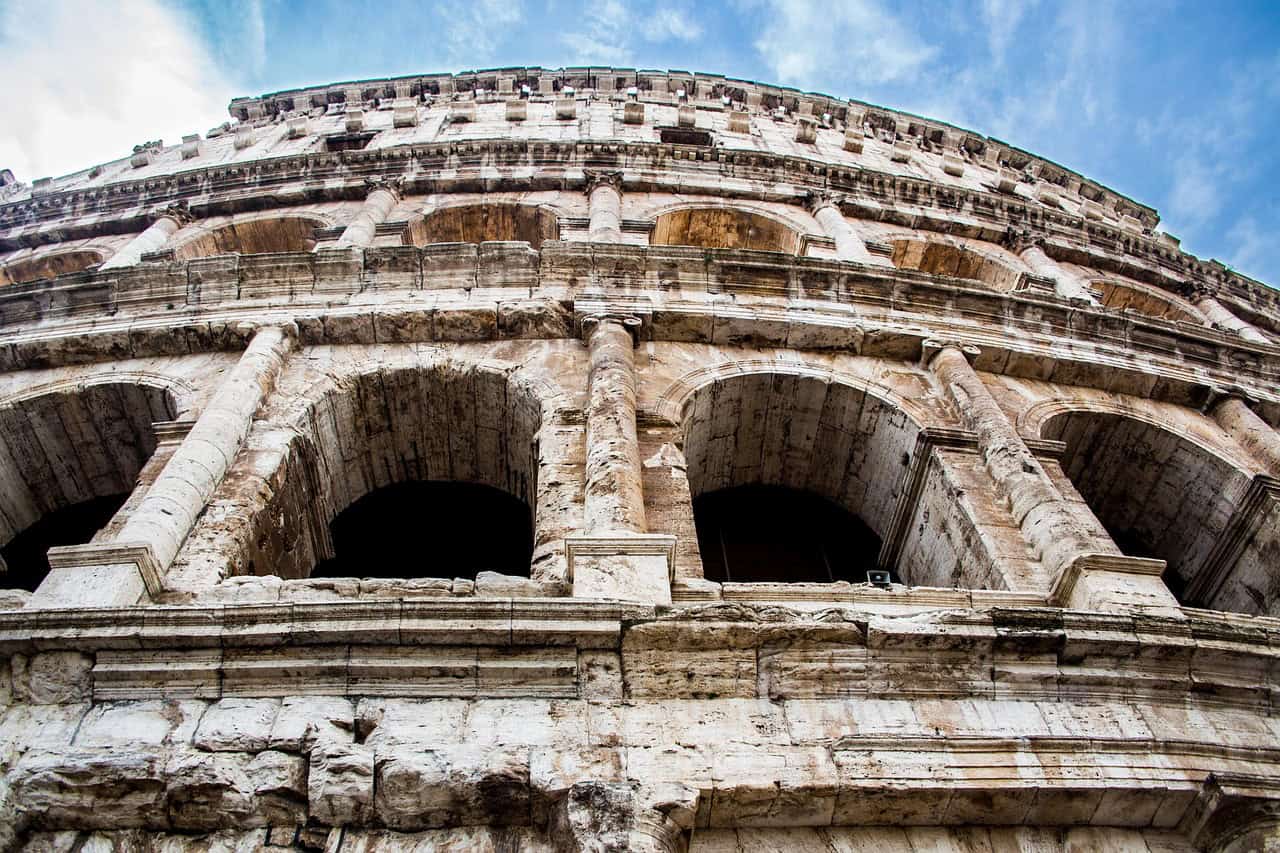
Founded in 753 BC and now home to about 2.8 million people, Rome compresses more than 2,700 years of history into one extraordinary capital. The Colosseum once seated around 50,000 spectators, while the Pantheon still stands with its 43-meter dome intact since AD 126.
Within a relatively compact historic center, you can walk between imperial ruins, Renaissance fountains, and Baroque churches in minutes. Plan at least three full days to absorb its 900-plus churches, lively piazzas, and layered street life.
2. Florence
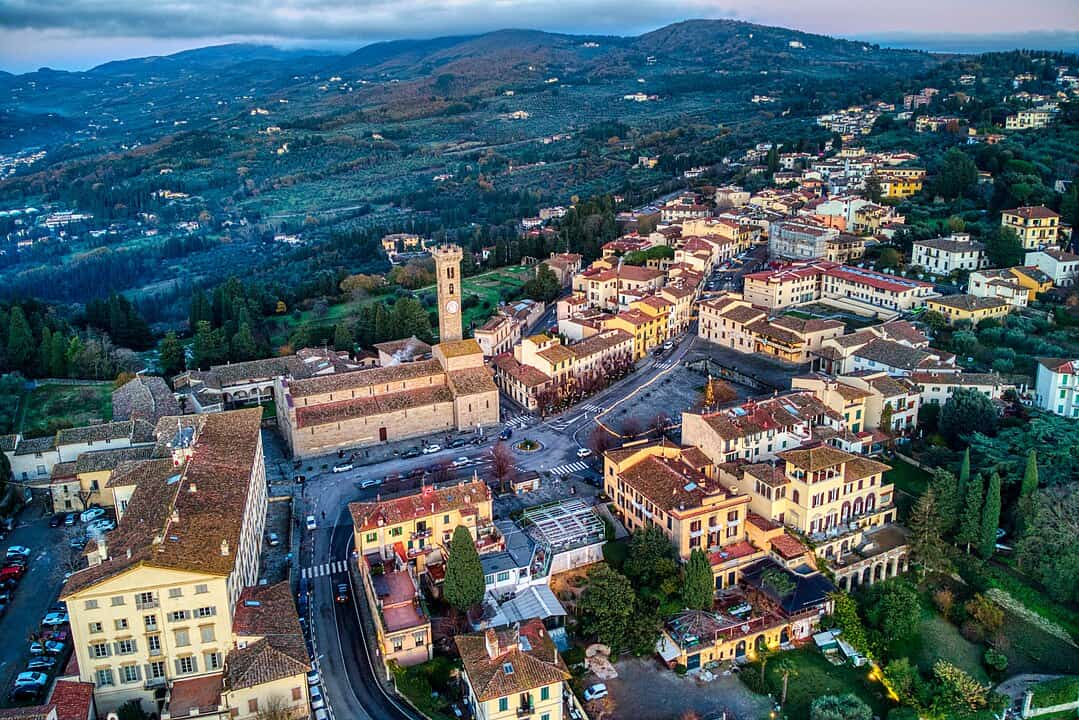
Florence, with nearly 380,000 residents, reshaped Western art and architecture during the 15th century. The Uffizi Gallery welcomes over 2 million visitors annually, while the dome of Florence Cathedral rises 114 meters above terracotta rooftops.
Despite its global reputation, the historic center spans only a few square kilometers and is easily explored on foot. Crossing the 14th-century Ponte Vecchio at sunset reveals a skyline that feels remarkably unchanged after 500 years.
3. Venice
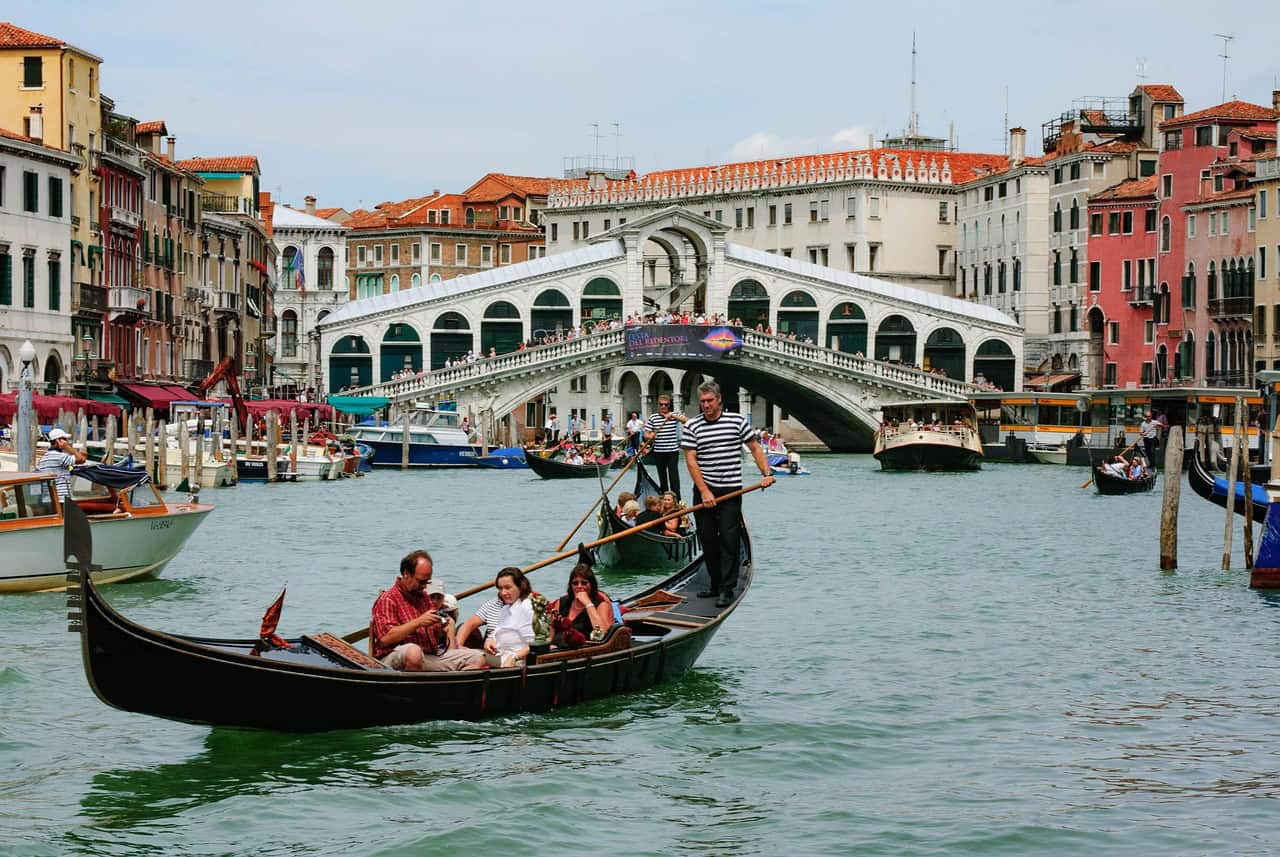
Spread across 118 small islands and linked by more than 400 bridges, Venice remains one of the world’s most unusual urban landscapes. The sweeping Grand Canal runs about 3.8 kilometers through the city, lined with Gothic and Renaissance palaces. St. Mark’s Basilica anchors the main square with shimmering mosaics.
Nearly 20 million visitors arrive each year, yet early mornings reveal quiet canals and echoing footsteps. Venice’s fragile beauty has evolved over 1,000 years of maritime power and cultural exchange.
4. Amalfi Coast
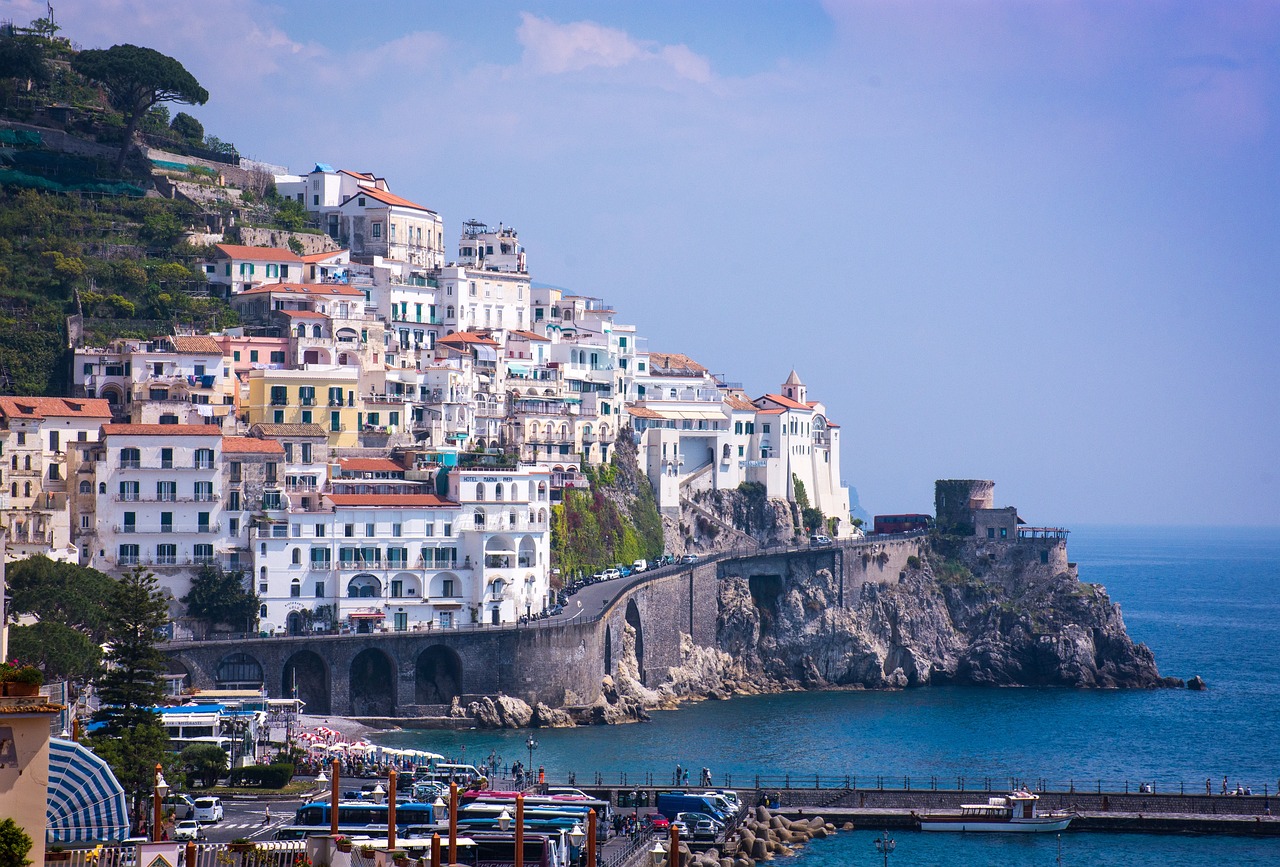
Stretching roughly 50 kilometers along southern Italy, the Amalfi Coast blends steep limestone cliffs with pastel villages cascading toward the sea. Positano rises dramatically from the shoreline, while Ravello sits 350 meters above sea level, offering expansive coastal views.
Designated a UNESCO site in 1997, the region thrives in summer when temperatures average 28°C. Scenic drives, boat trips, and cliffside terraces define this cinematic Mediterranean stretch.
5. Cinque Terre

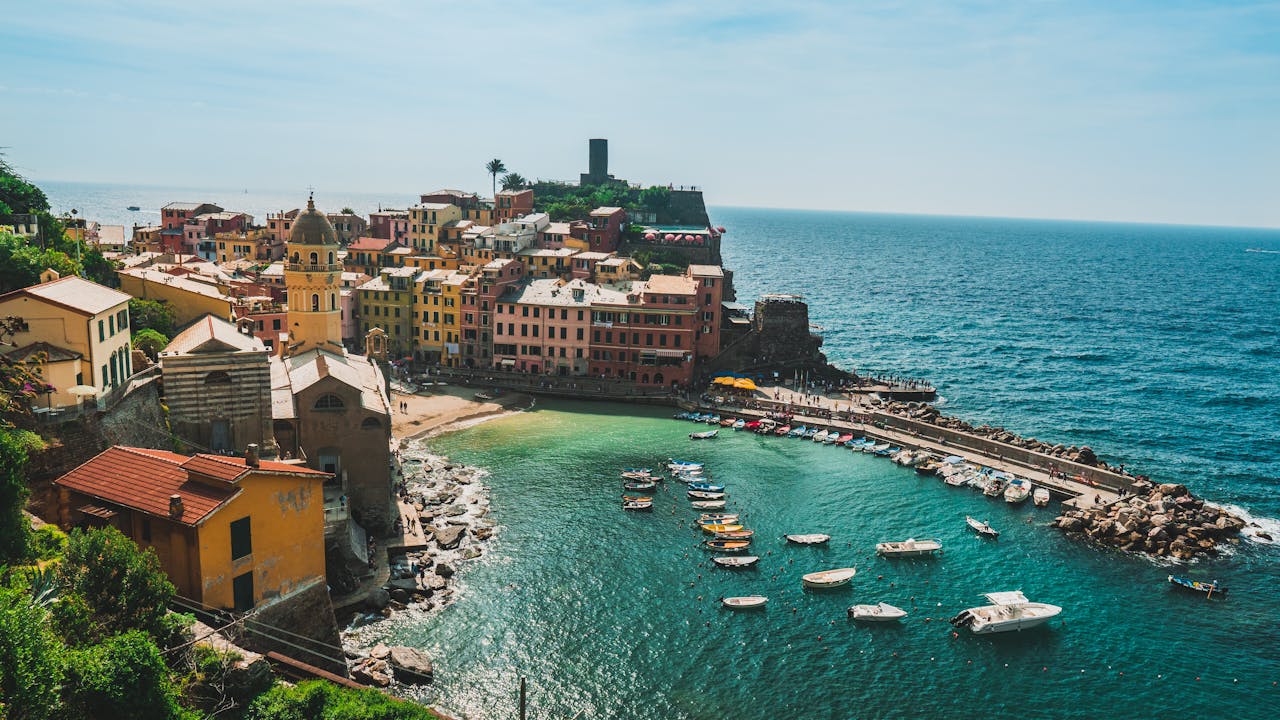
Cinque Terre unites five historic fishing villages along a rugged Ligurian coastline connected by nearly 11 kilometers of trails. The route between Monterosso al Mare and Vernazza delivers sweeping sea views framed by terraced vineyards.
Fewer than 4,000 residents live here year-round, yet millions visit annually. Spring and autumn, with temperatures near 20°C, offer calmer paths and softer light for exploring colorful harbors and stone lanes.
6. Milan
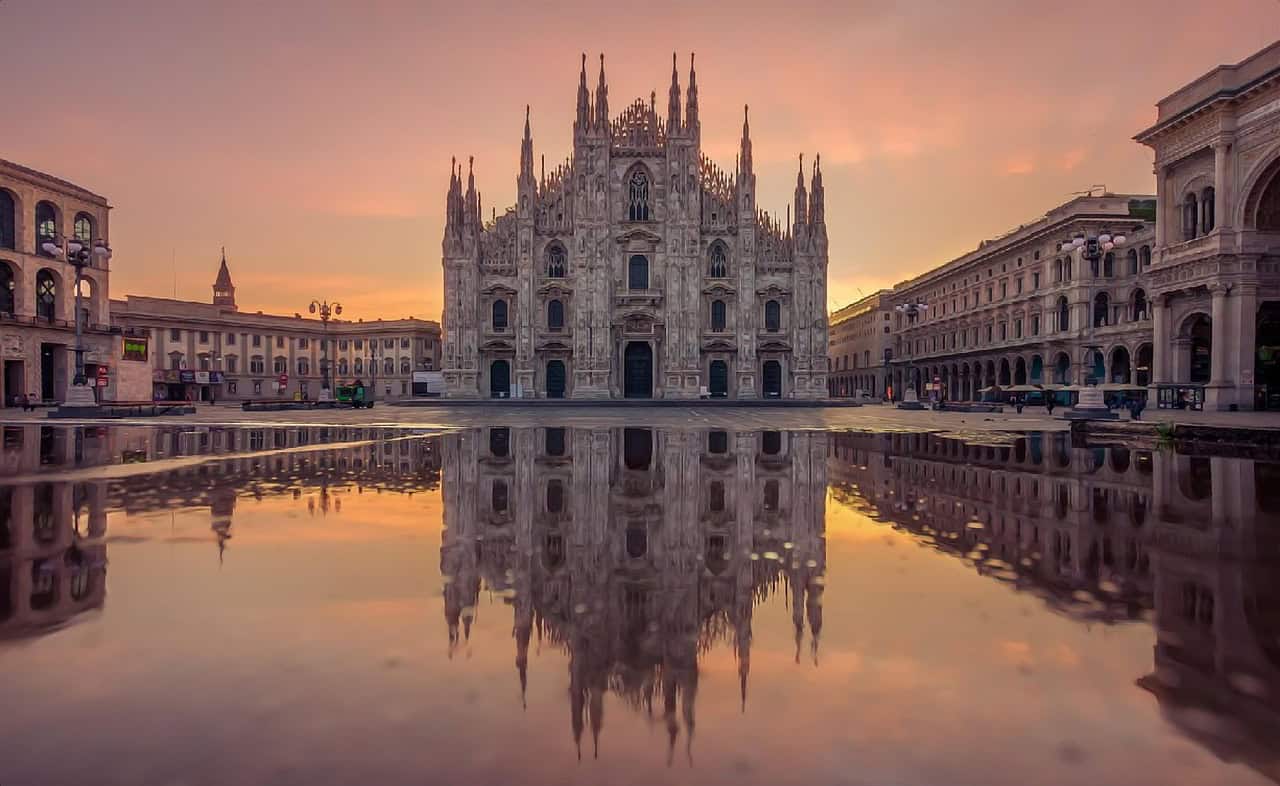
Milan, home to more than 1.3 million residents, stands as Italy’s financial and fashion capital. The ornate Milan Cathedral took nearly 600 years to complete and features over 3,400 statues across its façade and terraces.
Inside Santa Maria delle Grazie, Leonardo da Vinci’s mural draws global visitors. Modern skyscrapers now frame historic streets, and the city hosts two major fashion weeks annually.
7. Lake Como
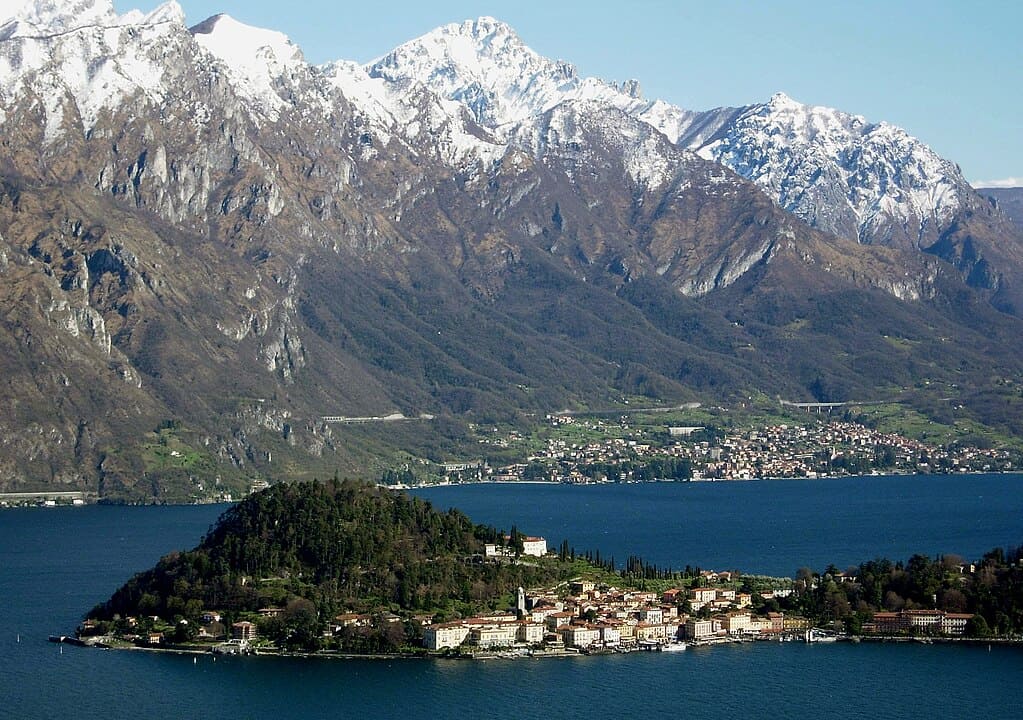
Covering approximately 146 square kilometers and plunging 410 meters deep, Lake Como ranks among Europe’s most scenic alpine lakes. Elegant villas line its shores, and towns like Bellagio attract travelers seeking refined relaxation.
Its distinctive Y-shape creates varied panoramas from nearly every angle. Summer temperatures hover around 25°C, ideal for ferry rides linking lakeside communities in under an hour. The surrounding Alps provide a dramatic natural backdrop that changes color beautifully at sunset.
8. Naples
Naples, with nearly 1 million residents, pulses with energy and character along the Bay of Naples. It sits beneath Mount Vesuvius, whose eruption in AD 79 preserved Pompeii under volcanic ash.
The historic center spans about 1,700 hectares and holds UNESCO recognition. Add its reputation as the birthplace of pizza, and Naples offers history and culinary heritage in equal measure. Narrow streets, vibrant markets, and seaside promenades keep the atmosphere lively from morning to night.
9. Tuscany
Tuscany stretches across nearly 23,000 square kilometers, defined by vineyards, olive groves, and medieval hill towns. In San Gimignano, 14 stone towers still rise above the skyline, echoing 13th-century rivalries.
The region produces millions of bottles of Chianti annually, and scenic drives wind through sunflower fields and cypress-lined roads. Even a week here feels unhurried and immersive. Seasonal harvest festivals and local markets offer deeper insight into rural Tuscan traditions.
10. Verona
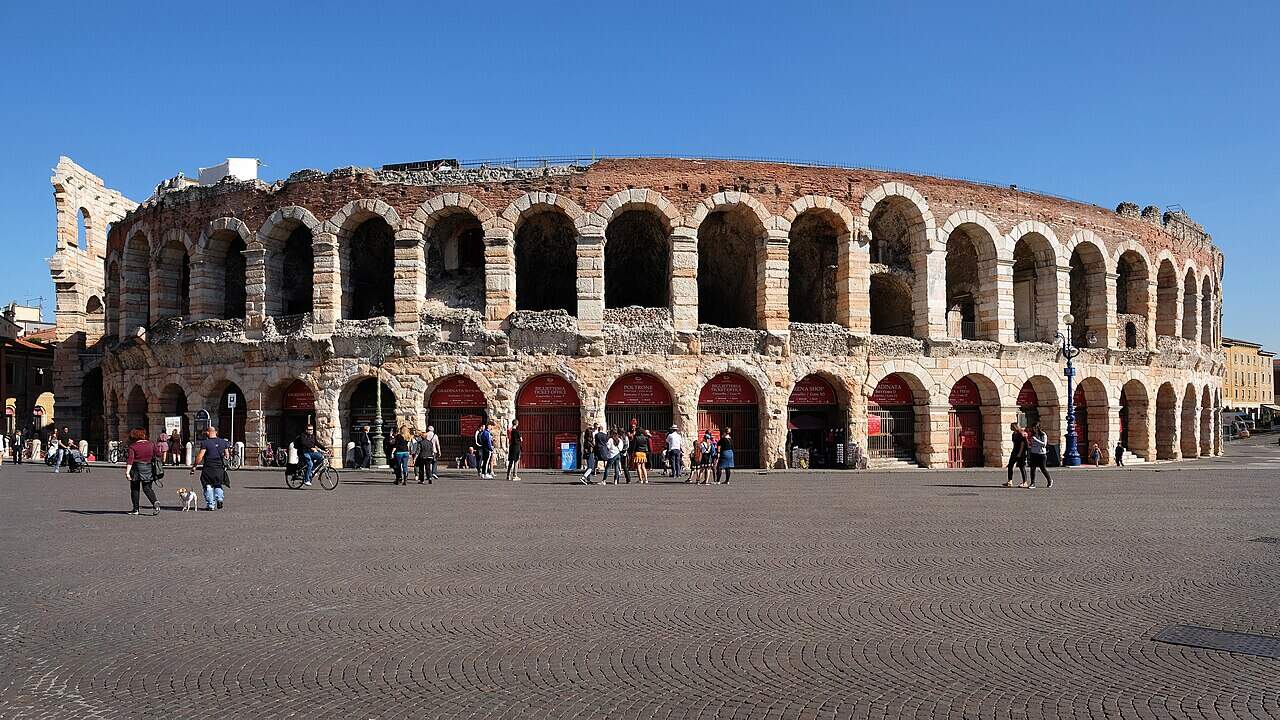
With around 260,000 residents, Verona blends romance and Roman heritage in a compact setting. The Verona Arena, built in the 1st century AD, still hosts performances for up to 15,000 spectators.
Its historic center can be explored comfortably within a day. Beyond literary fame, Verona reveals elegant squares, river views, and architecture shaped by more than 2,000 years of continuity. Evening walks along the Adige River add a particularly atmospheric close to any visit.