We may earn money or products from the companies mentioned in this post. This means if you click on the link and purchase the item, I will receive a small commission at no extra cost to you ... you're just helping re-supply our family's travel fund.
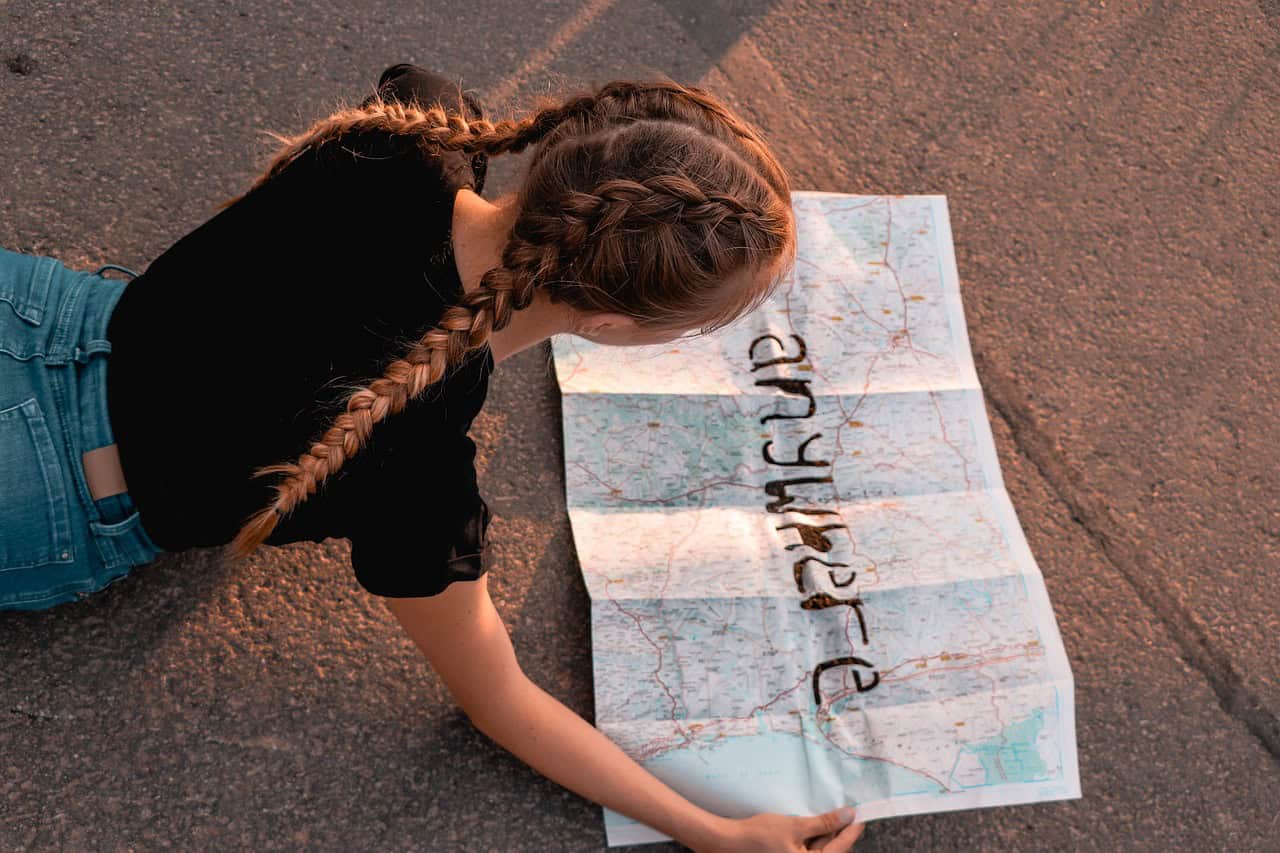
Vacation culture has evolved rapidly in the last two decades, reshaped by digital tools, shifting lifestyles, and travelers who value flexibility over formality. Many once-common habits have faded, not because they lacked charm, but because modern travel makes them unnecessary or inconvenient. From how we plan to how we document memories, the landscape has changed in ways that highlight speed, personalization, and comfort. Below are ten old vacation traditions that now feel noticeably outdated.
1. Relying Entirely on Travel Agencies

For years, planning a trip meant visiting an agency, sitting through brochures, and trusting agents to craft your itinerary. Today, more than 78% of travelers book major components online, drawn by instant comparison tools and real-time updates. The old agency model now feels slow, especially when prices can change by 15–20% within hours. Agencies still have value for complex, multi-country routes, but most travelers prefer the control and transparency of modern booking platforms.
2. Carrying Heavy Guidebooks Everywhere
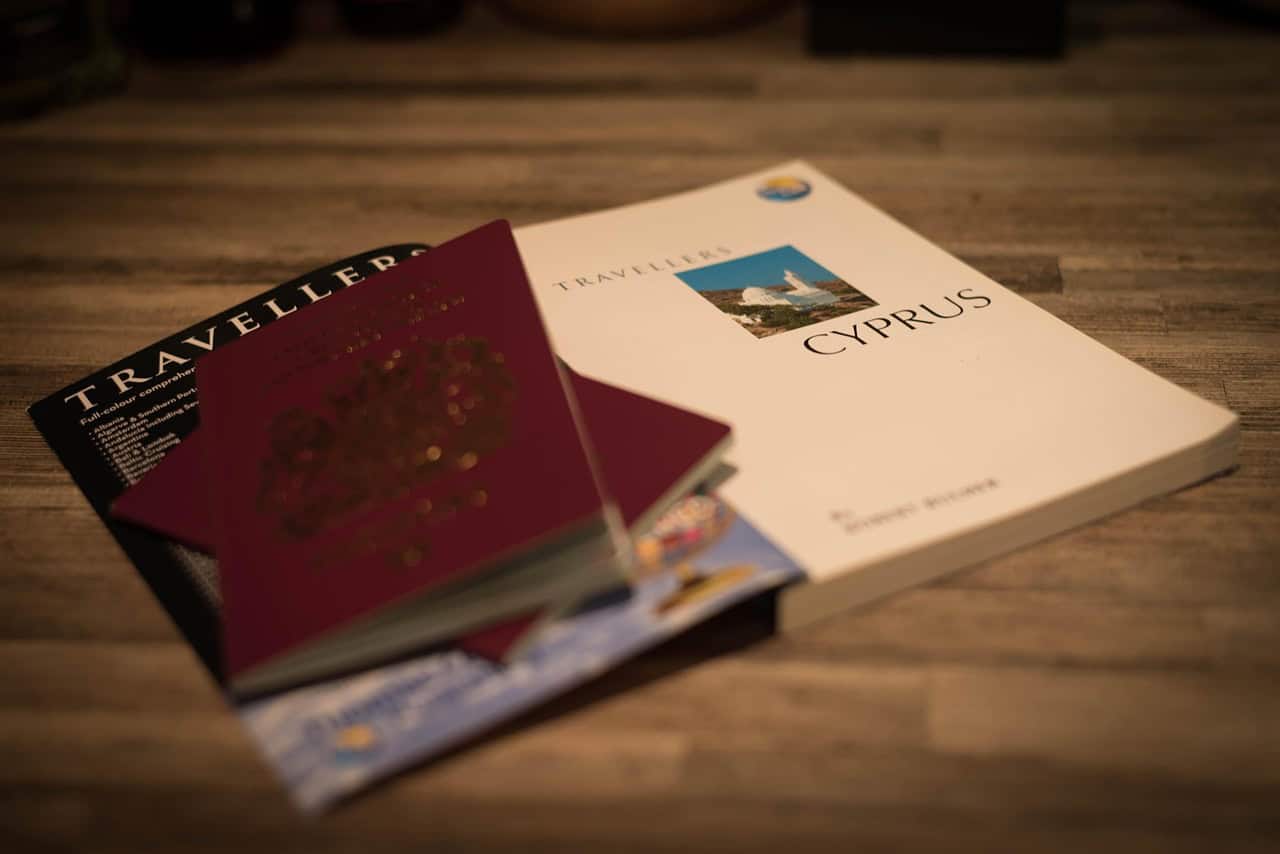
Decades ago, travelers packed guidebooks weighing 300–500 grams each, often carrying multiple volumes for longer trips. While these books offered curated insights, they lacked the flexibility modern explorers need. Now, smartphones provide live directions, updated safety alerts, and user reviews from over 200 million contributors worldwide. Lugging physical books feels unnecessary, especially when digital apps store thousands of pages without adding a single extra gram to your bag.
3. Following Overly Packed Itineraries
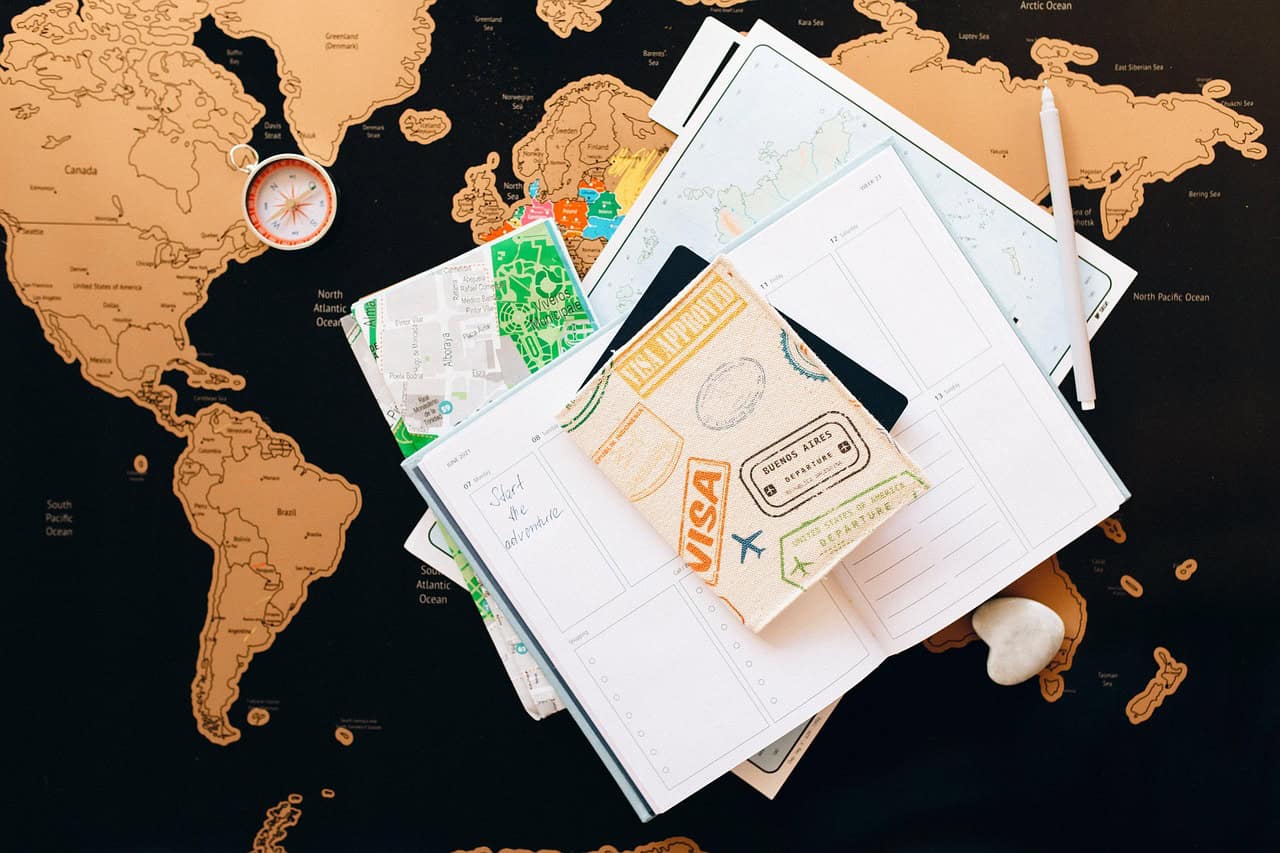
Older travel styles encouraged tightly scheduled days with 10–12 planned stops, leaving little room to breathe. Today, more than 64% of travelers prefer loose itineraries that adapt to mood, weather, or unexpected discoveries. Rigid planning now feels stressful rather than productive, especially when real-time information lets you adjust activities on the go. The modern approach favors balance, allowing meaningful experiences instead of racing through crowded attractions.
4. Buying Souvenirs in Bulk for Everyone

It once felt necessary to return with bags of trinkets, often 20–30 small items for friends, colleagues, and extended relatives. But with minimalism rising and clutter-awareness growing, many travelers now limit souvenirs to a select few meaningful pieces. Studies show that nearly 55% of purchased souvenirs are discarded within two years. Instead of accumulating keychains or magnets, people prefer digital keepsakes or memorable local activities.
5. Mailing Postcards Instead of Digital Updates

Sending postcards used to be a cherished travel ritual, though delivery could take 7–21 days depending on the country. Today’s travelers share photos, videos, and updates instantly with the 4.8 billion people active on messaging apps. Postcards still hold nostalgic charm, but the delays, limited writing space, and cost of postage, now averaging $1–internationally make them less appealing. Digital communication simply delivers the connection people want in real time.
6. Dressing Formally for Flights

Air travel once had a glamorous reputation, with passengers wearing suits, dresses, and polished shoes even on short 2–3 hour flights. But with average economy seat widths shrinking to 43–46 cm, comfort has become a priority. Modern travelers choose breathable fabrics, stretch materials, and layered outfits to manage unpredictable cabin temperatures. The old tradition of dressing up now feels impractical for long-haul journeys that can last 10–15 hours or more.
7. Carrying Large Cameras and Film Gear

In earlier decades, travelers packed cameras weighing 1–2 kilograms, along with multiple lenses and 24–36 exposure film rolls. Today’s smartphones feature sensors capable of handling 12–48 megapixels, making bulky gear unnecessary for casual photography. While professionals still carry equipment, the vast majority of travelers rely on phones that fit in their pockets. The convenience of instantly editing and sharing photos has pushed traditional camera kits into niche territory.
8. Staying Only in Standard Hotels

Hotel chains once dominated travel, capturing nearly 90% of vacation stays. But with the rise of home-sharing platforms and boutique stays—now used by over 40% of younger travelers, the habit of defaulting to hotels feels outdated. Alternative accommodations offer kitchens, local neighborhoods, and more personal atmospheres, often at 20–30% lower cost. The variety of options today encourages travelers to match stays with their style rather than relying on a single traditional format.
9. Collecting Paper Maps and Brochures

Tourists previously gathered stacks of brochures and unfolded paper maps spanning 50–70 cm, often struggling to refold them correctly. With digital navigation apps used by 85% of travelers today, paper materials feel inefficient and wasteful. Offline maps work seamlessly even without data, while interactive layers show transit schedules, crowd levels, and walking distances in seconds. The modern preference for cleaner, lighter travel has pushed physical maps into the realm of novelty.
10. Using Traveler Cheques and Carrying Large Cash Amounts

Traveler cheques were once a secure way to carry money abroad, though many required 2–3 verification steps to cash. Today, digital wallets and international debit cards serve over 70% of global travelers, offering better exchange rates and fraud protection. Carrying large sums of cash feels risky and outdated, especially when most destinations accept contactless payments. Modern financial tools simplify travel spending while minimizing the need for physical currency.