We may earn money or products from the companies mentioned in this post. This means if you click on the link and purchase the item, I will receive a small commission at no extra cost to you ... you're just helping re-supply our family's travel fund.
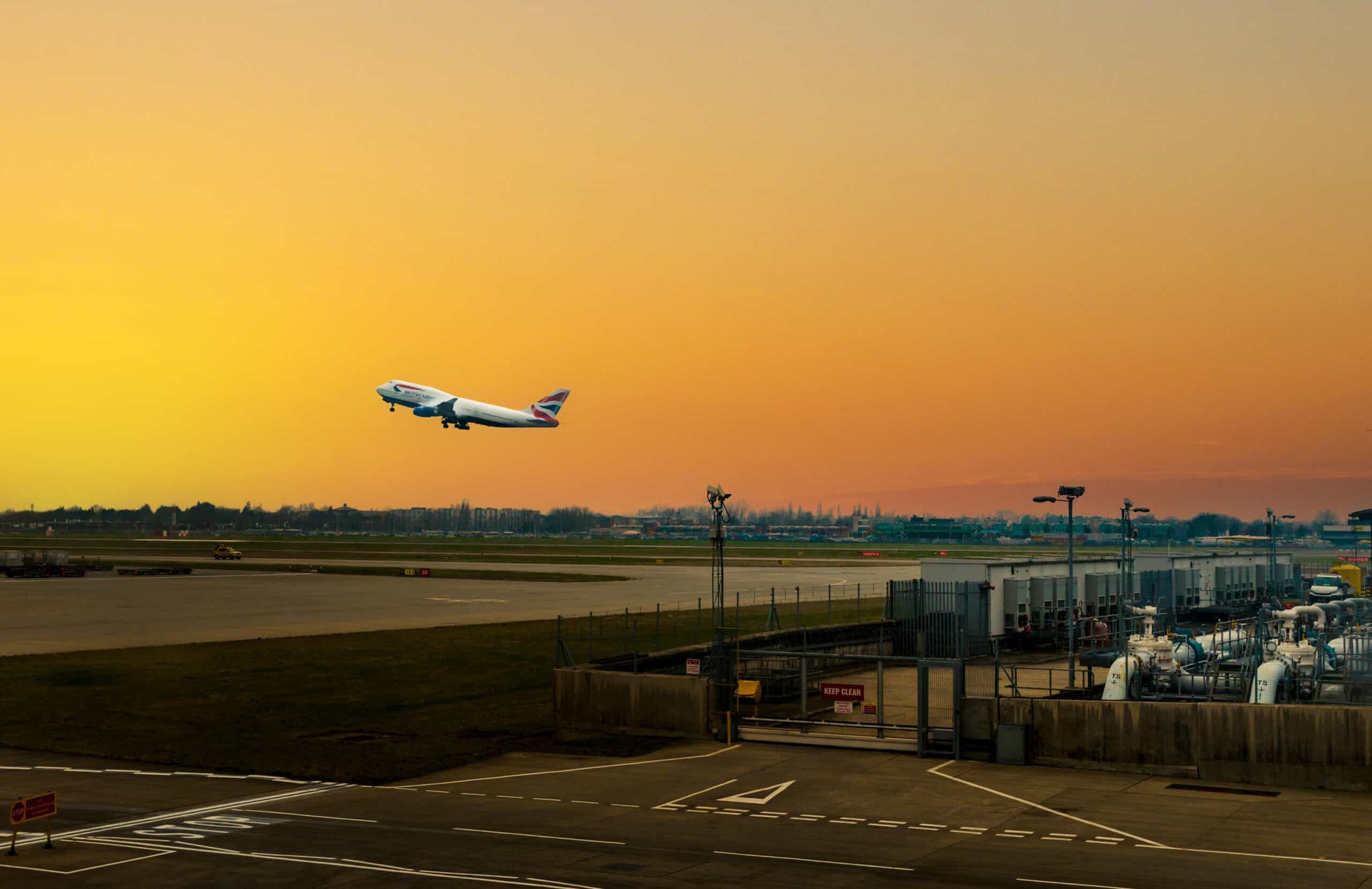
A difficult airport is not always a bad airport. Often, it is a giant hub doing hard things at once: moving huge crowds, separating domestic and international flows, and rebuilding while fully open. Stress rises when terminals are far apart, security must be repeated, and gate assignments shift late. Even seasoned travelers can feel off-balance when a short layover meets a long corridor. These ten airports are famous for scale and complexity, and each one can turn a routine travel day into a navigation test.
London Heathrow Airport, United Kingdom
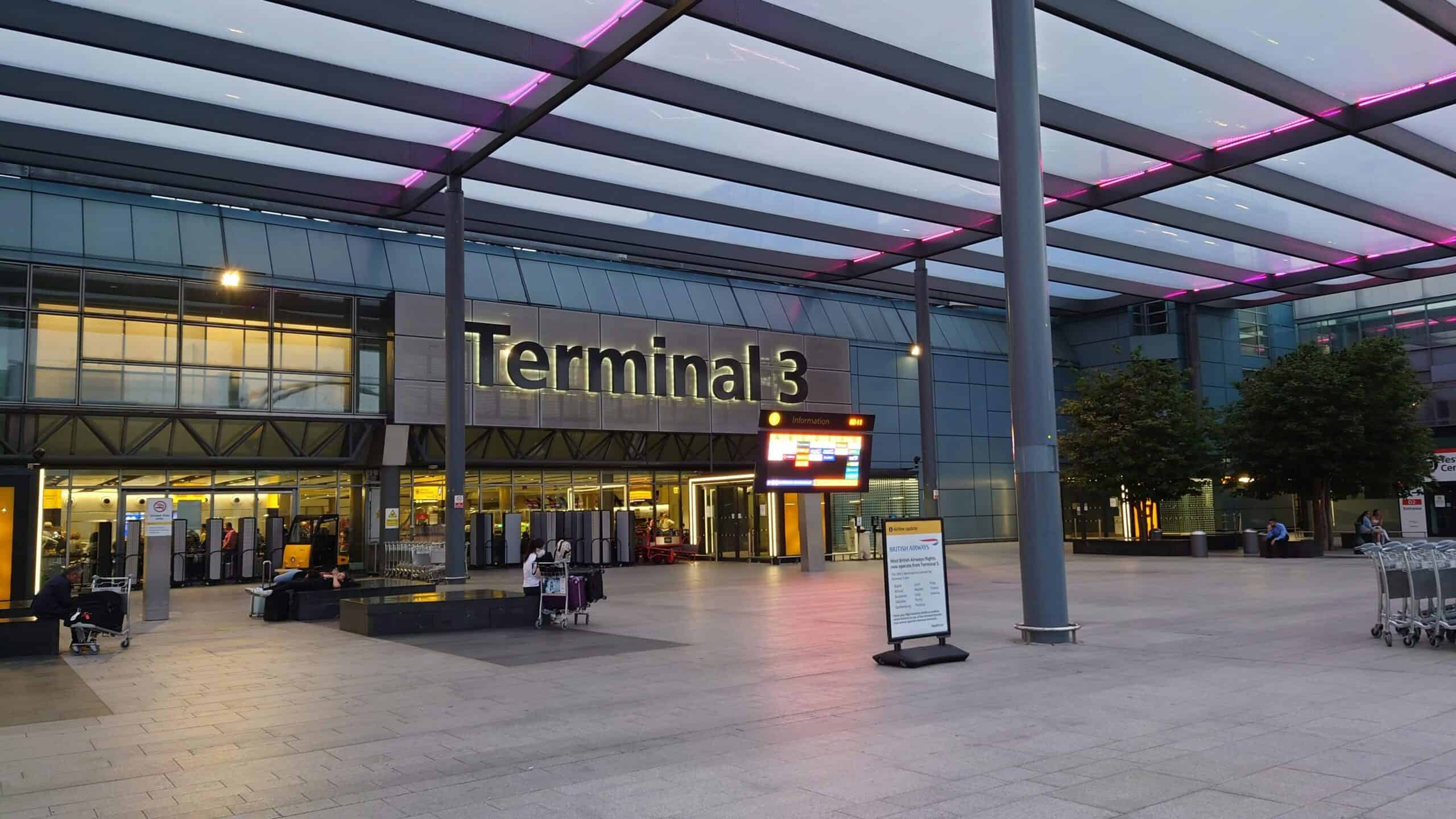
Heathrow’s challenge starts with structure: four active terminals, different airline homes, and transfer paths that can include buses or trains between buildings. Heathrow’s own guidance notes that connecting passengers may depart from a different terminal, should follow dedicated purple signs, and must pass security again, which adds friction when time is tight. A traveler can do everything right and still feel rushed if the incoming gate is remote, the queue is heavy, and the onward flight boards early. That mix of distance, procedure, and timing is why Heathrow can feel mentally exhausting before takeoff.
Paris Charles De Gaulle Airport, France
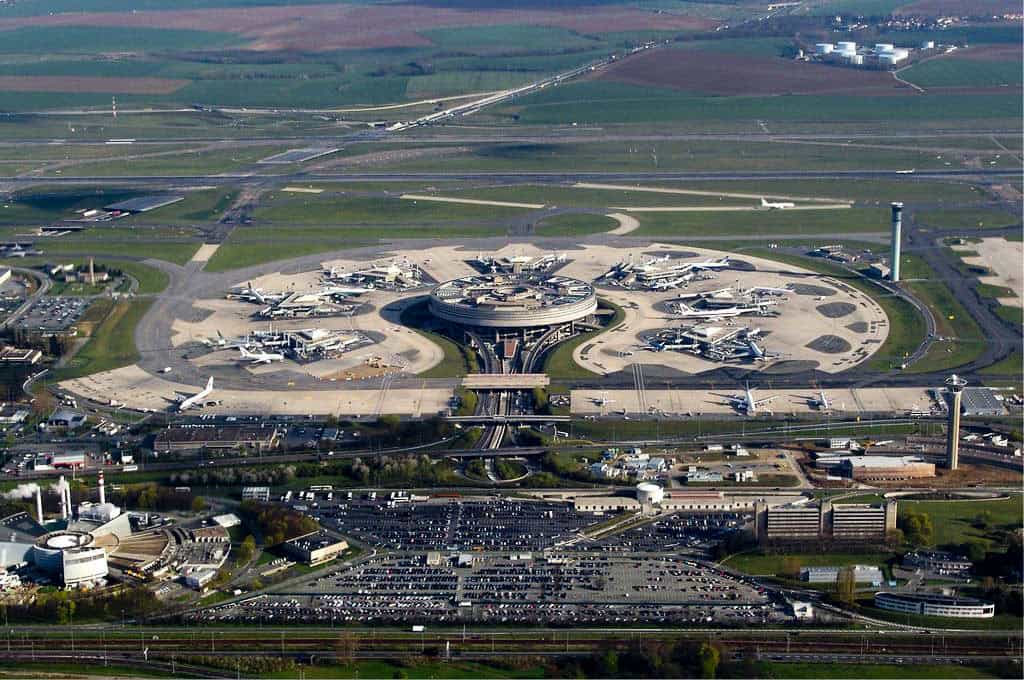
CDG can feel like several airports stitched together, especially around Terminal 2’s lettered sections and the separate 2G satellite. Paris Aéroport advises transfer passengers to follow yellow connecting-flight signs, and its own terminal-shuttle page confirms dedicated N1 and N2 bus links between halls, a clue that internal movement is not always quick walking from one gate to another. The architecture is striking, but on a short connection the practical reality dominates: escalators, corridors, bus stops, and one wrong turn that costs precious minutes. CDG rewards preparation, and punishes improvisation.
New York John F. Kennedy Airport, United States
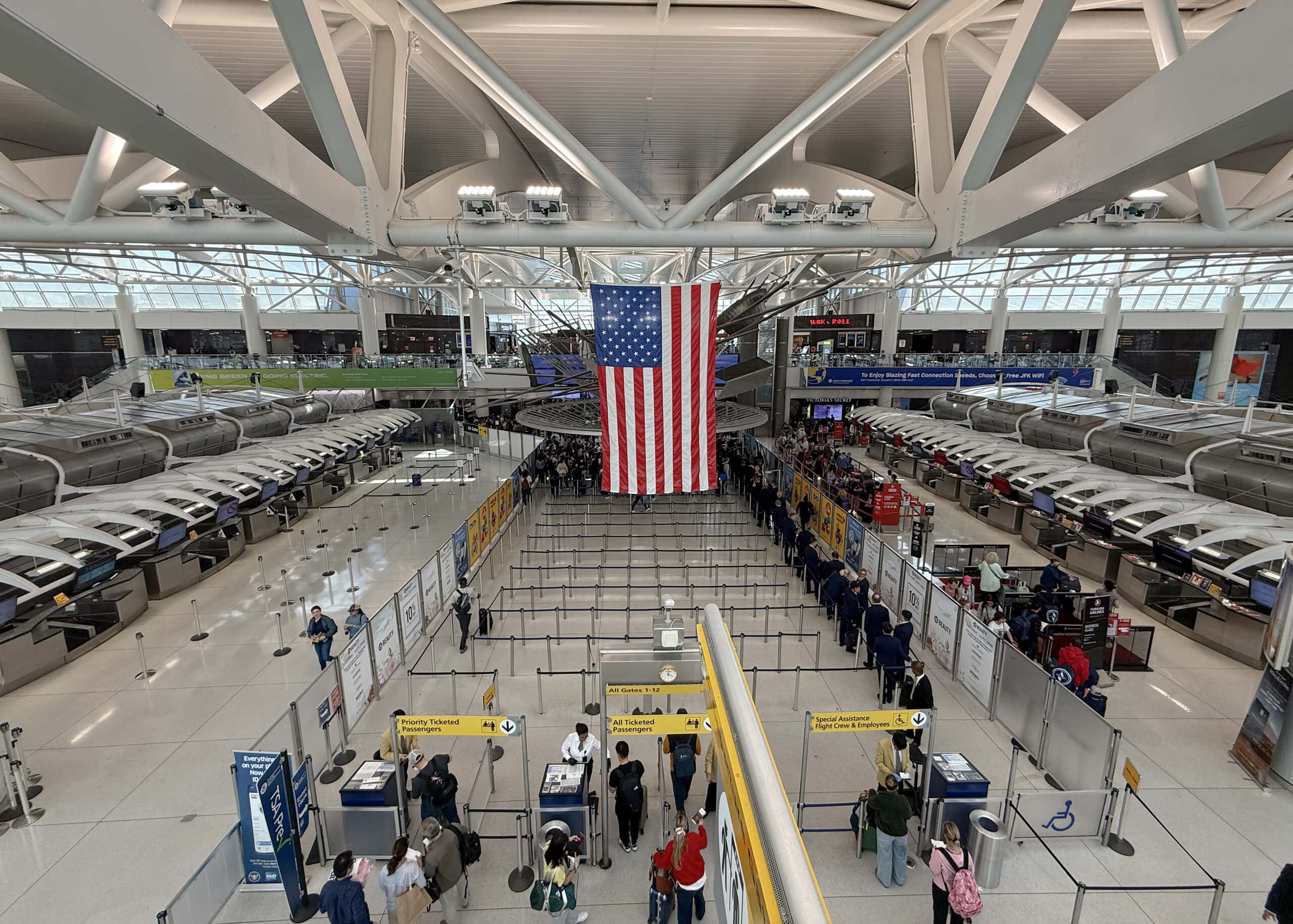
JFK spreads operations across multiple terminals and relies heavily on AirTrain for terminal-to-terminal and rail connections into the city. The airport’s official AirTrain page states that it connects all passenger terminals, parking, hotel shuttles, rental cars, and transit links, which is efficient in theory but can feel complex when baggage, timing, and unfamiliar signage collide. Add roadway traffic, separate terminal security lines, and late gate updates, and the airport can feel like a sequence of mini-journeys rather than one smooth transfer. JFK works best with extra buffer, not heroic timing.
Chicago O’Hare International Airport, United States

O’Hare is vast, busy, and constantly evolving, and that scale alone can rattle a short layover. The airport’s map resources and ATS people mover details show a multi-terminal system where many passengers must use internal transit to reach Terminal 5, rental cars, or remote facilities, with service every few minutes during peak periods. It is a capable system, but the cognitive load is real: signs, concourses, trains, and crowds all at once. When weather or delays compress a schedule, O’Hare can shift from exciting hub energy to pure connection anxiety.
Frankfurt Airport, Germany
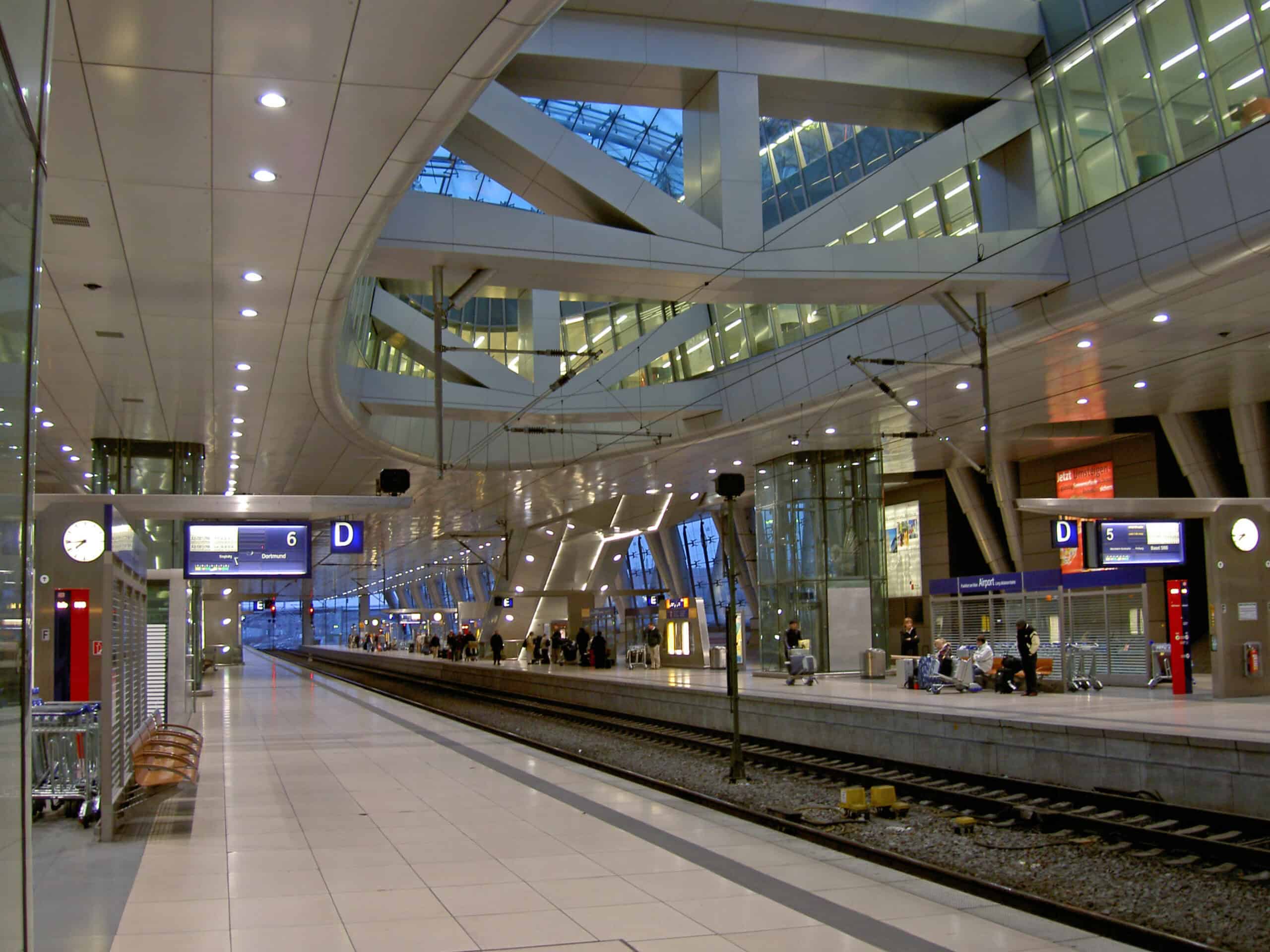
Frankfurt is one of Europe’s classic transfer hubs, and the stress point is often movement between its two main terminals and long pier-style concourses. The airport’s transfer page highlights Terminal 1 and Terminal 2 service points and route help, which hints at how frequently travelers need guidance while in transit. Frankfurt is logical once understood, but first-time passengers can lose time on distance alone, especially with passport-control steps, gate-area changes, and the pressure of strict boarding windows. It is not chaotic, just demanding, and that distinction matters at connection speed.
Istanbul Airport, Türkiye
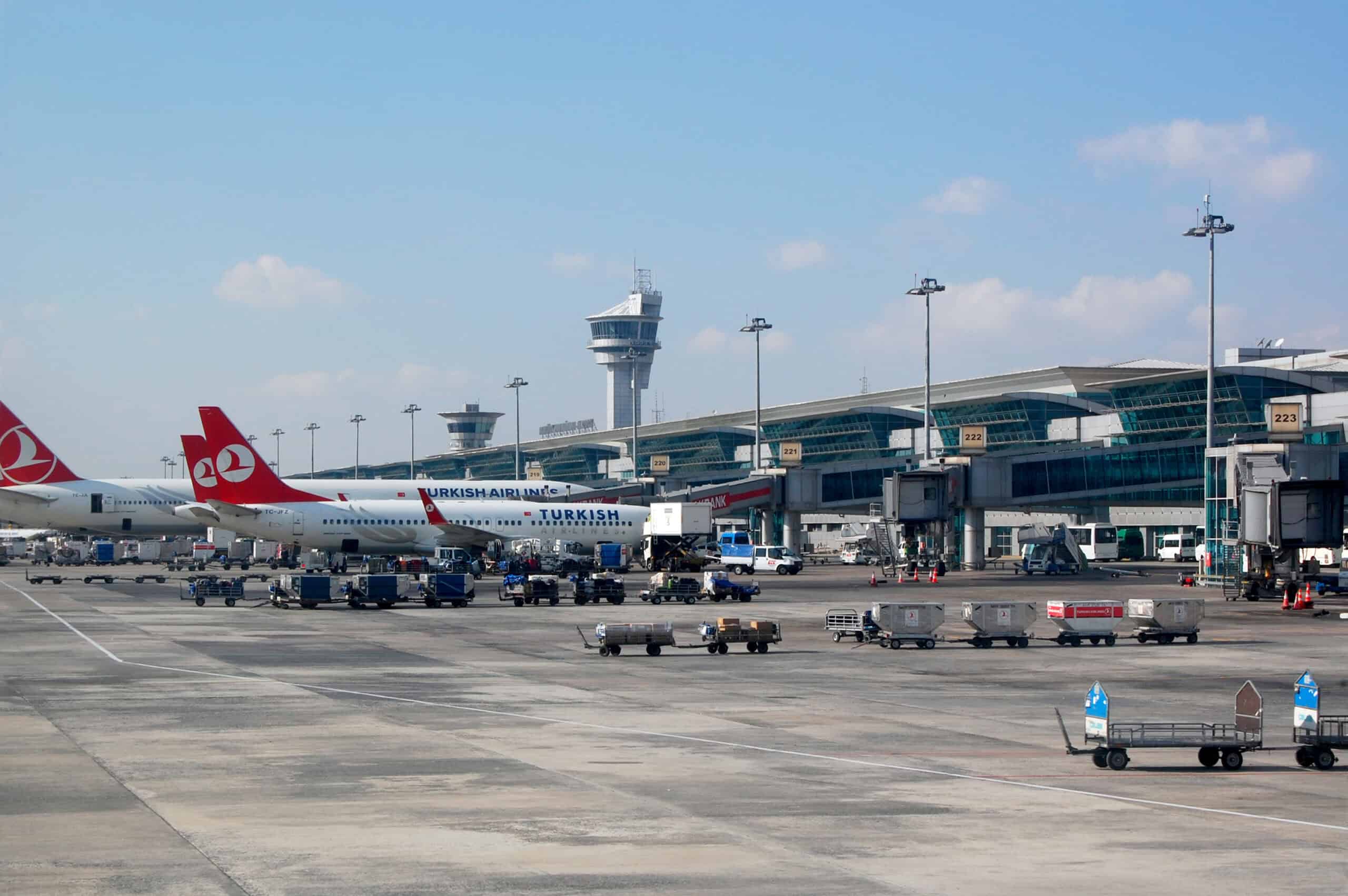
Istanbul Airport is designed as a global connector, but sheer scale can make tight connections feel uncomfortable. Official map tools from the airport and Turkish Airlines emphasize route-finding support for check-in counters, gates, and services, which is helpful because long indoor walks are part of the experience in a mega-hub format. The airport is modern and efficient, yet stress appears when a late arrival meets a far departure gate and another screening step. Istanbul is often smooth with time in hand, but with a short layover it can feel like a race across a small city.
Dubai International Airport, United Arab Emirates
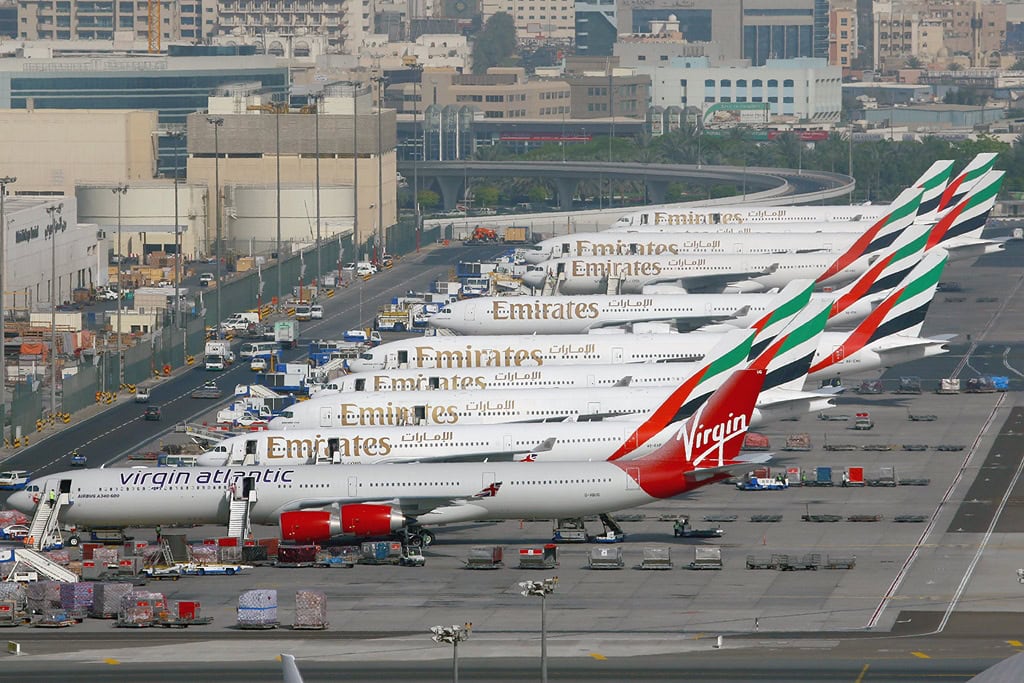
DXB moves huge volumes through distinct terminal ecosystems, and transfer complexity rises fast when flights involve different terminals and carriers. Emirates’ own transfer guidance explains that some onward journeys require going to Connections and taking a shuttle bus to another terminal, then checking onward requirements at the next desk. That process is manageable, but it adds steps, waiting, and uncertainty for anyone expecting a single-building handoff. With long indoor distances, busy peak banks, and road traffic outside, Dubai can feel deceptively simple until timing gets tight and every minute starts to matter.
Los Angeles International Airport, United States
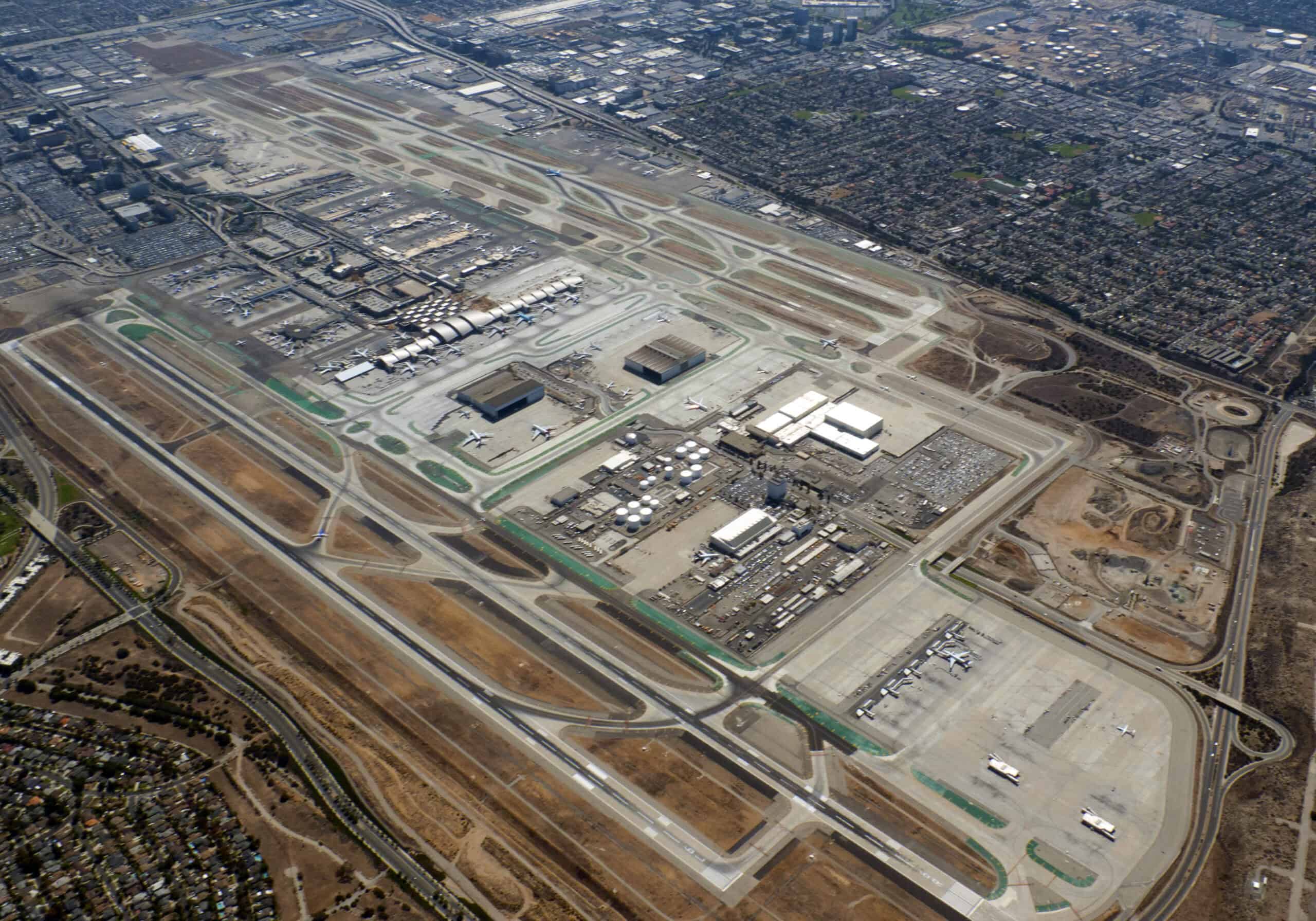
LAX has improved dramatically, yet its broad horseshoe layout and ongoing upgrades still create decision fatigue, especially for infrequent flyers. Official LAX terminal-map resources now show major projects connecting terminals to the future automated people mover and updating circulation, which is progress, but construction-era transitions can make terminal expectations stale even after a few months. The airport can work beautifully on a non-rushed day, then feel fragmented when a bag check, security choice, and terminal change happen back-to-back. LAX is less a single space and more a chain of moving parts.
Amsterdam Airport Schiphol, Netherlands
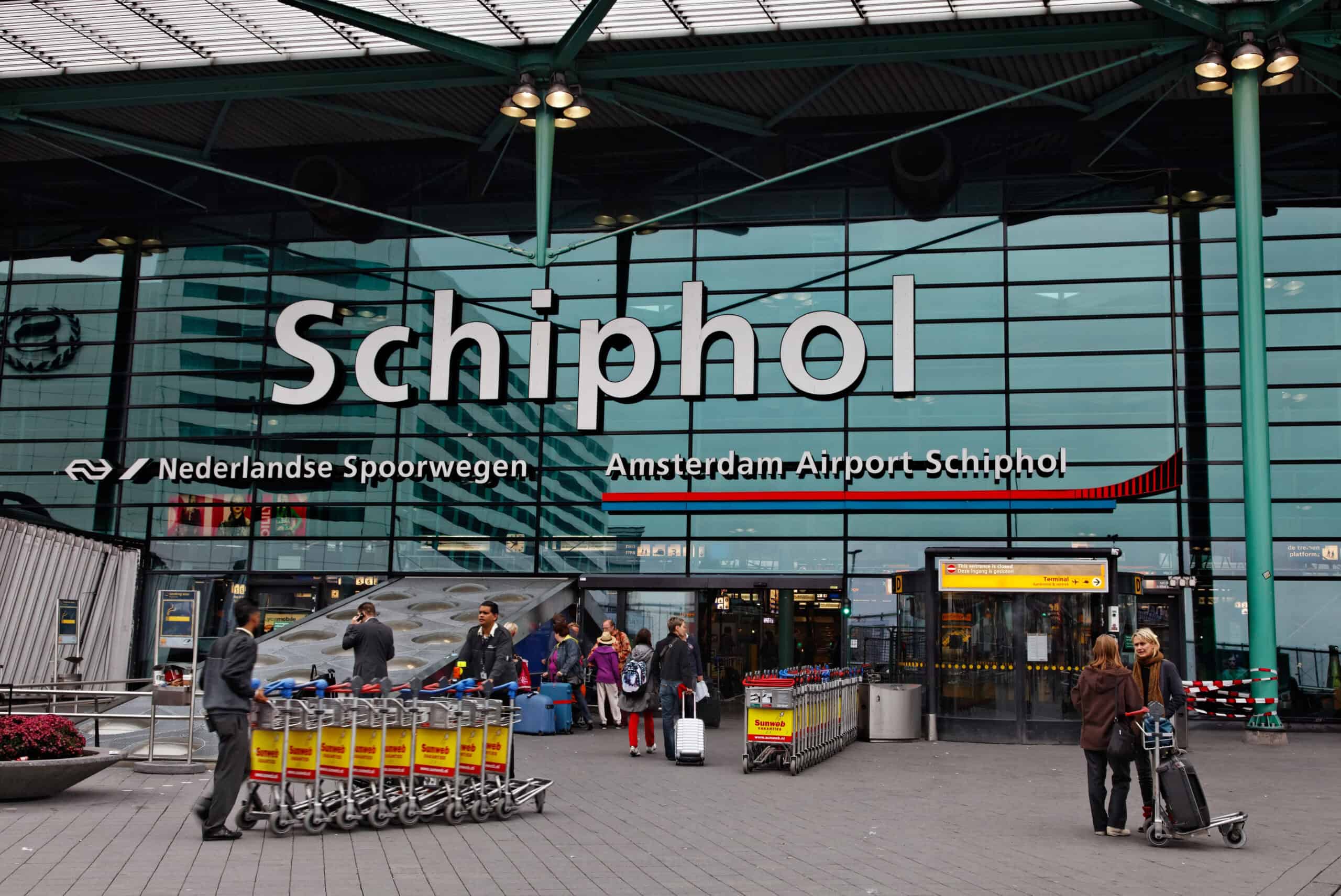
Schiphol is famous for its one-terminal concept, and that design can be both a blessing and a trap. Because so much happens under one roof, travelers often assume every gate is near, then discover long walks between piers, Schengen and non-Schengen control points, and crowded corridors during peak waves. The single-building logic is elegant, but physical distance still exists, and timing errors can snowball when security, passport checks, and boarding deadlines stack together. Schiphol usually feels orderly, yet a tight connection can still become an endurance test in plain sight.
Hartsfield-Jackson Atlanta International Airport, United States
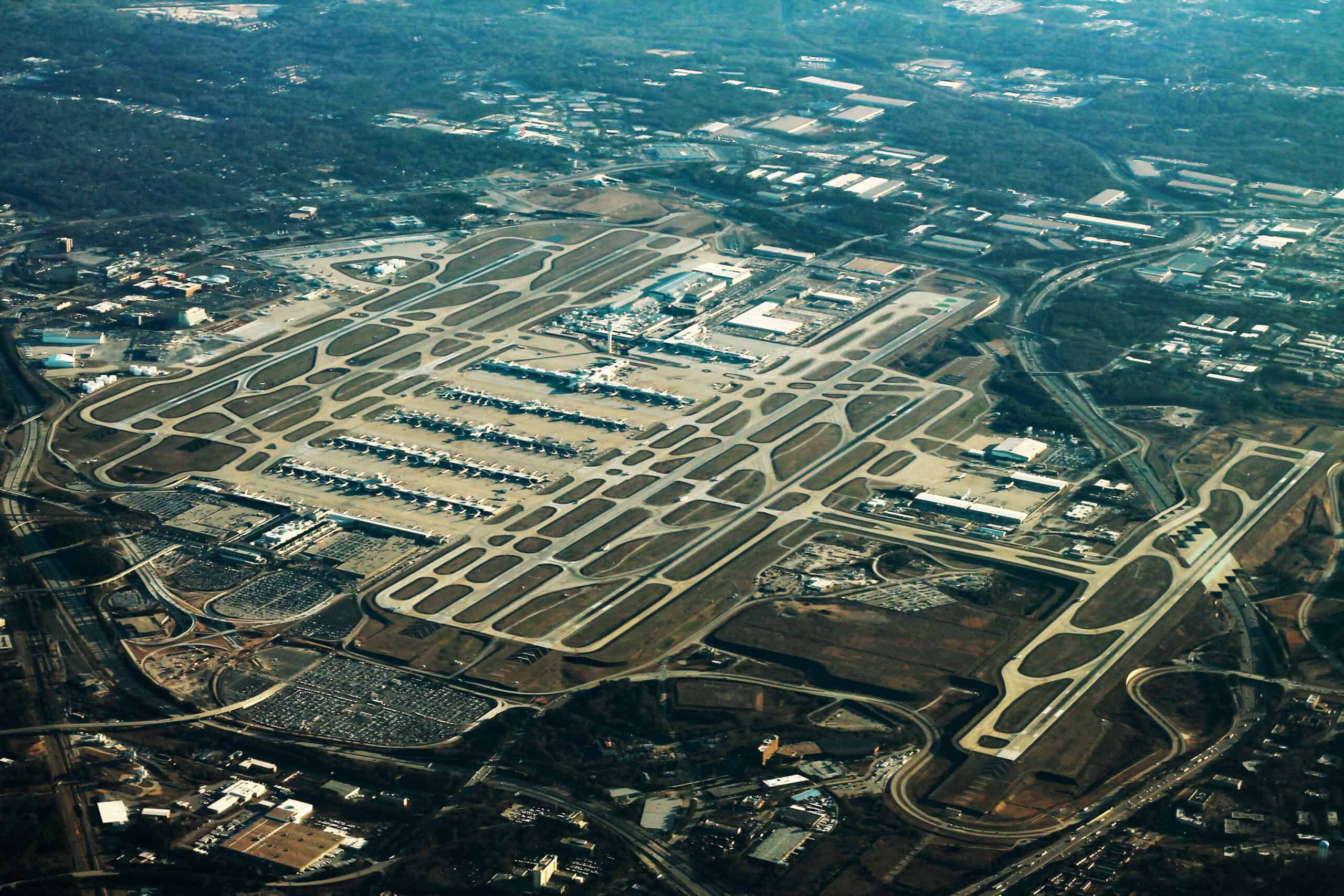
Atlanta is extraordinarily efficient at scale, but it can still overwhelm newcomers because of its long concourse chain and underground transit rhythm. The airport’s internal movement depends on the Plane Train and parallel walkways linking terminals and concourses, which works well once understood, but first-timers can lose confidence when they hear multiple stops, letters, and boarding calls at once. The stress is less about disorder and more about pace: massive passenger volumes, quick gate turns, and the feeling that every connection depends on one more escalator, one more train car, and one more sprint.