We may earn money or products from the companies mentioned in this post. This means if you click on the link and purchase the item, I will receive a small commission at no extra cost to you ... you're just helping re-supply our family's travel fund.
Europe is filled with cities that feel carefully staged, as though directors scouted them for their lighting, architecture, and atmosphere. From alpine villages pressed against mirror-like lakes to fortified coastal towns glowing at sunset, these places offer drama in every direction. Below are ten European cities that genuinely look cinematic, each with practical details, scale, and seasonal insight to help you plan a visit that feels straight out of a film.
1. Hallstatt, Austria

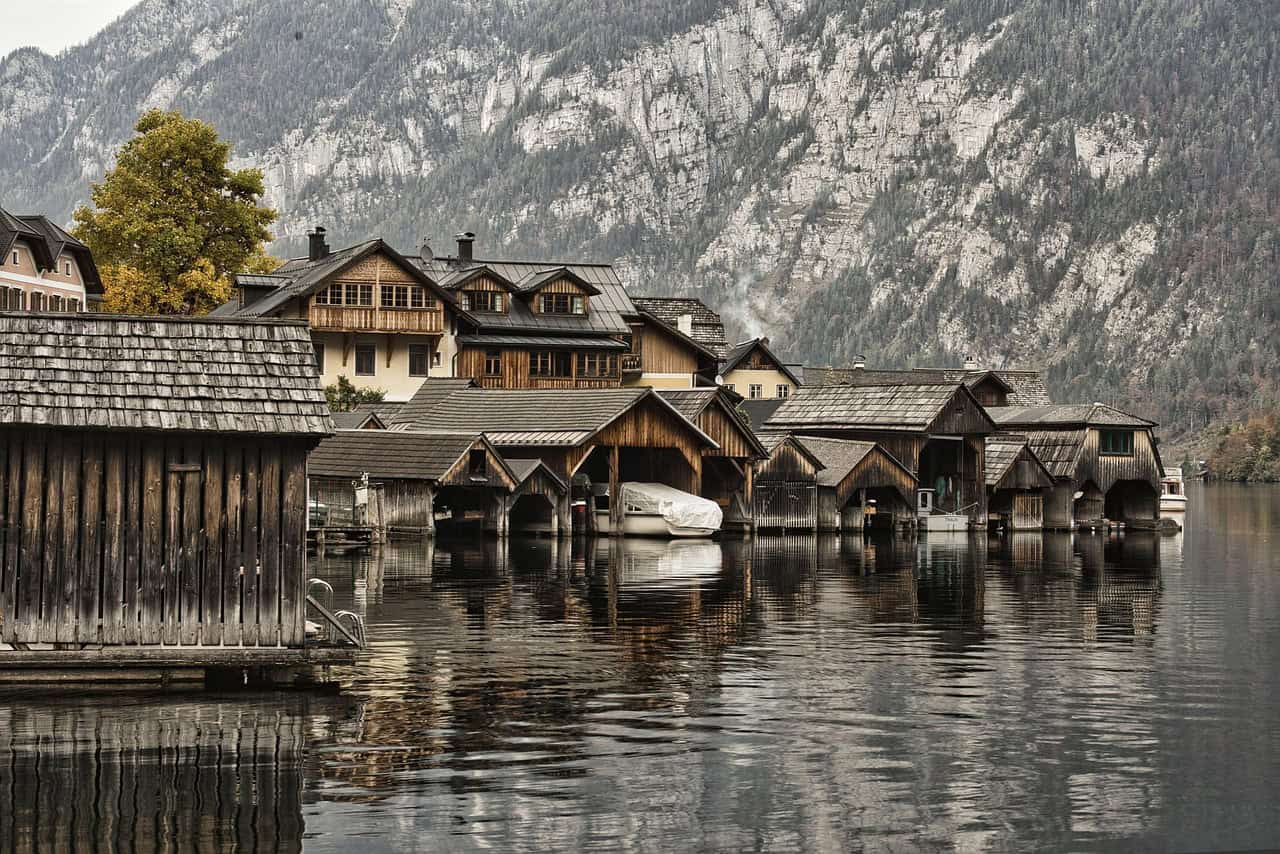
Hallstatt is home to just under 800 residents, yet it welcomes well over 1 million visitors annually. Set beside Lake Hallstatt and backed by the Dachstein Alps, its 16th-century wooden houses stack tightly along the shoreline.
The village sits at about 511 meters above sea level, and its salt mines date back over 7,000 years. Sunrise offers the most photogenic calm, with glassy reflections before tour groups arrive. Ferries connect it to nearby towns, while winter snowfall transforms the narrow lanes into a quiet alpine scene worthy of a historical drama.
2. Colmar, France
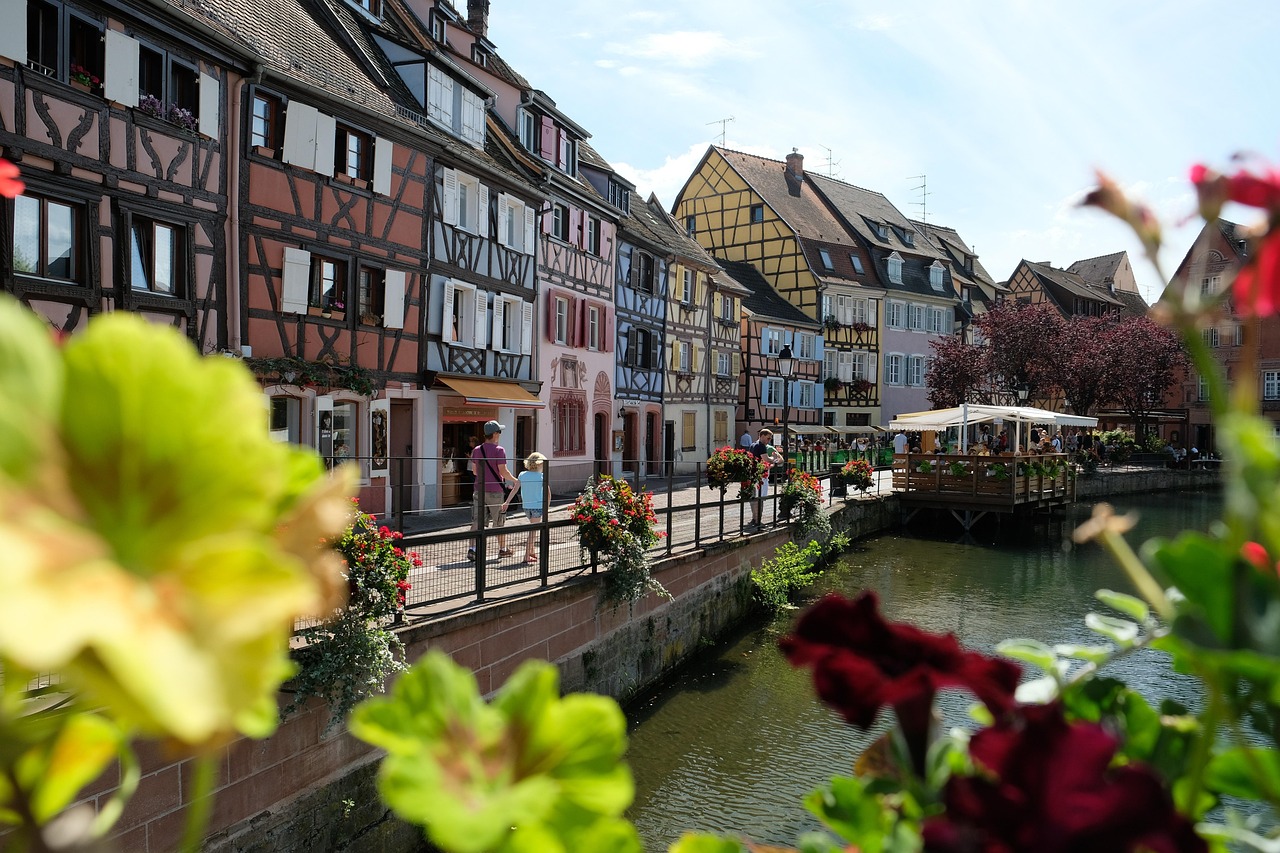
Colmar has roughly 70,000 residents and over 1,000 years of recorded history. Its half-timbered houses, many from the 14th to 17th centuries, are painted in soft pinks, yellows, and blues that line the canals of “Little Venice.”
The town enjoys about 1,800 hours of sunshine annually, one of the highest in France, giving façades a warm glow. December brings 6 themed Christmas markets, drawing hundreds of thousands of visitors. Compact and walkable, most highlights sit within a 2-kilometer radius, making it easy to explore slowly and soak in its storybook charm.
3. Bruges, Belgium
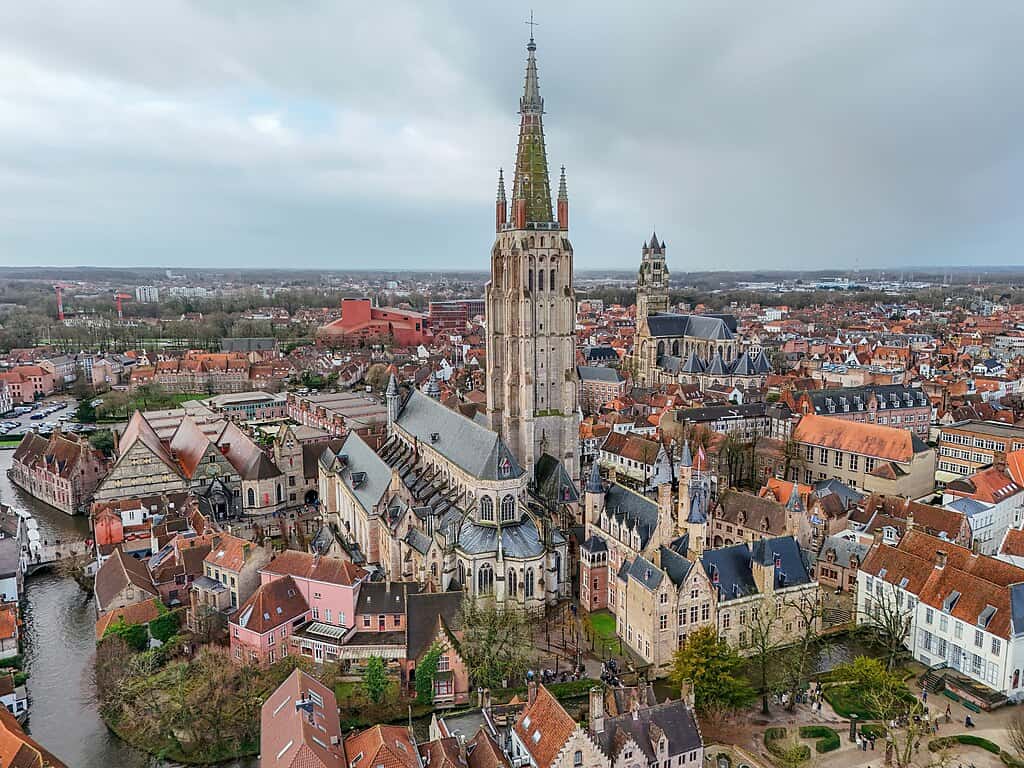
Bruges counts nearly 120,000 residents, yet its medieval core feels frozen in the 13th century. The Belfry tower rises 83 meters above Markt Square, offering panoramic views after climbing 366 steps.
More than 80 bridges cross its canals, earning it the nickname “Venice of the North.” The historic center spans about 430 hectares and is recognized globally for preservation. Evening boat tours last around 30 minutes, when golden light reflects off brick façades. Visiting in spring or autumn reduces crowds while preserving that timeless, cinematic atmosphere.
4. Cesky Krumlov, Czech Republic
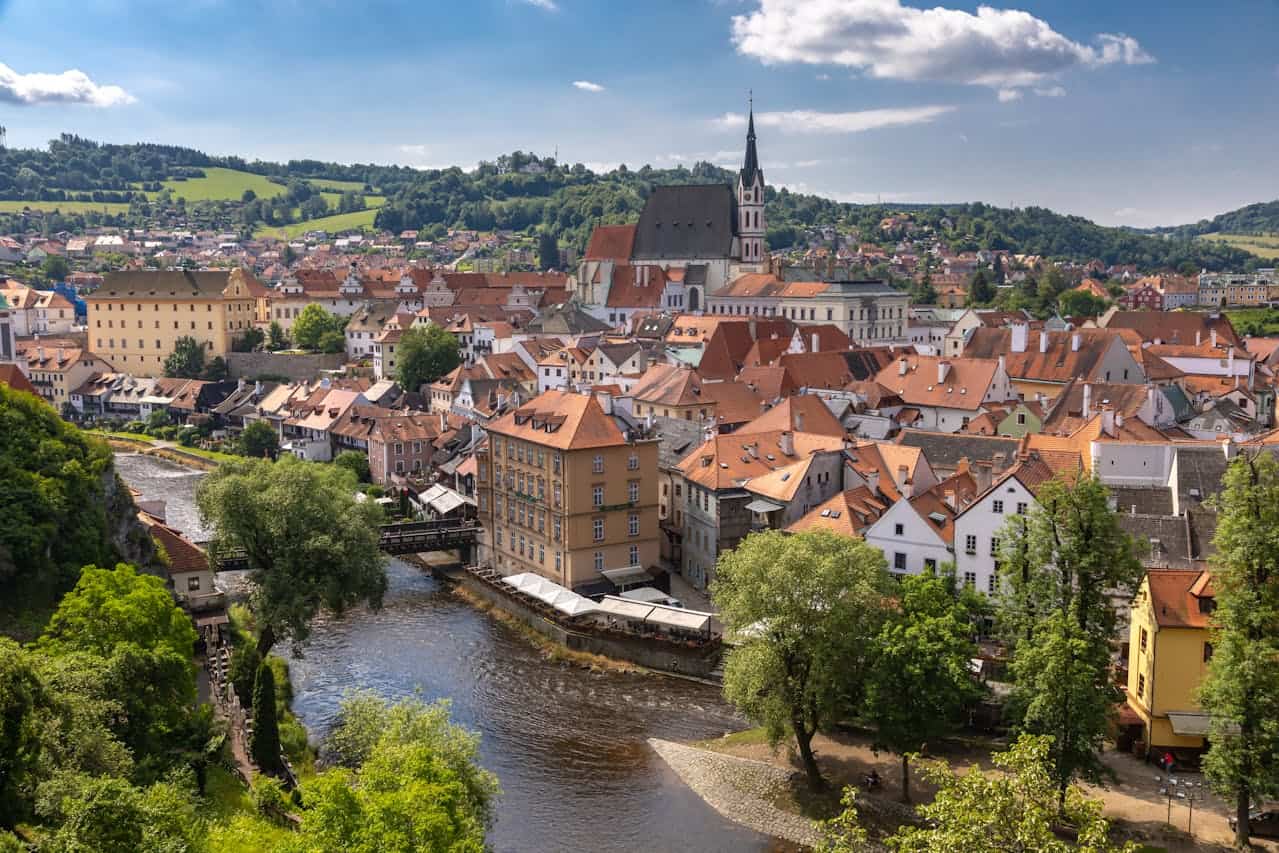
Cesky Krumlov has just 13,000 residents, yet its castle complex is the second largest in the country after Prague. The fortress covers more than 6 hectares and dates back to the 13th century.
The Vltava River loops around the old town in a near-perfect curve, creating dramatic aerial views. Red-tiled roofs dominate the skyline, and the castle tower stands 54 meters tall. Summer rafting draws adventurous visitors, while winter quiet brings mist and snow. The compact center can be crossed in 20 minutes, yet every alley feels layered with centuries of history.
5. Reine, Norway
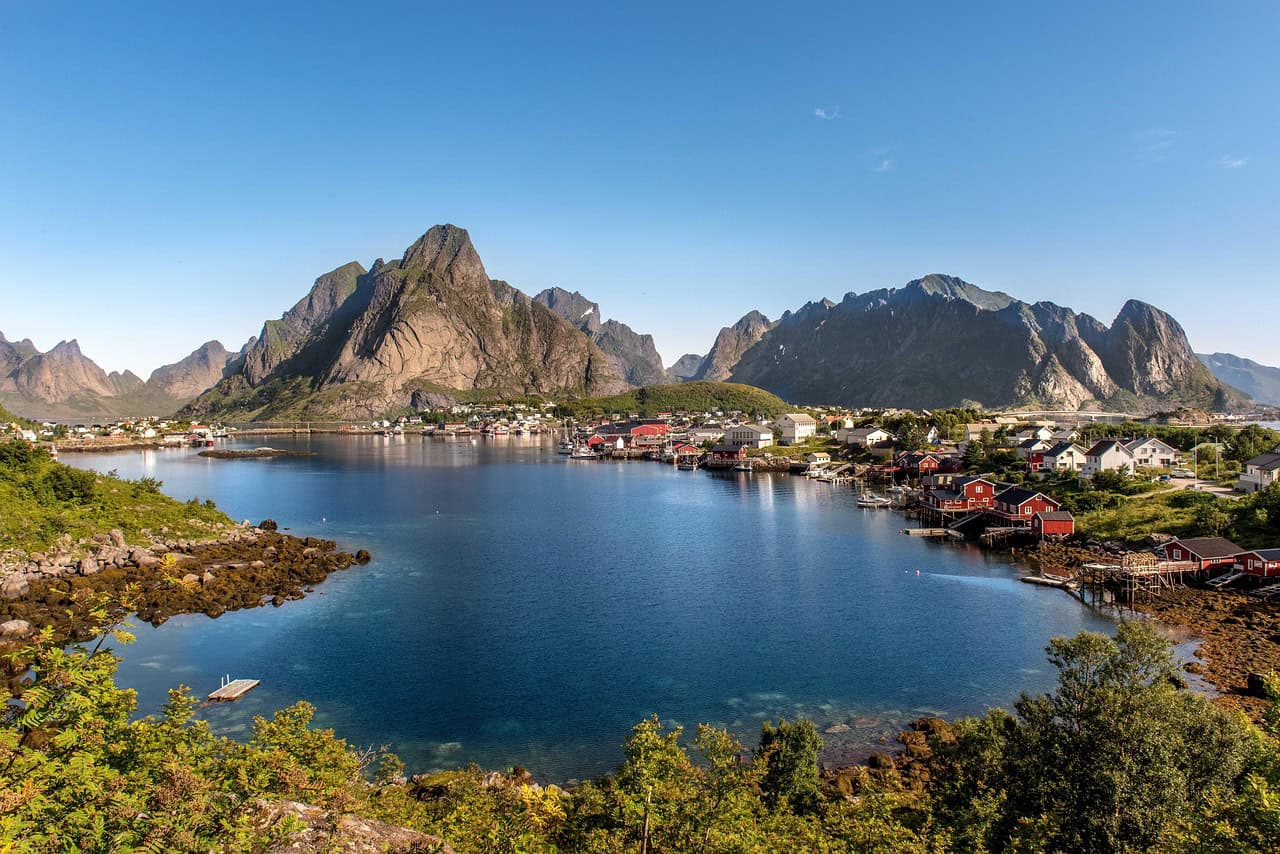
Reine is a fishing village of barely 300 residents, yet it sits beneath peaks rising over 1,000 meters from the sea. Red wooden cabins known as rorbuer line the fjord, reflecting sharply in Arctic waters.
Located above the Arctic Circle, Reine experiences the Midnight Sun from late May to mid-July. In contrast, winter nights often reveal the Northern Lights. Cod fishing has shaped the economy for centuries. The surrounding hiking trails, including Reinebringen’s 1,978 stone steps, reward climbers with sweeping fjord views that feel almost unreal.
6. Rothenburg ob der Tauber, Germany
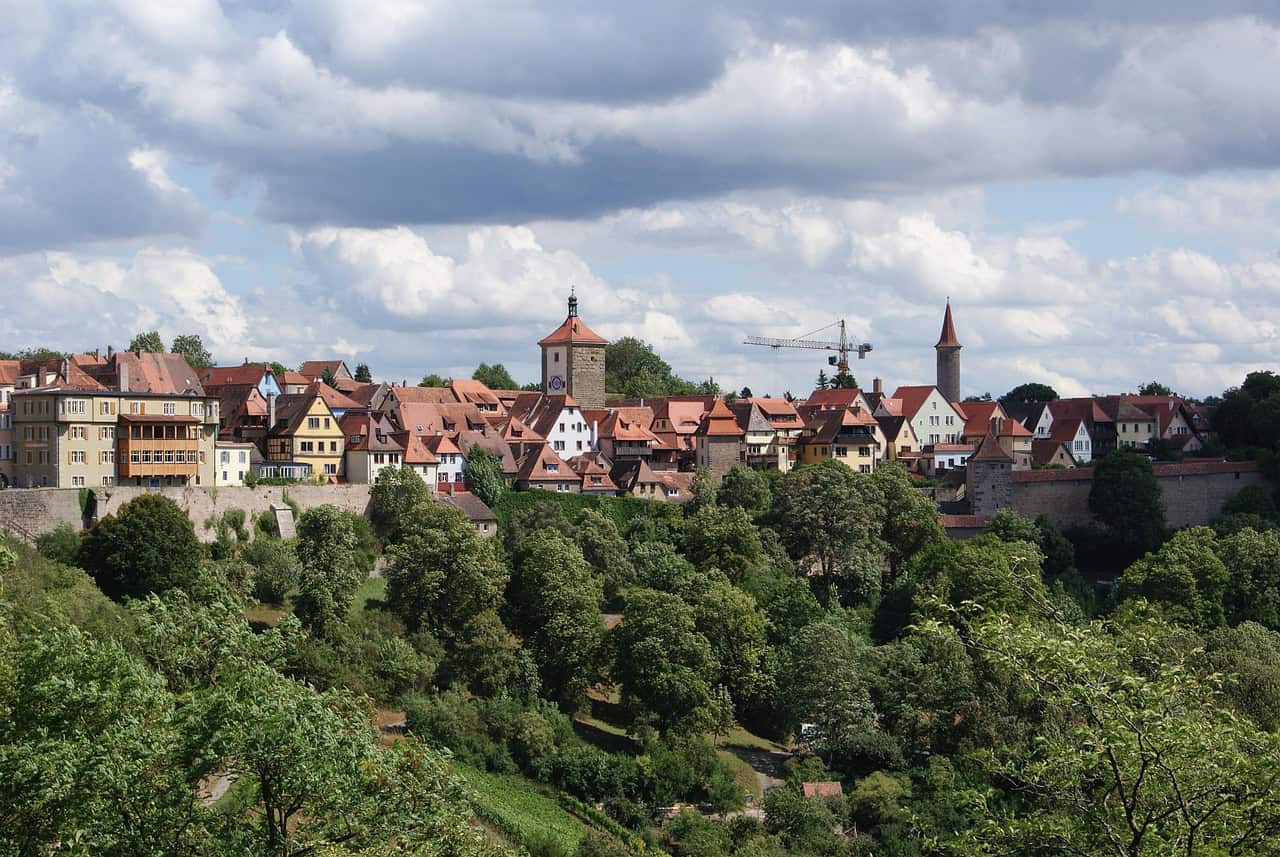
Rothenburg ob der Tauber has about 11,000 residents and preserves nearly 4 kilometers of intact medieval walls. Its origins trace back over 1,000 years, and many buildings date to the 15th and 16th centuries.
Visitors can walk the full wall circuit in roughly 2 hours. The famous Plönlein corner, framed by two towers, is among Germany’s most photographed spots. December’s Reiterlesmarkt Christmas market attracts thousands daily. Despite its fame, early mornings remain quiet, allowing travelers to appreciate cobblestone streets and timber-framed houses without distraction.
7. Porto, Portugal
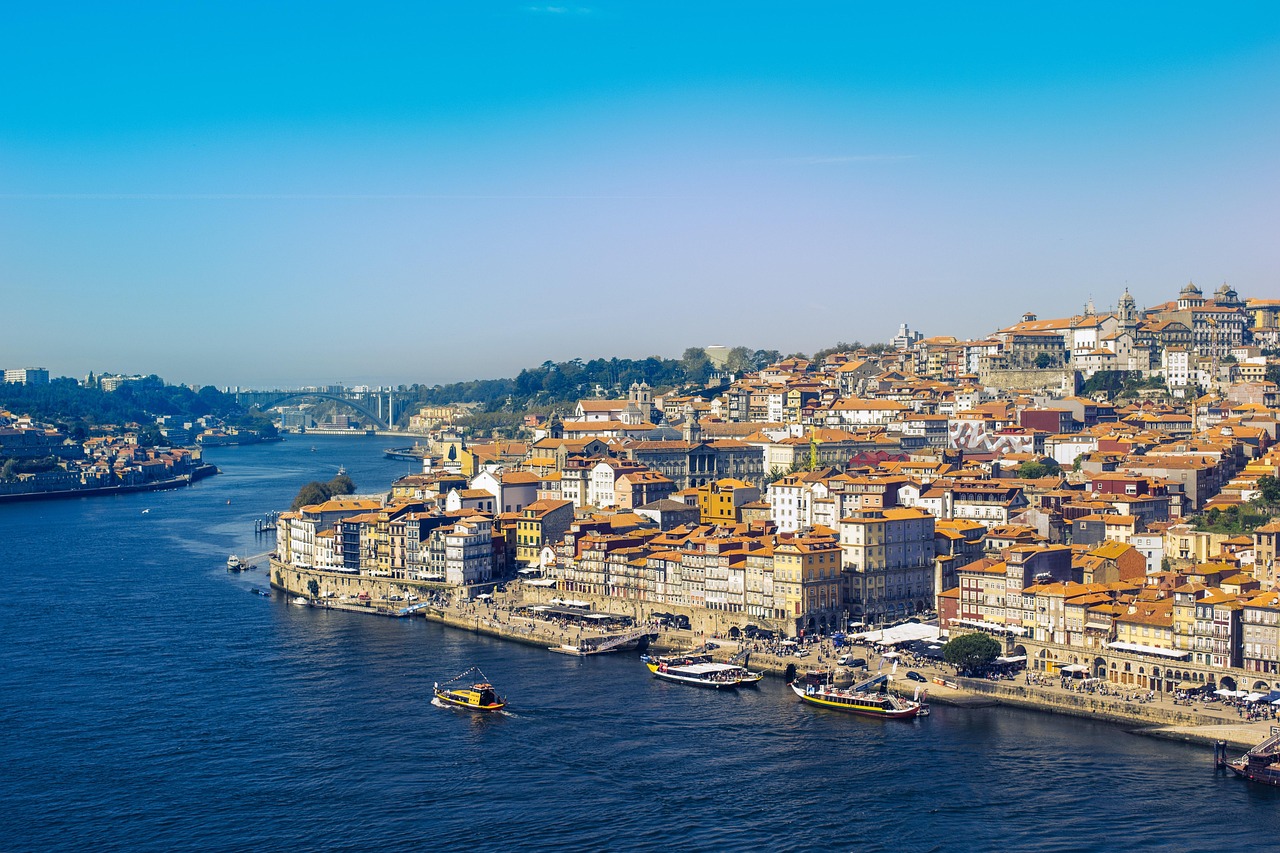
Porto has around 230,000 residents within city limits and over 1.7 million in the metro area. The Dom Luís I Bridge, completed in 1886, stretches 385 meters across the Douro River.
Ribeira’s colorful houses rise in layered terraces, while over 6 million bottles of port wine age annually in nearby Vila Nova de Gaia. The historic center spans roughly 5 square kilometers and rewards slow exploration. Sunset from the upper bridge deck offers one of Europe’s most cinematic views, with terracotta rooftops glowing against the river.
8. Sintra, Portugal
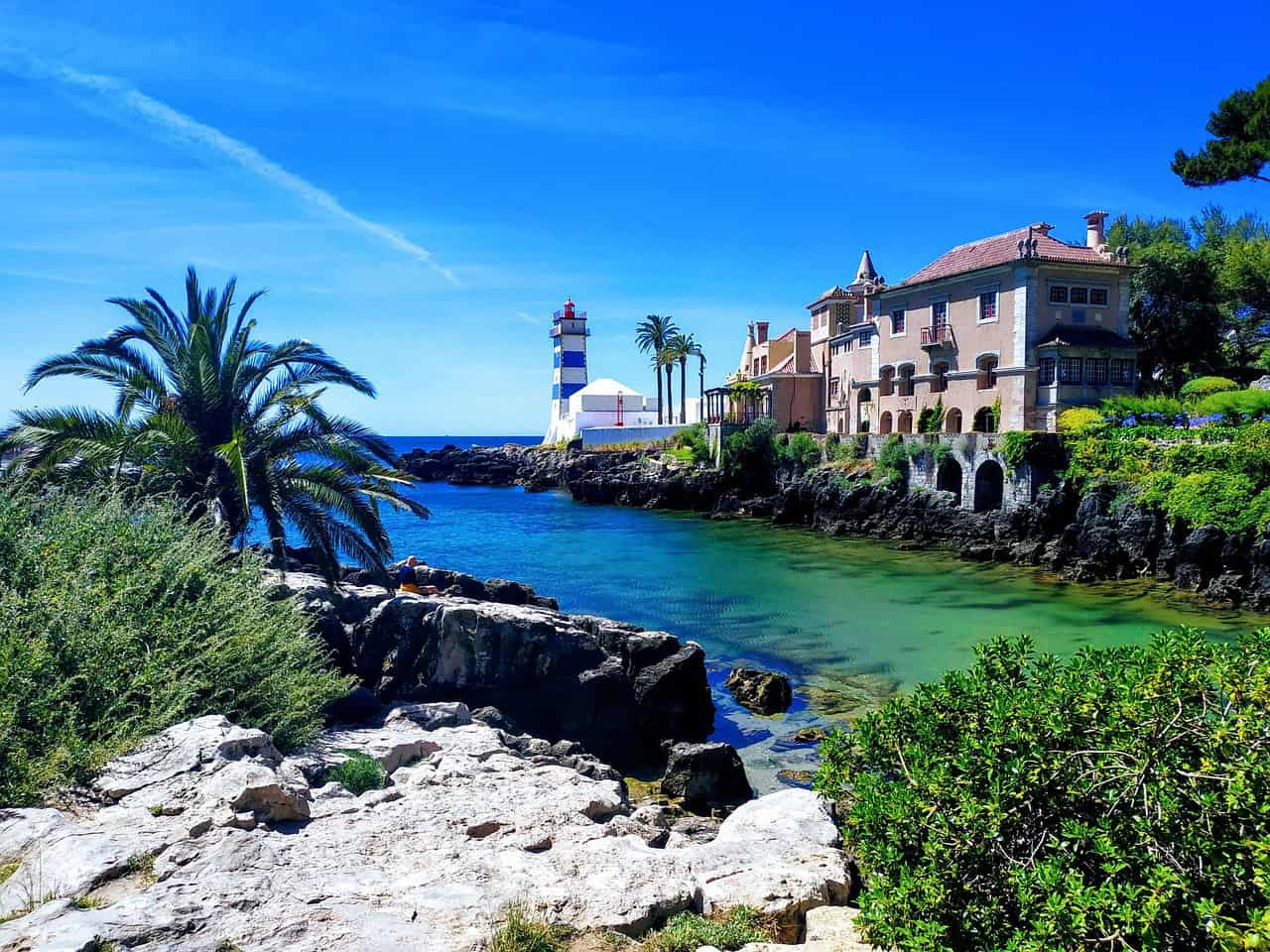
Sintra sits about 25 kilometers from Lisbon and has nearly 385,000 residents in its municipality. The hilltop Pena Palace, completed in 1854, stands 528 meters above sea level in vivid red and yellow tones.
Sintra-Cascais Natural Park covers around 145 square kilometers, blending forest, cliffs, and palaces. Morning fog frequently rolls through the hills, enhancing its fairytale appeal. Quinta da Regaleira’s Initiation Well descends 27 meters in a spiral design. Visiting midweek reduces queues, especially in peak summer months.
9. Annecy, France
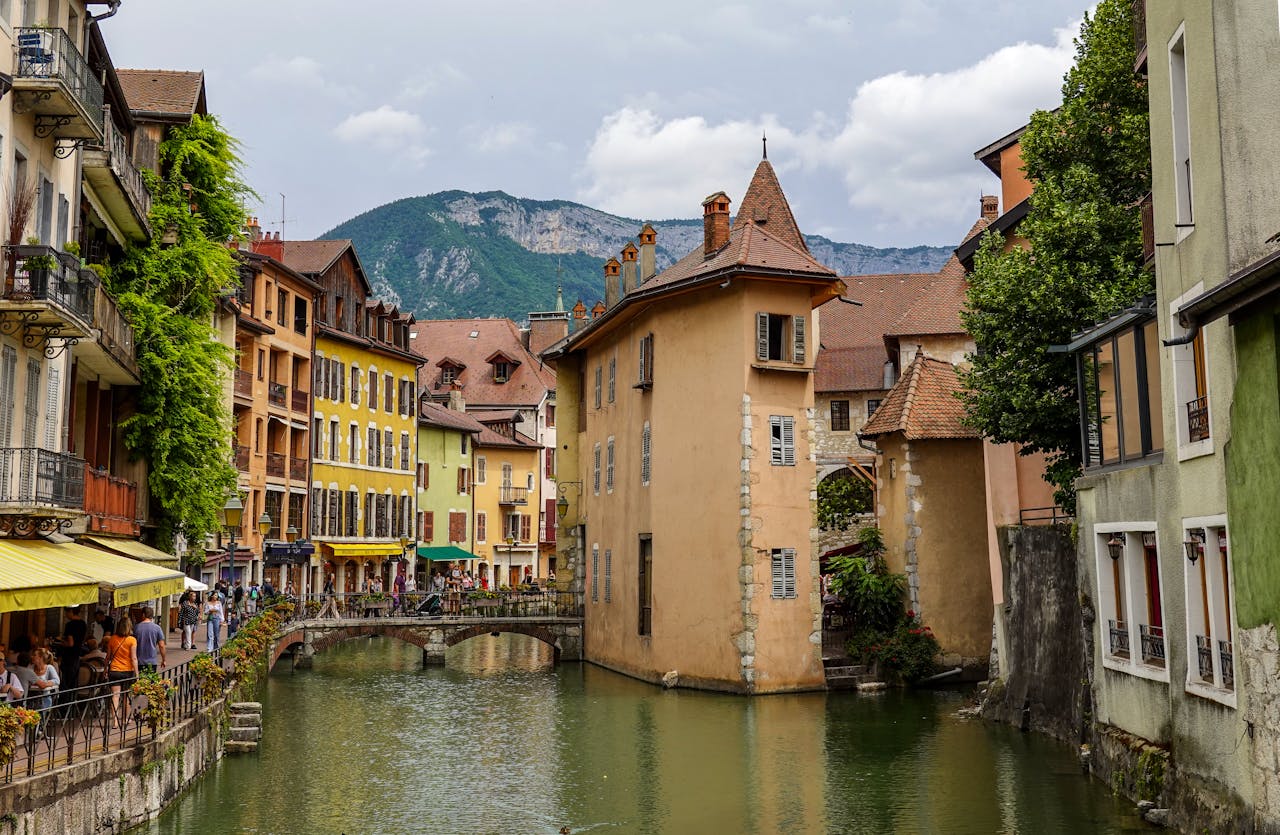
Annecy has about 130,000 residents and lies beside Lake Annecy, often ranked among Europe’s cleanest lakes. The lake stretches 14 kilometers long and reaches depths of 82 meters.
The medieval Palais de l’Isle, built in the 12th century, sits dramatically within a canal. Cycling paths extend over 40 kilometers around the shoreline. In summer, temperatures average 25°C, while winter brings snow-capped Alpine backdrops. Its compact old town can be explored in a day, yet the scenery encourages lingering.
10. Dubrovnik, Croatia
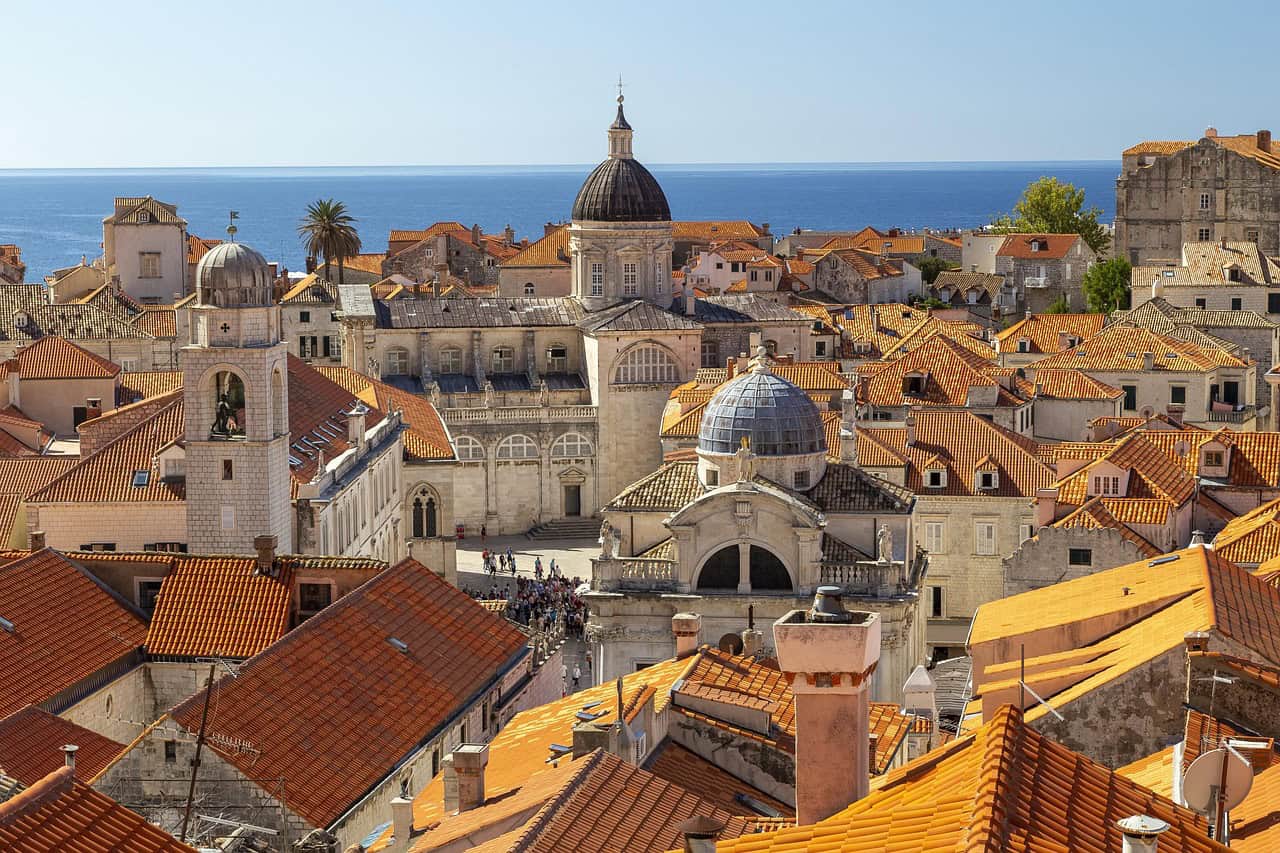
Dubrovnik has around 42,000 residents and is enclosed by stone walls stretching nearly 2 kilometers. Some sections rise 25 meters high and date back to the 13th century.
The limestone streets of the Old Town gleam under Mediterranean sun, and over 250 sunny days per year brighten the Adriatic coastline. Walking the full wall circuit takes about 1 to 2 hours. Peak summer sees cruise arrivals, but shoulder seasons in May and September offer cinematic views with fewer crowds.