We may earn money or products from the companies mentioned in this post. This means if you click on the link and purchase the item, I will receive a small commission at no extra cost to you ... you're just helping re-supply our family's travel fund.
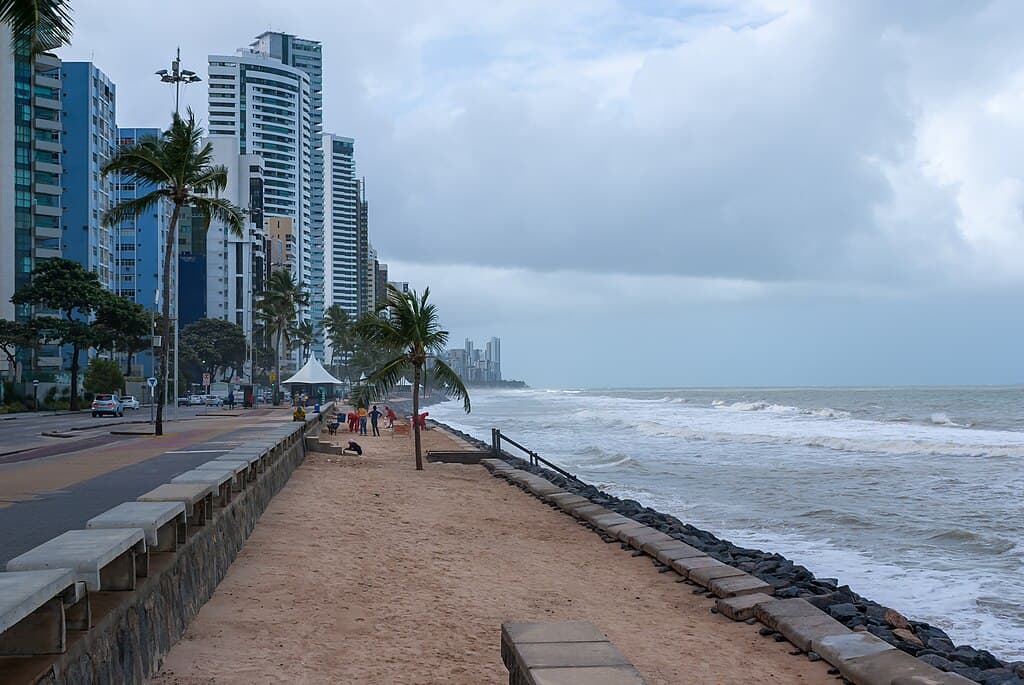
Beaches often evoke visions of sun, sand, and relaxation, but some destinations are far more dangerous than they seem. From massive waves to deadly wildlife and hidden currents, these beaches demand respect. For travelers in 2026, knowing the risks before stepping onto the sand can mean the difference between a dream vacation and a disaster. Here are ten of the most hazardous beaches in the world, with essential details, numbers, and real-life hazards you must know.
1. Praia do Norte, Portugal
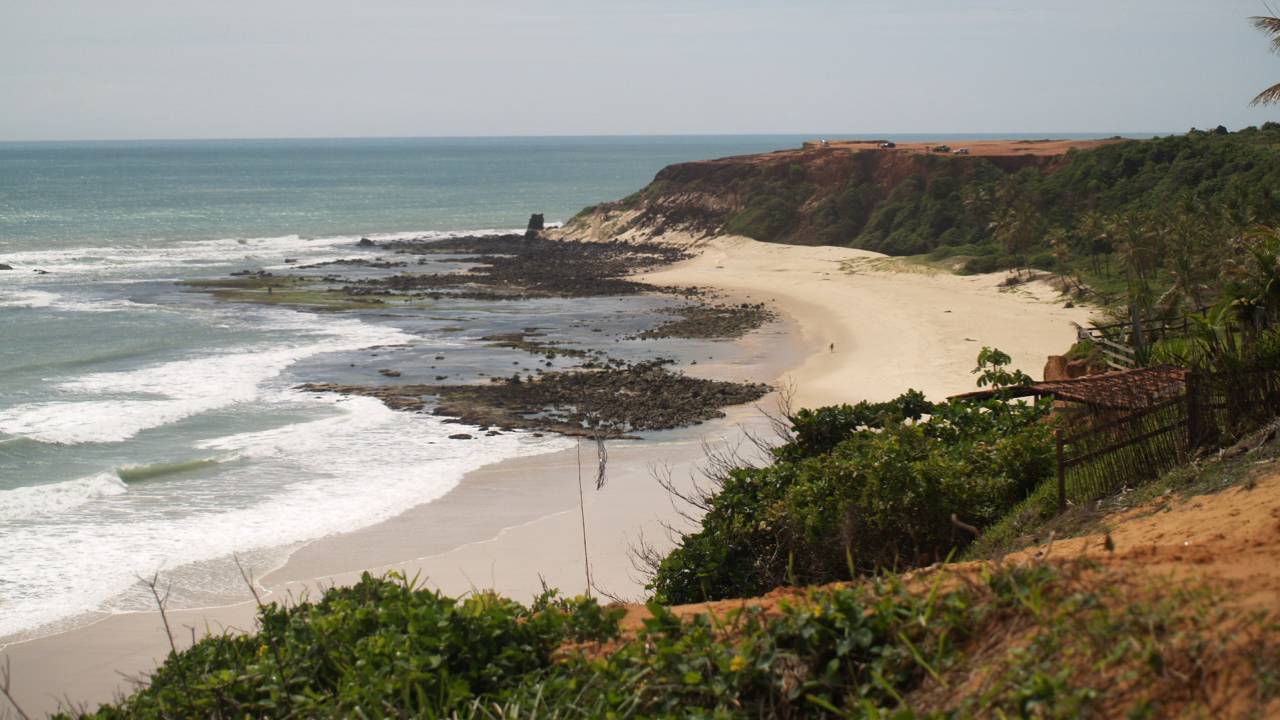
Praia do Norte in Nazaré is world-famous for record-breaking waves, often reaching 80–100 feet during winter storms. It attracts professional surfers from around the globe, yet strong undertows and unpredictable wave patterns make swimming extremely risky. Local lifeguards rescue dozens of people annually, and even experienced surfers have been severely injured. Water temperatures average 16–18°C, adding hypothermia risk for unprepared visitors. Knowledge of tides and local warnings is crucial for survival.
2. Fraser Island, Australia
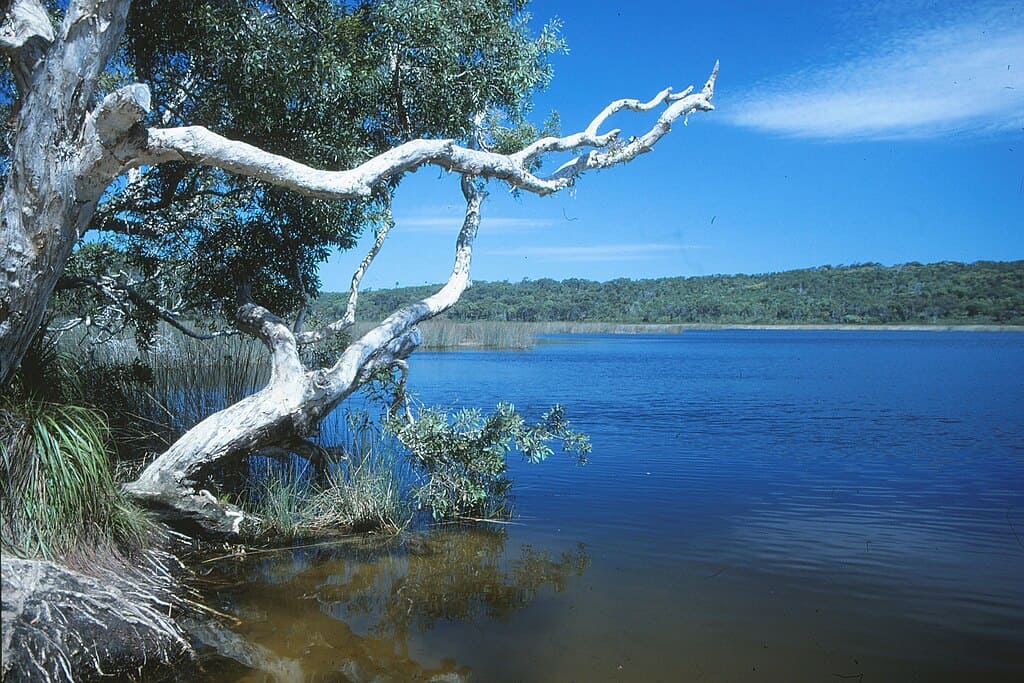
Fraser Island spans 75 miles of Queensland coastline, but beneath its stunning sands lurk deadly threats. Saltwater crocodiles inhabit the freshwater lakes and coastal areas, while box jellyfish sting seasonally from November to May. Strong riptides and frequent shark sightings make swimming perilous. The island’s medical facilities are limited, often over 50 miles from popular spots. Even on land, venomous snakes are common, making local guidance and careful planning essential for safe exploration.
3. Skeleton Coast, Namibia
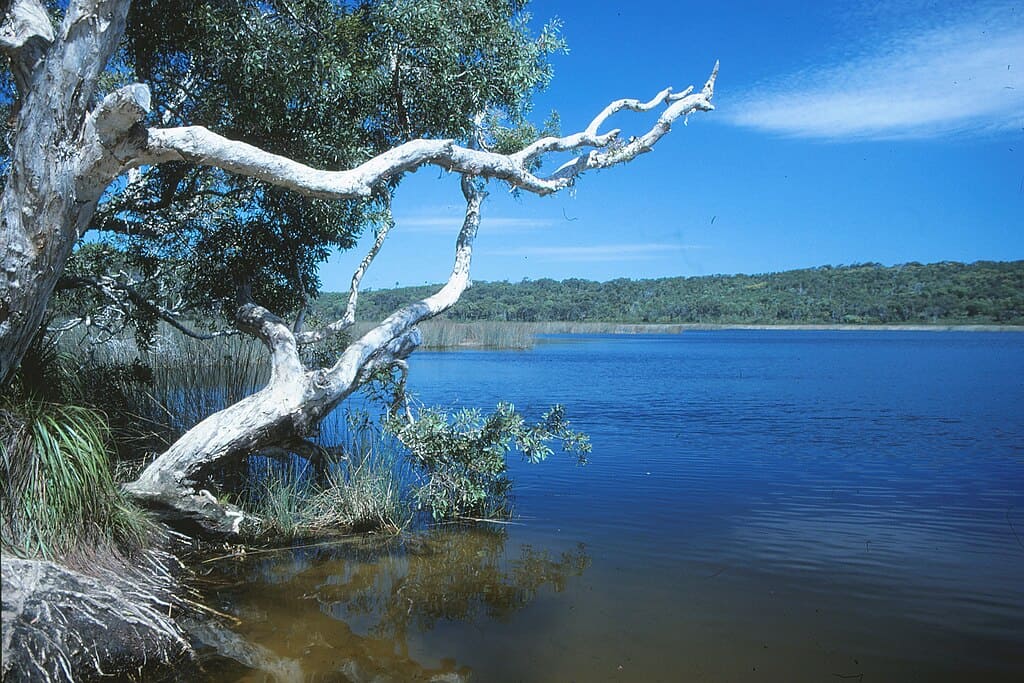
Stretching over 200 miles, Namibia’s Skeleton Coast is notorious for treacherous currents and shipwrecks. The Atlantic waters are cold, averaging 14–18°C, and fog can reduce visibility to near zero, increasing the risk of accidents. Rescue services are scarce, and extreme heat during the day can exceed 40°C, while hypothermia is still a danger in the water. This remote coastline combines natural beauty with deadly hazards, requiring experienced guides, preparation, and constant caution for anyone daring to visit.
4. Gansbaai, South Africa
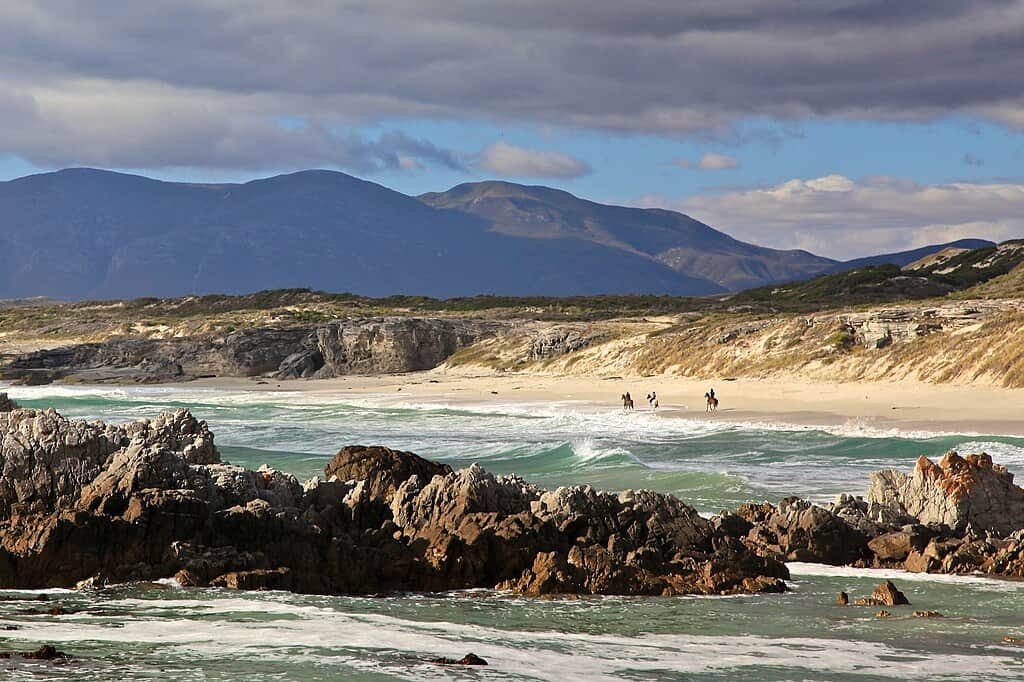
Gansbaai is the global hub for great white sharks, with over 200 shark sightings annually near Seal Island. Cage diving is popular, but venturing into open water without supervision is extremely dangerous. Strong currents, winds exceeding 30 mph, and sudden waves can overwhelm swimmers quickly. Attacks are rare but serious, and even shoreline areas are risky due to rogue waves. Local experts advise staying in designated zones and respecting warning signs, as nature here is thrilling but unforgiving.
5. Kilauea Beach, Hawaii, USA
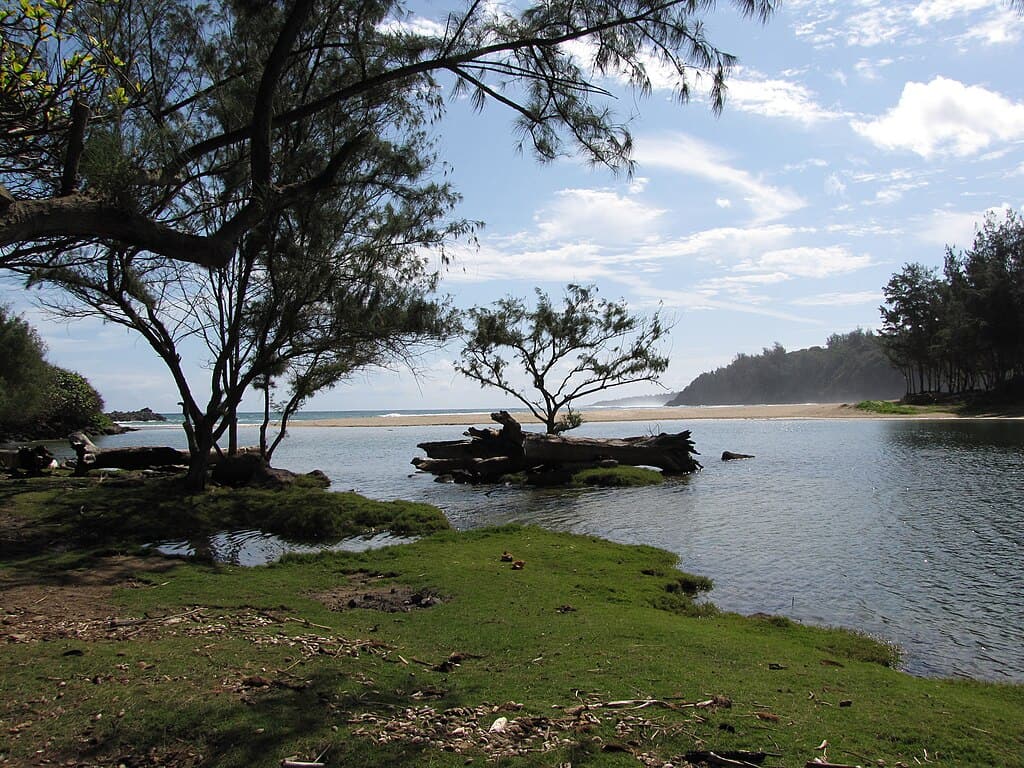
Kilauea Beach on Hawaii’s Big Island features volcanic terrain, sudden drop-offs, and powerful rip currents. Water temperatures average 24–26°C, but waves can surge unexpectedly to 10–15 feet during storms. Sharp volcanic rocks add injury risk, while flash floods can occur after brief heavy rain. Despite warning signs, tourists often underestimate the dangers. Lifeguards patrol selectively, so swimming alone is strongly discouraged. Awareness of tides, wave patterns, and beach conditions is essential for avoiding accidents.
6. Copacabana Beach, Brazil
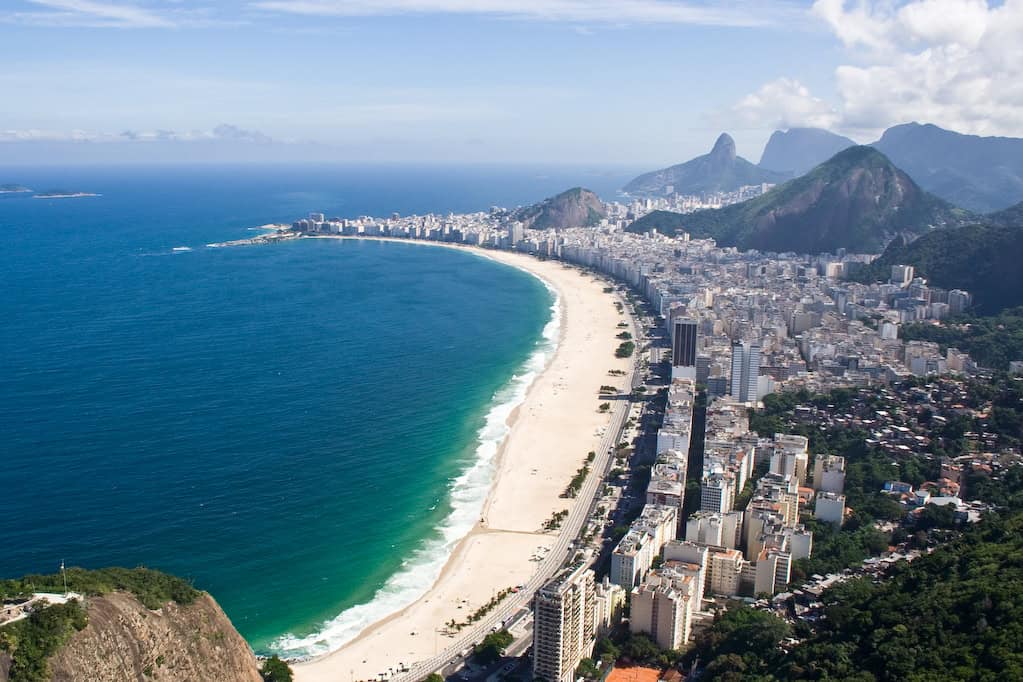
Copacabana spans 2.5 miles of iconic Rio coastline, but crime and ocean hazards are real concerns. Pickpocketing and muggings are frequent, especially in crowded areas after sunset. Strong rip currents appear in sections near Posto 5, and unprepared swimmers can be pulled into deep water. Lifeguard coverage exists but can’t prevent theft or sudden currents. Visitors should stay alert, swim in supervised zones, and keep valuables secure. Knowledge of local risks is key to enjoying this legendary beach safely.
7. Praia do Cassino, Brazil
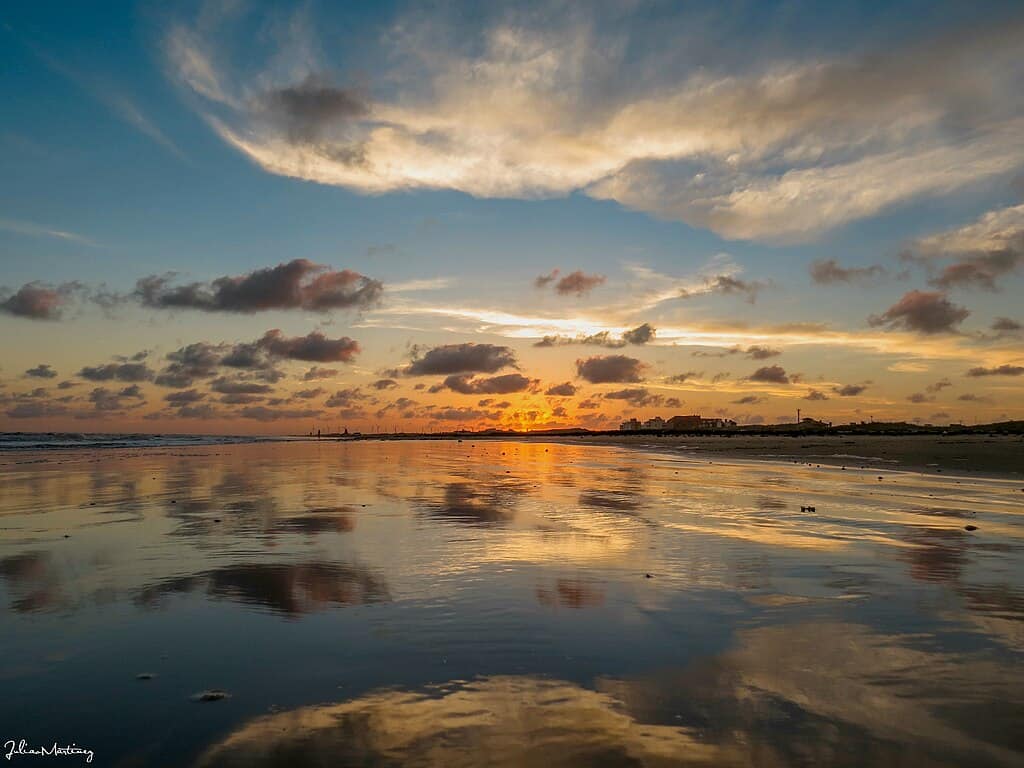
Stretching over 150 miles, Praia do Cassino is the longest beach in the world but hosts hidden dangers. Shark sightings are common, and strong tidal currents can trap swimmers far offshore. Sandbanks collapse suddenly, creating deep holes, while medical help may be over 30 miles away in emergencies. Cell coverage is sporadic along much of the coastline. Tourists must respect local warnings and avoid isolated areas. The combination of length, wildlife, and remote conditions makes preparation vital.
8. New Smyrna Beach, Florida, USA
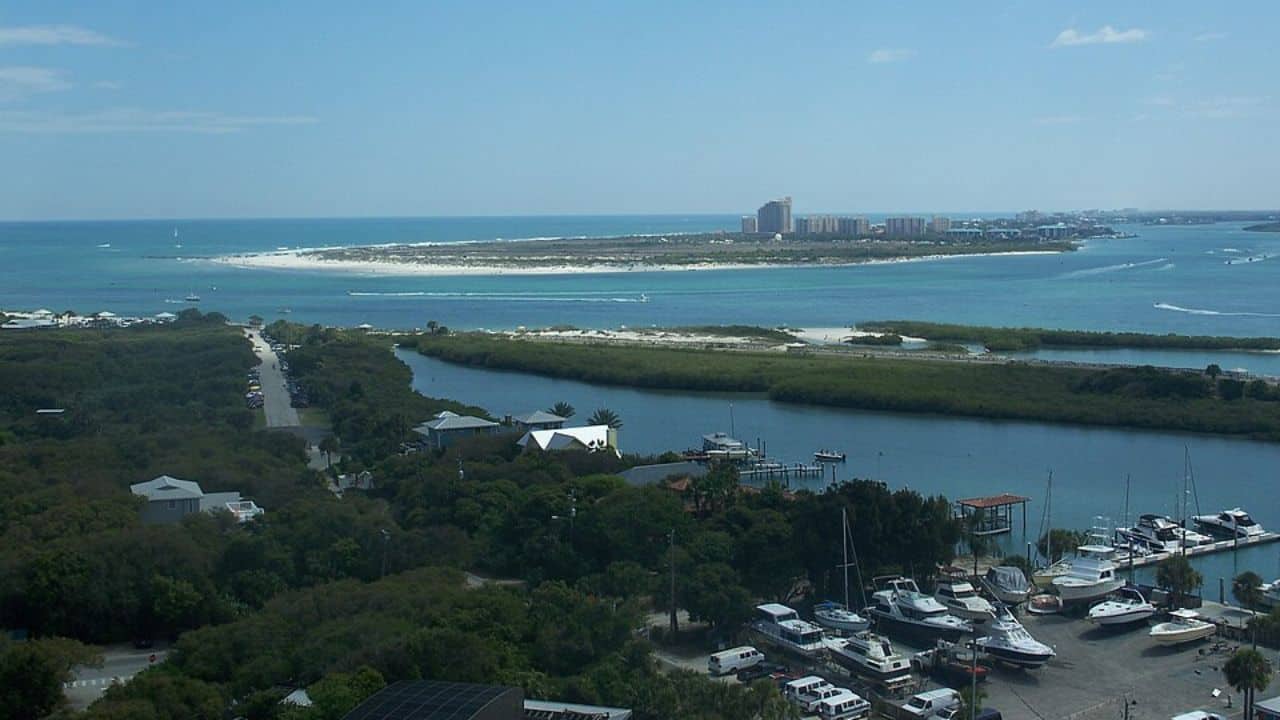
New Smyrna Beach, called the “Shark Bite Capital of the World,” averages 20–30 minor shark bites per year. Most occur near dawn or dusk when sharks hunt, while strong currents and rip tides pose additional hazards. Water temperatures range from 20–28°C, attracting year-round swimmers who must heed local advice. Lifeguards patrol main sections, but remote areas are riskier. Tourists are advised to avoid swimming near fishing spots and to always remain vigilant, as even minor distractions can lead to serious incidents.
9. Manukau Harbour, New Zealand
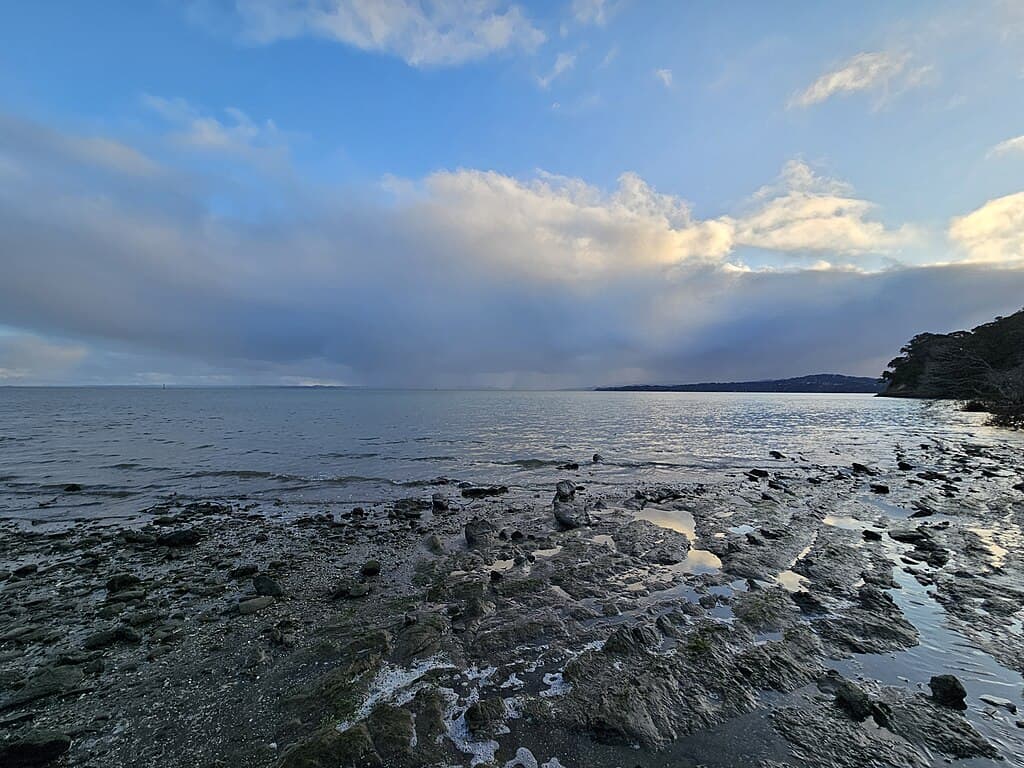
Manukau Harbour’s black sand beaches are beautiful but deadly due to strong rip currents and fast-changing tides. Drowning incidents average 5–10 per year despite warning signs. Sudden drop-offs and hidden rocks make swimming unpredictable, and weather can shift rapidly, producing waves of 3–5 feet in minutes. Lifeguard coverage is minimal, and local knowledge is crucial. Visitors are advised to monitor tides, stay near supervised zones, and never underestimate this deceptively calm-looking beach.
10. Boa Viagem, Recife, Brazil
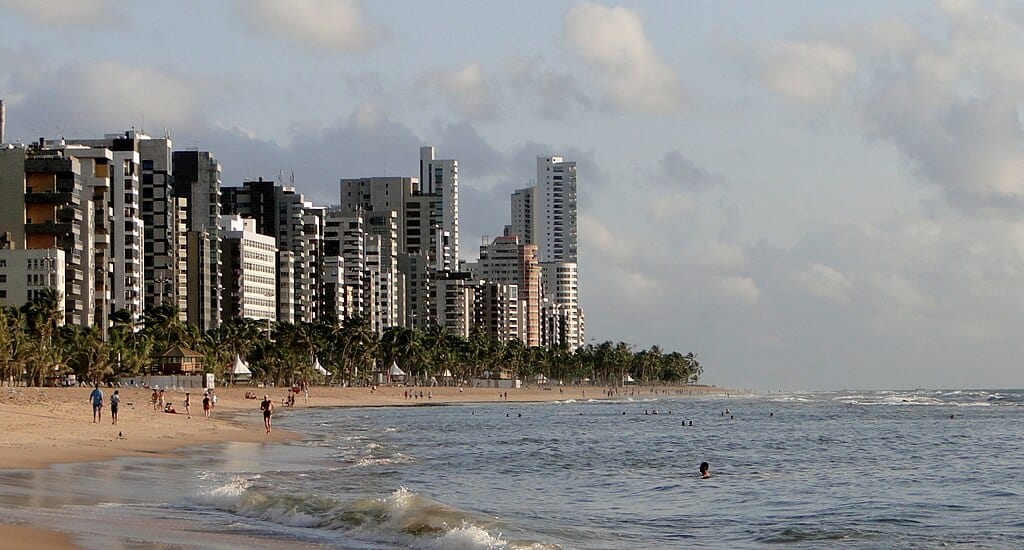
Boa Viagem is famous for warm waters, but shark attacks are a constant risk, with 10–15 documented incidents annually. Murky waters and high levels of debris make it a prime feeding ground. Swimming in restricted areas is strictly forbidden, yet tourists often ignore signs. Water temperatures average 27°C, luring many unaware visitors. Lifeguards patrol designated zones, but vigilance is still required. Respecting boundaries, avoiding swimming alone, and understanding shark behavior are essential precautions to prevent accidents.