We may earn money or products from the companies mentioned in this post. This means if you click on the link and purchase the item, I will receive a small commission at no extra cost to you ... you're just helping re-supply our family's travel fund.

Travel changes the way we eat. Familiar routines disappear, portion control blurs, and food becomes part of the experience rather than a calculation. In some countries, cuisine is deeply tied to celebration, comfort, and generosity, making overindulgence almost inevitable. Rich ingredients, frequent meals, social eating, and cultural encouragement to “have more” can quietly push daily calorie intake far beyond normal levels. These ten countries stand out not because their food is unhealthy, but because it is abundant, irresistible, and woven into daily life. If you eat like a local, weight gain becomes a very realistic side effect.
1. United States

The United States consistently ranks among the highest for calorie consumption per capita, averaging 3,600–3,800 calories per person per day. Portion sizes are often double those found elsewhere, with restaurant meals frequently exceeding 1,200 calories in a single sitting. Sugary beverages, which can add 150–300 calories per drink, are a default choice. Processed foods dominate, and snacks are culturally normalized between meals. With over 42% of adults classified as obese, the environment itself encourages excess. Even “casual” dining often includes fries, sauces, refills, and dessert, making unintentional overeating almost unavoidable.
2. Italy
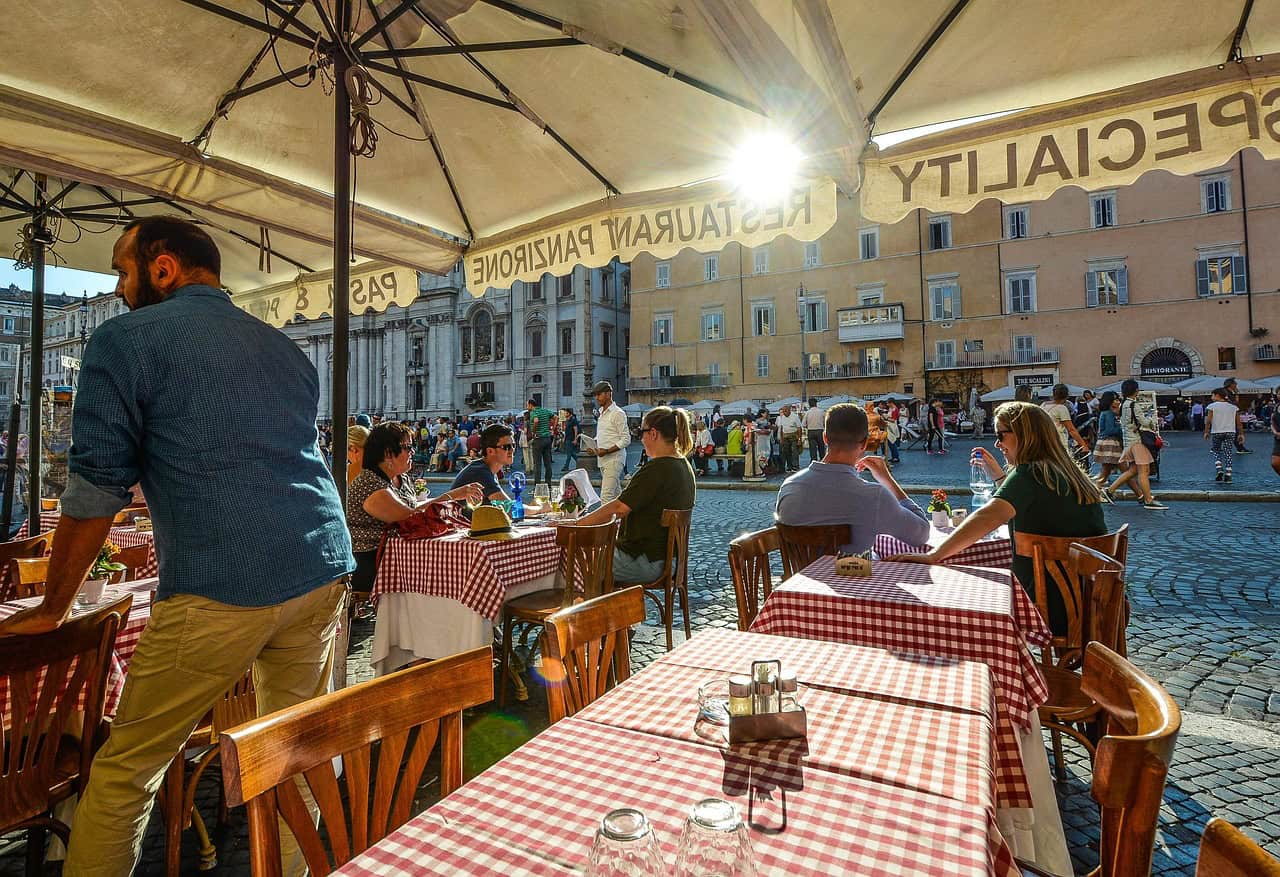
Italy’s food culture celebrates carbs, fats, and slow enjoyment. A typical day can easily include 250–300 grams of carbohydrates, largely from pasta, bread, and pizza. Olive oil, while healthy, adds around 120 calories per tablespoon, and it appears generously in most dishes. Gelato servings often exceed 250 calories, especially when eaten daily. Italians consume an average of 36 kg of pasta per person annually, one of the highest globally. Meals are multi-course and social, making restraint feel unnatural. When combined with wine and cheese, daily intake can quietly climb above 3,000 calories.
3. France

French cuisine is rich in butter, cream, and cheese, with butter alone providing 717 calories per 100 grams. A standard breakfast croissant contains 230–270 calories, often followed by pastries or desserts later in the day. Cheese consumption averages 26 kg per person annually, contributing significant saturated fat intake. Sauces and dressings are calorie-dense, and meals are rarely rushed. Although portion sizes appear small, calorie density is high, leading many visitors to exceed 2,800–3,200 calories daily without realizing it. The pleasure-driven eating culture encourages indulgence without guilt.
4. Mexico

Mexican cuisine combines carbohydrates, fats, and sugar in ways that add up quickly. A single street taco averages 200–250 calories, and eating three or four is common. Sugary drinks like aguas frescas and soda can add 300–500 calories per day, and Mexico ranks among the highest in soft drink consumption globally. Corn tortillas, cheese, refried beans, and oils dominate meals. The average adult calorie intake often exceeds 3,200 calories daily, and hospitality norms encourage finishing everything served. Desserts and late-night snacks further increase overall intake.
5. Japan

While Japan is known for balance, modern eating habits can still promote weight gain. White rice appears in nearly every meal, contributing 200–250 calories per bowl, often eaten multiple times daily. Ramen bowls frequently exceed 800–1,000 calories, with high sodium and fat content. Convenience stores offer constant access to sweets, fried snacks, and sugary drinks. Portion repetition rather than portion size is the issue, pushing daily intake toward 2,700–3,000 calories. Eating out is frequent, affordable, and encouraged, making calorie accumulation gradual but steady over time.
6. China

Chinese dining emphasizes shared dishes, which often leads to overeating. Stir-fries commonly use 2–4 tablespoons of oil per dish, adding 240–480 calories before counting ingredients. Rice and noodles form the base of most meals, with dumplings averaging 70 calories each, often eaten in large quantities. Dining out is routine, and hospitality pressures guests to eat more. Average urban calorie intake can reach 3,100 calories per day, particularly in cities. Sugary teas and late-night meals further push totals higher without obvious warning signs.
7. Spain

Spain’s eating schedule stretches across the entire day, increasing total calorie exposure. Breakfast pastries range from 250–400 calories, while tapas hopping can add 800–1,200 calories before dinner even begins. Dinner is late and often includes bread, cured meats, cheese, and wine. Alcohol alone can contribute 300–500 calories per evening. Olive oil is used liberally, adding healthy but dense fat. Daily intake often surpasses 3,000 calories, especially during social gatherings, where eating slowly over many hours encourages continuous consumption.
8. Germany

German cuisine is built around hearty, filling foods. Sausages average 300 calories each, and schnitzel portions frequently exceed 700 calories before sides. Bread consumption is high, with Germans eating over 80 kg per person annually. Beer plays a major role, with a single liter containing around 430 calories, often consumed alongside meals. Potatoes, gravies, and cheeses add further density. Traditional meals are designed to sustain physical labor, pushing daily calorie intake toward 3,400 calories, particularly during festivals and colder months.
9. Turkey

Bread accompanies nearly every Turkish meal, contributing 150–200 calories per serving, often repeated multiple times. Kebabs, rice, and meze plates encourage sampling rather than stopping early. Desserts like baklava can exceed 400 calories per portion, made with butter, syrup, and nuts. Sweet tea is consumed throughout the day, adding hidden sugar calories. Social dining is deeply ingrained, and refusing food is considered impolite. Combined daily intake frequently reaches 3,000–3,300 calories, especially when meals stretch over long, relaxed evenings.
10. Thailand
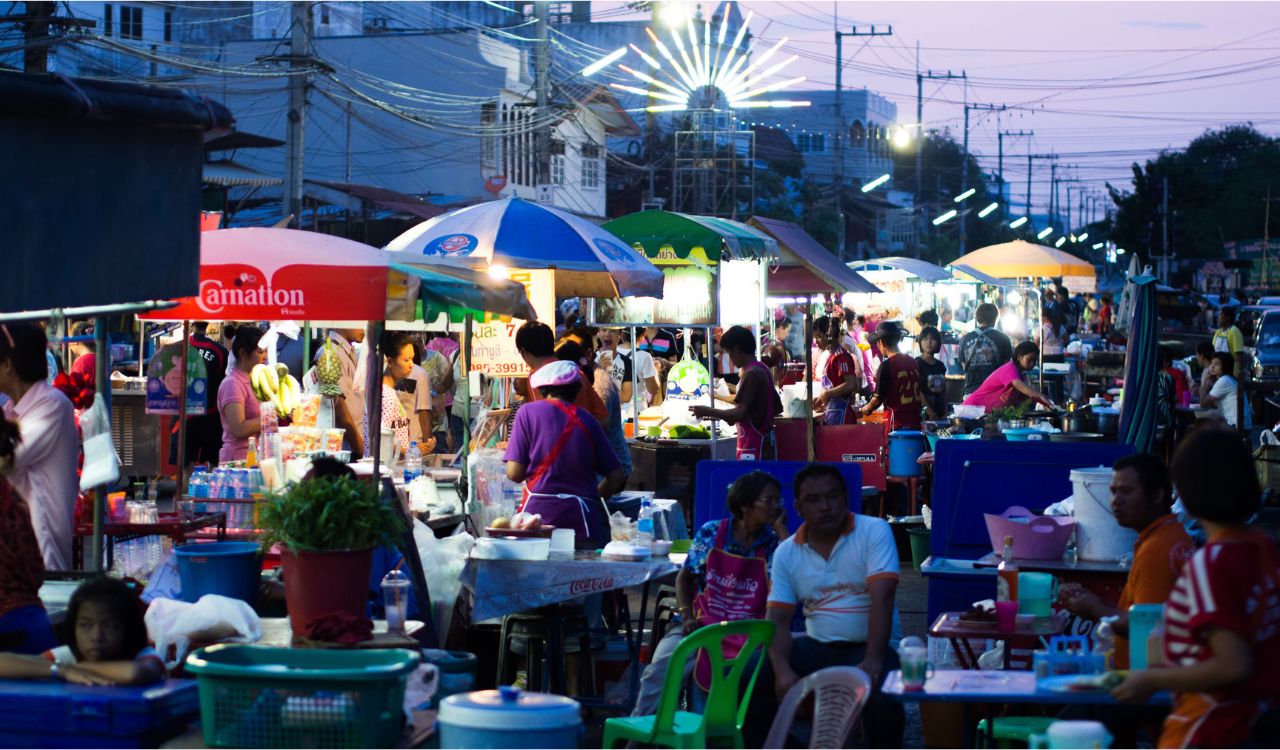
Thai food is flavorful but deceptively calorie-dense. Coconut milk contains 230 calories per cup, commonly used in curries and soups. Fried street snacks average 300–500 calories, and sugary iced drinks can add another 250 caloriesdaily. Rice is a staple, often eaten multiple times per day. Sauces frequently include palm sugar, increasing hidden calorie intake. Eating out is cheap and frequent, encouraging constant grazing. Visitors often exceed 2,900–3,200 calories dailywithout realizing how quickly small portions accumulate.