We may earn money or products from the companies mentioned in this post. This means if you click on the link and purchase the item, I will receive a small commission at no extra cost to you ... you're just helping re-supply our family's travel fund.
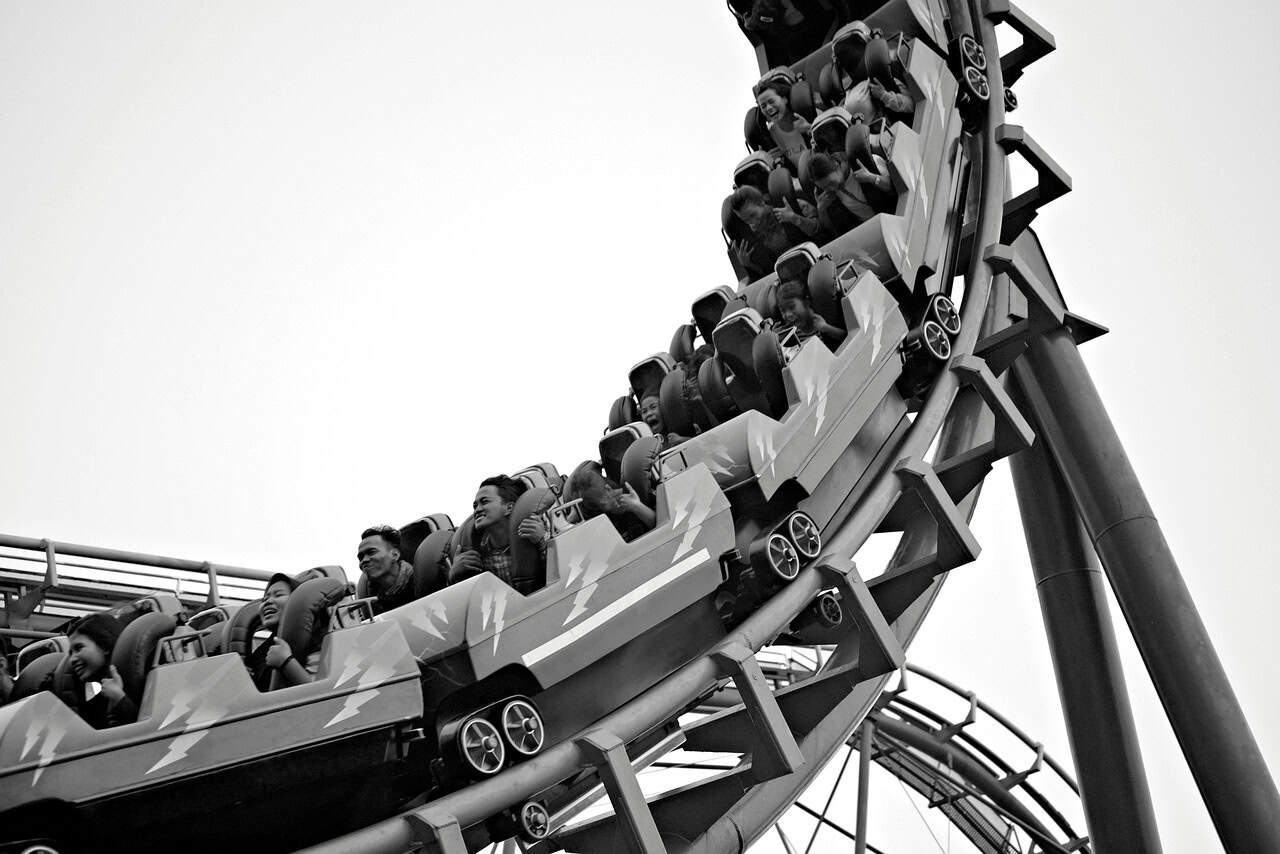
Long before modern theme parks became global brands with cloned rides, America’s amusement parks felt personal, imperfect, and deeply regional. These places were built for local families, summer rituals, and weekend escapes rather than destination tourism. Many thrived for decades before economics, disasters, or development erased them. What remains are memories, photographs, and stories passed down by those who were there. This list revisits ten classic U.S. theme parks that disappeared, exploring what made them special, how big they were, and why they ultimately vanished.
1. Freedomland U.S.A. : New York
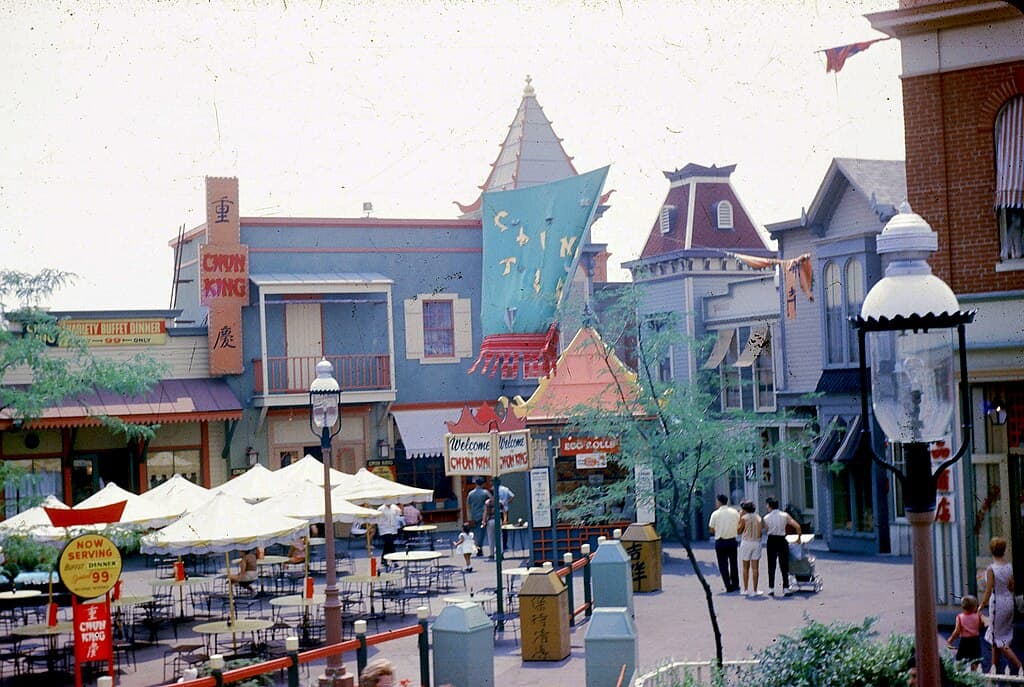
Freedomland U.S.A. opened in 1960 on 205 acres of Bronx marshland and was shaped like a giant map of the continental United States. The park contained over 40 attractions, including historical boat rides, frontier towns, and large-scale reenactments. Construction costs reached nearly $65 million, while annual attendance averaged 2.5 million visitors. Despite popularity, profits never matched expenses. After only four seasons, Freedomland closed in 1964. The land was later developed into Co-op City, permanently burying the park beneath housing.
2. Action Park : New Jersey
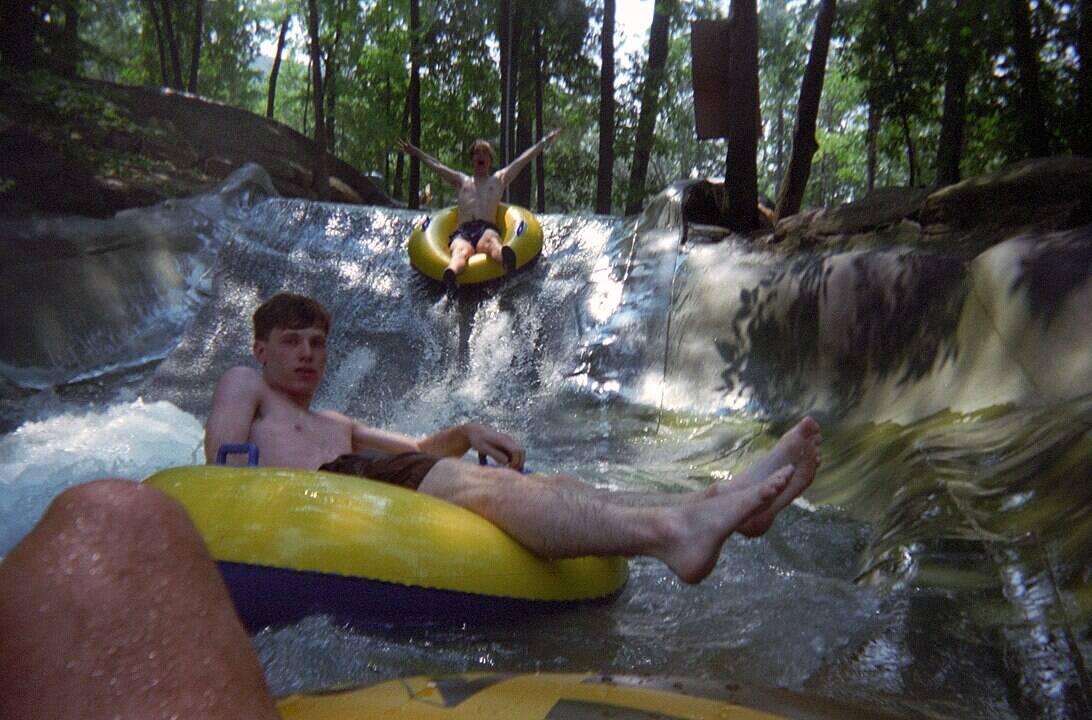
Action Park operated from 1978 to 1996 in Vernon Township, New Jersey, covering nearly 300 acres. With more than 75 rides, it became infamous for minimal supervision and extreme attractions. Injury rates were estimated at four times higher than industry norms, with at least six confirmed fatalities over its lifespan. Despite this reputation, the park drew close to 1 million visitors every summer. Mounting lawsuits, rising insurance costs, and regulatory pressure forced its closure. Action Park remains a symbol of reckless, unfiltered amusement history.
3. Astroworld : Texas
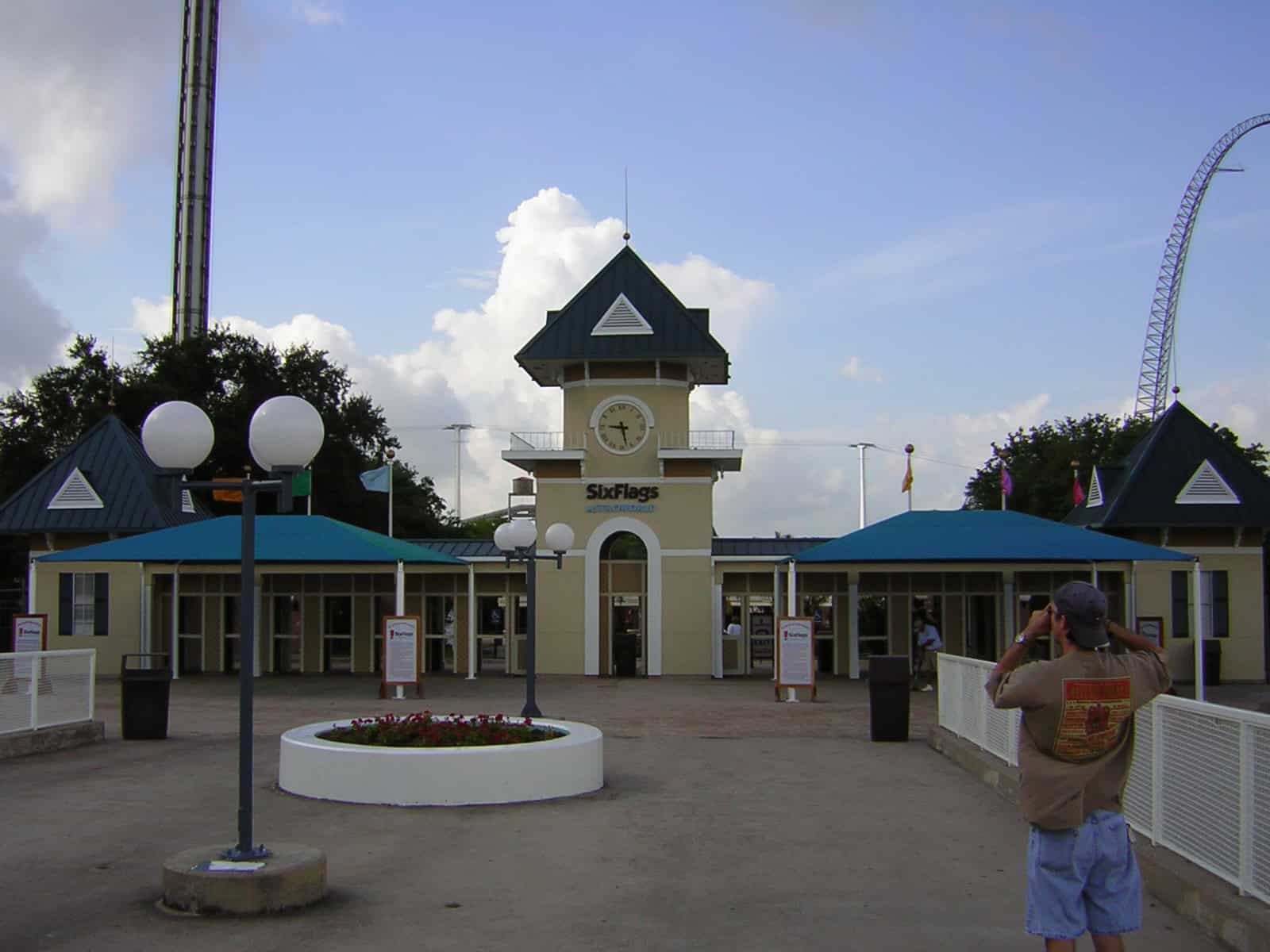
Astroworld opened in Houston in 1968 with a $25 million investment and quickly became a Texas icon. Spanning 57 acres, the park featured nine roller coasters, including the Texas Cyclone, which reached speeds of 60 mph. During its peak years, Astroworld welcomed more than 3 million guests annually. After being acquired by Six Flags, expansion slowed and attendance declined below 1.2 million by 2004. Rising land values near the Astrodome led to its closure in 2005 after 37 years.
4. Riverview Park : Illinois
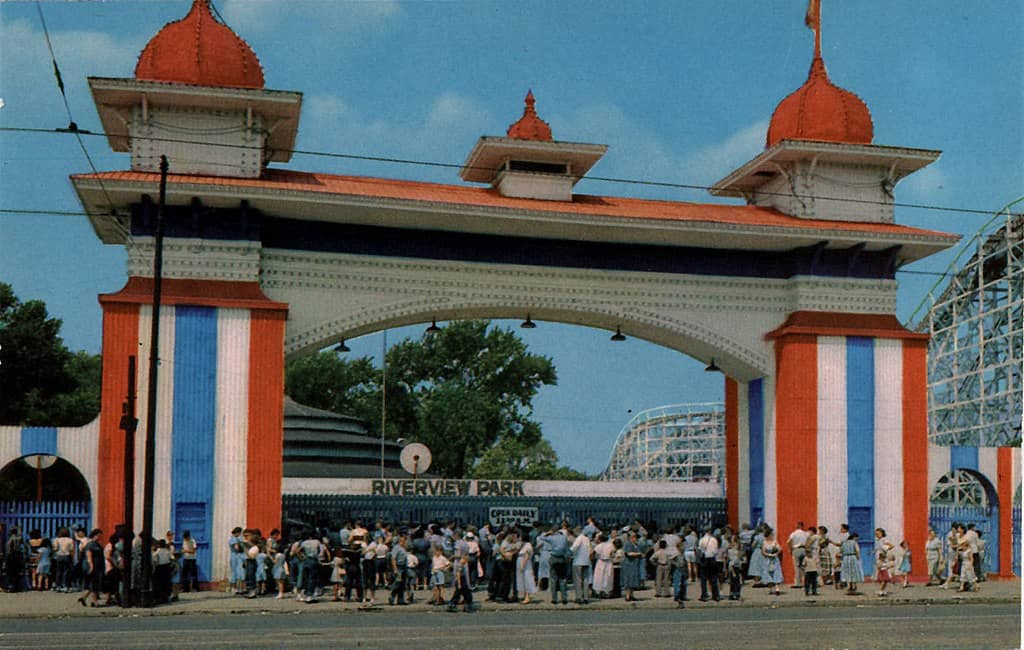
Riverview Park operated in Chicago from 1904 to 1967 along the banks of the Chicago River. Covering approximately 74 acres, it featured massive wooden coasters, carnival rides, and dance halls. Its famous Bobs coaster reached speeds near 65 mph and became a national attraction. During the 1940s, annual attendance exceeded 1.5 million visitors. Urban development pressure and safety concerns pushed the city to reclaim the land. Riverview’s closure left Chicago without a major amusement park inside city limits.
5. Dogpatch USA : Arkansas
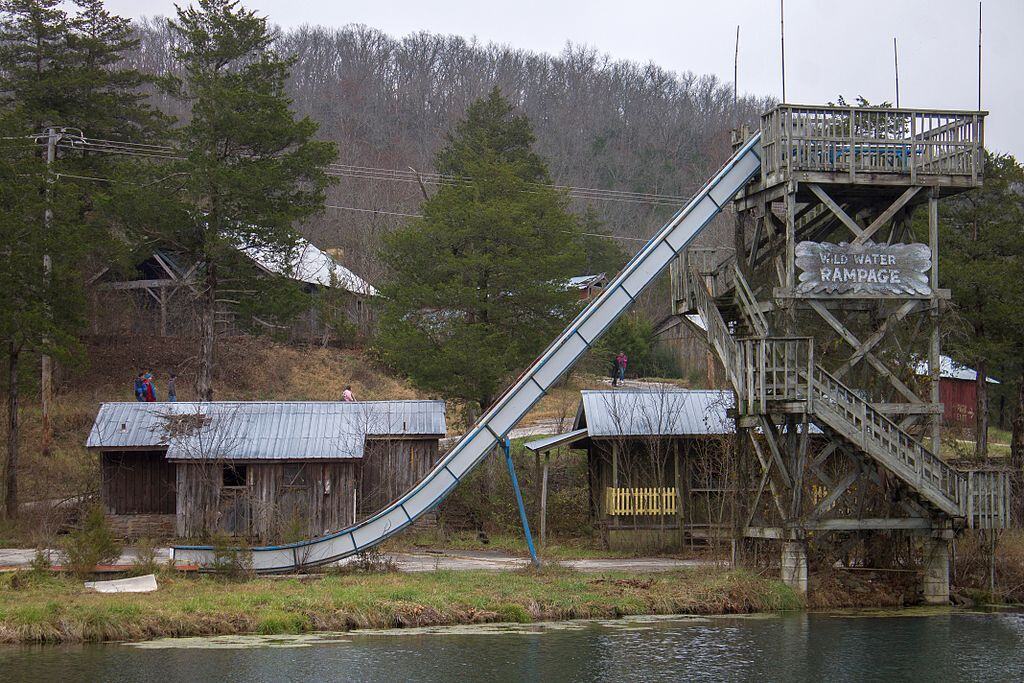
Dogpatch USA opened in 1968 in Marble Falls, Arkansas, inspired by the Li’l Abner comic strip. The park stretched across 820 wooded acres in the Ozark Mountains and featured around 30 attractions mixed with natural scenery. Attendance peaked near 300,000 visitors annually in the early 1970s. As the comic lost cultural relevance, revenue declined sharply. Multiple ownership changes followed before the park finally closed in 1993. Today, its abandoned buildings remain a haunting reminder of a novelty-driven era.
6. Opryland USA : Tennessee
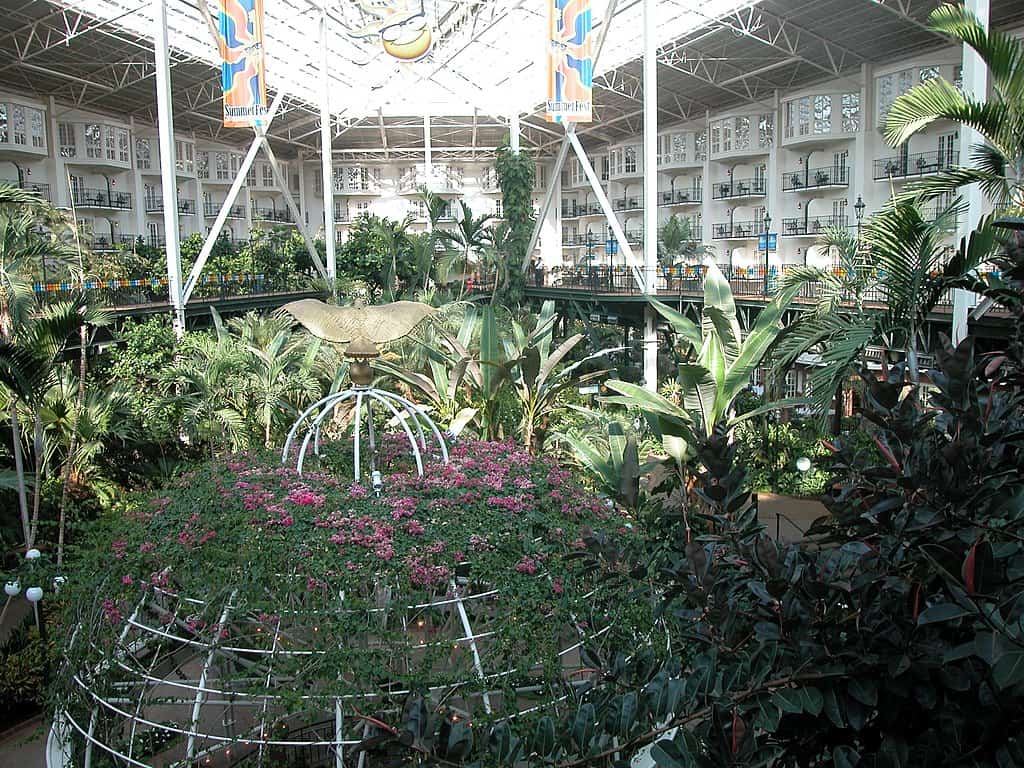
Opryland USA opened in 1972 near Nashville and covered 110 acres with over 40 attractions. The park blended traditional rides with music-themed areas, live performances, and landscaped gardens. Annual attendance averaged 2.3 million visitors through the 1980s, and the park remained profitable. Despite this, it was demolished in 1997 after 25 years to make way for Opry Mills shopping mall. The decision shocked locals, as Opryland was not failing financially. Its loss remains one of the most controversial closures in theme park history.
7. Pontchartrain Beach : Louisiana
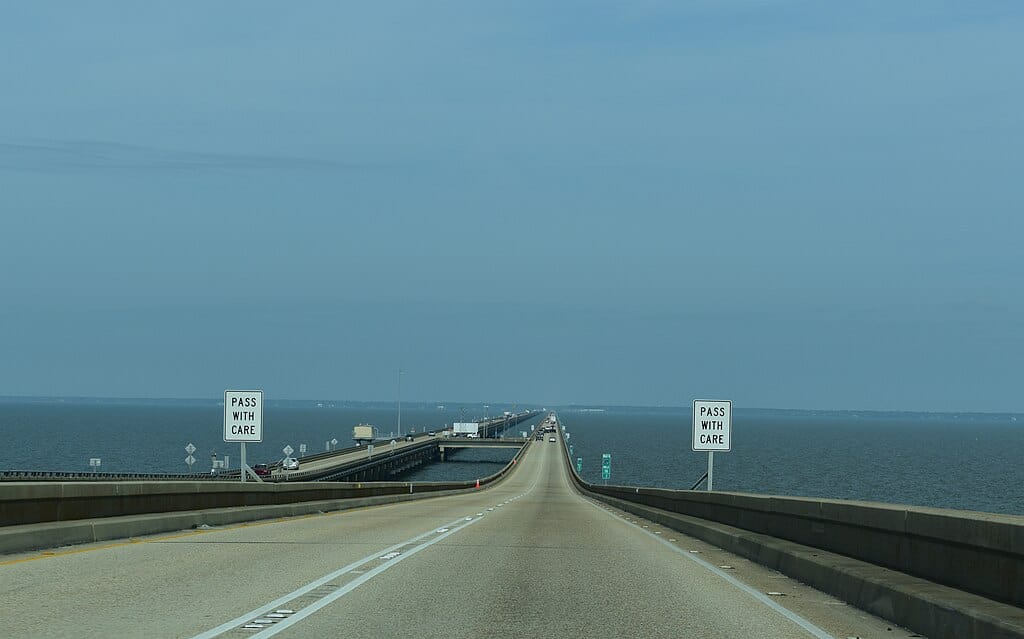
Pontchartrain Beach served New Orleans families from 1939 until 2006, relocating several times during its lifespan. Its final 55-acre location near Lake Pontchartrain featured classic rides, arcade games, and lakeside views. In its later years, the park attracted roughly 500,000 visitors annually. Hurricane Katrina struck in 2005, flooding the park and causing over $20 million in damage. Combined with declining attendance, recovery proved impossible. Pontchartrain Beach remains deeply tied to local nostalgia and generational summer memories.
8. Idora Park : Ohio
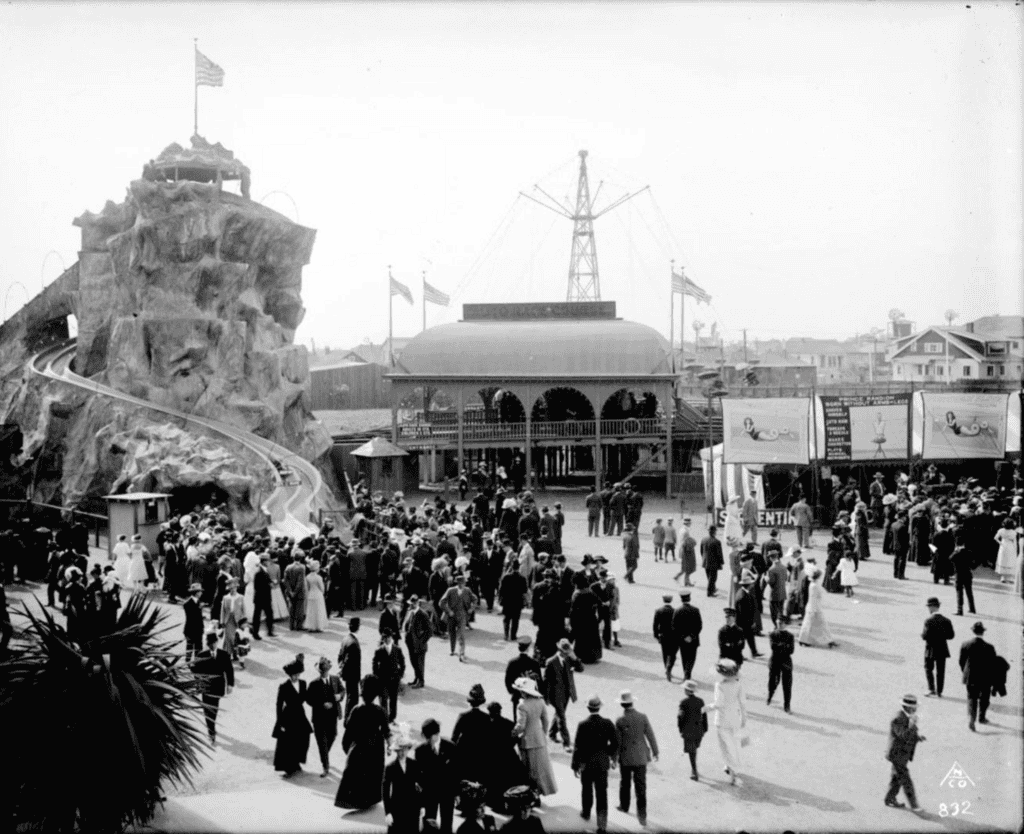
Idora Park opened in 1899 near Youngstown, Ohio, and operated for an impressive 85 years. Covering about 80 acres, it featured roller coasters, picnic groves, ballrooms, and swimming areas. During its mid-20th-century peak, Idora welcomed over 1 million visitors annually. As regional steel jobs disappeared, attendance steadily declined after 1970. In 1984, a major fire destroyed several key attractions, forcing immediate closure. Idora Park remains one of the longest-running amusement parks ever lost in the U.S.
9. Boardwalk and Baseball : Florida
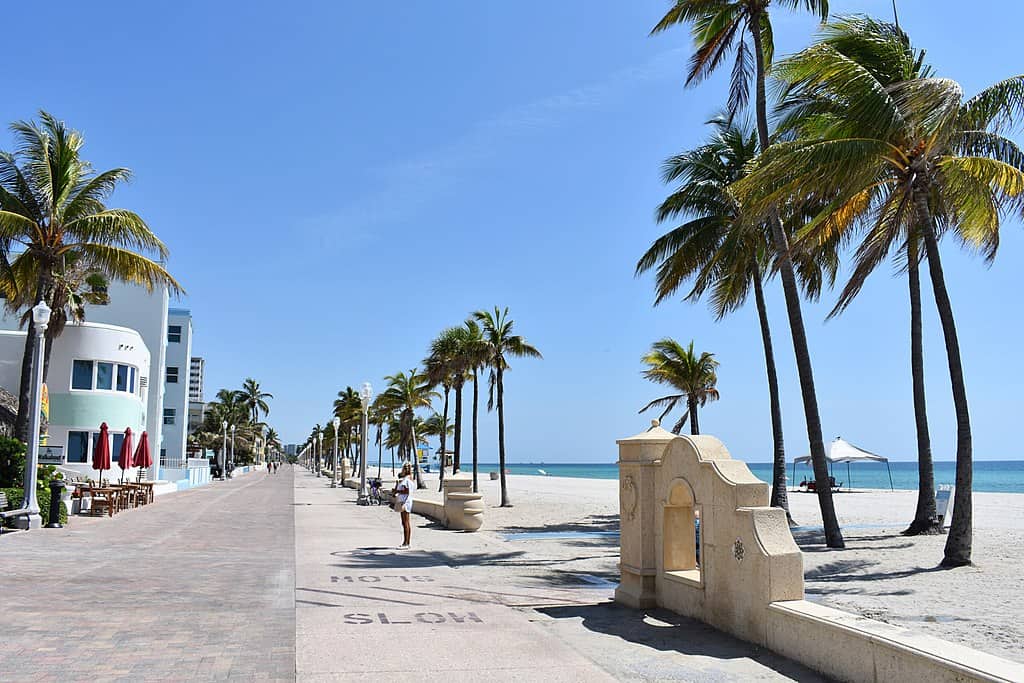
Boardwalk and Baseball opened in 1974 in Haines City, Florida, occupying 90 acres. The park combined vintage boardwalk rides with professional baseball training facilities used during the spring season. At its peak, attendance reached nearly 400,000 visitors per year. However, competition intensified after Walt Disney World expanded nearby. Operating losses grew rapidly, and the park closed in 1980 after only six seasons. Its failure illustrated how quickly Florida’s theme park industry became dominated by massive corporate destinations.
10. Jazzland / Six Flags New Orleans : Louisiana
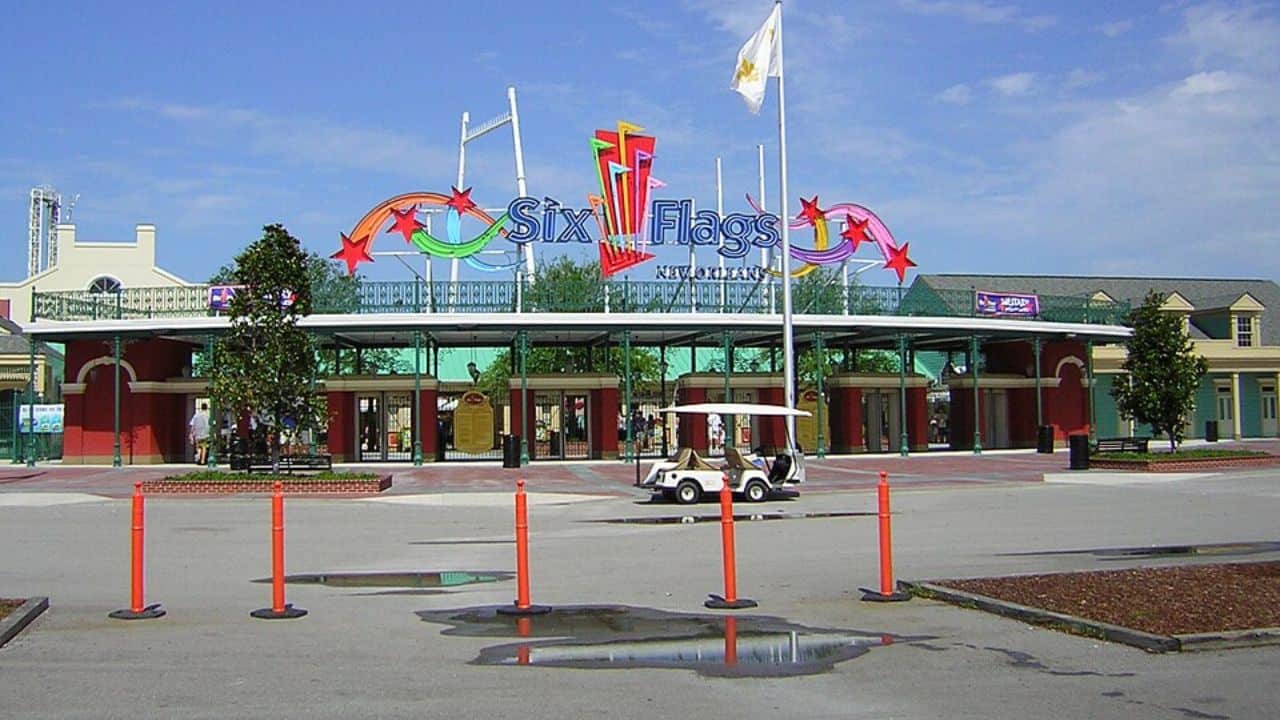
Jazzland opened in 2000 on 225 acres east of New Orleans with a $130 million investment. The park featured 36 rides themed around local music and culture, welcoming about 1.5 million visitors during its strongest year. In 2005, Hurricane Katrina flooded the park under nearly 6 feet of water, causing catastrophic structural damage. Although redevelopment plans exceeded $200 million, none succeeded. The park never reopened, leaving behind one of America’s most haunting abandoned theme park sites.