We may earn money or products from the companies mentioned in this post. This means if you click on the link and purchase the item, I will receive a small commission at no extra cost to you ... you're just helping re-supply our family's travel fund.
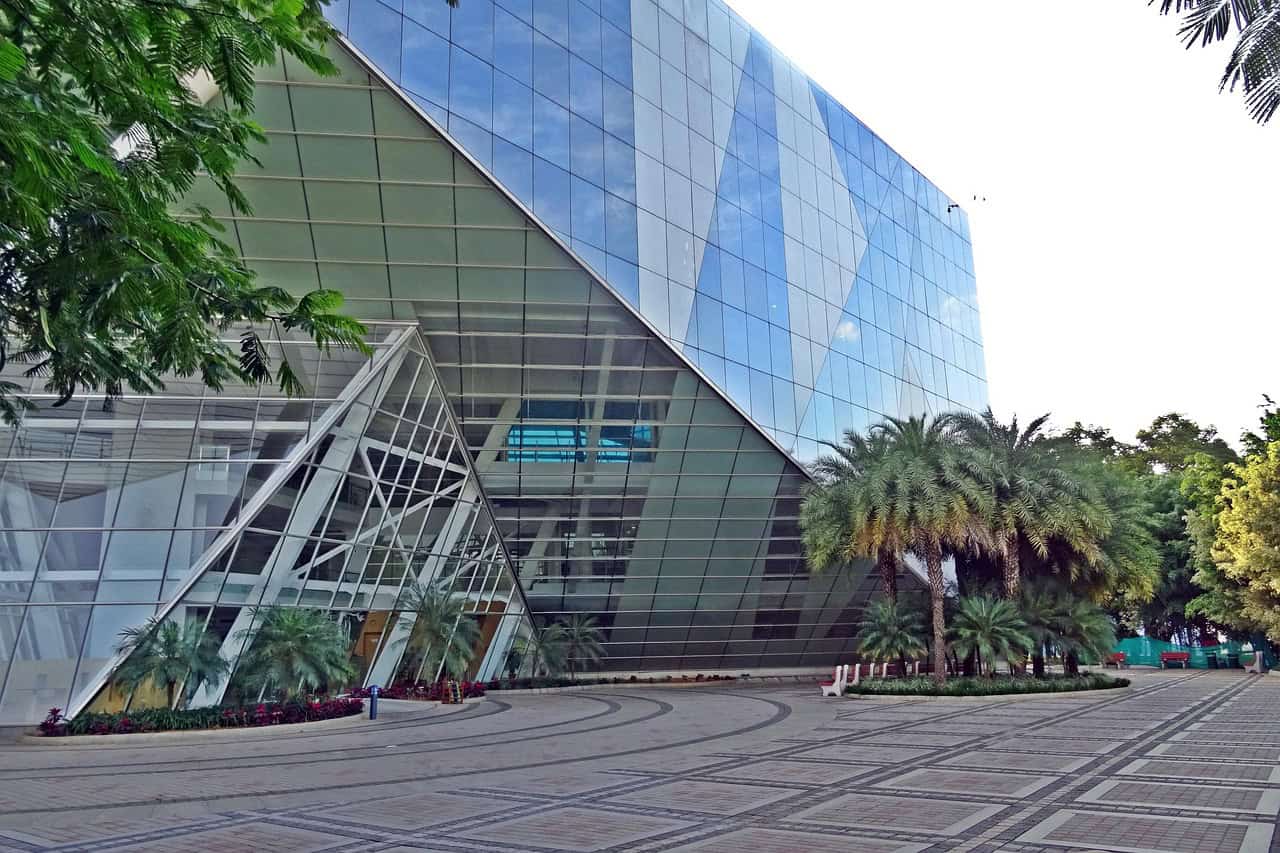
Relocating to a high-profile city can feel like stepping into a more successful version of your life. Bigger paychecks, global networks, and iconic skylines create powerful momentum. But once the novelty fades, daily expenses, time lost in transit, and emotional fatigue begin to surface. None of these cities lack opportunity. In fact, they consistently rank among the most economically vibrant places in the world. Yet for some newcomers, the financial arithmetic and lifestyle trade-offs quietly outweigh the excitement that inspired the move.
1. San Francisco

San Francisco draws ambitious professionals with tech salaries that often exceed $150,000 per year. Venture funding flows freely, and career acceleration can happen fast. Yet the city spans only 49 square miles, and housing demand pushes median home prices near $1,300,000. A modest one-bedroom apartment commonly rents for over $3,200 per month.
Daily costs accumulate quickly. Parking can exceed $300 monthly, groceries trend about 20% above the national average, and childcare frequently surpasses $2,000 per month. Many residents commute 60–90 minutes from more affordable areas. Strong incomes exist, but meaningful savings often feel surprisingly difficult.
2. Dubai

Dubai promotes tax-free salaries, luxury high-rises, and a population that is nearly 85% expatriate. Professionals in aviation, finance, and tech often earn above $100,000 annually. Waterfront apartments and skyline views create a sense of constant progress.
However, summer temperatures regularly exceed 104°F for months, pushing daily life indoors. Prime-area rent can surpass $2,500 per month, and international school fees often reach $15,000 per child annually. Residency visas depend on employment, adding pressure during downturns. Many enjoy the polish and safety, yet the transient social environment can quietly feel temporary and transactional.
3. Los Angeles

Los Angeles offers nearly 284 sunny days each year and a metro population above 12 million. Entertainment, media, and digital industries provide salaries that frequently exceed $120,000 in specialized roles. Beaches, mountains, and studios sit within roughly 50 miles.
But traffic defines daily life. The average commuter spends more than 100 hours per year stuck on congested highways. Median home prices hover near $900,000, and rent often exceeds $2,700 monthly. Car insurance and fuel costs add up quickly. The glamorous image remains powerful, yet routine logistics demand patience and steady budgeting.
4. London
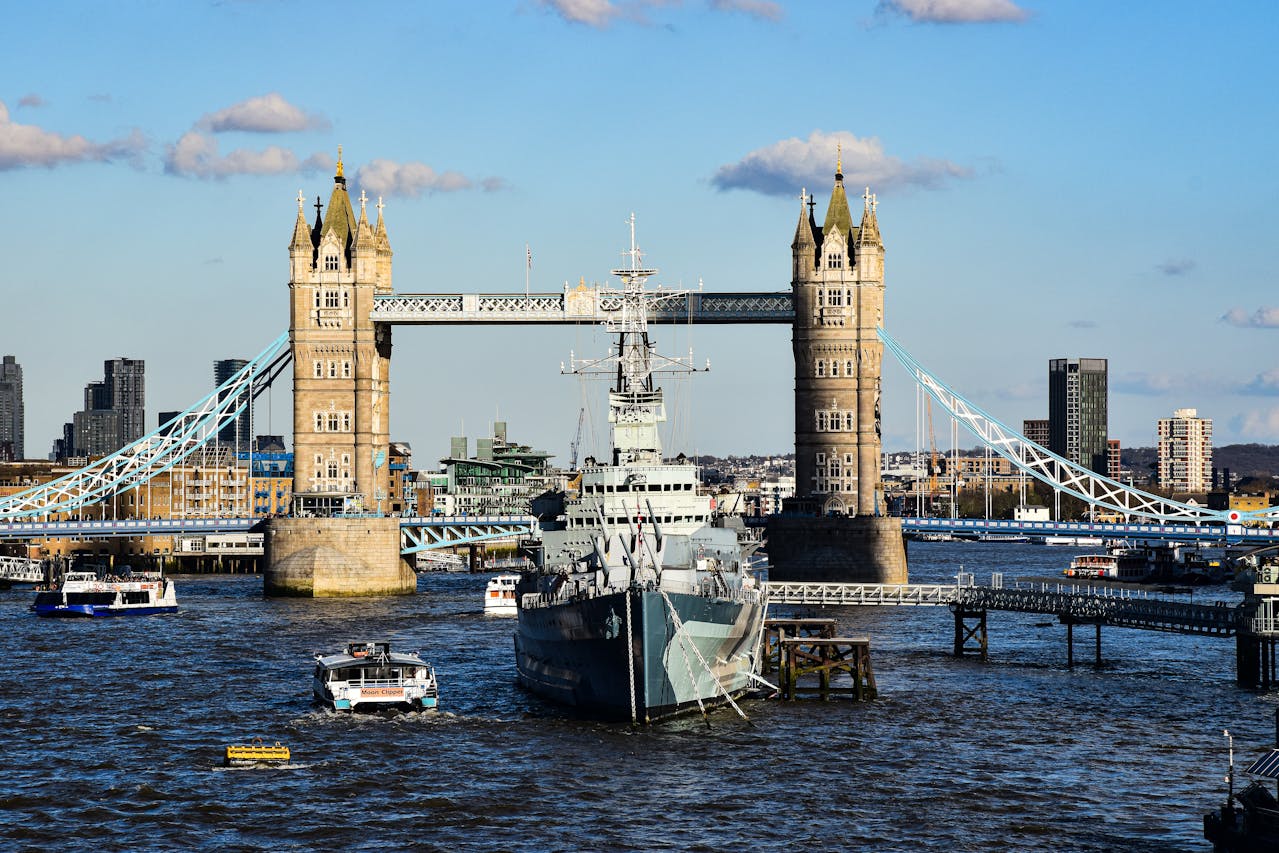
London anchors global finance and culture with nearly 9 million residents across 607 square miles. Professional salaries in banking, consulting, and law often range from $70,000 to $120,000 annually when converted to U.S. dollars. Career mobility can feel substantial.
Yet central rent frequently exceeds $2,600 per month for compact flats. Commuters often travel 45–75 minutes daily on crowded trains. Winter daylight drops below 8 hours, and steady rainfall averages 23 inches annually. The cultural rewards are undeniable, but living costs steadily erode disposable income for many newcomers.
5. Singapore
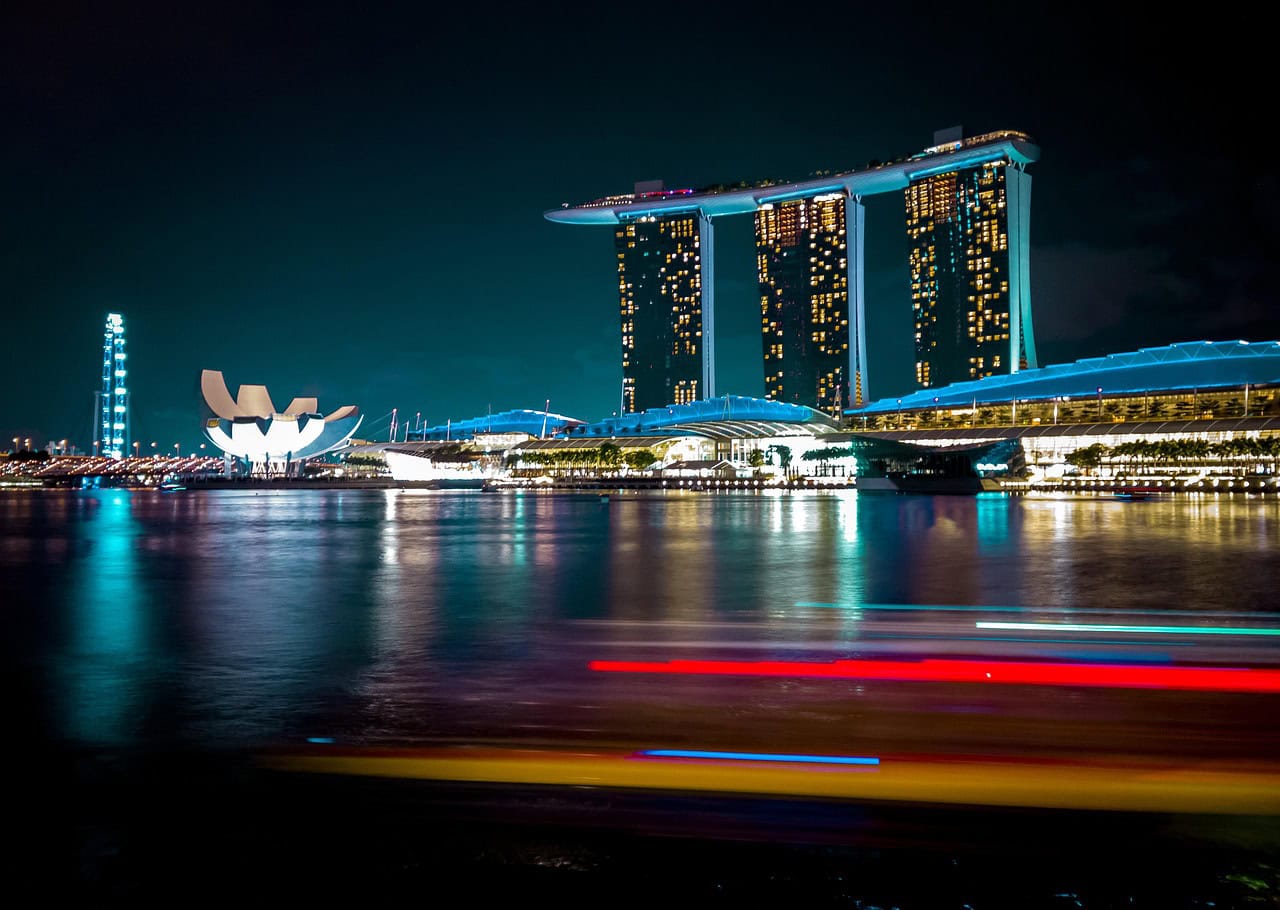
Singapore combines order, safety, and efficiency across just 281 square miles, housing roughly 5.6 million residents. Finance and technology professionals commonly earn more than $90,000 annually. Infrastructure runs smoothly, and public transit reliability is high.
However, rent for centrally located condominiums often exceeds $2,600 per month. Car ownership can require permits costing over $70,000 alone. Humidity averages above 80% year-round, limiting outdoor comfort. Strict regulations influence daily behavior. Many appreciate the structure, yet some quietly miss larger living spaces and spontaneous lifestyle flexibility.
6. Toronto
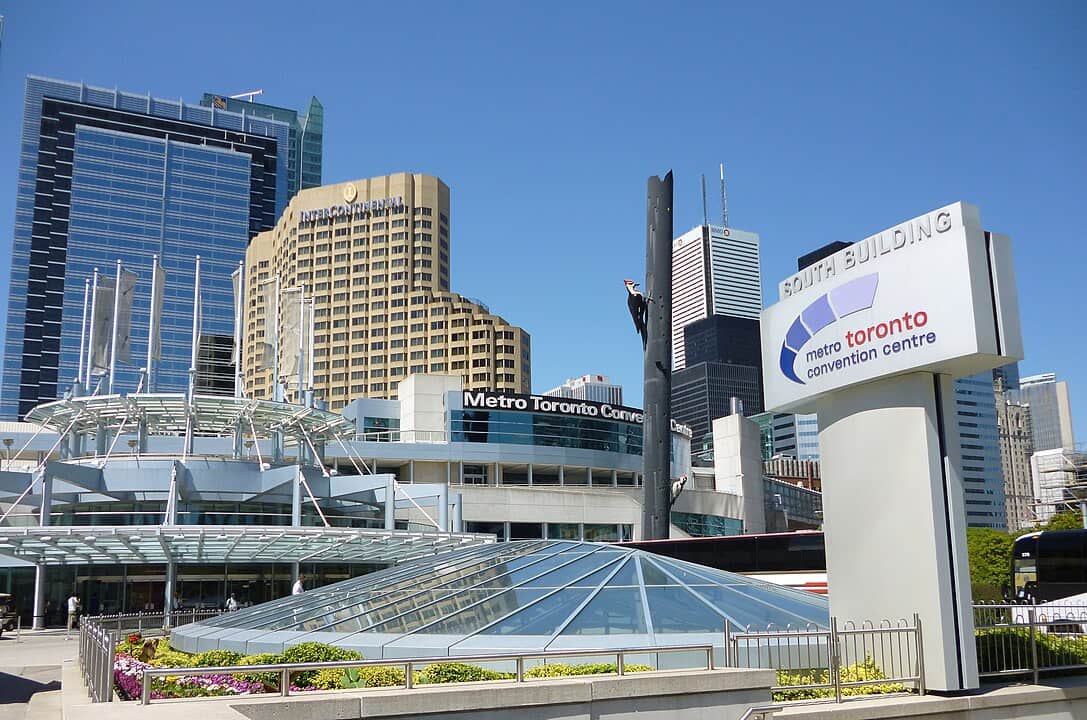
Toronto markets itself as diverse and stable, with more than 50% of residents born abroad. Professional salaries frequently range between $50,000 and $75,000 annually in U.S. dollar terms. The skyline along Lake Ontario reflects steady economic growth.
Still, average home prices approach $750,000, and one-bedroom rent often exceeds $1,800 per month. Winters can last nearly 5 months, with temperatures dropping below 14°F and annual snowfall near 48 inches. Heating, transit, and groceries add incremental pressure. Over time, some residents feel financial progress moves slower than anticipated.
7. Sydney
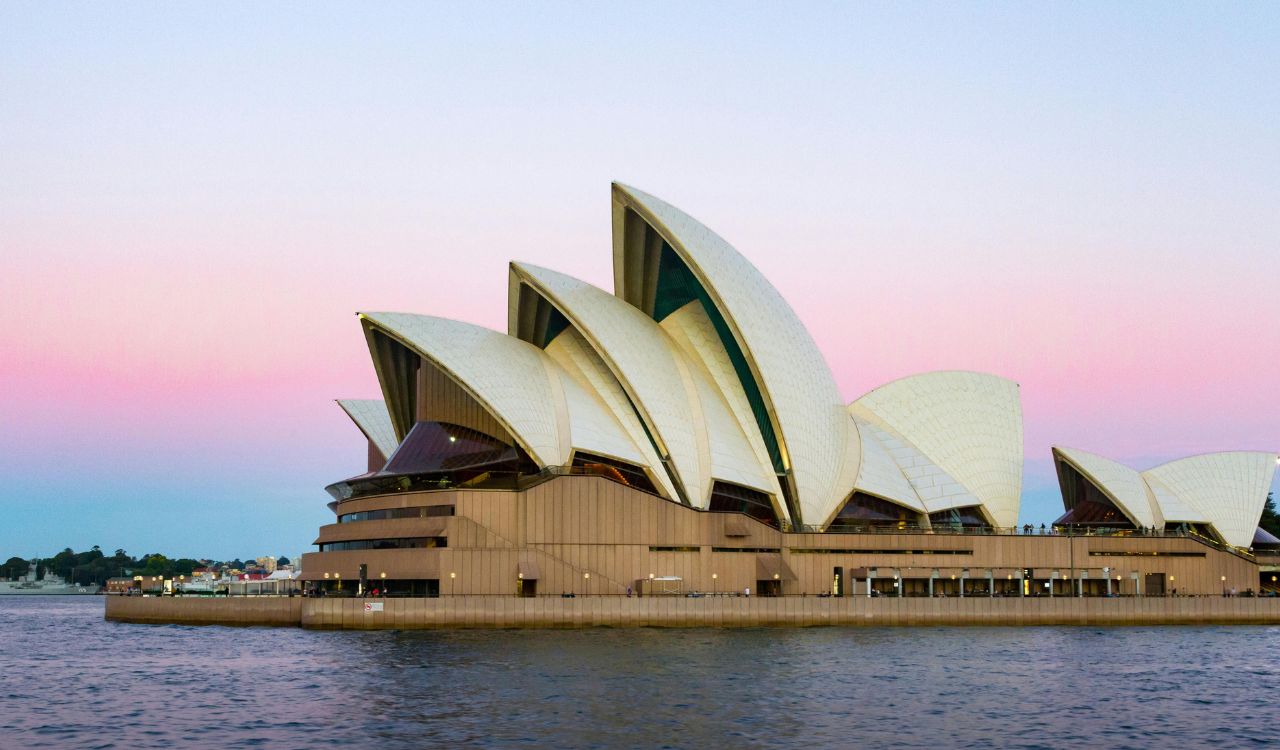
Sydney impresses newcomers with harbor views, more than 100 beaches, and a metro population above 5 million. Professional salaries in engineering and finance often exceed $65,000 annually in U.S. dollar terms. Sunshine averages around 236 days per year.
Yet median home prices surpass $800,000, and rent in central districts frequently exceeds $2,000 per month. Public transportation can be inconsistent outside core routes, encouraging car ownership. Long working hours limit weekday beach time. Many discover the celebrated coastal lifestyle feels more occasional than everyday reality.
8. Berlin
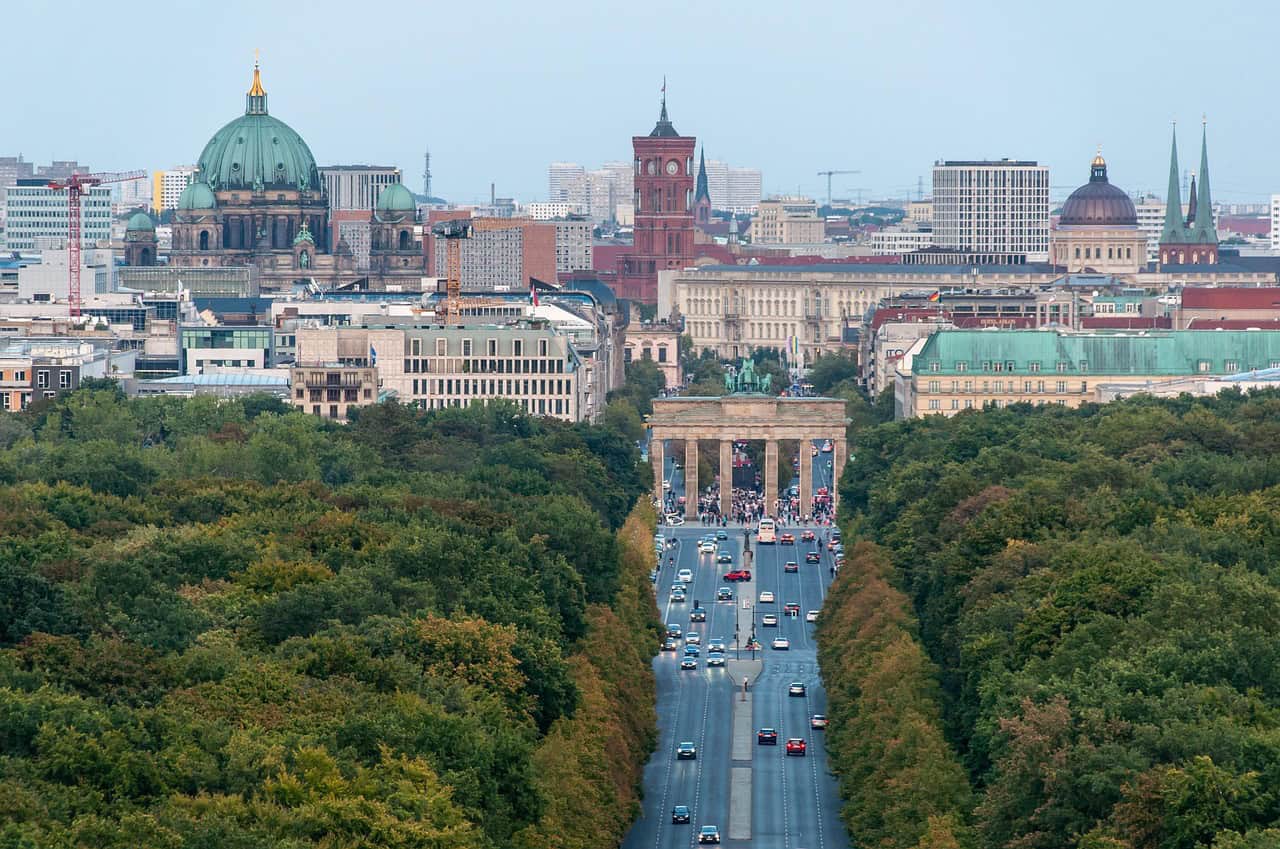
Berlin attracts creatives with its art scene and startup ecosystem across 344 square miles. The city houses about 3.7 million residents, and professional salaries typically range from $50,000 to $70,000 annually when converted to U.S. dollars. Cultural energy remains strong.
However, new apartment leases frequently exceed $1,600 per month in central neighborhoods. Bureaucratic procedures for residency and registration can take weeks or months. Winter daylight dips below 8 hours, and temperatures hover near freezing. Many love the independence and affordability compared to other capitals, yet administrative friction can test patience.
9. New York City
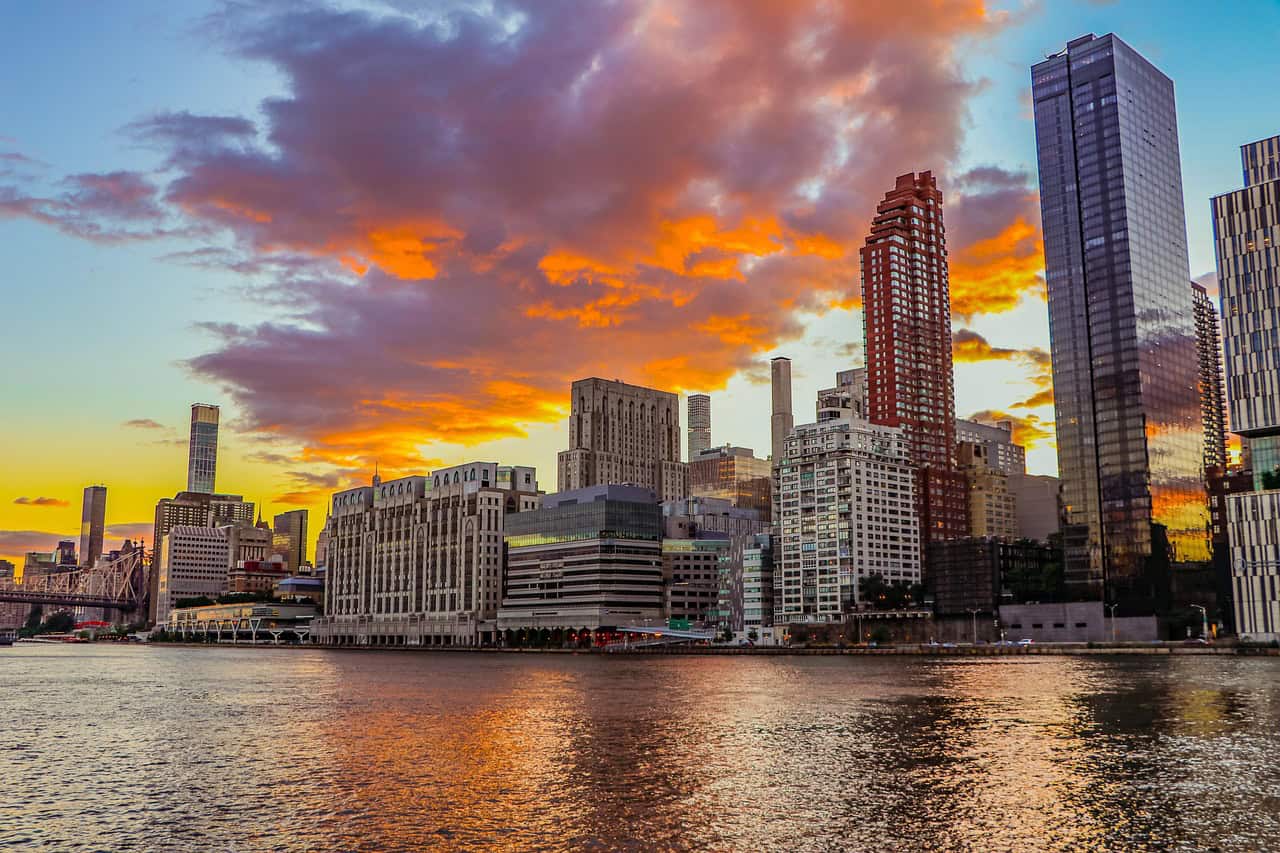
New York City houses more than 8 million residents and powers industries from finance to media. Salaries in competitive sectors often exceed $120,000 annually. Networking opportunities feel constant, and professional growth can accelerate quickly.
Yet Manhattan one-bedroom rents commonly surpass $4,000 per month. The subway system serves over 5 million daily riders, often in crowded conditions. Dining, entertainment, and taxes inflate monthly expenses. Living spaces are compact, and pace rarely slows. Many thrive professionally but quietly feel stretched by relentless intensity and high overhead.
10. Bangalore

Bangalore has evolved into India’s primary technology hub, with a metro population exceeding 13 million. Experienced IT professionals often earn between $10,000 and $30,000 annually in U.S. dollar terms. The climate remains moderate, typically between 60°F and 86°F year-round.
However, daily commutes can extend beyond 90 minutes despite distances under 15 miles. Rent in major tech corridors frequently exceeds $500 per month, high relative to local income. Infrastructure strains during rapid growth cycles. While career prospects are strong, traffic congestion and urban expansion quietly drain time and energy.