We may earn money or products from the companies mentioned in this post. This means if you click on the link and purchase the item, I will receive a small commission at no extra cost to you ... you're just helping re-supply our family's travel fund.

For about a decade, a cluster of American cities became shorthand for escape. People left coastal rent traps, packed laptops, and chased music scenes, sunshine, and houses with actual yards. At first, the moves felt like upgrades on every front, a chance to trade cramped apartments for fresh starts. Then came investor money, remote work waves, climate shocks, and strained infrastructure, turning once beloved destinations into case studies in how fast a place can feel overdrawn. The affection has not disappeared, but more residents now talk about burnout, backlash, and whether staying still makes sense.
Austin, Texas
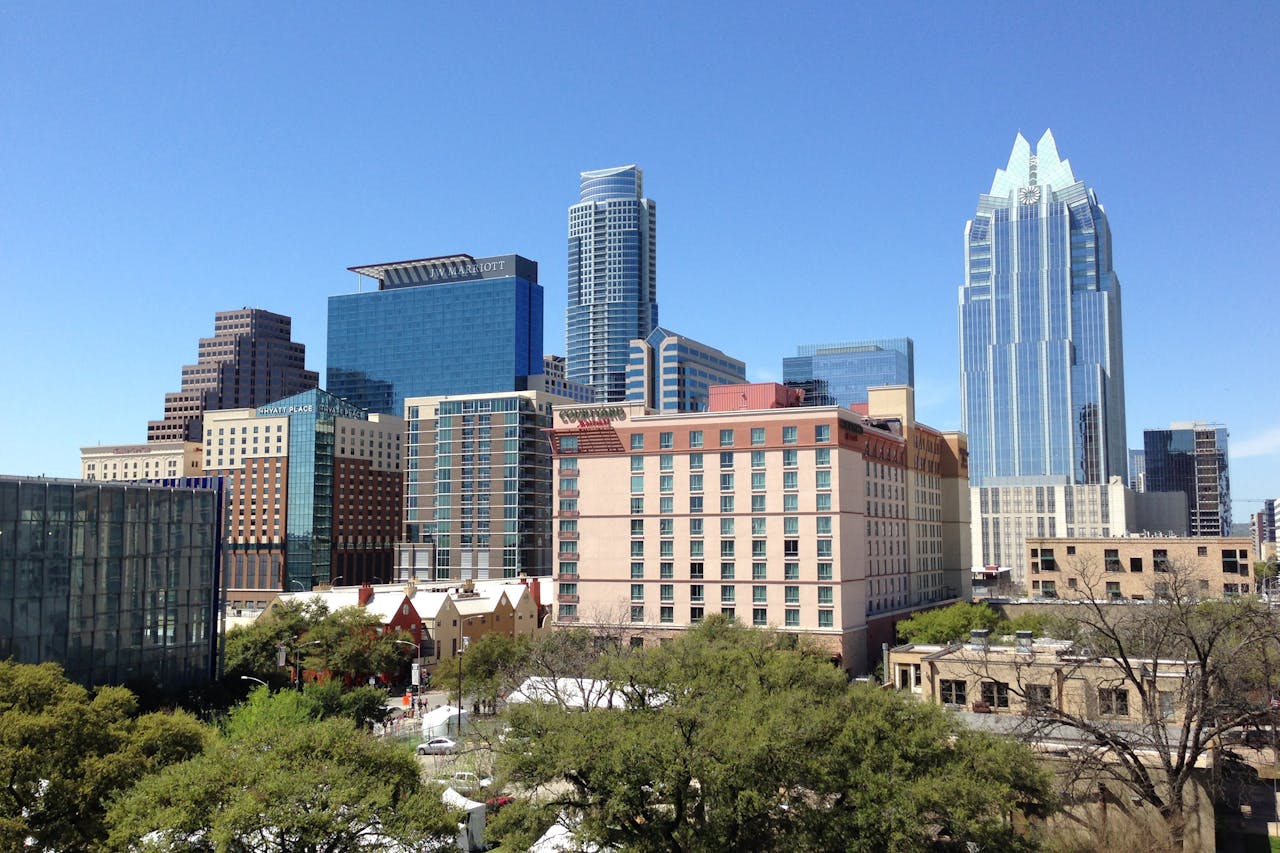
Austin once sold itself as a tech friendly playground with tacos, bands, and relatively cheap bungalows. Pandemic movers and venture money poured in, sending home prices and property taxes into the stratosphere while everyday wages lagged behind. Traffic on I-35 crawls, construction dust hangs over former bungalow blocks, and festival weekends swallow whole neighborhoods. Even with a flood of new apartments, many service workers live far outside the core, worn down by rent, heat, and a nagging sense that the promised creative city now mostly serves investors. Many stay mostly out of habit, unsure when the tradeoff stops making sense.
Nashville, Tennessee
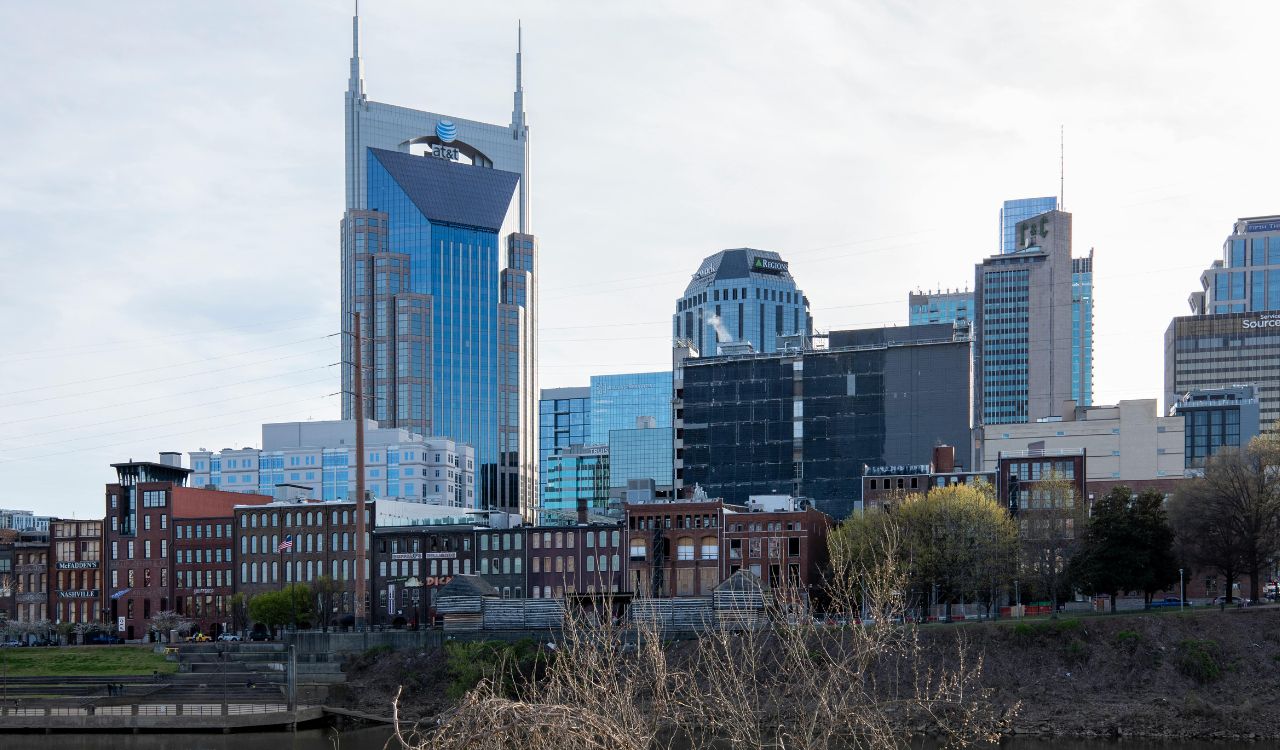
Nashville’s pitch mixed country legends, health care jobs, and a low cost of living that no longer exists. Tourism exploded, cranes arrived, and modest houses turned into short term rentals or luxury flips almost overnight. Rents climbed faster than musician pay or service wages, and more locals feel pushed to the outer counties just to stay housed. Weekend streets downtown feel like a permanent bachelor party, loud and lucrative but strangely hollow for the people who actually keep the place running Monday through Friday. Even diehard locals now trade stories about leaving, worn down by prices and a city that rarely feels off duty.
Denver, Colorado
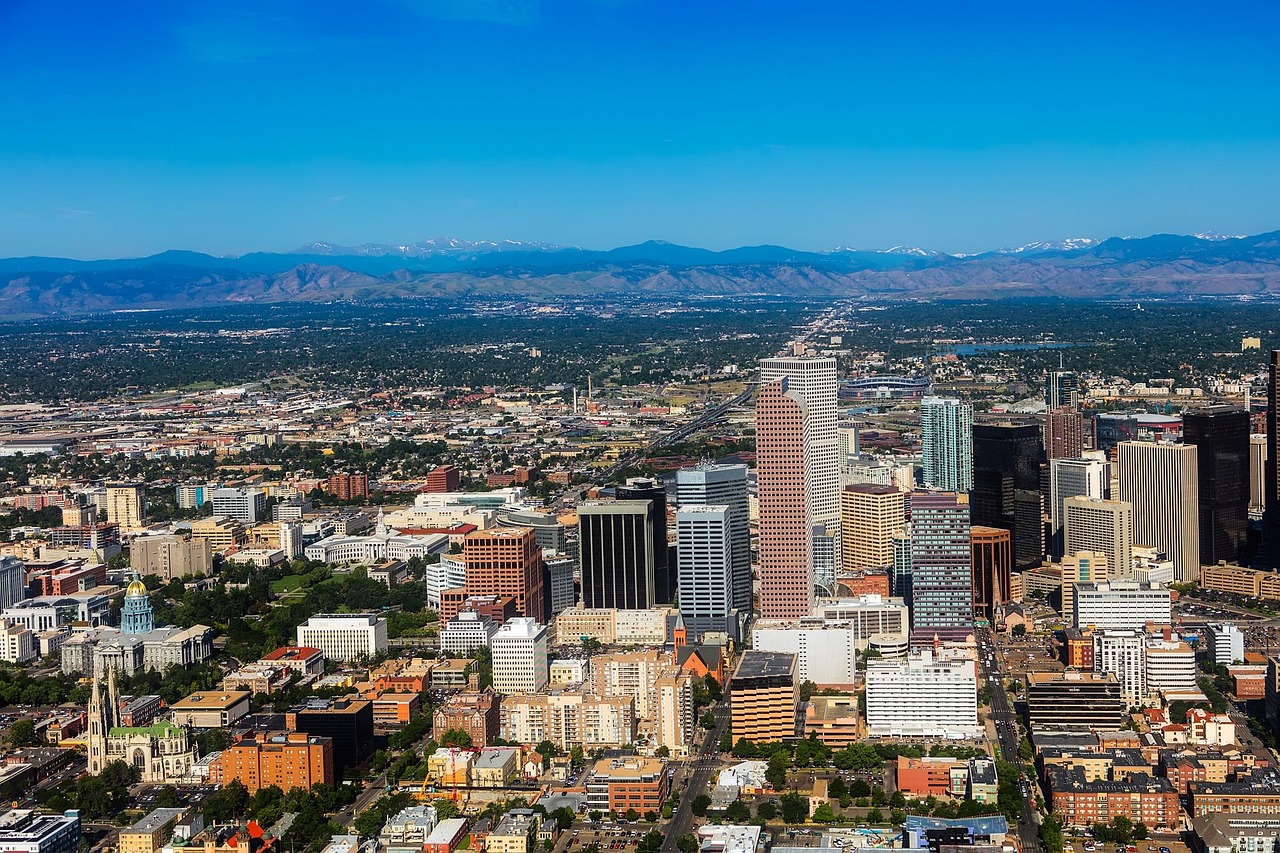
Denver long felt like a compromise between big city opportunity and easy access to the Rockies. Years of in migration and underbuilding turned that balance into a squeeze, with starter homes disappearing and rents swallowing half a paycheck or more. Neighborhoods that once held working class families now lean heavily toward new townhomes and breweries, while eviction filings tick higher. Add smoke filled summers, crowded trailheads, and long commutes from distant suburbs, and daily life feels less like fresh air and more like constant calculation. Some still love it but quietly admit they would not choose the city again at today’s prices.
Boise, Idaho
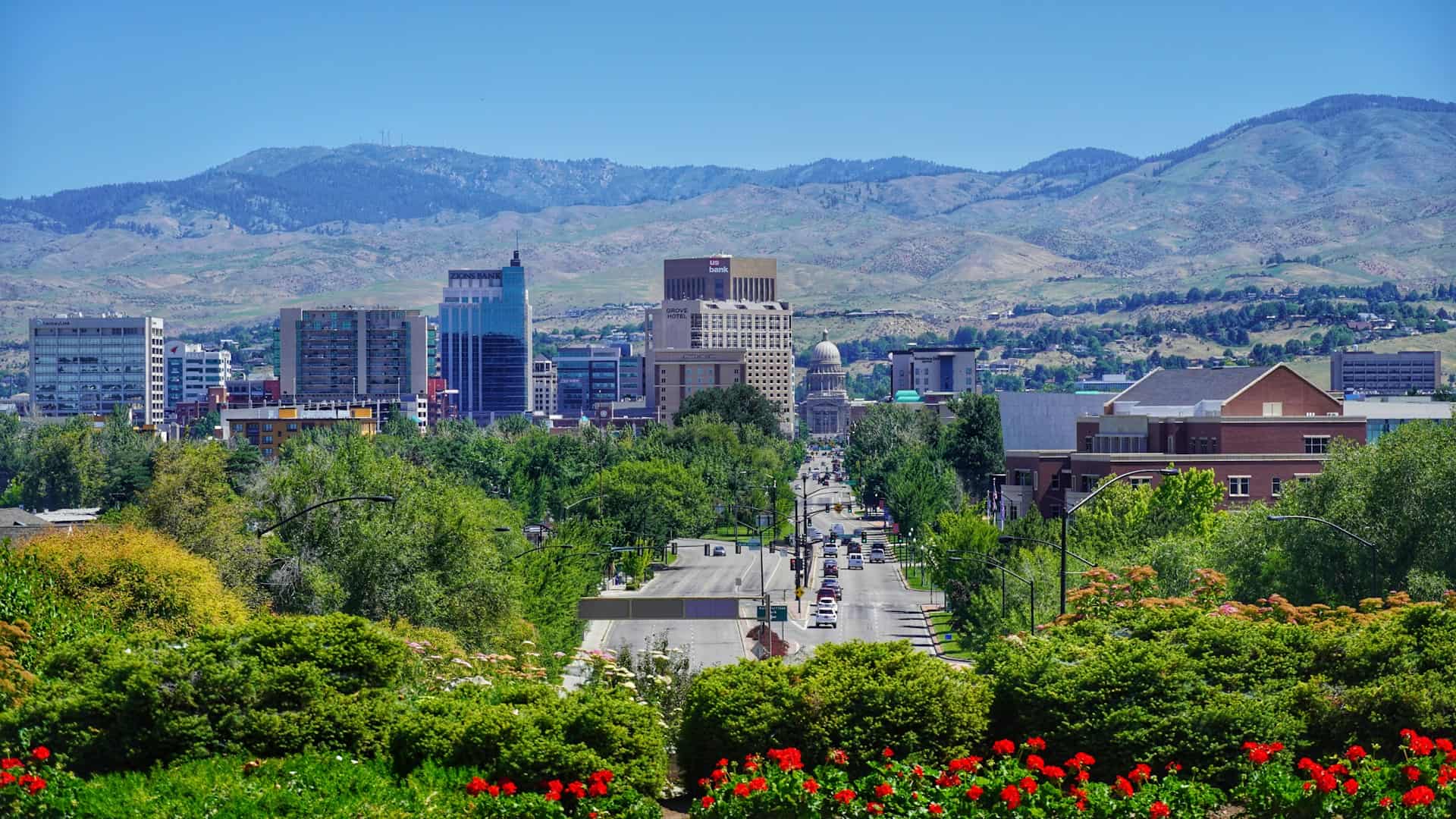
Boise spent years as a quiet favorite on relocation lists, a river city with bike paths, decent schools, and room to breathe. Remote workers arrived with coastal salaries and cash offers, bidding up basic houses far beyond what local teachers, nurses, and tradespeople can manage. New subdivisions march outward and commute times grow, while arguments over growth and identity now fill neighborhood meetings more than small talk about weather. For many longtime residents, the optimism that once colored every conversation has given way to doubt, as families quietly ask whether their children will ever be able to afford a life in the same valley.
Phoenix, Arizona
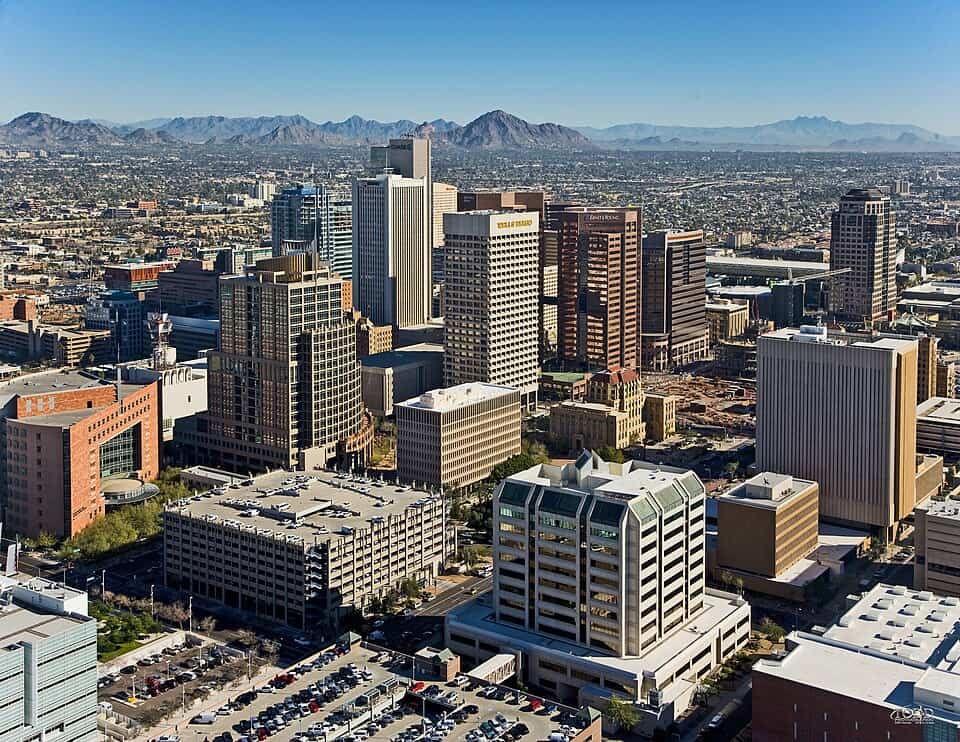
Phoenix marketed sunshine, big floor plans, and backyard pools at prices that undercut California and lured in remote workers by the thousands. Reality now looks like record breaking heat streaks, rising cooling bills, and water worries that sit in the back of every conversation. Outdoor life shrinks into narrow windows at dawn or after dark, while delivery drivers, landscapers, and kitchen crews endure the most dangerous hours under a punishing sun. Many newer arrivals still post desert sunsets online, yet in private they talk about drained savings, exhausted pets, and backup plans in cooler places.
Miami, Florida
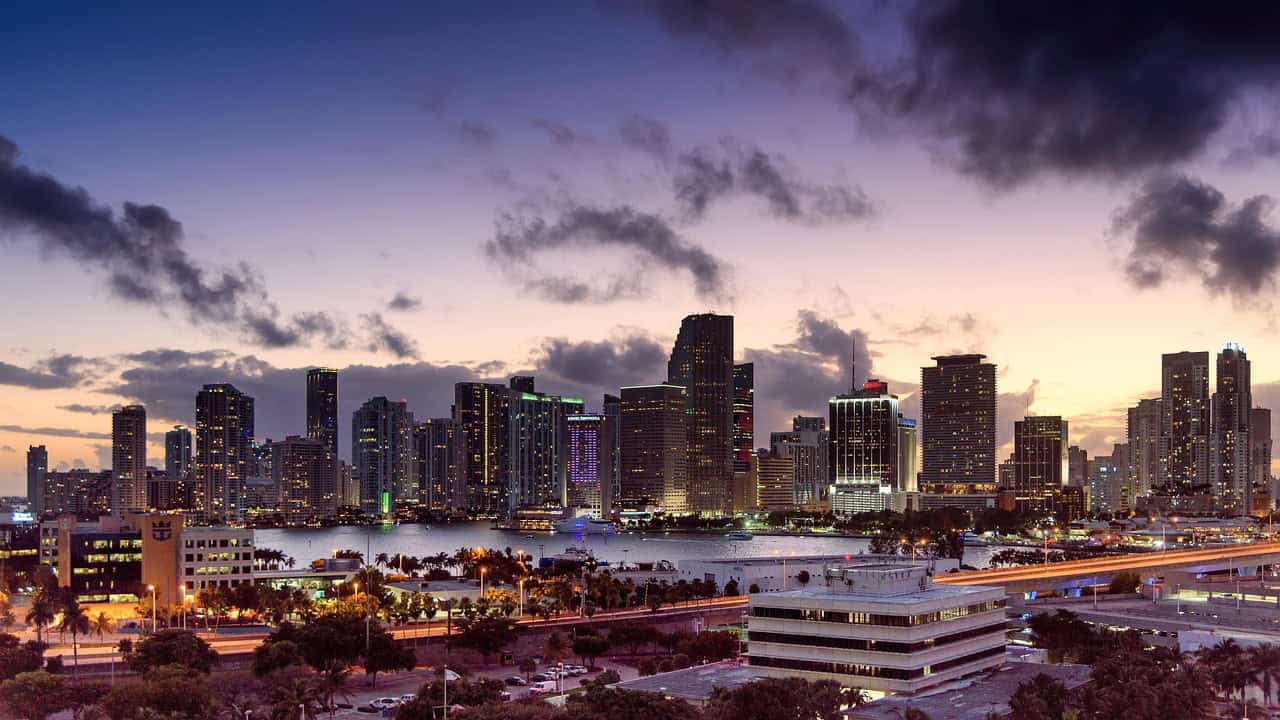
Miami leaned hard into its image as a global playground with no state income tax and ocean views from every angle. Finance firms, crypto players, and remote workers followed, helping push housing costs and insurance premiums into punishing territory. Flooding, king tides, and storm anxiety add a background hum of risk to daily errands, even on blue sky days. Service workers and younger residents often live far inland, carrying the weight of long commutes, rising rents, and a sense that glamour has outpaced basic stability. Excitement remains, but it often rides alongside fatigue as daily life bends around cost, risk, and shaky stability.
Seattle, Washington
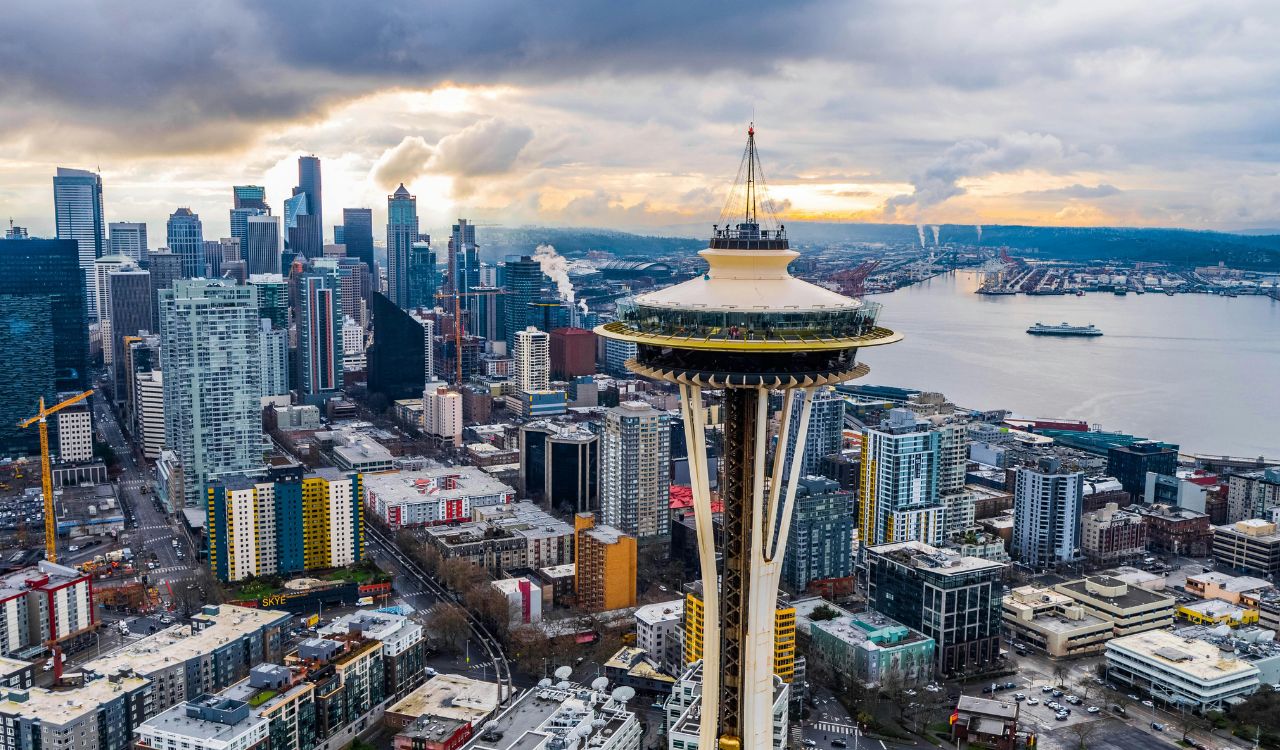
Seattle once seemed like a place where tech salaries, coffee shops, and music venues could comfortably coexist with older bungalows and houseboats. Rapid hiring and limited building shattered that balance, sending prices skyward and pushing many artists, families, and elders into far flung suburbs. Downtown blocks and key corridors show the strain through visible homelessness, addiction, and frayed public patience. Friends still gather on ferry decks and trails, but talk now circles rent, safety, schools, and whether the cost of staying still matches the original dream.
Portland, Oregon
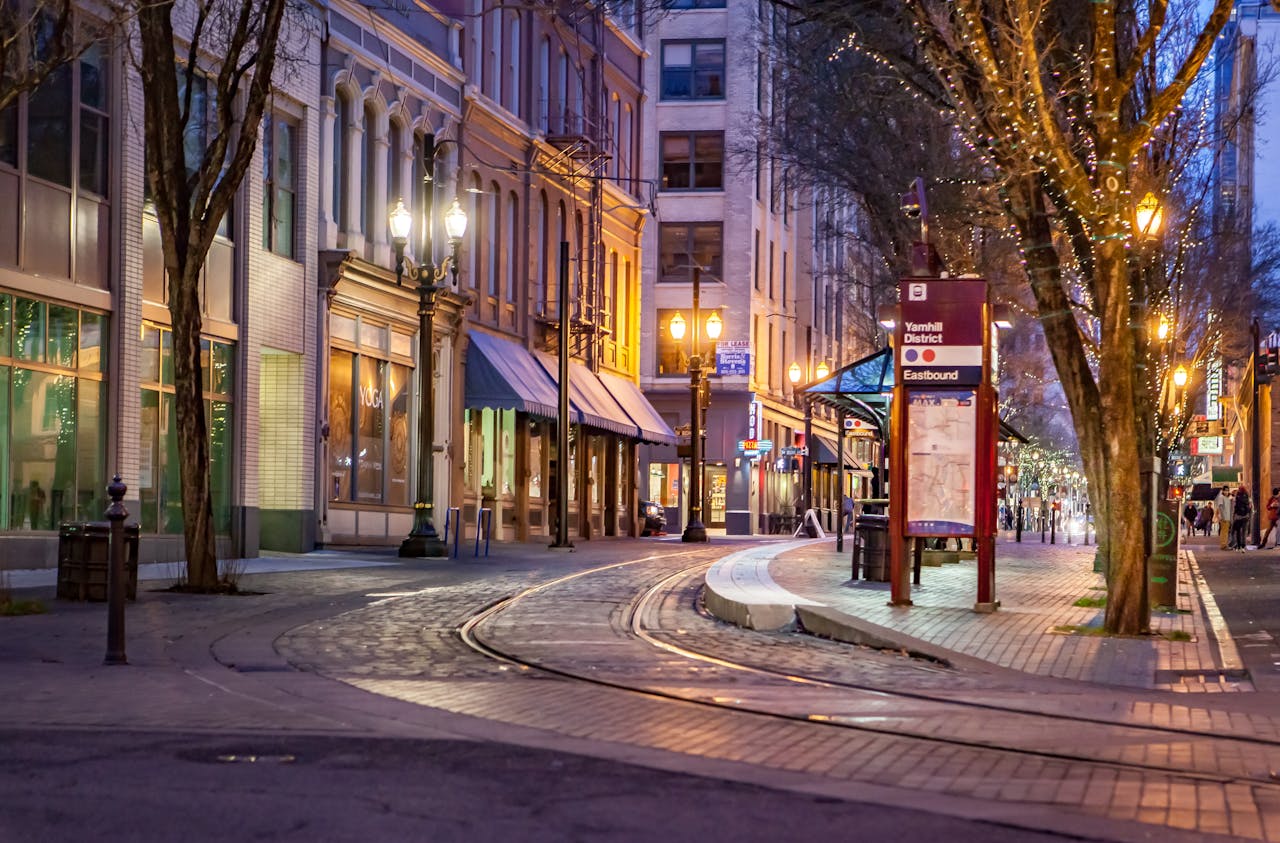
Portland built its reputation on indie shops, food carts, and bike lanes that made a creative life feel attainable on a modest income. That narrative collided with a tight housing market, wage stagnation, and a homelessness crisis that shows up in tents near schools, parks, and busy intersections. Debates over camping bans, policing, and zoning turn city council meetings into long, bitter evenings that rarely leave anyone satisfied. Residents still love tree lined streets and block parties, but talk often comes back to exhaustion and whether city leaders can match the care people feel for home.
Los Angeles, California
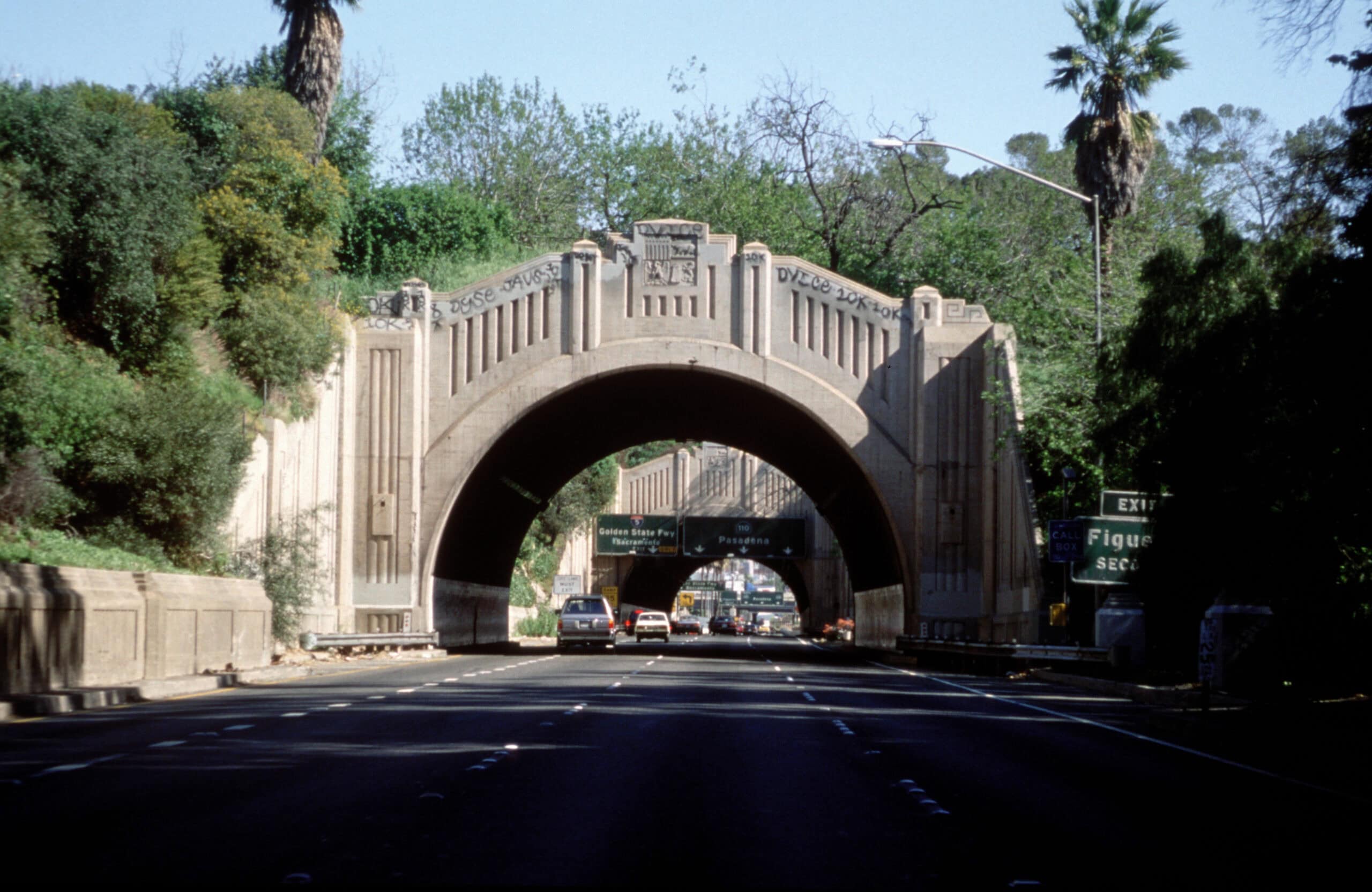
Los Angeles has always mixed dream chasing with a hard edge, but the cost side of that equation has become brutal. Rents and home prices leave even solid earners sharing cramped spaces or commuting from distant valleys and exurbs. Encampments along freeways and sidewalks highlight a long running policy failure that no single mayoral plan can fix quickly. Residents who grew up in the region talk about loving the food, culture, and weather while quietly scanning rental listings in smaller cities where a normal life feels possible. Many keep chasing their plans here while quietly scouting backup cities where a simple apartment feels realistic.
Atlanta, Georgia
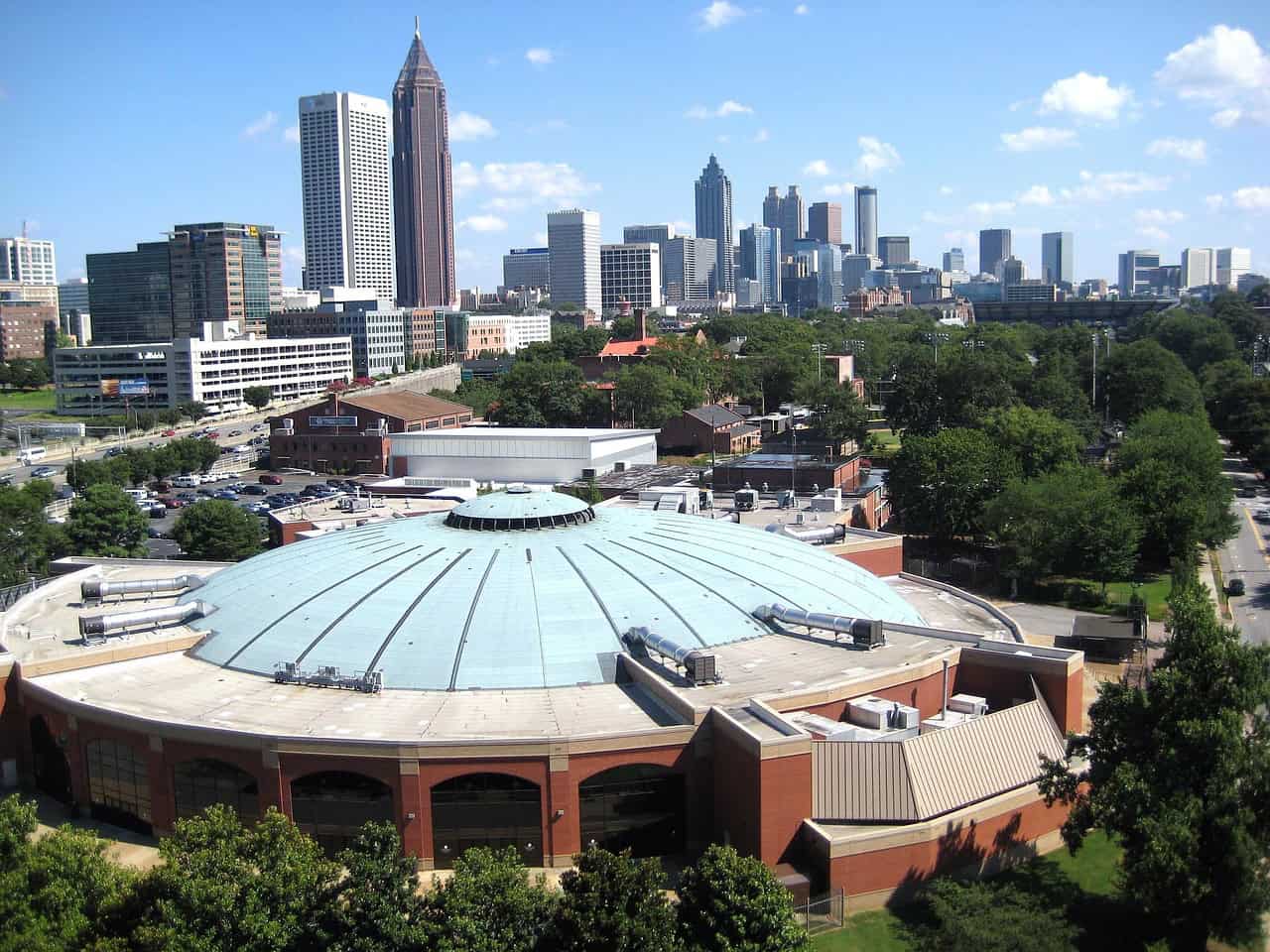
Atlanta spent the last decade marketing itself as a place where Black professionals, creatives, and families could own homes and build careers. Investor buying, rapid in migration, and limited rail transit chipped away at that promise, pushing prices up across neighborhoods that once felt within reach. Traffic now sprawls across intersecting interstates, eating hours from each day and making simple errands feel like small missions. New studios and restaurants still open, but talk in churches, salons, and offices often returns to debt, childcare costs, and whether the daily grind still feels worth the promise.