We may earn money or products from the companies mentioned in this post. This means if you click on the link and purchase the item, I will receive a small commission at no extra cost to you ... you're just helping re-supply our family's travel fund.
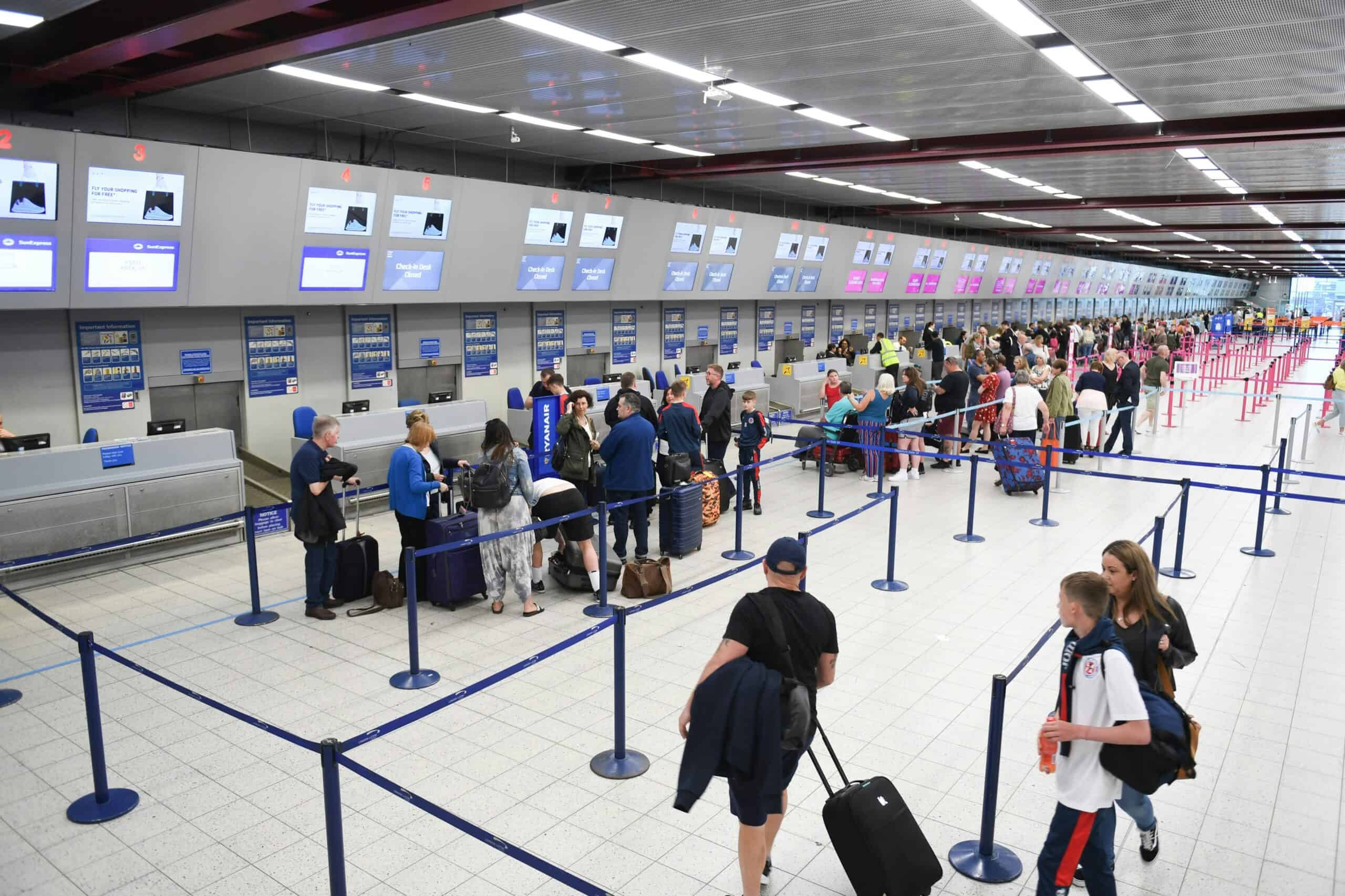
Airport security moves quickly when travelers treat it like choreography instead of a debate. The rules are mostly familiar, but checkpoints vary by airport, equipment, and lane, which is where people get tripped up. A small mistake can trigger a bag search, a rescan, or an ID delay that snowballs into missed boarding. In 2026, the fastest travelers are not the ones who rush. They are the ones who arrive prepared, read signs, and avoid guessing what the officer wants next.
REAL ID Surprises at the Document Checker
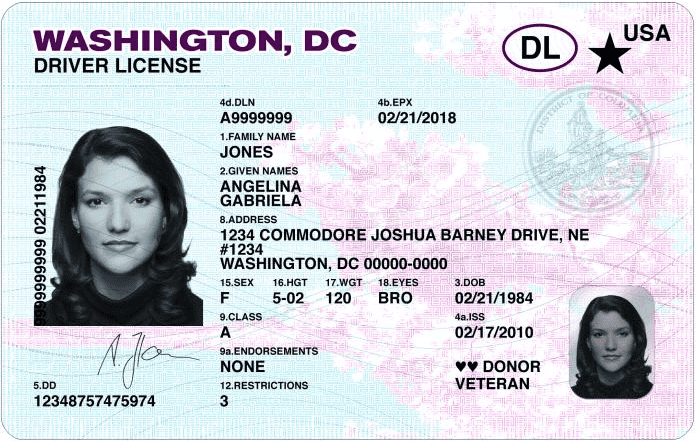
REAL ID is no longer a future concept, yet some travelers still show up assuming any driver’s license will slide through. When an ID is not accepted, the line does not pause politely. It turns into an on-the-spot identity problem, and the fix can be slow, stressful, and unpredictable. The avoidable part is the confidence. Many delays begin with someone arguing a rule that already changed, while everyone behind them watches the clock and tightens their grip on their boarding pass.
Liquids Packed Like Rules Don’t Exist
/Freepik
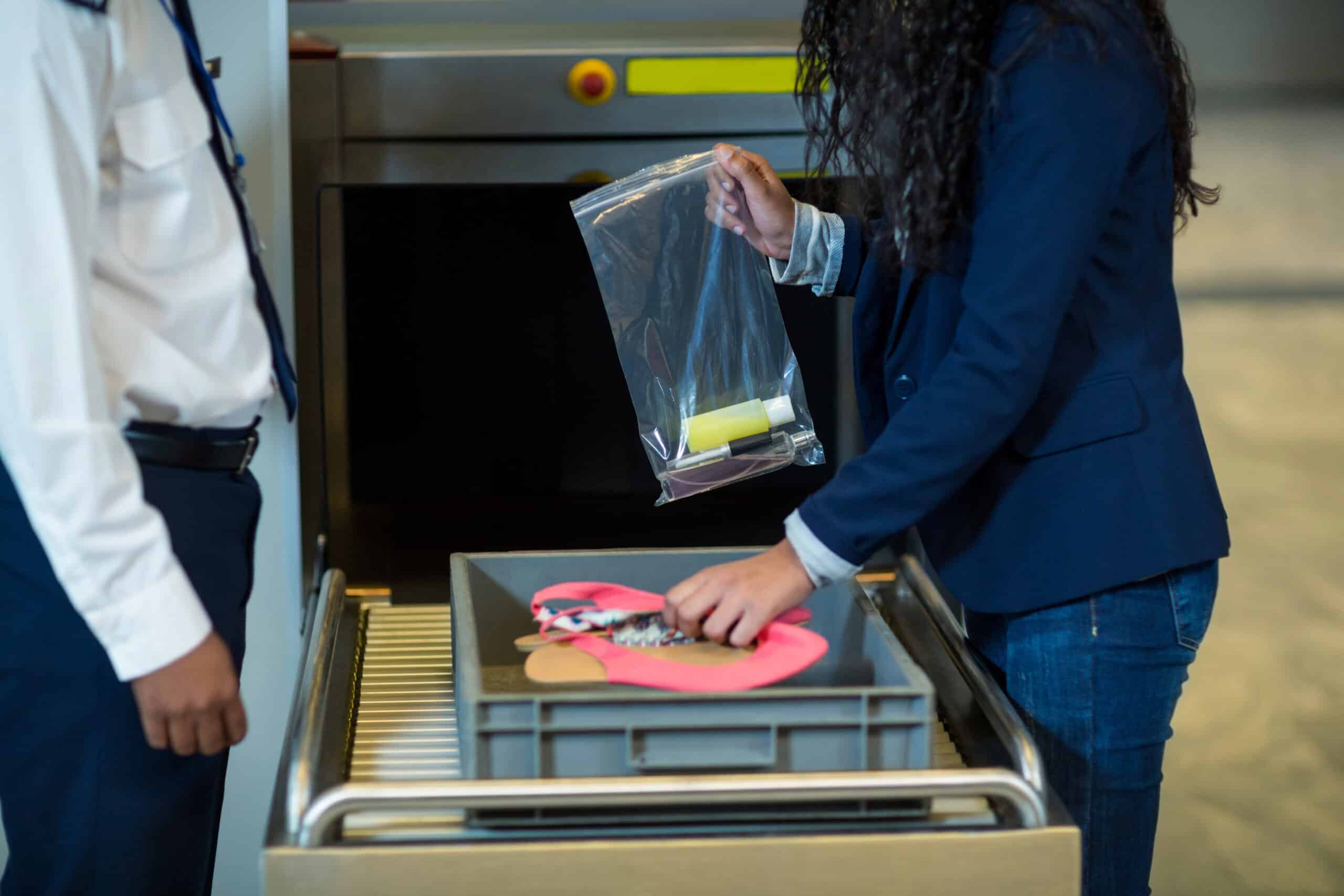
The liquids rule is old, but it still catches people because it punishes messy packing. Oversized sunscreen, a full-size toothpaste, or scattered minis stuffed into side pockets all invite a bag pull. Then the checkpoint becomes a sorting table, with travelers deciding what to surrender while trays pile up behind them. Exceptions exist for certain medical or baby items, but they still require screening. The smooth move is consistency: one clear liquids bag, predictable containers, and zero surprises buried under chargers and snacks.
Assuming Every Airport Uses the Same Scanner
/Freepik
Some checkpoints are built around newer scanners that change what can stay in a bag. Others still run the classic routine that requires electronics separated and items arranged in specific ways. The mistake is walking in with a single script, then acting confused when the lane expects a different one. Security runs on local instructions, not internet tips. A traveler who watches the signs and mirrors the person in front of them moves faster than someone who insists last month’s airport proved a universal rule.
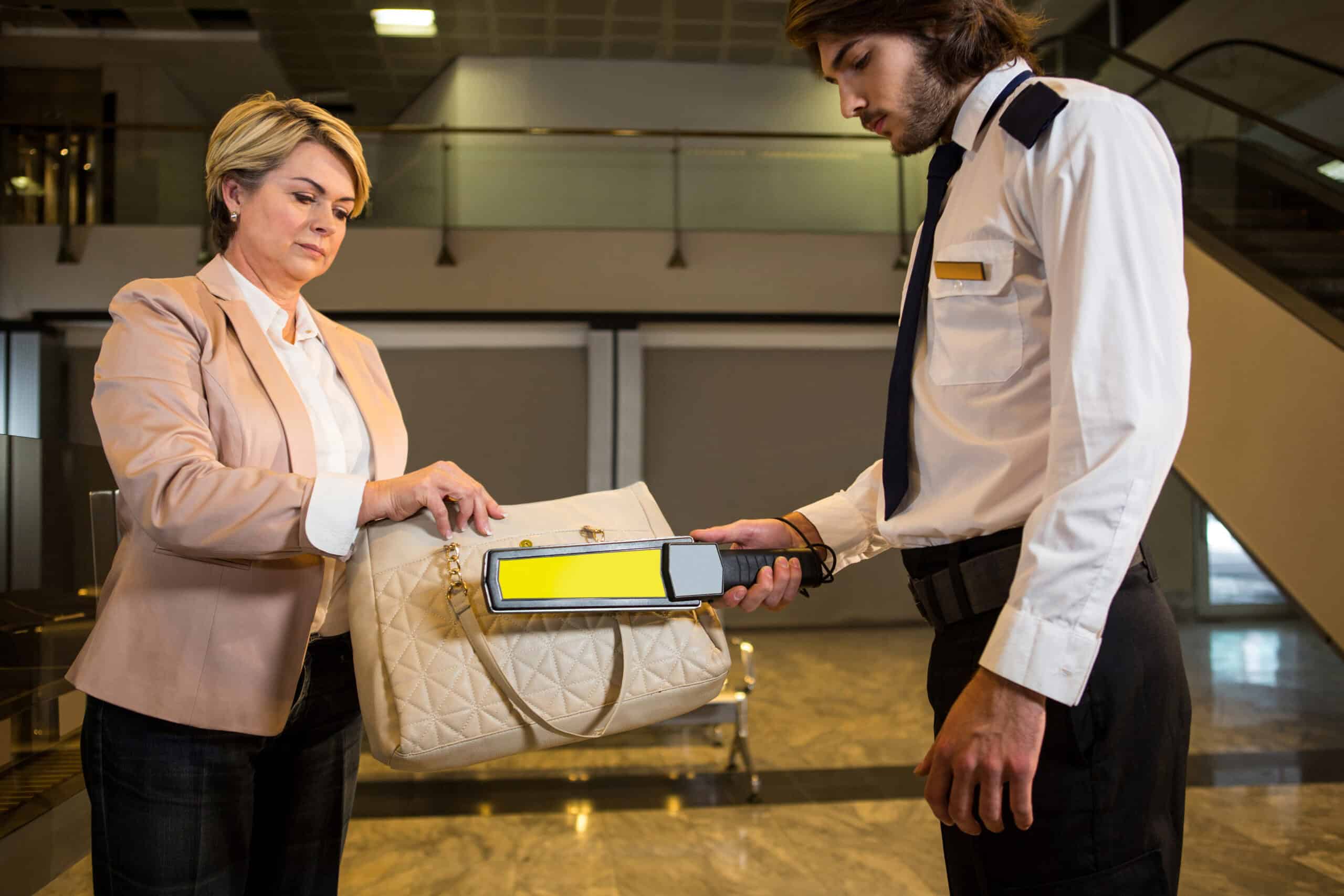
Dressing for Trouble at the Metal Detector
/Freepik
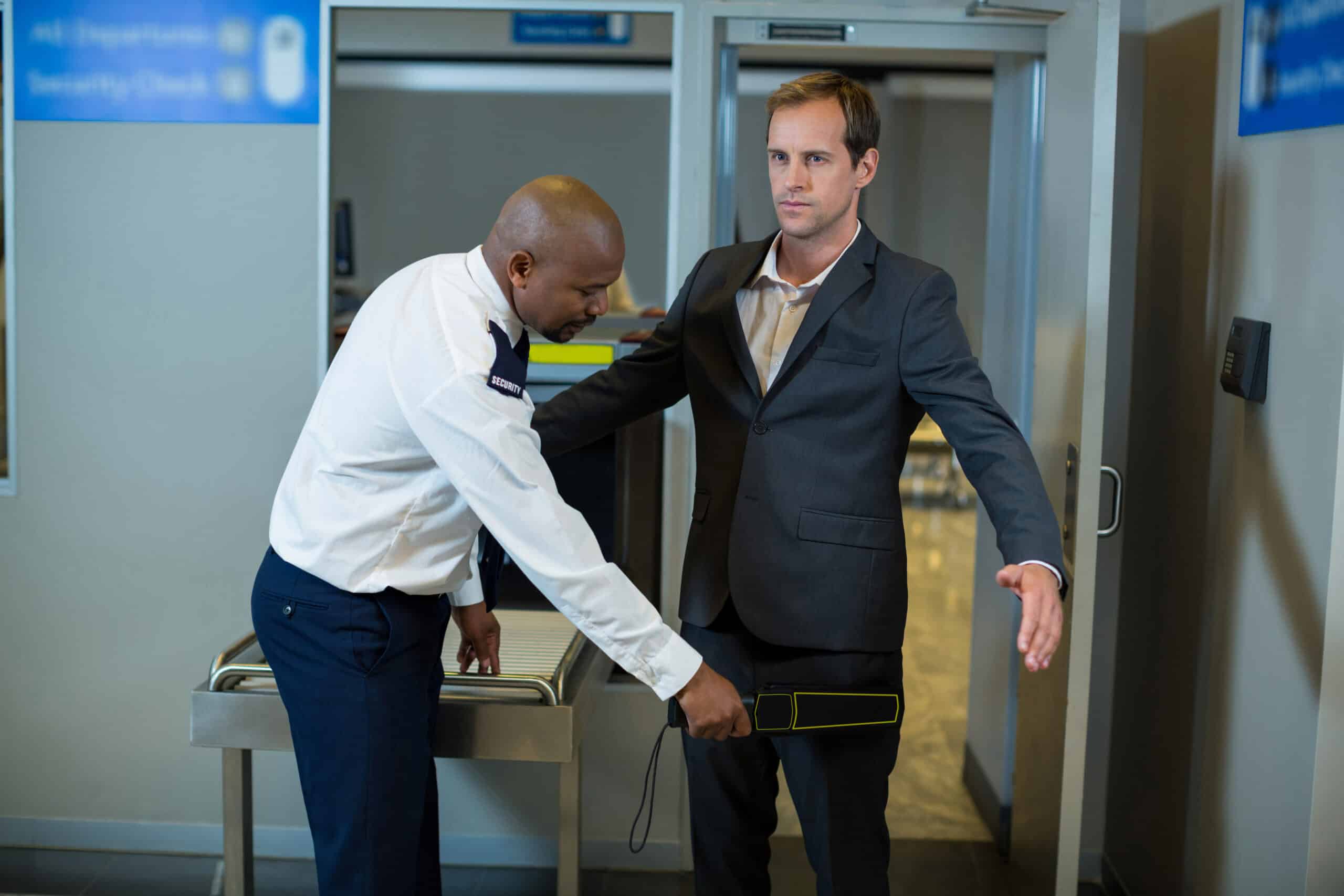
Clothing choices can quietly manufacture extra screening. Heavy jewelry, layered belts, metal snaps, tall boots, and dense outerwear raise the odds of an alarm and a follow-up check. None of this is a moral issue. It is simple physics and time. The slower part is not the scan itself, but the after: stepping aside, removing items, rescanning, and repacking while the line keeps moving. Security outfits are boring for a reason. The goal is passing cleanly, not making fashion a secondary screening event.
Packing Power Banks and Lithium Batteries Incorrectly

Portable chargers and spare batteries feel harmless, which is why they end up packed carelessly. When they are placed in the wrong bag or loosely tossed near metal objects, they attract attention and sometimes a manual inspection. The checkpoint does not want a mystery brick. It wants clear, safe storage and easy visibility. The delay usually starts when a traveler insists a power bank is just an accessory, not a battery. Security sees it differently, and the repacking happens at the worst possible moment, with pressure building behind the bins.
Forgetting About Everyday Tools That Trigger Searches
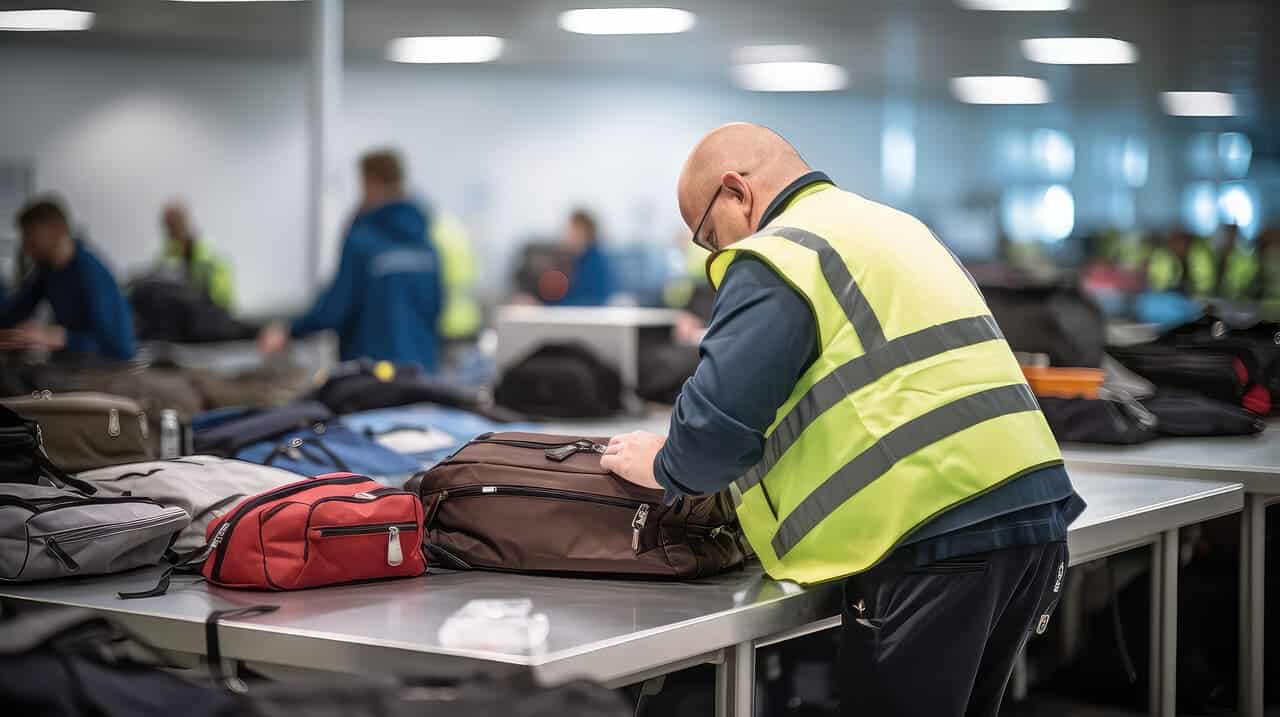
Many bag checks are caused by items that look normal at home: multi-tools, pocket knives, sharp scissors, or even certain sporting gear. Travelers often discover the problem only after the x-ray flags the bag, forcing a choice between surrendering the item or scrambling for a shipping option. The mistake is not malice. It is assumption. Airports do not treat “but it’s small” as a rule. A quick pre-pack scan at home prevents a dramatic checkpoint decision, and it saves everyone else from watching the belt stall over one forgotten gadget.
Expecting PreCheck Comfort in a Standard Lane
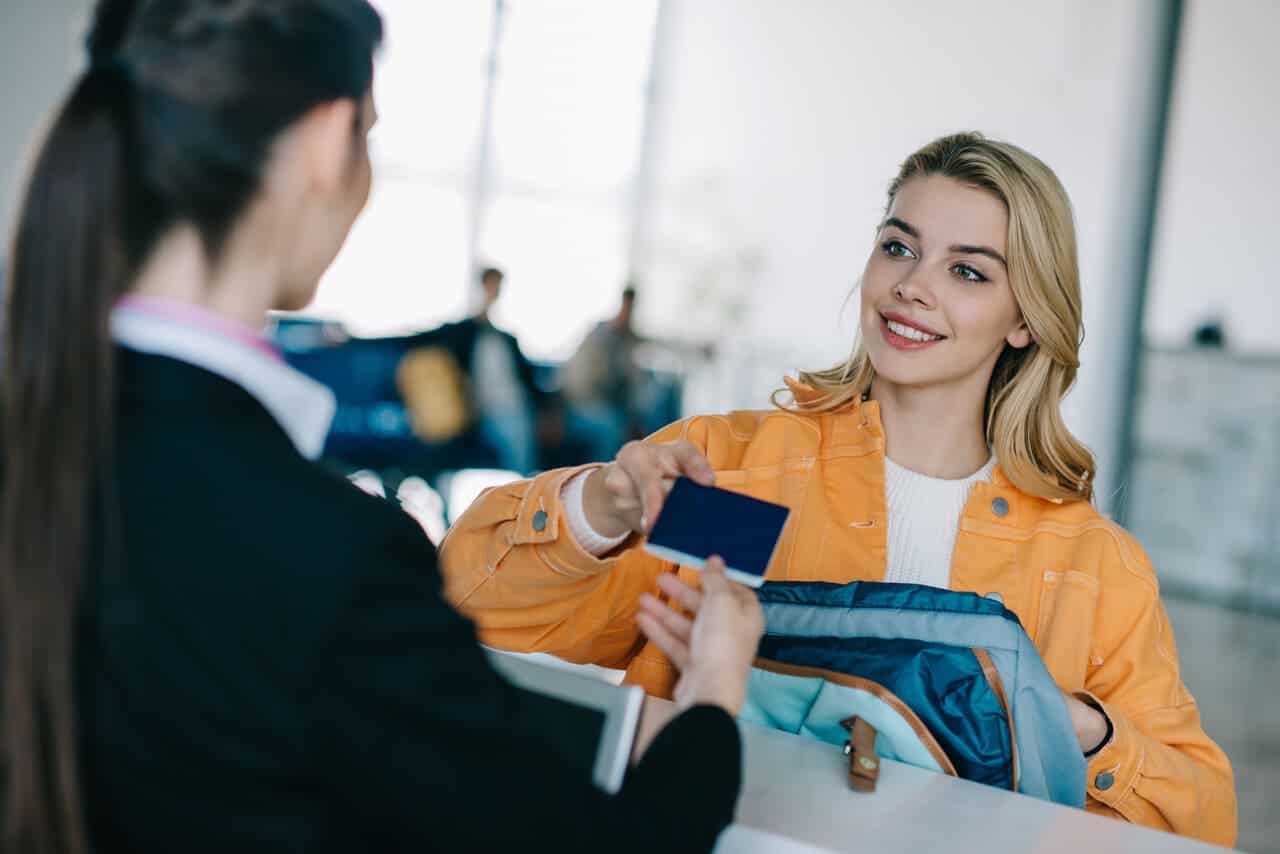
Travelers with PreCheck sometimes end up in the wrong line, or they assume all lanes operate like PreCheck because one airport did last time. That mismatch creates frustration and slow compliance. Standard lanes often require more separation, more removal, and more strict tray habits, especially during peak waves. The checkpoint will not bend to a traveler’s memory. It will follow the lane’s procedure. The fastest approach is not entitlement; it is adaptability. When the lane demands laptops out, belts off, or items separated, the only winning move is doing it immediately.
Arriving with ID and Boarding Pass Buried or Dead
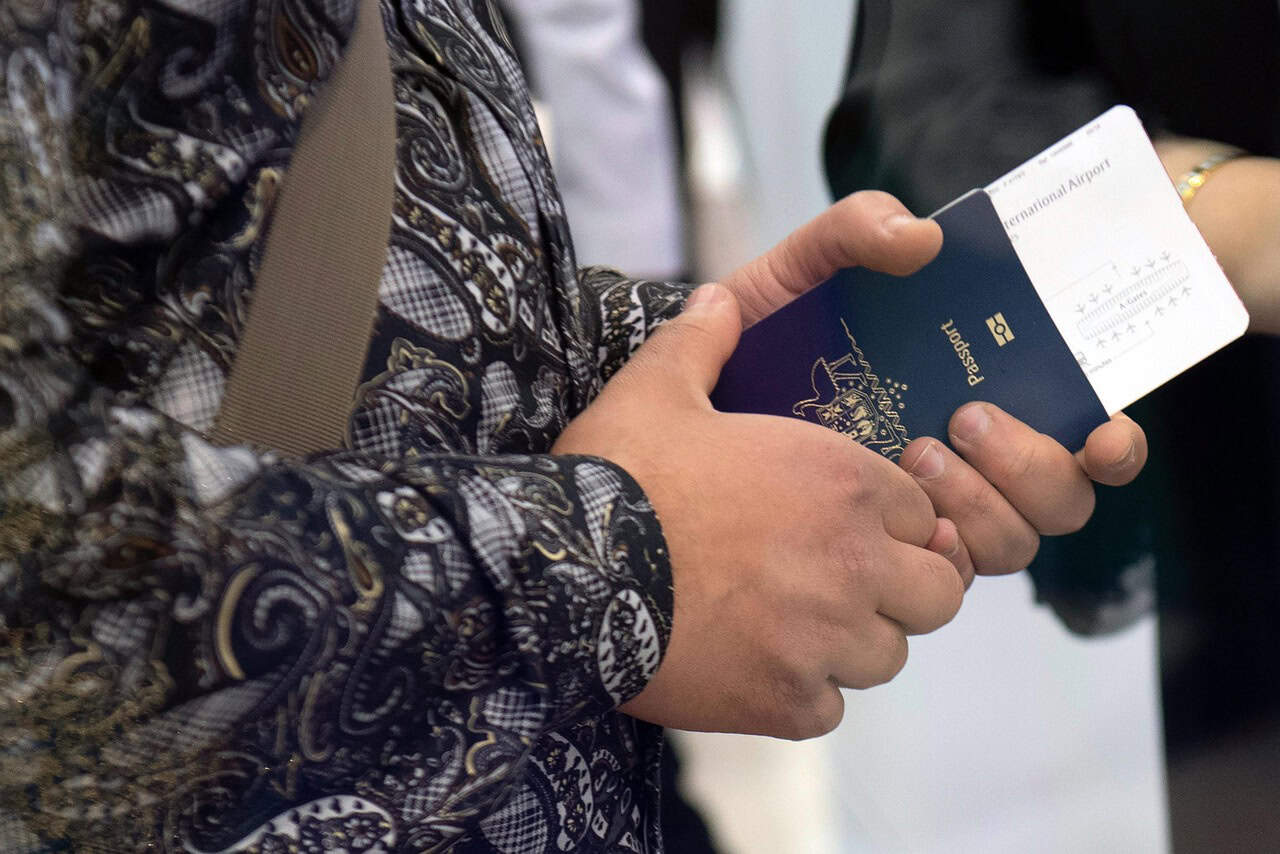
A surprising number of lines slow down at the very first step. Phones die, apps log out, screen brightness drops, and boarding passes hide in email threads. Then the document checker becomes a troubleshooting station, with travelers juggling cables and anxiety. Even when the right ID exists, it does not help if it is unreachable. The fix is simple: documents ready before the podium, battery stable, and backup access planned. Security is not the place to learn that a wallet app needs a password reset or a signal bar to load.
Treating the Checkpoint Like a Comedy Stage
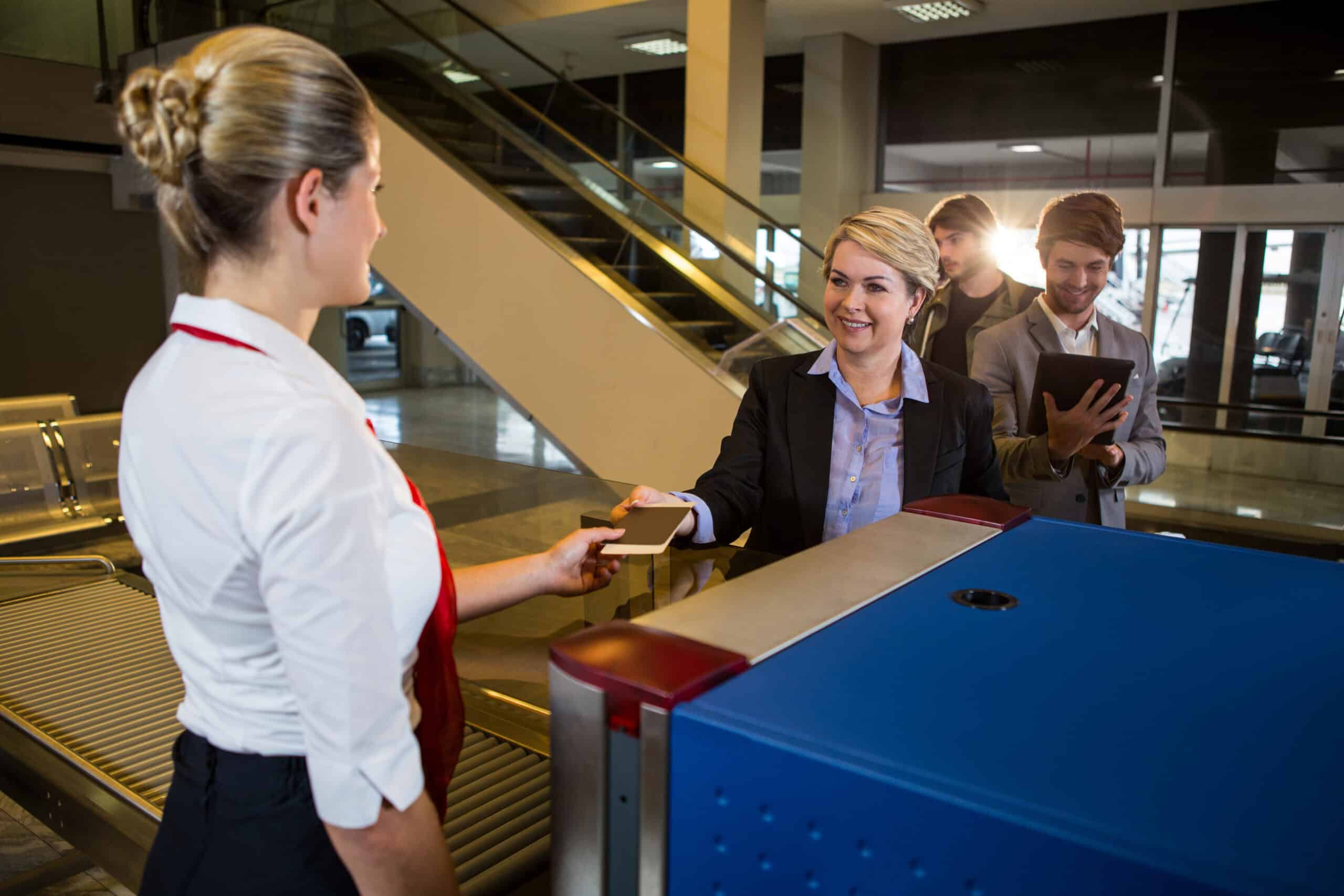
Jokes about weapons, threats, or “testing” security might feel clever to the speaker, but they reliably create consequences. Officers are trained to treat words as signals, not vibes, and any hint of aggression can trigger escalation and delays. The same goes for yelling at staff or arguing loudly about procedure. That behavior rarely wins sympathy and often wins extra screening. The smartest travelers keep language plain, tone calm, and questions short. Security moves fastest when nobody has to decide whether a traveler is joking or unraveling.
Waiting Until the Belt to Empty Pockets and Untangle Gear
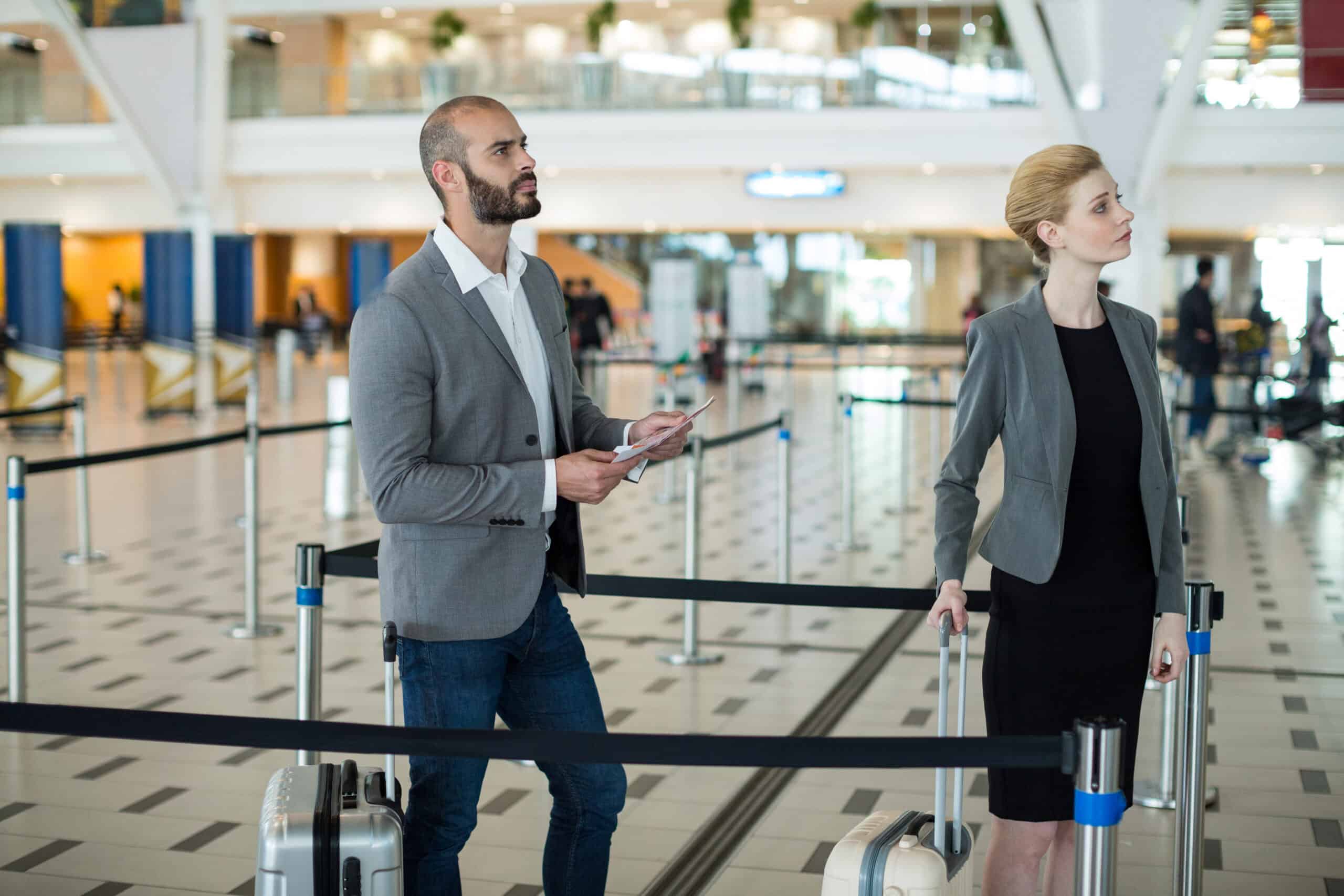
The most common mistake is procedural laziness. Travelers reach the bins with pockets full of coins, keys, and bulky items, then try to empty everything while standing in the only spot that cannot handle pauses. That creates a small traffic jam at the belt, and it increases alarms at the detector because items get missed in the rush. Smooth travelers reset before the bins: pockets cleared, layers simplified, bag organized, electronics placed where they can be removed quickly if needed. The line speeds up when every person treats the belt like a conveyor, not a desk.