We may earn money or products from the companies mentioned in this post. This means if you click on the link and purchase the item, I will receive a small commission at no extra cost to you ... you're just helping re-supply our family's travel fund.
A Dallas-Fort Worth boarding for Las Vegas turned tense when a passenger targeted a flight attendant with racially abusive remarks, including a taunt about being illegal. Fellow travelers filmed from nearby seats as the crew kept the moment contained, waiting for the jet bridge and the right procedures to remove him. A gate change followed, then police escorted the man off, and passengers were asked to deplane, delaying the trip. Under FAA rules, disruptive conduct can trigger civil penalties that add up fast, with a single case carrying multiple violations. The episode went viral because one voice raged, and control kept the cabin moving so.
The Outburst Started In First Class
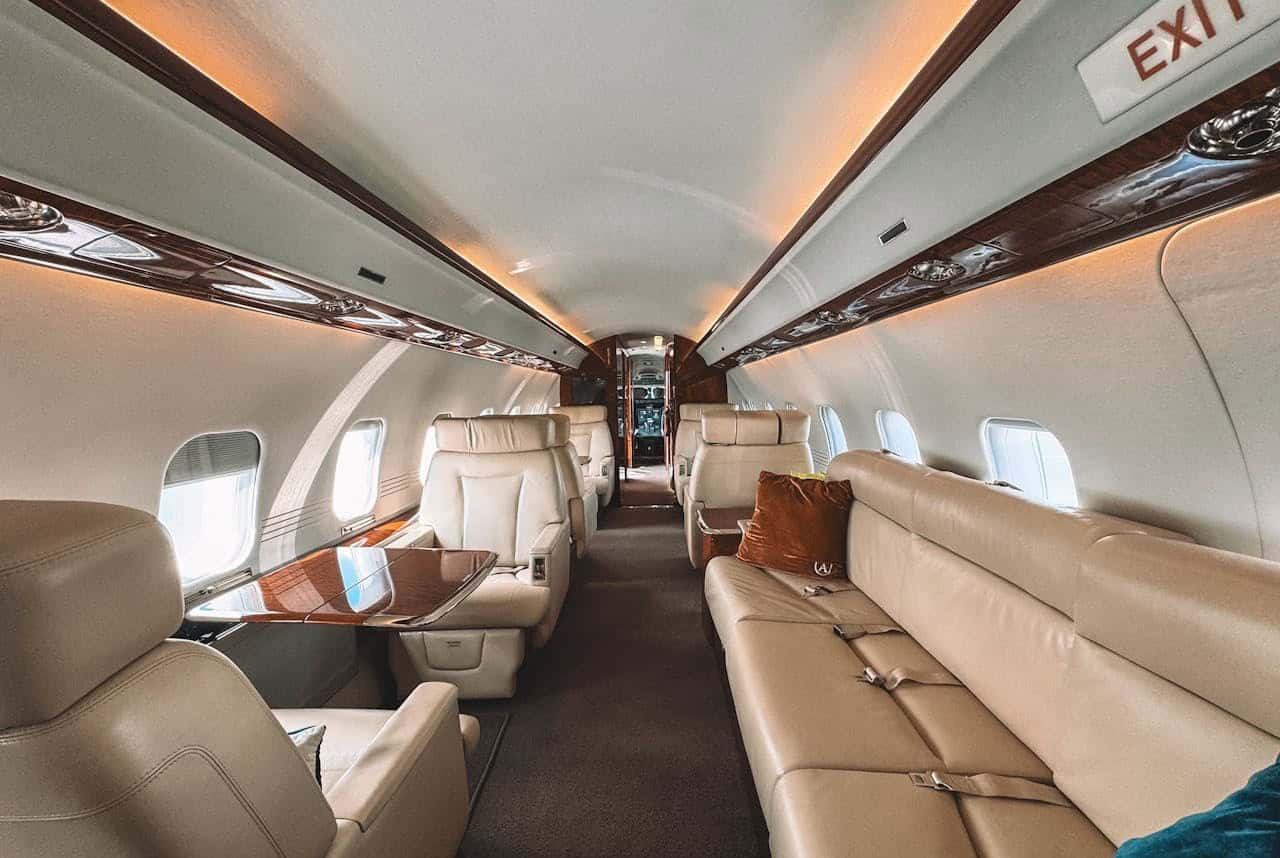
The confrontation happened before departure in the First Class aisle, where a single person can block boarding, spike stress, and pull attention from safety work. Passengers’ videos show crew members nearby while the man argued with a flight attendant, which suggests the decision to remove him was already forming. Keeping him on the ground mattered, because problems that start at the gate rarely improve after pushback. The crew’s posture stayed procedural, not performative, and the cabin watched a boundary get set. The flight ran Dallas-Fort Worth to Las Vegas, a route meant to be routine on paper only. It should have stayed routine for all.
The Abuse Was Aimed To Provoke A Reaction
In the viral footage, the passenger berates the flight attendant with racist remarks and repeats a line about her being illegal, adding invented claims about the Rio Grande and a Social Security number. It reads like a tactic: say something ugly, demand a reaction, then act shocked when the crew holds firm. Airplanes reward calm, not volume. When the target stays steady, the outburst loses oxygen, and the crew can keep the focus on removal, documentation, and protecting other passengers from getting pulled in. It played out in front of travelers, turning aisle space into a stage he did not earn so. The crew treated it as a safety issue early.
Calm Control From The Flight Attendant
The flight attendant does not match the passenger’s tone. She answers plainly that she has lived in the United States her whole life, then names the behavior as racist, without theatrics. That balance matters because a cabin is a shared space, and people often look to crew cues before they decide whether to intervene. By staying direct and composed, she protects dignity and safety at the same time. The moment also shows why airlines train for de-escalation: calm is a tool, not a personality trait. On camera, her steadiness makes contrast sharp: one person spirals one person keeps the job moving along. That steadiness kept others seated today.
The Jet Bridge Problem Forced A Gate Change
While the crew waited to offload the passenger, they learned the jet bridge connection had an issue, forcing the aircraft to move to another gate. A crew member announced they were repositioning to remove a passenger, and the cabin broke into applause, a rare sound on a delayed flight. The clapping was less celebration than relief: people wanted the situation resolved before take off. Operationally, a gate move is a headache, but it can also be the cleanest way to finish a removal safely. Those minutes can feel long, yet they buy time for coordination, paperwork, and a calm handoff to authorities. A delay is easier than tension aloft at 30000.
Police Removed Him, And Everyone Paid In Time
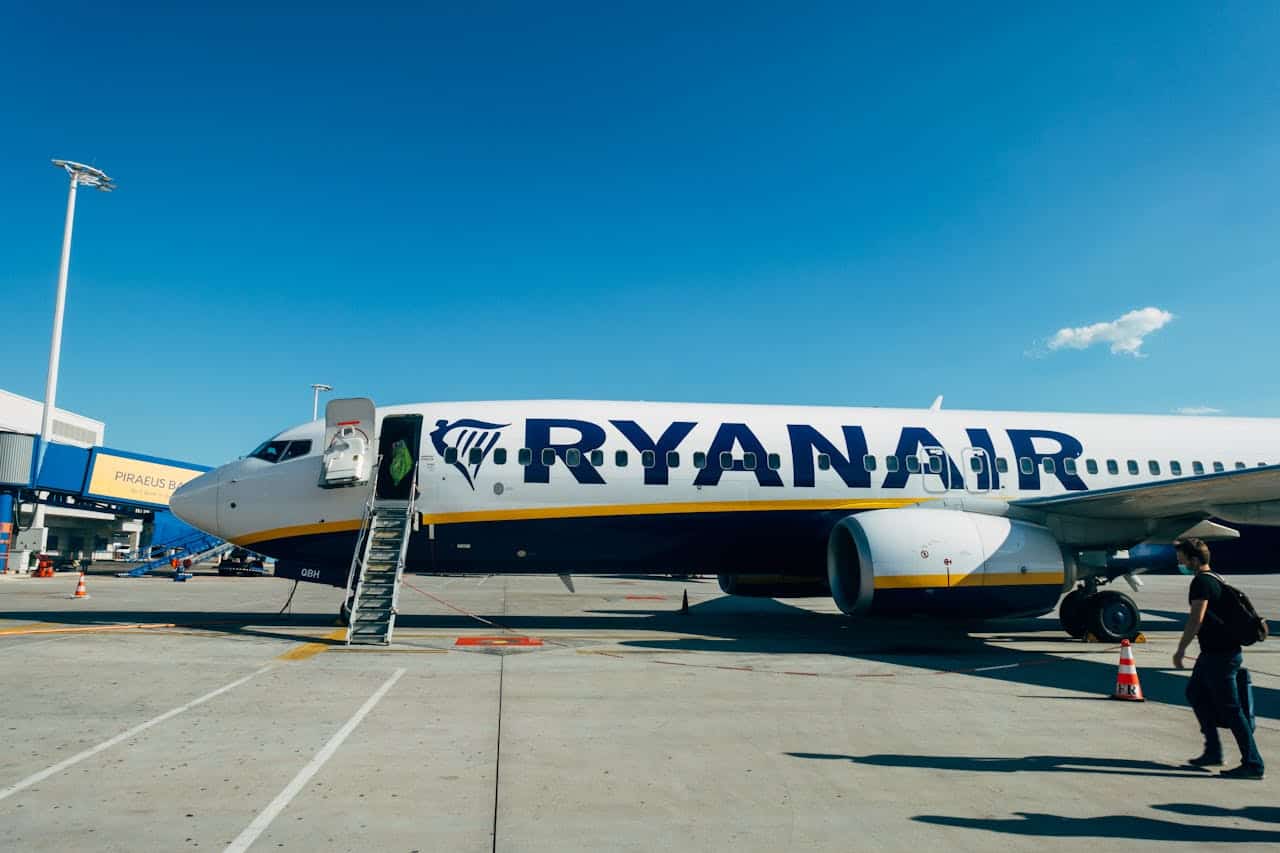
After the aircraft reached the new gate, police removed the passenger, and the airline asked other travelers to deplane, widening the delay. That ripple is the hidden cost of onboard disorder: missed connections, lost reservations, and a crew forced to reset the cabin and schedule. Airlines act early because a person who is combative on the ground is unpredictable in the air, where options shrink fast. The removal was disruptive, but it also kept the problem from traveling with the flight. In the clips, the cabin’s mood shifts once the plan is clear, and tension drains into tired silence today. The crew reset the cabin before departure today.
Zero Tolerance Changed What Happens Next
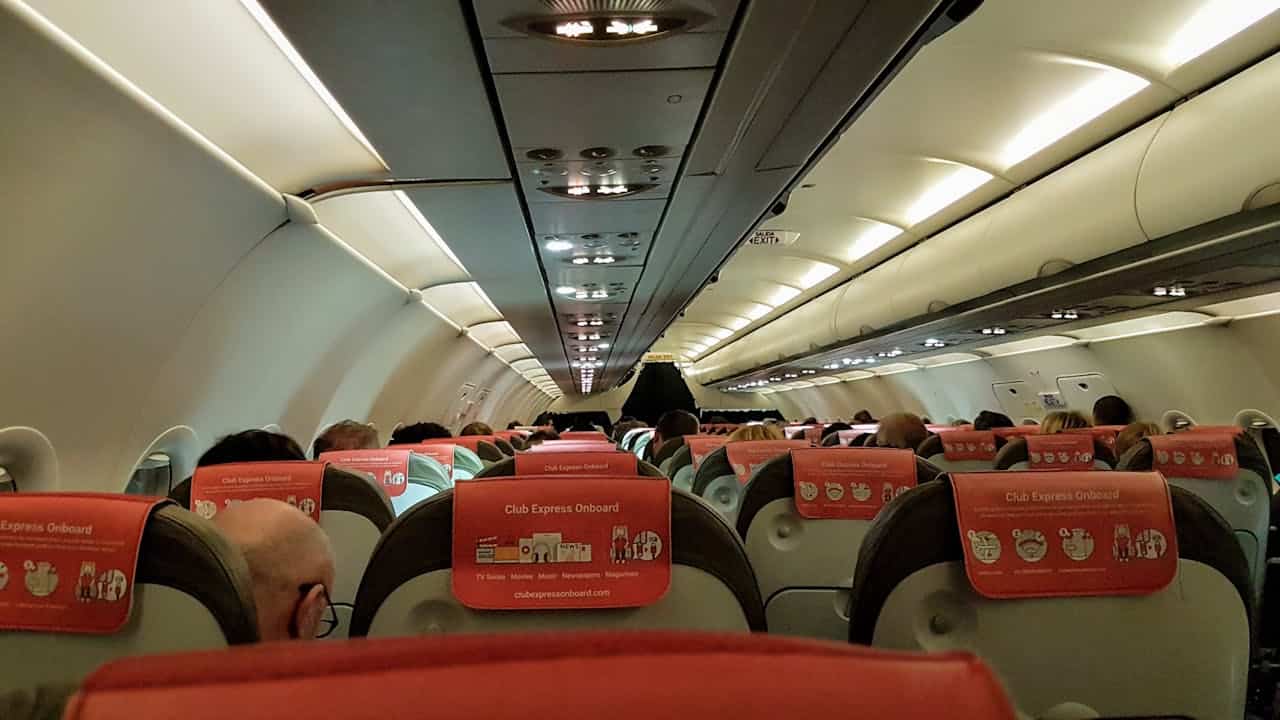
The FAA launched its Zero Tolerance policy in Jan. 2021 after a spike in disruptive incidents, shifting away from warnings and toward enforcement. The reference data says reported cases dropped about 80% from 2021 levels, with 122 incidents reported in Jan. 2026 compared with 720 in March 2021. The point is not punishment for its own sake. It is deterrence, because interference with crew duties is treated as a safety issue. When consequences are predictable, fewer people gamble on turning a flight into a scene. Cases can bring criminal charges and the FAA tracks enforcement actions year to year too. It gives crews a clearer backstop for 2026.
Why The Fine Is Described As $43,000

FAA guidance allows civil penalties up to $43,658 per violation in unruly passenger cases, a figure often rounded in headlines to about $43,000. One incident can trigger multiple violations, so totals can stack higher than people expect, even before legal fees and missed travel costs. The reference notes that in 2025 the FAA initiated 131 enforcement actions and opened 181 investigations, with proposed fines totaling $2.3 million. Numbers like that exist to make bad behavior feel expensive, not entertaining. Crews document carefully because details decide whether a case becomes one violation or several. The deterrent effect shows up in money.
The Bigger Problem Airlines Keep Chasing
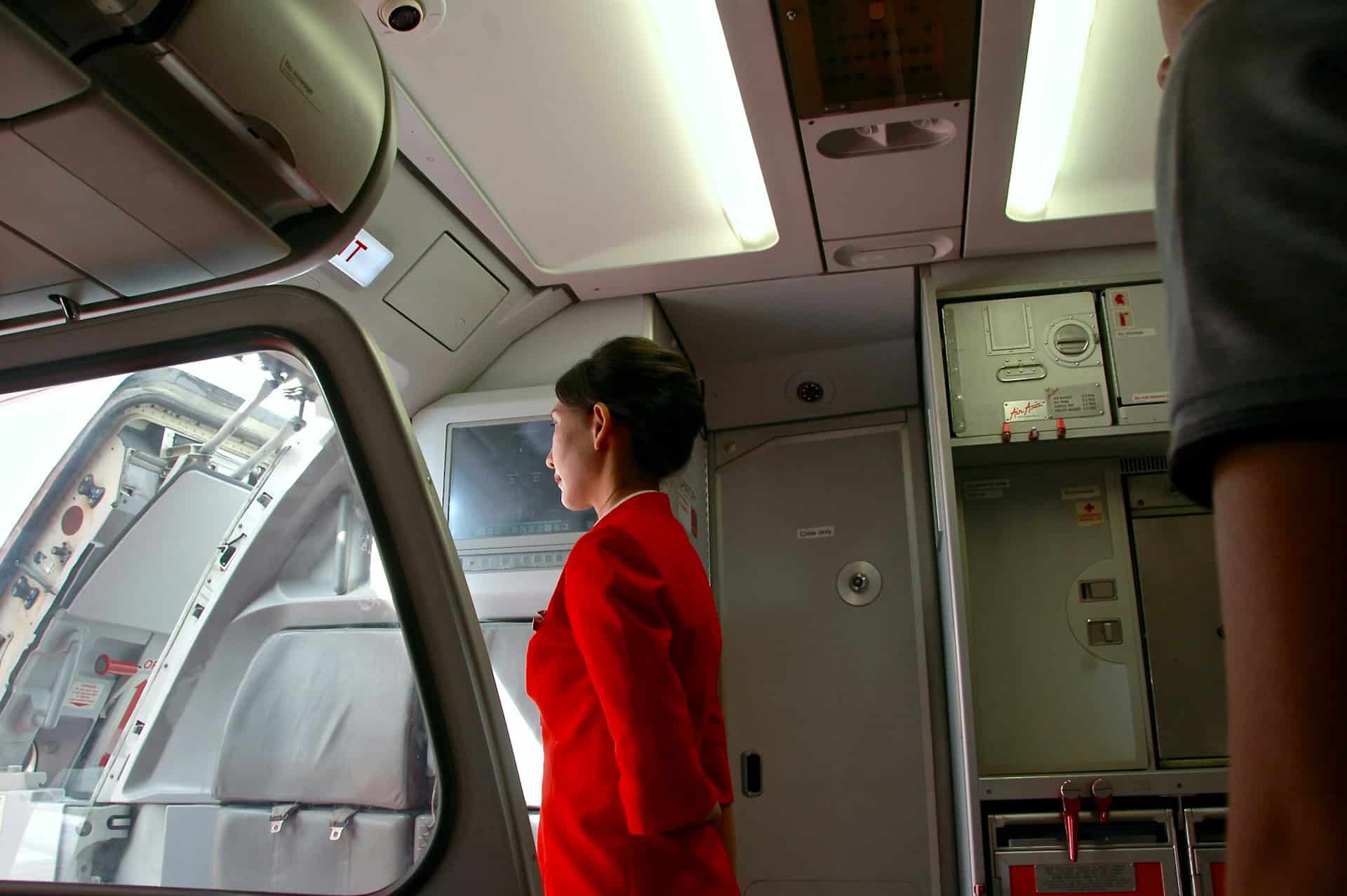
The reference notes that unruly behaviour still hits major carriers, even with stricter enforcement. It cites a January 2026 case where a flight from Minneapolis-Saint Paul to Tokyo diverted to Alaska because of a disruptive passenger, a reminder that one person can reroute an aircraft. Stories like these spread because they tap a shared fear: being trapped in a tight space with someone who will not stop. The most effective response is early, boring, and firm. Remove the person on the ground when possible, document what happened, and protect the crew’s ability to do the job without distraction soon. It keeps cabins quiet once wheels roll out.