We may earn money or products from the companies mentioned in this post. This means if you click on the link and purchase the item, I will receive a small commission at no extra cost to you ... you're just helping re-supply our family's travel fund.
Ireland has a way of living in the imagination: gray-blue harbors, green hills after rain, and pub light spilling onto stone. Across the United States, a handful of towns carry that feeling in their names, their landscapes, or the way community life gathers around music and ritual. Some were christened by settlers who brought Irish place names with them; others simply look the part when fog drifts in. Together they offer a familiar kind of comfort, without the ocean crossing.
Belfast, Maine
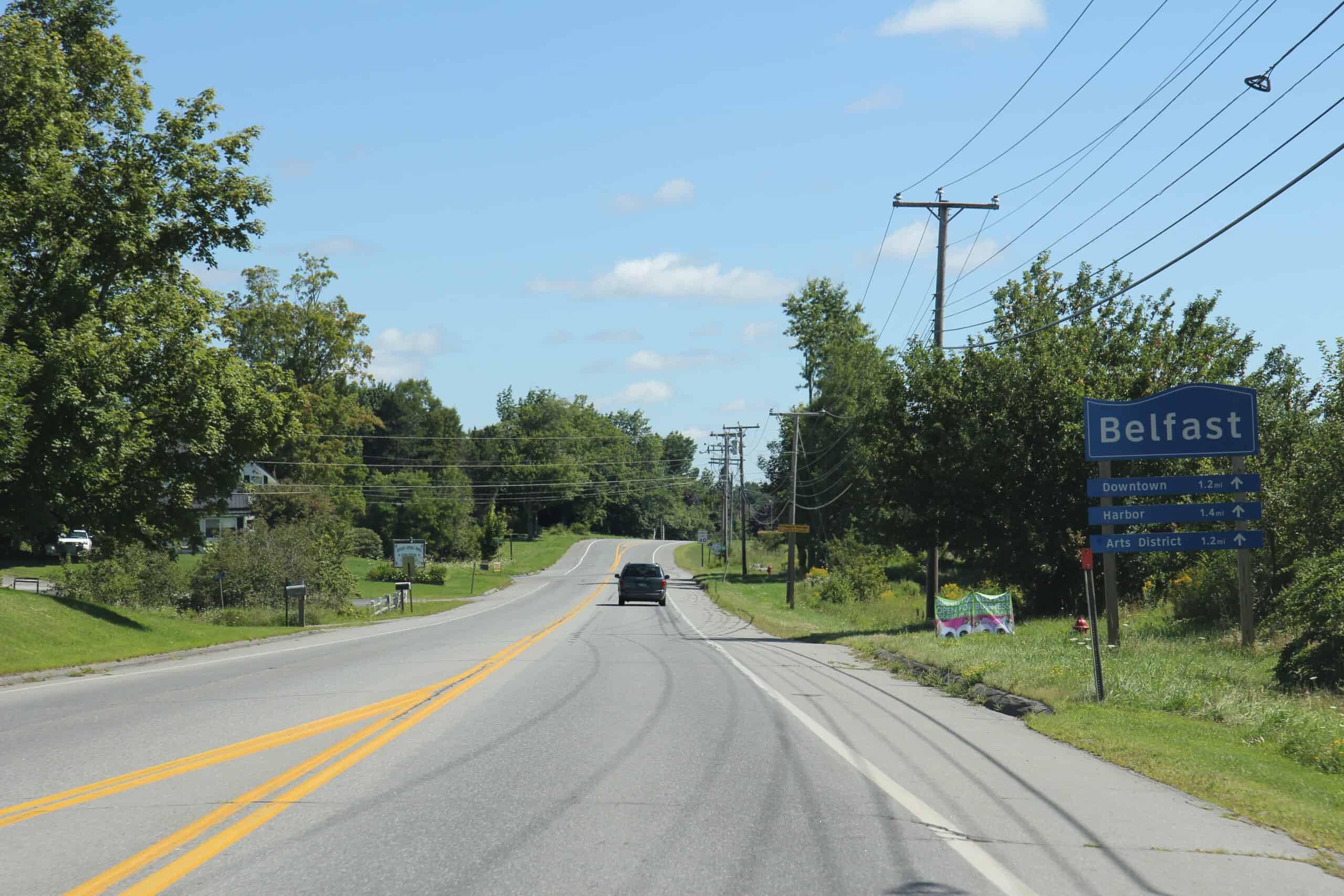
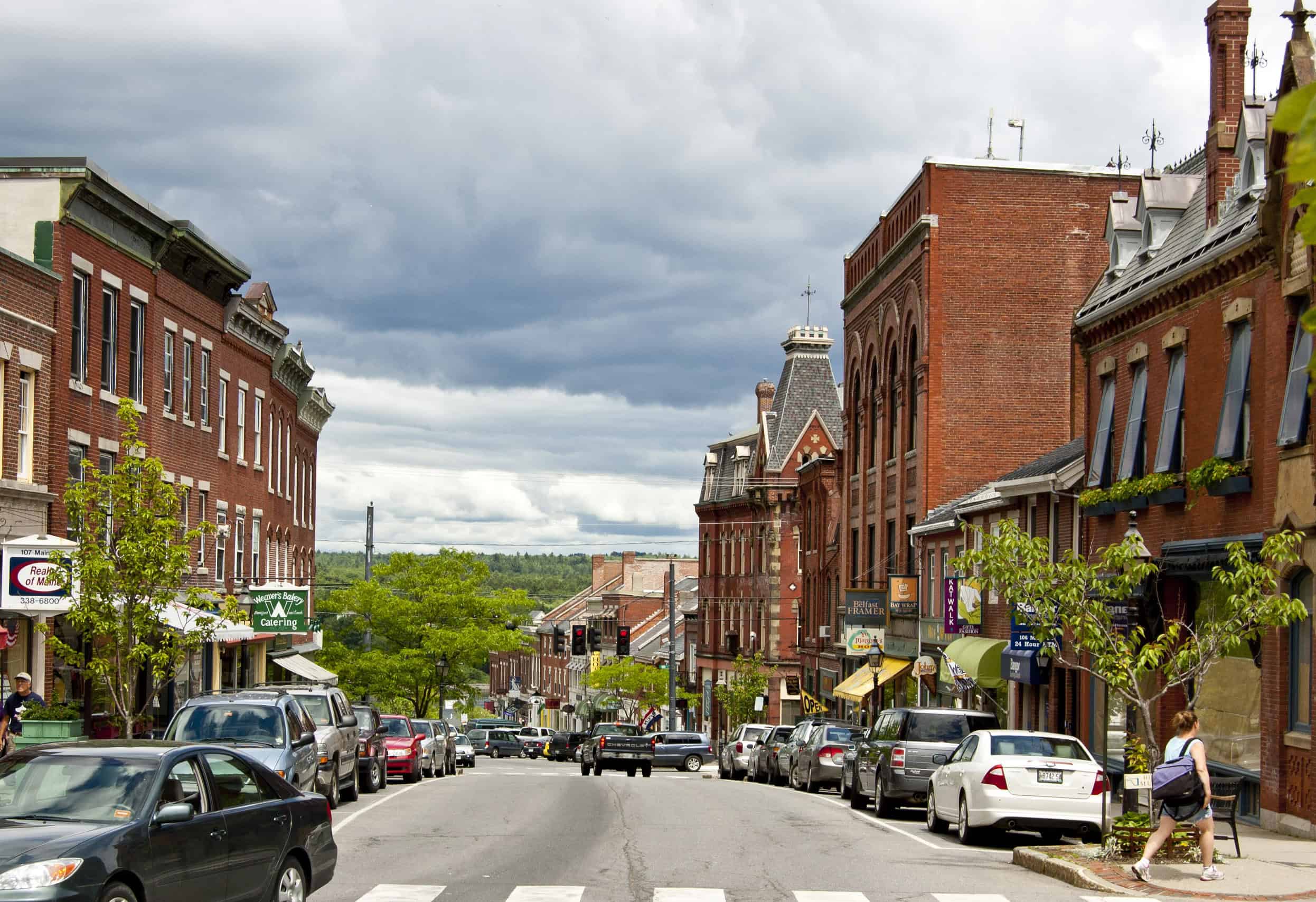
Belfast sits on Penobscot Bay with a working waterfront, salt-air walks, and compact streets that feel more like a North Atlantic port than a beach town, especially when the tide pulls back and the air turns sharp, with sailboats in summer and wind in winter. On the city’s history page, Belfast is traced to Scots-Irish settlers from Londonderry, New Hampshire, and the name Belfast, after Northern Ireland’s port, is said to have been chosen by a coin toss. That origin story fits the mood: weathered brick, small cafés and galleries, and a harbor horizon where fog and gulls make an ordinary afternoon feel quietly cinematic, more coast than postcard.
Newry, Maine
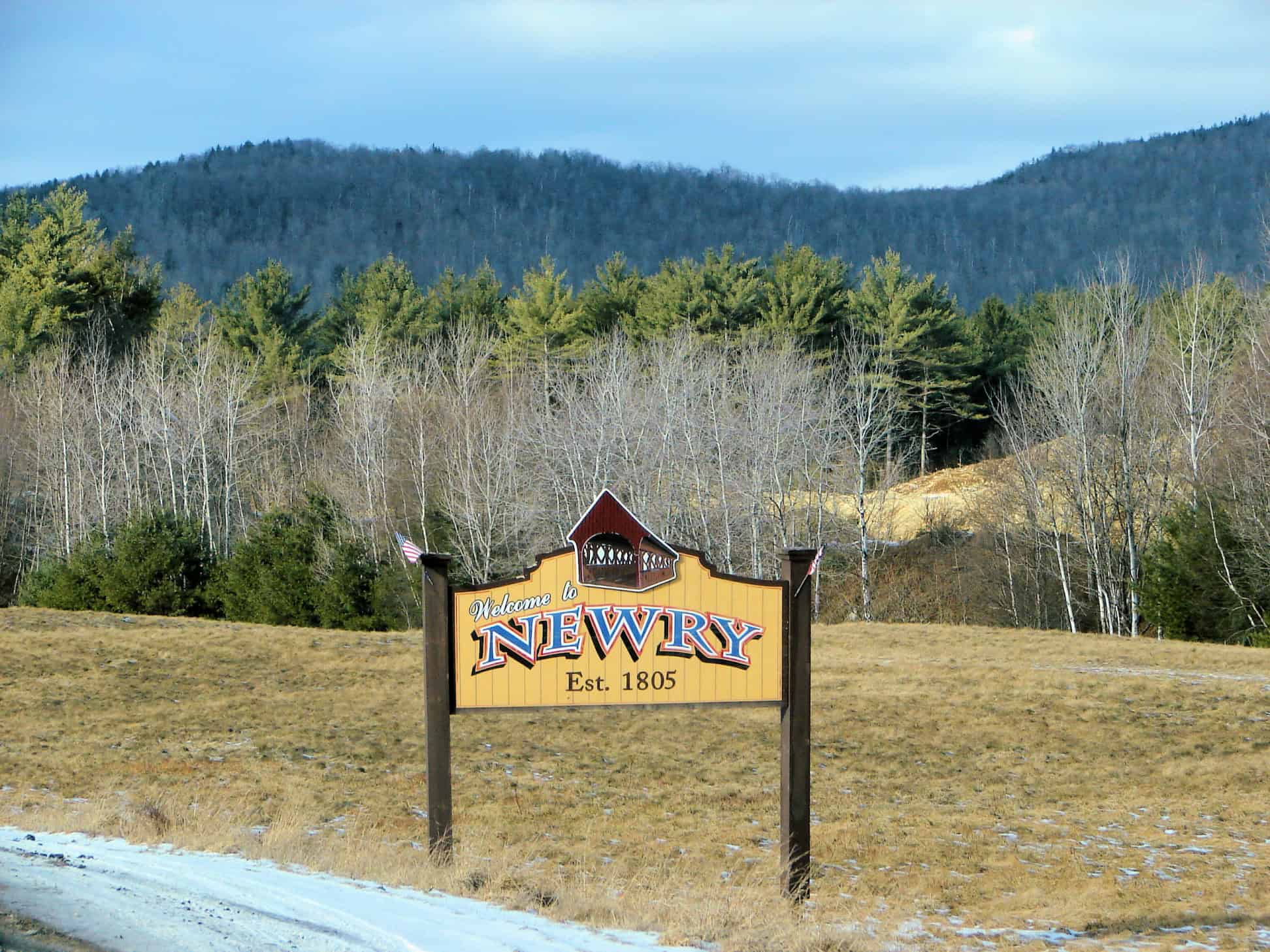
Newry feels like Ireland’s quieter side, where mountains hold the horizon and the air carries pine, woodsmoke, and the clean bite of cold weather, the kind that makes cheeks sting and thoughts slow down. The town’s name traces to settlers who came from Newry in what is now Northern Ireland, and the place still fits that heritage of small valleys and stubborn beauty, more peat-and-stone mood than bright resort gloss. Home to Sunday River, a four-season resort in the Maine mountains, Newry balances outdoor days with simple comforts afterward: warm meals, a local tavern, and a night sky that stays dark enough to feel rural, quiet, and restorative.
Derry, New Hampshire
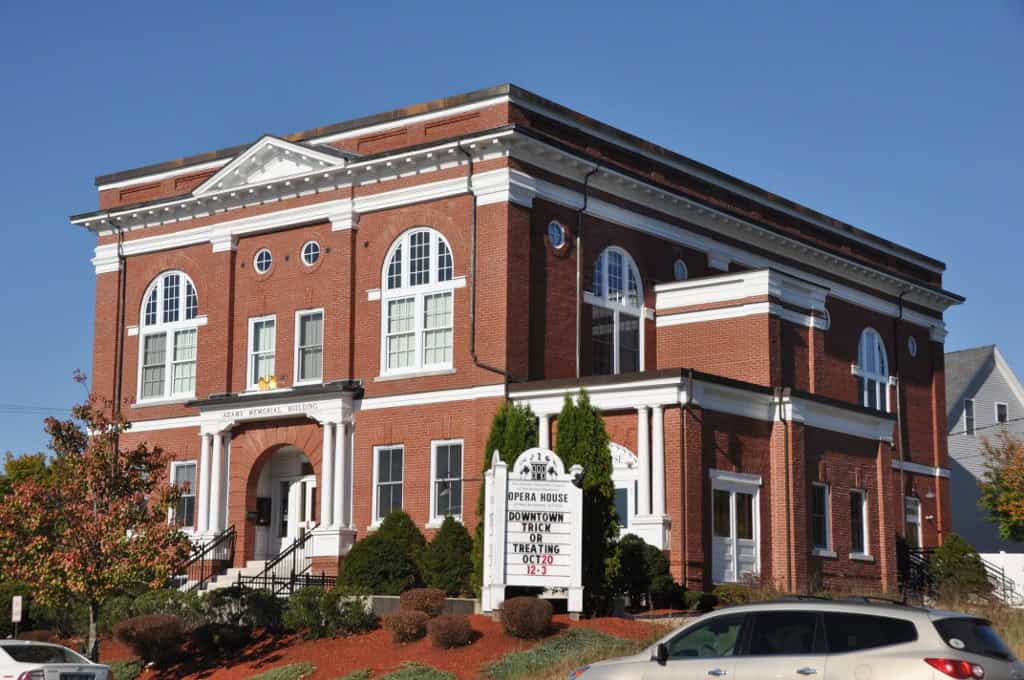
Derry’s Irish connection is baked into its name and explained plainly by the town: Derry was the original name of Londonderry in Northern Ireland, meaning a hill covered with oak trees, and the phrasing feels almost like a poem. The definition matches the place, where wooded edges press close to a walkable center of brick storefronts, old mill echoes, and everyday errands that happen at a human pace, with neighbors who still stop to talk. When mist rolls in and the trees darken, the town’s calm pride and village-scale rhythms can make the state line feel farther than it is, as if the road bends toward Ulster on damp mornings and early evenings.
Londonderry, Vermont
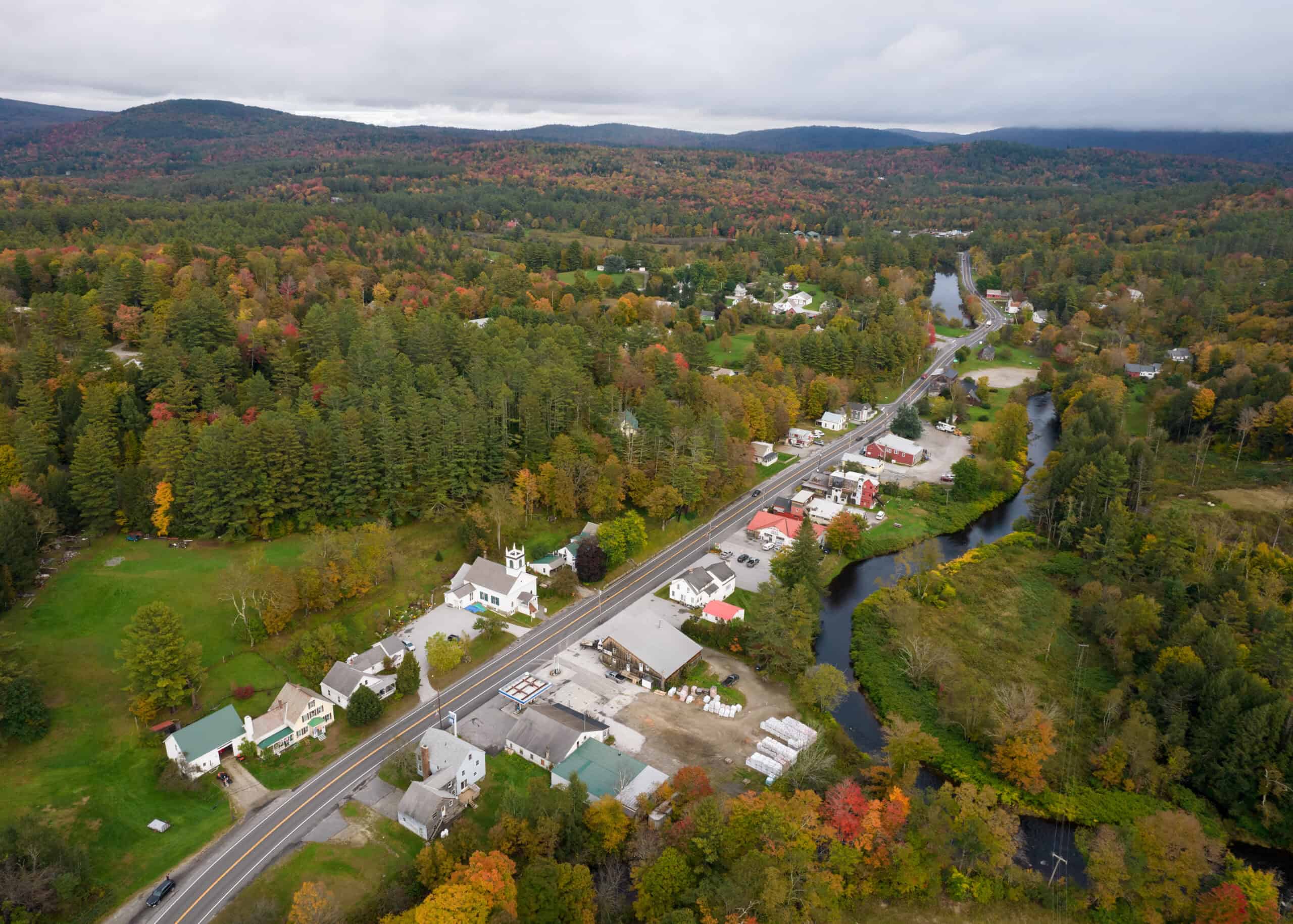
Londonderry, Vermont, offers the kind of green, bright countryside many travelers associate with Ireland: sloping meadows, stone walls, and roads that curve with the terrain, with clouds that drift low enough to touch the ridgelines. The town’s history notes it was chartered again in 1780 and named Londonderry after Londonderry, New Hampshire, a reminder of how Irish place names traveled through early New England and onward. Between mountain light, woodsmoke evenings, and the soft hush of snowfall or spring drizzle, the landscape delivers an Irish-style reset that feels intimate, weathered, and quietly generous, year after year without fanfare.
West Donegal, Pennsylvania
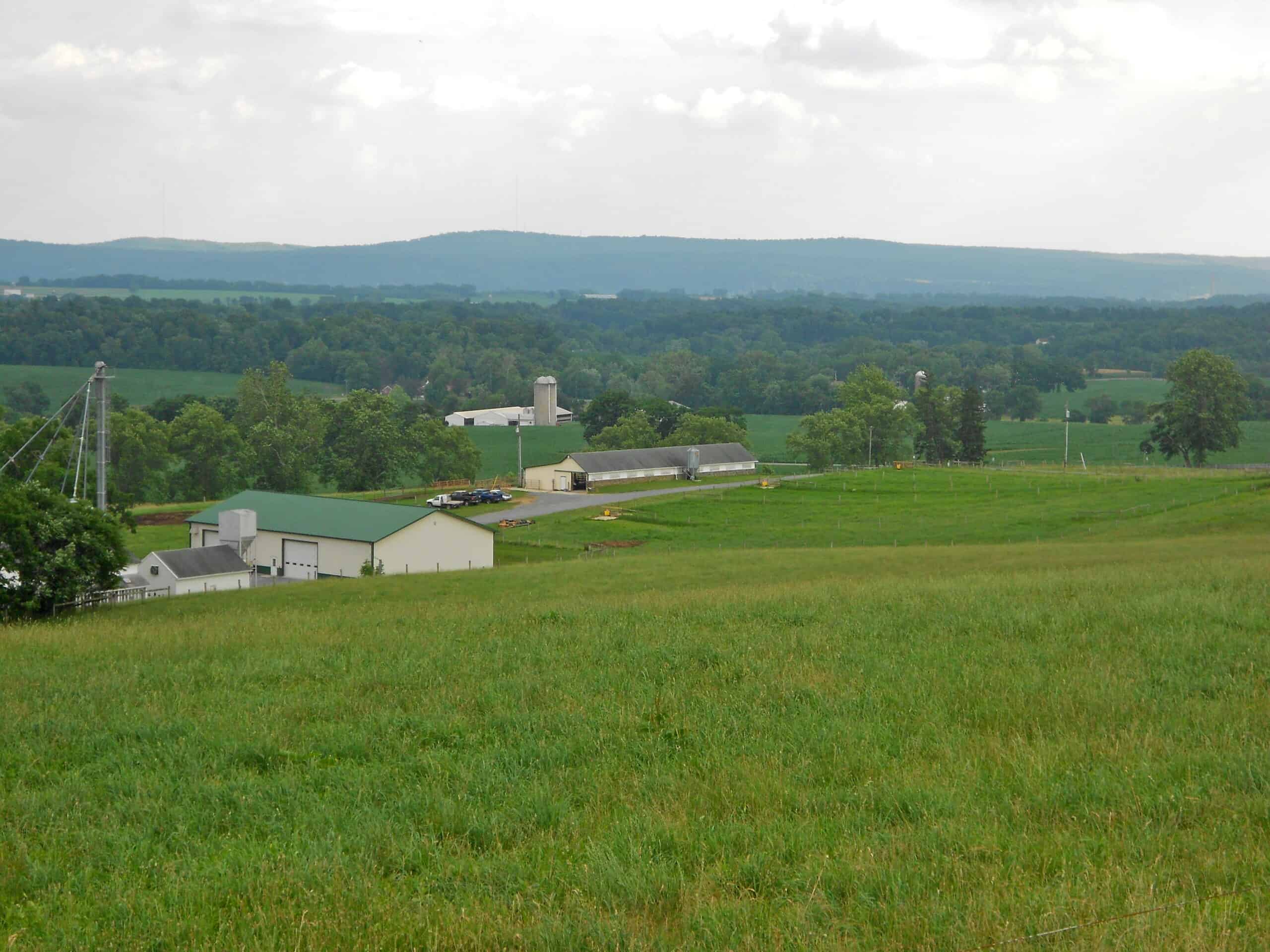
West Donegal in Lancaster County carries an Irish name that is not accidental; the township’s own site says it was named after County Donegal in Ireland, a nod that locals still treat as part of the place’s identity. That tribute feels earned on back roads lined with fields, barns, wooded pockets, and long views that turn richly green after rain, and the hush settles early in the evening, especially after rain. In early spring and late fall, when clouds sit low and the countryside looks freshly washed, the scenery can read like rural Donegal translated into American farmland, quiet, steady, and unshowy, with space to breathe for miles, too.
Kinsale, Virginia
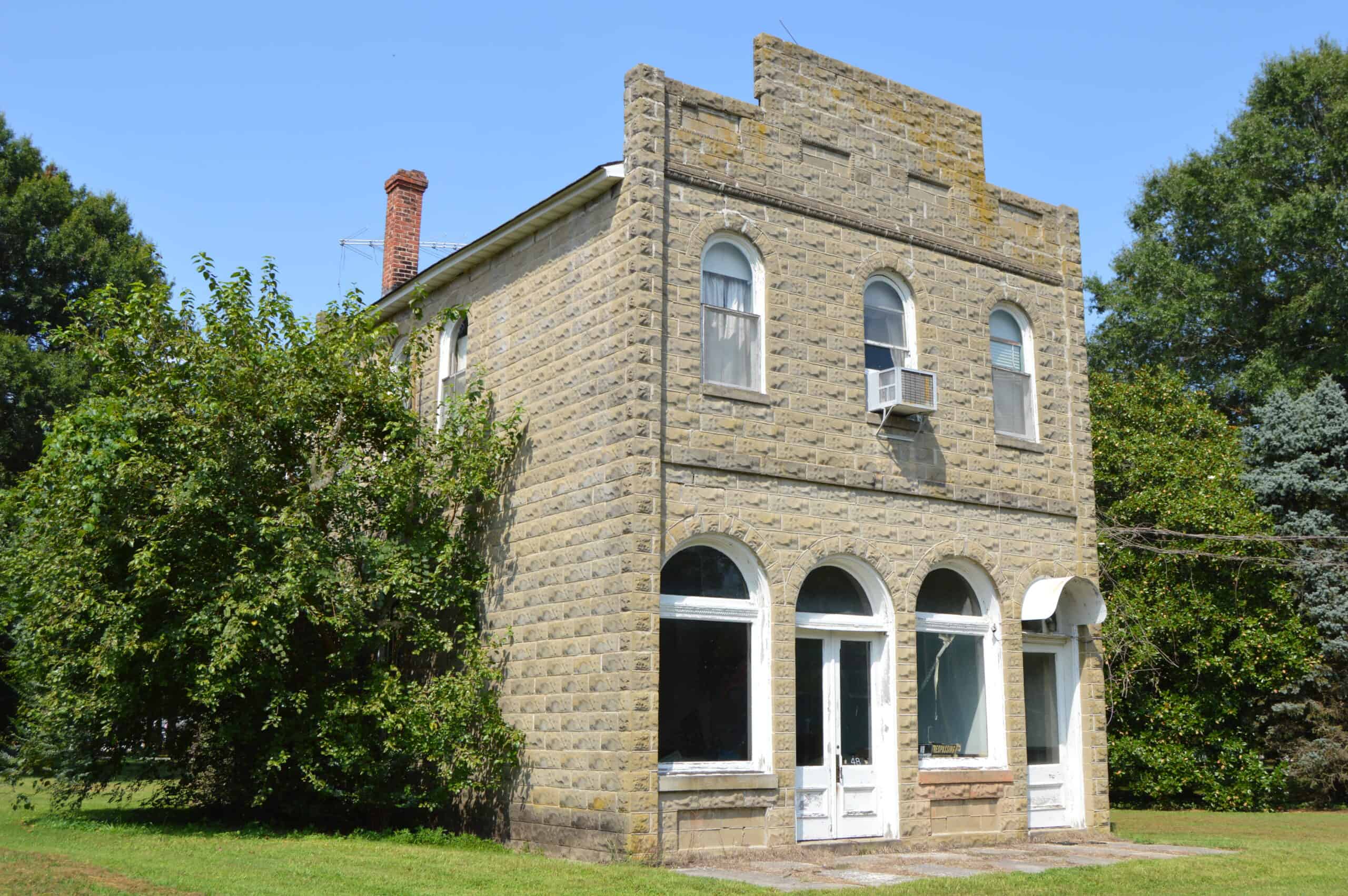
Kinsale, Virginia, sits on Virginia’s Northern Neck like a Chesapeake echo of a small Irish harbor, built for slow hours, water-view conversations, and the kind of main street where everyone waves without thinking. Virginia’s Department of Historic Resources describes the Kinsale Historic District as a preserved village core shaped by development from the late 18th century onward, set at the head of a deepwater creek with direct access to the Chesapeake Bay. With modest historic buildings, narrow lanes, and working-waterfront energy, the town feels gently weathered, especially at dusk when the creek turns steel-gray and boats rock softly still.
Emerald Isle, North Carolina
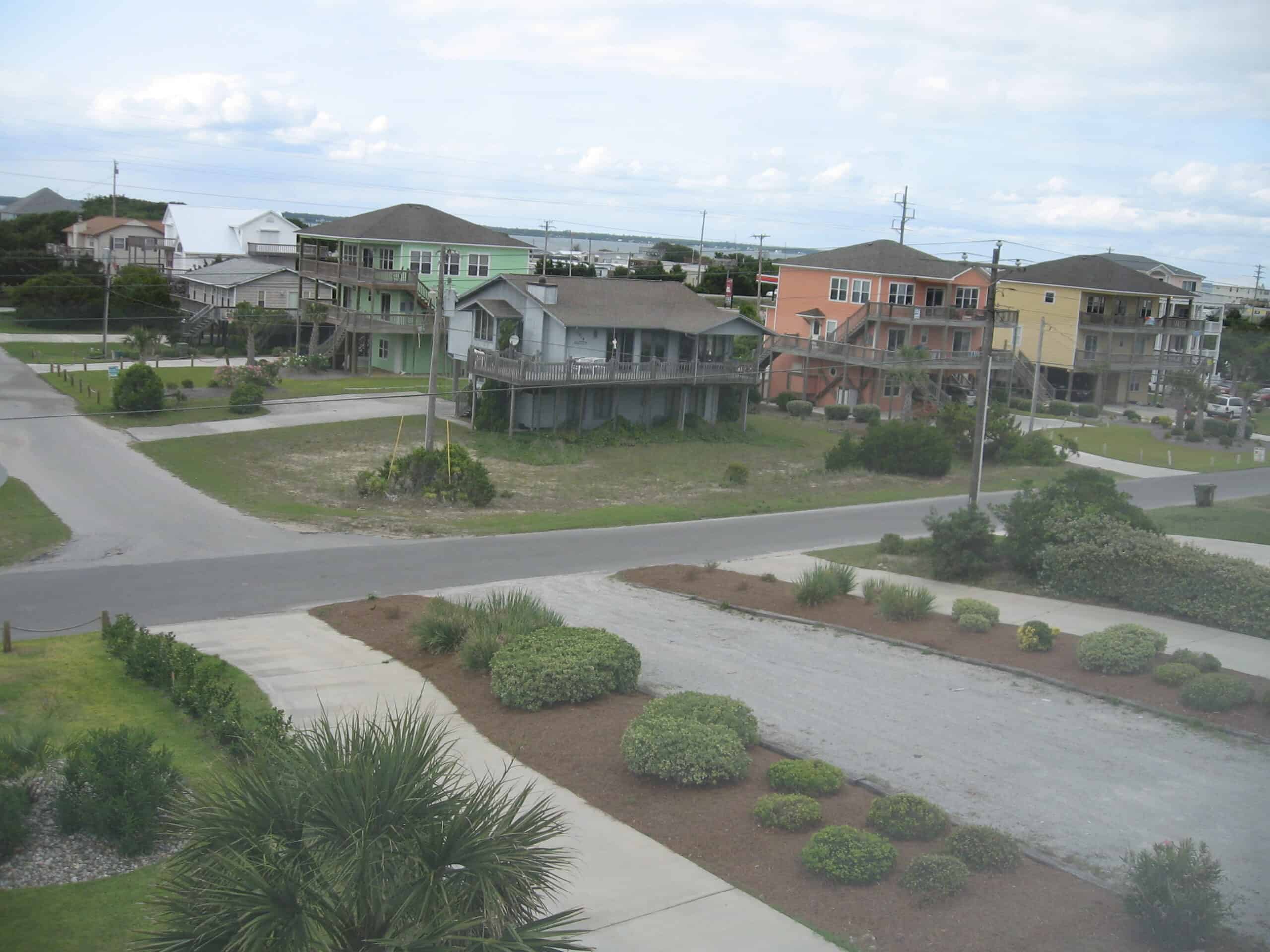
Emerald Isle borrows Ireland’s nickname and gives it a coastal reason, set on the barrier island of Bogue Banks along North Carolina’s Crystal Coast, where dunes and sea oats hold the edge of the land. The town history explains that the westernmost 13 miles of the island were purchased in 1954, and that before development a consultant flew over the undeveloped property, saw it as a solid green gem in sparkling water, and declared it should be called Emerald Isle. On the ground, beach streets keep that soft-green mood alive, especially near dusk when the ocean turns silvery, pelicans skim low, and the wind sounds like distant surf on stone.
Dublin, Ohio
Dublin, Ohio, wears its Irish influence with an ease that feels celebratory instead of staged, especially when patios fill up and live music turns an ordinary night into an event. The Dublin Irish Festival promotes a full weekend of Irish music, dance, and culture, and a recent entertainment lineup listed 16 national and international entertainers, 26 local and regional artists, eight dance groups, and seven pipe and drum bands. With riverfront paths, pubs, and late-summer festival energy, the town can read like a Midwestern cousin of an Irish market city, lively and social, yet still tidy enough to feel relaxed on warm late-summer nights, often.
Butte, Montana
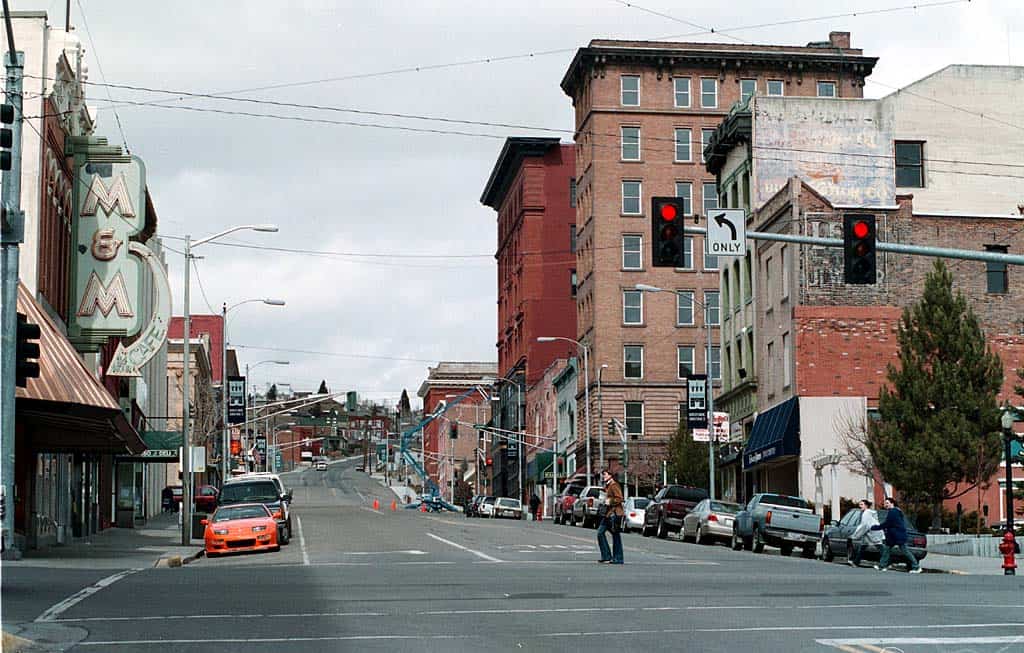
Butte’s Irish identity is not a costume; it is a visible layer of the city’s mining-era history, carried in neighborhood pride, old headframes on the skyline, and bars that still feel like gathering halls. A Montana tourism guide bills the St. Patrick’s Day celebration as the “most Irish place in the US,” anchored by a parade through Uptown Butte, and local history writing notes Irish immigrants were about a quarter of the population by the turn of the 20th century. That legacy shows up in the storytelling cadence, the loyal regulars, and the way a tough landscape still finds room for music, laughter, and ritual, even when winter refuses to leave.
Bandon, Oregon
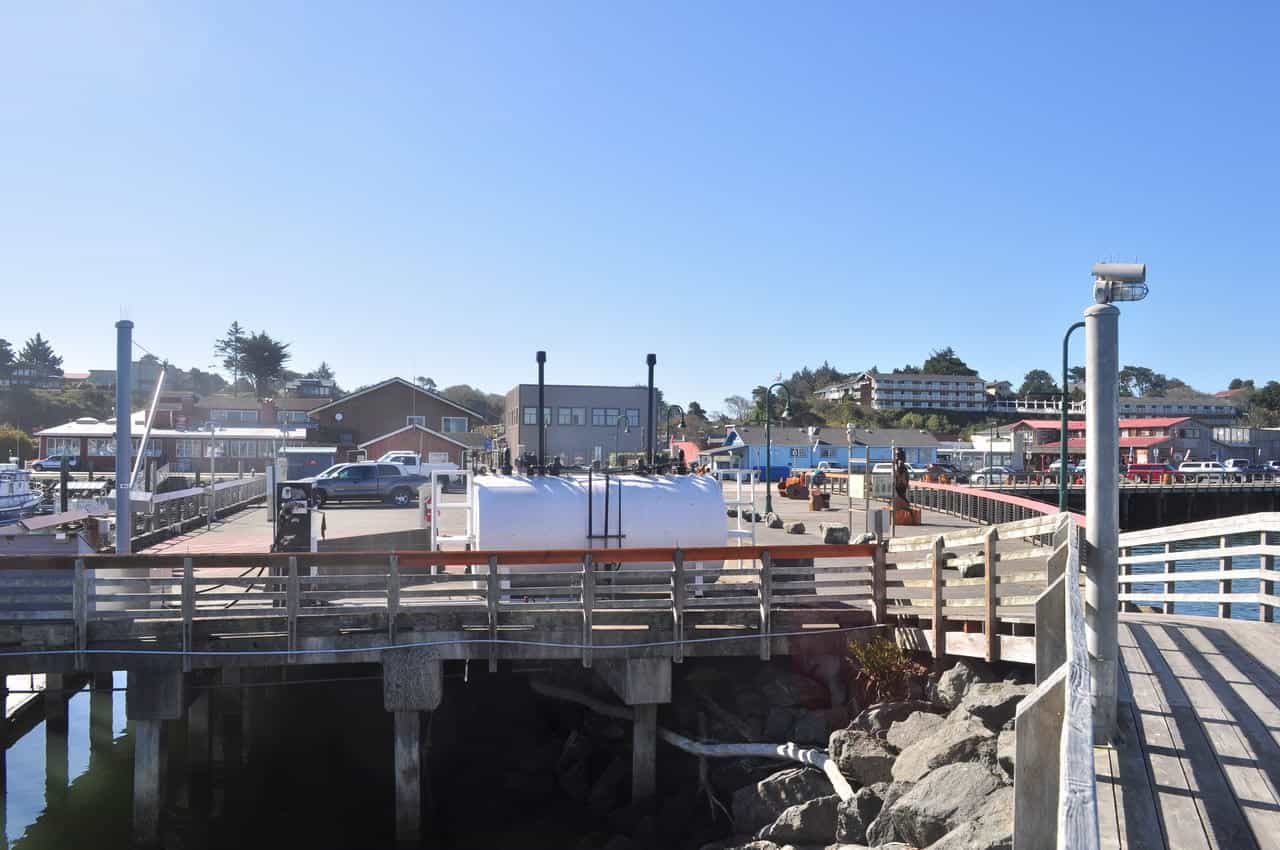
Bandon pairs sea mist and sea stacks in a way that can resemble Ireland’s western edge, where the shoreline looks carved instead of built and the wind never fully settles. Oregon’s digital newspaper archive notes the city was named after settlers from Bandon, Ireland, and the coast seals the connection with salt spray, quick weather shifts, and a strong horizon line. At Face Rock State Scenic Viewpoint, Oregon State Parks points visitors to a cliff overlook, a trail to the beach, rocky intertidal areas, and the face-shaped rock offshore that gives the viewpoint its name, so an afternoon can become tidepool time and a bracing walk at low tide.
Shamrock, Texas

Shamrock, Texas, proves Irish spirit can thrive far from the Atlantic, turning a small Panhandle town into a yearly green-lit gathering place that feels bigger than its population for a weekend. The town’s St. Patrick’s Celebration history says the idea began in 1937 and the first festival was held in 1938, built around the draw of an Irish name and a community that liked hosting outsiders. Along Route 66, the 1936 U-Drop Inn still anchors the main corner with art deco flair, and festival season layers parades, music, and laughter over wide-open skies, mixing Ireland’s holiday mood with classic road-trip Americana, and nobody pretends otherwise.