We may earn money or products from the companies mentioned in this post. This means if you click on the link and purchase the item, I will receive a small commission at no extra cost to you ... you're just helping re-supply our family's travel fund.

Google’s AI Overviews have already been caught giving plainly wrong answers on simple factual queries, including the current year, and The Guardian reported that some misleading health summaries were later removed after scrutiny. Travel planning turns that weakness into something more expensive. One stale summary, recycled snippet, or flattened “best answer” can hide a fee, a permit, or a timing rule that only becomes obvious at check-in, at the ferry dock, or at the entrance gate.
The U.K. Still Looks Like A Passport-Only Trip

Search can still make Britain feel like the easiest kind of spontaneous hop: book the fare, bring the passport, and go. The official rule is tighter now. The U.K. government says most eligible visitors need an Electronic Travel Authorisation for stays up to six months, it costs £16, and travelers without one can be refused boarding before the trip even begins. That is not a full visa, but it is no longer the old passport-only rhythm many people still assume applies.
Thailand Still Sounds Like A Walk-Up Arrival

Thailand is one of those places search often frames as easygoing right up to the border, as though arrival itself will sort out the paperwork. Official Thai government guidance says otherwise. Since May 1, 2025, foreign nationals have needed to complete the Thailand Digital Arrival Card online, and government guidance says registration is required before travel, with official messaging describing the window as at least 72 hours ahead. The destination is still welcoming, but it is no longer the old show-up-and-fill-it-out-later experience.
Venice Still Reads Like A Free Wander
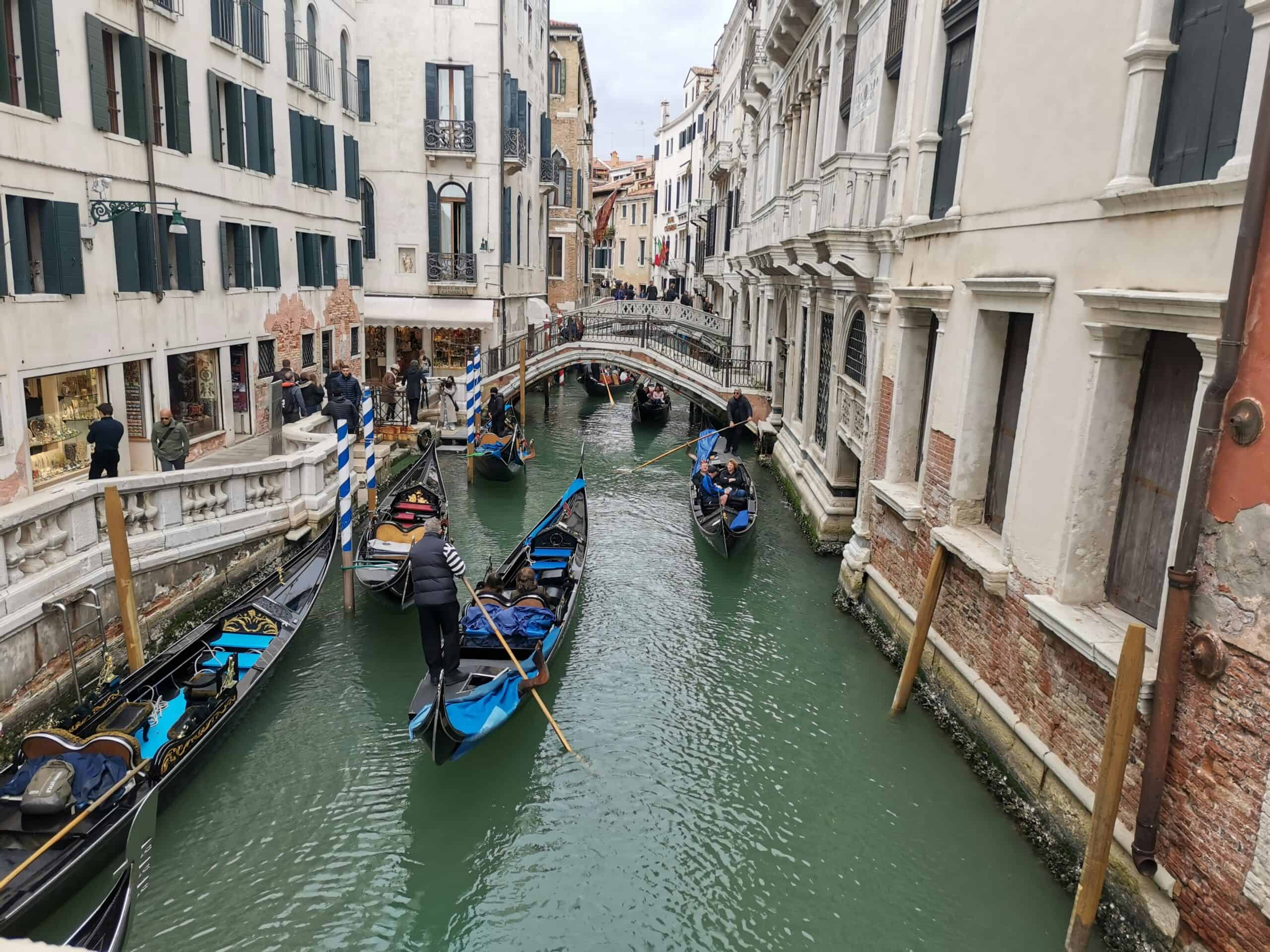
Search tends to sell Venice as if it were all atmosphere and no entry friction, a city that asks only for patience and comfortable shoes. The city itself now says otherwise on certain days. Venice’s official access-fee calendar says the 2026 access contribution applies from Apr. 3 to Jul. 26 across 60 non-consecutive days, which means some day-trippers need to think about timing and payment before drifting over the bridge. The fantasy is timeless; the logistics are not.
Bali Still Looks Like Beach Clubs And A Visa

Bali’s search aura is all sunsets, scooters, and easy entry, which is part of why practical costs get buried. The island’s official “Love Bali” portal says foreign tourists are subject to a Rp 150,000 levy, paid one time while traveling in Bali. It is not a crushing fee, but it is exactly the kind of detail search summaries flatten away, leaving travelers to discover that paradise also comes with a destination-specific charge tied to preservation and tourism management.
Kenya Still Gets Framed As “Visa-Free” In The Easy Sense

Kenya’s move away from the old visa system made many headlines sound simpler than the reality. The country may have dropped the traditional visa in many cases, but the Directorate of Immigration says all visitors, including infants and children, must have an approved Electronic Travel Authorisation before starting the journey, and the site says applications are processed within three working days. In other words, “visa-free” does not mean permission-free, and that distinction matters most at the airport counter.
New Zealand Still Sounds Like A Pure Waiver Destination

Search often describes New Zealand as a visa-waiver destination and stops there, as if the rest will sort itself out automatically. Immigration New Zealand says travelers from eligible countries still need an NZeTA before departure, and most international visitors must also pay an International Visitor Conservation and Tourism Levy of NZD $100 when requesting that authority or applying for a visa. The official waiver remains, but the journey to it now includes advance approval, a levy, and rules that are a lot less casual than the old shorthand suggests.
Israel Still Looks Like Old-School Visa Exemption

Search can make Israel look as though the old visa-exempt routine still works exactly as it used to. Official Israeli entry guidance now says visitors from visa-exempt countries can apply through ETA-IL, that the authorization is generally valid for multiple trips over up to two years, that it allows entry for up to 90 days, and that the application fee is 25 NIS. None of that is crushingly complicated, but it is still a pre-trip gate that travelers miss when search hands them yesterday’s version of the border.
Brazil Still Feels Visa-Free To Many Americans
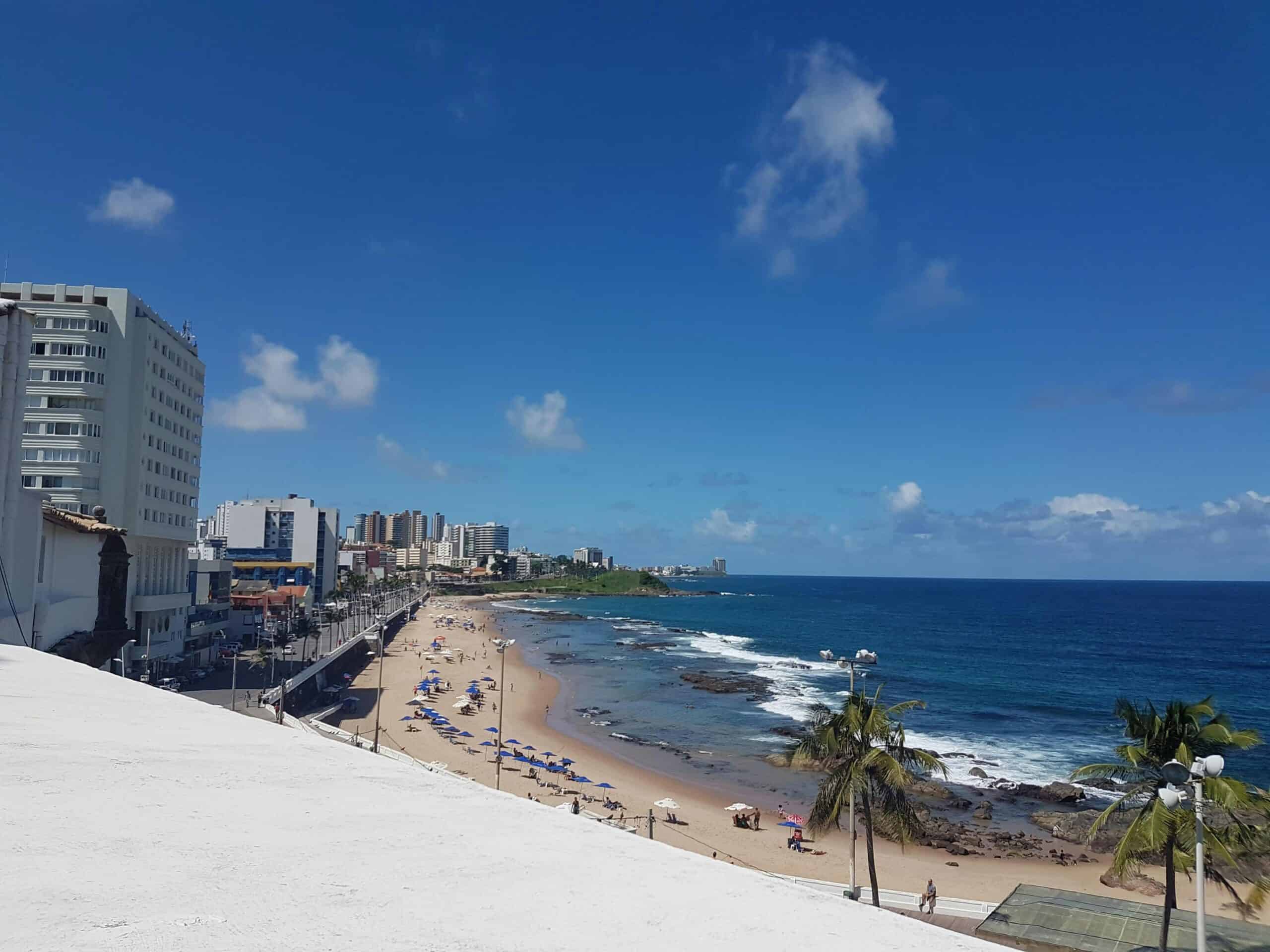
Brazil remains one of the clearest cases where older search habits can be expensive. Plenty of travelers still remember the easy era, but Brazil’s Foreign Ministry says the visitor visa requirement for U.S. tourists was reinstated effective Apr. 10, 2025, with applications routed through the e-visa system. That means an old mental shortcut, or an outdated snippet, can send someone toward the airport with the wrong assumption entirely, especially if earlier trip planning was based on pre-2025 advice still floating around online.
Machu Picchu Still Looks Like A Ticket That Can Wait

Search is very good at making Machu Picchu feel singular and simple, as though one ticket unlocks one famous experience. Peru’s official site now emphasizes the opposite. The government says ticketing runs through the state platform, and the site explains that since June 1, 2024, visitors have had to choose among three circuits grouped into 10 routes, with some routes seasonal. That means the mistake is not merely waiting too long. It is thinking the destination still works like one interchangeable entry instead of a tightly structured reservation system.
The Galápagos Still Reads Like A Simple Ecuador Add-On

Search often packages the Galápagos as a magical side trip from mainland Ecuador, but the official tourism site lays out a more layered reality. Ecuador’s government says travelers need a Transit Control Card purchased at the Quito or Guayaquil airports for $20, must present it at check-in, must pay the protected-areas entrance fee, and foreign tourists must carry private health insurance before entering the province. The islands are still extraordinary; they are just far less plug-and-play than casual search advice likes to imply.
Even “Visa-Free” Usually Means More Than It Used To

The bigger lie is not always one wrong sentence. Sometimes it is the soft, repeated impression that modern travel has become simpler than it really is. Across countries, islands, and heritage sites, the official pages keep adding levies, digital declarations, timed routes, pre-clearances, and passport-linked approvals that search summaries tend to blur into one breezy promise of easy access. What looks effortless in a search box can feel very different in front of an airline agent who is checking the rule that mattered all along.