We may earn money or products from the companies mentioned in this post. This means if you click on the link and purchase the item, I will receive a small commission at no extra cost to you ... you're just helping re-supply our family's travel fund.

At a glance, a Gulf layover can look like the polished, effortless part of a long-haul trip: soft lighting, giant terminals, luxury lounges, and a quick reset between continents. But in March 2026, Dubai, Doha, and Abu Dhabi sit inside a region where armed conflict, missile and drone threats, abrupt airspace closures, and cascading airline disruptions have turned transit itself into a source of risk. For some passengers, the most unstable part of the itinerary is no longer the final destination. It is the stop that once seemed easiest to trust.
These Hubs Sit Inside a Live Conflict Corridor

A layover in one of these airports is not risky because the terminals are inherently unsafe on an ordinary day. It is risky because they sit inside a regional air corridor now shaped by hostilities, aviation warnings, and rapidly changing security conditions. The U.S. State Department says Qatar should be reconsidered for travel because of armed conflict, while the UAE advisory warns of armed-conflict and terrorism risk, and the FAA has issued aviation cautions for both. That changes what a connection means: not a pause between flights, but a stop inside an active zone of uncertainty.
Doha Carries the Sharpest Official Warning Right Now
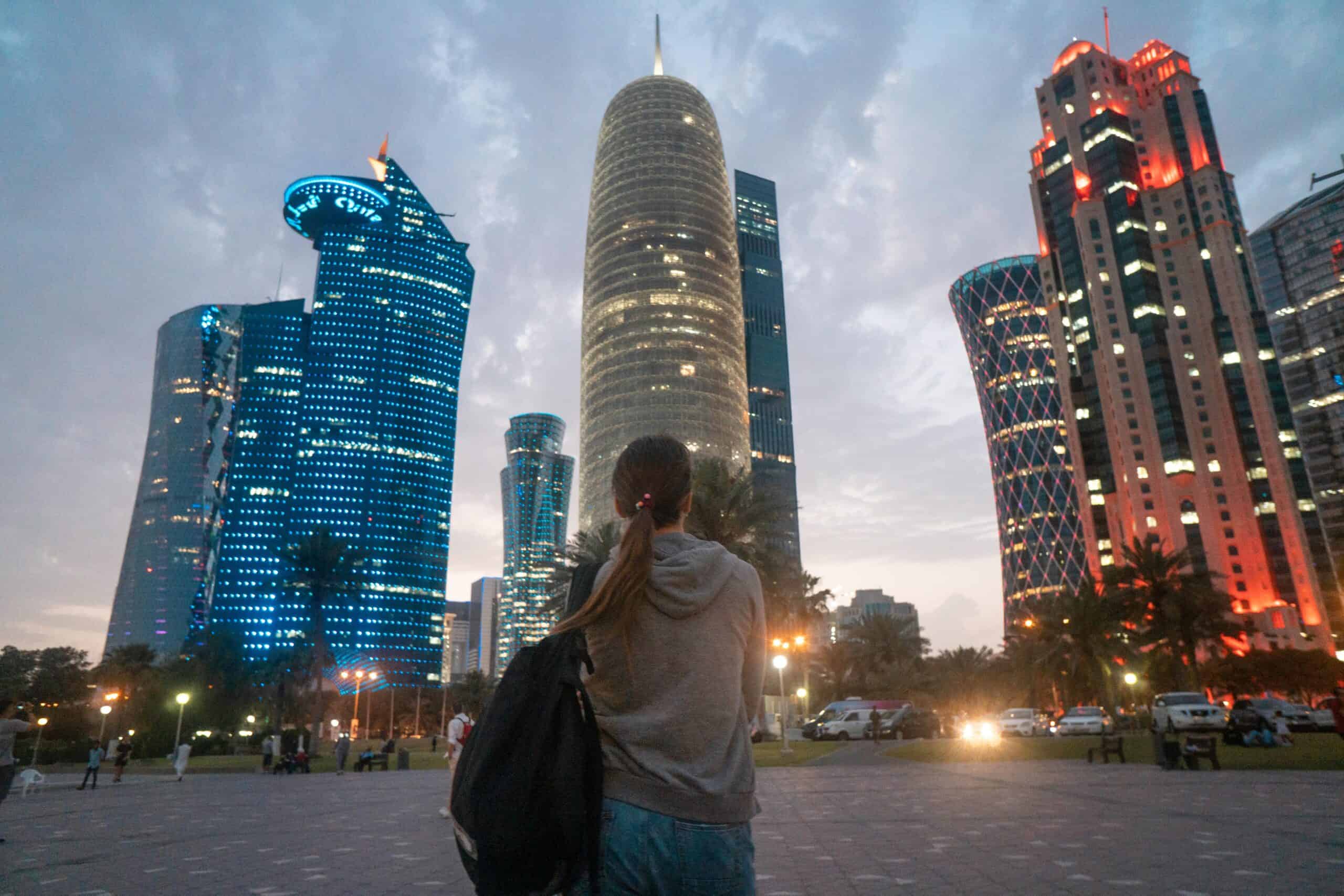
Among the three hubs named in the title, Doha currently carries the starkest U.S. advisory language. On March 2, 2026, the State Department raised Qatar to Level 3, said non-emergency U.S. government personnel and their families were ordered to leave, noted ongoing drone and missile threats plus major commercial-flight disruption, and said Americans in Qatar were strongly encouraged to depart. That is a remarkable backdrop for a place many travelers still think of mainly as a sleek transfer point between continents.
Dubai and Abu Dhabi Are Not Immune to Direct Threats

Dubai and Abu Dhabi may feel more stable in the public imagination, but recent reporting has made clear that they are not insulated from the wider crisis. Reuters reported on March 11 that two drones fell near Dubai’s main airport, and said Dubai, Abu Dhabi, and Kuwait airports had already sustained damage on the first day of the conflict. The U.S. government has also updated its UAE advisory to Level 3 on March 3, citing armed-conflict threats, ongoing drone and missile risk, and significant disruption to commercial flying.
A Layover Can Become a Stranding Event Very Quickly

The real danger for many transit passengers is not always a dramatic incident on the ground. It is the speed with which an ordinary connection can turn into an involuntary stay, with flights suspended, airspace closed, and onward plans collapsing all at once. Reuters reported that the conflict has led to tens of thousands of cancellations and reroutings, while U.S. guidance for both Qatar and the UAE now emphasizes that travelers should have emergency departure plans that do not depend on government help. In practical terms, a layover can stop being a pause and start becoming a problem.
The Region’s Biggest Strength Is Also Its Fragility
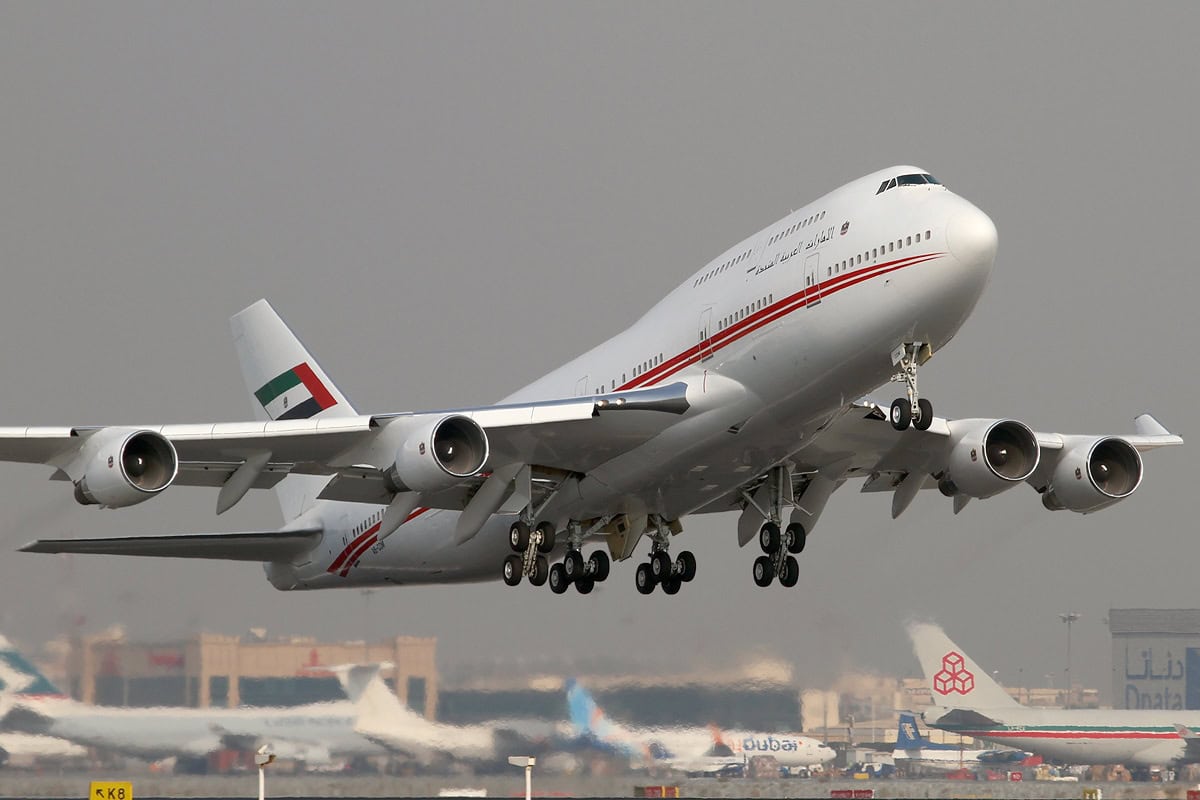
These airports matter because they are some of the world’s most important transit engines. That scale normally makes them efficient, but in a crisis it also means disruption spreads fast and far. Reuters reported that Dubai International, the world’s busiest international hub, accounted for more than 3,000 of the over 6,000 flights canceled in seven Middle Eastern countries after the initial strikes, while another Reuters report described the simultaneous disruption of Dubai, Abu Dhabi, and Doha as an unprecedented shutdown of all three major Gulf hubs. When a chokepoint stumbles, the whole network feels it.
Limited Schedules Make Recovery Harder Than It Looks
Even when flights resume, the problem does not disappear. It just becomes messier. Reuters reported on March 6 that Emirates and Etihad were operating limited schedules and that Dubai airport was running at about 25% of normal levels, while on March 9 it noted Etihad had only resumed limited commercial service to selected destinations and Finnair had canceled Doha and Dubai flights until March 29. That means a missed connection is no longer a simple rebooking exercise; it may become a long wait inside a strained system with fewer seats and thinner options.
Consular and Airline Safety Nets May Shrink Fast
Many travelers assume that if a layover goes wrong, an embassy, consulate, or airline will sort things out quickly. Current official guidance says that assumption is too optimistic. The State Department says U.S. Embassy Doha has suspended routine consular services, while OSAC says the U.S. Embassy in Abu Dhabi and the Consulate General in Dubai are closed for routine services and that remaining U.S. government personnel were instructed to shelter in place. Those details matter because they reveal how quickly normal support systems can narrow when a transit hub is caught in a regional shock.