We may earn money or products from the companies mentioned in this post. This means if you click on the link and purchase the item, I will receive a small commission at no extra cost to you ... you're just helping re-supply our family's travel fund.
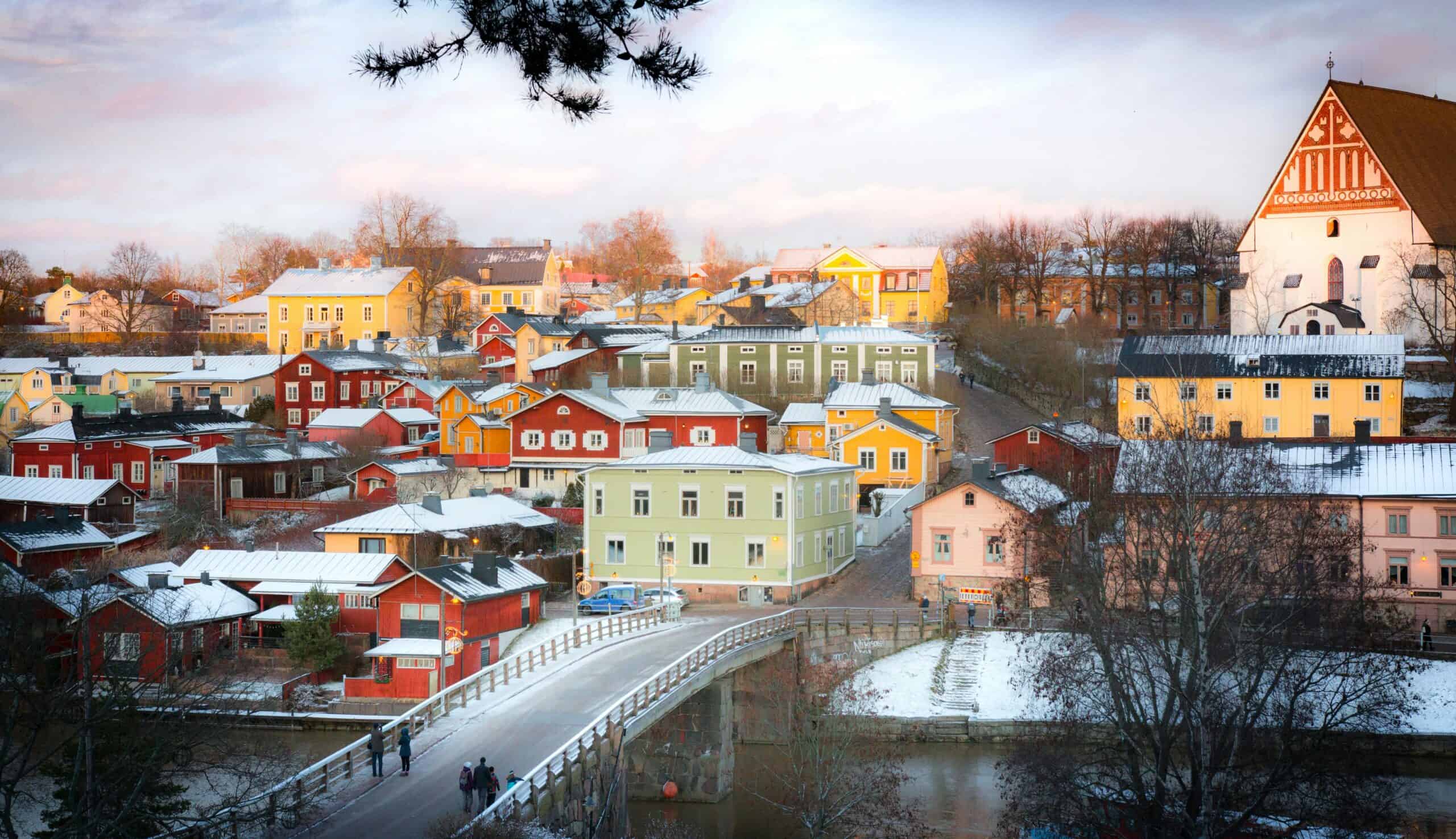
Peaceful travel is not about hiding from the world. It is about choosing places where daily life feels steady, streets feel calm, and getting around does not require constant vigilance. For 2026 planning, the clearest benchmark is the Global Peace Index, which compares countries on societal safety, ongoing conflict, and militarization. The countries below sit at the top of the latest ranking and also reward travelers with strong transit, welcoming public spaces, and landscapes that invite unhurried days. In practice, it means fewer frictions and more room for simple joys.
Iceland
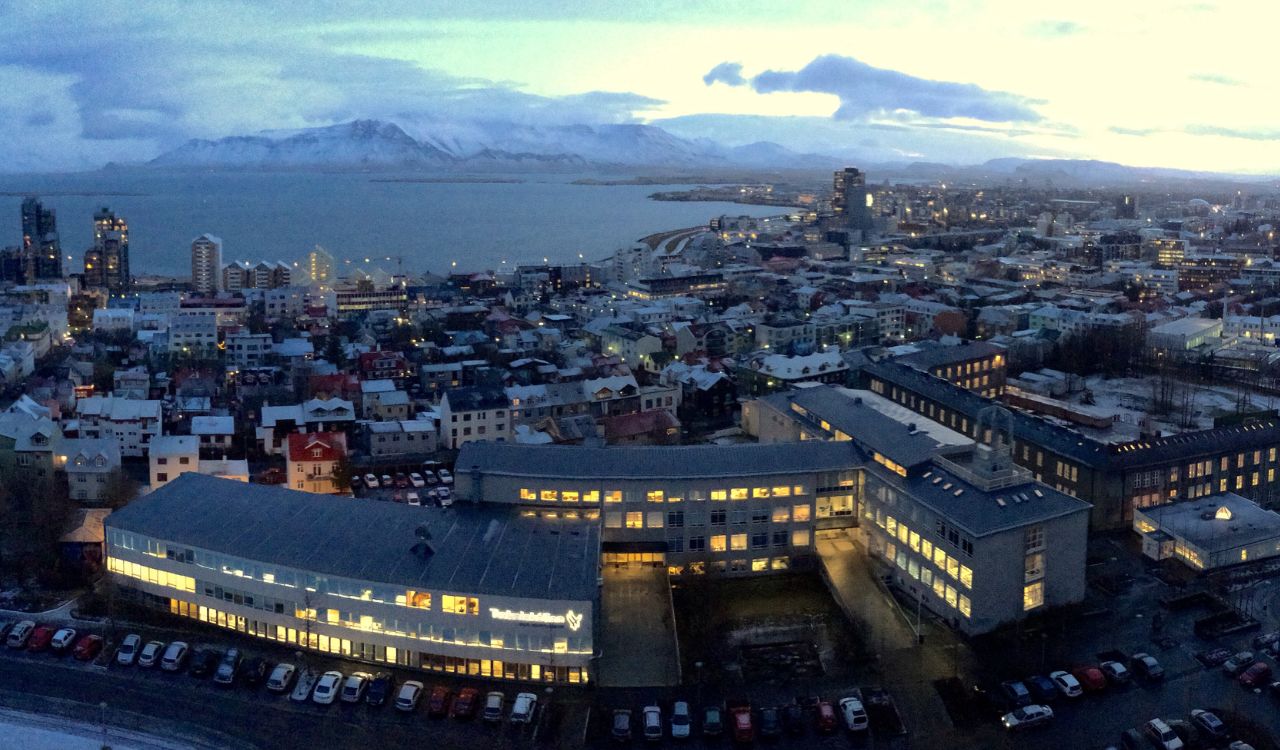
Iceland’s calm is felt before the scenery even starts, in quiet streets, clear signage, and a public mood that rarely feels tense or hurried. Reykjavik makes an easy base for geothermal pools, harbor walks, and small museums, then the ring road opens into waterfalls, lava fields, and black-sand beaches where silence arrives fast once the tour buses thin. The only real spoiler is weather, so the peace holds best when plans follow wind, surf, and road alerts, with slower days built around hot springs, neighborhood bakeries, and short drives that keep fatigue out of the story.
Ireland
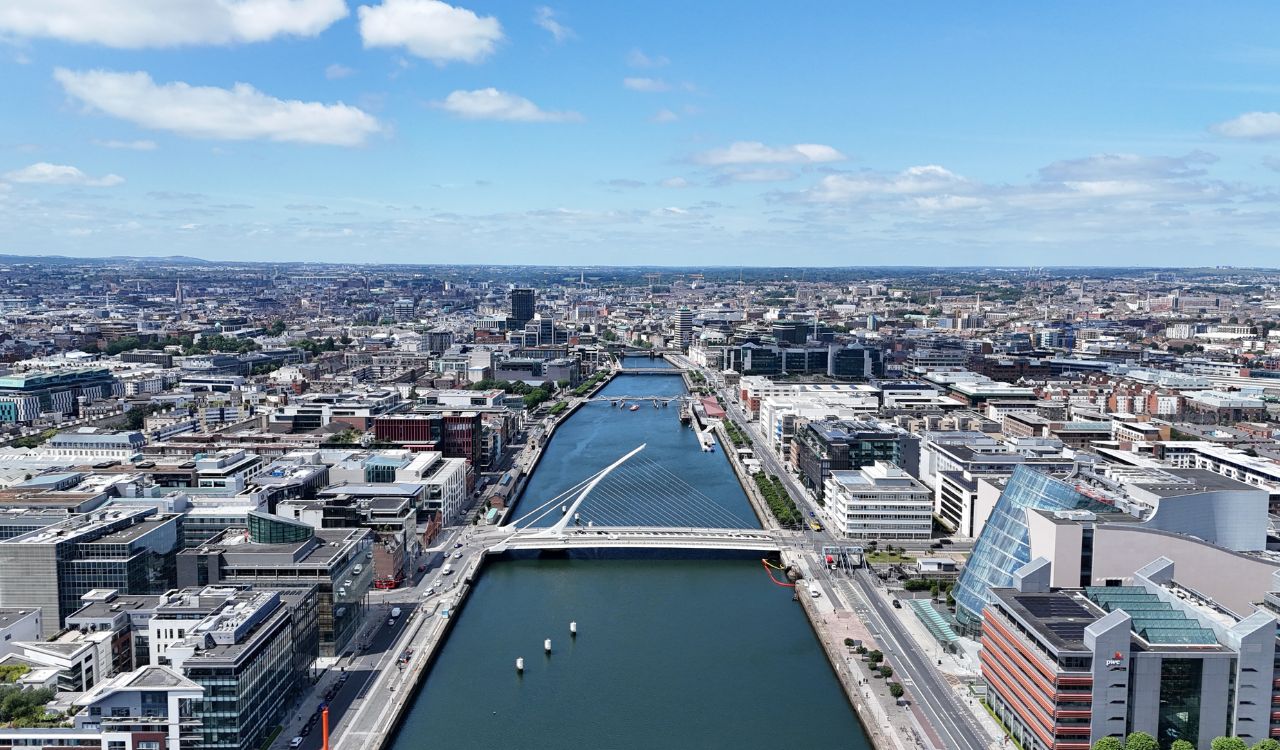
Ireland pairs lively pub culture with a steady, friendly tone that keeps evenings feeling safe rather than edgy, even in places that stay up late. Dublin can be busy, but the deepest exhale sits west, where cliff paths, stone ruins, and small music nights turn travel into a gentle loop of sea air, peat-scented breezes, strong tea, and conversation. Rain is part of the deal, so good layers and flexible timing matter more than perfect forecasts, especially on narrow coastal roads where fog, sheep, and sudden showers can make a short drive feel long and oddly intimate.
New Zealand
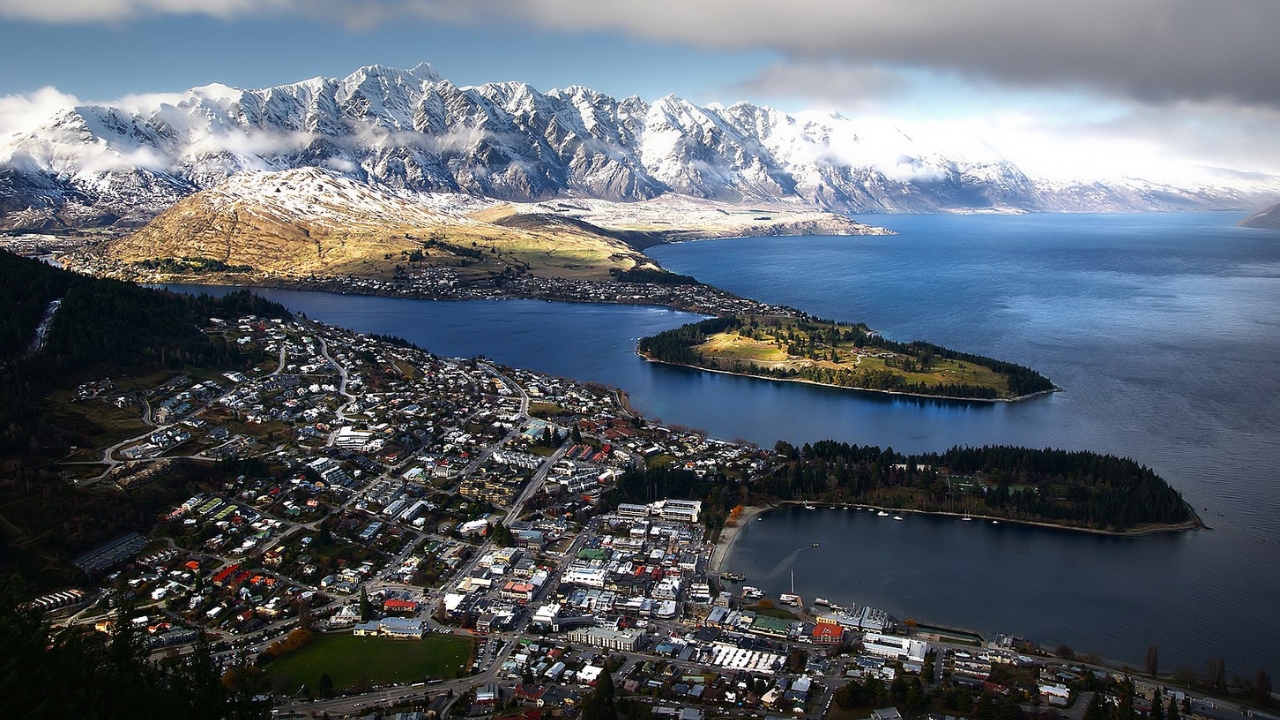
New Zealand feels restorative because nature is huge while daily systems stay readable, from road rules to trail signage and visitor centers that actually help. Wellington and Christchurch keep city time compact, then lake towns and national parks deliver hikes, hot pools, and long views without complicated logistics, confusing transit, or constant second-guessing. The calm depends on weather respect, since alpine passes and surf coasts can flip quickly, making buffer time, offline maps, early starts, and conservative driving the difference between a smooth day and a detour that eats dinner.
Austria
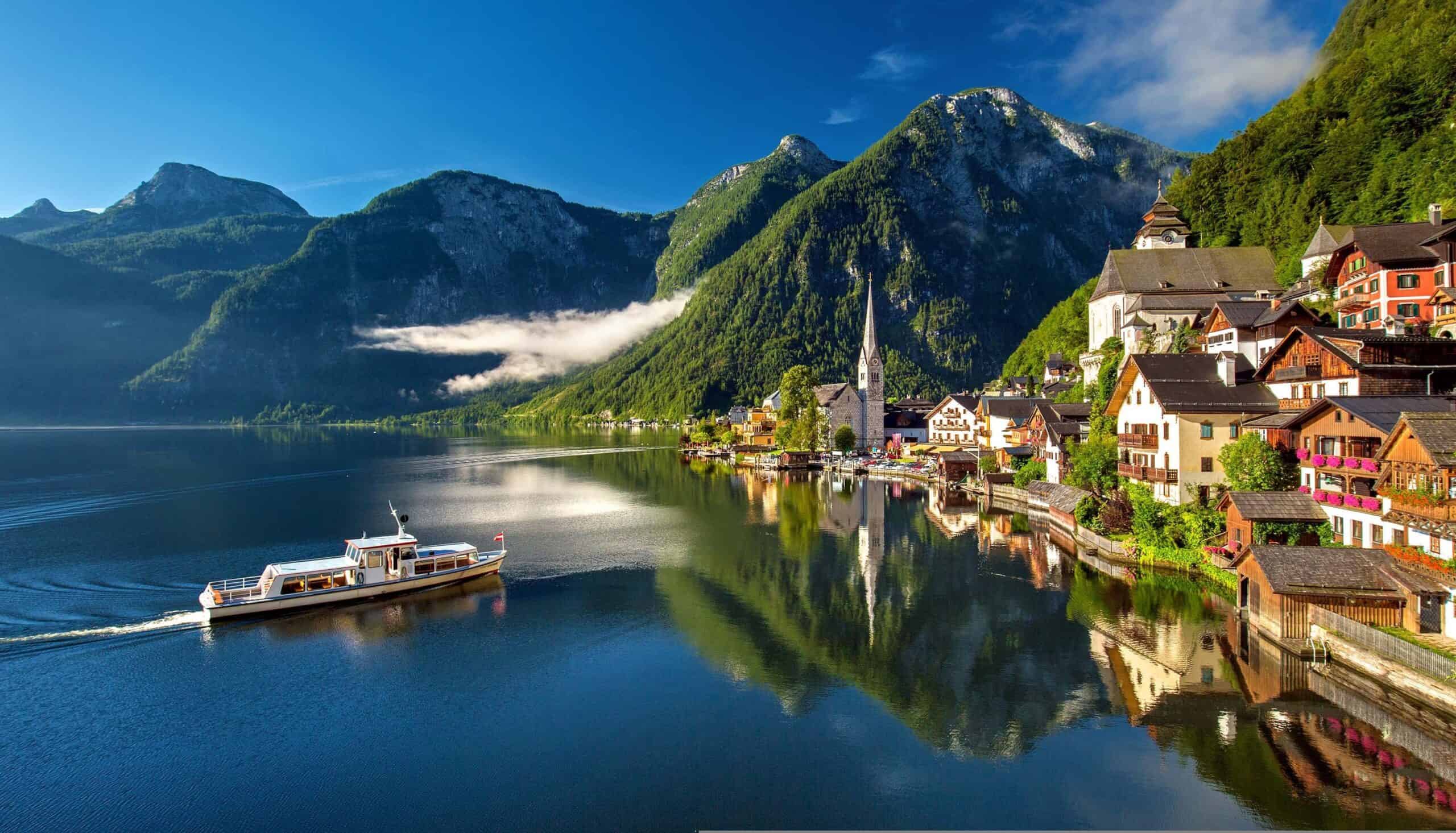
Austria’s peace feels polished but not stiff, with efficient trains, well-lit streets, and public spaces designed for lingering without feeling watched. Vienna’s parks, coffeehouses, and museum afternoons pair easily with Salzburg and the lakes, where swims, cable cars, and easy walks keep days gentle, scenic, and unforced. Even in peak season, the trip stays smooth because infrastructure absorbs stress, leaving more energy for concert nights, market mornings, pastry breaks, lakeside benches, and long meals that stretch past sunset, then end with quiet tram rides.
Switzerland
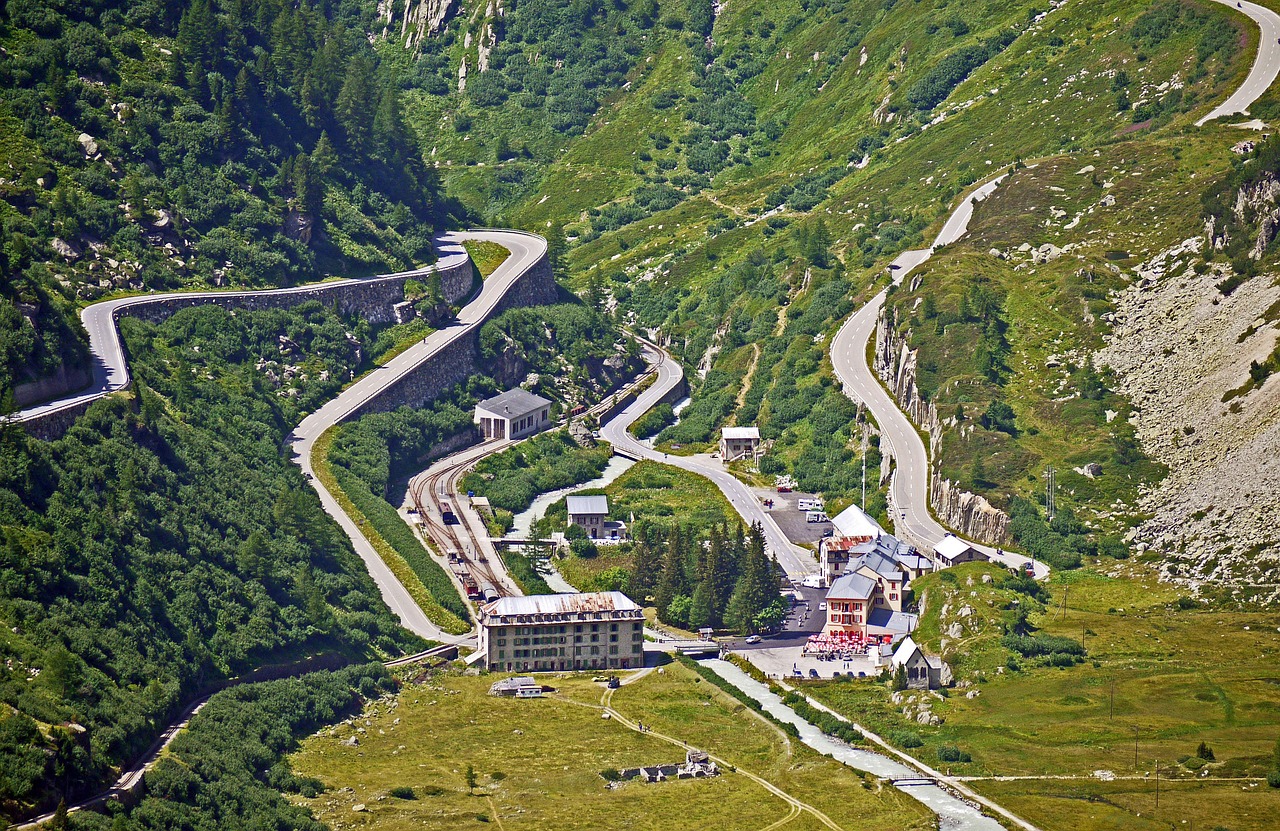
Switzerland turns calm into a system: dependable trains, safe stations at odd hours, and mountain towns that run on quiet competence and clear routines. Zurich and Bern offer easy city breaks, then rail links slip into lakes and high meadows where trails, boats, and cable cars replace traffic noise and decision fatigue. Cost is the main constraint, so the peace comes from simple planning, like passes, shoulder seasons, picnic lunches, and walks that trade money for time, air, and views that feel impossibly clean, close, and steady, even on busy weekends.
Singapore

Singapore’s peace is urban and deliberate, built on bright lighting, clear rules, and transit that works exactly as advertised, even late at night. Hawker centers stay lively without feeling chaotic, and neighborhoods like Kampong Glam or Little India feel busy in a social, not threatening, way, with clear policing and fast response. The best balance pairs skyline days with green corridors, museums, and shaded waterfronts, since heat and humidity are the main challenge, and early mornings can feel surprisingly quiet for a city this dense, clean, and easy to read.
Portugal
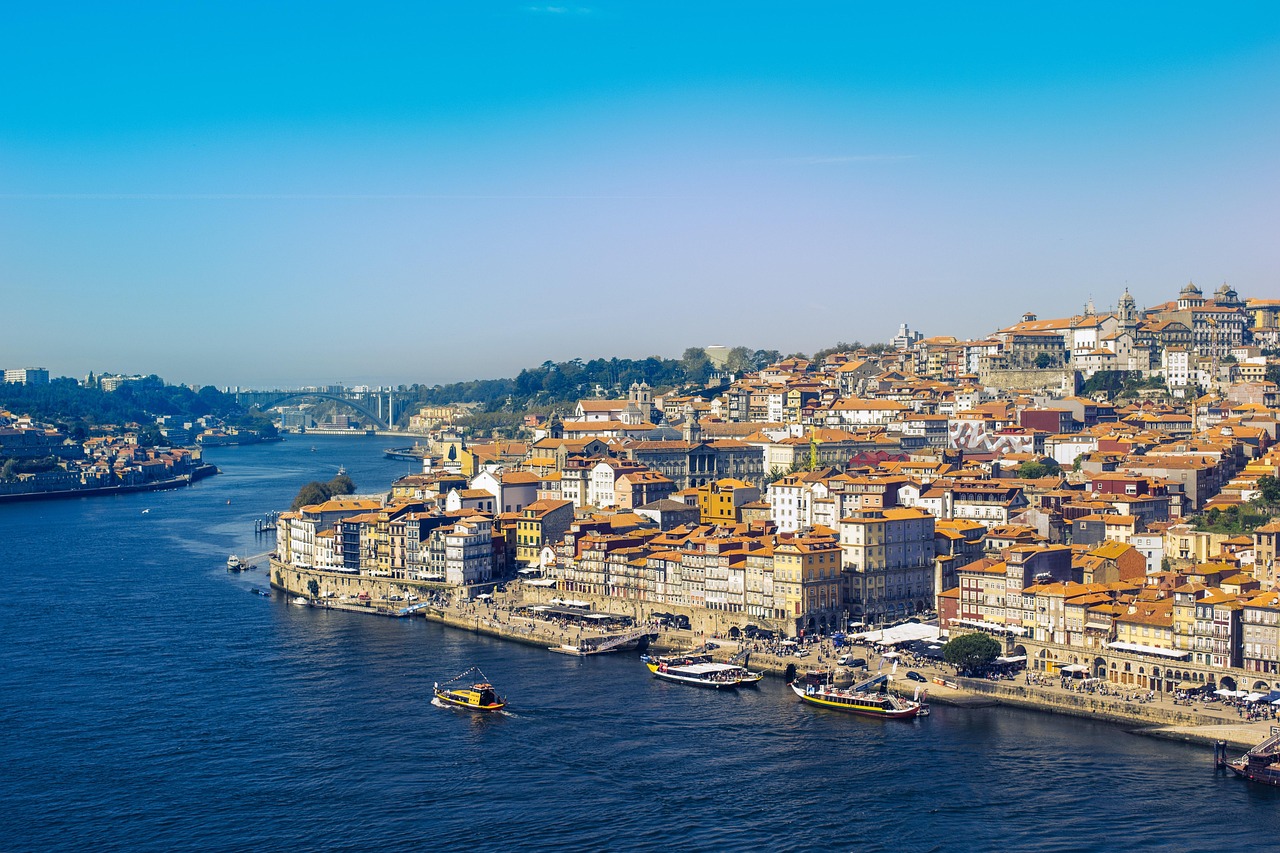
Portugal’s calm feels human, in late dinners, ocean promenades, and cities that stay social without constant tension or edge. Lisbon and Porto can crowd up, but day trips to the Douro, Alentejo, or the quieter Atlantic coast restore the pace quickly, with small towns that still pause for lunch, talk, and long coffee. Basic awareness in tourist zones handles petty theft, and the reward is a country where good transit links, walkable centers, mild evenings, simple beach days, and café culture keep travel feeling easy and unforced, even on short trips.
Denmark
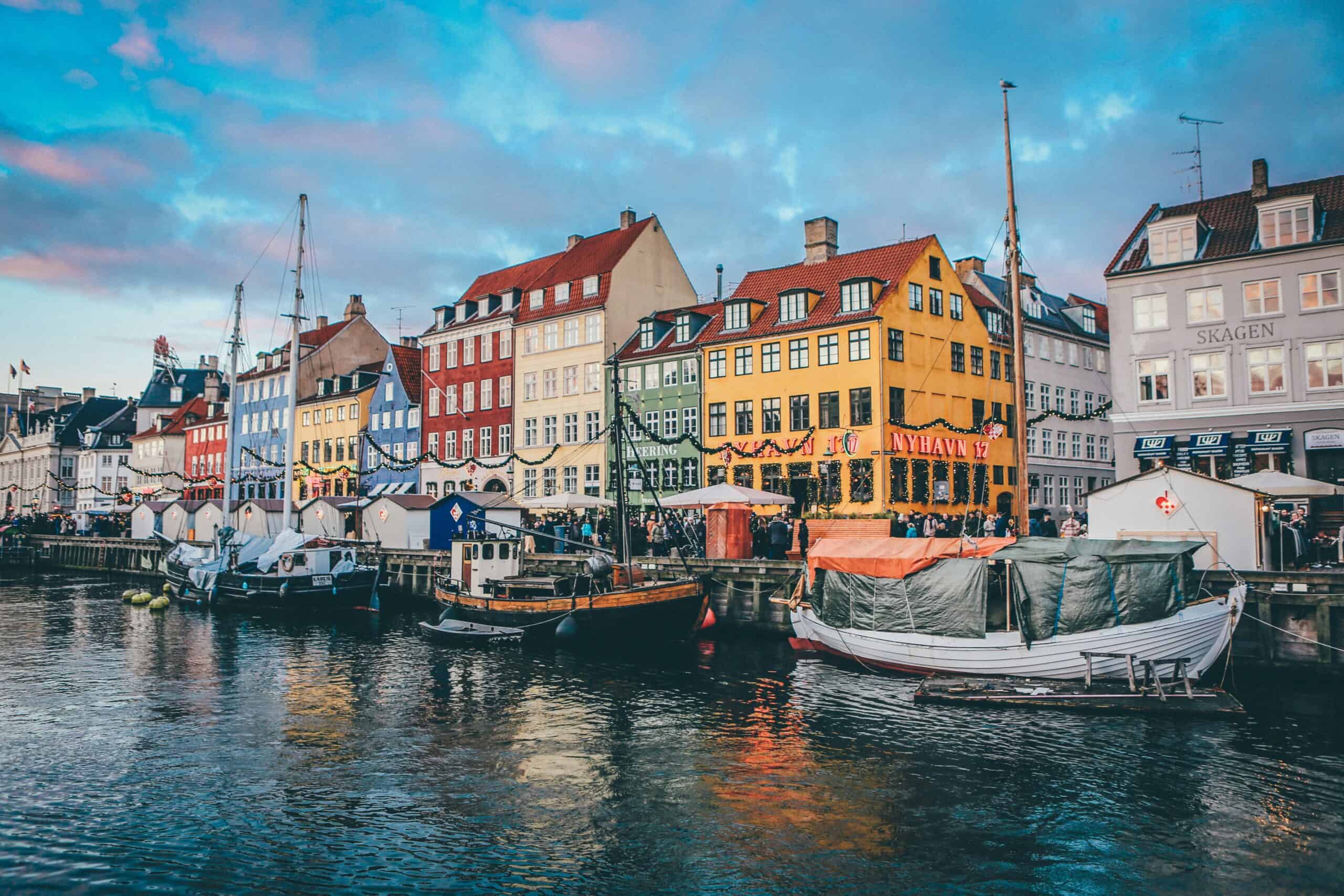
Denmark’s peacefulness shows up as everyday comfort: bike lanes that make sense, public spaces built for families, and a civic tone that stays low-drama. Copenhagen delivers design, museums, and food, then nearby coasts and islands offer breezy resets without long travel days, thanks to trains and ferries that run cleanly and on time. Winter stays gentle because transit is reliable and warm interiors are everywhere, so the trip feels calm across seasons, with candlelit cafés, harbor walks, and quiet neighborhoods that invite early nights and slow mornings.
Slovenia
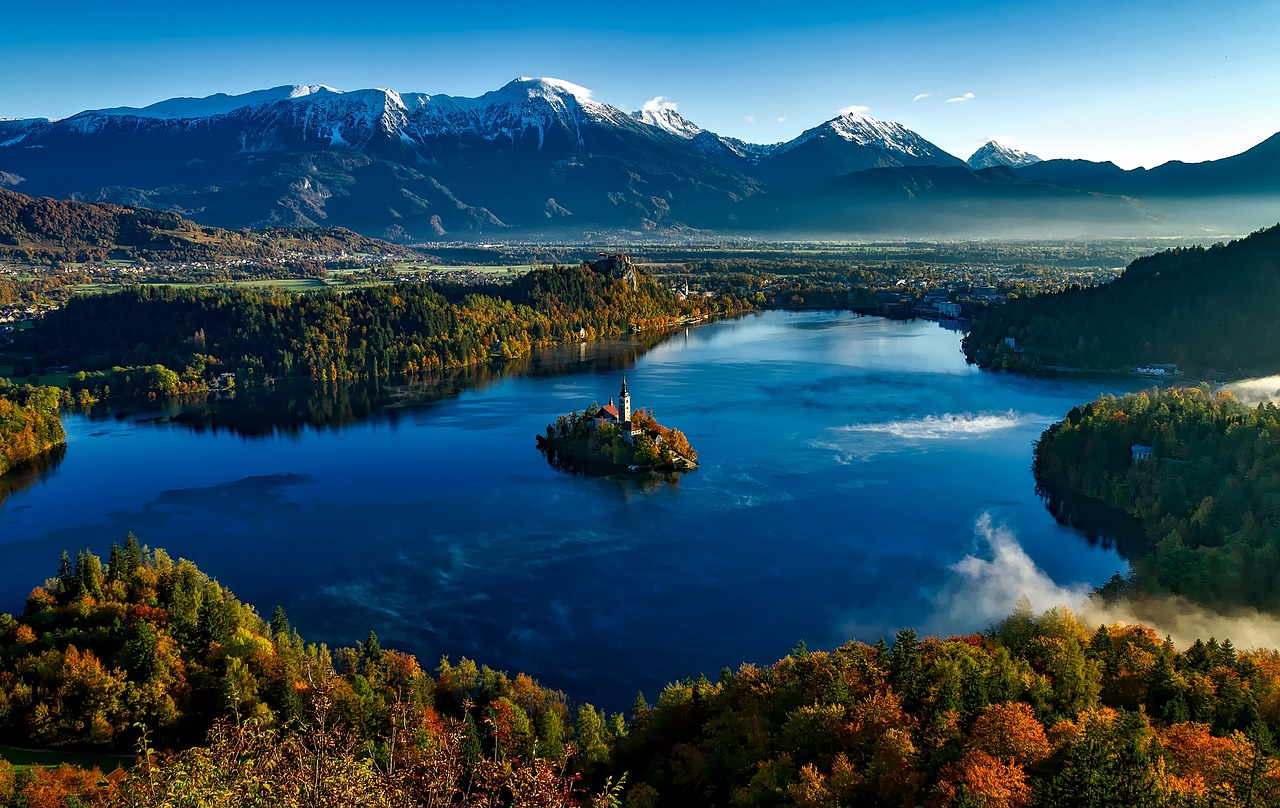
Slovenia feels like a quiet shortcut to Europe’s best hits, with short distances, clean towns, and nature that appears fast without heavy planning. Ljubljana stays walkable and friendly, Lake Bled and Bohinj deliver postcard water, and the Soča Valley adds glacial-green stillness that rewards slow drives and short hikes. Its scale keeps stress low, so a rain day can become caves, wine, and bakery stops, while clear days belong to mountain passes, river trails, and evenings that end early in small squares with no pressure to perform or spend.
Finland
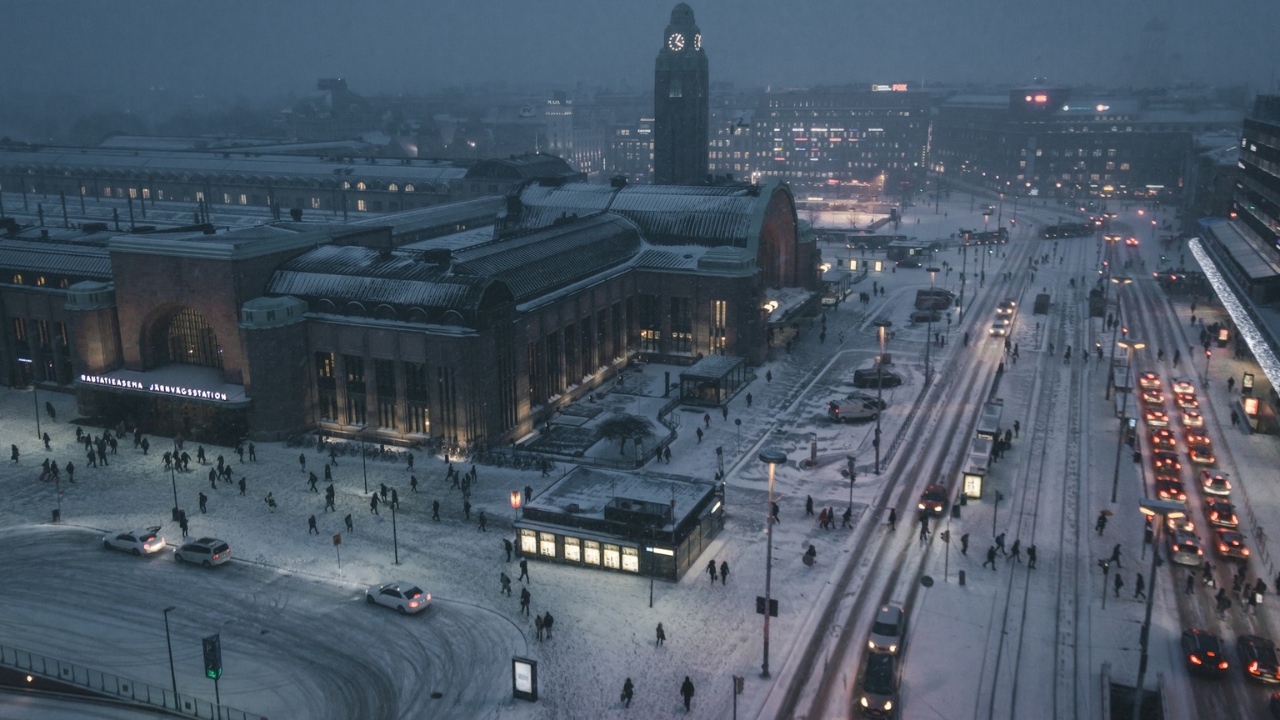
Finland’s peace is spacious, with Helsinki’s composed waterfronts and a culture that keeps public life calm without feeling cold or suspicious. Sauna evenings, design museums, and library stops fit naturally between lake-country escapes, where forests make silence feel normal and cabins feel like the default. Winter travel works because systems are reliable and warm spaces are abundant, while summer brings long evenings that turn a simple walk, ferry ride, market stop, or swim into the whole point of the day, with no need to chase nightlife.