We may earn money or products from the companies mentioned in this post. This means if you click on the link and purchase the item, I will receive a small commission at no extra cost to you ... you're just helping re-supply our family's travel fund.
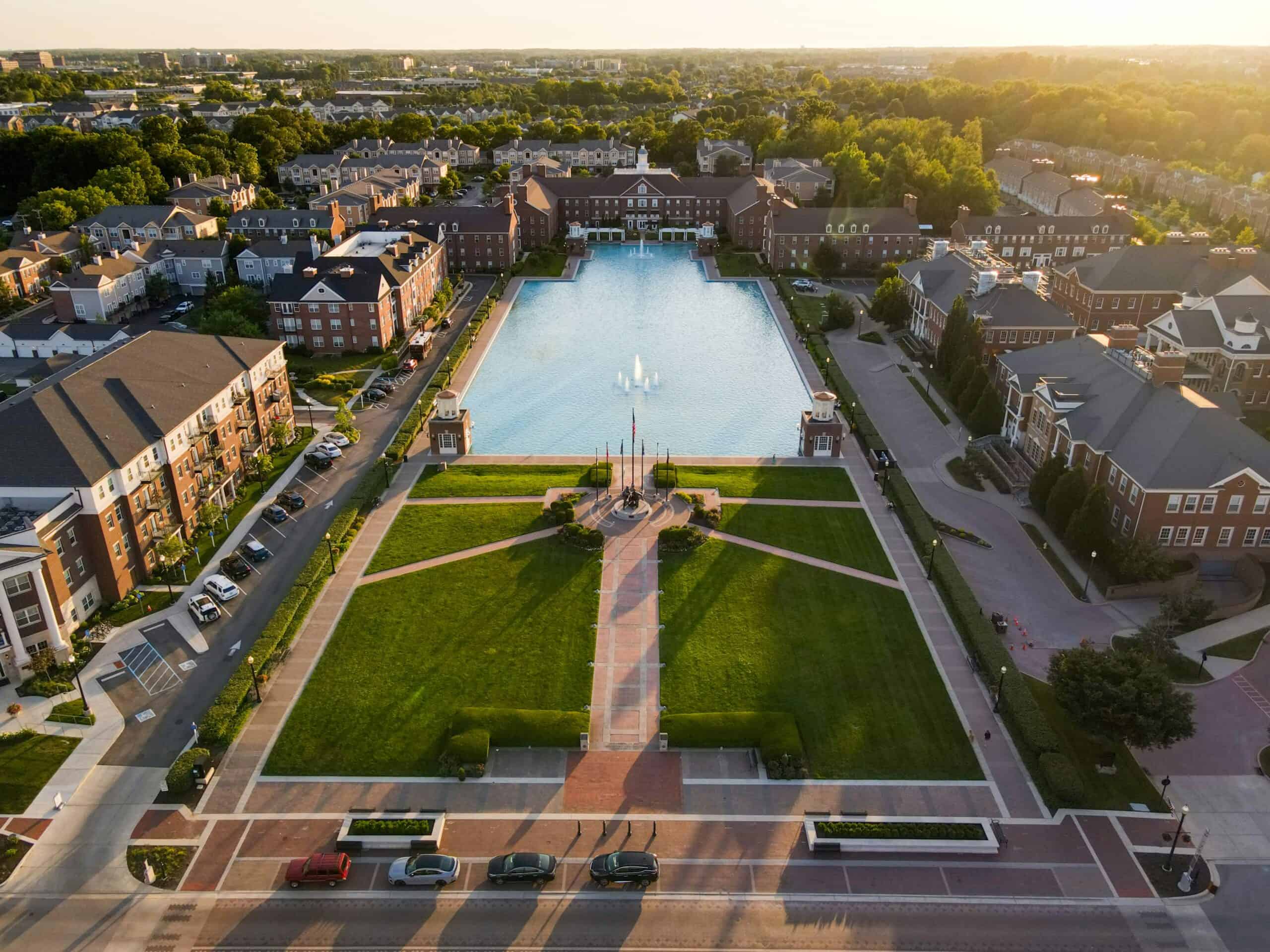
U.S. News & World Report’s 2025-2026 release widened the lens in a big way, evaluating more than 850 cities and publishing a top 250 shaped by quality of life, value, desirability, and job market strength. The updated methodology leaned on public survey input and government-backed data, which helped push more suburbs and mid-sized communities into the spotlight. What emerged was not one national mood, but a clearer picture of what everyday livability looks like across different regions of the country.
Johns Creek, Georgia
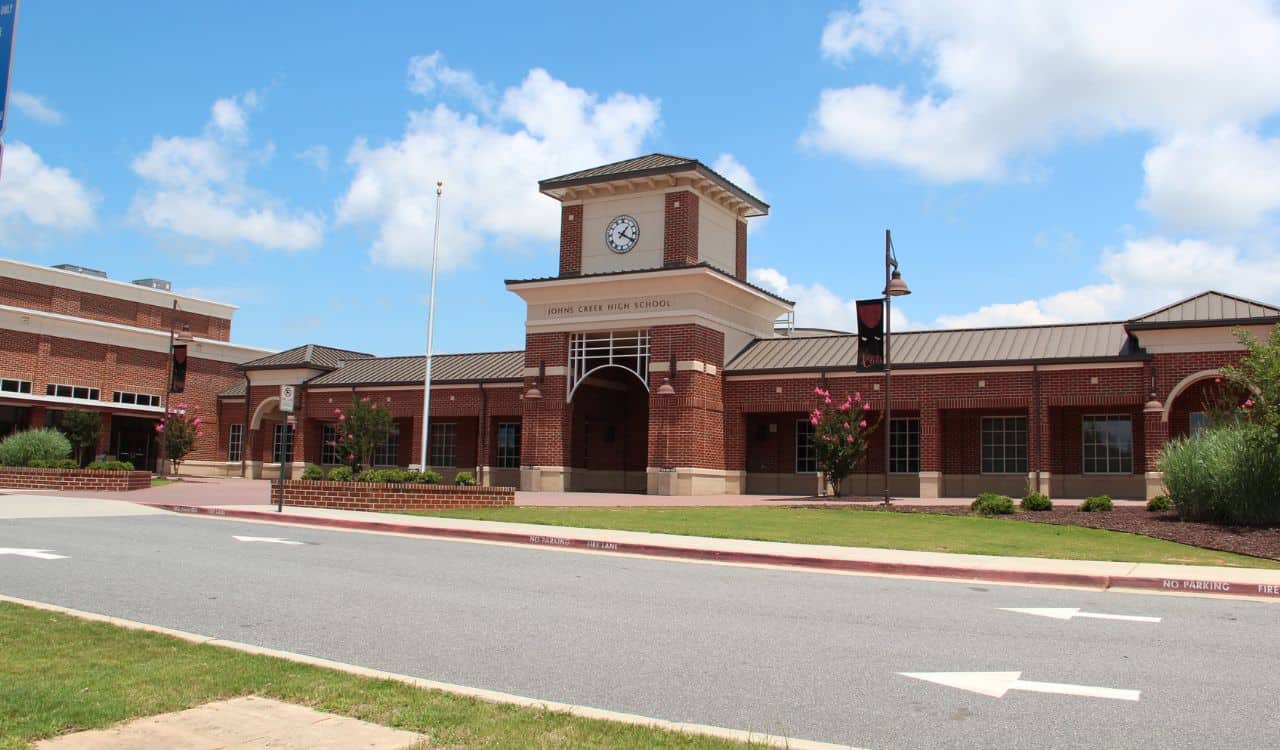
Johns Creek took the top spot, and its rise makes sense on the ground. The Atlanta suburb blends strong household earnings, manageable commutes, and a quieter residential feel without cutting itself off from major jobs, airports, and cultural institutions nearby. It reads like the kind of place built around stability, but it does not feel sleepy. Parks, trails, and family-oriented neighborhoods give it a lived-in rhythm that lines up with what many households now rank highest: daily ease, not just headline prestige.
Carmel, Indiana

Carmel landed at No. 2, continuing a long run as one of the country’s most admired suburban success stories. It sits just north of Indianapolis, but it has enough identity of its own that it rarely feels like an afterthought. The Arts and Design District, polished public spaces, and famously organized road network give it a sense of intention. It is the kind of city where planning shows up in daily life, from schools and public safety to the simple fact that errands tend to feel less chaotic.
Pearland, Texas
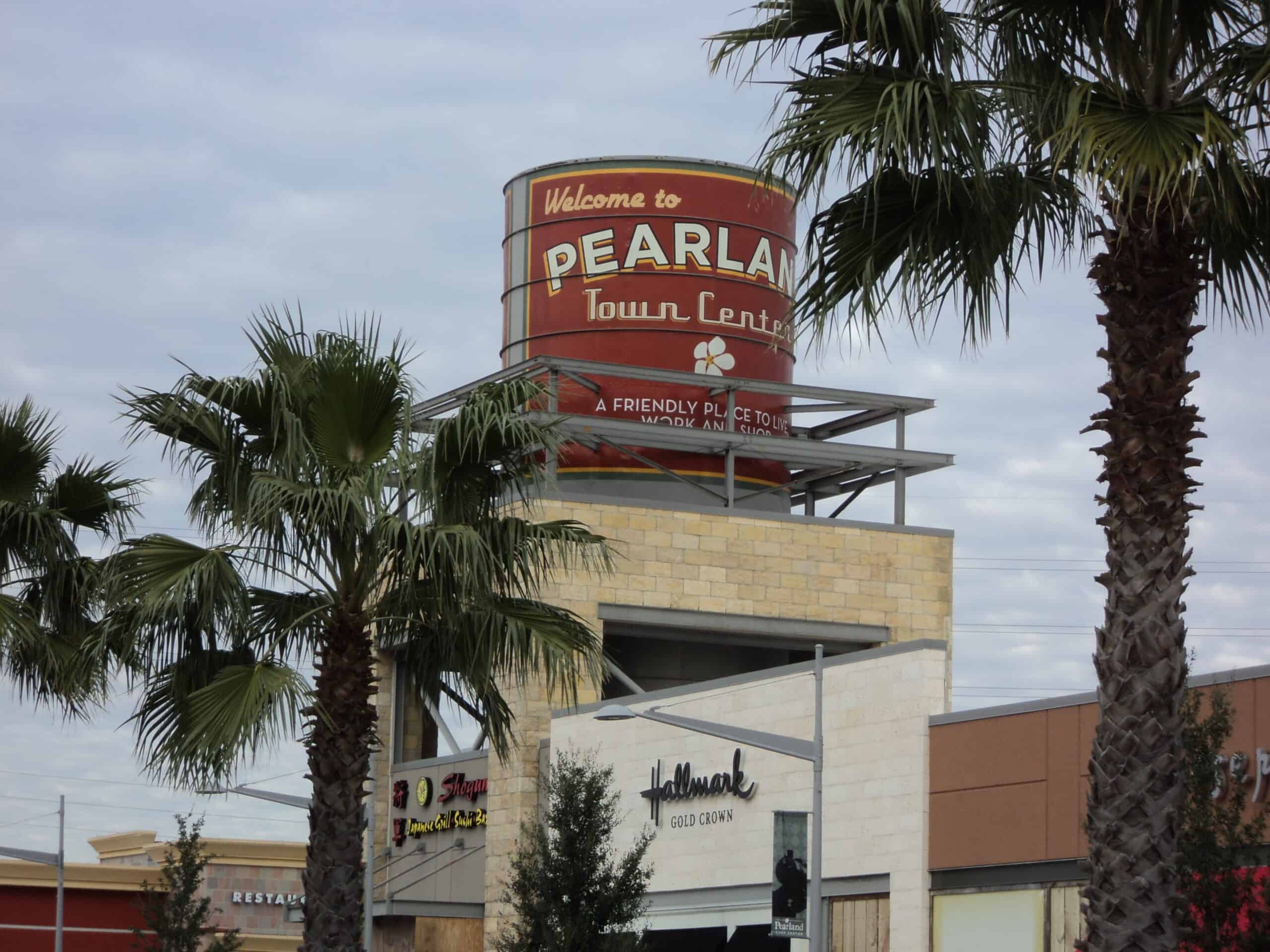
Pearland ranked third, and it reflects how strongly Texas suburbs are performing in this cycle. Close to Houston but more residential in pace, it offers access to a major job market while keeping a more neighborhood-centered feel. Housing value remains a major part of its appeal, especially compared with larger coastal metros. Pearland also benefits from its location in a fast-moving region where healthcare, logistics, and energy-linked work continue to shape the economy, giving residents both flexibility and momentum.
Fishers, Indiana
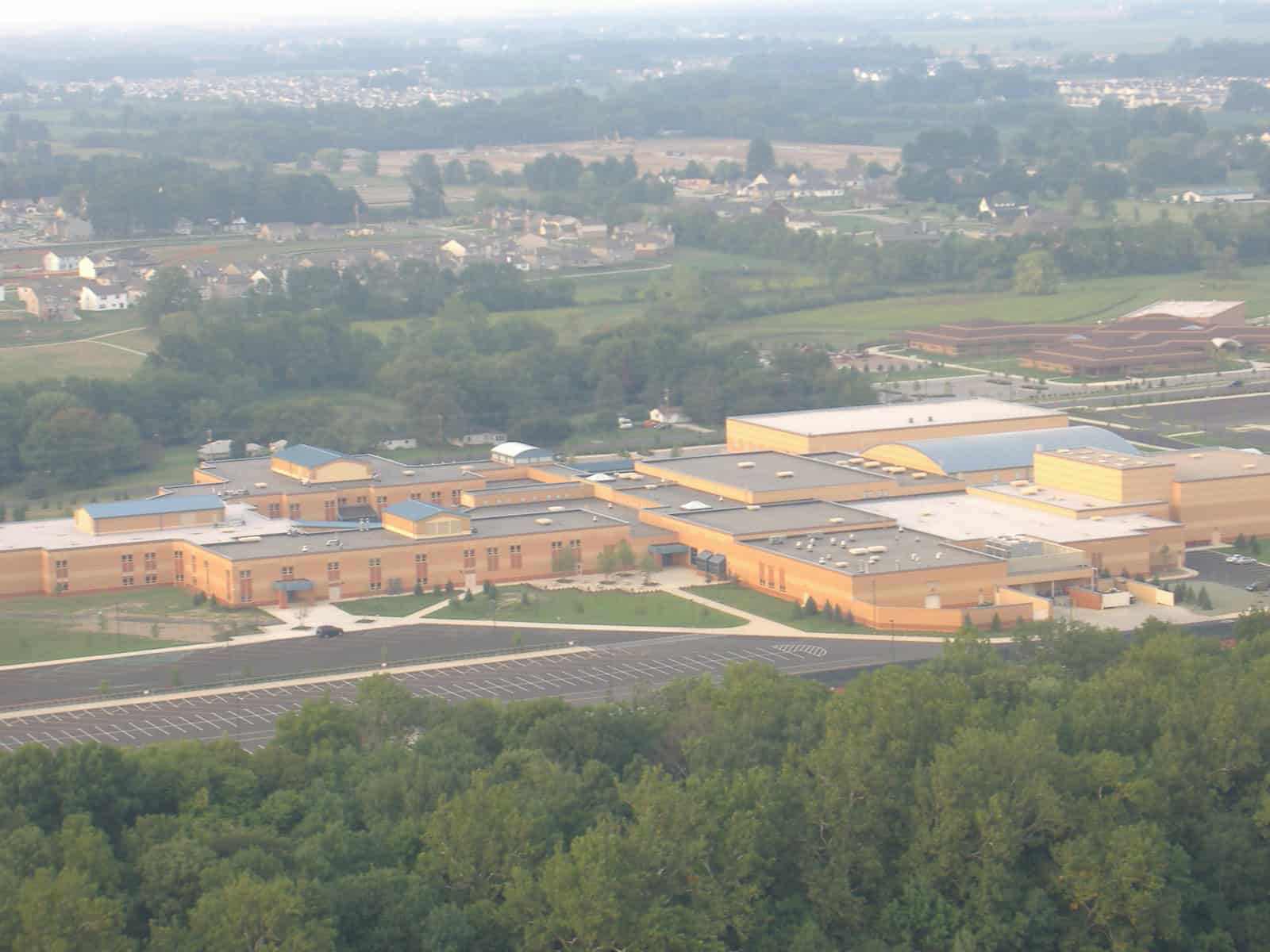
Fishers placed fourth and reinforces Indiana’s quiet dominance in the upper ranks. Part of the Indianapolis metro, it has grown into a modern suburban city with strong schools, well-kept neighborhoods, and a steady stream of family-friendly development. What stands out is balance. It is not trying to be flashy, and that works in its favor. Fishers offers enough local dining, events, and recreation to keep life full, while still preserving the predictability and comfort that many people look for when choosing where to settle.
Cary, North Carolina
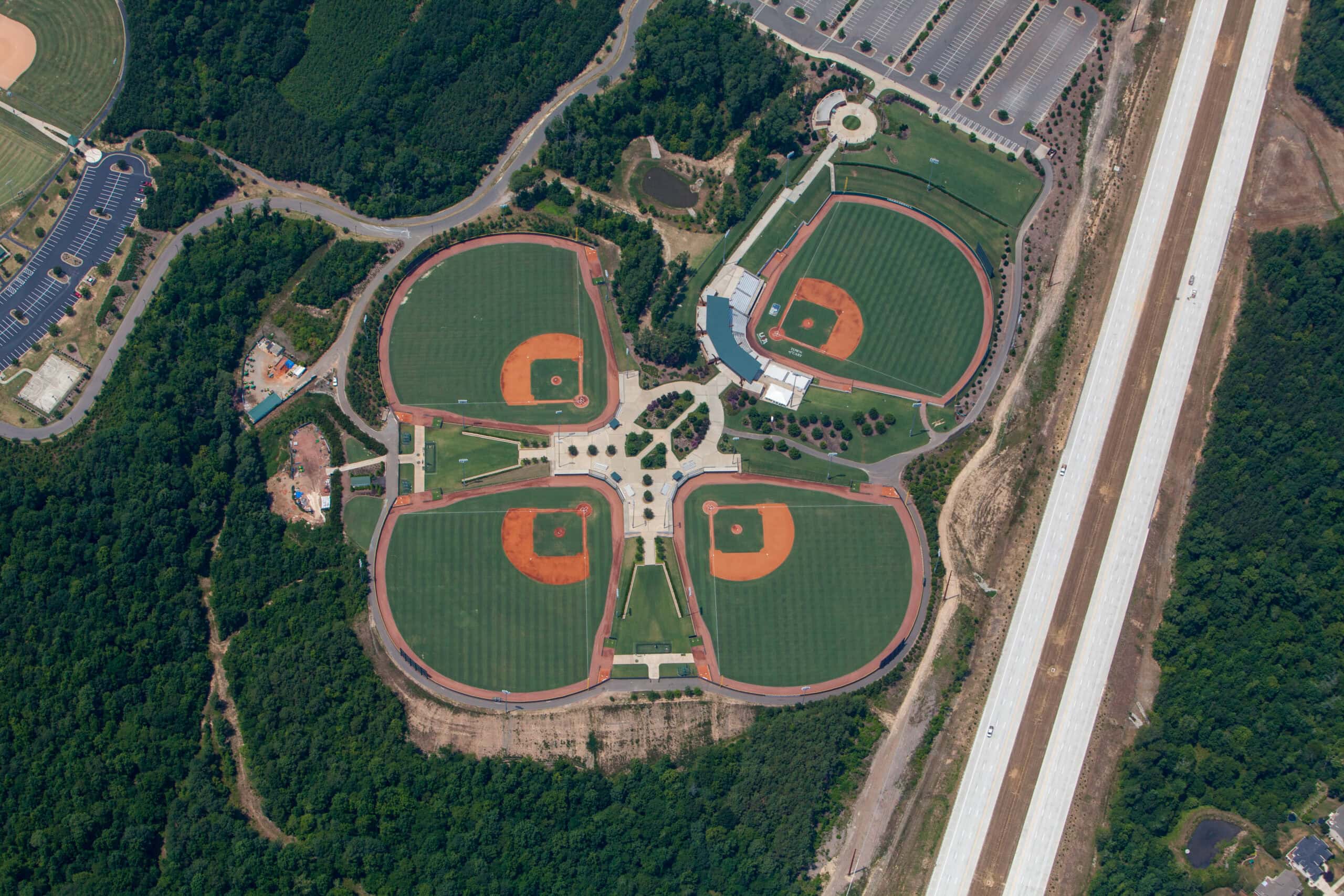
Cary came in fifth, and the ranking fits the broader story of the Research Triangle’s continued pull. Positioned near Raleigh, Durham, and Chapel Hill, Cary gives residents access to major employers in tech, healthcare, and education while maintaining a calmer suburban footprint. Greenways, parks, and well-planned neighborhoods help keep the pace steady even as the region grows. It feels less like a boomtown and more like a place that has learned how to absorb growth without losing the basics that make daily life work well.
League City, Texas

League City ranked sixth, another strong showing for Texas. Located between Houston and Galveston, it gives residents a rare mix of suburban structure and coastal access, with marinas and waterfront areas shaping the local identity. That geography matters because it creates a lifestyle that feels both practical and open. People can stay tied to a major metro job market while living somewhere with more breathing room. The result is a city that works for commuters, families, and anyone who wants a little less congestion in daily life.
Apex, North Carolina
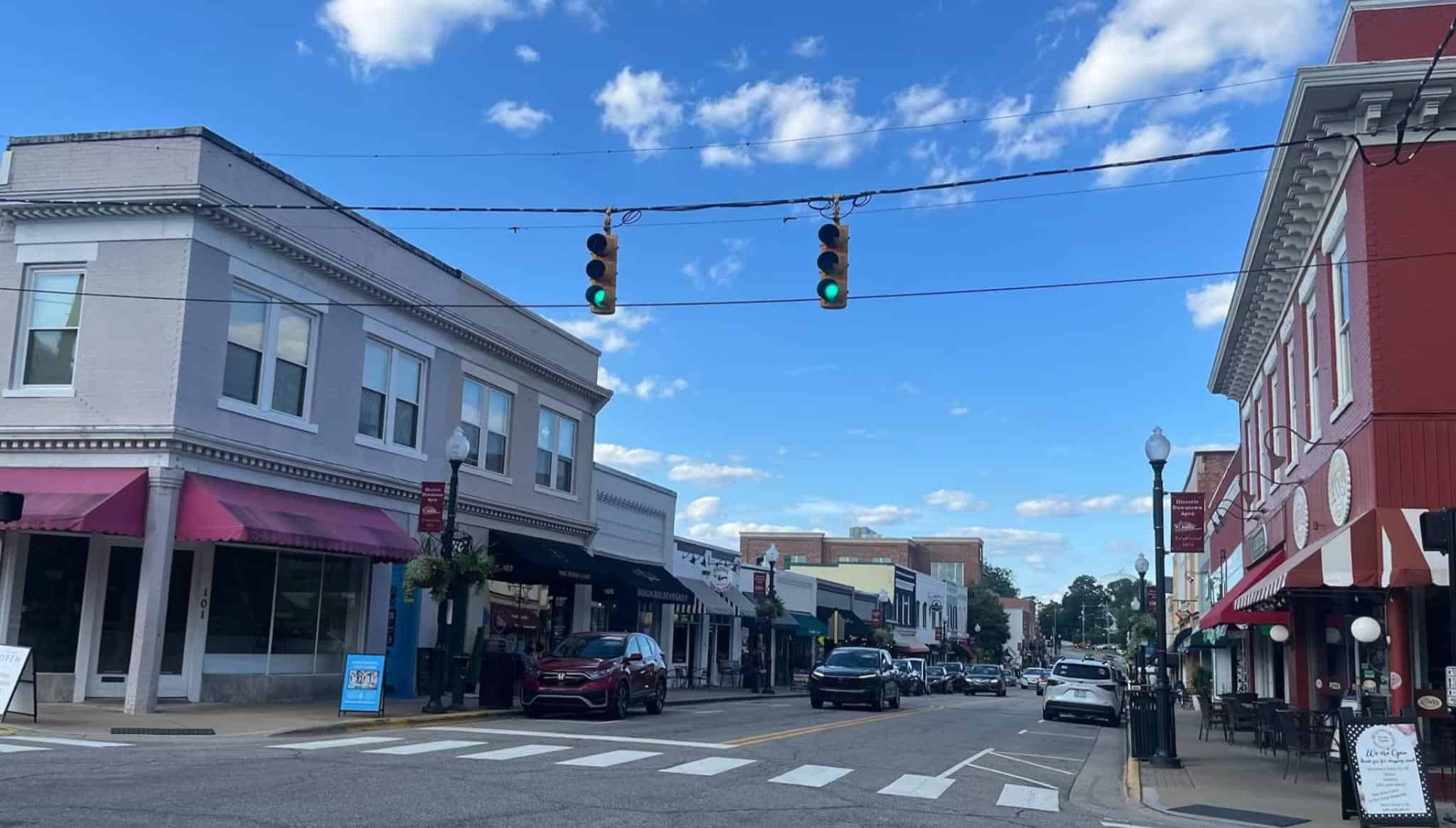
Apex landed at No. 7, adding another North Carolina suburb to the upper tier. It shares Cary’s advantage of Triangle access, but it carries a slightly smaller-town atmosphere, especially around its historic downtown and community events. That combination has become a pattern in the rankings: proximity to opportunity without the constant friction of a dense urban core. Apex feels rooted, organized, and easy to move through, which helps explain why it continues to attract households looking for long-term livability, not just a short-term real estate trend.
Leander, Texas
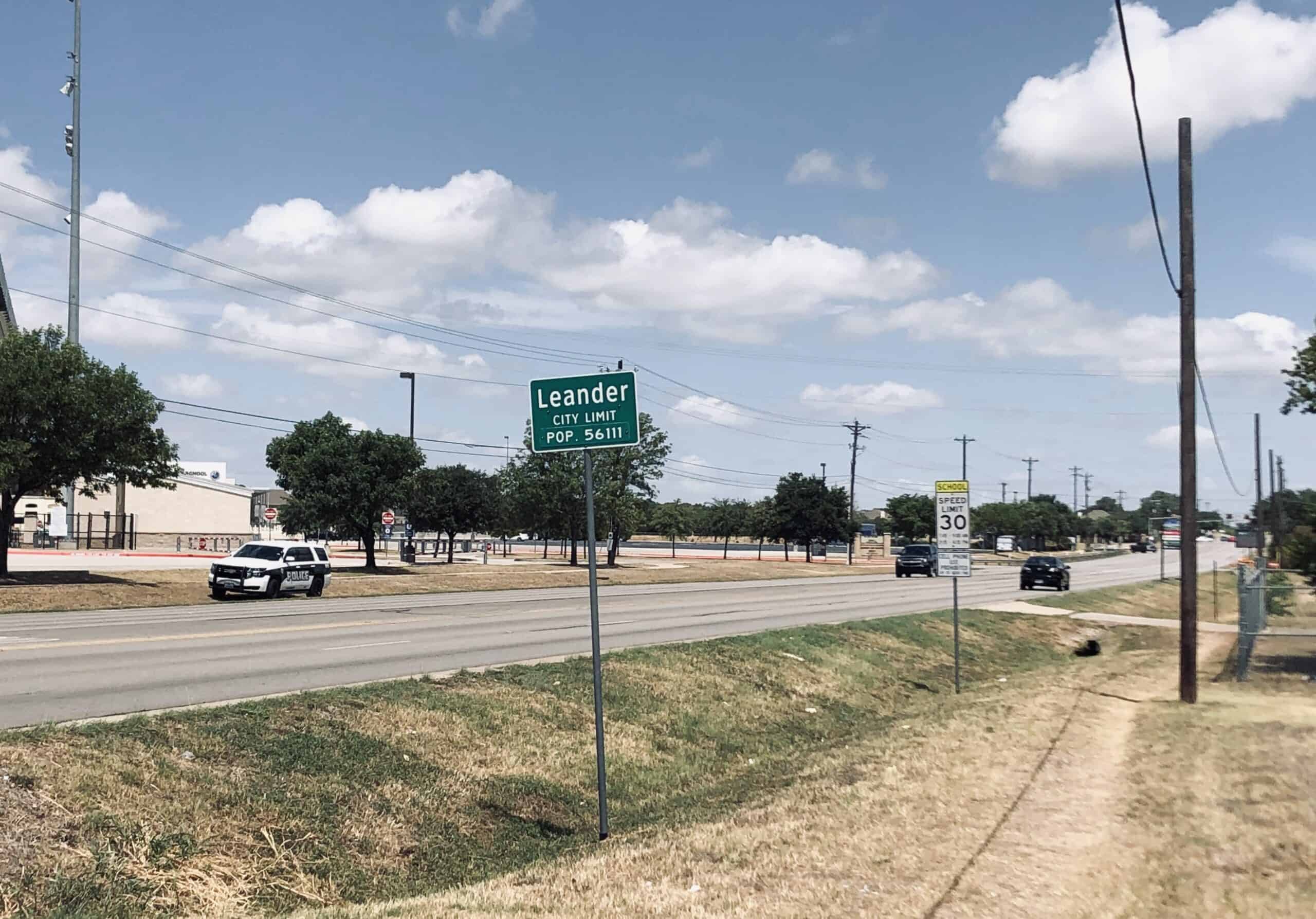
Leander ranked eighth and continues the Austin-area surge. On the edge of the Hill Country, it offers a strong suburban base with access to Austin’s job engine, and its growth shows how many people are choosing outer-ring cities over central urban cores. Leander’s appeal comes from a practical mix of schools, neighborhood development, and expanding amenities, all with a little more space than many in-town alternatives. It feels like a place still growing into itself, but the fundamentals are already strong enough to rank near the top nationally.
Rochester Hills, Michigan
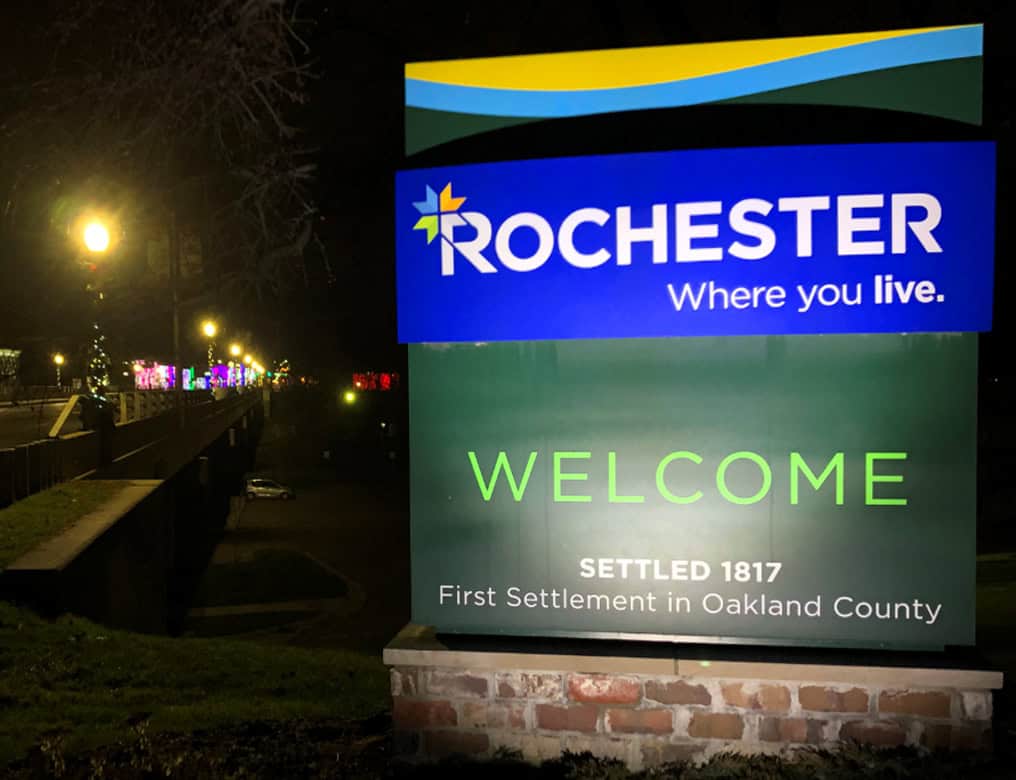
Rochester Hills took ninth, giving Michigan a second city in the top 10. As part of the Detroit metro area, it benefits from regional job access while offering a more residential and green setting. The city is known for strong schools, parks, and a polished suburban feel that tends to appeal to families and professionals alike. It represents a familiar ranking theme this year: communities that provide consistency. Rochester Hills may not chase attention, but its day-to-day reliability is exactly what pushes places into the upper tier.
Troy, Michigan
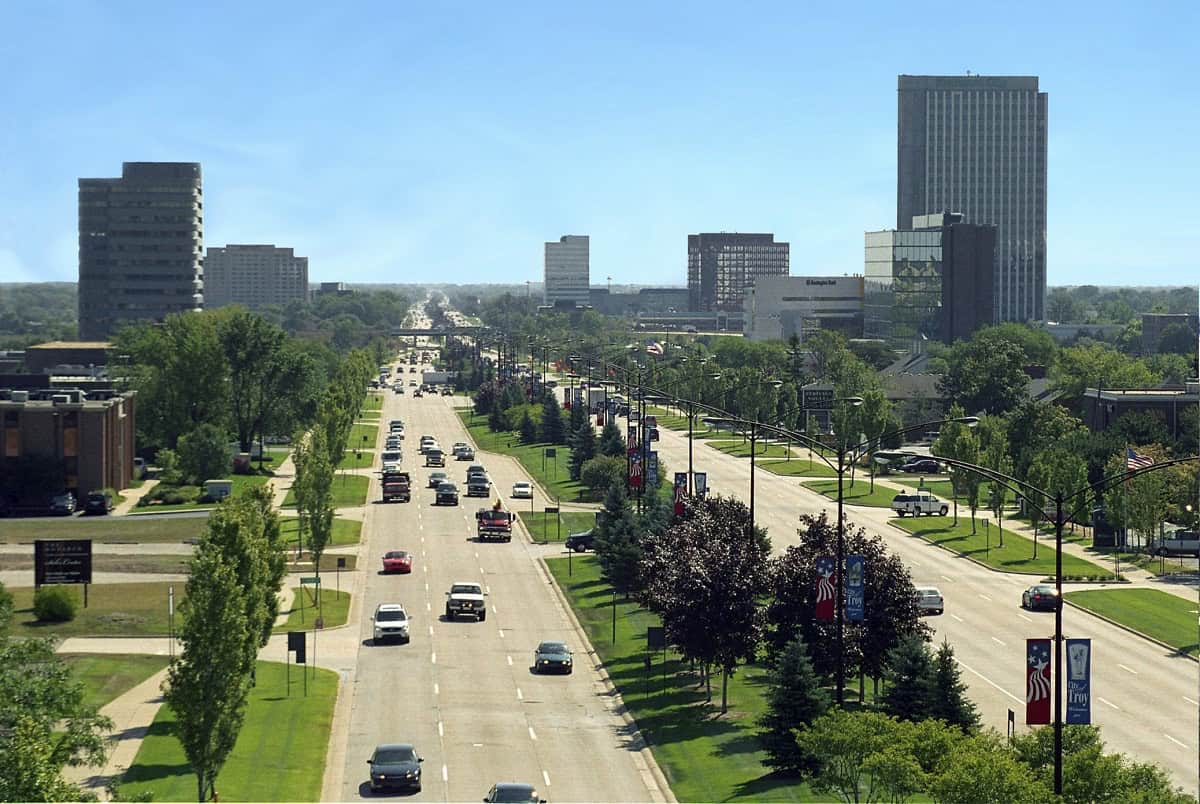
Troy rounded out the top 10, and its inclusion highlights the strength of suburban Detroit’s economic base. It has long been a major employment center in its own right, with office corridors, retail, and established neighborhoods that keep it more than a commuter stop. That matters in rankings built around quality of life and job market conditions. Troy’s advantage is that it offers both. Residents get access to serious business activity, but the city still functions like a residential community first, with schools and services anchoring the experience.
Sammamish, Washington
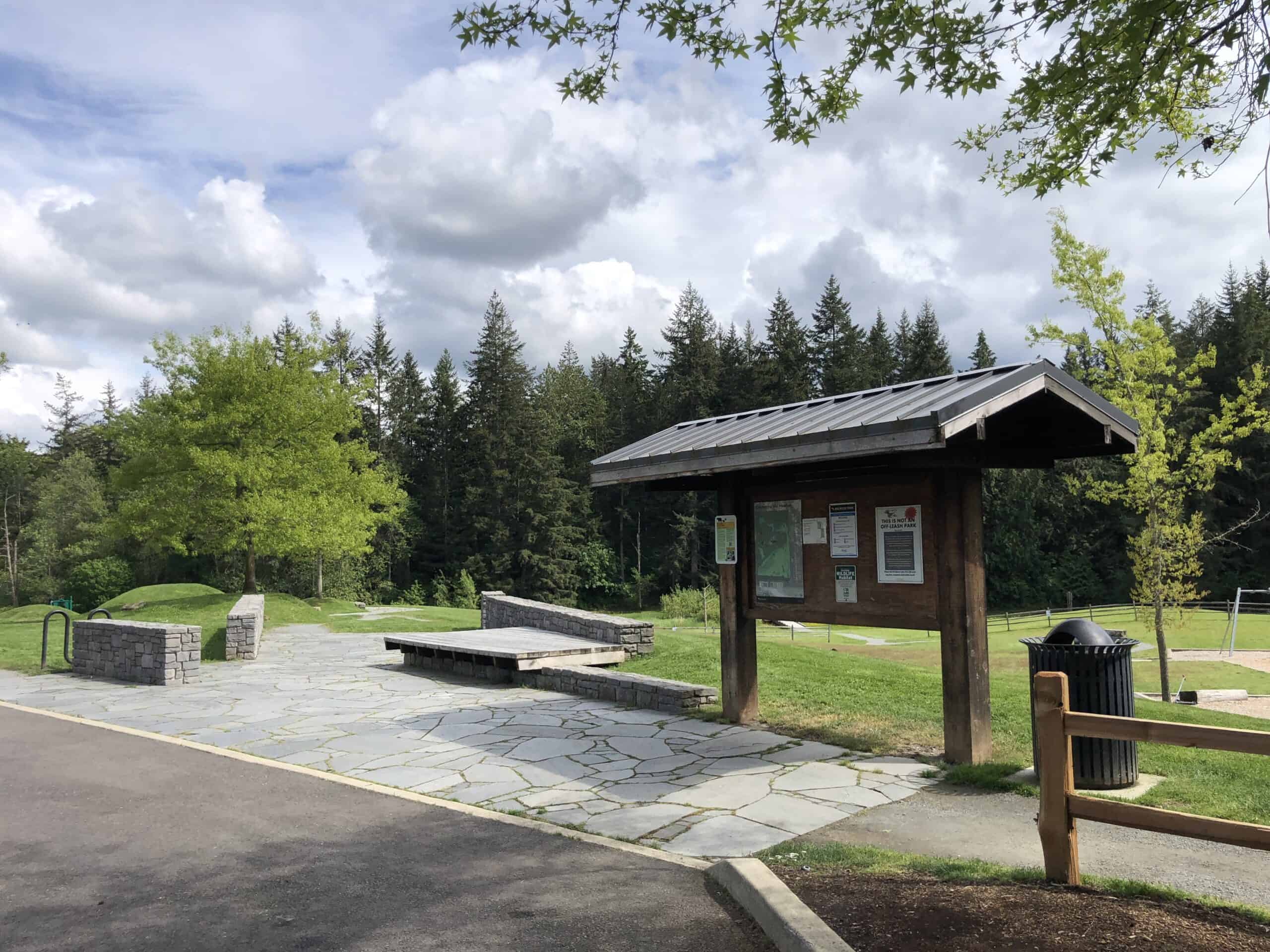
Sammamish ranked 11th, and it stood out as the highest-ranked city in the West. That says a lot in a year dominated by the South and Midwest. Near the Seattle metro and Lake Sammamish, it combines a strong job pipeline with a quieter, outdoors-oriented setting that feels distinctly Pacific Northwest. The tradeoff is cost, and the housing prices are high, but the city’s performance on schools, safety, and job access keeps it competitive. It reads as a premium version of suburban living rather than a bargain one.
Broken Arrow, Oklahoma
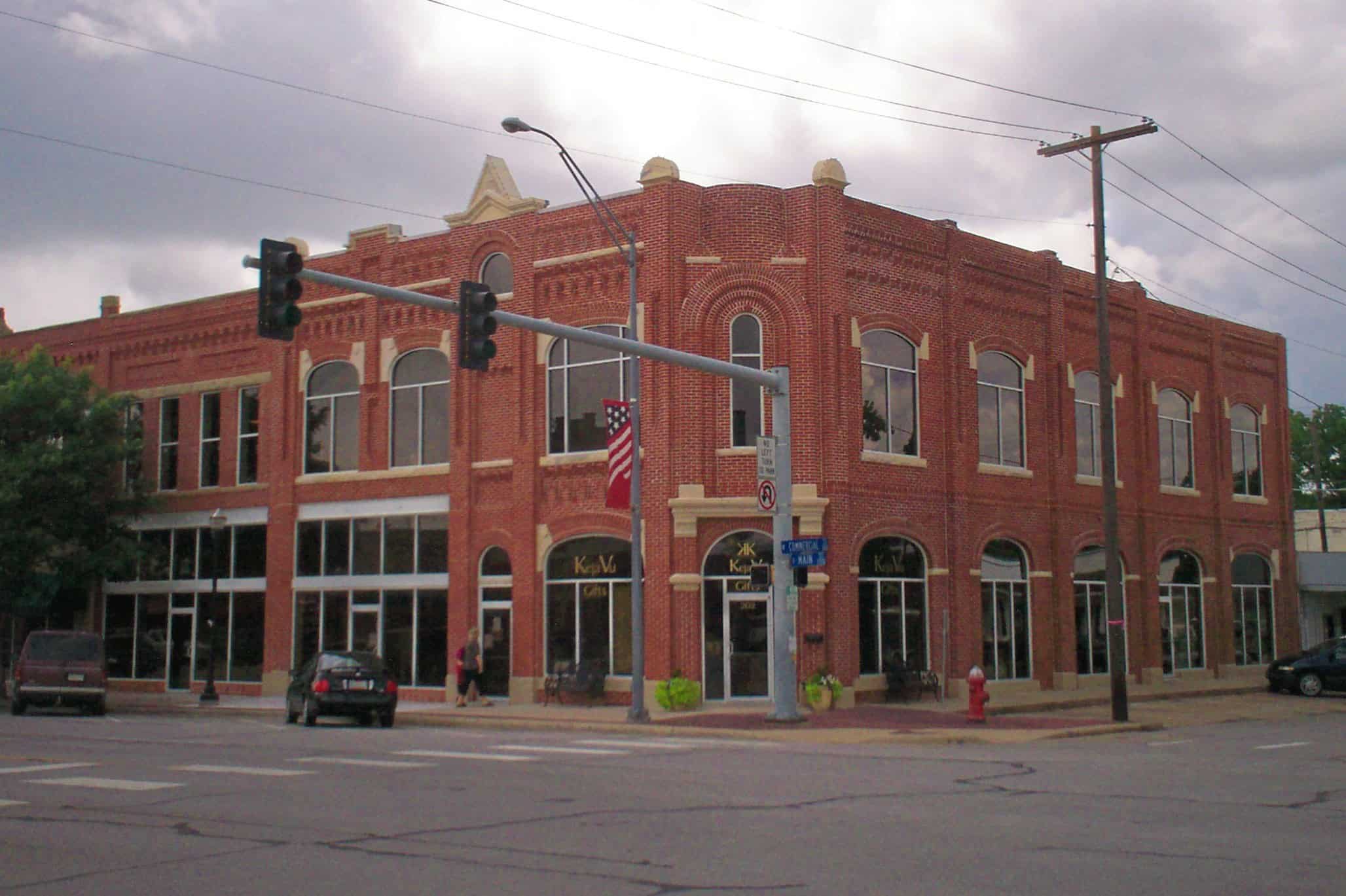
Broken Arrow came in at No. 12, a major result for the Tulsa metro area. It offers the kind of ranking profile that shows up often this year: a community with room to grow, a lower-cost lifestyle than many larger markets, and enough local identity to stand on its own. Downtown’s Rose District has helped strengthen that identity, giving the city a more visible center for events and dining. Broken Arrow feels practical first, but not plain, and that combination tends to perform well when livability is measured across multiple categories.
Ellicott City, Maryland
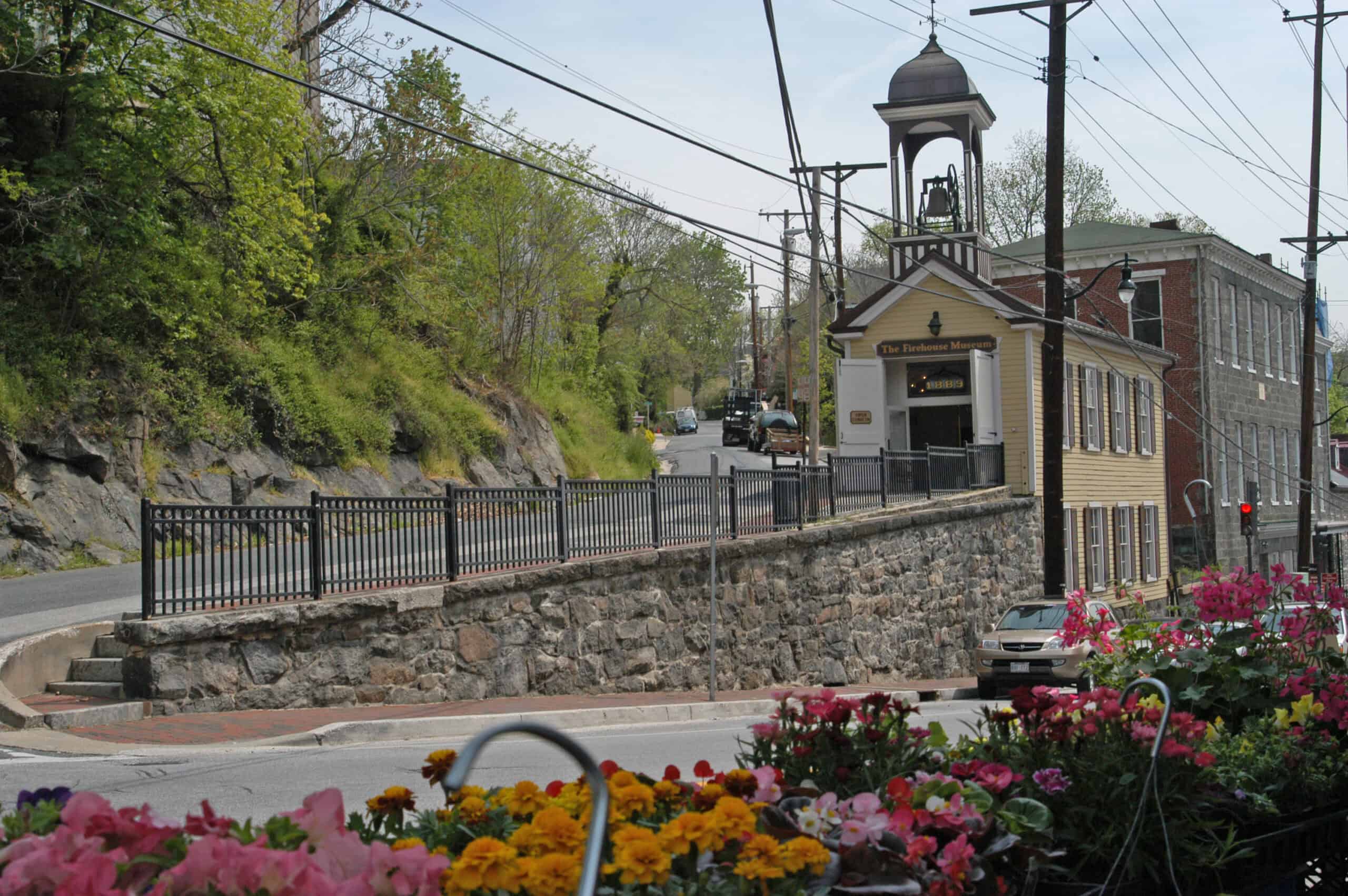
Ellicott City ranked 13th nationally and first in Maryland, a strong showing for a place with both history and resilience baked into its identity. Known for its historic main street and flood recovery efforts, it carries more character than many suburbs while still delivering the basics people care about: access, schools, and a stable local environment. Being close to both Baltimore and the Washington region adds flexibility for work and culture. It feels established rather than newly built, which gives the city a sense of depth that many fast-growth suburbs still lack.
Flower Mound, Texas
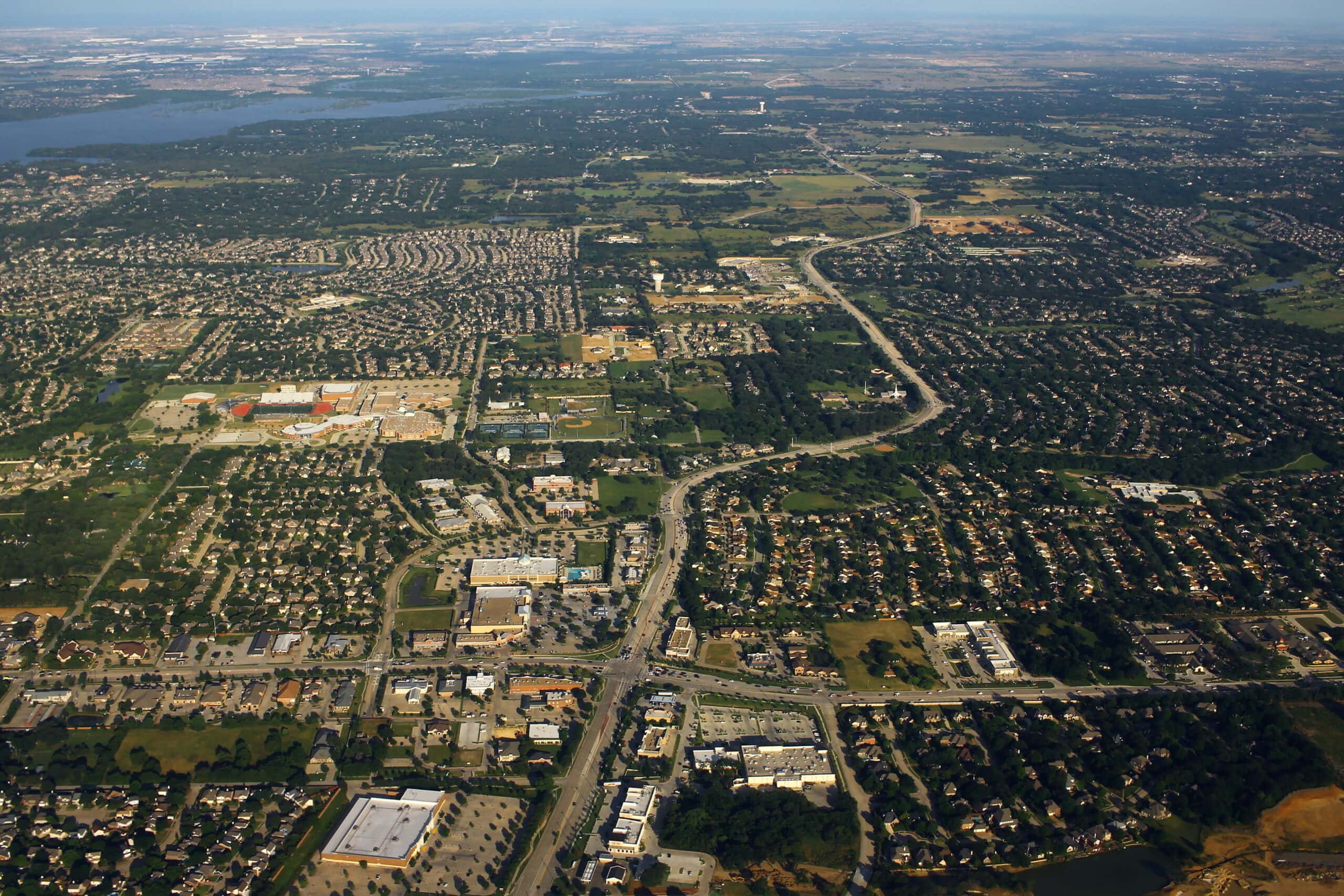
Flower Mound landed at No. 14, another Texas suburb with a strong balance of comfort and access. Positioned in the Dallas-Fort Worth orbit, it benefits from major regional employment while holding onto a more residential, community-led feel. Parks, trails, and well-kept neighborhoods shape the city’s everyday experience, and that kind of consistency matters more than flashy amenities in these rankings. Flower Mound fits a pattern seen across the top 25: places that make routine life smoother, whether that means commutes, schools, or simply quieter streets after work.
Pflugerville, Texas
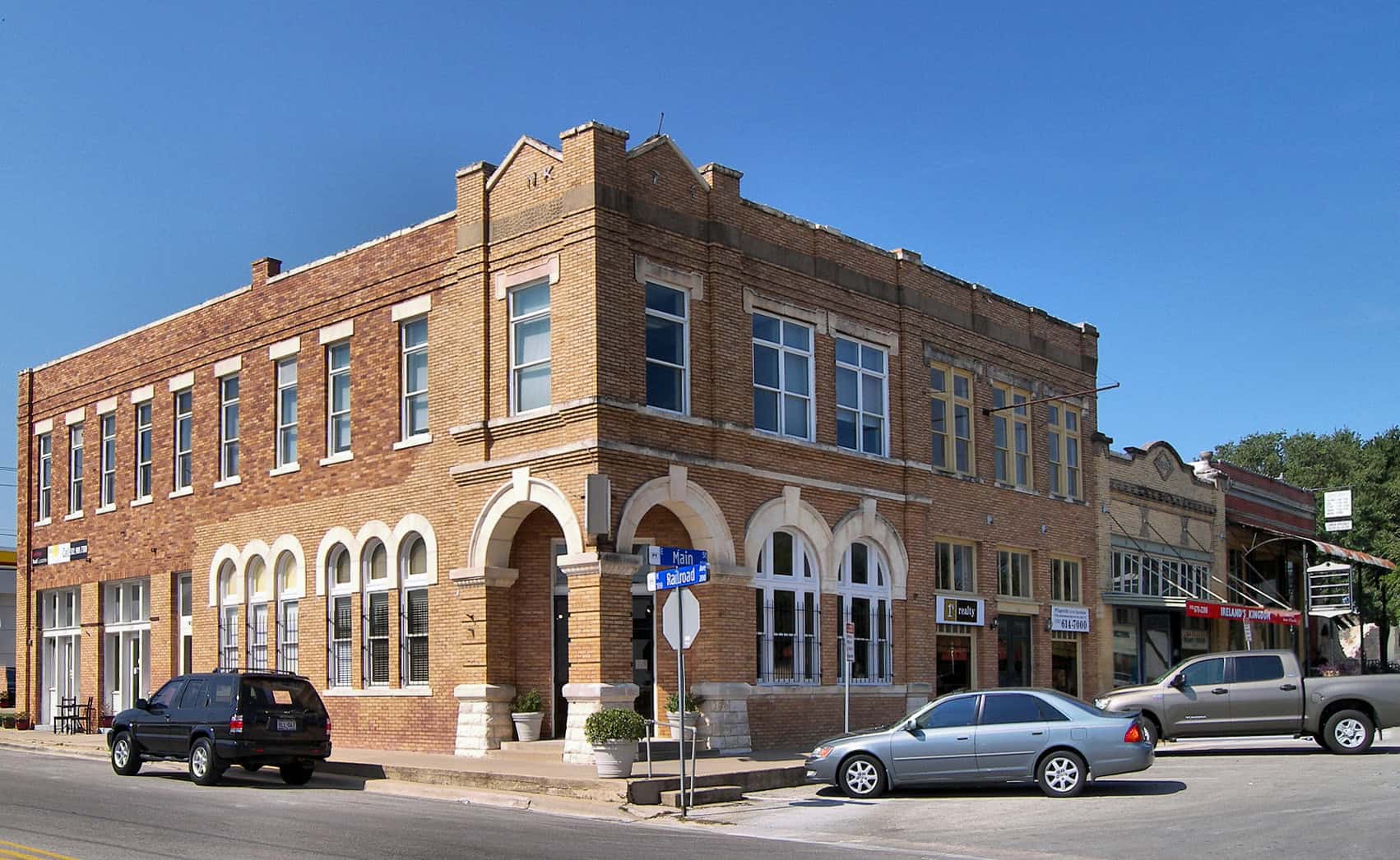
Pflugerville ranked 15th, and its rise reflects how deeply the Austin metro continues to influence national relocation choices. It sits close enough to Austin for job access, but far enough to offer a more grounded suburban pace. The city’s appeal is practical: parks, neighborhood growth, and solid infrastructure paired with stronger value than many central Austin options. It also benefits from the wider region’s momentum in tech and services, which gives residents more employment flexibility. Pflugerville is not trying to be trendy, and that is part of why it works.
Sugar Land, Texas

Sugar Land came in at No. 16 and remains one of the Houston area’s most recognizable suburban anchors. It is known for planned communities, strong schools, and a polished civic feel, but what keeps it ranking well is how complete it feels as a city. Residents do not need to leave town for every basic need, and that reduces daily friction. At the same time, Houston’s larger job market stays within reach. Sugar Land offers structure, diversity, and convenience in a way that feels mature, not newly assembled.
Plymouth, Minnesota
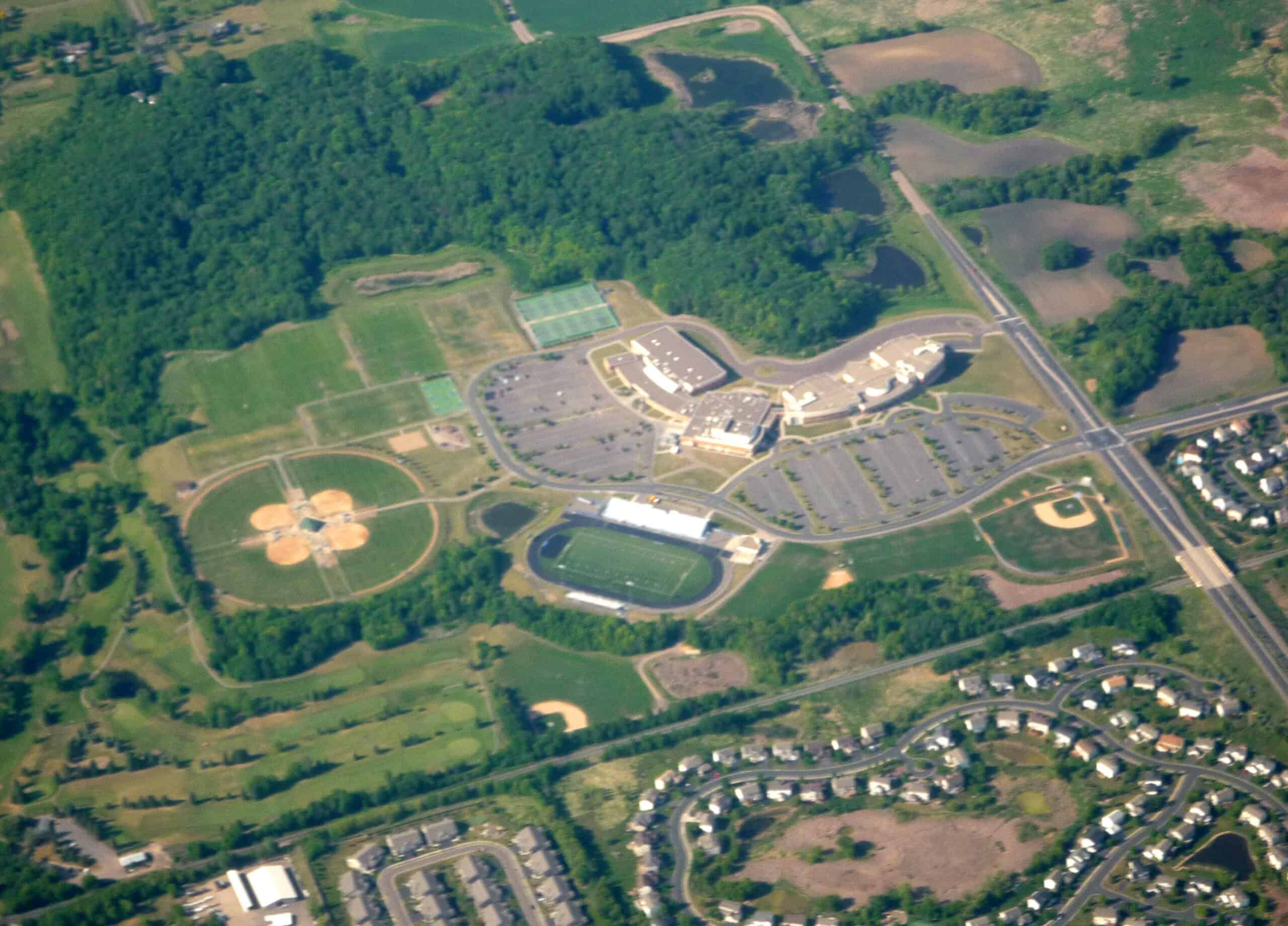
Plymouth ranked 17th, giving the Twin Cities metro another strong suburban signal. It is one of those places that tends to perform well because almost everything works reliably: schools, parks, public services, and access to jobs across the Minneapolis-St. Paul area. Plymouth also benefits from a lot of green space and a less hectic feel than denser urban neighborhoods, while still keeping commutes and daily errands manageable. It comes across as a city designed for long-term living, not quick growth, and that steadiness often wins in quality-of-life rankings.
Ankeny, Iowa
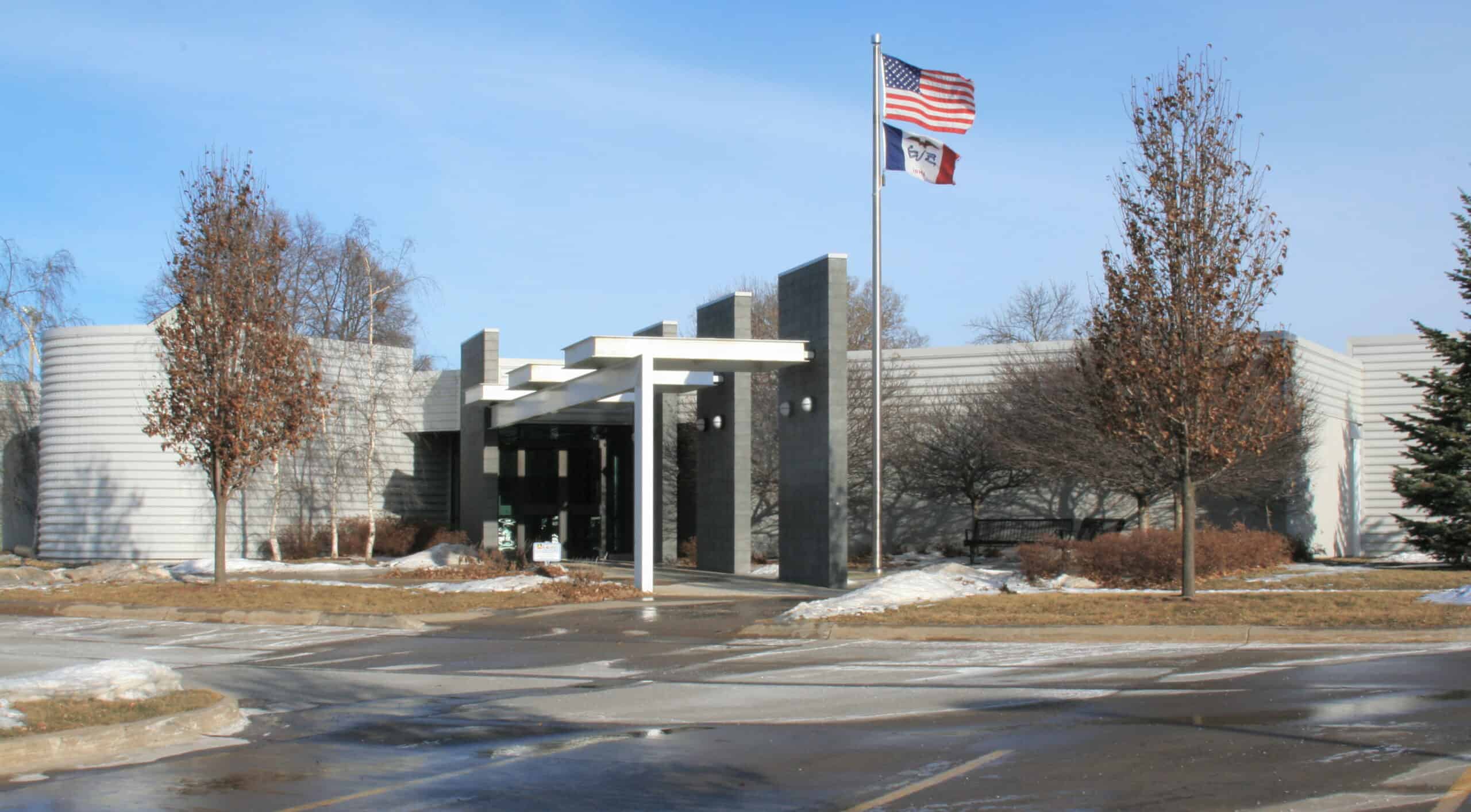
Ankeny ranked 18th nationally, and the city’s own release emphasized both its national standing and its place as Iowa’s top-ranked community. That fits what many residents already know about the Des Moines-area suburb: it offers strong schools, safe neighborhoods, and a fast-growing local footprint without losing a sense of community. Trails and parks are a real part of daily life there, not just marketing language. Ankeny feels like a place where growth has been active, but still guided, and that makes it easier to imagine staying for the long run.
West Hartford, Connecticut

West Hartford placed 19th, giving the Northeast a welcome entry in a top tier otherwise dominated by Southern and Midwestern communities. Its strength comes from a mix that is hard to fake: walkable local districts, strong schools, and immediate access to Hartford’s jobs and institutions. The city center has real energy, with restaurants and neighborhood retail that make it feel active without feeling overwhelming. West Hartford does not rely on one standout feature. It performs because the whole day-to-day experience feels functional, comfortable, and connected.
McAllen, Texas
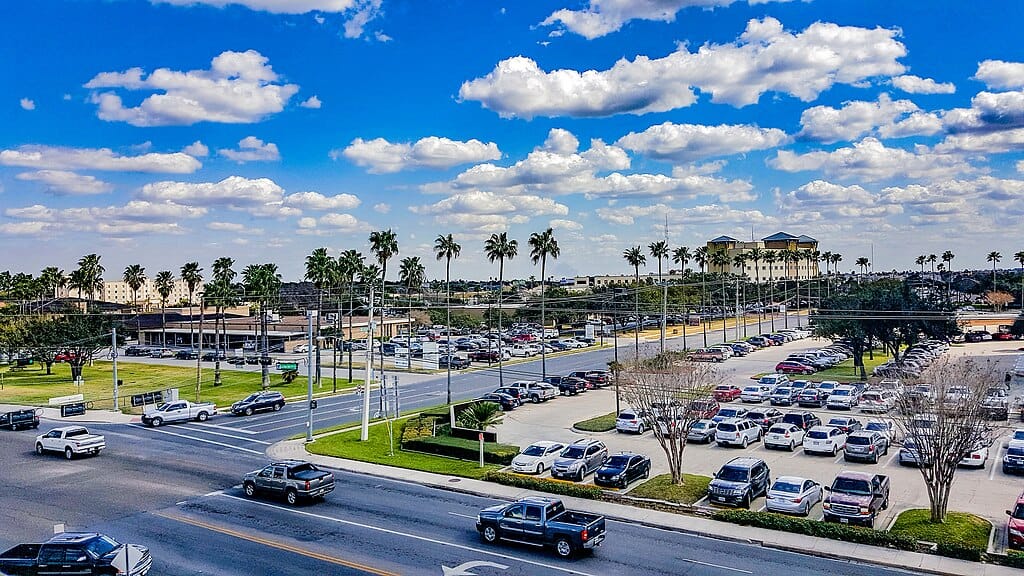
McAllen ranked 20th and adds a different Texas story to the top 25. While several higher-ranked Texas cities are outer-ring suburbs of major metros, McAllen stands out as a regional center in the Rio Grande Valley with its own pace and identity. Affordability plays a major role in its appeal, but so does the city’s role in trade, healthcare, and cross-border economic activity. It is warm, active, and culturally layered, and it shows that livability is not only about suburban sameness. Regional hubs can deliver it too.
Bethesda, Maryland
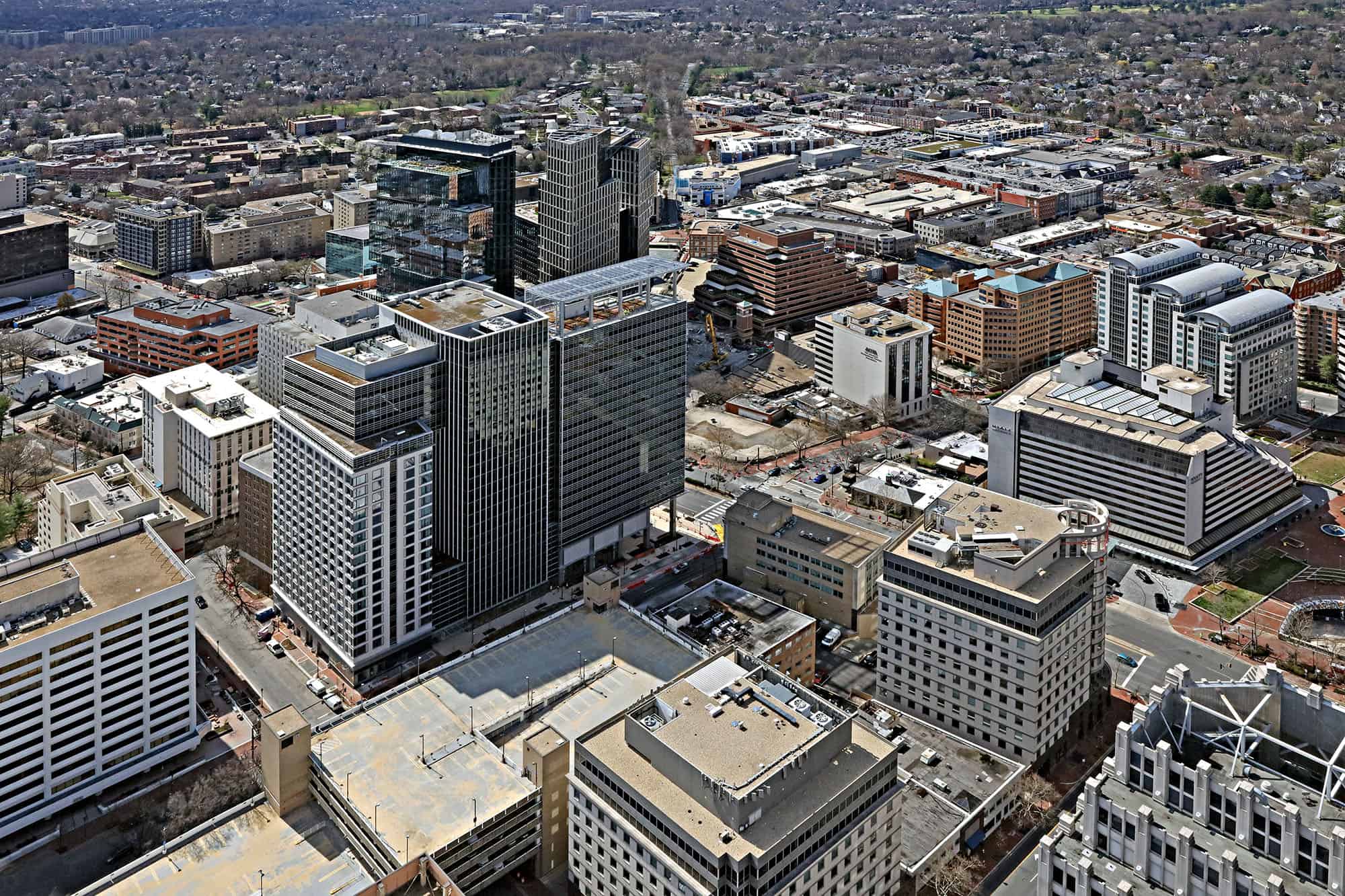
Bethesda came in at No. 21, and that ranking reflects a city with unusual depth for a suburb. Just outside Washington, D.C., it combines high-level job access with a dense mix of dining, arts, transit, and established neighborhoods. The area’s health and research ecosystem also strengthens its economic profile, which helps it stay competitive even with a higher cost of living. Bethesda feels urban in capability but still residential in rhythm, and that balance is hard to replicate. It is one of the clearest examples of convenience and opportunity living side by side.