We may earn money or products from the companies mentioned in this post. This means if you click on the link and purchase the item, I will receive a small commission at no extra cost to you ... you're just helping re-supply our family's travel fund.

The anxiety around the 2026 World Cup is no longer just about cost. FIFA said nearly two million tickets were sold in the first two sales phases, demand ran more than 30 times available supply, and one more major sales phase is still ahead. But for some supporters, the bigger obstacle may arrive after the purchase, at the visa desk or the border. The United States has created World Cup exceptions for athletes and essential team personnel, not for ordinary fans, which leaves global demand colliding with unequal access.
The Ticket Rush Is Real, But Access Is Not

This tournament is already moving at a scale that feels larger than ordinary sports travel. Reuters reported that FIFA’s first two sales phases produced nearly two million ticket sales, with demand oversubscribed more than 30 times, and Infantino said FIFA had seen interest for more than 500 million tickets against only six to seven million available. That kind of frenzy creates a cruel mismatch: the dream is being sold globally, while the ability to physically reach the matches is still uneven and, for some nationalities, sharply restricted.
The World Cup Exception Does Not Really Cover Fans

One of the most misunderstood details in the U.S. policy is who actually benefits from the World Cup carveout. The White House proclamation exempts athletes, coaches, necessary support staff, and immediate relatives traveling for the World Cup or other major sporting events. Reuters then reported the practical consequence in plainer terms: unless they qualify some other way, fans, media members, and corporate travelers from countries under the ban are still barred from entering the United States. That is not a small loophole. It is the center of the problem.
Some Fans Are Blocked Before Planning Even Starts

The current U.S. proclamation continues full entry restrictions for nationals of Afghanistan, Burma, Chad, the Republic of the Congo, Equatorial Guinea, Eritrea, Haiti, Iran, Libya, Somalia, Sudan, and Yemen, and adds Burkina Faso, Laos, Mali, Niger, Sierra Leone, South Sudan, and Syria to the fully suspended list. It also continues partial restrictions for Burundi, Cuba, Togo, and Venezuela, while the broader Reuters reporting says the policy applies to the Palestinian Authority and 39 countries overall. For supporters from those places, the World Cup may feel open in theory and closed in practice.
Case-By-Case Waivers Create More Uncertainty, Not Less

Even where the law leaves room for exceptions, it does not create much peace of mind. The White House proclamation allows case-by-case exceptions in what officials define as a U.S. national interest, but that is discretionary, not guaranteed. Reuters also reported last November that Iran planned to boycott the World Cup draw after the United States issued visas to only four members of its delegation and denied three others, including federation president Mehdi Taj. That episode mattered because it showed how uncertainty can shape the tournament long before kickoff.
Iran Shows How Quickly a Ticket Can Become Meaningless
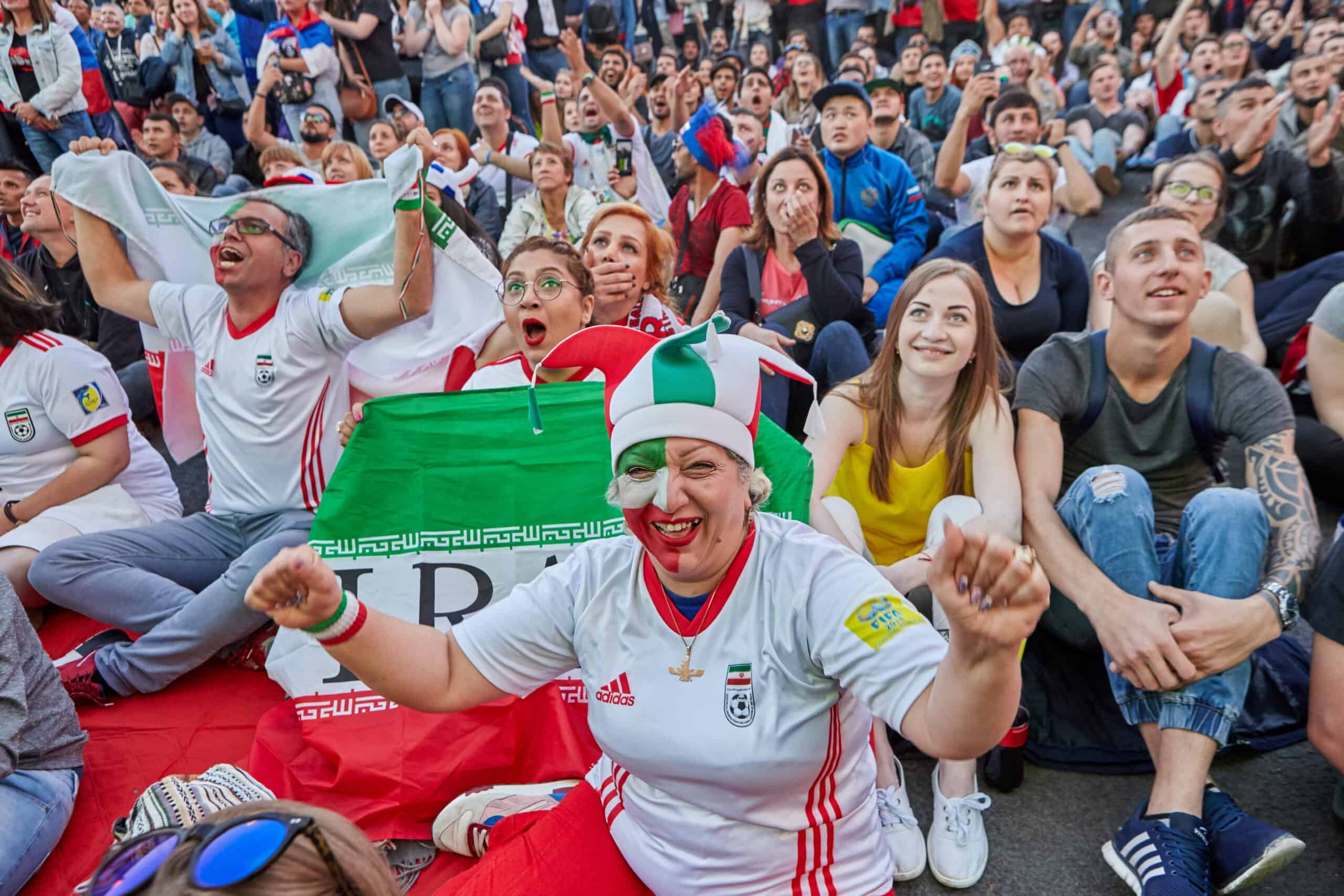
No country illustrates the tension more clearly than Iran. Reuters reported that Iran’s three Group G matches were scheduled for the United States, two in Los Angeles and one in Seattle, even as the team’s participation itself was thrown into doubt by the regional war and political fallout. Another Reuters report noted that Iran is one of two competing nations subject to the toughest travel ban, and while teams and support personnel are exempt, decisions involving others remain case by case. In that kind of climate, a seat assignment means far less than it should.
Crossing Three Countries Makes The Risk Harder To Ignore
/Unsplash
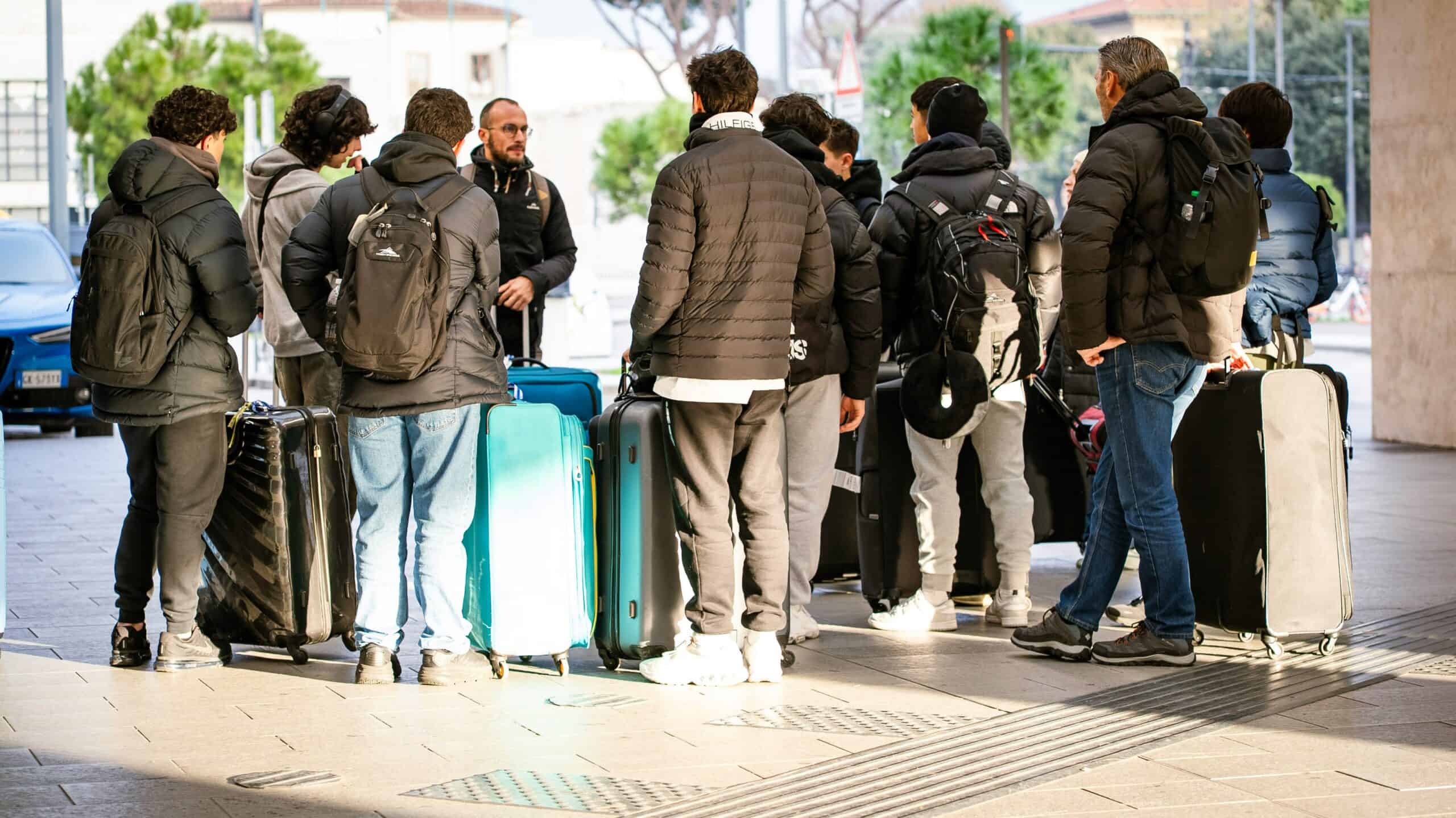
This World Cup is not concentrated in one nation or one rail network. It stretches across 16 host cities in the United States, Canada, and Mexico, which means many fans will need to think about multiple borders, multiple travel documents, and tightly timed entries. Reuters reported that some supporters are already taking visa preparation seriously because the match schedule can require movement between the U.S. and Mexico. In a tournament this spread out, even a modest immigration delay can unravel hotel bookings, rail plans, domestic flights, and entire group-stage itineraries.
Enforcement Fears Extend Beyond The Visa Window
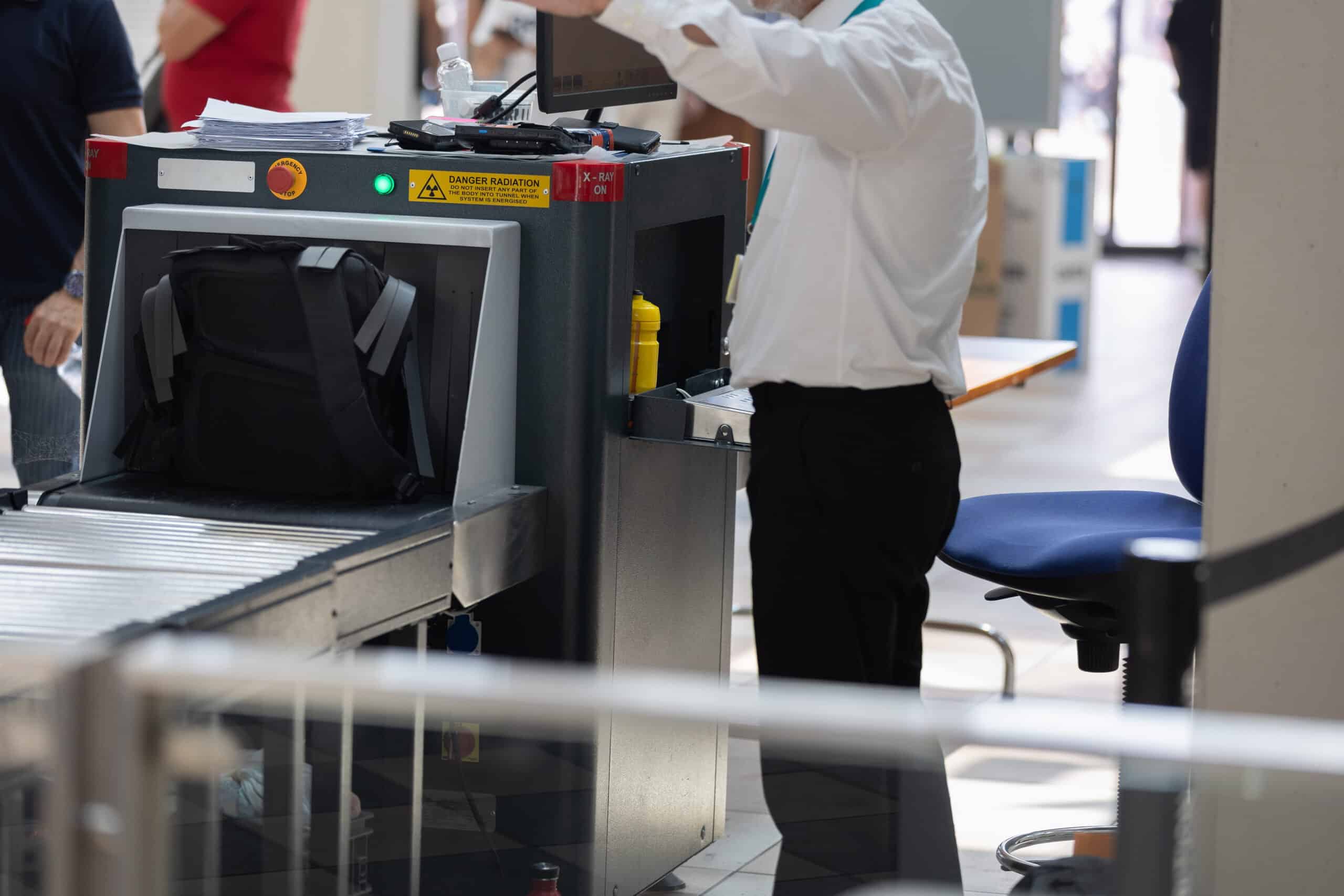
The tension is not limited to whether a visa is granted. Reuters reported in February that a coalition of civil and human rights groups issued a Florida travel alert ahead of the World Cup, warning that stepped-up immigration enforcement could increase the risk of racial profiling, wrongful detention, and deportation. The groups urged visitors to carry identification at all times and register travel plans with their consulates, while Florida tourism officials dismissed the warning. Whatever side one takes, that is a remarkable backdrop for a tournament built on the promise of ease, joy, and international welcome.
FIFA Is Being Pressed To Explain How Inclusion Still Works

The pressure is now moving upward toward FIFA itself. Reuters reported that the Sport & Rights Alliance urged FIFA to ensure the 2026 tournament remains safe, welcoming, and inclusive, warning that U.S. immigration policies, deportation raids, and press-freedom concerns could keep fans, journalists, workers, and communities away. The coalition also said most host committees still had not released the Human Rights Action Plans they were supposed to produce. That criticism lands hard because it asks a simple question: what does a global tournament mean when access is no longer remotely equal?