Wisconsin’s Door County Has Been Called ‘The Cape Cod of the Midwest’ for 30 Years. Here’s Whether It Lives Up to That
We may earn money or products from the companies mentioned in this post. This means if you click on the link and purchase the item, I will receive a small commission at no extra cost to you ... you're just helping re-supply our family's travel fund.
Door County, Wisconsin sits on a narrow 70-mile peninsula between Green Bay and Lake Michigan with 300 miles of shoreline, more lighthouses than any other county in the country, a cherry orchard and vineyard economy, and a summer tourism culture built over a century. The “Cape Cod of the Midwest” comparison gets made constantly and resented by locals constantly. Here’s what the peninsula actually is — which is different from both the comparison and the backlash against it.
What Door County Actually Delivers
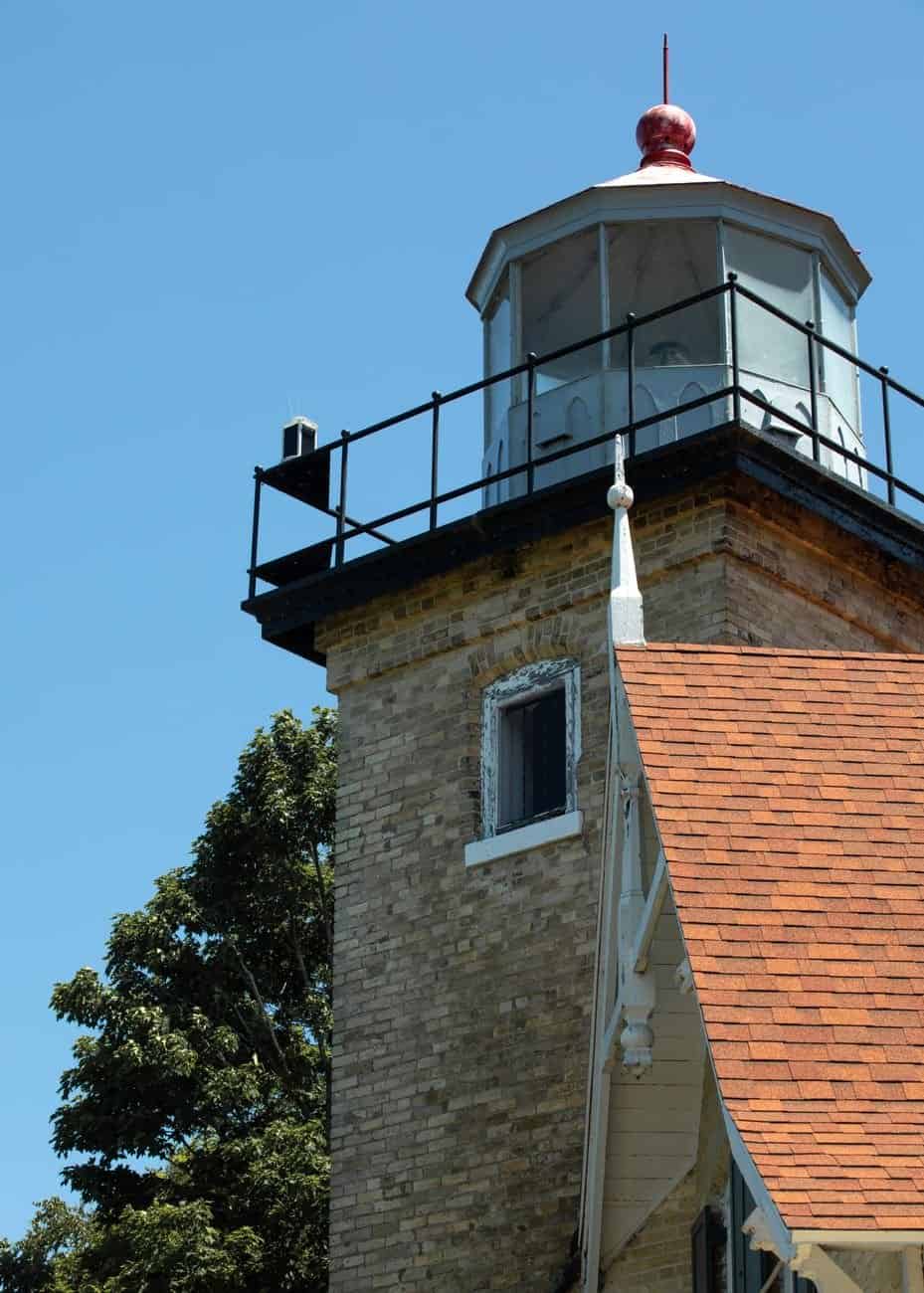
The Door County experience is organized around the physical character of the peninsula: the east side (Lake Michigan) has the big-water drama, limestone bluffs, and State Park beaches. The west side (Green Bay) is calmer water, harbor towns, fish boils, and sunset watching that draws visitors every clear evening. The five state parks — Peninsula, Newport, Potawatomi, Rock Island, and Whitefish Dunes — together offer over 100 miles of trail along shoreline and through limestone forest that’s genuinely distinctive.
The cherry industry has been part of Door County since the 1840s. The peninsula produces 95% of Wisconsin’s cherries, and the orchard culture (farm stands, cherry wine, cherry preserves, cherry everything) is not a manufactured tourism theme — it’s a real agricultural economy that happens to be photogenic and visitor-friendly. The local winery scene uses not just cherries but also cold-hardy grapes, and Door County wines have improved significantly in quality over the past decade.
What It Costs — And the Best Value Strategy
Accommodation in season (June–October):
- Sturgeon Bay (gateway city): $120–$180/night, most affordable option
- Fish Creek, Sister Bay, Ephraim (mid-peninsula): $180–$280/night at inns and resorts
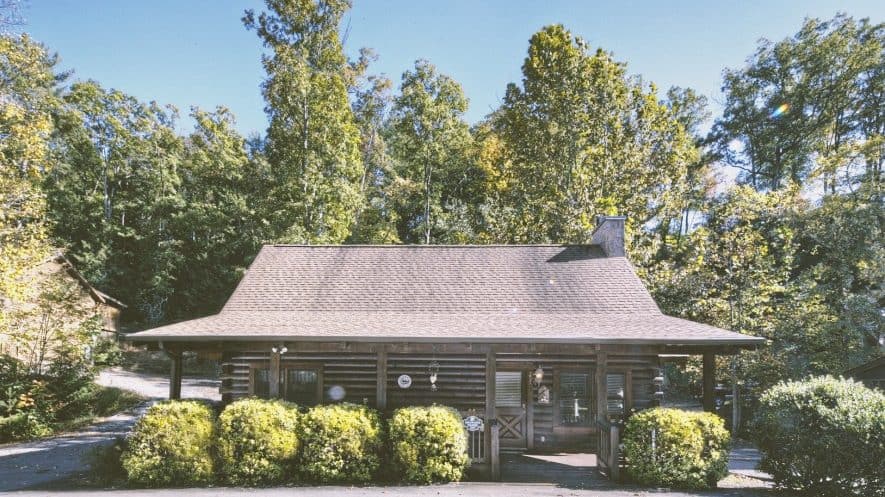
- Cottage and vacation rental (better for longer stays): $1,800–$3,500/week
- October rates: 20–30% below summer peak, foliage is excellent
Key food and activity costs:
- Fish boil (the Door County signature meal — whitefish boiled outdoors, Viking Hall, White Gull Inn): $28–$35 per adult including chowder and cherry pie
- Washington Island ferry (north tip of peninsula): $16/adult, worth the trip
- Peninsula State Park vehicle entrance: $10/day Wisconsin residents, $18 non-residents
Does It Live Up to the Cape Cod Comparison?
On the physical level, Door County shares what makes Cape Cod appealing: the drama of land and large water, the lighthouse culture, the working harbor towns, the farm stand economy. What it doesn’t have is the ocean. Lake Michigan is large enough to feel oceanic on windy days and to produce genuine waves and fog, but it’s still a lake, and the marine biology and associated seafood culture of Cape Cod don’t translate.
What Door County has that Cape Cod doesn’t: it’s accessible to Chicago, Milwaukee, Minneapolis, and Detroit within a 3–5 hour drive, making it genuinely regional in a way that Cape Cod is only to Boston. It’s less expensive by a meaningful margin than Cape Cod accommodation in summer. And it has the cherry culture, the fish boil tradition, and a Scandinavian heritage (Sister Bay’s Al Johnson’s Swedish Restaurant with goats on the roof is not a gimmick — it’s been there since 1949) that gives it a specific character rather than a generic summer resort feel. For the Midwest traveler, Door County delivers its own experience on its own terms.
Door County Beyond the Cherry Blossoms
Door County’s tourism calendar peaks twice: cherry blossom season in May (when the peninsula’s cherry and apple orchards bloom simultaneously) and fall foliage season in October. The blossoms bring 700,000 visitors to a peninsula of 27,000 year-round residents in a 6-week window; the fall color draws a comparable wave. Between those peaks — June, July, early August, and the first weeks of October — Door County runs at a more comfortable density with the same Lake Michigan water clarity, the same ferry to Washington Island, and the same fish boil tradition that defines the Peninsula’s tourism identity.
The fish boil — a Door County culinary tradition in which whitefish, onions, and potatoes are cooked in a massive outdoor cauldron over a wood fire, concluded with the ‘boilover’ (a dramatic kerosene addition that produces a flare and causes the fish oil to overflow the pot) — is one of the most distinctive regional food experiences in the Midwest. The Old Post Office Restaurant in Ephraim and White Gull Inn in Fish Creek are the two most historically established fish boil venues. The boilover happens at dusk on scheduled evenings; the combination of the open fire, the lake view, and the ritual of the boilover makes it theatrical in a way that tastes better in memory than any photograph captures.