We may earn money or products from the companies mentioned in this post. This means if you click on the link and purchase the item, I will receive a small commission at no extra cost to you ... you're just helping re-supply our family's travel fund.
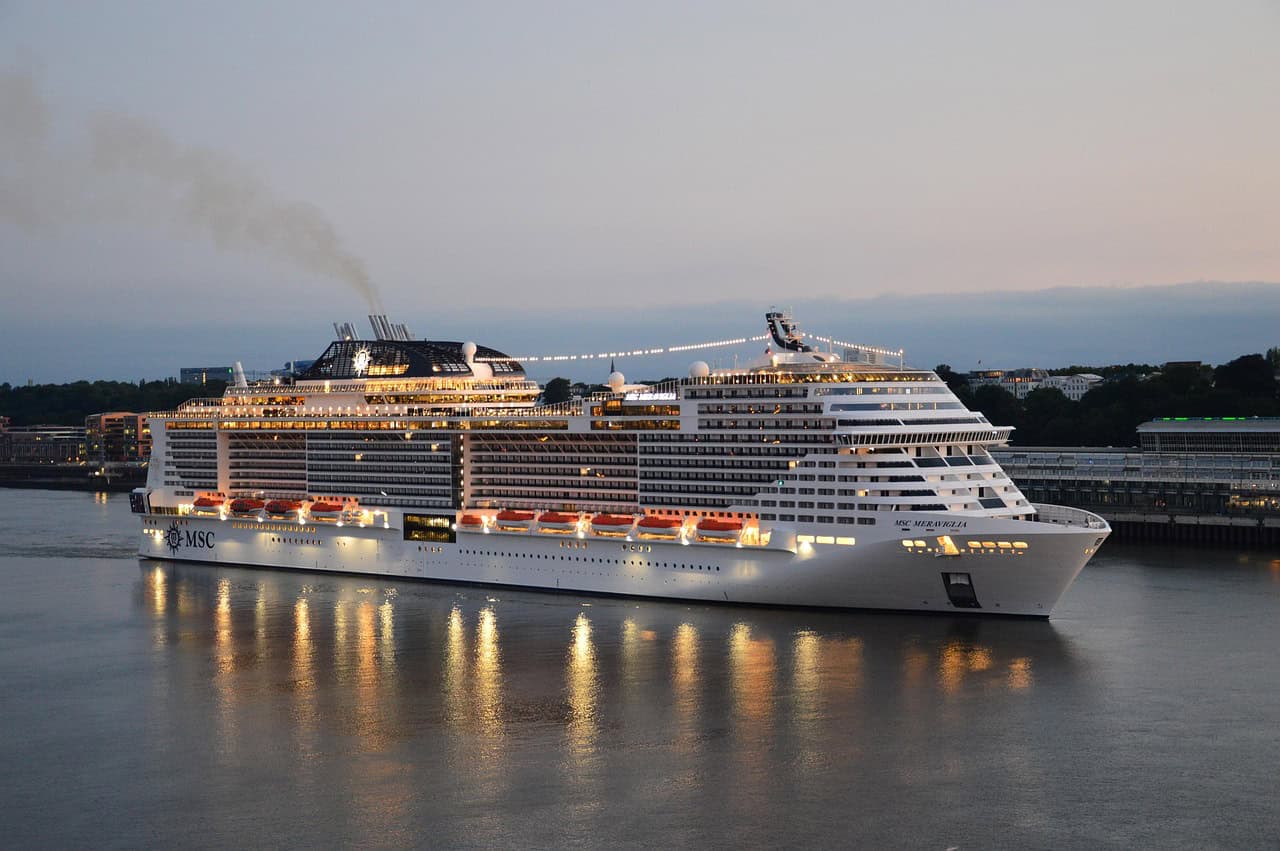
Cruises have long been marketed as the ultimate “all-inclusive” vacation, promising unlimited food, drinks, and entertainment for one price. But in 2026, many travelers are discovering that the advertised fare is only part of the story. Hidden fees can quickly add hundreds of dollars to what seemed like an affordable getaway, turning a dream vacation into an unexpectedly expensive experience. Here’s what’s really going on.
1. Beverage & Drink Packages

Drinks that used to be included like cocktails, specialty coffee, and sodas often now come with an extra charge. On Princess Cruises, the “Plus” package costs $65 per person per day for up to 15 drinks, while the “Premier” package is $100 per person per day for drinks up to $20 each. Skip these packages, and a cocktail can cost $7–18, wine $10–19, and soft drinks around $2.50. Over a week-long cruise, this alone can add up to hundreds of dollars. Even small daily indulgences, like coffee or a soda, can quietly inflate your expenses.
2. Specialty Dining & Casual Dining Add-Ons
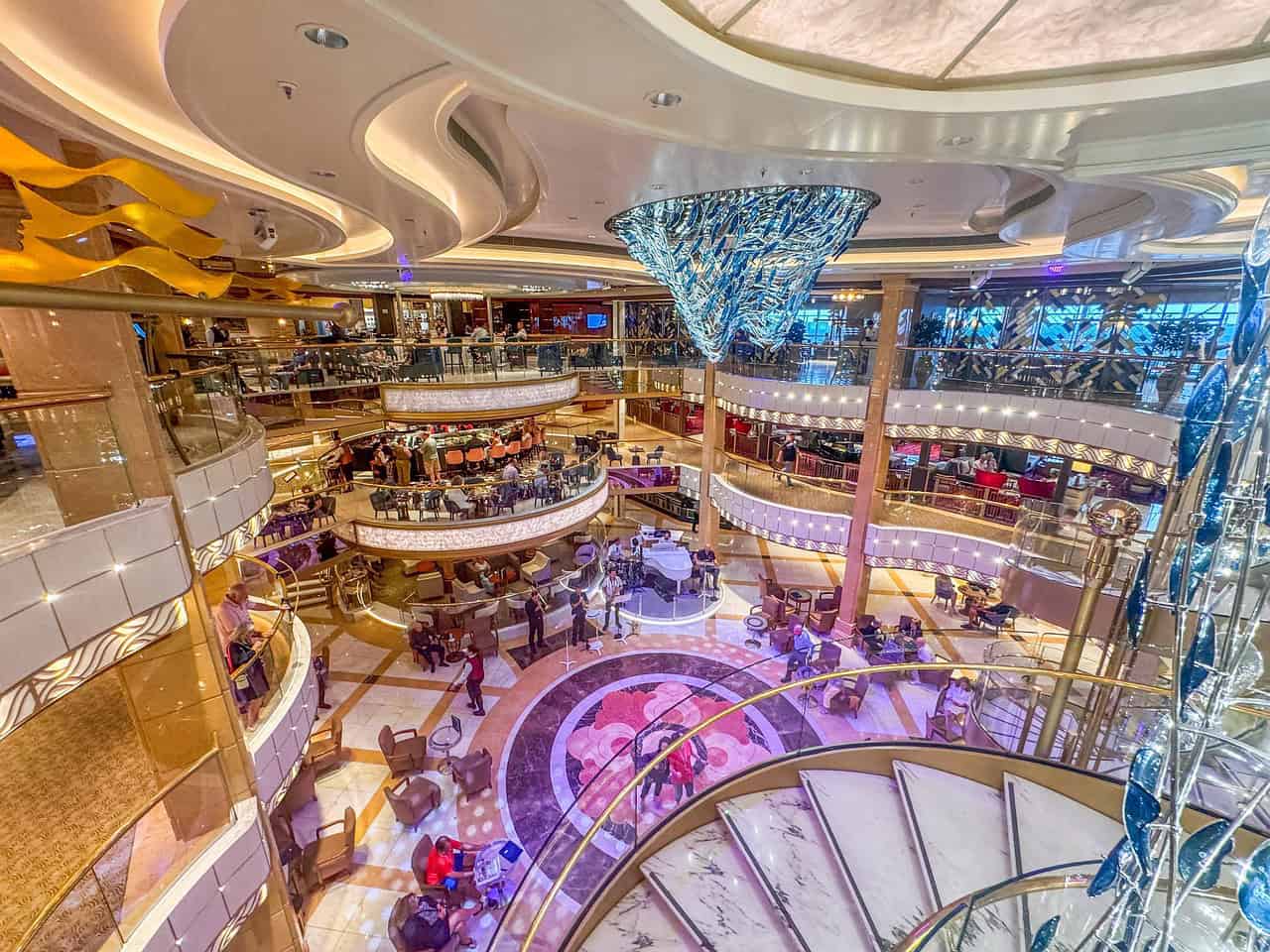
While main dining rooms and buffets remain included, specialty restaurants and premium dishes often come at a cost. A single specialty meal can range from $30–50 per person. If you enjoy multiple specialty meals over the course of a week, the total can quickly reach $200–400. Planning ahead for dining preferences can help prevent an unpleasant surprise when the final bill arrives.
3. Wi-Fi, Connectivity & Communication
Internet access is rarely included in the standard fare. Packages may cover one device per guest, while upgraded packages can cover multiple devices. Without a package, daily Wi-Fi charges can add up, and speeds may be limited. Travelers who rely on the internet for work, social media, or streaming can end up spending a significant extra amount. Knowing your connectivity needs in advance helps avoid frustration and hidden costs.
4. Gratuities, Crew Appreciation & Service Charges

Even so-called “free” cruises come with mandatory gratuities. Daily service charges for housekeeping, dining staff, and crew typically range from $10–20 per person. Additional service fees may apply for drinks or specialty dining. Over a week, these can easily add $100–150 or more. Including gratuities in your initial budget ensures you won’t be caught off guard at checkout.
5. Shore Excursions & On-Land Activities
Guided tours, water sports, and cultural excursions are rarely included in the base fare. Some packages offer credits, but a single excursion can cost $75–200 per person. Booking multiple shore activities can quickly exceed any included credits, adding hundreds to your total cost. Researching excursions ahead of time allows you to prioritize which experiences are truly worth it.
6. Extras: Spa, Fitness, Photos, Mini-Bar & Leisure Services

Optional services like spa treatments, fitness classes, professional photos, mini-bar items, and premium entertainment often carry additional fees. While packages may cover some extras, many fall outside standard inclusions. A few spa sessions, photos, or room-service deliveries can easily add $150–500. Deciding in advance which indulgences are must-haves versus nice-to-haves can save both money and stress.
7. Hidden Mandatory Charges: Port Fees, Taxes, Transfers & Insurance
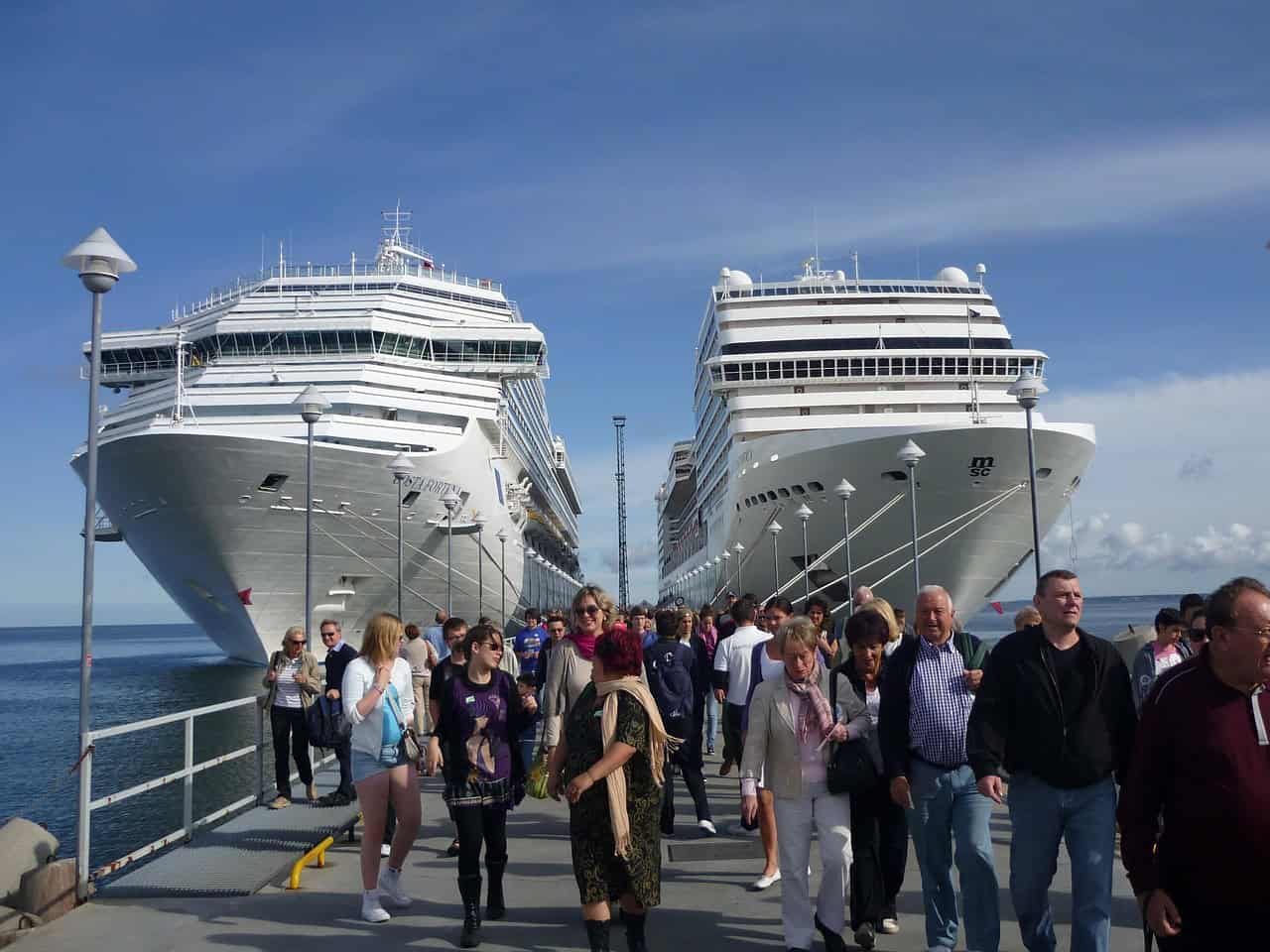
Even before you step on the ship, mandatory charges such as port fees, taxes, transfers, and travel insurance can raise the cost by 20–30%. For example, a cruise advertised at $999 may realistically start at $1,200–1,300 once these fees are added. Understanding these charges in advance helps you compare cruises accurately and avoid unwelcome surprises.