We may earn money or products from the companies mentioned in this post. This means if you click on the link and purchase the item, I will receive a small commission at no extra cost to you ... you're just helping re-supply our family's travel fund.
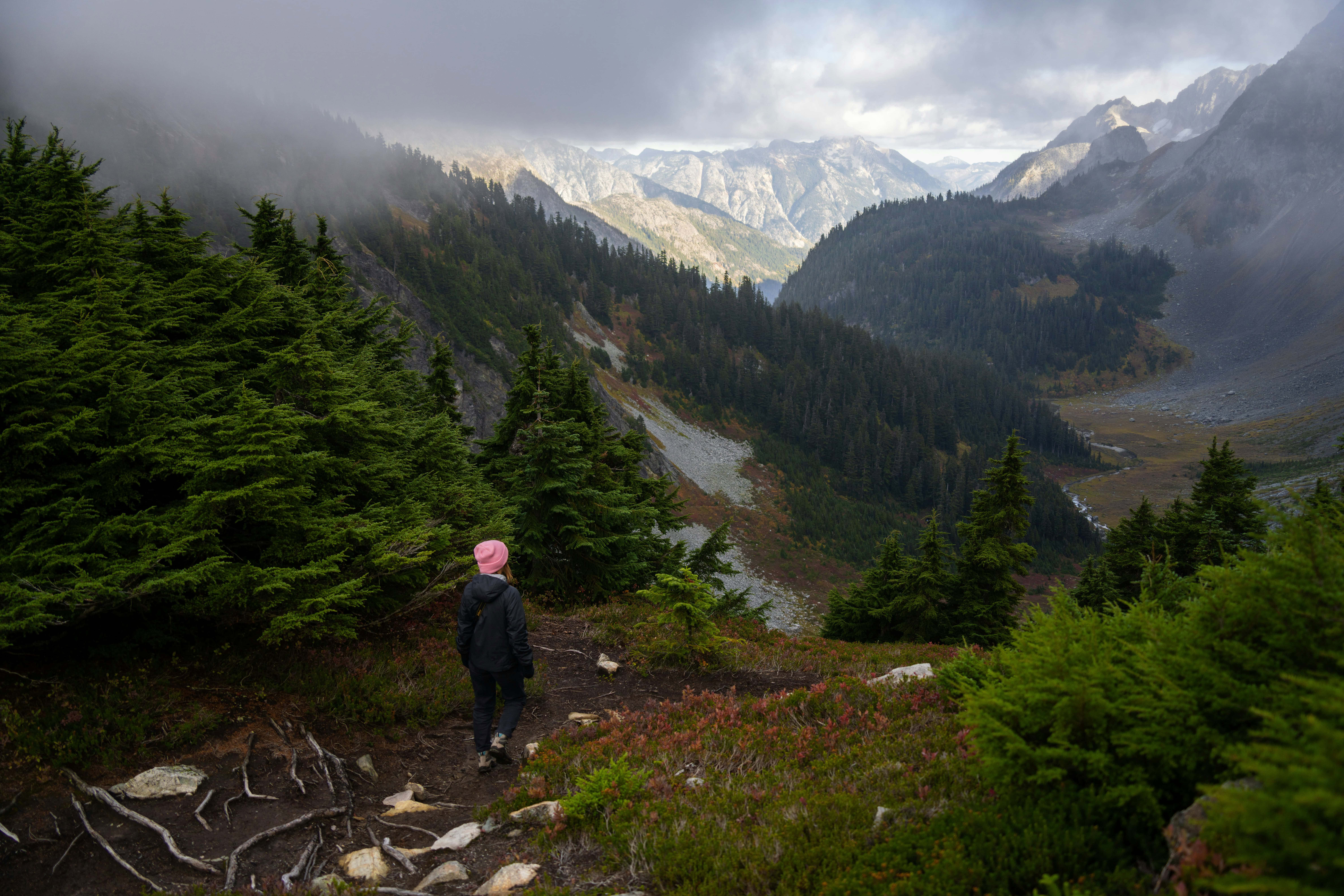
When famous parks feel like rush hour, the quieter corners of the National Park System start to matter more. In 2024, several national parks logged surprisingly low recreation visits, often because reaching them takes boats, small planes, long drives, or real backcountry skills. The payoff is space to think, sharper wildlife moments, and landscapes that still feel unscripted. These places reward patience with dark skies, empty trails, and cultural stories that are easier to hear when the crowd noise drops.
Great Basin National Park, Nevada (152,068 Visits in 2024)
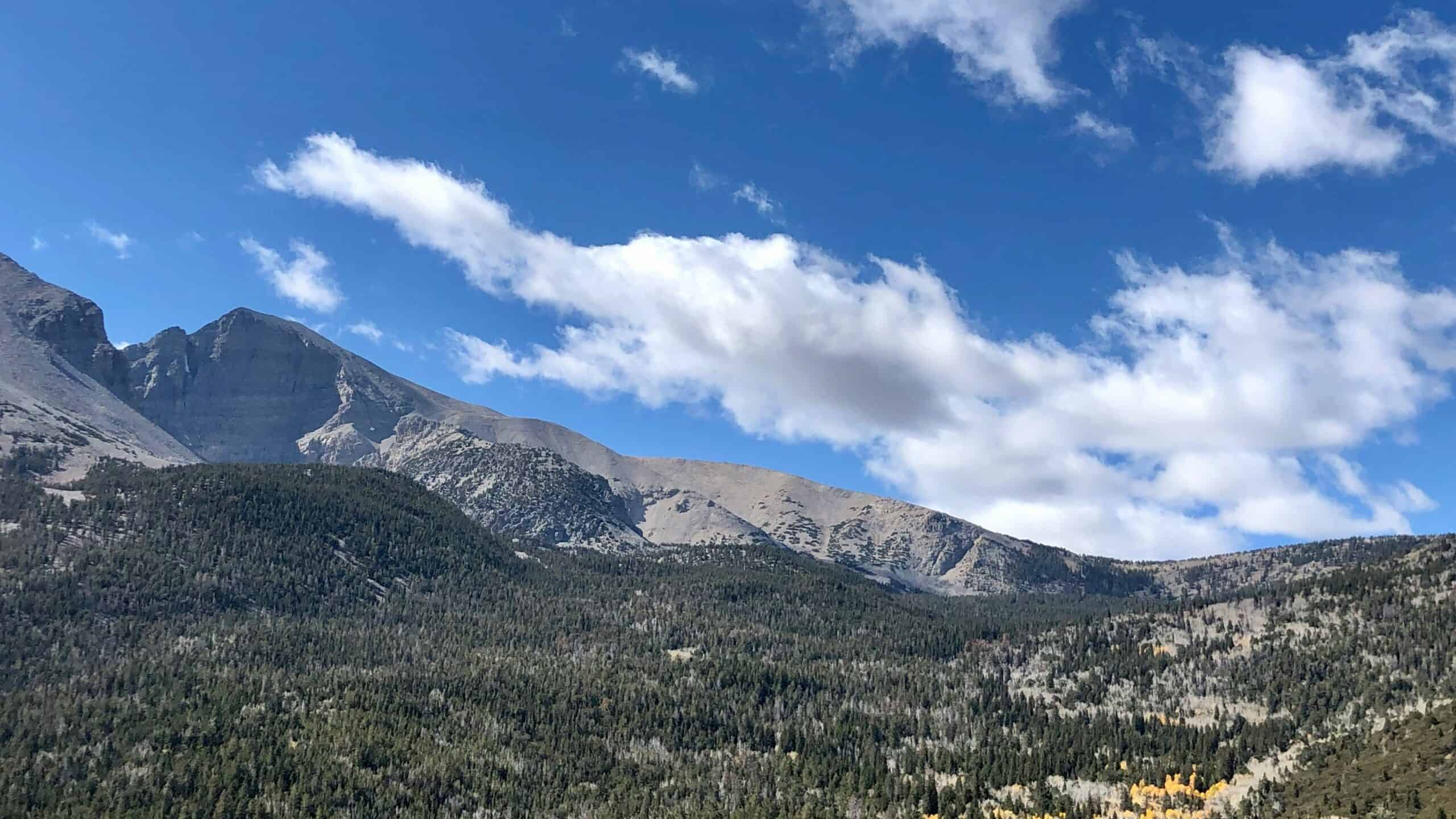
Great Basin’s gift is contrast: Lehman Caves twisting beneath desert foothills, then ancient bristlecone pines gripping wind-scoured ridges, with Wheeler Peak rising like a cold promise. Because the park sits far from big-city corridors, nights stay genuinely dark, and ranger-led astronomy programs and simple roadside stargazing feel personal, not packaged. The quiet sharpens everything else, too, from the cave’s mineral textures to the crisp smell of high-elevation forest, and the drive between trailheads often passes in near silence, broken only by wind and the occasional raven. In one day, desert heat can give way to alpine chill. At dusk.
Dry Tortugas National Park, Florida (84,873 Visits in 2024)
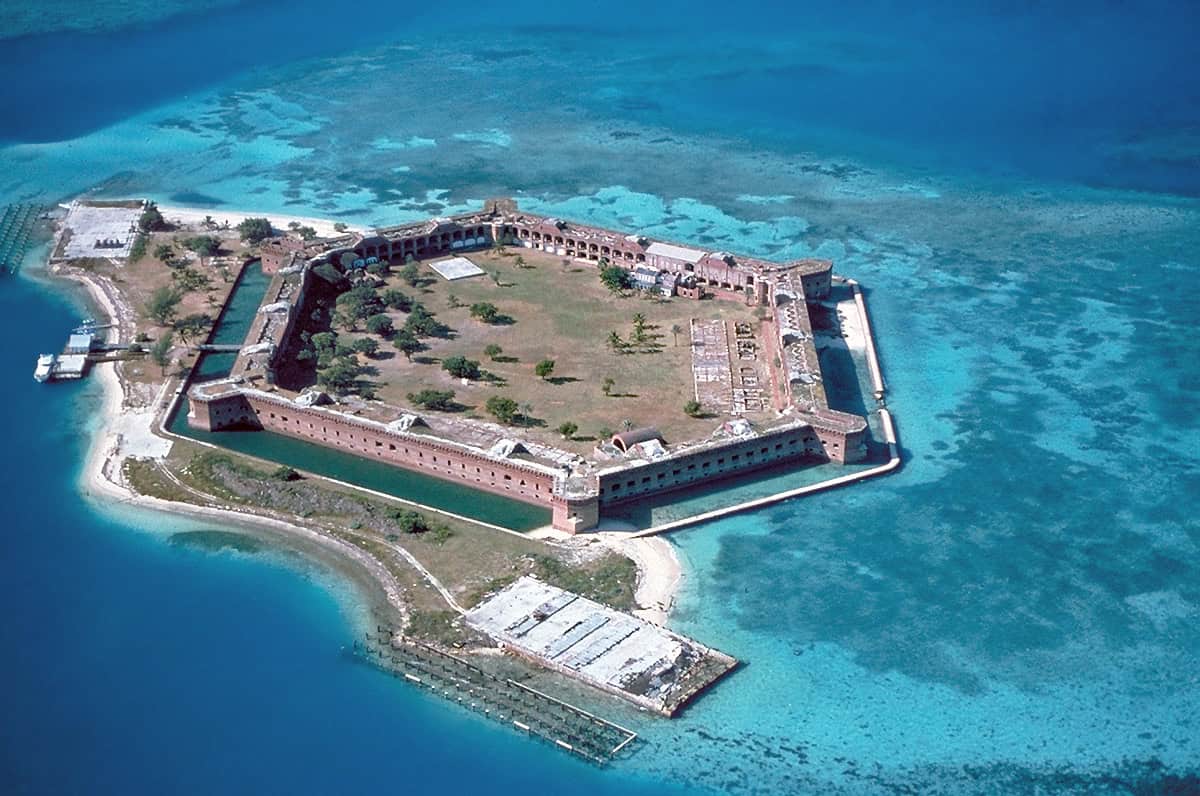
Dry Tortugas is mostly open water, with Fort Jefferson sitting on Garden Key like a brick ship at anchor, ringed by flats that turn from turquoise to ink as weather shifts. Reaching the park by boat or seaplane, nearly 70 miles from Key West, filters the crowd, so snorkeling over coral heads, watching frigatebirds wheel, or walking the fort’s curved walls can happen without a constant line of people. The isolation also raises the stakes in a good way: supplies must be planned, daylight feels precious, and when the last ferry departs, the hush makes the ocean sound like the main exhibit, with stars arriving early over open water at night, too.
Wrangell-St. Elias National Park and Preserve, Alaska (81,670 Visits in 2024)

Wrangell-St. Elias is the country’s largest national park, a sweep of ranges, glaciers, and braided rivers so big that scale becomes a guessing game. Distance and logistics keep visitation low, which leaves room to linger in places like Kennecott’s mining remains, then pivot to raw wilderness where temperate rainforest gives way to tundra and silence runs the schedule. Within the boundaries sits the nation’s largest glacial system, and glaciers spread across a huge share of the park lands; seeing those blue crevasses up close makes the park feel less like a postcard and more like a living, shifting machine, and the weather gets the last word.
Katmai National Park and Preserve, Alaska (36,000+ Visits in 2024)
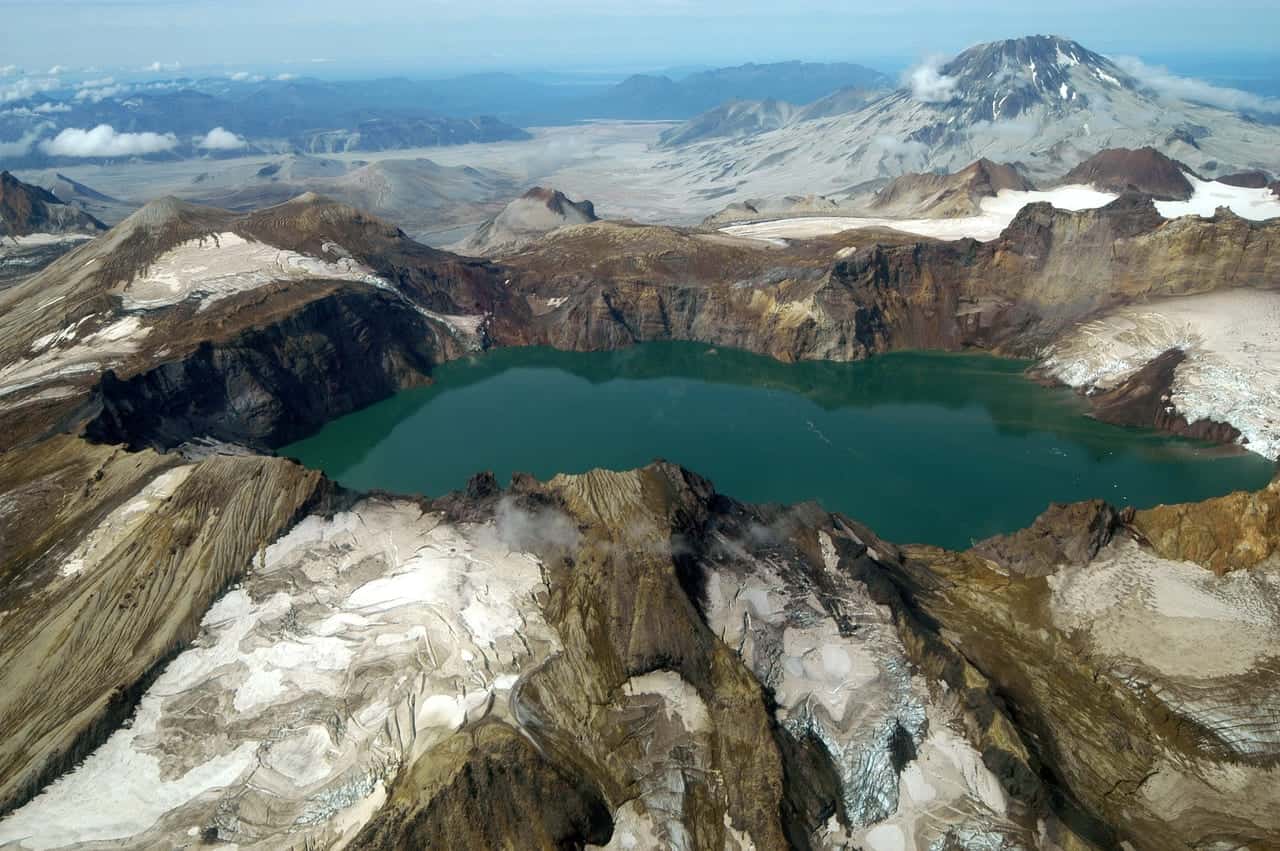
Katmai is famous for brown bears, yet visitation stays low because reaching the park often involves flights and water travel that discourage casual day trips. At Brooks River, salmon runs create a clear script: bears fish at the falls, eagles hover, and the scene feels driven by season rather than spectators. Beyond the webcams, Katmai protects a volcanically shaped world born from Novarupta’s 1912 eruption, including the Valley of Ten Thousand Smokes and miles of tundra, and salmon-rich rivers braid through it all, where weather changes fast; it also holds thousands of years of human history, which makes the remoteness land with real weight.
Isle Royale National Park, Michigan (28,800+ Visits in 2024)
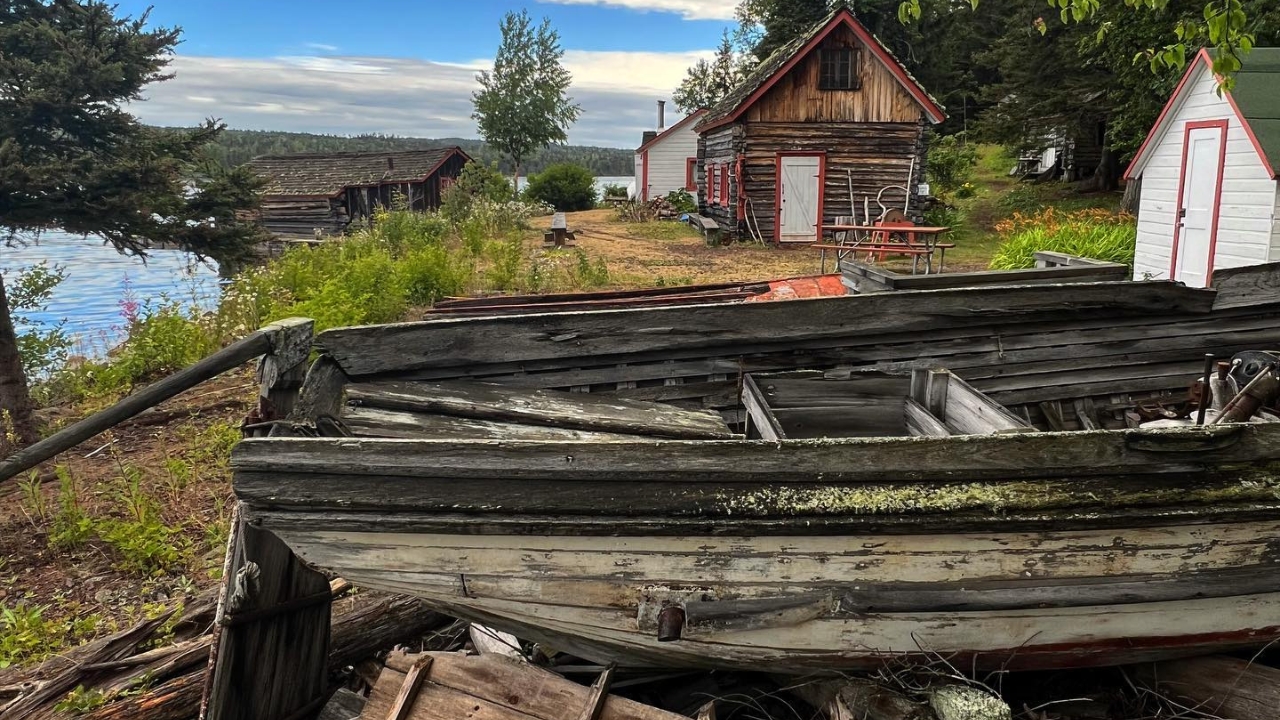
Isle Royale sits in Lake Superior like a self-contained wilderness, reachable only by ferry, seaplane, or private boat, with no vehicles and a long winter closure that resets the island each year. That natural gatekeeping keeps the coves and ridgelines calm, which suits long hikes, quiet paddles, and campsites where the loudest thing is often a wave hitting basalt or a loon calling across bay. The park’s wolf-and-moose research story adds depth to the scenery and the surrounding cold water, shipwreck history, boreal forest scent, and fast weather changes make the isolation feel purposeful, not quaint, while also keeping crowds from piling up.
National Park of American Samoa, American Samoa (22,567 Visits in 2024)
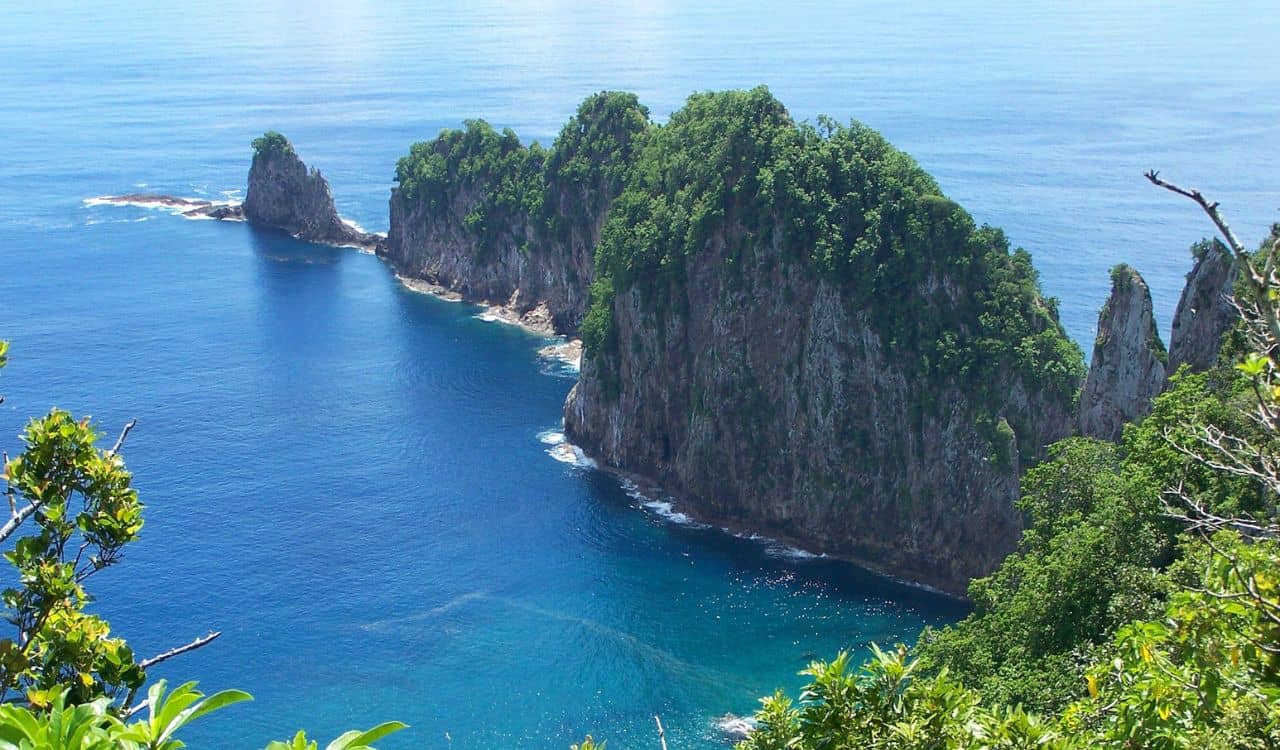
The National Park of American Samoa spreads across Tutuila, Ta‘ū, and Ofu, about 2,600 miles southwest of Hawai‘i, pairing steep green ridges with coral reef and a lagoon-blue coastline far from mainland routines. Distance keeps visitation low, which makes it easier to notice what the park protects beyond scenery: language, village customs, and local stewardship that treats land and ocean as one living system. Hikes rise through tropical forest to wide views then drop back toward beaches and fringing reefs where warmer water stays clear, and the quiet gives the place a rare feeling of welcome without performance, and the air tastes like salt.
Lake Clark National Park and Preserve, Alaska (18,505 Visits in 2024)
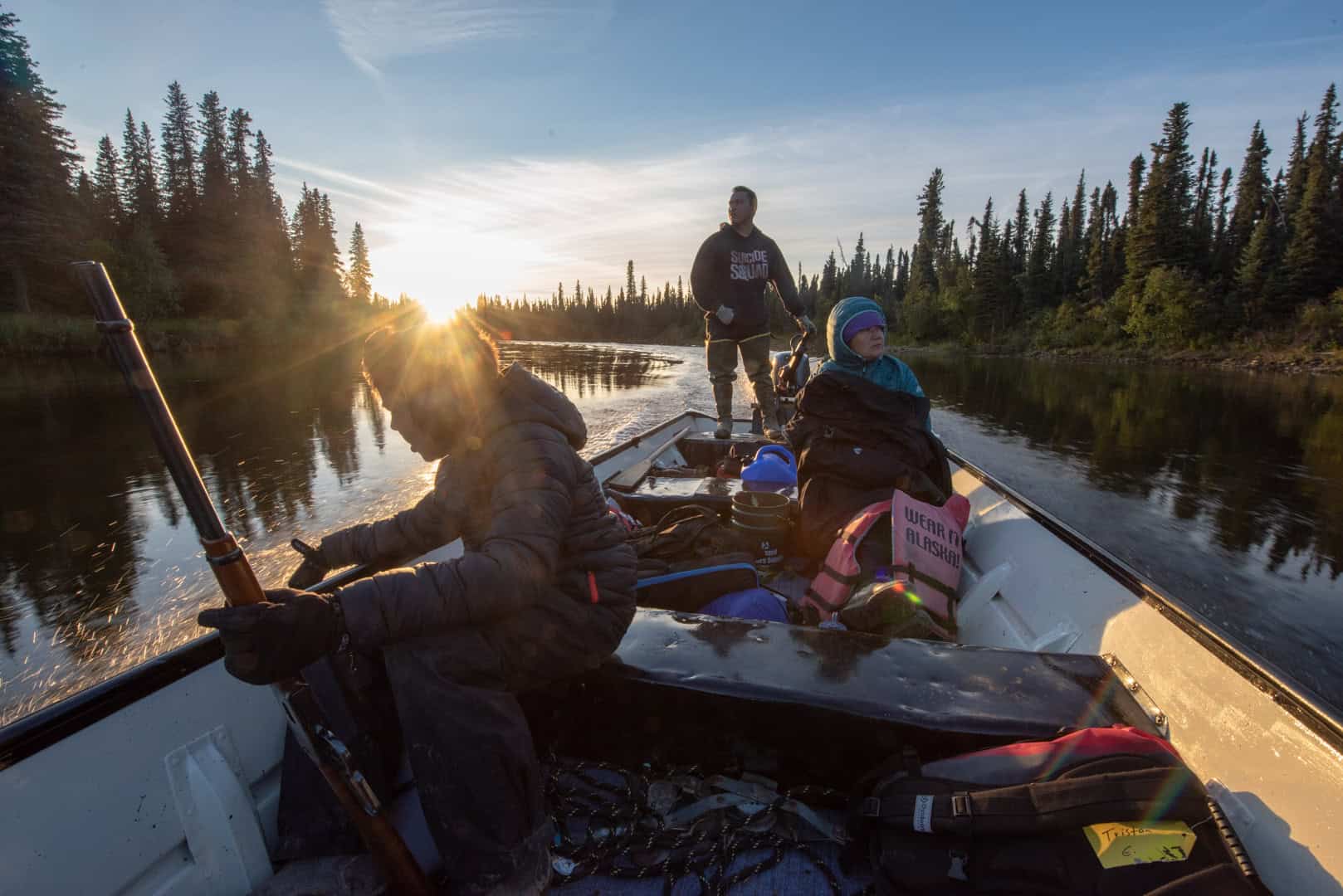
Lake Clark blends Alaska’s dramatic ingredients into one frame: turquoise lakes, glacier edges, and two active volcanoes, Redoubt and Iliamna, looming above salmon-fed rivers. Most visits start by small planes, which keeps the experience intimate and the wildlife encounters unhurried, especially when bears forage along the water’s edge and loons cut across still bays. Much of the park is protected as designated wilderness, and the land’s cultural ties, including Dena’ina traditions and subsistence living, make the quiet feel earned and meaningful, like entering a place that still expects humility from visitors and rewards patience over speed.
Kobuk Valley National Park, Alaska (17,233 Visits in 2024)
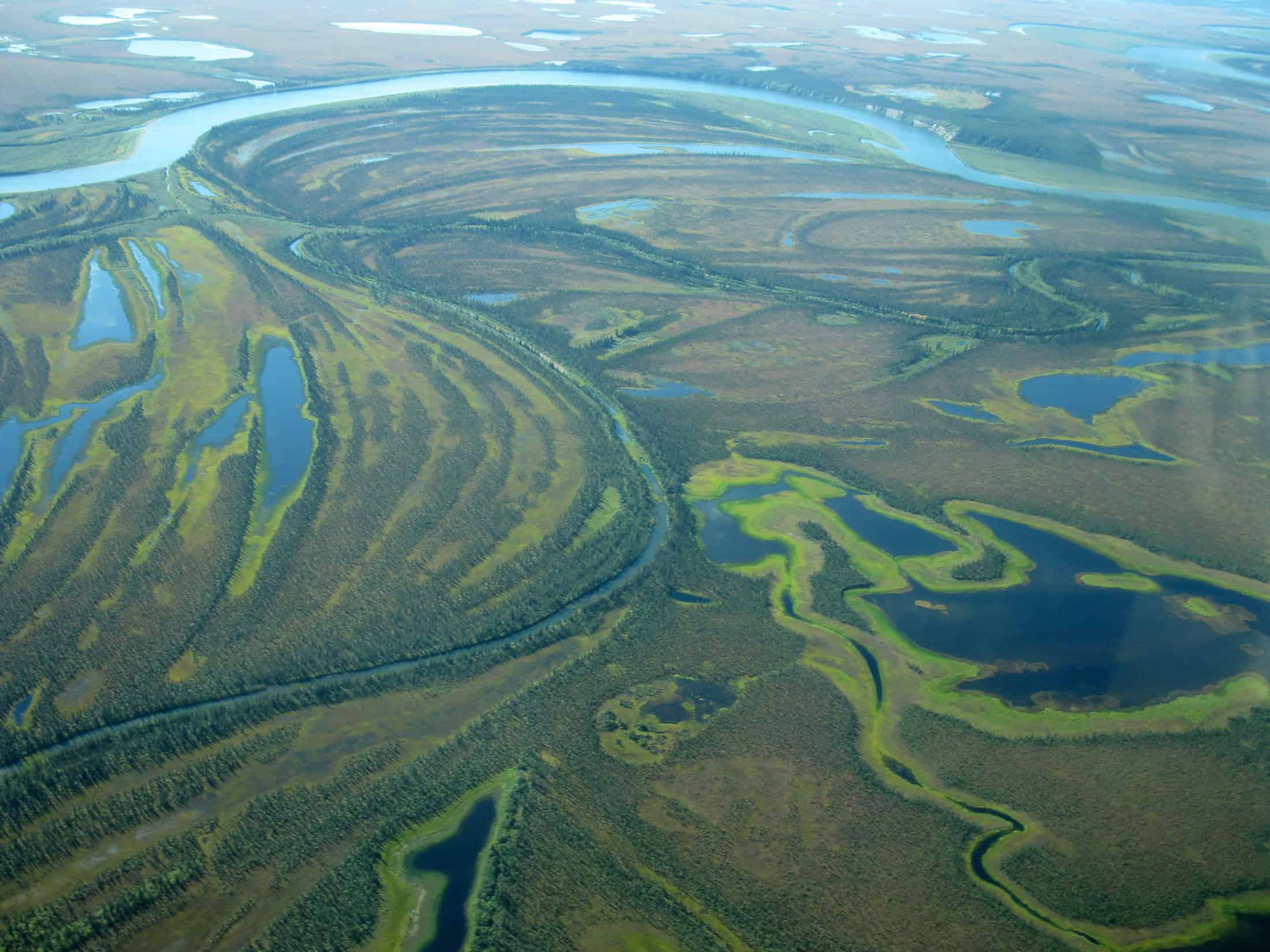
Kobuk Valley flips expectations: an Arctic national park where the Great Kobuk Sand Dunes rise in paler waves, a relic of Ice Age grinding and wind that still reshapes the valley. With no roads into the park, most arrivals come by small plane or river travel, so the first footsteps often land in real quiet, not in a parking lot queue, and the sense of discovery stays intact for hours. Caribou migrations cross the corridor, and Onion Portage holds about 9,000 years of human history tied to that movement; under long summer light or early aurora season, the dunes can feel like a desert misplaced, but completely at home in the Arctic, on purpose.
North Cascades National Park, Washington (16,485 Visits in 2024)
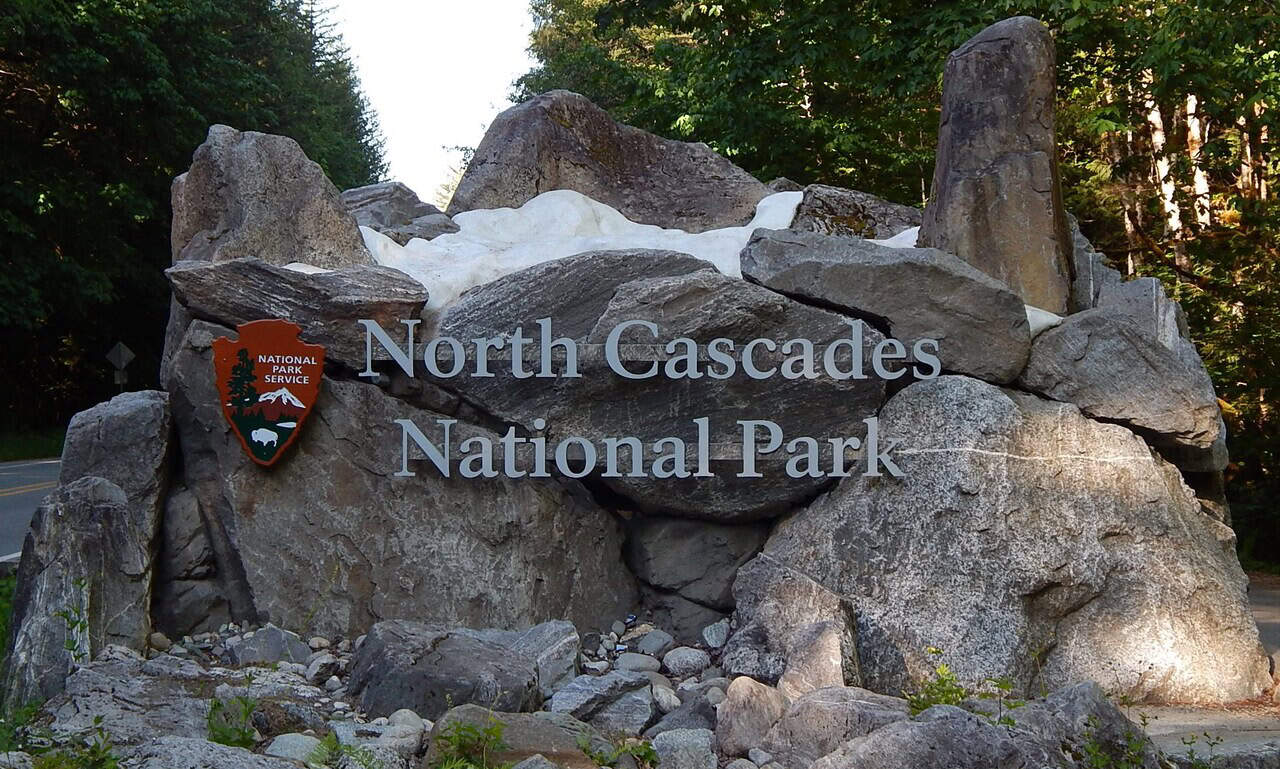
North Cascades has more than 300 glaciers, jagged peaks, and deeper green valleys, yet it stays lightly visited because much of the traffic rushes past on the nearby highway. Those who step into the park’s trails find a wilderness of cedar shade, roaring creeks, and sudden alpine basins where the air shifts from damp to sharp in minutes, with views that feel closer to British Columbia than to a day trip. Less than three hours from Seattle, the park delivers solitude for hours, then tells a modern story without speeches: retreating ice, changing snowpack, and fragile meadows sit in plain view, making the quiet feel urgent as well as beautiful.
Gates of the Arctic National Park and Preserve, Alaska (11,907 Visits in 2024)
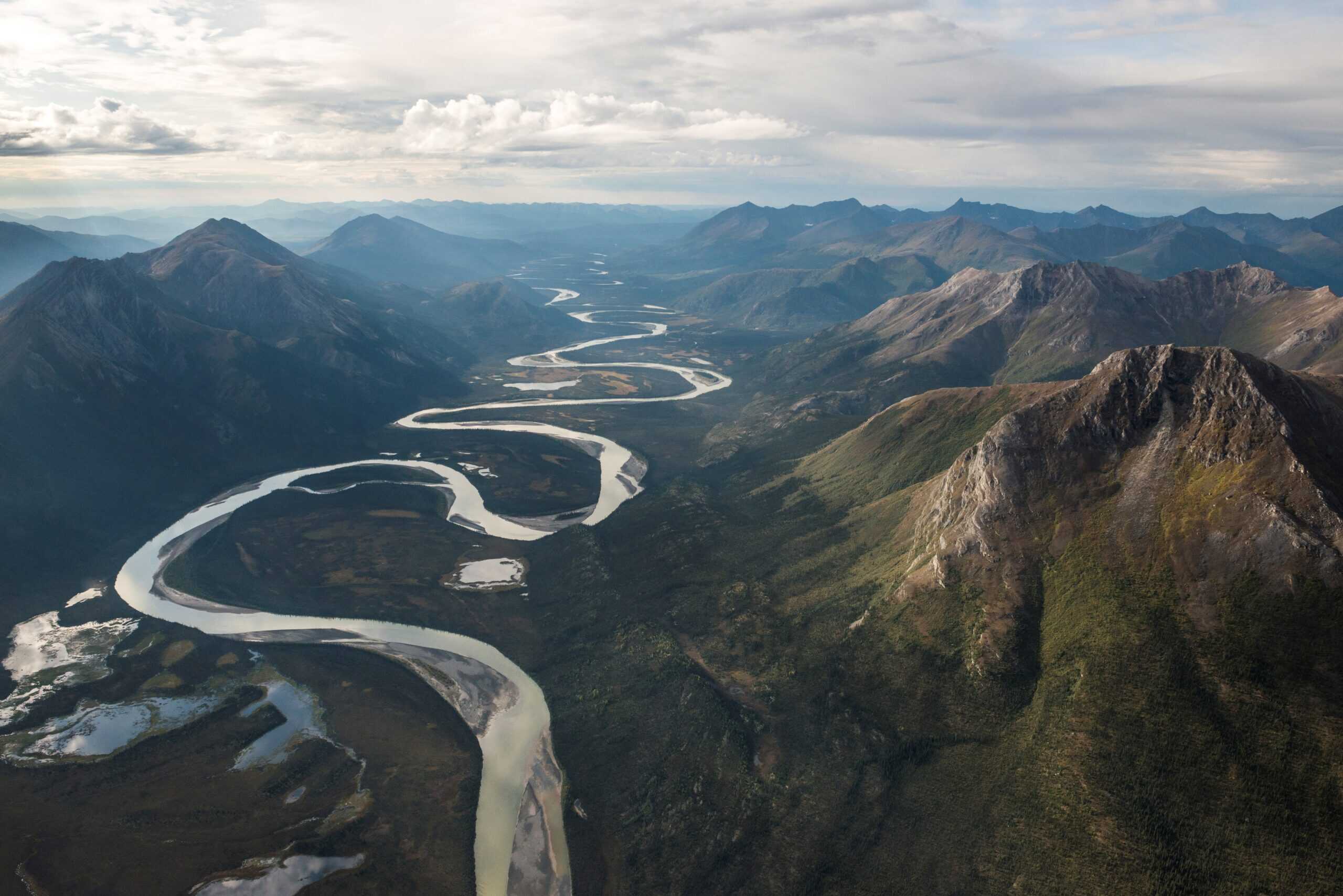
Gates of the Arctic is wilderness in its purest form: no roads, no marked trails, and a vast Brooks Range landscape lying entirely north of the Arctic Circle, where rivers braid through glacier-carved valleys and caribou follow ancient routes. Access usually begins in Fairbanks and continues by small plane to gateway communities, which keeps visitation low and demands real planning, weather awareness, and humility. That effort pays back in rare, deep silence, loved by Arctic explorer Robert Marshall, where endless summer light, aurora-lit winter skies, and intact ecosystems feel less like spectacle and more like the world simply being itself.