We may earn money or products from the companies mentioned in this post. This means if you click on the link and purchase the item, I will receive a small commission at no extra cost to you ... you're just helping re-supply our family's travel fund.

Vietnam’s rise as a retirement haven has accelerated notably in 2025, driven by a mix of affordability, expanding healthcare, and an easygoing coastal lifestyle that mirrors many of Florida’s most appealing traits. For Americans navigating high living costs, unpredictable healthcare prices, and crowded retirement markets, Vietnam offers an unexpectedly balanced alternative. Warm weather, scenic beaches, welcoming communities, and a fast-growing expat infrastructure are pulling retirees toward a lifestyle that combines comfort with financial security. Below is a detailed look at the key reasons Vietnam is earning the “New Florida” title.
1. A Cost of Living Less Than Half of U.S. Coastal States
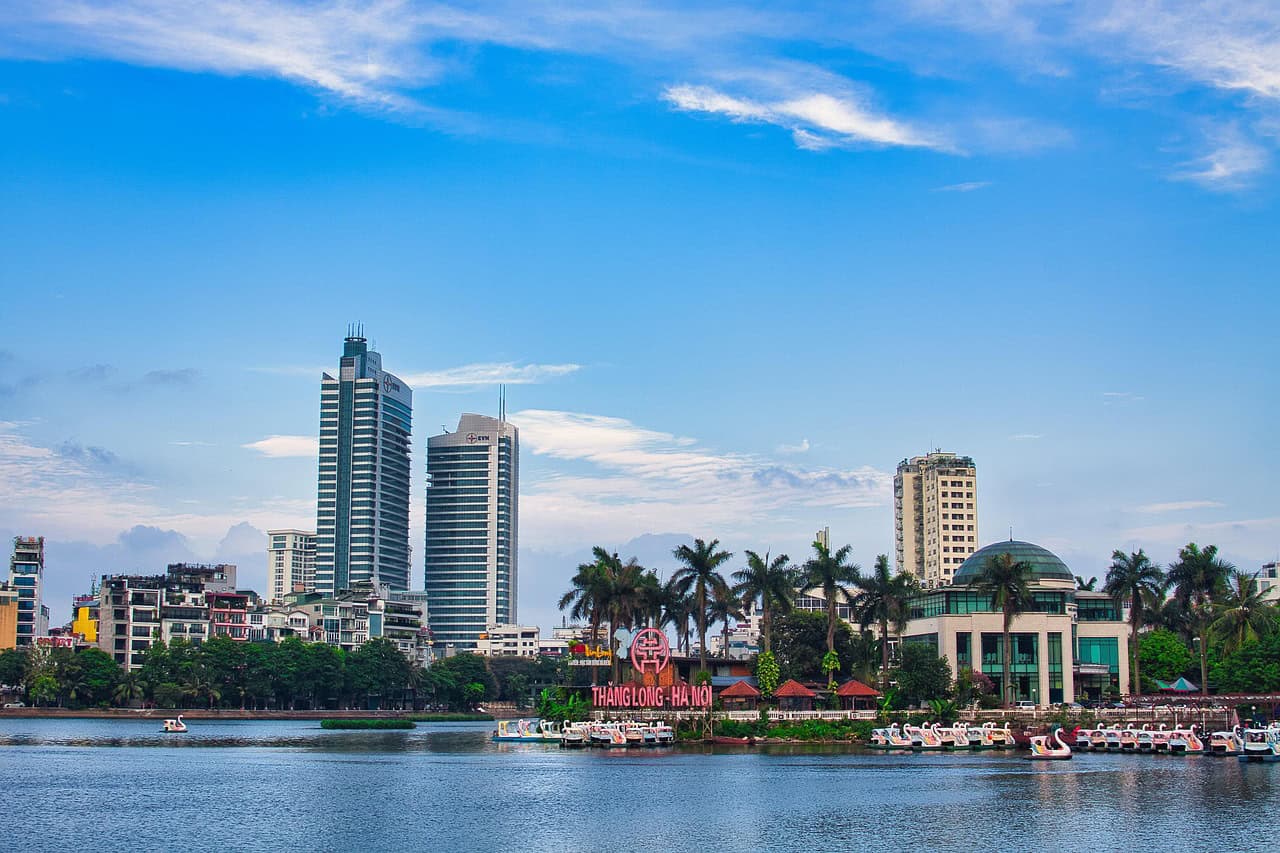
Vietnam’s affordability is its strongest magnet for retirees. Living costs are roughly 49% lower than in the U.S., with major cities still coming in 35–40% cheaper than Florida metros. Monthly rental rates can average just $350–$550, compared to $1,900+ in Florida cities. Daily essentials such as meals, transport, and utilities often cost 60–75% less, allowing retirees to live comfortably on $900–$1,300 per month without sacrificing lifestyle.
2. Healthcare Costs Nearly 70% Cheaper Than U.S. Private Care

Medical affordability is another decisive factor. Private hospitals in Ho Chi Minh City and Da Nang often charge 65–70% lower rates than U.S. private facilities. A typical specialist consultation can cost $25–$40, while high-quality dental procedures may run 50–80% less than U.S. averages. Many hospitals hold international accreditation, and health insurance plans for expats range from $600–$1,200 annually, giving retirees confidence without overwhelming financial pressure.
3. Beach Cities Offering Florida-Like Warmth With Fewer Crowds

Vietnam’s coastal cities mirror Florida’s signature warmth but at a slower, calmer pace. Da Nang averages 77–85°F year-round, close to Miami’s climate, yet the population density is significantly lower, resulting in quieter public spaces. Coastal living costs remain modest, with beachfront apartments starting near $500 per month. With over 2,000 miles of coastline, retirees enjoy wide beaches, warm waters, and relaxed promenades, minus the heavy tourism congestion seen in Florida.
4. Rapid Growth in Senior-Friendly Infrastructure

Vietnam has been investing steadily in senior-friendly services, with infrastructure spending increasing by 11–13% annually since 2021. Wellness resorts, modern hospitals, and expat-focused residential complexes are expanding in cities like Nha Trang and Hoi An. Public transport has also improved, with urban bus networks growing by 20% and metro systems emerging in major hubs. This development gives retirees easier mobility and access to amenities at costs far below U.S. retirement communities.
5. A Safer Environment With Low Violent Crime Rates
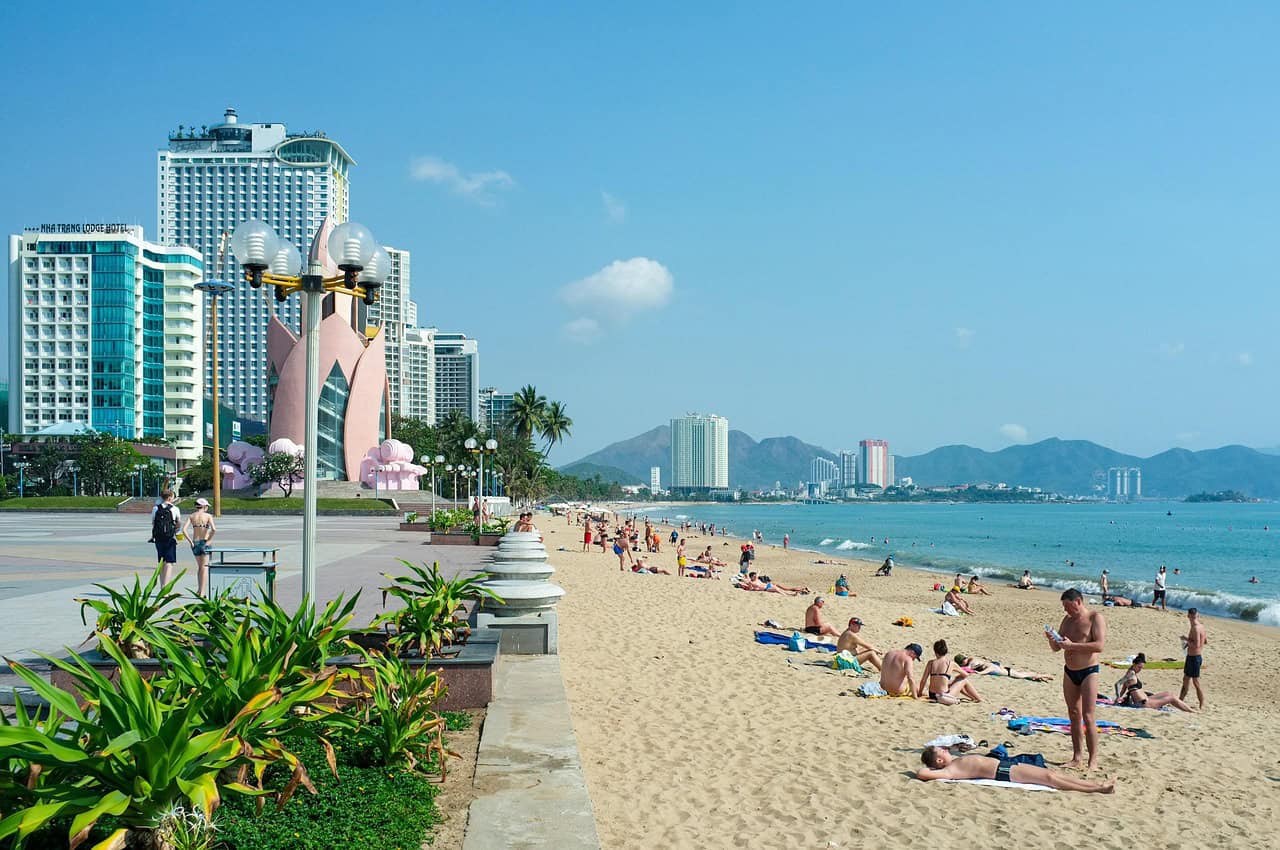
Safety plays a major role in retirees’ decisions, and Vietnam consistently maintains low violent-crime statistics. The national violent-crime rate is estimated to be 65–75% lower than major U.S. cities. Petty theft exists, but serious crime remains limited, particularly in planned expat areas. Many retirees appreciate the peaceful environment, friendly neighborhoods, and the strong sense of community that reduces daily stress compared to more unpredictable U.S. urban settings.
6. Strong Expat Networks Growing by Nearly 8% Per Year

Vietnam’s expat community has grown rapidly, with foreign resident numbers increasing 7–8% annually since 2020. Cities like Ho Chi Minh City host over 100,000 expats, while Da Nang’s foreign population has doubled since 2018. These networks provide social support, English-speaking groups, hobby clubs, and shared services like legal assistance. The community atmosphere makes integration smoother and helps retirees build friendships quickly in their new surroundings.
7. A Lifestyle That Produces Higher Daily Comfort for Lower Costs

Retirees often find their quality of life improving due to lower stress and financial relief. Dining out averages just $2–$5 per meal, spa treatments range around $10–$18, and domestic travel across Vietnam can cost under $50 by air. With expenses drastically reduced, retirees can allocate more of their budget to leisure, wellness, and travel. The blend of affordability, warmth, and cultural richness results in a lifestyle many describe as “comfortably abundant” rather than restricted.