We may earn money or products from the companies mentioned in this post. This means if you click on the link and purchase the item, I will receive a small commission at no extra cost to you ... you're just helping re-supply our family's travel fund.
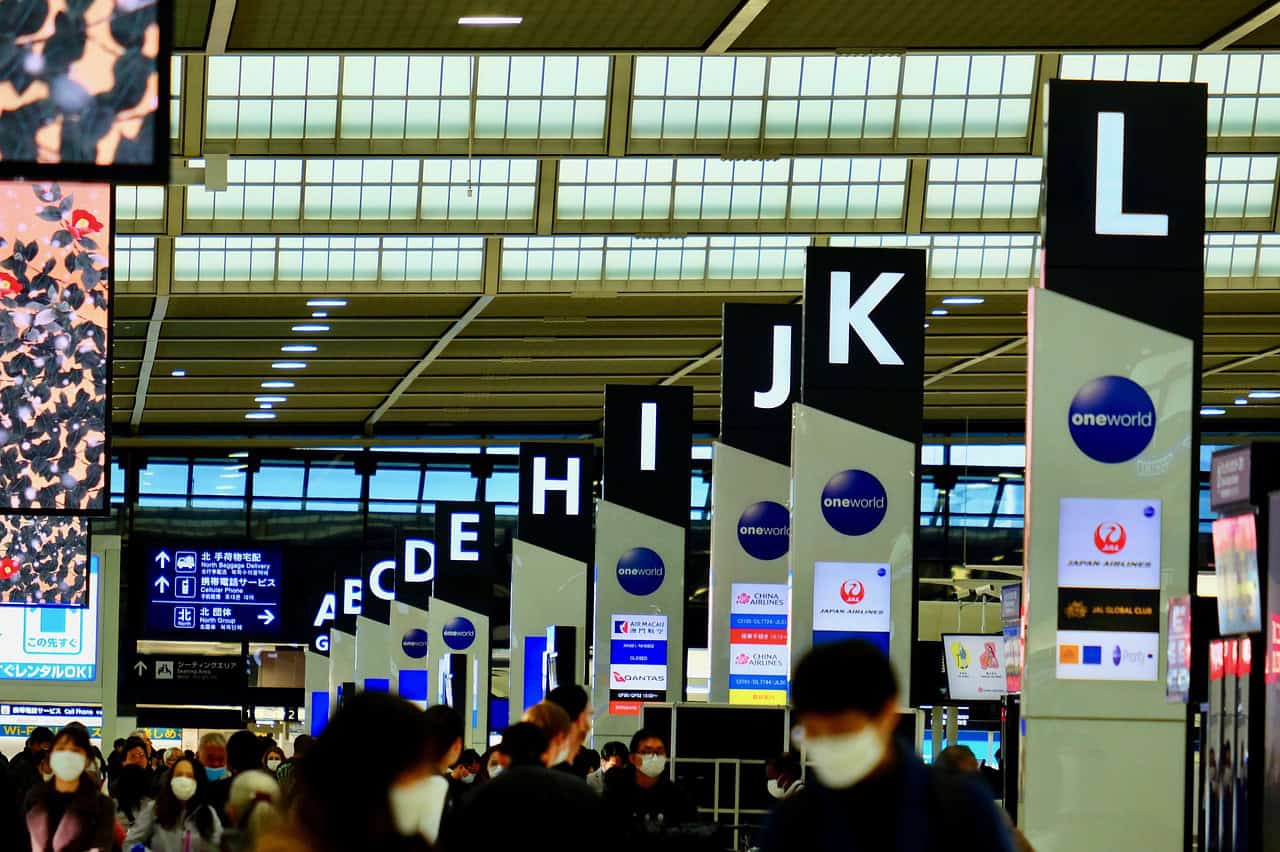
For many travelers, the sudden mention of Social Security numbers in TSA conversations feels unsettling, almost like a new layer of surveillance dropped without warning. In reality, TSA officers are not asking for your SSN at the airport. What has changed is the infrastructure behind airport identity checks: REAL ID enforcement, identity-verification upgrades, and fraud-prevention systems increasingly rely on databases authenticated using SSNs. Those background processes are why your number feels relevant again, even though you never physically hand it over at the checkpoint.
1. REAL ID Enforcement Has Made SSN Verification Unavoidable

When full REAL ID enforcement began on May 7, 2025, every compliant license became tied to SSN-verified identity records. States reported nearly an 18% increase in SSN database checks as they validated over 190 million ID holders. Travelers never see this step, yet TSA depends on IDs that passed through SSN confirmation before reaching airports. Because boarding now requires a REAL ID or equivalent federal ID, the SSN’s importance quietly resurfaced, turning it into a critical trust anchor behind routine travel.
2. TSA ConfirmID Uses SSN-Linked Systems for Travelers Without Proper ID
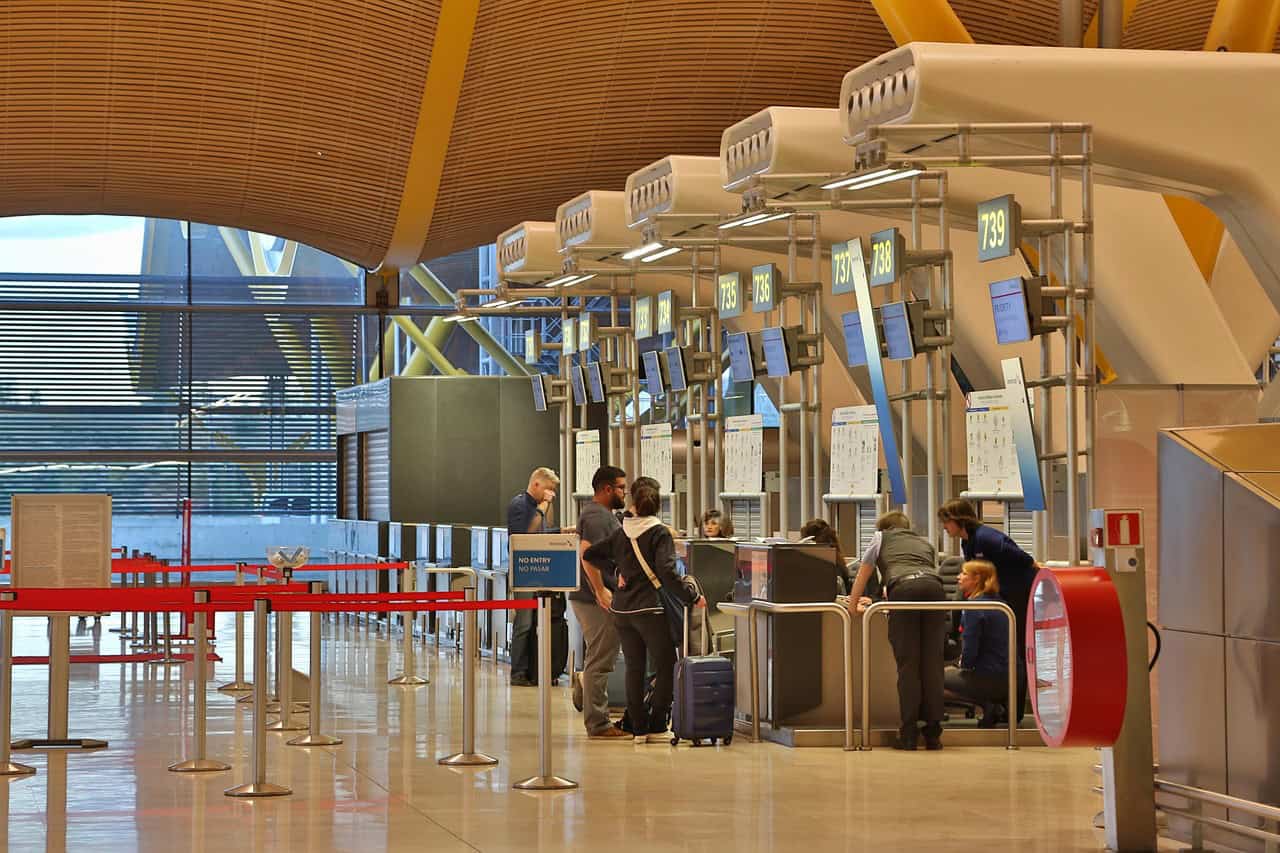
TSA introduced ConfirmID to handle the tens of thousands of people who show up without valid credentials each year over 66,000 cases recently. To verify identity quickly, ConfirmID compares personal data against multiple records, many enriched by SSN-validated identity history. Accuracy reportedly improved by nearly 27% after deeper cross-matching was enabled. So even though travelers never type their number in, the verification engines depend on SSN-connected systems to conclude whether someone can safely clear security.
3. Rising Numbers of Passengers Arrive Without Valid Identification
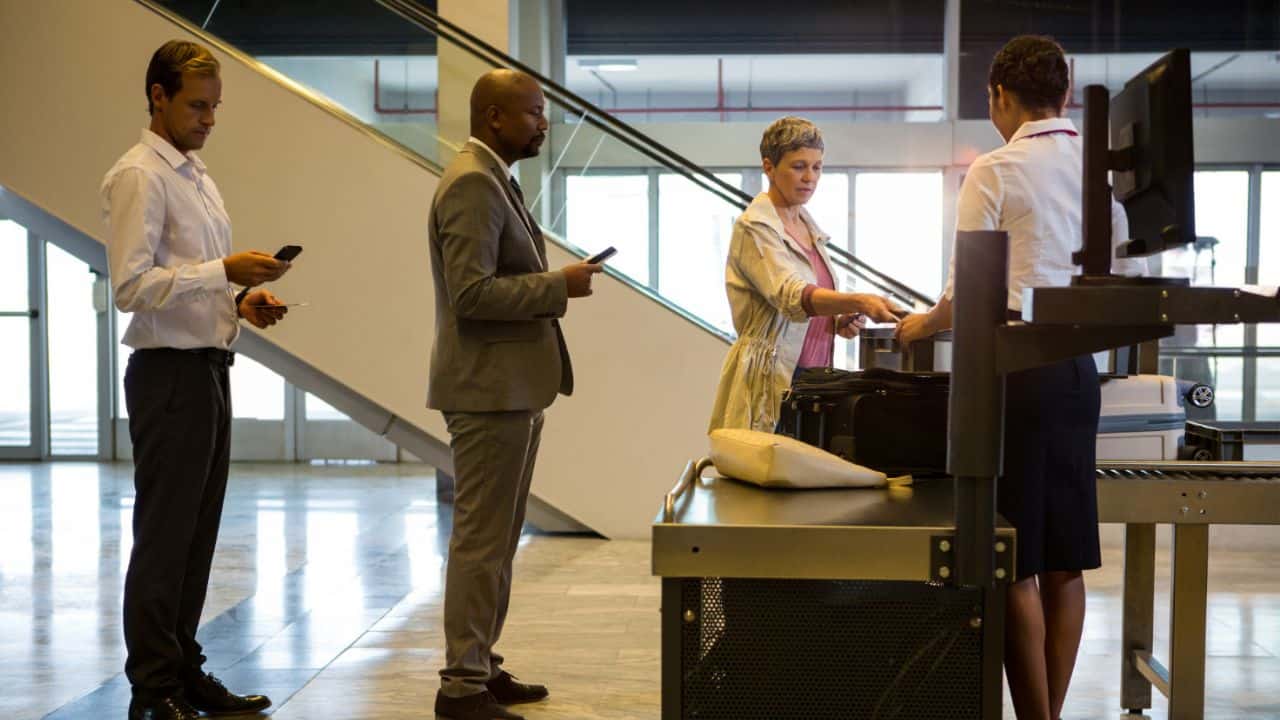
Travel disruptions, relocations, and documentation lapses led to about a 14% rise in passengers arriving at checkpoints without acceptable ID. TSA now pushes these travelers into enhanced verification channels, and those channels lean on national data systems historically anchored to SSNs. With more than 7.2 million people processed through secondary identity checks each year, the cumulative scale matters. The more identity-rescue cases occur, the more SSN-supported verification becomes an everyday part of the air-travel ecosystem.
4. Identity Fraud Attempts at Airports Have Significantly Increased
Between 2023 and 2024, fraudulent identity attempts rose by roughly 23%, forcing TSA to reinforce background validation technology. Synthetic identities, created using real-looking details but unsupported by legitimate SSN histories—were among the fastest-growing threats. TSA’s automated verification engines, triggered millions of times monthly, now compare identity details more aggressively with SSN-connected datasets. This stronger reliance isn’t about collecting numbers; it is about stopping travelers who attempt to bypass aviation security systems.
5. Airline Passenger Data Systems Need Stronger Identity Accuracy
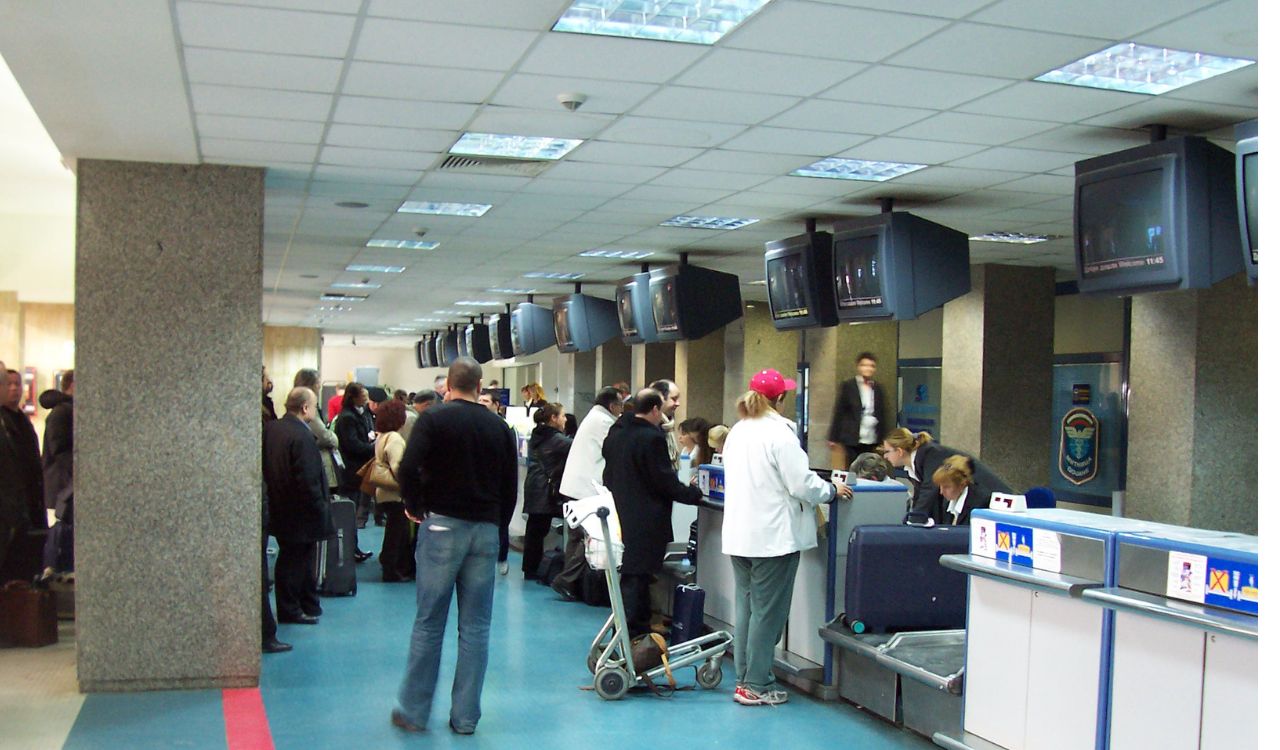
Airlines submit Advance Passenger Information every day for more than 2.6 million travelers, and mismatched records once created serious delays. After a 2025 secure-flight upgrade, mismatches dropped by 31%, partly because back-end reconciliation tools increasingly used SSN-validated identities as reference anchors when names, dates, or spelling conflicted. Most passengers never realize their profile has been checked against multiple data layers. Still, these invisible corrections make the SSN remain quietly central to smooth boarding.
6. DMV Modernization Projects Are Triggering Fresh SSN Checks

Over 40 state DMVs upgraded systems between 2024 and 2026, launching large-scale re-verification sweeps for REAL ID holders. Millions of Americans received notices asking for renewed document confirmation tied to SSN records. Since REAL ID is mandatory for domestic flights, travelers naturally associate those DMV SSN requests with TSA itself, even though the requirement legally sits at the license-issuing level. These modernization waves amplified the impression that TSA was suddenly demanding private numbers again.
7. Biometric Airport Technology Still Depends on SSN-Verified Foundations
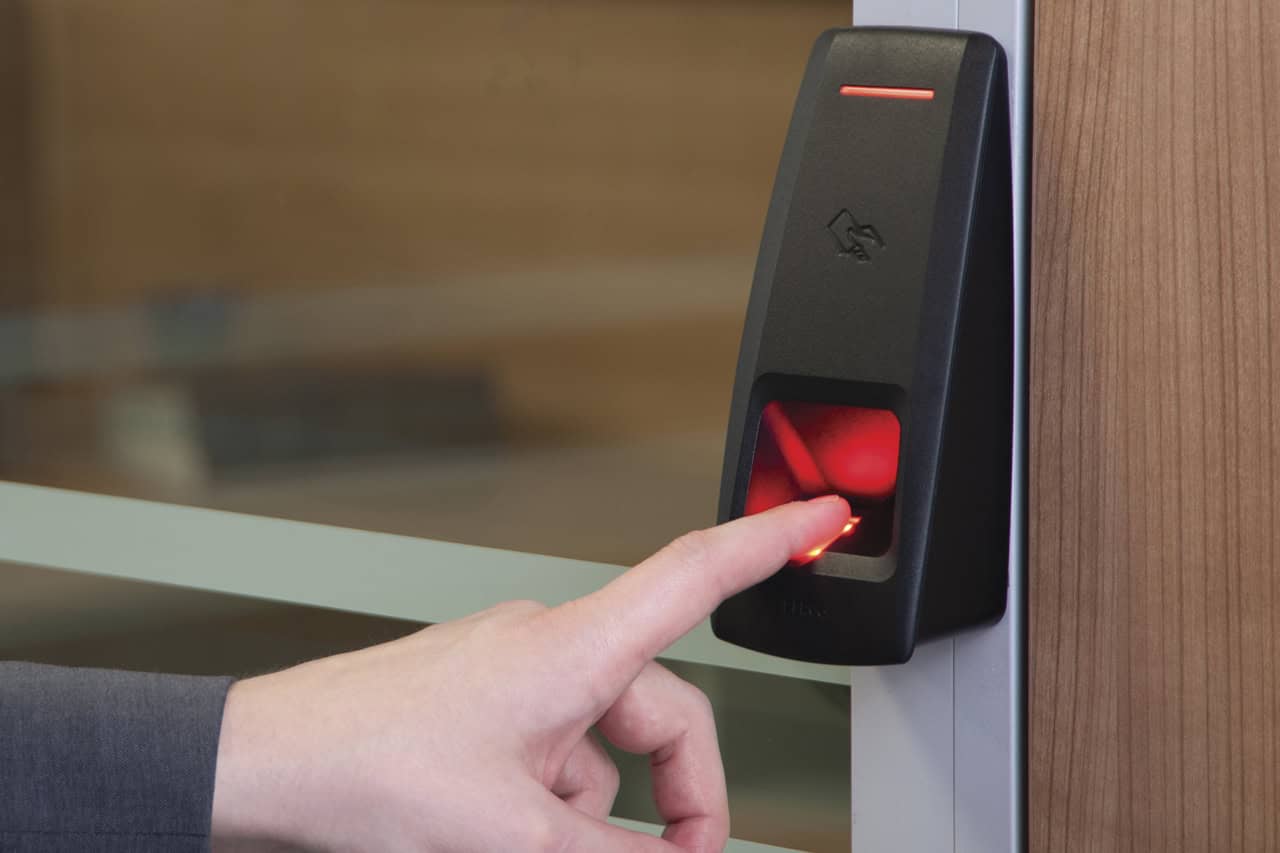
Biometric identity systems, now present in 50+ airports, confirm that a traveler’s face matches stored identity credentials. But the original credential, passport or REAL ID was almost always validated using SSN records before it ever entered the biometric network. Participation in these programs grew by 35% recently, sparking questions about what powers their reliability. The answer remains simple: while biometrics verify “who you appear to be,” SSN-verified identity anchors confirm “who you formally are” in federal records.