We may earn money or products from the companies mentioned in this post. This means if you click on the link and purchase the item, I will receive a small commission at no extra cost to you ... you're just helping re-supply our family's travel fund.
Some trips restore people by removing noise rather than adding luxury. In towns built around hot water, in landscapes that demand a slower pace, and on routes walked for centuries, self-care becomes practice, not a product. Sleep improves because days are simpler, and meals happen at humane hours. Attention returns because nature and community set the rhythm, leaving fewer places for anxiety to hide. These places send travelers home with habits that last, from better pacing to quieter mornings, and a steadier relationship with rest that does not depend on constant willpower.
Kinosaki Onsen
Kate Kasiutich/Unsplash
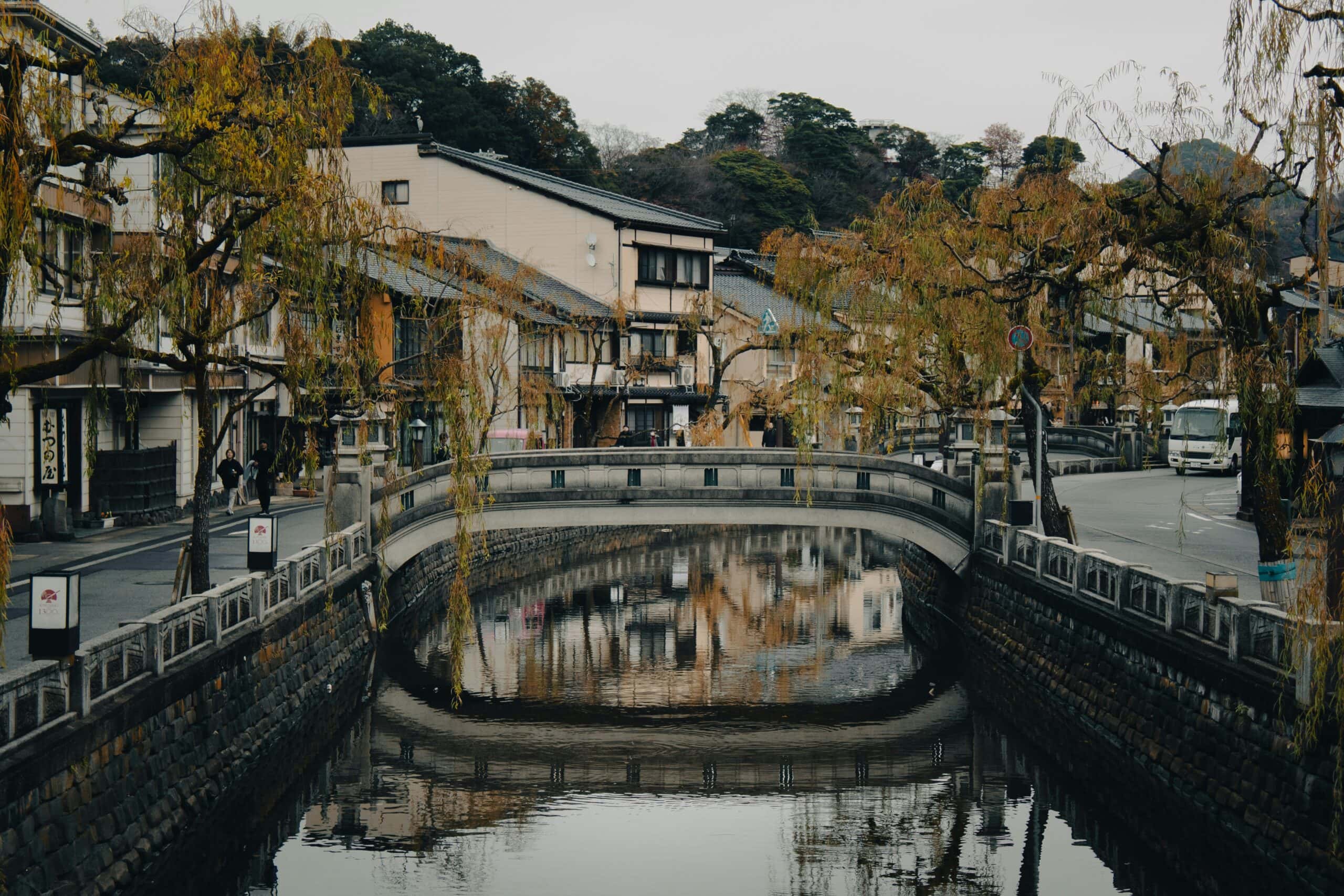
Kinosaki Onsen makes recovery feel like a normal part of the street, not an upgrade reserved for special occasions, with lantern light on the canal, wooden bridges, and clogs tapping along the lanes. Bath-hopping works because the rules are clear and calming: rinse well, keep voices low, soak until breathing slows, then cool off outside so the warmth settles deep rather than spikes. Self-care shifts from private pampering to shared etiquette and steady pacing, a loop of walking, water, and quiet night air that teaches patience, soft focus, and better sleep without any pep talk.
Lake Saimaa
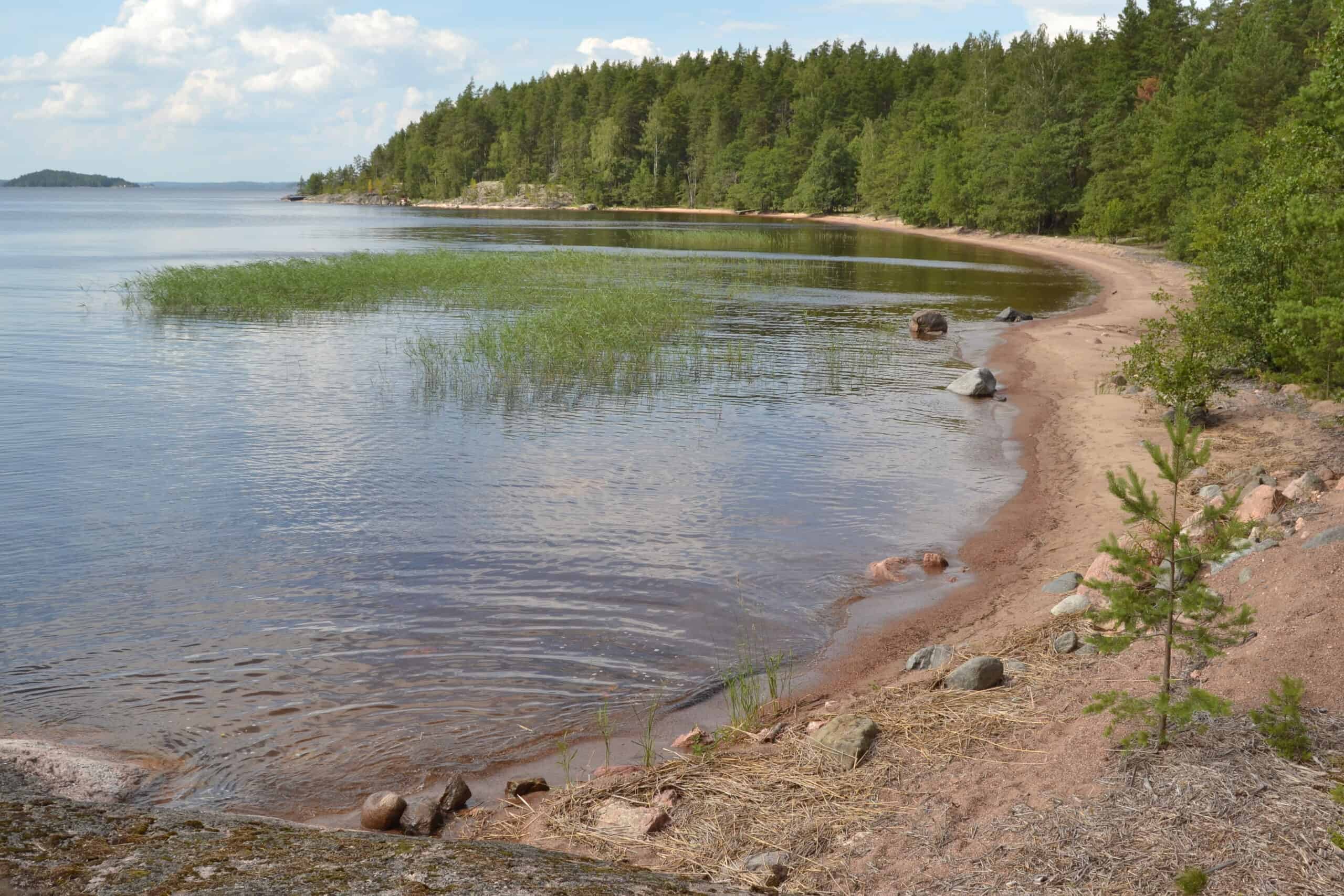
Along Finland’s Lake Saimaa, self-care is less about comfort and more about contrast, where sauna heat meets pine-scented winter air and cold water that clears the mind in seconds. The body sweats, cools, and settles while the shoreline stays still at dusk, and the day starts to feel organized by weather, woodstoves, and light rather than notifications, deadlines, or scrolling. After a few cycles, conversation slows, silence feels friendly, and the nervous system relearns a steadier tempo that lingers long after the last towel is folded, turning rest into a habit that feels earned and clean.
Reykjavik

Reykjavík treats soaking like a public habit, not a luxury flex, and that alone makes the city’s geothermal pools feel grounding instead of performative, even on dark, windy afternoons. Neighbors share the same warm water, swap ordinary news, swim a few quiet laps, and sit in a hot pot until cheeks pink, then step into crisp air that sharpens the senses and resets posture on the walk home. Self-care becomes practical and repeatable, a weekly ritual that shrinks stress through warmth, movement, and familiar faces, and it leaves people calmer without needing to call it wellness or explain it to anyone.
Kerala
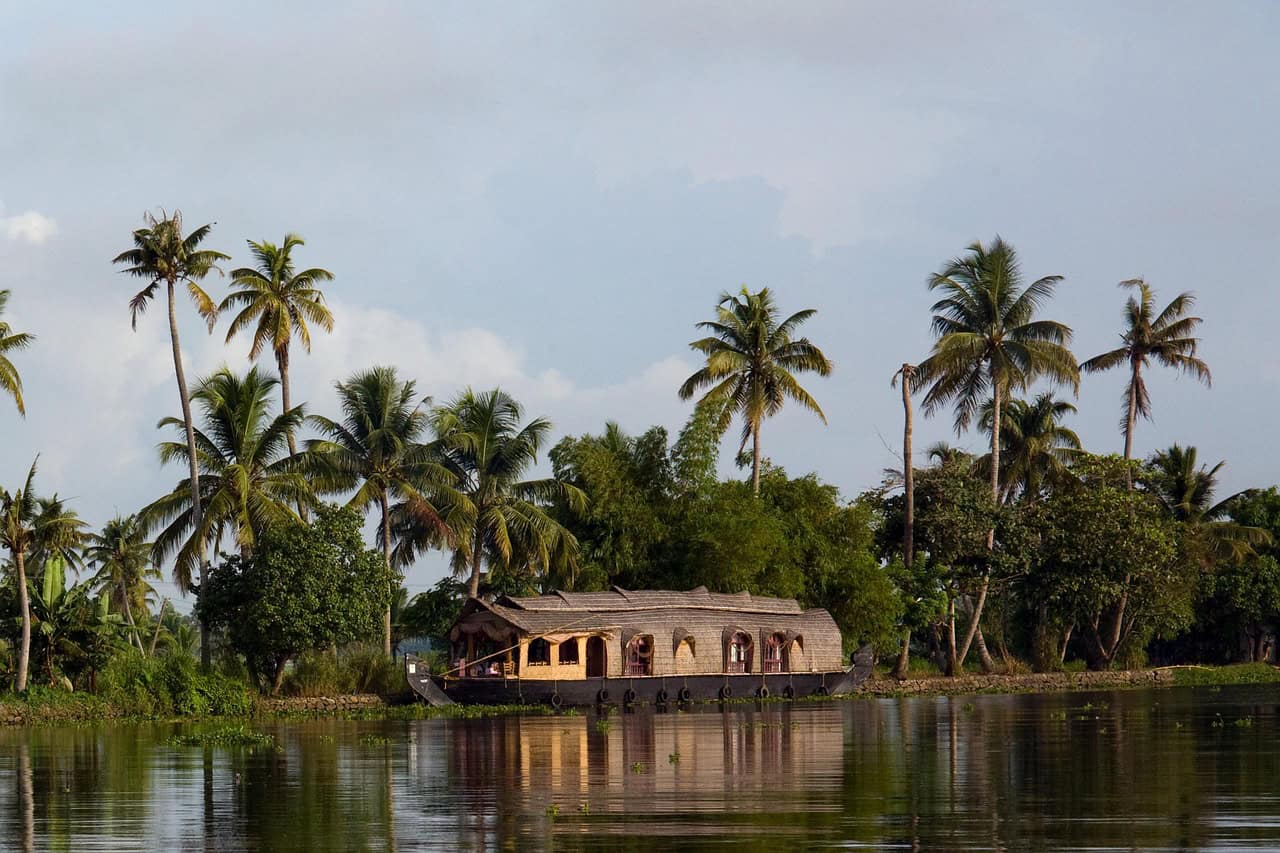
In Kerala, restoration starts with rhythm, backwater mornings that smell like rain, midday shade that forces a slower pace, and dinners that arrive without urgency as boats drift by. Local wellness traditions often emphasize consistency across sleep, digestion, and season, so gentle treatments, warm oils, and balanced meals work best when the schedule stays calm and predictable, not crammed end to end. Between coconut palms, spice markets, and quiet waterways, the mind stops chasing an instant fix and settles into something sturdier: steady energy, clearer focus, and a softer baseline that lasts after the trip ends.
Nicoya Peninsula
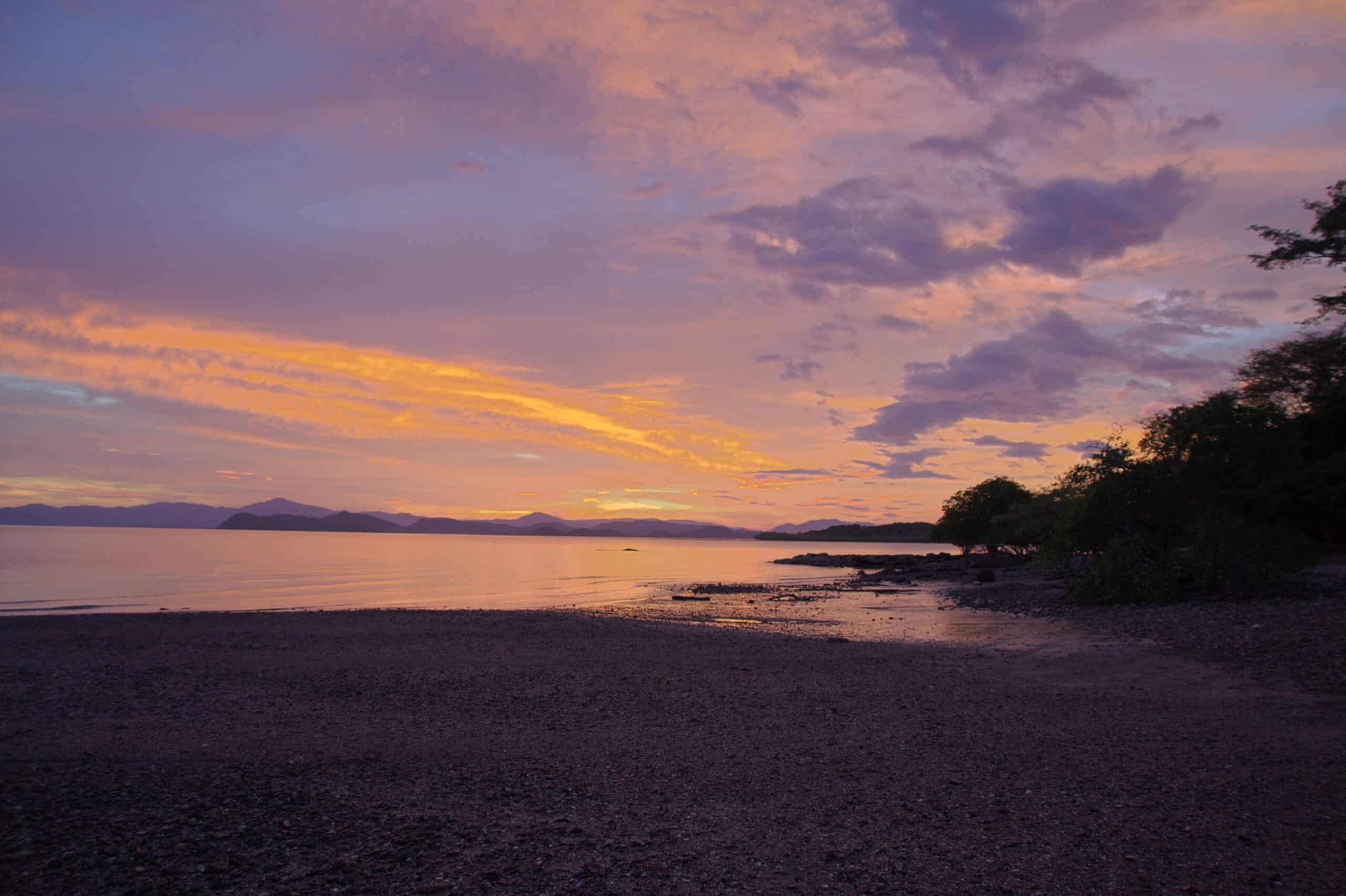
Nicoya’s calm comes from ordinary days done well, daylight meals, porch conversations, and sea air that cools the edges of a hot afternoon, with sunsets that end the day on time. The pace refuses to hurry, which gives the body permission to set the schedule again, and it makes rest feel available instead of scarce or guilty, even for people who usually overbook themselves and carry their work stress on their face. Self-care shows up as small, repeatable choices, walking to see people, taking midday shade seriously, drinking enough water, and letting evenings stay quiet, so recovery feels simple, social, and real.
Okinawa
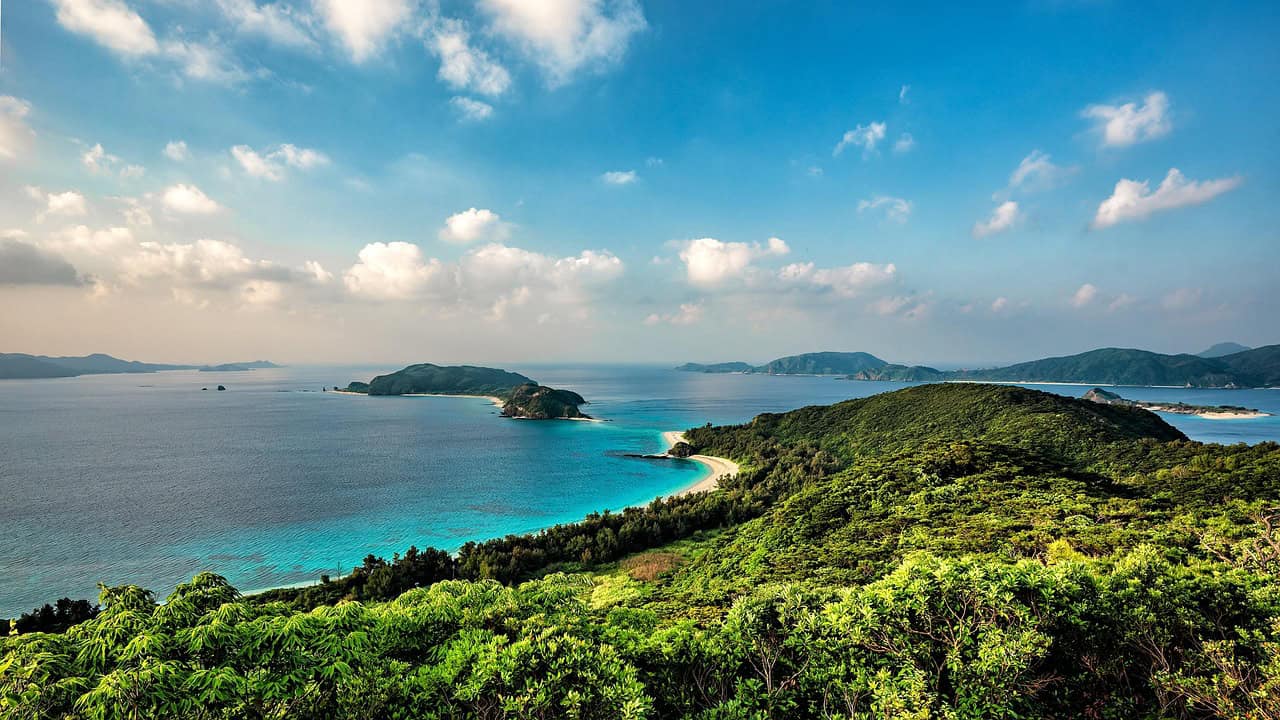
Okinawa reframes wellness as belonging, built from shared meals, gardens, and friendships treated like infrastructure rather than extras, with island routines shaped by sun, sea, and neighborhood ties that stay strong across years. Days favor purpose over performance, with craft, music, and time outdoors, plus a respect for elders that keeps social life steady and intergenerational instead of isolated, hurried, or lonely. Self-care stops being self-focused and starts looking like connection, movement, and a reason to wake up that holds even when life gets noisy back home, because support is baked into the day.
Paro Valley
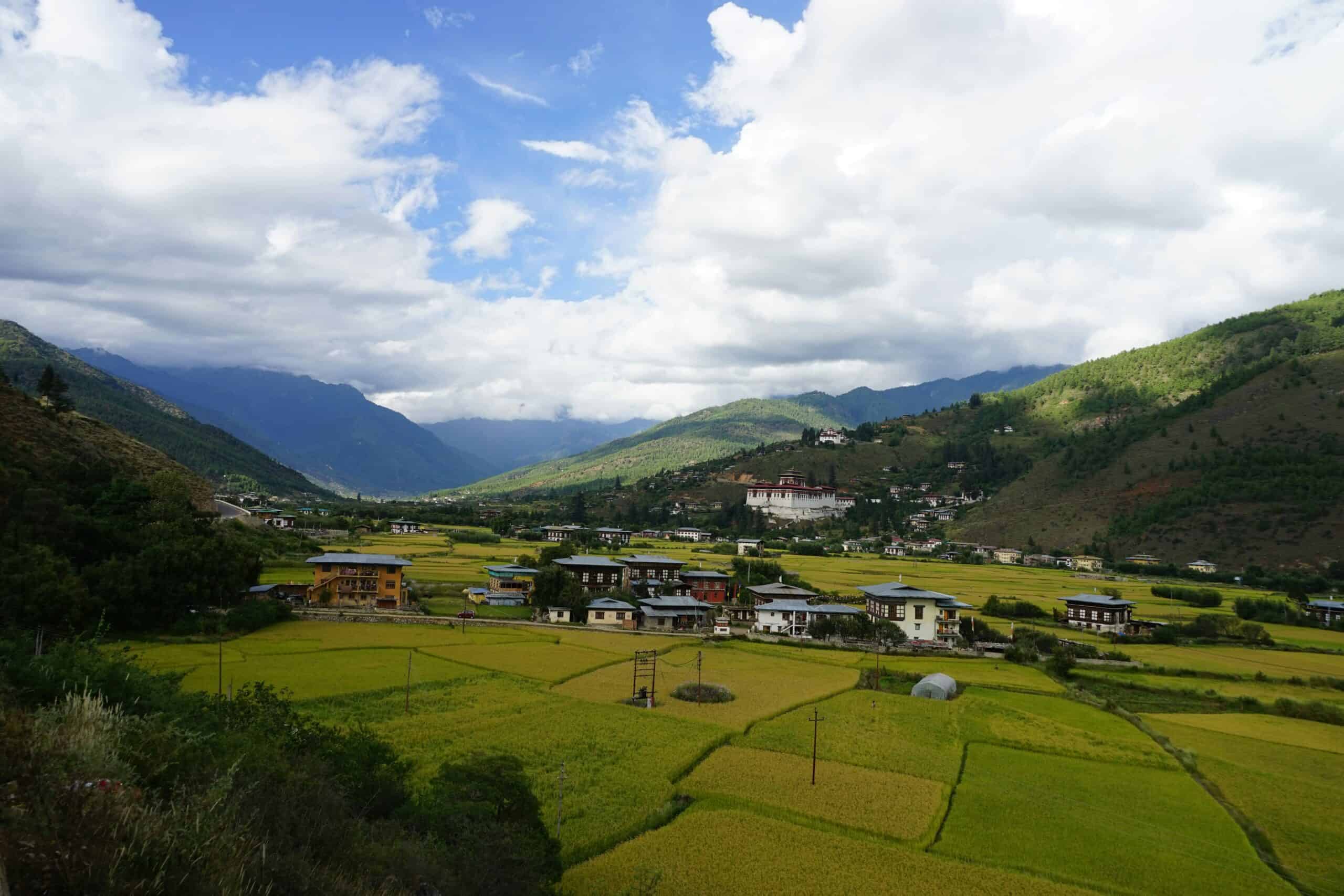
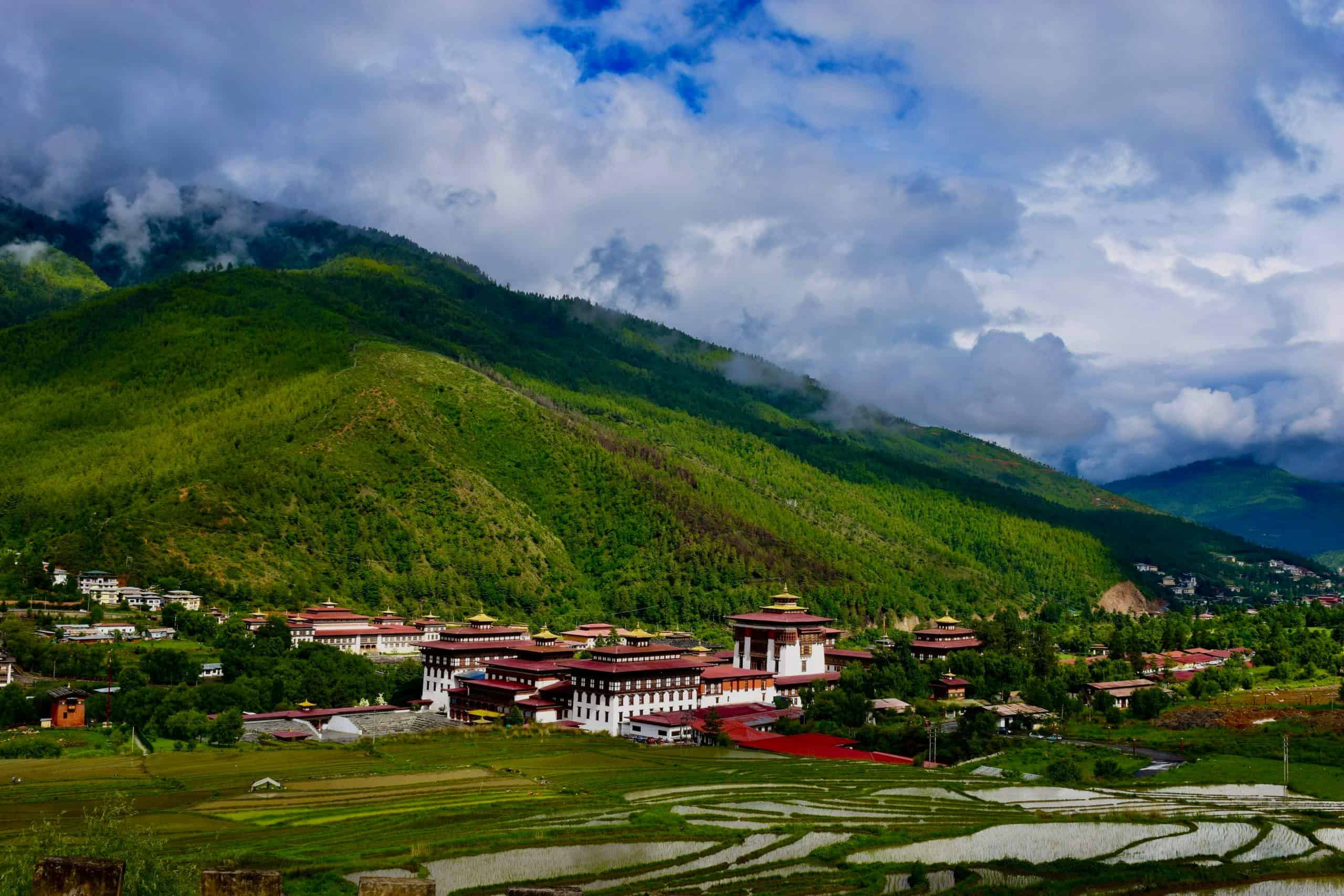
Bhutan’s Paro Valley slows perception on purpose, with footpaths past prayer flags, stone walls, pine forests, and monasteries that make attention feel like a daily practice instead of a productivity hack. Clean, thin air sharpens focus, and the quiet leaves fewer excuses to fill space with distraction, so even a simple walk feels restorative and oddly complete, like the mind finally caught up with the body. Self-care turns into an ethic of living with less clutter, more gratitude, and rituals that reward sincerity, showing how calm can be trained and carried, not purchased and posted for proof.
Namib Desert
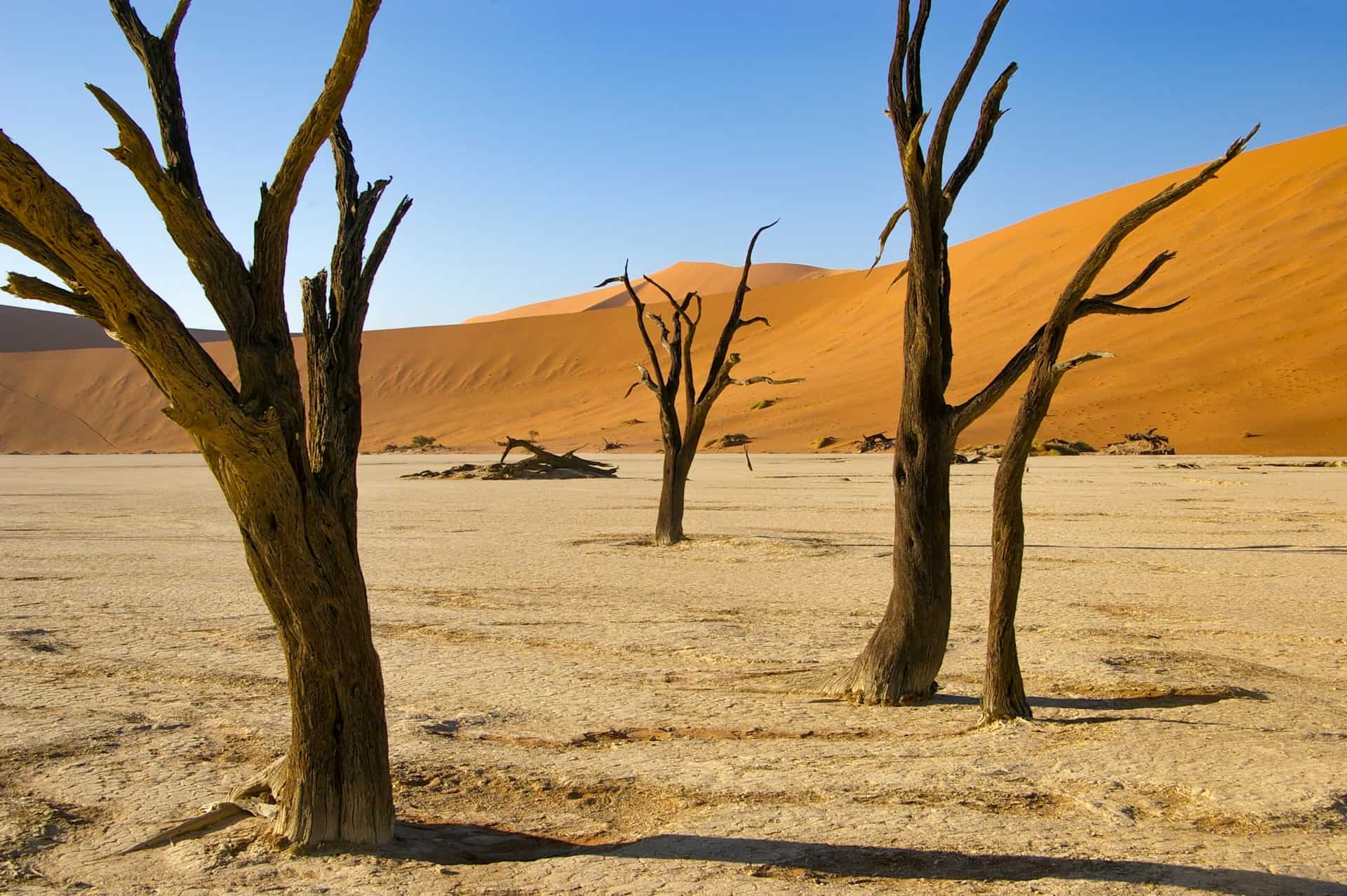
In the Namib Desert, self-care arrives through scale, dunes like quiet architecture, wind drawing clean lines, and horizons wide enough to shrink noisy worries down to size. Days follow light and temperature, which makes life feel honest and surprisingly calm, with no pressure to curate wellness, explain feelings, or stay constantly entertained, just drink water and move with care. Awe takes over, clearing mental clutter and leaving people lighter, not because anything was purchased, but because attention finally had room to breathe, settle, and remember what matters, and what can wait.
Milford Track
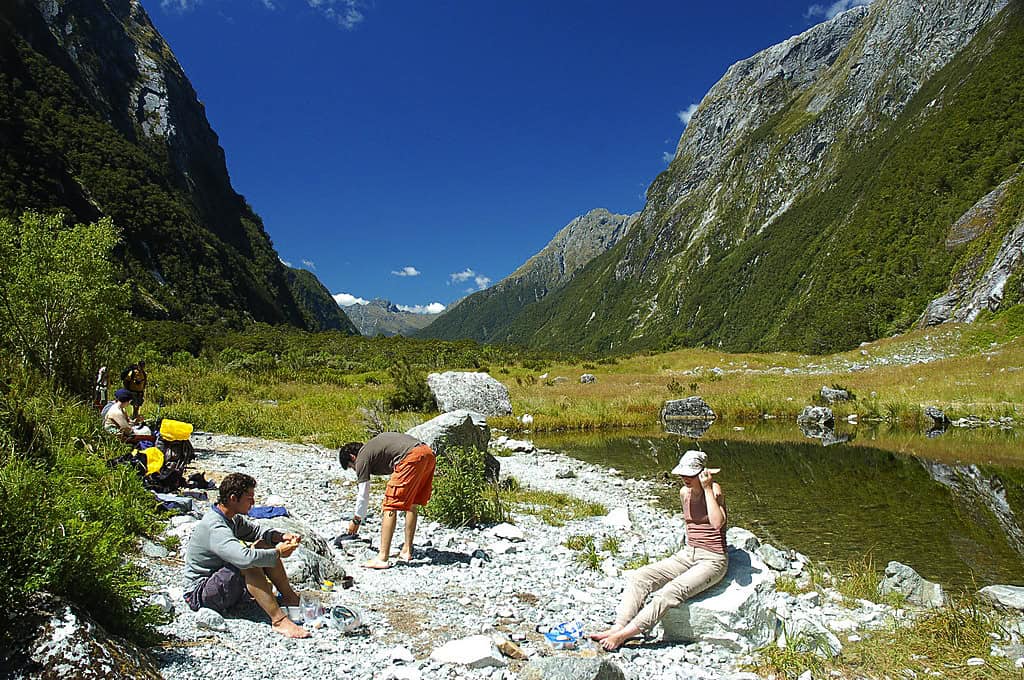
On New Zealand’s Milford Track, care is earned through clean effort, boots on wet earth, rain on a jacket, and waterfalls that demand presence in a way screens never can. The rainforest air feels cool and mineral, and the day is shaped by weather, river crossings, and trail miles, which keeps the mind from spinning in circles and turns worry into something physical and solvable. With early sleep in simple huts, shared dinners, and steady mornings on the path, self-care looks like capability, calm confidence, and quiet pride that follows travelers home, long after the boots dry and the photos stop getting likes.