We may earn money or products from the companies mentioned in this post. This means if you click on the link and purchase the item, I will receive a small commission at no extra cost to you ... you're just helping re-supply our family's travel fund.
/123rf
In the tight choreography of an airport checkpoint, a phone can seem like the smallest thing to worry about. Yet seasoned travelers and security officers know that loose valuables often disappear not in dramatic moments, but in rushed, ordinary ones, when shoes are half off, boarding times feel close, and attention fractures across trays, belts, and strangers. That is why travel experts keep repeating a simple rule: a phone is safer tucked inside a zipped carry-on pocket than sitting exposed in a public bin.
Loose Phones Are Easy Targets
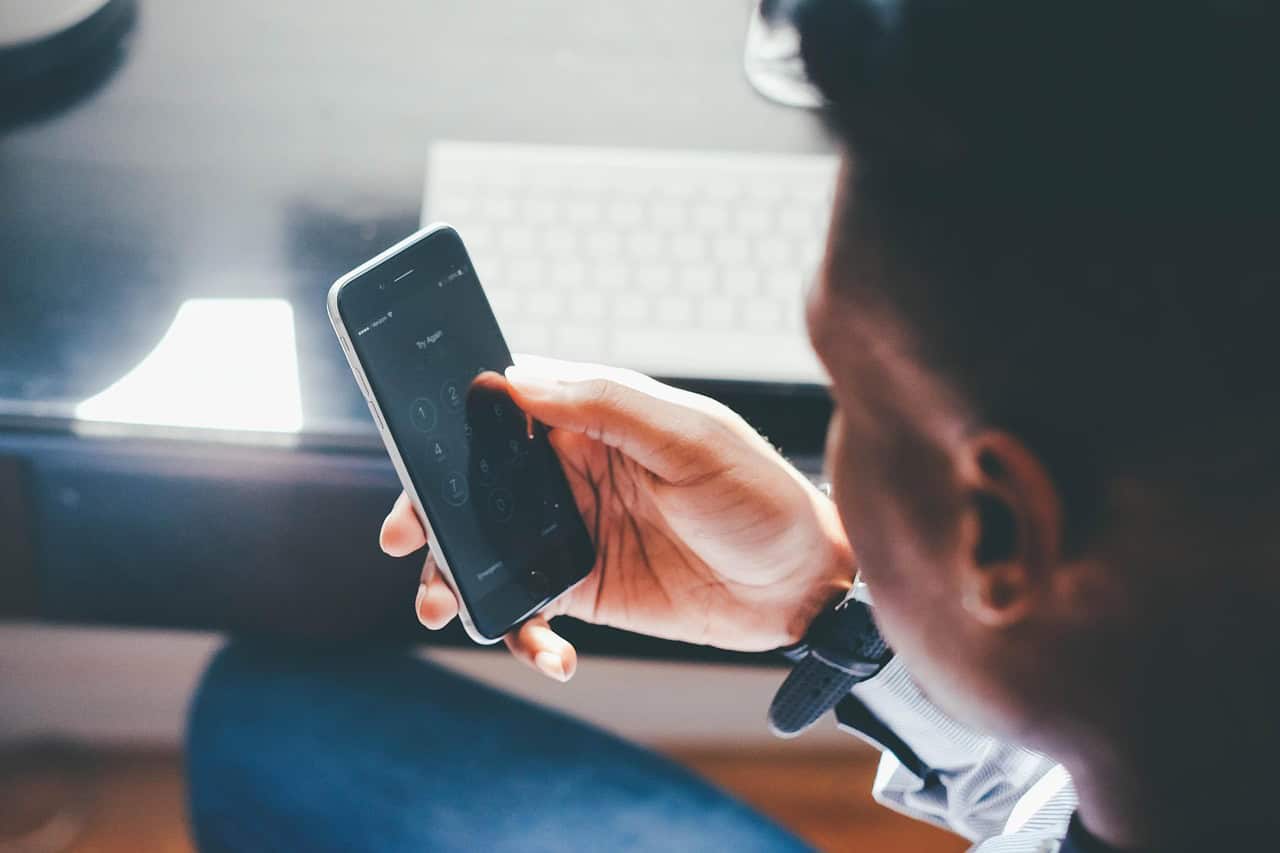
A phone lying alone in a security bin is visible, reachable, and easy to separate from its owner in a matter of seconds. Travel + Leisure reported in 2025 that phones left loose in TSA bins can be stolen directly from the tray line, and TSA has repeatedly advised travelers to place phones inside a carry-on instead of tossing them into a bin with other pocket items. What looks like convenience at the start of screening can create a perfect opening for opportunistic theft.
The Real Risk Is Distraction, Not Drama
Most checkpoint losses do not begin with a cinematic grab. They happen because travelers are managing jackets, IDs, shoes, laptops, kids, and time pressure all at once, which makes a slim black phone easy to overlook as bins slide forward. TSA has explicitly recommended putting small personal items, including cell phones, directly into a carry-on bag because doing so reduces the chance of leaving something behind in the tray. The smartest precaution is often the least flashy one.
Shoes, Bins, And Shared Surfaces Create A Bad Mix
TSA has gone so far as to say travelers should not place a mobile phone in a bin where other people have placed their shoes. That guidance captures something many frequent fliers already sense: checkpoint bins are shared surfaces used in rapid succession, and a phone is one of the objects handled most often after screening. Even when theft is not the concern, placing a device face-up in a communal tray adds an unnecessary layer of grime to something that will soon be held against a hand or face.
A Loose Device Slows Down Recovery When It Vanishes
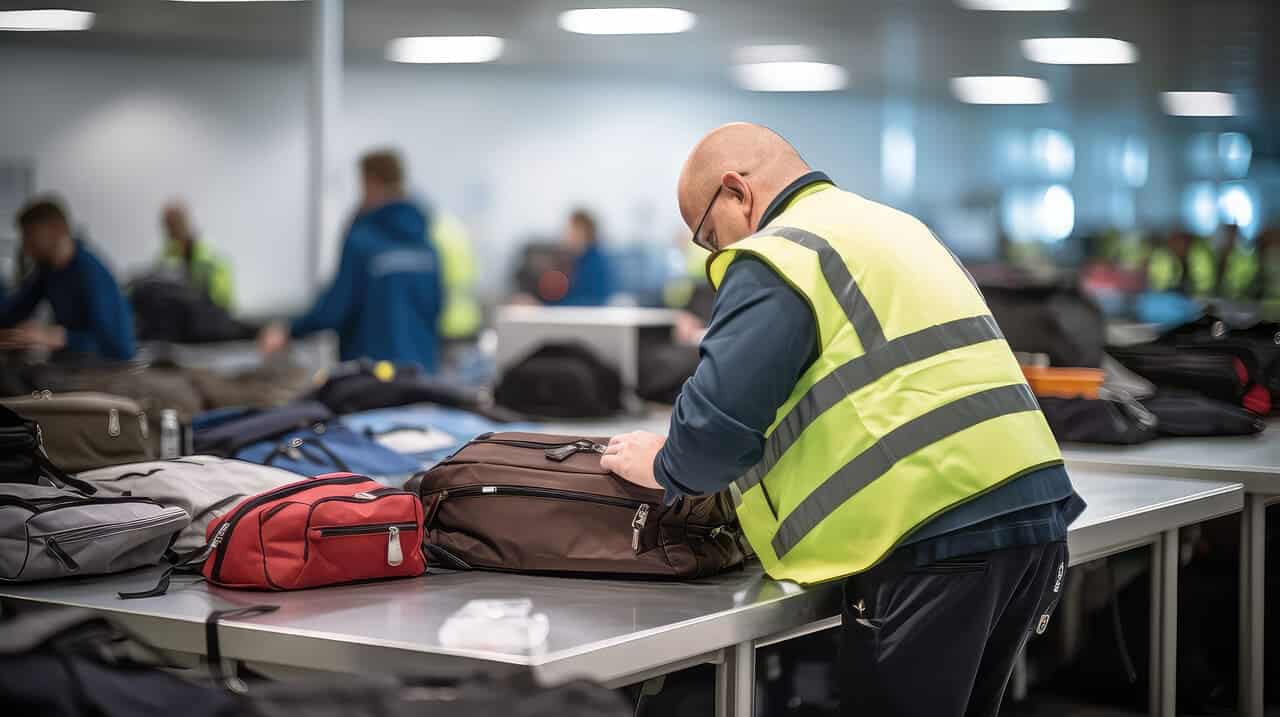
Once a phone slips away at the checkpoint, recovering it can become far more complicated than most travelers expect. TSA’s lost-and-found process depends on reporting the item to the correct airport and checkpoint location, and even then, retrieval is not instant or guaranteed. A phone packed inside a bag is less likely to be forgotten in the first place, which matters because a lost device is not just another missing object; it may hold payment apps, boarding passes, photos, passwords, and messages tied to the rest of the trip.
It Separates The Phone From Everything That Helps Track It
When a phone is tucked into a zipped pocket inside a backpack or tote, it stays connected to the traveler’s larger mental checklist: bag, laptop, jacket, passport. When it sits alone in a gray tray, it becomes a standalone object that can move down the belt faster, be picked up out of sequence, or get buried among other loose items. Frequent travelers have pointed out that the more individual items placed in bins, the greater the chance something gets missed, knocked out, or left behind during the rush.
Modern Screening Often Makes Loose Pocket Dumps Unnecessary
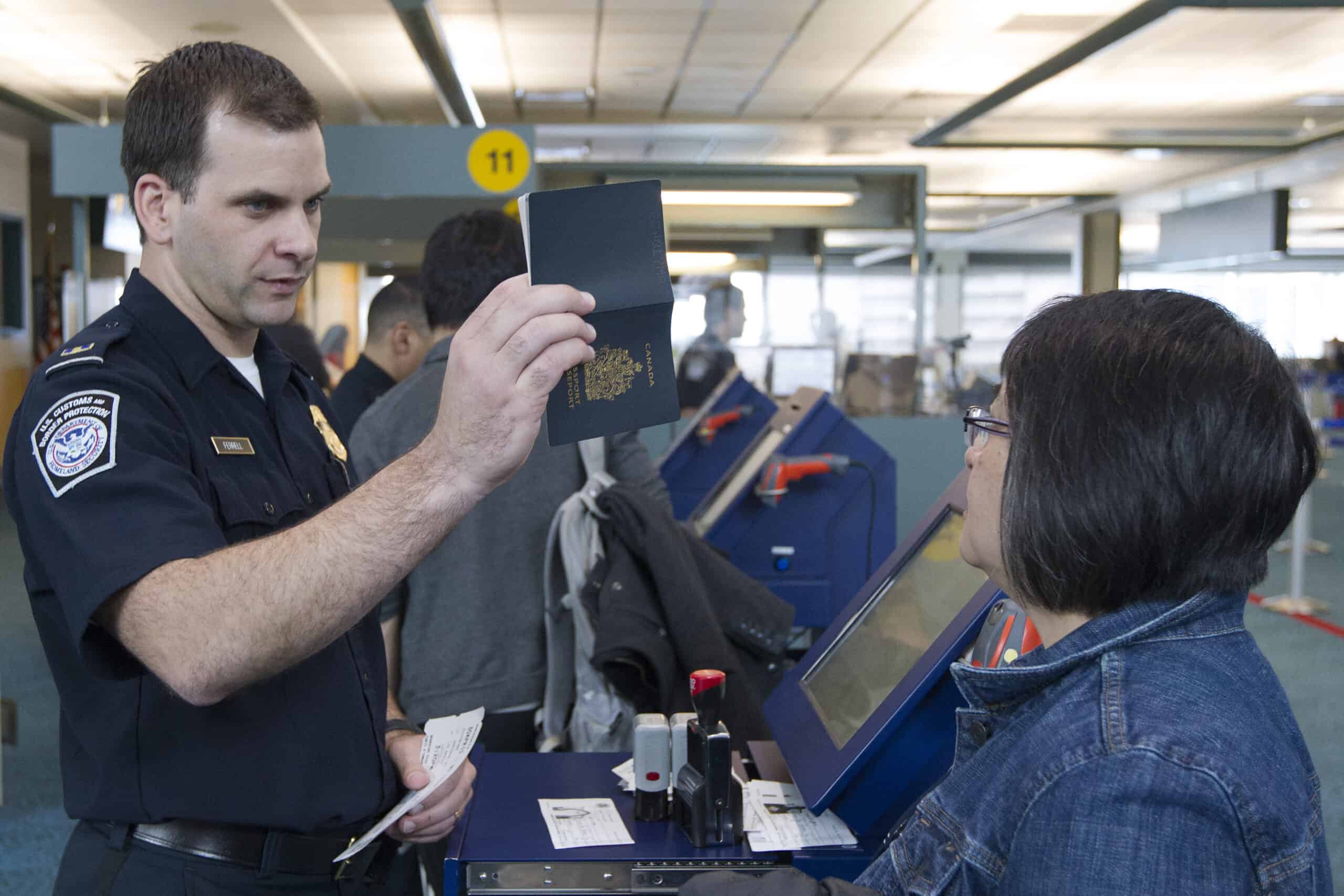
TSA guidance has increasingly emphasized preparation over last-second dumping. Officers have advised travelers to remove items from pockets before reaching the front of the line and place phones inside carry-on bags rather than directly into bins. In some screening setups, electronics larger than a cell phone may need separate handling, but the phone itself is not the item driving that process. The broader checkpoint logic is simple: fewer loose objects usually mean less confusion, faster reassembly, and fewer mistakes under pressure.
Public Exposure Matters More During Busy Travel Periods
This advice becomes even more relevant during peak travel windows, when checkpoint volume surges and attention spans shrink. TSA screened more than 32 million people over the 2024 Independence Day travel period and has repeatedly warned passengers to expect heavy lines during major holidays. In crowded moments like those, trays move quickly, travelers bunch together, and individual vigilance drops. A phone resting openly in a bin is simply more vulnerable when the entire checkpoint environment is louder, faster, and less forgiving.
Phones Now Carry Far More Than Contact Lists
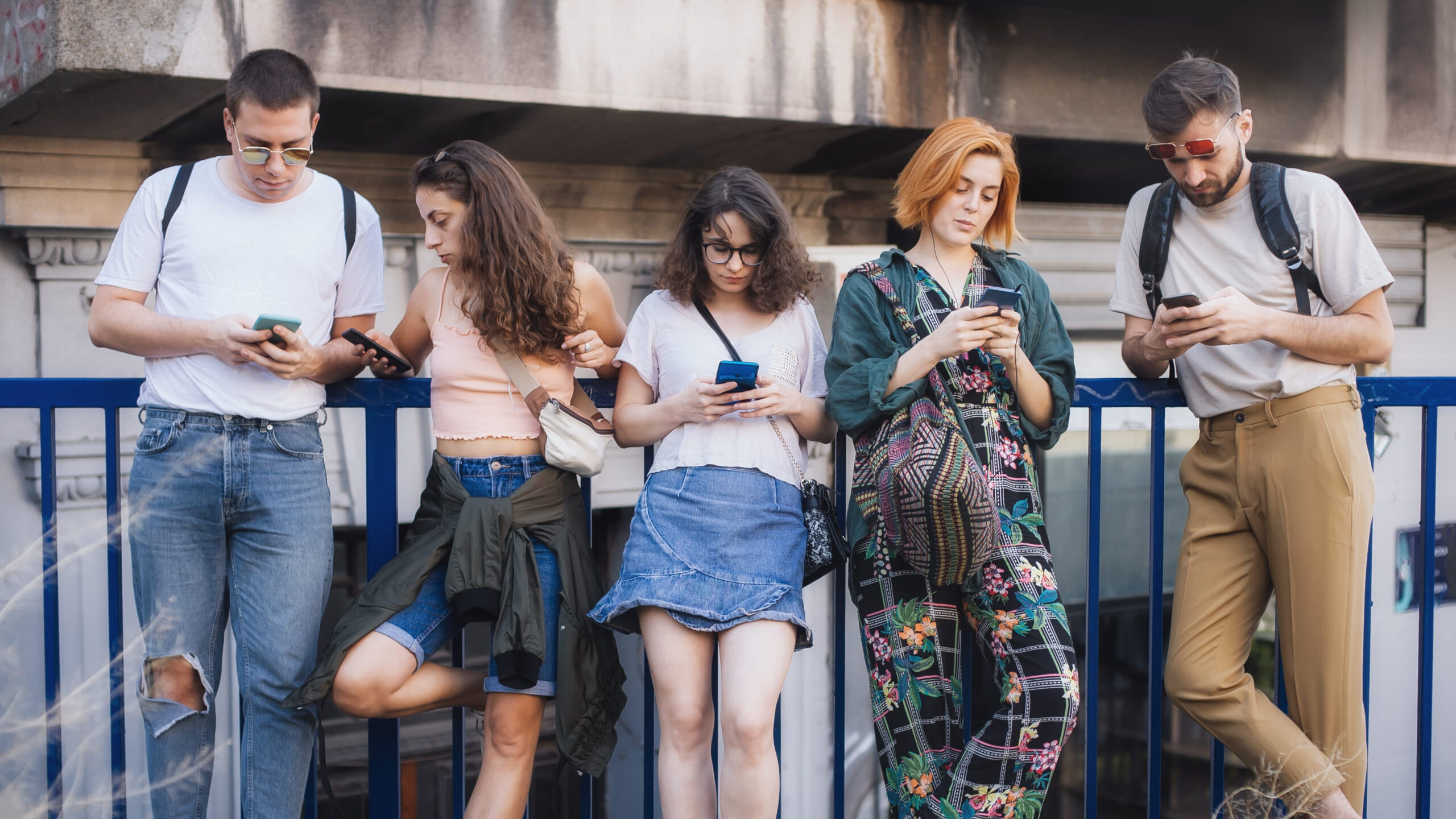
Leaving a phone exposed at security is no longer like risking a forgotten charger or paperback. For many travelers, the device now holds boarding passes, hotel confirmations, wallet access, maps, two-factor authentication, airline apps, and digital identity tools. TSA notes that Digital ID can now be used at more than 250 airports through supported mobile wallet platforms, which means the phone itself may now be part of the travel identity workflow. Losing it at screening can ripple across every step that follows.