We may earn money or products from the companies mentioned in this post. This means if you click on the link and purchase the item, I will receive a small commission at no extra cost to you ... you're just helping re-supply our family's travel fund.
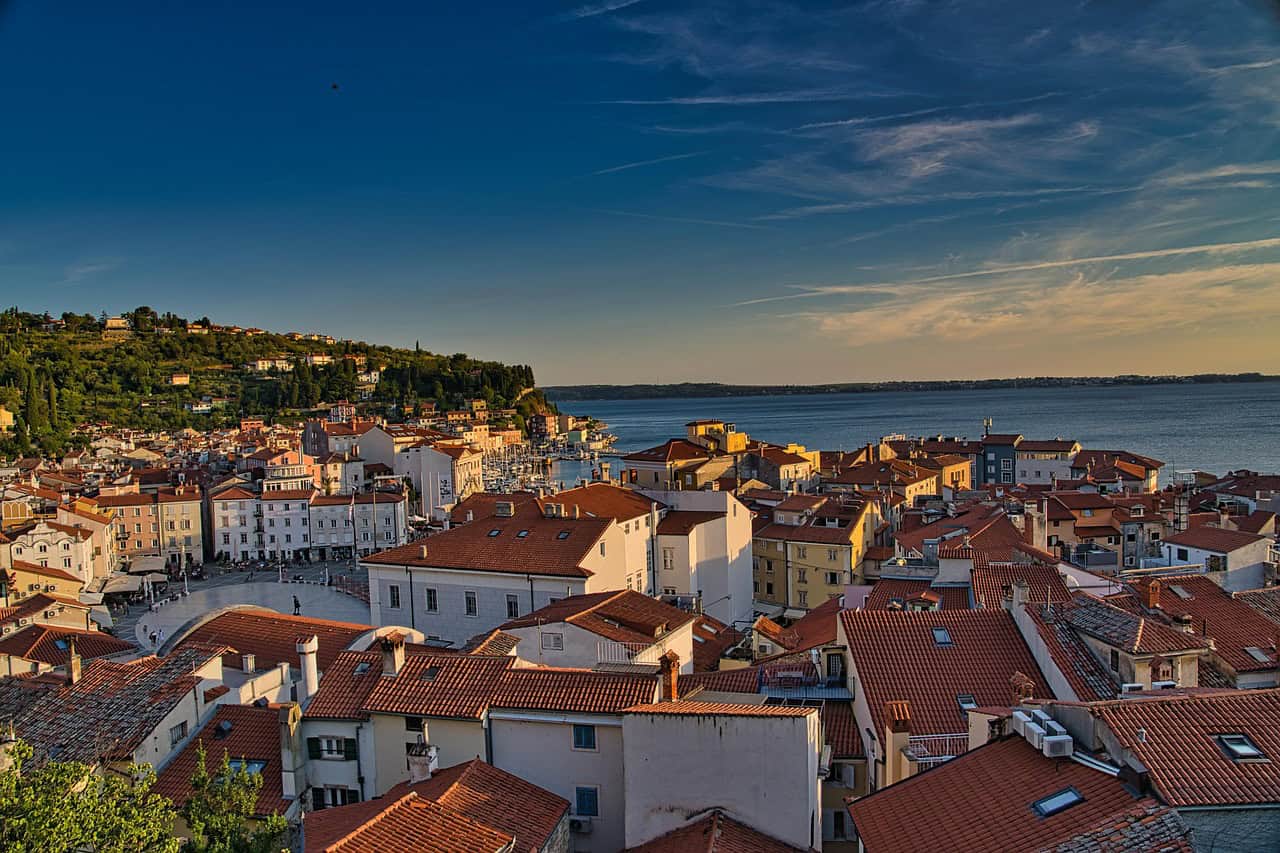
In recent years, Slovenia has transformed from a quiet stopover between Italy and Austria into one of Europe’s fastest-growing travel destinations. Though small in size, the country has recorded steady increases in visitor arrivals, improved infrastructure, and expanding global visibility. With alpine peaks, Adriatic coastline, wine valleys, and a walkable capital packed into a compact territory, Slovenia offers a rare mix of efficiency and diversity. The numbers reveal a clear trend: tourism here is no longer emerging, it is thriving.
1. Compact Size, Maximum Variety
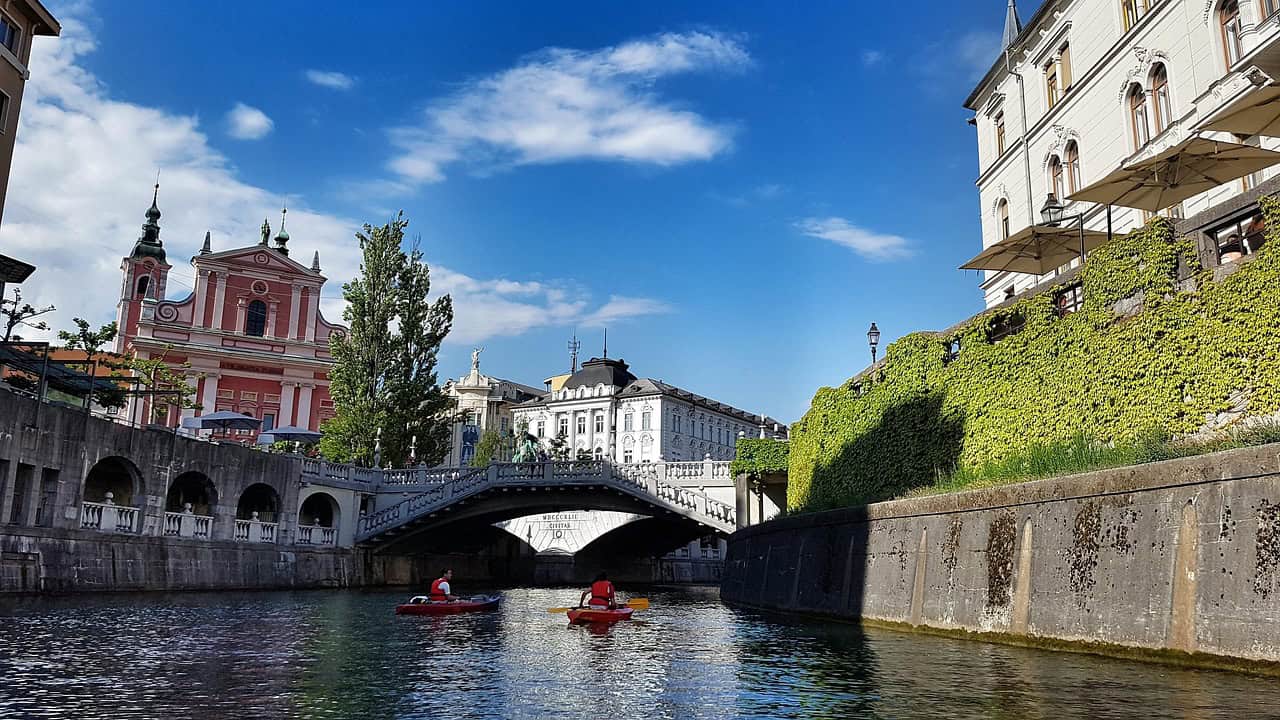
Slovenia covers just over 20,000 square kilometers, yet travelers can move from Ljubljana to Lake Bled in under one hour and reach the Adriatic coast in about 90 minutes. Within a 3-hour drive, visitors can experience alpine hiking, underground caves, vineyard landscapes, and medieval towns. In recent surveys, nearly 68 percent of travelers cited Slovenia’s short travel distances as a major advantage. This compact geography allows tourists to explore multiple regions in a single trip without exhausting transfers or high transport expenses.
2. Rising International Visitor Growth
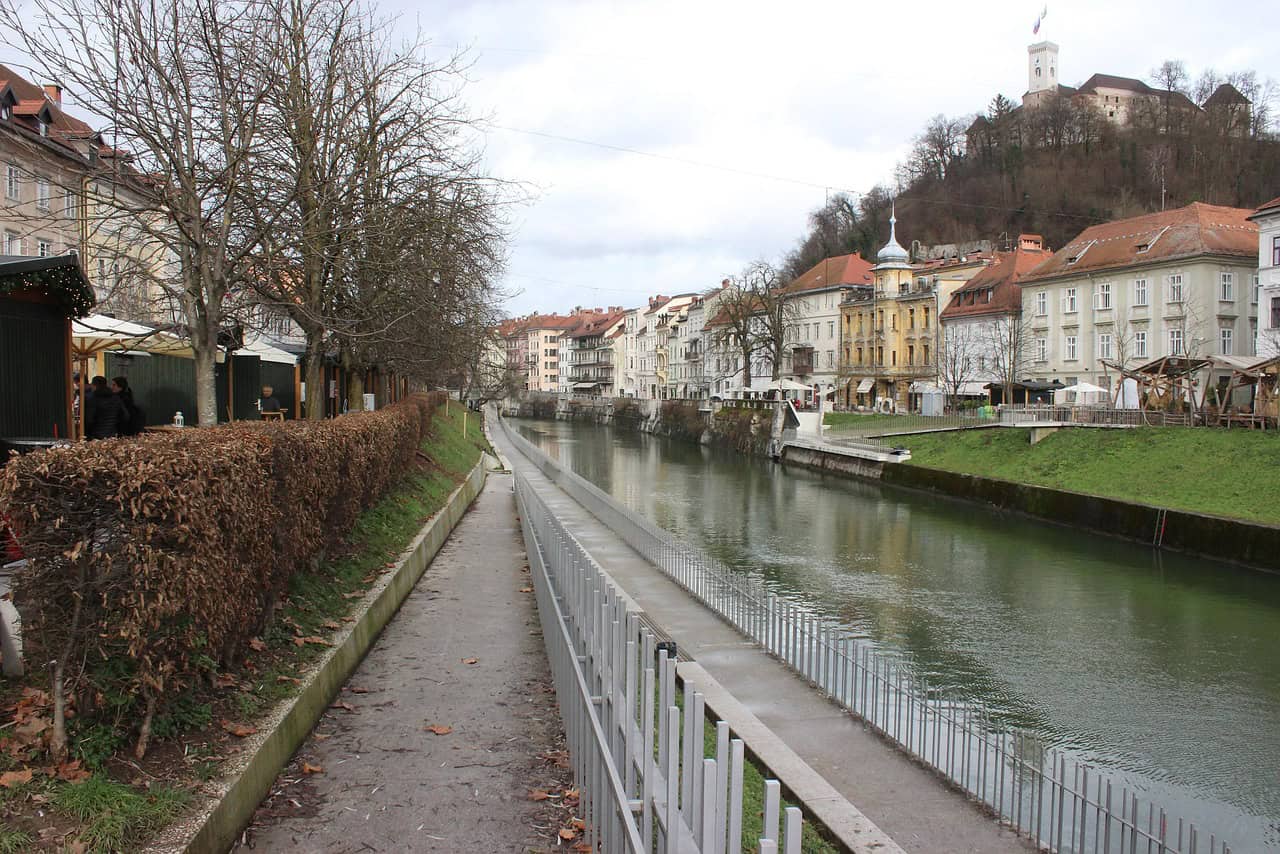
Slovenia now welcomes more than 6 million visitors annually, a remarkable figure for a country of just over 2 million residents. Tourist arrivals have grown by roughly 25 percent over the past five years, with capital city occupancy rates reaching 80 percent during peak summer months. Ljubljana Airport has expanded routes by nearly 30 percent since 2019, connecting to over 25 European hubs. Approximately 38 percent of visitors return within three years, signaling strong satisfaction and growing global recognition.
3. Affordable Yet High-Quality Experiences
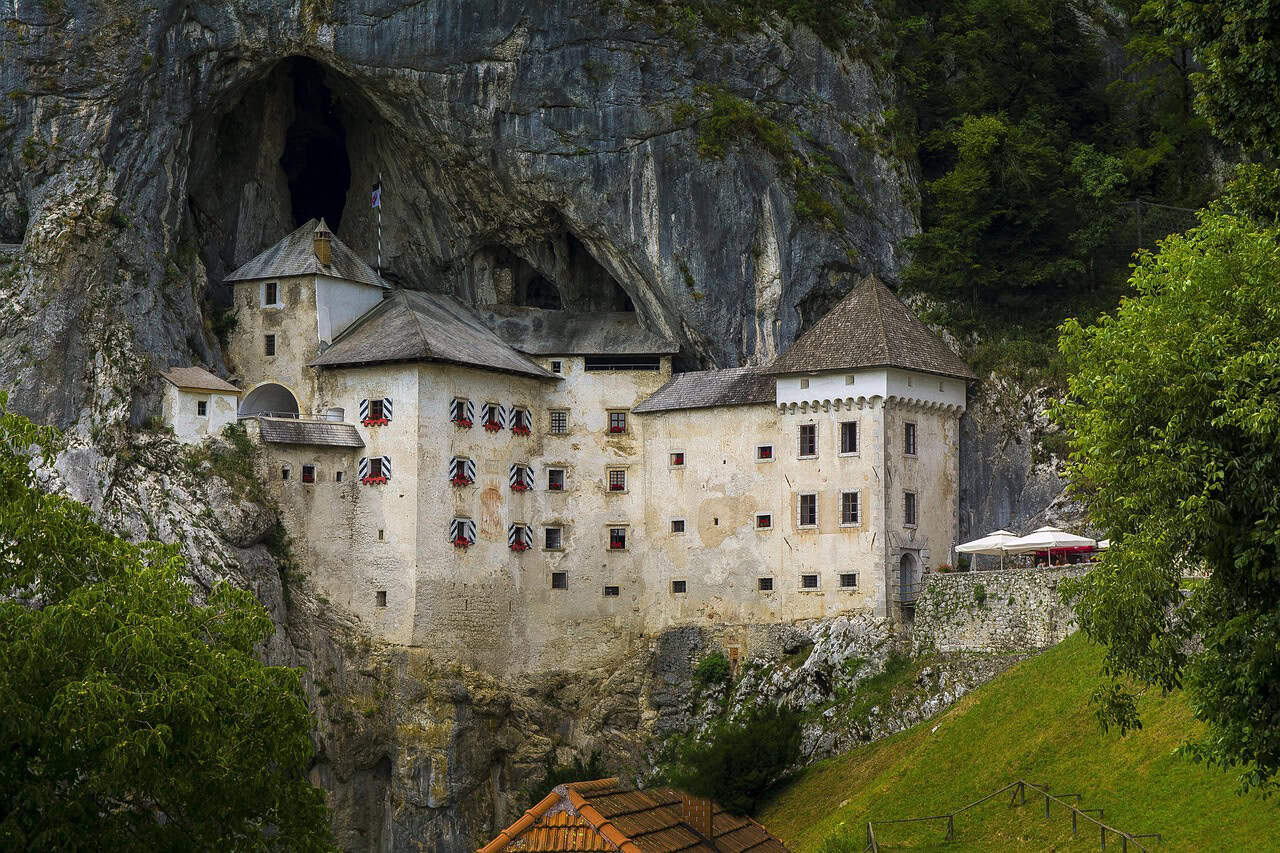
Compared to neighboring Italy or Austria, daily travel costs in Slovenia are generally 20 percent lower. Mid-range hotel rooms typically range from $95 to $150 per night, while restaurant meals average $18 to $30. Public transportation within cities costs under $12 for a daily pass. Despite moderate pricing, accommodation ratings frequently exceed 4.6 out of 5 on major booking platforms. This balance of affordability and comfort attracts families, couples, and long-stay travelers seeking value without compromising experience.
4. Excellent Infrastructure and Easy Entry
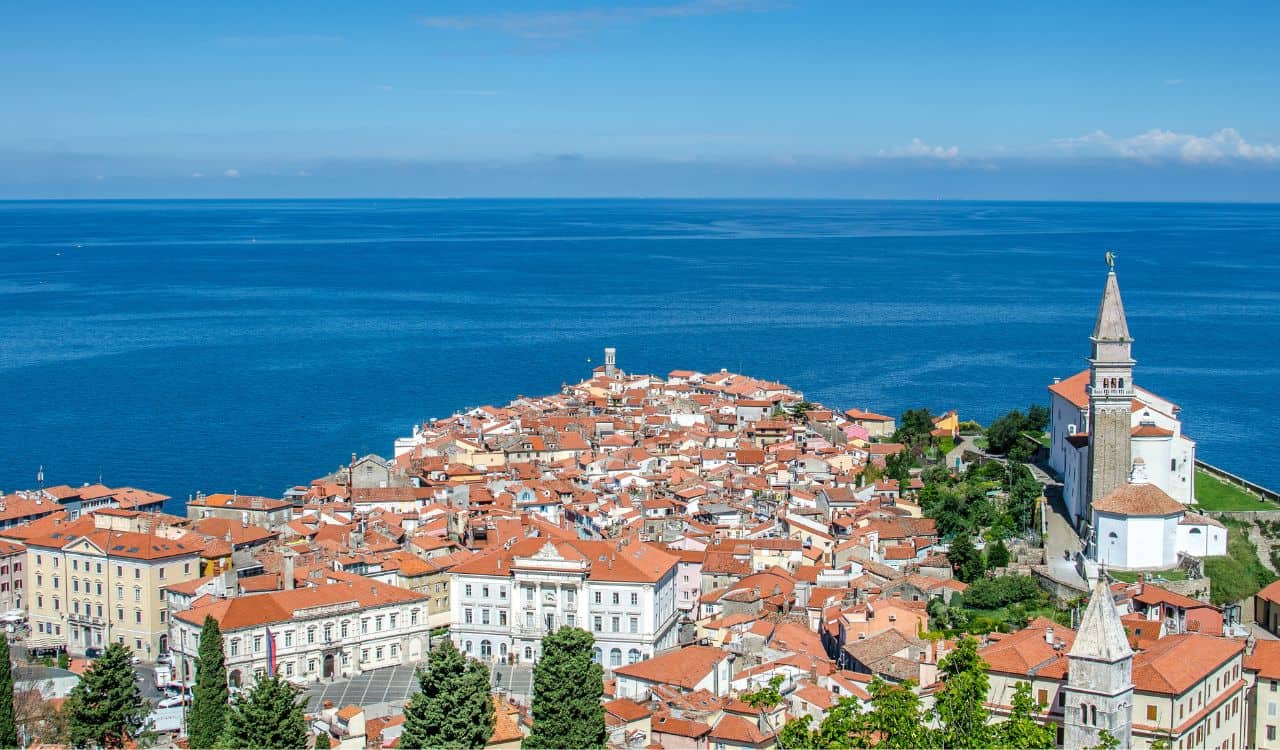
Over 95 percent of Slovenia’s key attractions are accessible within four hours of the capital by highway or rail. Modern trains operate at speeds approaching 200 km/h, ensuring smooth domestic connections. As a Schengen Area member, Slovenia allows seamless entry for millions of European travelers without internal border checks. English proficiency among tourism workers exceeds 80 percent, simplifying communication. These advantages reduce logistical stress and make Slovenia particularly appealing for first-time visitors exploring Central Europe.
5. Deep Cultural and Natural Heritage
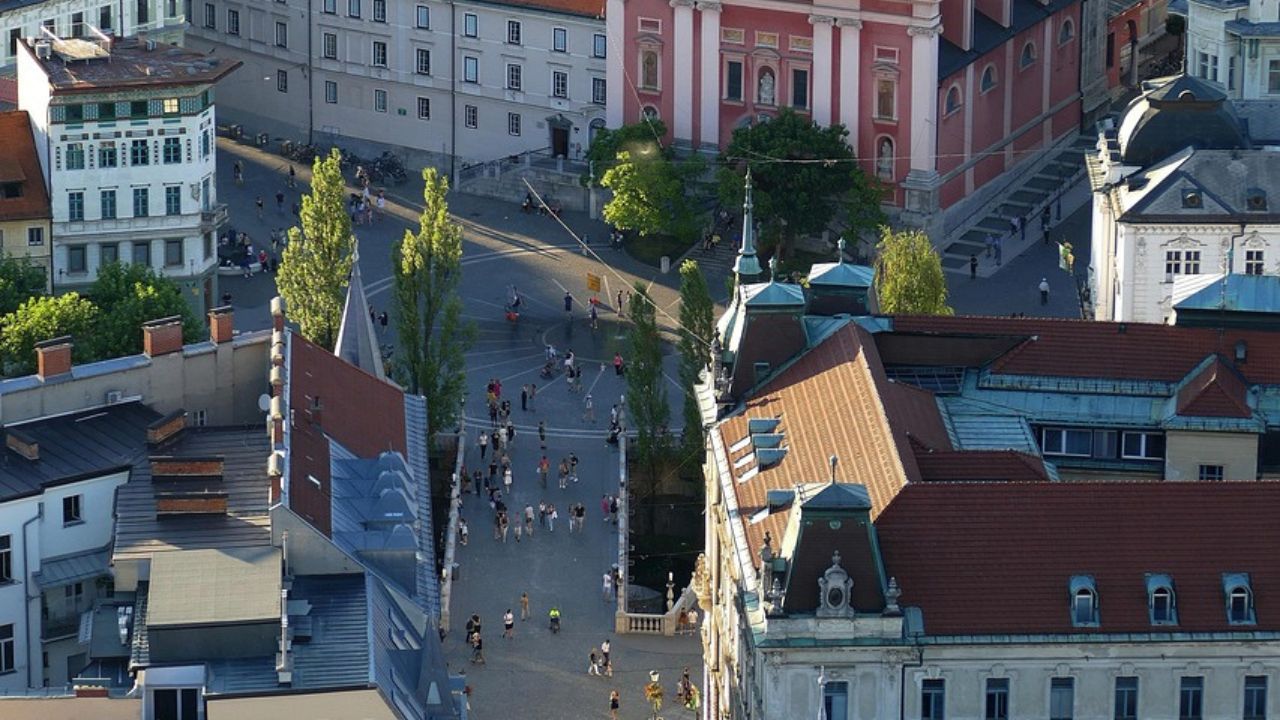
Slovenia features 5 UNESCO World Heritage listings and more than 2,000 protected cultural monuments. The country hosts over 250 annual festivals celebrating music, wine, literature, and local traditions. Museums record nearly 2 million visits each year, reflecting strong cultural engagement. Additionally, over 60 percent of Slovenia’s territory is forested, reinforcing its reputation as one of Europe’s greenest nations. This dense concentration of heritage and nature allows visitors to experience history, cuisine, and landscapes within short travel distances.
6. Smart Digital Marketing and Sustainability Branding
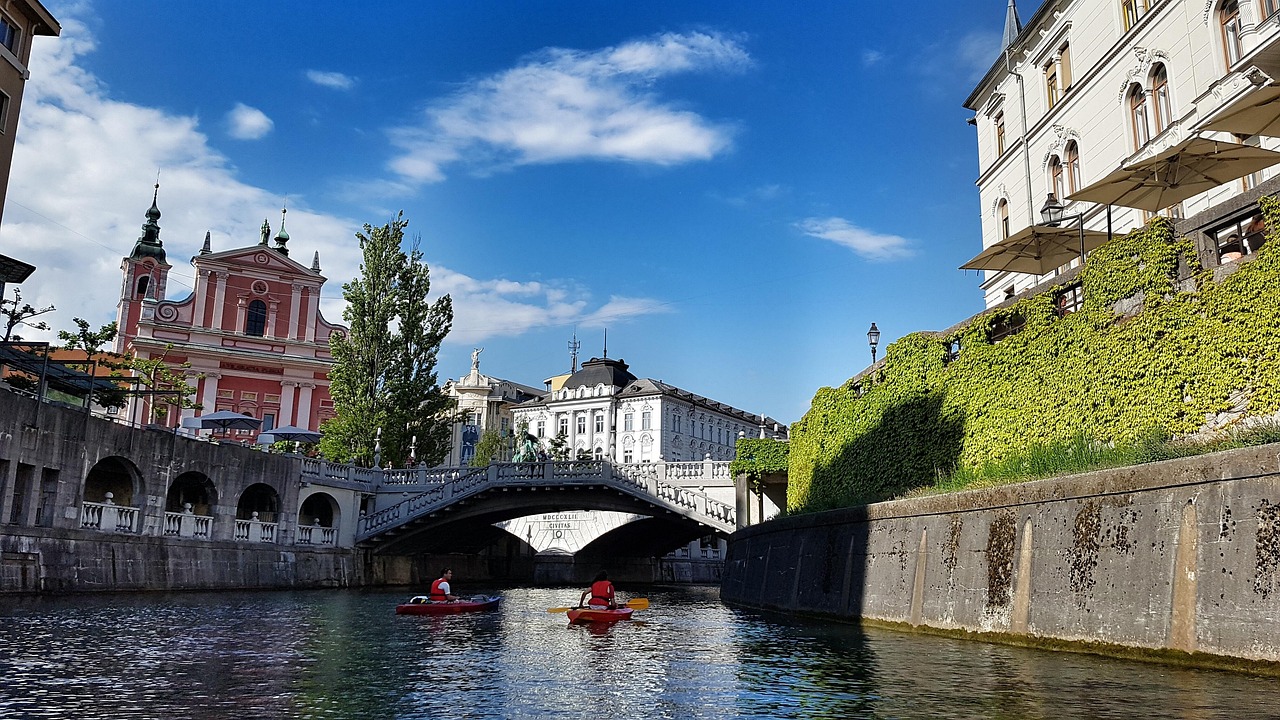
Slovenia’s tourism board invests nearly 40 percent of its marketing budget into digital campaigns, generating over 300 million annual online impressions. Destination-related hashtags have grown by 55 percent in two years, driven by images of Lake Bled, Triglav National Park, and Ljubljana’s riverside cafés. The country has earned multiple international sustainability awards and promotes eco-certified accommodations, which now account for nearly 30 percent of hotel capacity. This modern branding strategy keeps Slovenia visible and attractive year-round.