We may earn money or products from the companies mentioned in this post. This means if you click on the link and purchase the item, I will receive a small commission at no extra cost to you ... you're just helping re-supply our family's travel fund.
Crowds have started to change the way travel feels. In 2026, the quiet win is not another famous skyline, but a place that still has breathing room, local texture, and a sense of discovery. Planners are watching smaller regions that offer strong food, walkable old towns, wild coastlines, and cooler shoulder seasons without the overbuilt gloss. These destinations are not blank slates; they are lived-in places with stories, artisans, and landscapes that reward unhurried days. When word spreads, the magic is usually the first thing to thin out.
Albania’s Himarë Coast
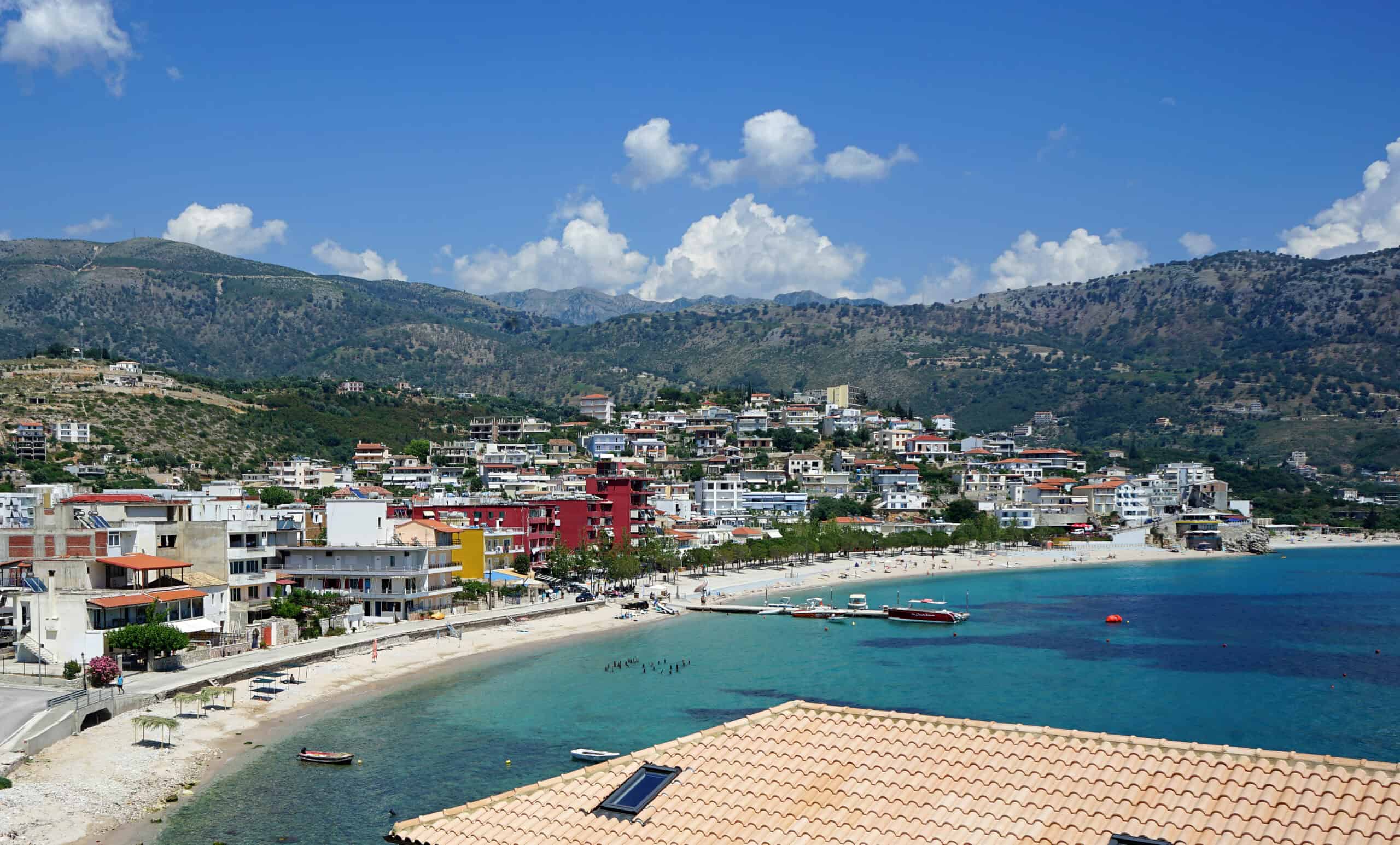
Along southern Albania, the Himarë coast still feels like the Mediterranean before it became a brand, with pebble coves beneath olive terraces, sea caves, and villages that dim their lights early on the Ionian. Evenings center on grilled fish, citrus salads, and carafes of local white wine, while small beach bars play soft music and new guesthouses restore stone homes instead of replacing them. As nearby hotspots price themselves out and crowds spill into peak season, Himarë’s clear water, kayaks in hidden bays, simple hikes to hillside chapels, and that unhurried beach-to-beach rhythm make it a likely, 2026 favorite for many travelers today.
Romania’s Danube Delta
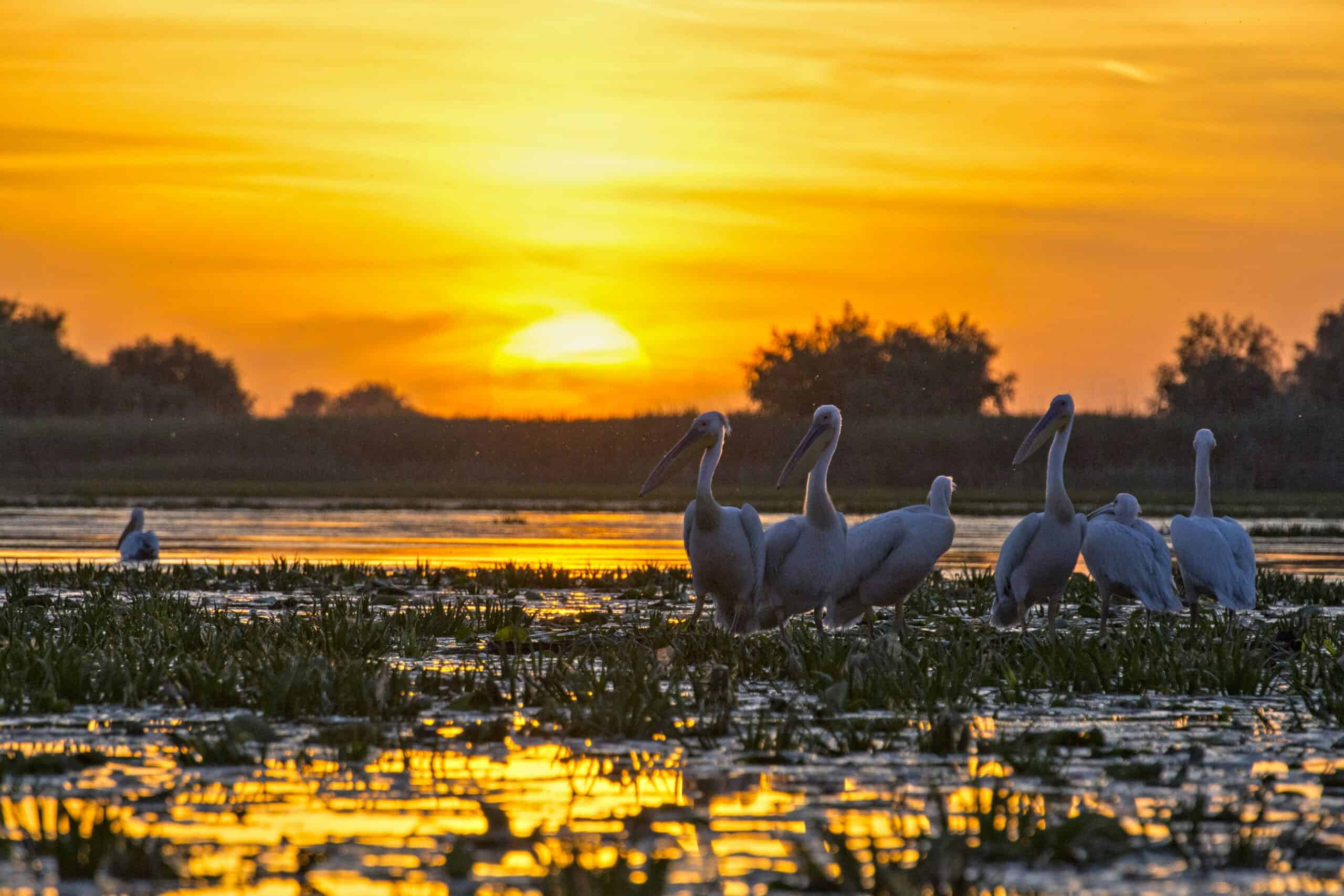
Romania’s Danube Delta is a shifting maze of reed beds, channels, and low villages where boats serve as taxis, and wooden gates, painted blues and greens, open onto gardens that meet the river. Pelicans, herons, and glossy ibis crowd the sky, while Lipovan kitchens smoke carp, fry polenta, pour plum brandy, and point out side canals that end in lily fields and silent fishing hides. With nature travel booming and classic capitals feeling louder each year, the Delta’s mix of kayaking, bird-rich dawns, and family-run pensiuni offers wonder without theme-park polish, a likely 2026 breakout for photographers and food lovers alike, in every season.
Greece’s Mani Peninsula
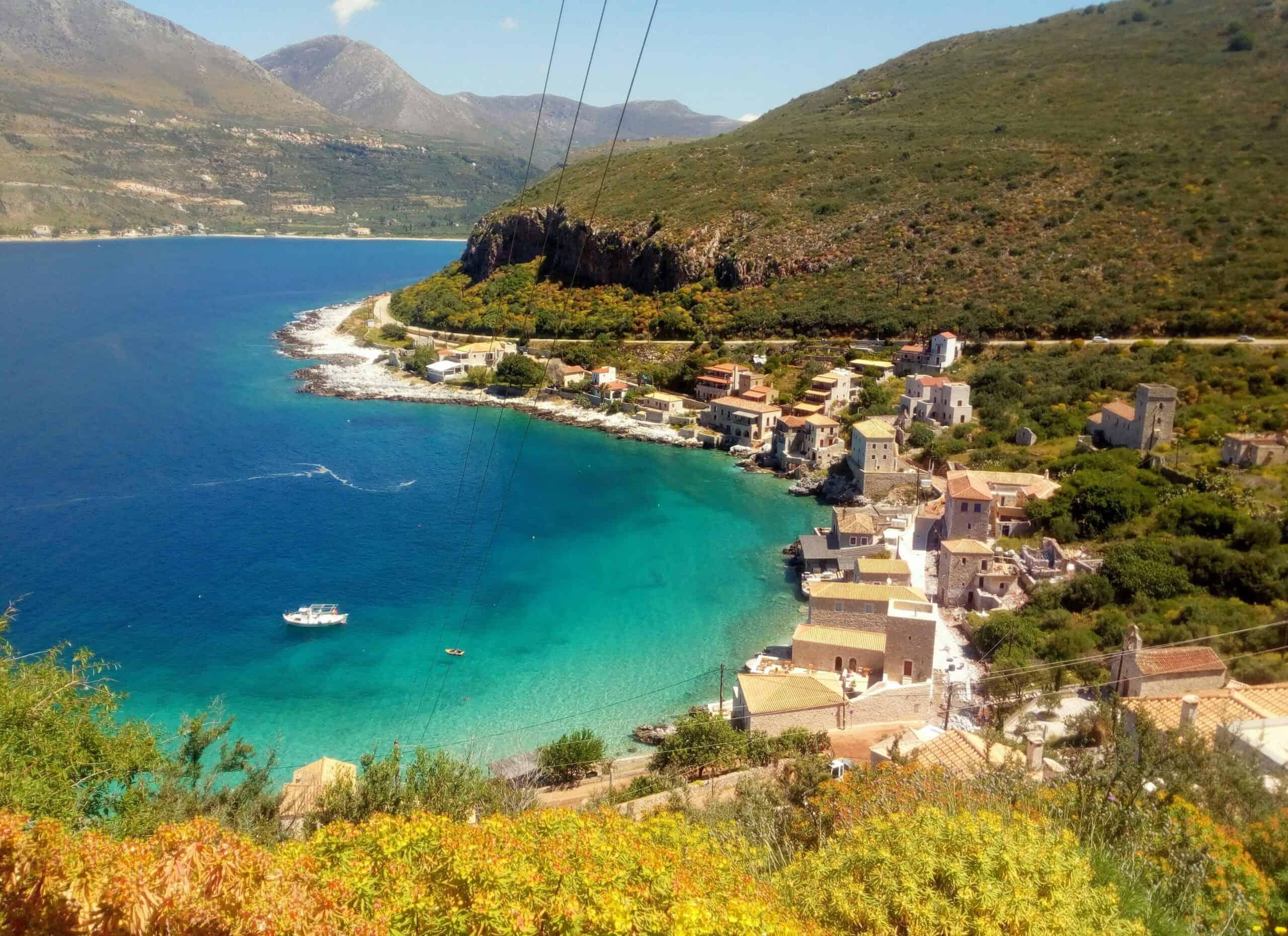
Greece’s Mani Peninsula, at the far south of the Peloponnese, swaps island crowds for stone tower villages, austere hills, and coves where the water turns glassy by late afternoon, even in high summer. Days move between olive groves, the Diros cave system, cliffside swims near Limeni, and small churches with faded icons, then back to tavernas that keep menus tight: oregano lamb, wild greens, local cheese, and honey desserts. As more travelers chase Greece beyond postcard ports, Mani’s rugged coastline, star-dark nights, and proud, lived history feel like the next quiet obsession for 2026, without ferry schedules or resort noise nearly always.
Finland’s Oulu And Bothnian Bay
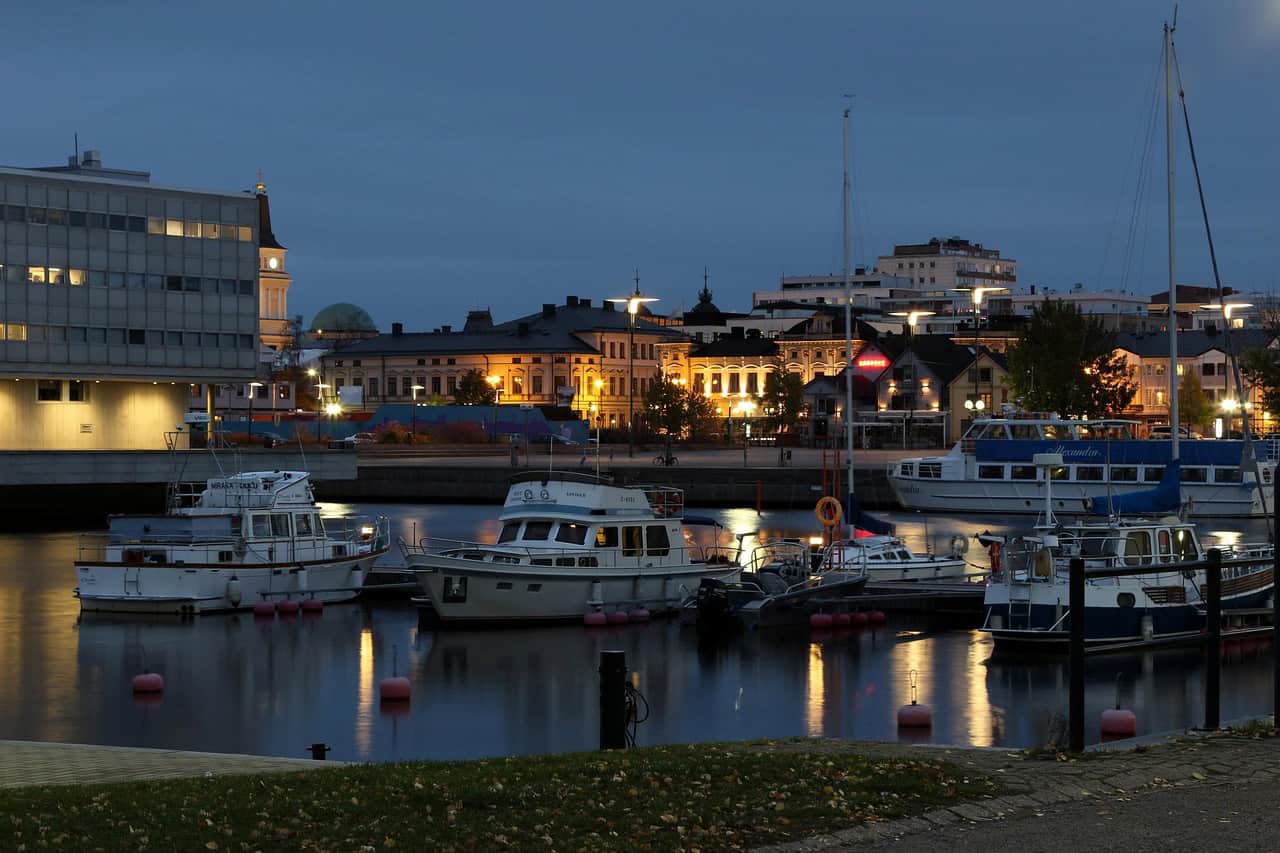
Oulu, on Finland’s Bothnian Bay, carries a playful creative streak that cuts through the stereotype of northern silence, mixing tech-town confidence with galleries, market halls, and strong coffee. A compact center of bike paths and riverside parks pairs with sauna culture, sea-to-table menus, and winter rituals that turn cold into comfort, from ice swimming to candlelit evenings in wooden cottages. When the bay freezes, ice roads, skating routes, and ferry hops to Hailuoto Island open up under long twilight, and the northern lights can show up often on clear nights, giving travelers space without the price shock of better-known Nordic stops.
Slovenia’s Upper Carniola
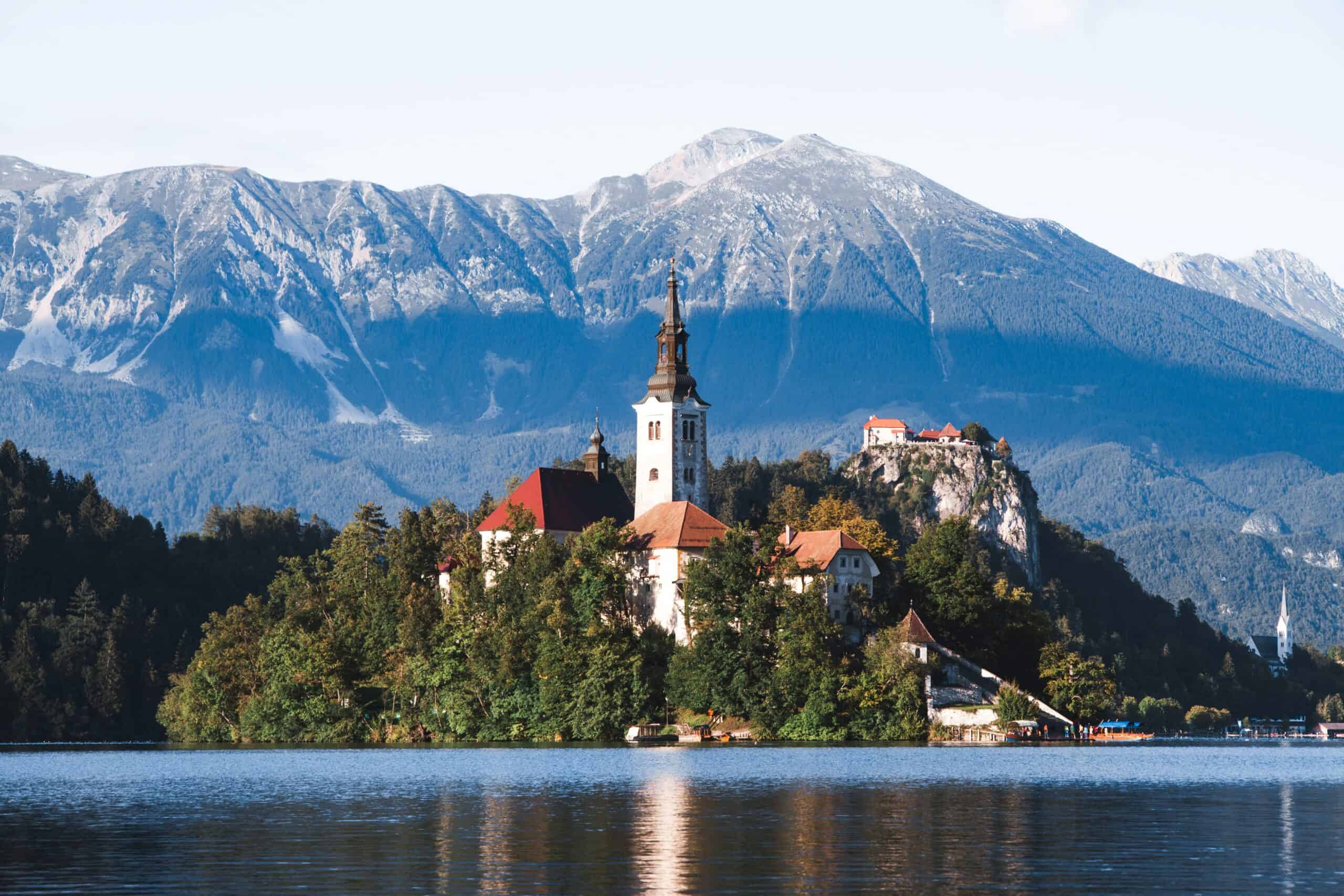
Slovenia’s Upper Carniola delivers Alpine peaks, turquoise rivers, and tidy villages, yet it avoids the loud tourism energy found just across the borders, so mornings still sound like cowbells and rushing water. Lake Bohinj stays calmer than Lake Bled, and towns like Radovljica and Kranj lean into beekeeping, mountain cheeses, and honey cakes instead of souvenir rows, with farm stays that feel personal rather than packaged. Triglav trails, gorge walks, and cycling routes link up with reliable buses and trains, so the region keeps moving without car pressure, and its mix of nature, craft, and calm seems primed for a 2026 spotlight quietly too.
Spain’s Extremadura
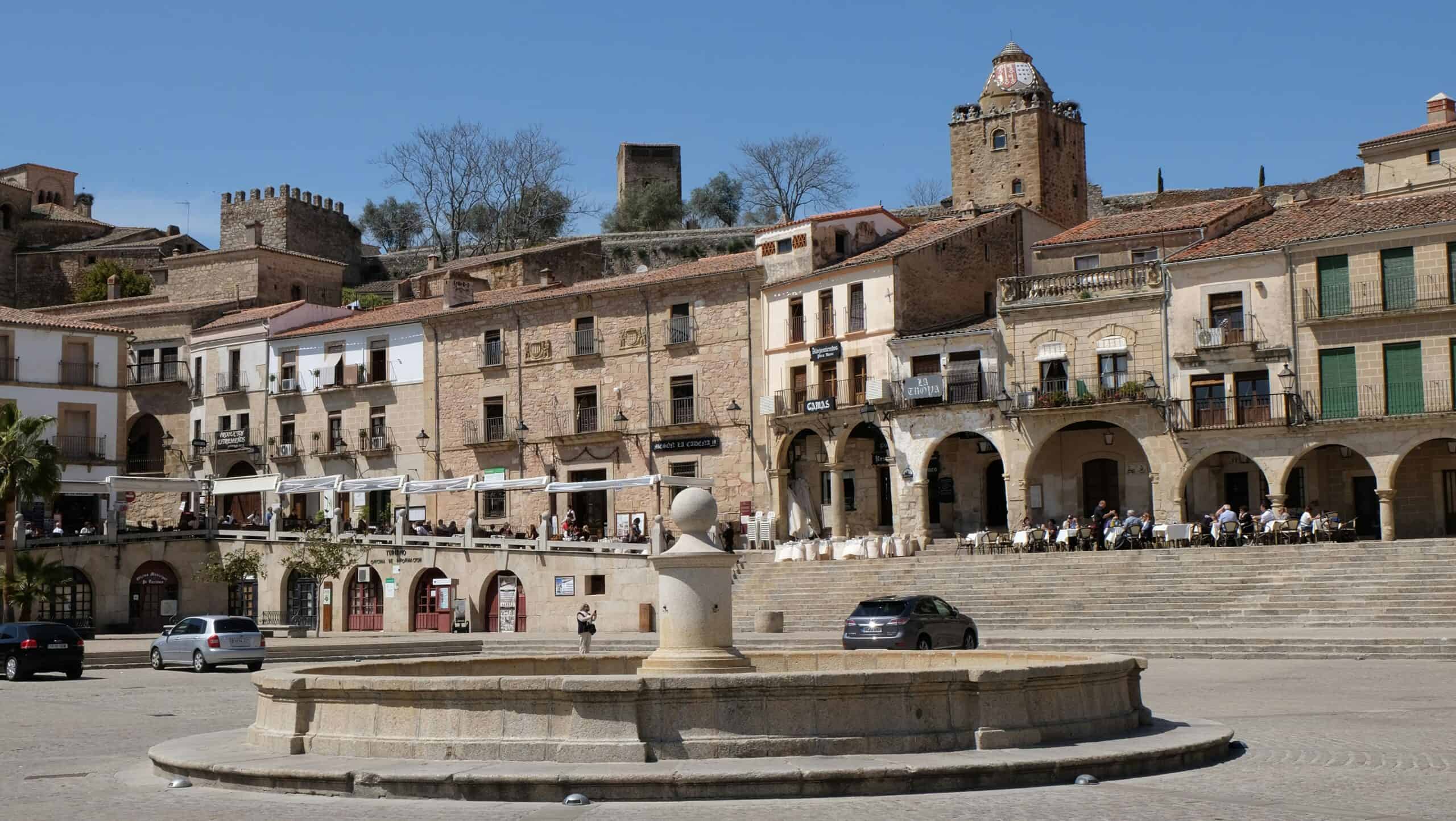
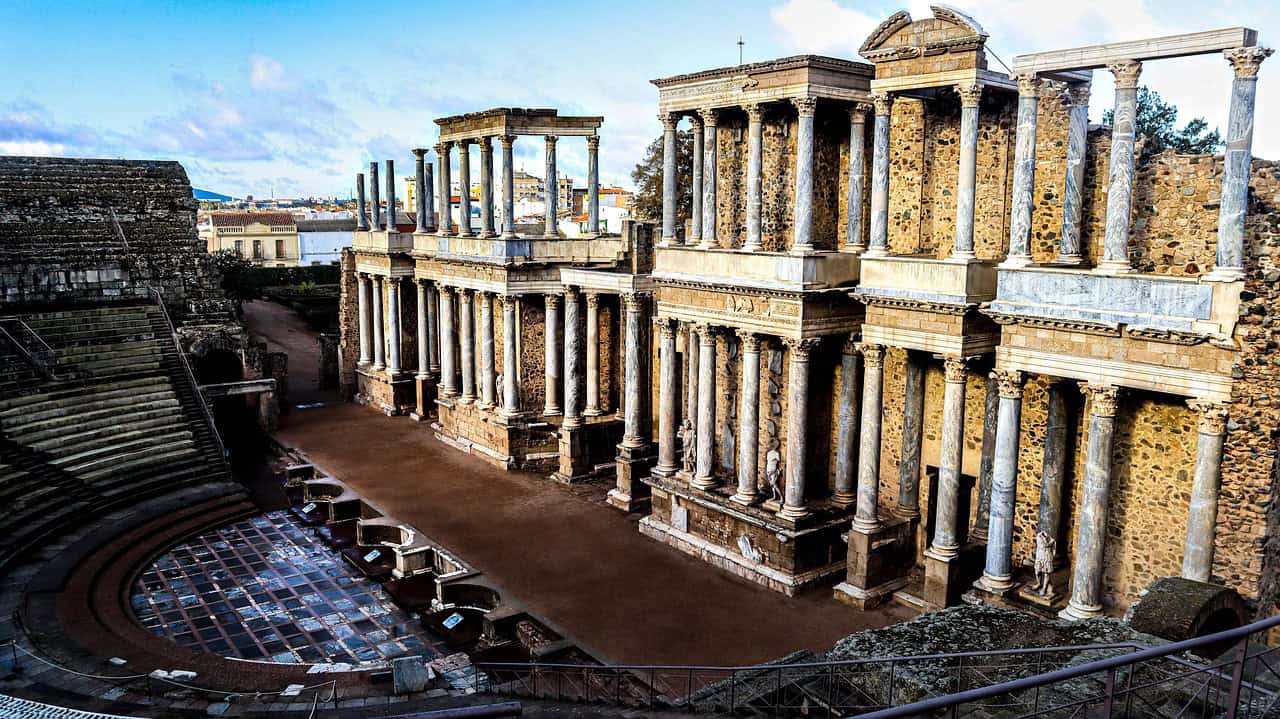
Extremadura, tucked between Madrid and Portugal, offers Spain at a steadier volume, where long lunches, stork nests, and open skies still outnumber tour buses. Roman Mérida and medieval Cáceres bring amphitheaters, stone lanes, and late-night plazas, while Trujillo’s squares and hilltop views add drama without crowds. Outside the towns, the dehesa landscape and Monfragüe’s cliffs fuel a food-and-nature loop of jamón, smoked paprika, raptors, and hiking, plus quiet river beaches, village markets, and dark-sky stargazing from small rural inns and patios, and as heat reshapes summer travel, its spring and fall seasons look made for a 2026 surge.
Colombia’s Barichara And Santander
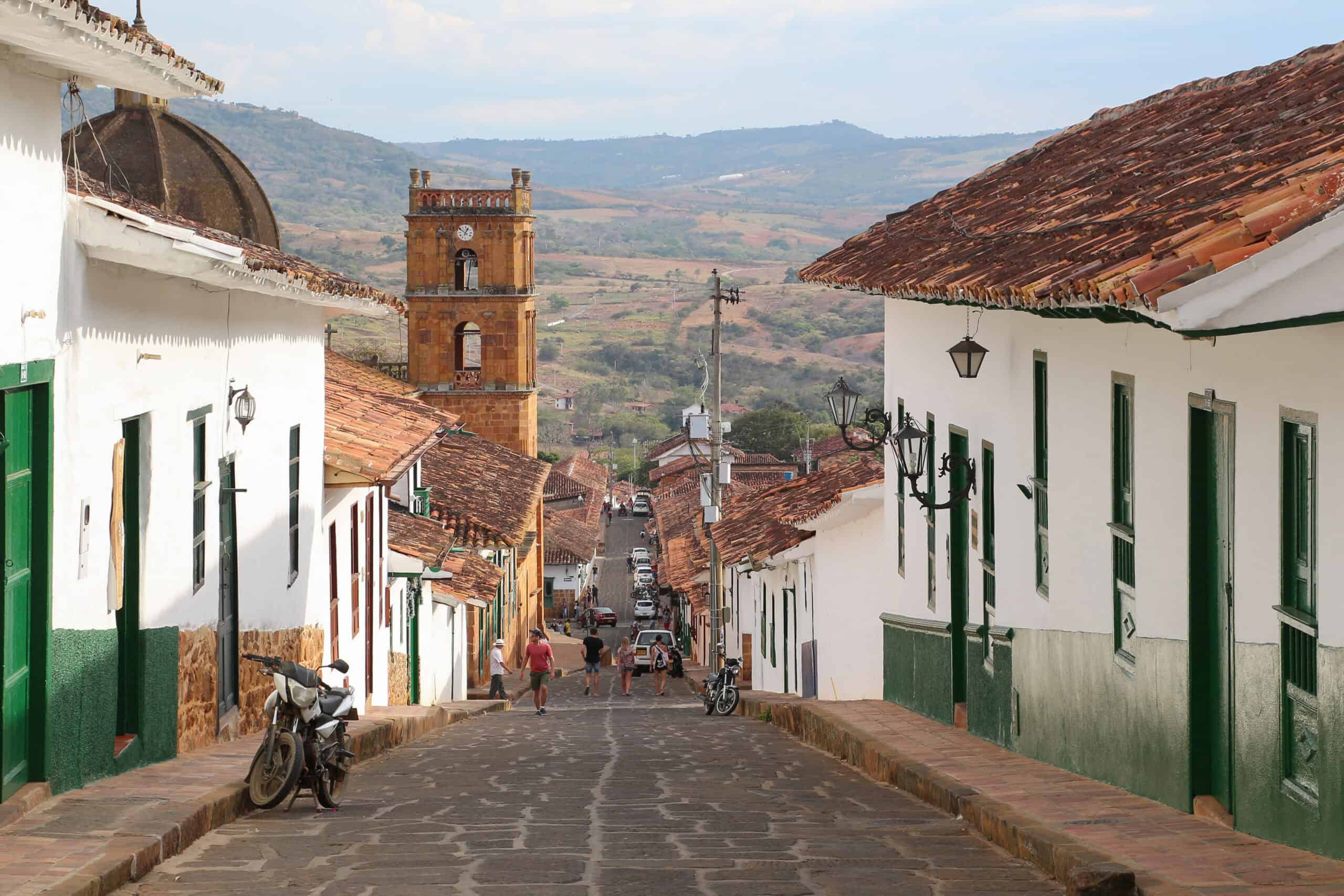
Barichara, in Colombia’s Santander region, feels like a town preserved by sunlight: whitewashed walls, clay-tile roofs, and cobblestone streets that soften every footstep. The Camino Real trail leads to Guane, and the nearby Chicamocha Canyon adds scale with wind, birds, and viewpoints that never feel staged; paragliding launches, river swims, and canyon drives keep the days kinetic. Meals stay rooted in place, from arepas and slow-cooked goat to local cacao and coffee, and as Colombia’s travel story widens beyond the familiar circuit, Santander’s blend of calm towns and outdoor energy looks ready for 2026, while its gentle pace stays intact.
Vietnam’s Quy Nhon And Phu Yen
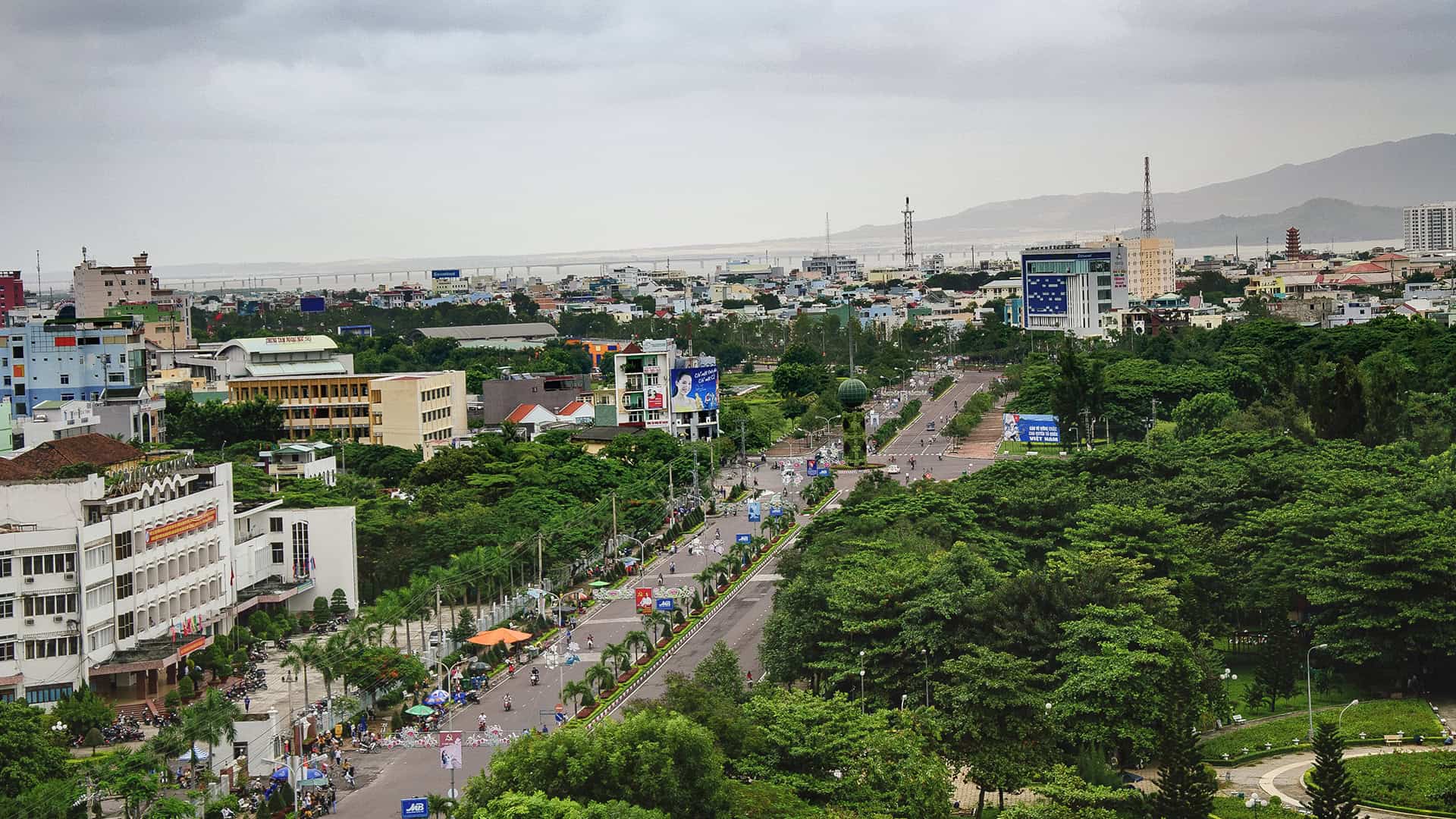
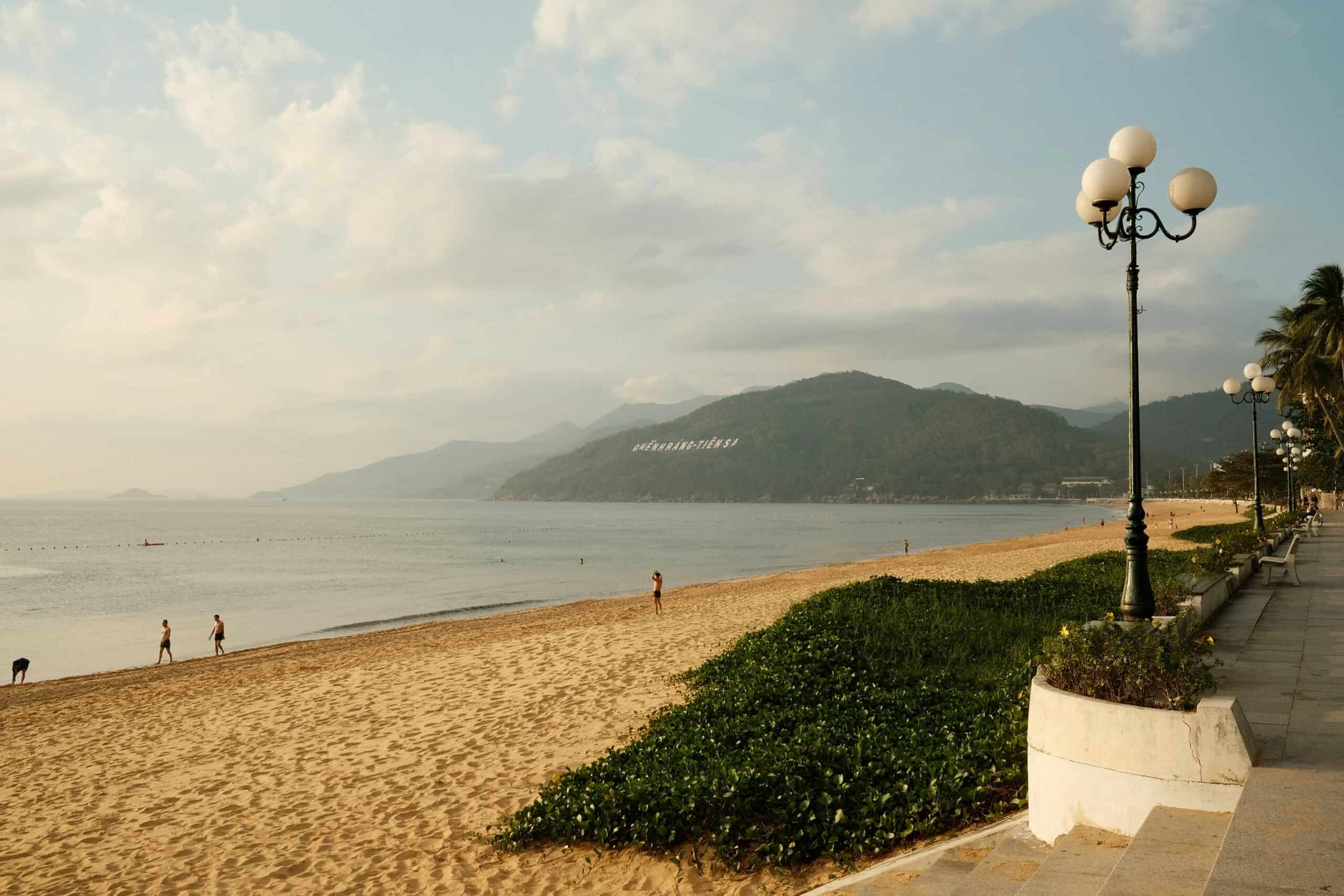
Quy Nhon and Phu Yen, on Vietnam’s south-central coast, offer a shoreline of dunes, basalt headlands, and working fishing harbors that still feel local first, not built for spectacle. Street stalls turn out bánh xèo, grilled squid, and seafood hotpots, and coastal drives pass salt pans, rice fields, and cliffs like Gành Đá Đĩa, where hexagonal rocks stack into the surf. As travelers sidestep the busiest hubs and watch budgets, this coast’s mix of calm beaches, simple homestays, and strong food culture has the ingredients for a 2026 breakout, especially in shoulder season when the water stays warm and crowds fade without inflated resort rates.
Namibia’s Zambezi Region
Namibia’s Zambezi Region, once called the Caprivi Strip, flips the country’s desert image with rivers, floodplains, and green corridors that feel almost tropical, especially after the rains. Hippos grunt at dusk, elephants cross tracks, and fish eagles cut through morning mist, while villages sell woven baskets and smoky bream along the water and guides favor boats and footpaths over long vehicle convoys. Sitting near Botswana, Zambia, and Zimbabwe, the region links easily to bigger safari icons, yet its calmer parks and community camps keep encounters personal, making it a strong 2026 choice for travelers chasing wildlife with space quietly.
Minnesota’s North Shore

Minnesota’s North Shore of Lake Superior offers a coastal feeling without the ocean, with basalt cliffs, surf, and pine forests that smell sharp after rain, plus beaches of rounded stones, that click underfoot. Duluth’s harbor energy fades into towns like Two Harbors, Silver Bay, and Grand Marais, where breweries, Nordic bakeries, smoked fish counters, and small galleries warm up gray days. Gooseberry Falls, Split Rock Lighthouse, and stretches of the Superior Hiking Trail keep the scenery active, and as travelers chase cooler summers and drive-friendly escapes, this shoreline’s fall colors and winter stillness make it a likely 2026 standout.