We may earn money or products from the companies mentioned in this post. This means if you click on the link and purchase the item, I will receive a small commission at no extra cost to you ... you're just helping re-supply our family's travel fund.

Global safety rankings often flatten complex realities, especially for women. Official crime numbers rarely capture underreporting, social stigma, or weak enforcement that shape everyday risk. In many places, women adapt routines, clothing, transport, and work hours to stay safe, costs invisible in broad indexes. This article examines ten countries that are often perceived as manageable or culturally appealing yet present underestimated dangers for women. Each section follows the same structure, pairing social context with numerical indicators to explain why perception and lived experience frequently diverge.
1. INDIA
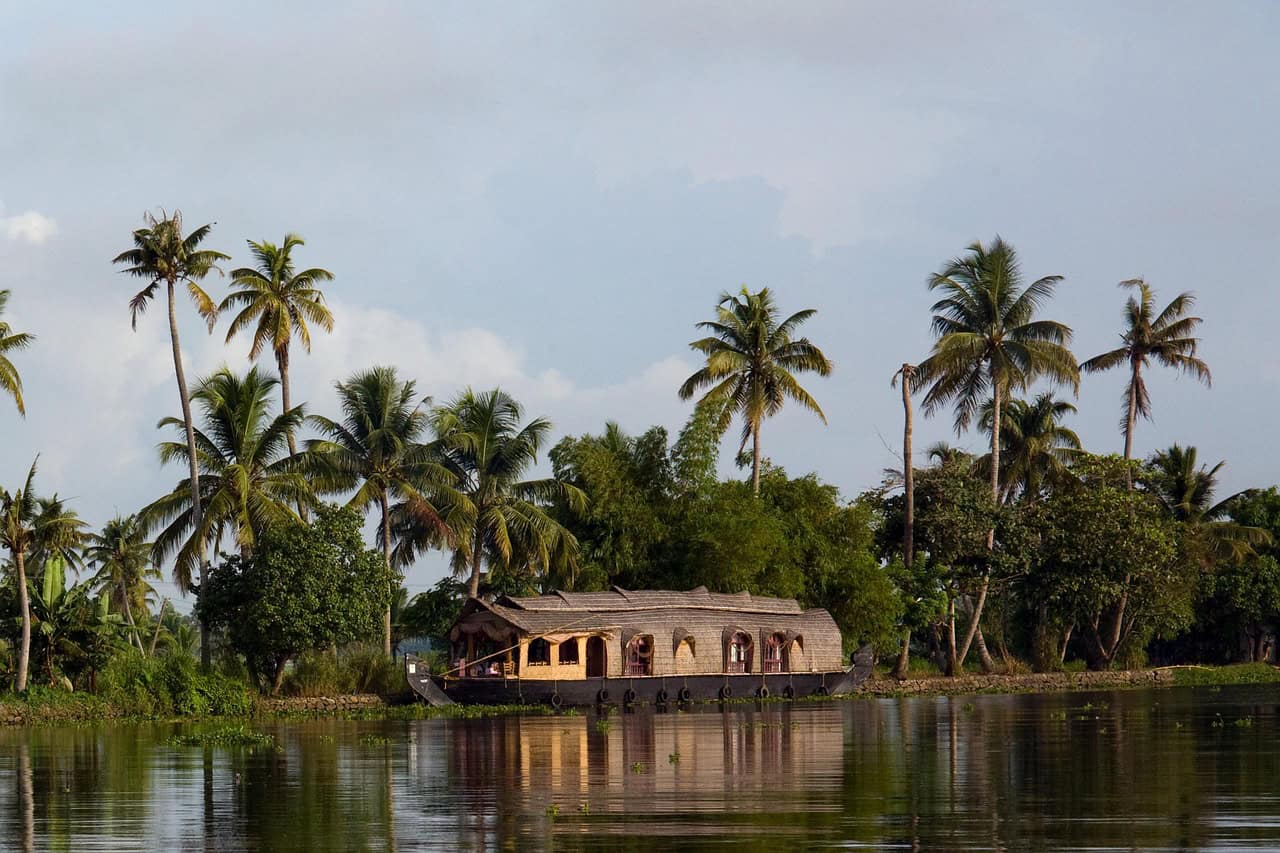
India’s rapid urban growth masks persistent gendered risks. National surveys suggest 30–33% of women experience physical or sexual violence in their lifetime, yet under 10% report incidents. Cities account for about 55% of registered cases, with public transport harassment affecting nearly 40% of female commuters weekly. Conviction rates for sexual offences hover below 30%, and average case durations exceed three years. Social stigma and family pressure discourage reporting, while uneven policing leaves gaps in response. As a result, many women plan daily movement around safety constraints rather than choice.
2. SOUTH AFRICA

South Africa records one of the world’s highest gender‑based violence burdens. Estimates indicate 35–40% of women face physical or sexual abuse, while police data shows fewer than 1 in 9 assaults are reported. Sexual offence rates exceed 130 incidents per 100,000 people annually, and intimate‑partner violence accounts for roughly 50% of cases. Although laws are robust, conviction rates remain near 25%. High inequality, alcohol abuse, and slow emergency response, often over 20 minutes in townships intensify daily risk for women.
3. BRAZIL

Brazil’s vibrant public life contrasts with significant dangers for women. Surveys report that around 27–30% of women experience violence, yet reporting rates stay below 20%. Large cities account for nearly 60% of sexual assault records, with femicide rates near 1.2 per 100,000 women yearly. Protective laws exist, but enforcement varies by state, and restraining orders are violated in about 40% of cases. Street harassment is widely normalized, forcing women to constantly assess clothing, routes, and timing to reduce exposure.
4. MEXICO

Mexico’s safety image is heavily skewed by gender. Roughly 34% of women report lifetime violence, while femicide averages 10–11 deaths per day nationwide. Only about 15% of sexual crimes are reported, largely due to distrust in police. Border and urban regions show the highest incidence, accounting for nearly 65% of cases. Investigations are slow, with clearance rates below 20%. The combination of organized crime, weak prosecution, and social tolerance creates persistent, underestimated risk for women.
5. EGYPT

Egypt is often viewed as conservative yet stable, but women face widespread harassment. Studies indicate over 85% of women experience public harassment, though fewer than 5% report it. Sexual assault reporting remains extremely low, and prosecutions are rare. Public spaces account for nearly 70% of incidents, especially crowded transport hubs. Legal reforms exist, but social blame and fear of retaliation suppress complaints. For many women, daily mobility involves constant vigilance rather than comfort or freedom.
6. TURKEY

Turkey’s regional hub status obscures rising dangers for women. Approximately 38% report physical or sexual violence, with domestic abuse making up over half of cases. Femicide figures fluctuate around 300 deaths annually. Reporting rates remain below 20%, as protection orders are inconsistently enforced. Urban areas see faster police response, but rural regions lag by up to 35%. Cultural pressures and judicial delays reduce trust in systems meant to protect women.
7. COLOMBIA
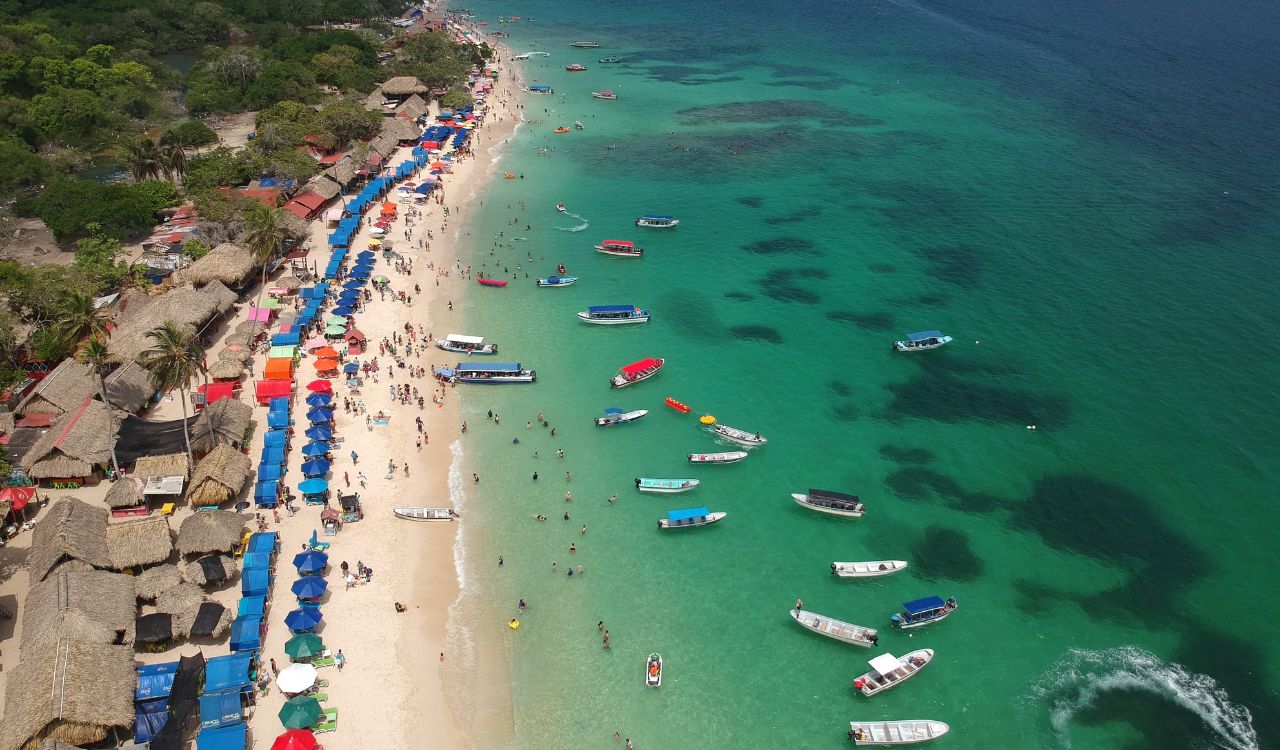
Colombia’s improving security reputation hides persistent gendered threats. About 32% of women report violence, while sexual assault reporting stays near 15%. Conflict‑affected regions account for roughly 45% of cases, with displacement increasing vulnerability. Femicide rates approach 1 per 100,000 women yearly. Legal pathways exist but are slow, with case backlogs exceeding two years. Social normalization of harassment further blurs boundaries of safety.
8. PAKISTAN
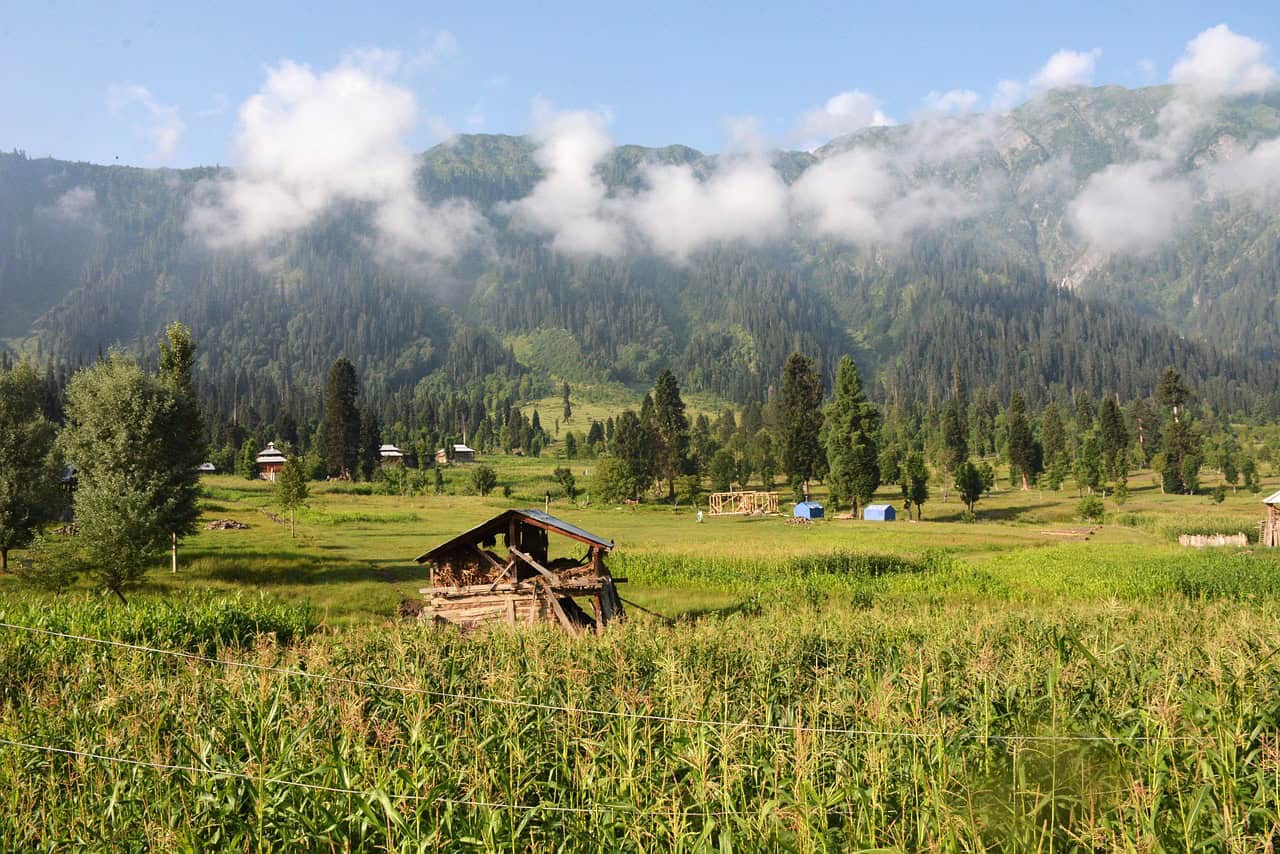
Pakistan presents significant risks shaped by social and legal barriers. Surveys suggest 28–30% of women experience violence, though reporting rates fall below 5%. Honor‑based crimes account for hundreds of deaths annually, with conviction rates under 10%. Domestic abuse dominates statistics, representing nearly 70% of incidents. Limited shelters often one per several million residents, restrict escape options. Cultural stigma and weak enforcement amplify everyday danger.
9. PHILIPPINES

Despite a friendly image, the Philippines shows notable risks for women. Around 20–25% report violence, while only 1 in 5 cases reaches authorities. Urban centers account for about 60% of sexual crimes. Online harassment is rising sharply, affecting nearly 30% of young women annually. Legal remedies exist, but slow courts and limited victim services reduce effectiveness, forcing women to self‑manage safety.
10. PERU
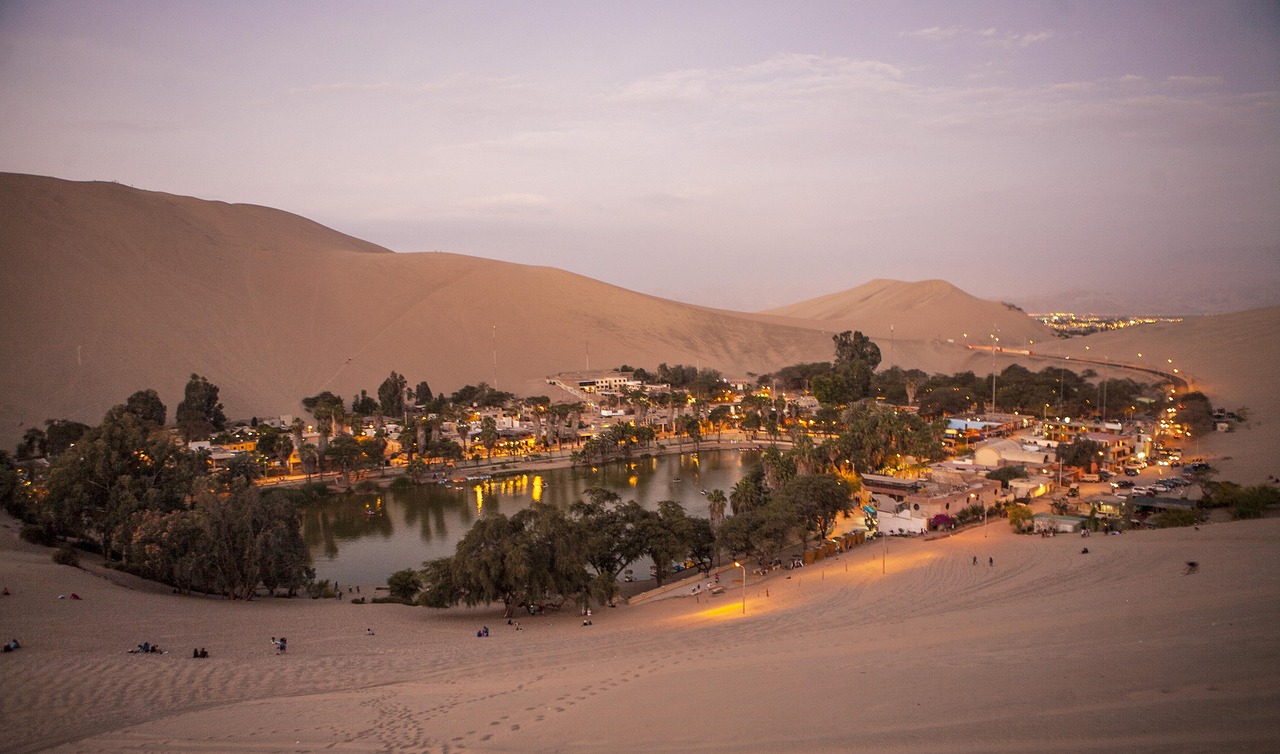
Peru struggles with entrenched violence against women. Nearly 40% report lifetime abuse, with femicide rates around 1.3 per 100,000 women. Only about 18% of assaults are reported, and protective orders are breached in roughly 35% of cases. Rural areas face delayed responses, sometimes exceeding 24 hours. Cultural minimization of abuse and limited support networks leave many women exposed despite legal protections.