We may earn money or products from the companies mentioned in this post. This means if you click on the link and purchase the item, I will receive a small commission at no extra cost to you ... you're just helping re-supply our family's travel fund.

Passport delays rarely announce themselves with a single cause. They show up as status pages that barely change, envelopes that take the scenic route, and travel plans rebuilt around uncertainty. In 2025, many governments publish steady service targets, yet applicants still experience waits that feel twice as long once mailing time, seasonal surges, and extra reviews stack together. The slowdown is usually a chain of small bottlenecks, not a dramatic collapse. Understanding that chain helps explain why the calendar can stretch even when no one step looks broken.
Demand Surges Hit in Waves
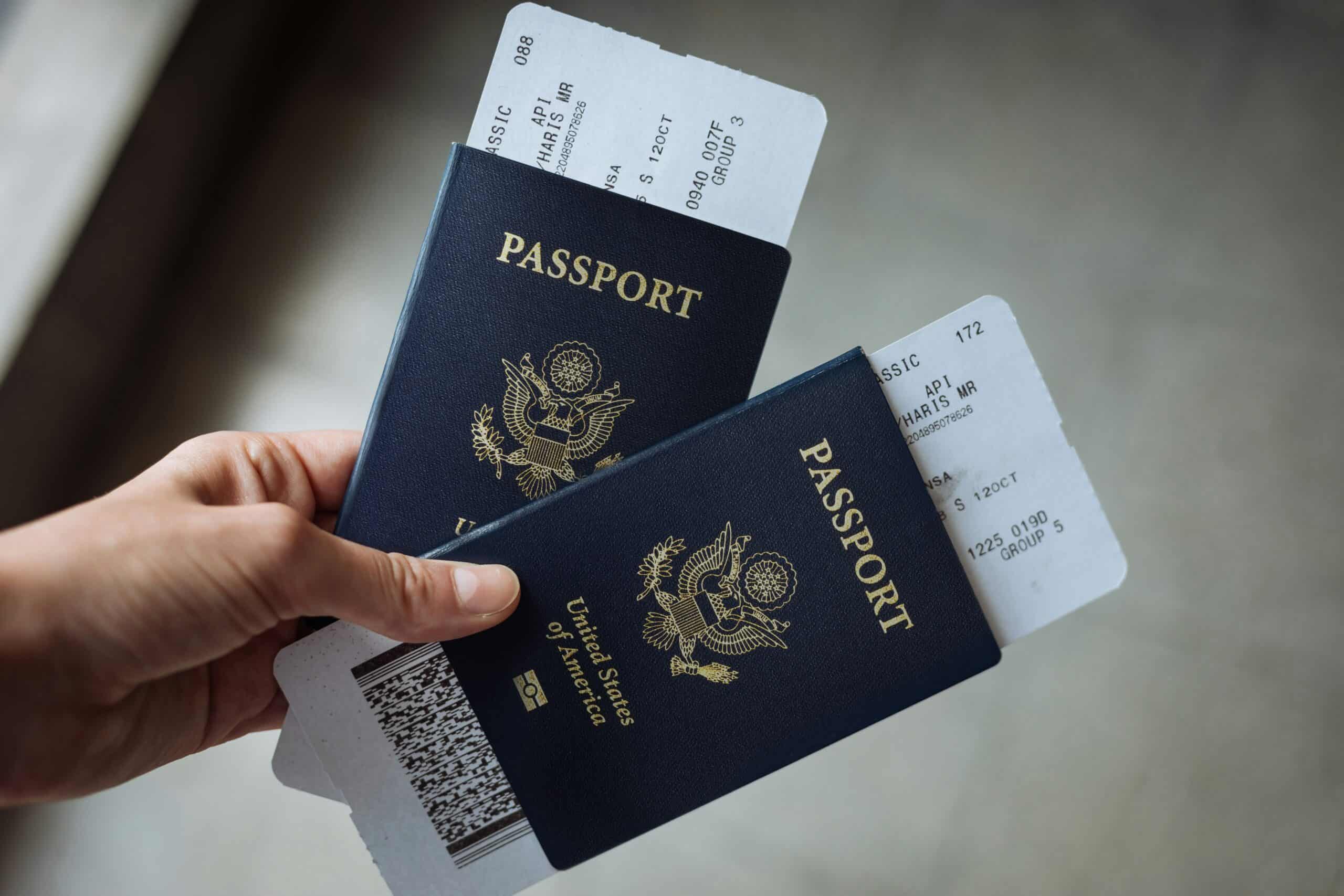
Passport demand tends to arrive in clusters, and agencies get hit when postponed trips, expiring 10-year books, and first-time applications for kids all land in the same season, often right before major holidays. Even when processing improves in calmer months, a sudden surge can swell intake faster than offices can clear it, and the backlog ripples forward for weeks. The wait feels doubled because the spike does not land evenly; it arrives in waves, so a pileup built in May can still be dragging down a July submission, even with overtime shifts and public claims that service is improving.
Staffing Gaps And Training Lag

A passport case is an identity decision, not a simple clerical task, so new staff cannot be dropped into the workflow overnight without raising risk and rework. Hiring helps, but it is not instant relief. Background checks, training, supervised adjudication, and secure printing workflows all take time, and offices also need experienced reviewers to catch errors before they become security problems. Even when hiring ramps up, the public may feel no difference for months, because the pipeline to full productivity is long and careful by design.
Overtime Helps, But It Has Limits

When backlogs swell, agencies lean on overtime because it is faster than building new offices, but overtime is not the same as true capacity that can absorb a fresh surge. Longer shifts can push more cases through for a period, yet it also signals strain: more files flowing through the same rooms and equipment, fewer breaks for quality checks, and more pressure on staff handling exceptions. Overtime can shrink the queue temporarily, but if demand stays high, it becomes a treadmill. That is why timelines can stretch even when agencies appear to be working constantly.
Mailing Time Adds Hidden Weeks

Posted processing windows rarely match the lived timeline because mailing sits on both ends of the process, and those days are mostly invisible on tracking pages. Travel.state.gov warns that processing times do not include mailing, and that delivery can add up to two weeks to the total time to get a passport; USPS also notes status updates may not appear for about two weeks while the application and supporting documents are still traveling to State. The result is a quiet dead zone where nothing looks wrong, yet nothing appears to move.
Files That Need Extra Review Slow The Line

Most applications are routine, yet a small fraction require manual review: damaged citizenship documents, name changes, or record mismatches that trigger verification across systems. Travel.state.gov notes that applications needing additional information take longer than standard processing, which effectively pulls the file out of the main flow and into a slower lane with more human touchpoints. The delay compounds because the case pauses, waits for follow-up mail or corrected paperwork, and then re-enters the queue behind newer submissions, turning one detail into weeks of calendar loss.
Small Paperwork Errors Cause Big Resets

A passport application can stall over details that feel minor until the correction letter arrives: a missing signature, an incorrect fee, or a photo that fails specifications under strict sizing and background rules. When an agency requests corrections or additional documents, the timeline stretches through printing, mailing, and re-matching paperwork to the right case file, which is slower than most people expect. Travel.state.gov flags that errors and missing information can delay processing, and the delay is rarely linear; it is a stop, a wait, and a restart.