We may earn money or products from the companies mentioned in this post. This means if you click on the link and purchase the item, I will receive a small commission at no extra cost to you ... you're just helping re-supply our family's travel fund.
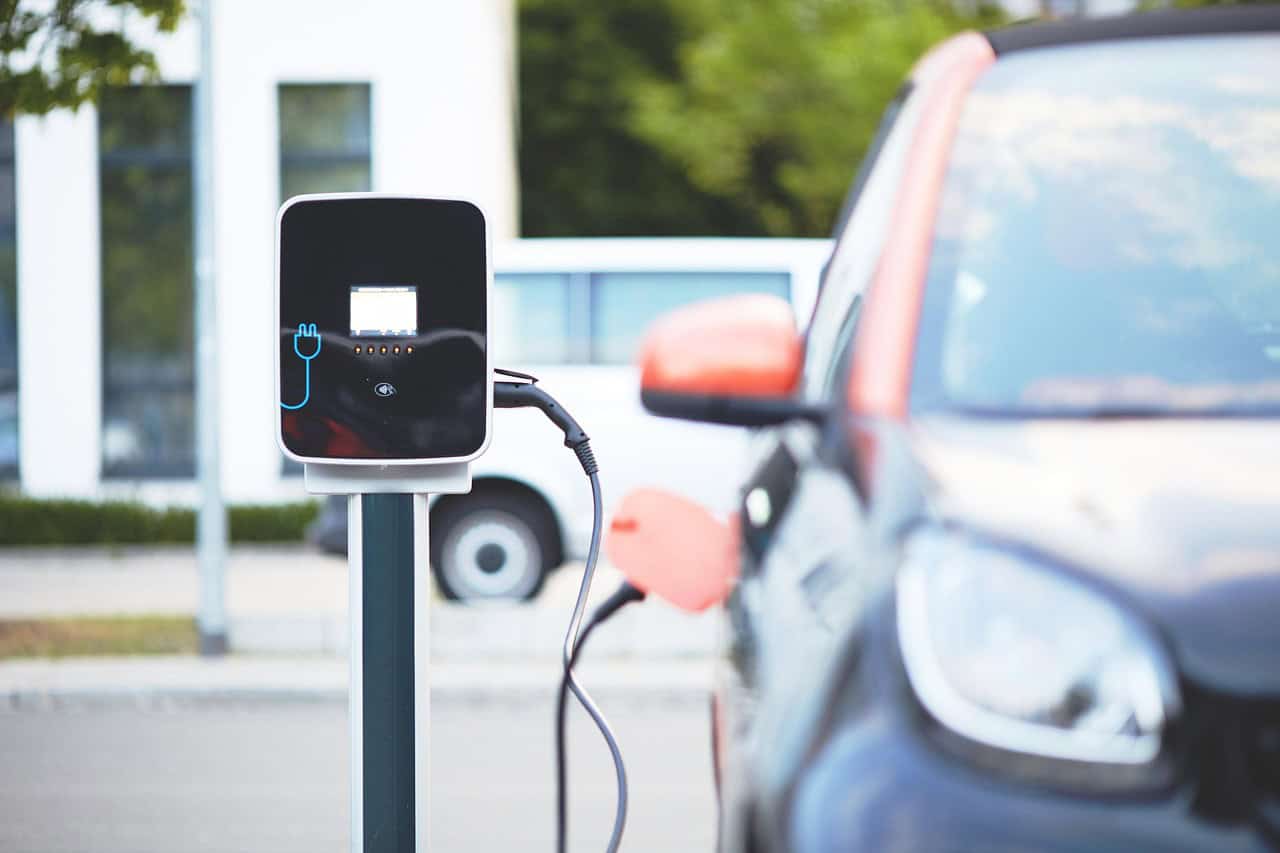
Renting an electric car for a long road trip feels like a forward-thinking choice; quiet rides, cleaner travel, and modern features. But despite the buzz around EVs, the realities of long-distance driving in 2026 can still leave travelers vulnerable. Charging gaps, real-world range limitations, and unpredictable support systems create risks that traditional vehicles simply don’t face. These issues can make what should be a smooth adventure turn into a stressed, tightly scheduled journey.
1. Patchy Charging Infrastructure on Long Routes
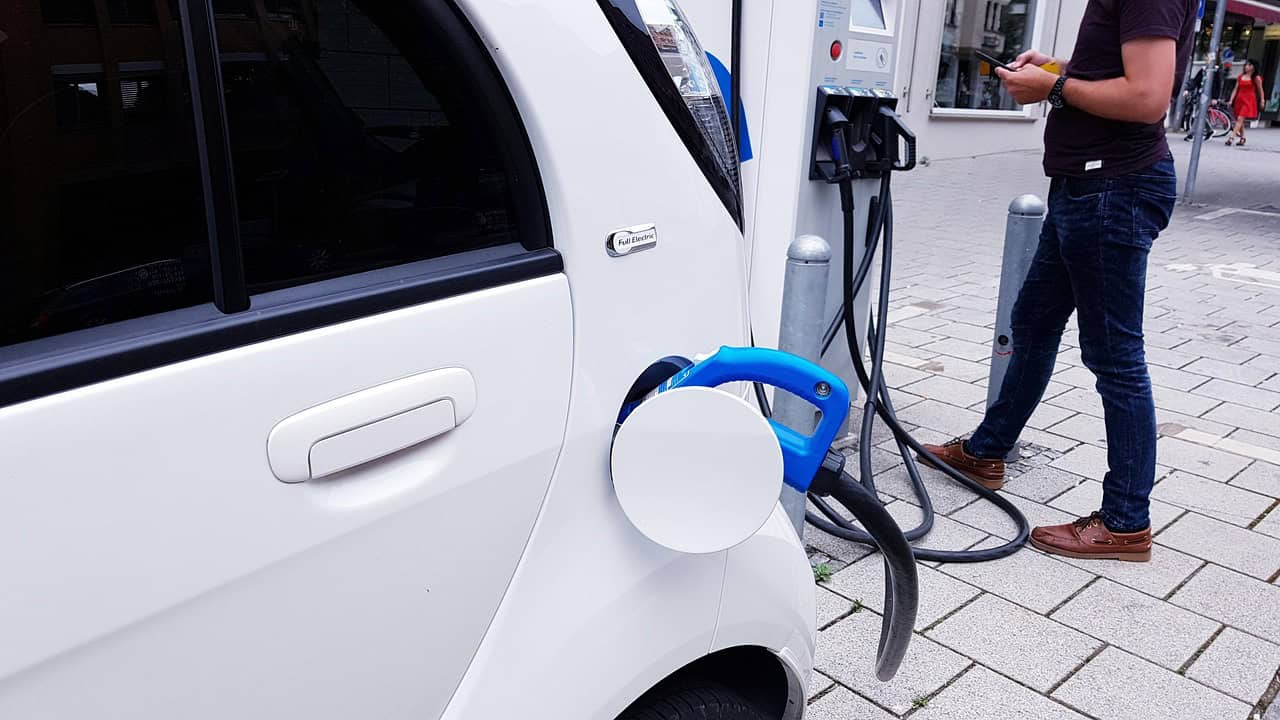
Highway charging availability still varies widely, with many regions offering only one fast charger every 50–75 miles, while petrol stations appear every 2–3 miles. In remote stretches, the situation worsens, as around 22% of chargers may be offline due to faults or maintenance delays. With such inconsistency, drivers can’t trust that a charger will be available when needed, raising the chances of forced detours, long waits, or running out of battery between distant stations.
2. Real-World Range Drops Faster Than Expected
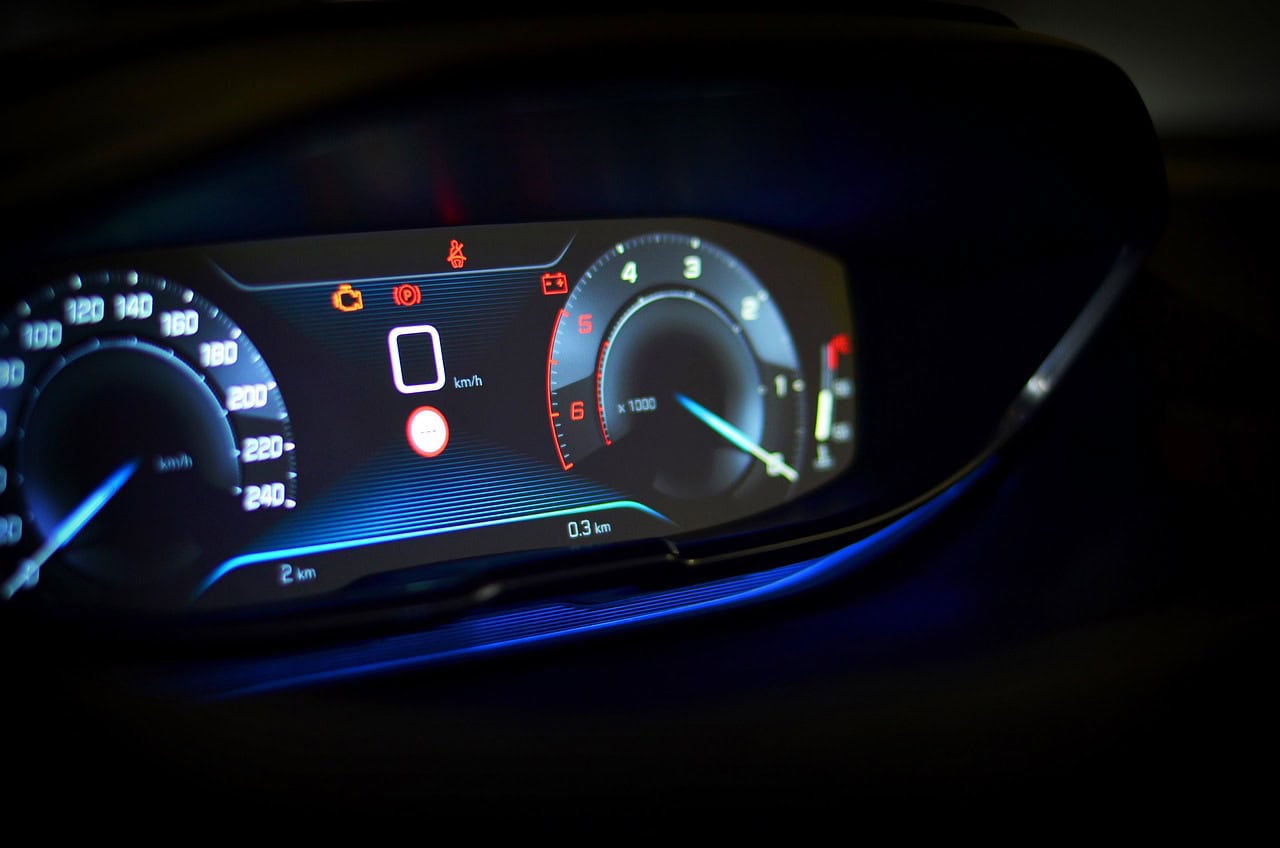
Even though rental EVs often advertise 250–300 miles of range, real-world numbers usually come in 25–35% lower on highways due to higher speeds, AC use, elevation changes, and battery wear. A car rated for 300 miles may realistically deliver just 180–220 miles during sustained long-distance driving. This forces more frequent charging stops and leaves little margin for unexpected detours, weather shifts, or route changes that could further reduce available range.
3. Long Charging Times Disrupt Tight Schedules
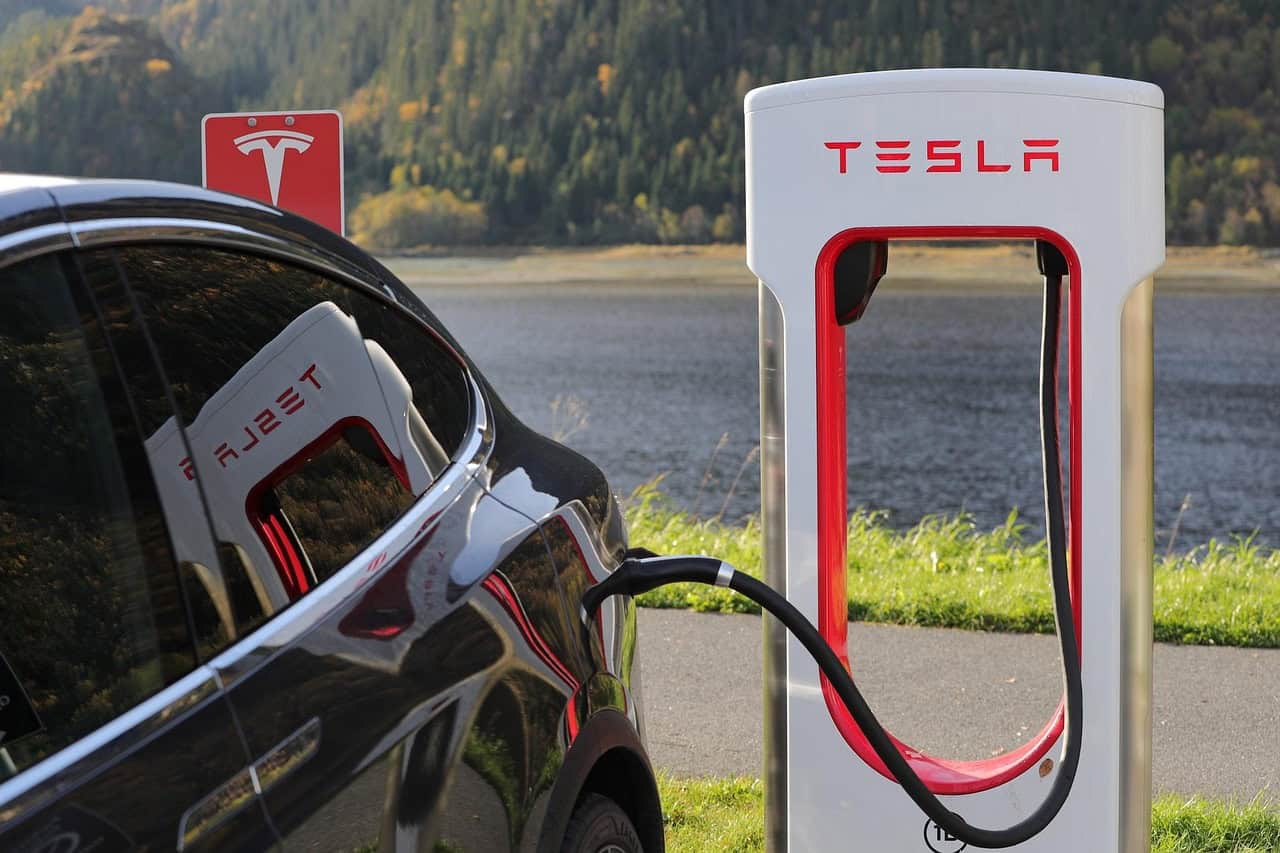
Fast charging stations typically take 35–60 minutes to reach 80%, and going to 100% can extend past 90 minutes. Standard public chargers can require 4–8 hours, which is impractical for travelers moving between multiple destinations. In comparison, refueling a petrol car takes just 3–5 minutes. On crowded weekends or holidays, queues at fast chargers can double wait times, delaying itineraries and creating travel fatigue that chips away at the joy of the road trip.
4. Higher Risk of Charger Failures and Power Outages
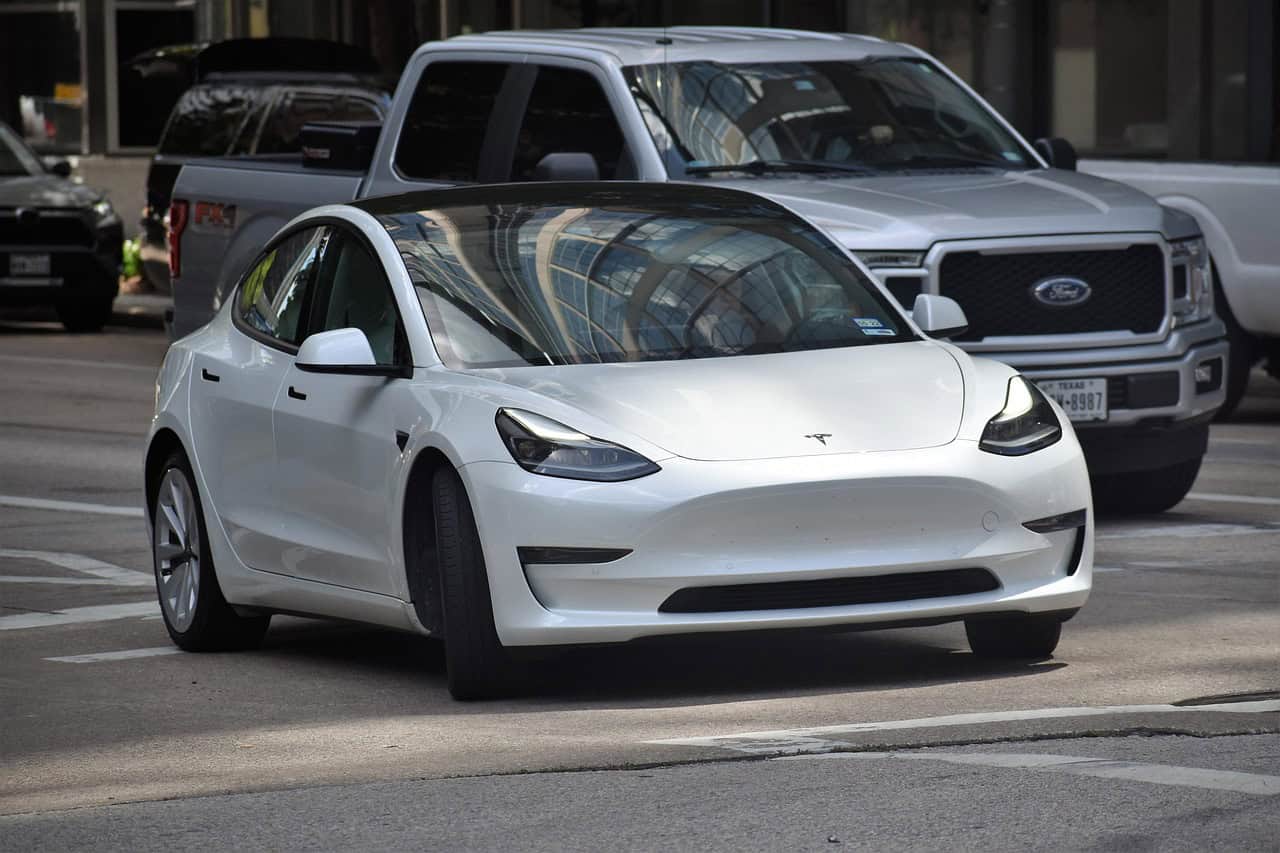
Public EV chargers still suffer from reliability issues, with failure rates hovering around 15–20% across major networks. Rural units are even more vulnerable, often affected by inconsistent power supply or delayed repairs. A brief voltage dip can interrupt a session, forcing drivers to restart charging or relocate entirely. Without backup chargers within 10–20 miles, a single outage can disrupt the entire day’s schedule and leave drivers scrambling for alternatives.
5. Limited EV Knowledge Among First-Time Renters

About 60% of EV renters report feeling unprepared for battery behavior, like planning adequate buffers, monitoring temperature effects, or understanding regenerative braking. Simple mistakes such as reaching a charger with less than 10% battery can drastically slow charging speeds, stretching a planned 40-minute stop into more than an hour. Misjudging displayed range or overestimating regeneration during downhill segments also increases the risk of stressful low-battery situations on unfamiliar roads.
6. Rental Fleet Constraints and Emergency Limitations
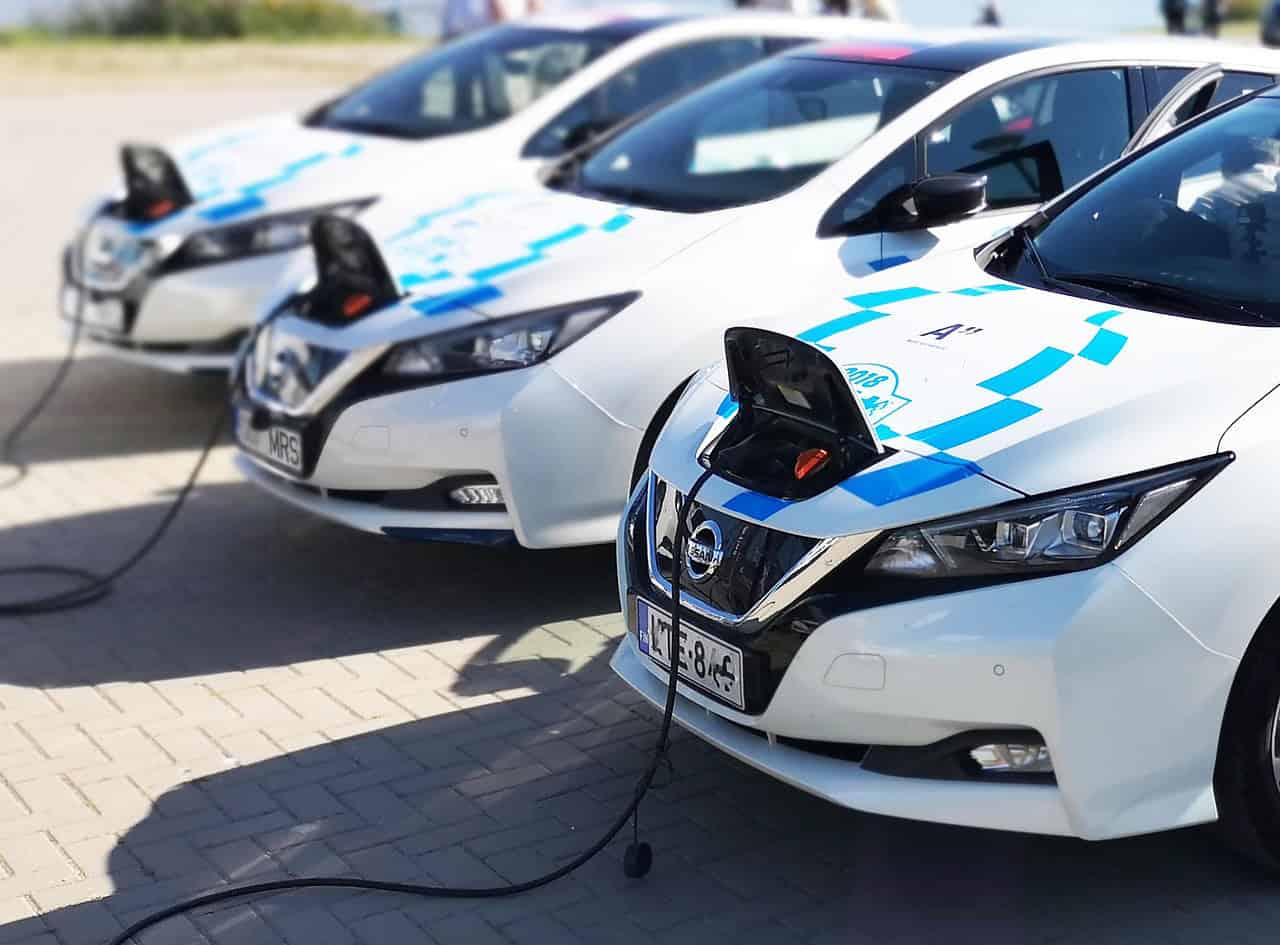
Most rental companies still keep only 10–20% of their fleet electric, and dedicated EV roadside support remains limited. Assistance services for EVs often require specialized equipment, resulting in 30–50% longer response times than petrol-car rescues. If the vehicle suffers a software fault or thermal issue—occurring in roughly 5–8% of rental EVs, finding a replacement may be difficult due to limited availability. These delays can leave travelers stranded far from their planned stops.