We may earn money or products from the companies mentioned in this post. This means if you click on the link and purchase the item, I will receive a small commission at no extra cost to you ... you're just helping re-supply our family's travel fund.
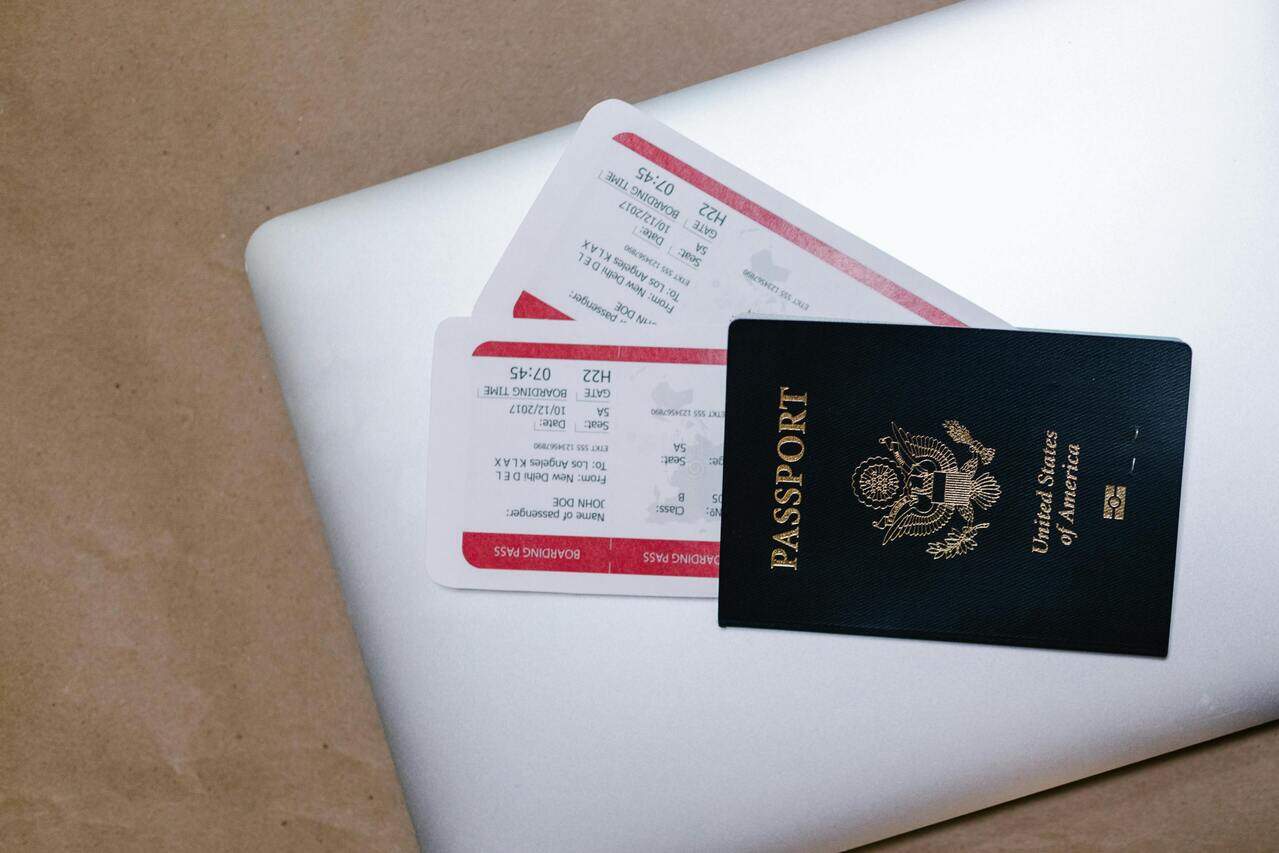
For years, airlines pushed travelers toward mobile boarding passes, promising speed, convenience, and paperless travel. Yet in 2025 and heading into 2026, paper boarding passes are quietly reappearing at certain airports and airlines. This shift isn’t nostalgia, it’s driven by system failures, regulations, accessibility concerns, and operational realities that digital tools still can’t fully solve. Below are the key reasons airlines are once again asking passengers to keep a printed backup in hand.
1. Airline System Outages Are Increasing in Frequency
Airline IT systems are more complex than ever, and outages are becoming more common. In 2024 alone, major global carriers reported over 2,300 documented system disruptions, ranging from app failures to airport check-in shutdowns. When boarding systems go offline, QR codes stored in apps become useless. Paper boarding passes allow gate agents to manually verify passenger data, seat numbers, and boarding groups. During disruptions, boarding with paper can be 20–30% faster than reissuing digital passes. Airlines now advise printing passes on high-risk routes to avoid missed connections and long gate delays.
2. International Airports Still Require Physical Documents
Despite digital progress, many international airports still depend on paper documentation. Around 38% of non-EU and non-North American airports require boarding passes to be physically stamped during exit immigration checks. Countries in parts of Africa, the Middle East, and South Asia often rely on paper to cross-verify visas and departure approvals. Without a printed pass, travelers may be pulled aside for manual processing, adding 15–45 minutes to exit procedures. Airlines serving these regions frequently mandate paper boarding passes to prevent bottlenecks and regulatory non-compliance.
3. Gate Equipment Can’t Always Scan Mobile Screens

Not all airport scanners are optimized for mobile devices. Industry data shows that 1 in every 6 boarding gates worldwide still uses older laser scanners that struggle with cracked screens, low brightness, or screen glare. In bright daylight conditions, mobile scan failure rates can rise by up to 18%. Paper passes eliminate these variables entirely. Airlines operating through older terminals often instruct passengers to print boarding passes to maintain steady boarding flow and reduce last-minute verification issues at the gate.
4. Phone Battery Failures Are a Major Boarding Delay

A dead phone remains one of the most common boarding problems. Surveys show that nearly 12% of travelers experience critical battery loss before boarding, especially on long airport layovers. Charging stations are often limited, with some hubs offering one outlet per 40 passengers during peak hours. Without battery power, digital boarding passes become inaccessible. Paper boarding passes provide a zero-energy alternative, allowing passengers to board even when devices fail. Airlines increasingly recommend paper backups for early-morning or multi-leg itineraries.
5. Data Mismatches Are Easier to Resolve on Paper
Name errors, seat changes, and standby adjustments happen more often than travelers realize. In 2024, airlines processed over 9 million last-minute seat reassignments globally. When digital passes don’t refresh correctly, passengers may show outdated information at the gate. Paper boarding passes reflect the latest validated record from the airline system. Gate agents can annotate or override paper passes in seconds, while fixing digital mismatches can take 5–10 minutes per passenger, slowing down boarding for everyone.
6. Security Audits Still Favor Physical Verification
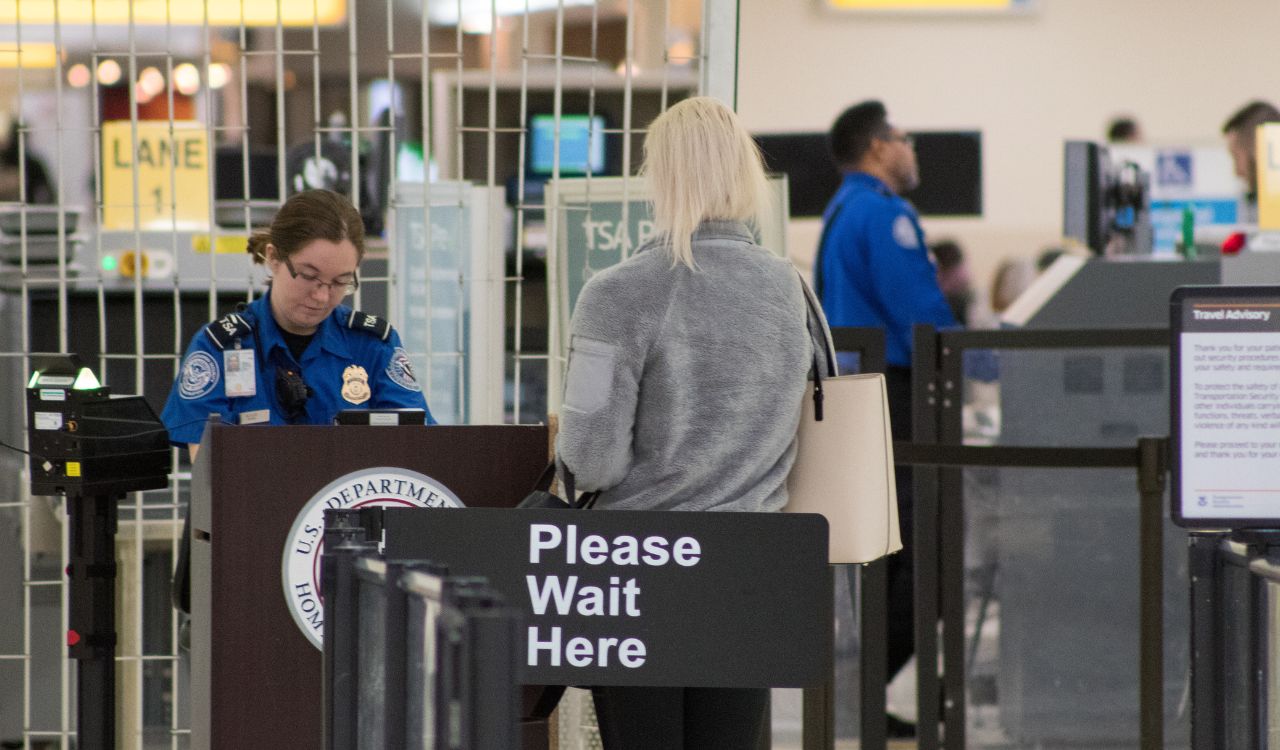
Aviation security agencies continue to rely on paper during audits and incident reviews. Approximately 27% of airport security checkpoints worldwide require physical boarding passes during secondary screening. Paper passes provide a tangible audit trail that digital logs alone can’t always satisfy. In random security escalations, officers may collect or mark boarding passes as proof of screening. Airlines comply by ensuring paper passes are available, particularly on routes with elevated security classifications or government-mandated compliance checks.
7. Accessibility Rules Prevent Digital-Only Boarding

Not every traveler owns or can operate a smartphone. Regulatory bodies estimate that 6–8% of airline passengers globally fall into digitally excluded categories, including elderly travelers and passengers with certain disabilities. In multiple jurisdictions, airlines are legally prohibited from denying boarding due to lack of mobile access. Paper boarding passes ensure compliance with accessibility laws while avoiding discrimination claims. Airlines that previously pushed app-only boarding have quietly reintroduced printed passes to meet these legal obligations.
8. Operational Recovery Is Faster With Paper Backups
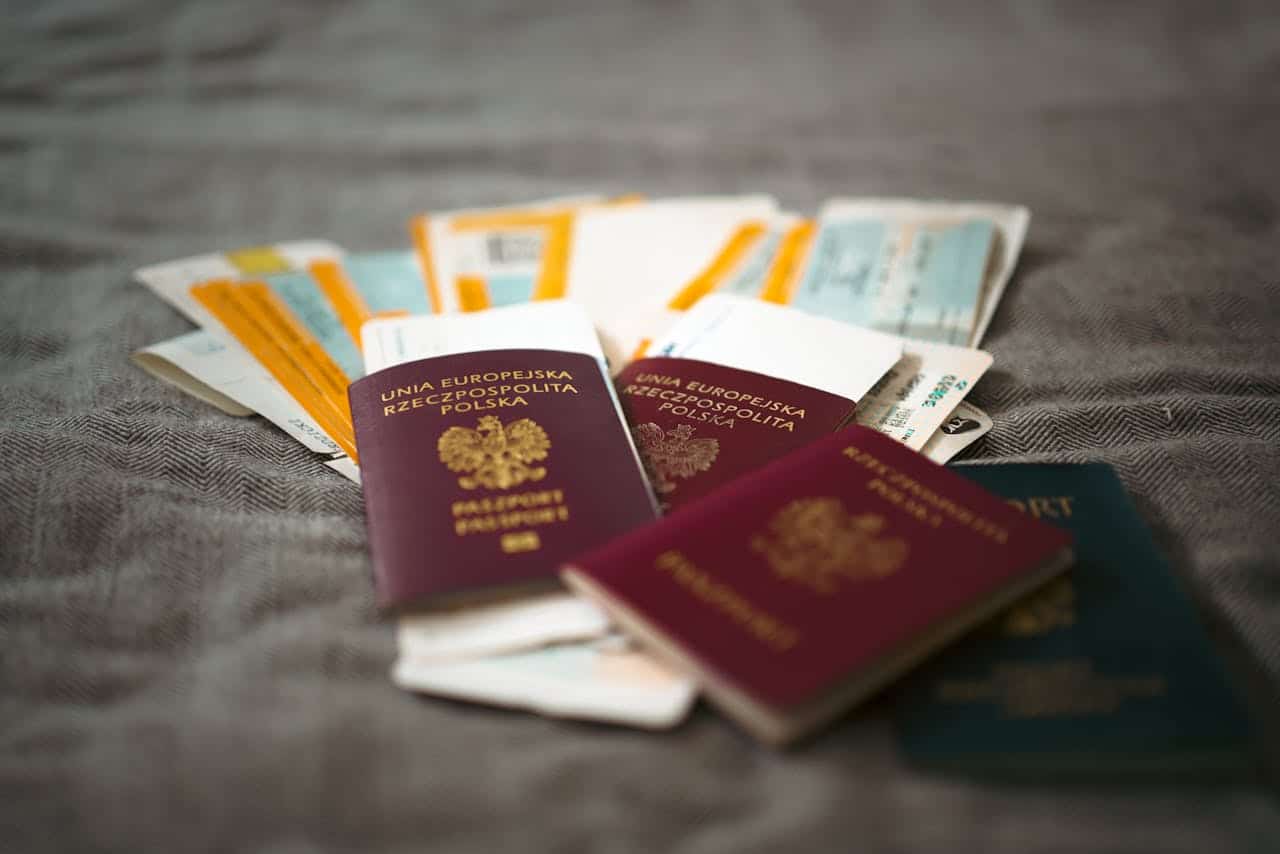
During delays, weather disruptions, or aircraft swaps, boarding processes must adapt quickly. Airlines report that recovery time after disruptions is up to 35% faster when paper boarding passes are already issued. Crew members can manually resequence boarding, reassign seats, and prioritize passengers without waiting for system refreshes. Paper passes act as a universal fallback across departments, check-in, gate, and cabin crew—making them essential during irregular operations that affect thousands of flights each year.