We may earn money or products from the companies mentioned in this post. This means if you click on the link and purchase the item, I will receive a small commission at no extra cost to you ... you're just helping re-supply our family's travel fund.

Mexico’s immigration system is no longer operating on casual assumptions that visitors will always respect the traditional 180-day tourist allowance. With rising long-term stays, repeat entries, and a noticeable increase in foreigners informally settling without residency, Mexican authorities are enforcing clearer limits and stricter evaluations. Americans still make up over 50% of Mexico’s foreign visitors, so any shift feels especially visible to them. Below are six detailed reasons explaining what’s changing, why it matters, and the real-world numbers behind the tougher approach.
1. Overstays Have Risen Far Beyond What Mexico Expected

Mexico’s tougher stance began because tourist overstays were no longer rare mistakes. Immigration officials reported tens of thousands of unresolved overstays yearly, with some travelers remaining 12 to 24 months without residency. Americans represent over 50% of international arrivals, so even if only 3–5% overstay, it becomes a major enforcement burden. Fines can reach several thousand pesos and in some cases travelers face deportation and re-entry bans lasting 1 to 5 years, signaling that Mexico now expects strict respect for its 180-day rule rather than casual extensions.
2. Years of “Visa Runs” Created a Loophole Mexico No Longer Accepts

For a long time, Mexico tolerated “visa runs,” where people left the country briefly, often 24–72 hours, and returned expecting another 180-day stay. In popular entry zones, some individuals repeated this 4 to 6 times annually, effectively living in Mexico without residency. Authorities found that thousands of travelers were using this method every year, which clearly contradicted the purpose of a short-term tourist permit. Now immigration officers track travel history more closely, record re-entries in national databases, and deny new permits when they see repeat patterns instead of genuine, time-limited tourism intentions.
3. Population Surges in Expat Hotspots Forced Policy Reactions
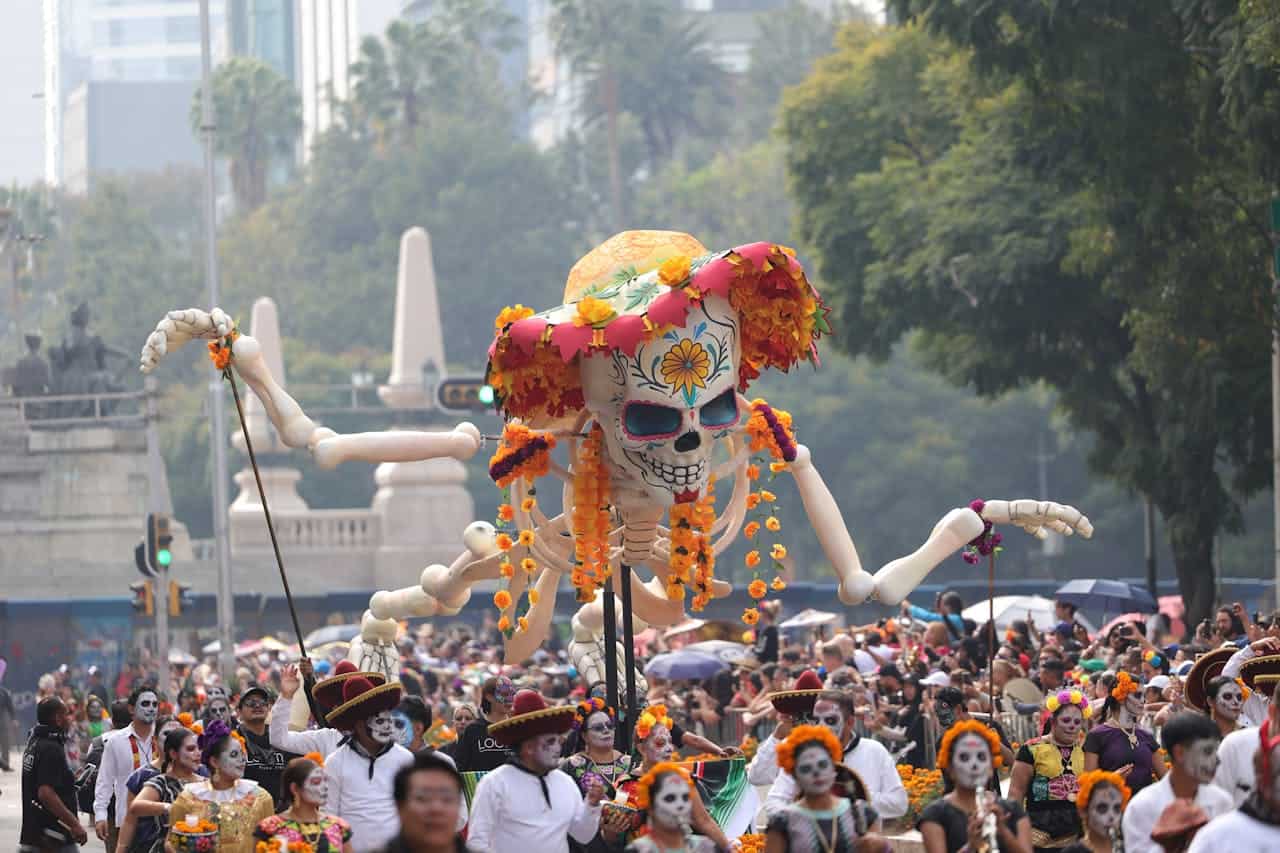
Cities such as Mexico City, Mérida, Tulum, Puerto Vallarta, and Playa del Carmen experienced foreign population growth between 25% and 60% in a short span, with Americans forming one of the largest groups. This rapid rise affected local housing, with rents increasing in some neighborhoods by 20% to 40%, and added pressure on public services. Authorities estimated that thousands of these long-term residents were technically on temporary visitor status instead of residency. Tightening border rules is a way to manage demographic balance, protect local communities, and ensure those staying long term do so legally and responsibly.
4. Mexico Is Matching Global Trends in Stricter Border Policies
Mexico’s tougher approach is also part of a broader global tightening in immigration control. Since around 2023, more than 10 major countries have strengthened rules around entry duration, financial proof, itinerary verification, and overstays. With over 30 million foreign arrivals annually, Mexico wants procedures aligned with international standards rather than remaining unusually lenient. Officers now more frequently request proof of accommodation, sufficient funds, and confirmed departure dates. This alignment helps ensure fairness, reduces abuse of tourist systems, and places Mexico within the same enforcement expectations travelers already face in many other nations.
5. Security, Employment, and Legal Compliance Are Major Concerns
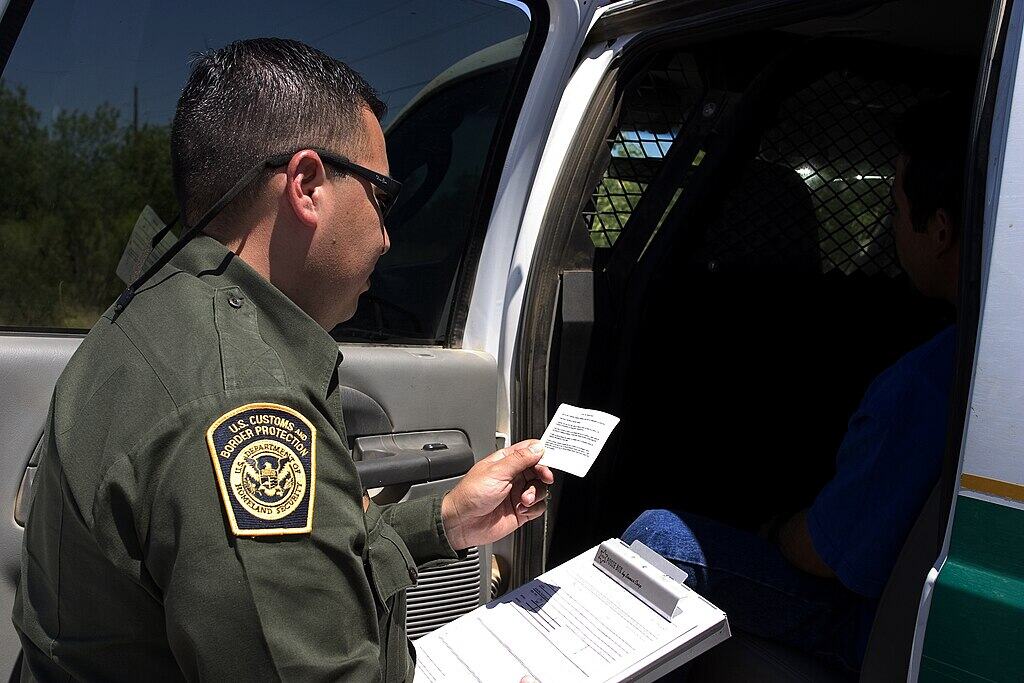
Mexico also tightened rules to prevent illegal work and protect national security. Authorities identified cases of visitors engaging in unregistered employment, remote business tied to Mexican operations, or unauthorized commercial activity. With Americans making 15 million+ entries per year, even 1–2% misuse becomes a serious concern. Enhanced questioning, verification databases, and selective shorter entry approvals are meant to match stated travel purposes with real behavior. The policy shift aims to reduce legal loopholes, protect lawful workers, maintain fair economic activity, and ensure Mexico’s massive tourism system remains orderly rather than easily exploited.
6. Mexico Wants Long-Term Visitors to Choose Legal Residency Instead
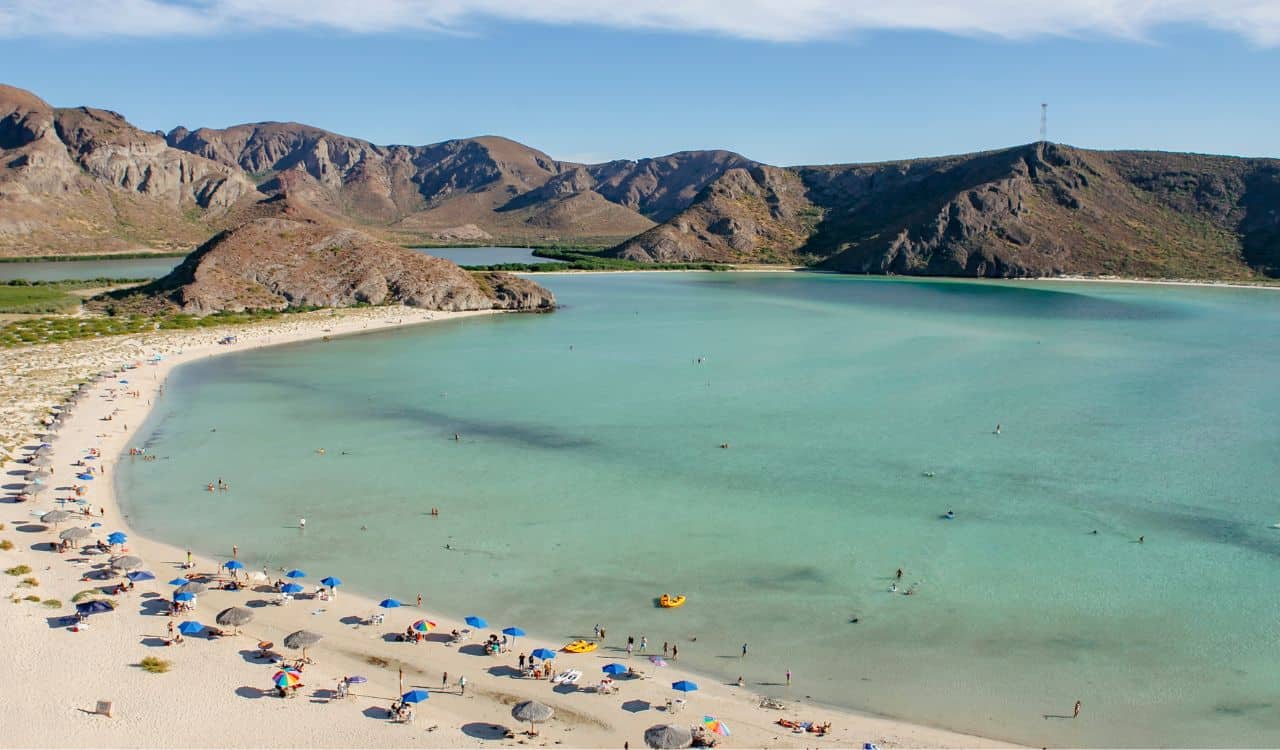
Rather than pushing foreigners away, Mexico is encouraging them to regularize their stay properly. Temporary residency programs allow legal stays from 1 to 4 years, while permanent residency offers indefinite stay privileges. Authorities note that people entering 3 or more times per year or staying close to the 180-day limit repeatedly are clearly closer to residents than tourists. By tightening tourist entry rules, Mexico is nudging long-term Americans toward proper documentation, better legal protection, eligibility for services, and a more transparent relationship with the country instead of relying on repeat tourist entries.