We may earn money or products from the companies mentioned in this post. This means if you click on the link and purchase the item, I will receive a small commission at no extra cost to you ... you're just helping re-supply our family's travel fund.
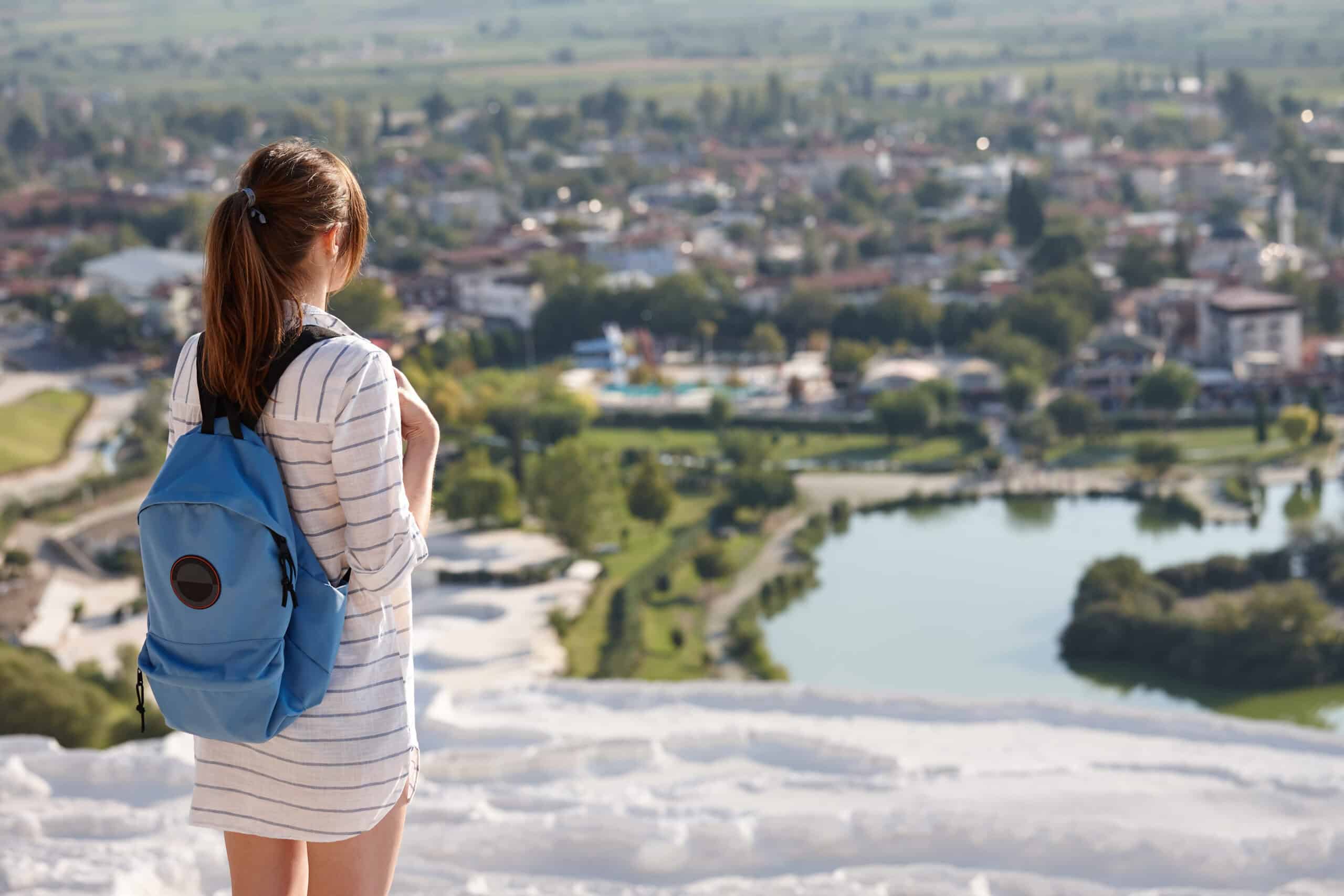
Something has shifted in the travel mood for 2026. Instead of chasing only polished capitals and classic beach escapes, more travelers are leaning toward places that feel surreal, remote, and slightly hard to explain. Major 2026 travel reporting points to a rise in highly personal, experience-first trips, with travelers seeking wonder, strangeness, and stories that feel impossible to fake. That helps explain why glowing caves, ice-carved coasts, white mineral terraces, and salt deserts are pulling fresh attention. The appeal is not comfort alone. It is the thrill of stepping into a landscape that barely looks real.
Greenland
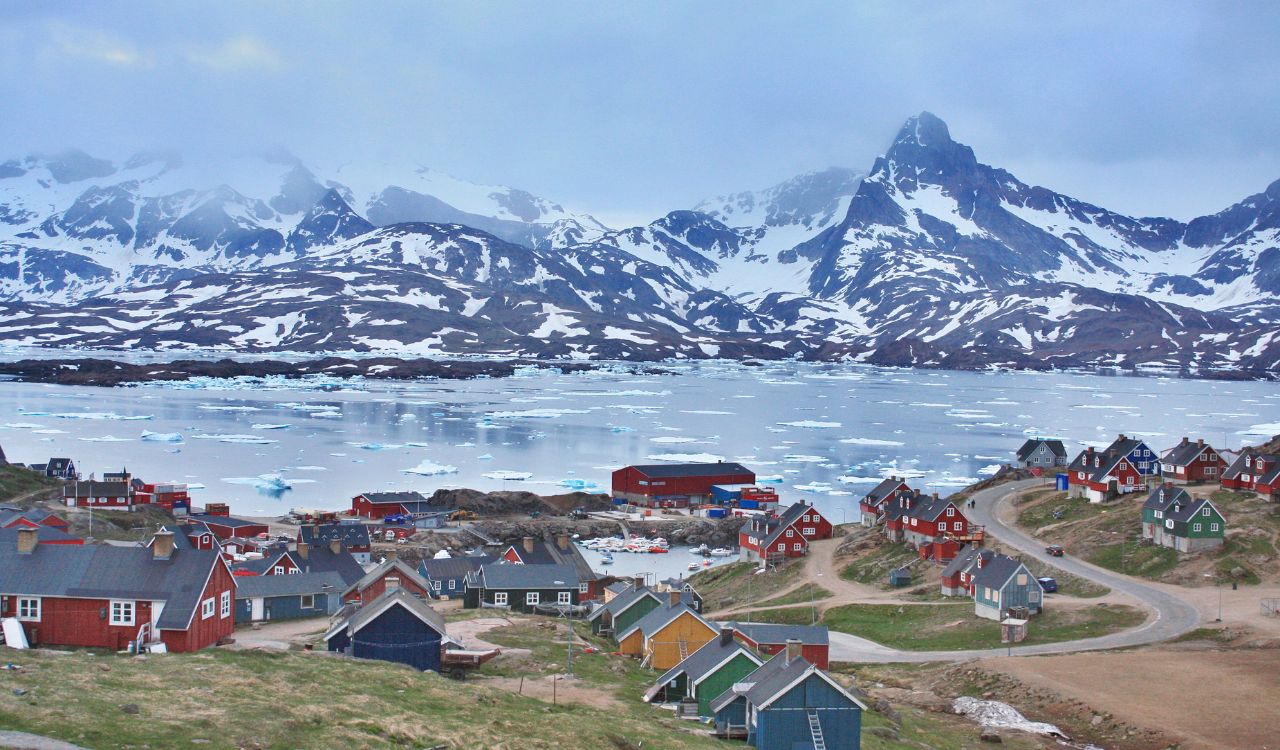
Greenland has moved from far-off fantasy to plausible itinerary, and that change matters. Condé Nast Traveler reports that the new Nuuk airport and direct flights from Newark helped push visitor numbers to 150,000 in 2024, while Greenland’s own tourism satellite account tracks the territory’s expanding tourism economy. What keeps pulling people in is the setting itself: fjords crowded with icebergs, tiny settlements with no road network between towns, and a scale so severe that even silence feels oversized. It is strange in the purest sense, a place that seems to belong more to weather and geology than to ordinary tourism.
Waitomo Glowworm Caves, New Zealand
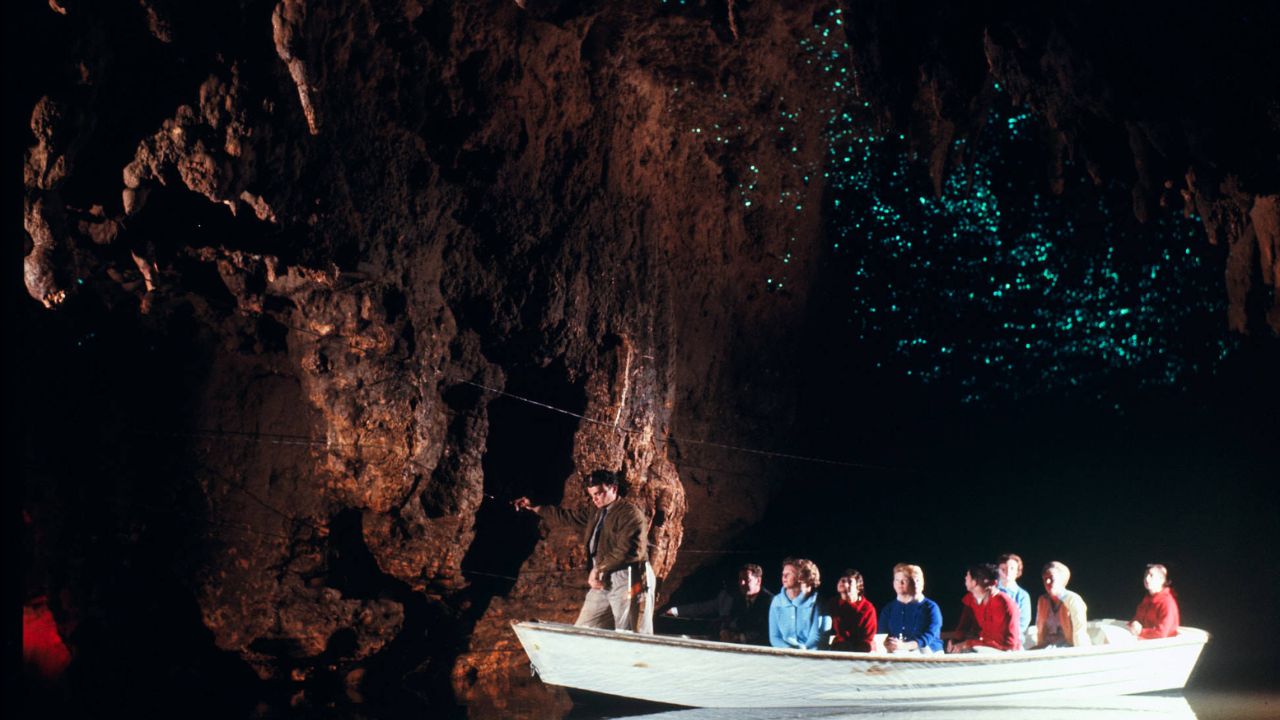
Waitomo feels like the kind of place social media would invent if nature had not already done it better. The official cave operator describes boat rides through a glowworm grotto lit by thousands of tiny bioluminescent insects, and the cave system remains one of New Zealand’s best-known natural attractions. Its renewed pull makes sense in a year when travelers are craving experiences that feel intimate, uncanny, and deeply physical. A cave ceiling that glows like a private galaxy does not need much explanation. It only needs darkness, still water, and a little disbelief.
Salar de Uyuni, Bolivia
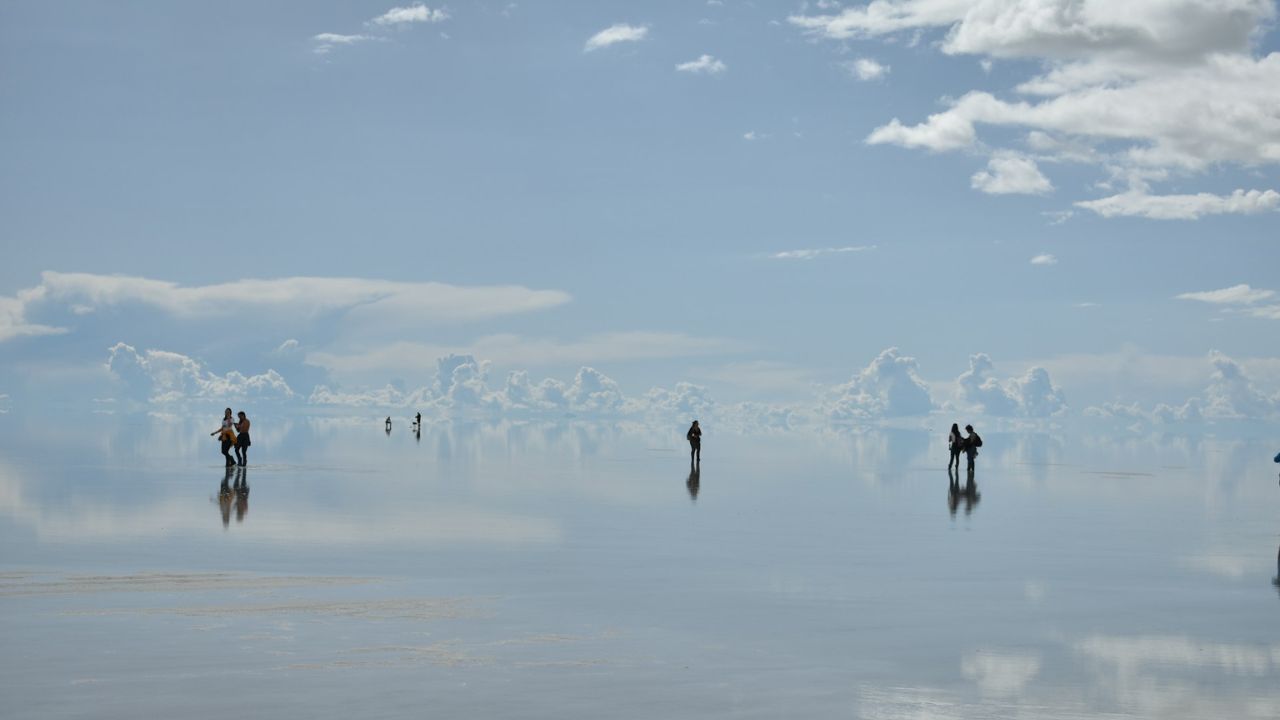
Bolivia’s Salar de Uyuni keeps drawing attention because it barely resembles Earth at all. The destination’s official information site describes it as the world’s largest salt flat, stretching over 10,000 square kilometers, with wet-season reflections that create the famous mirror effect and dry-season skies that reveal its geometric salt patterns. In a travel year shaped by unusual landscapes and memory-making visuals, that kind of scenery carries obvious force. People go for the photographs, but the deeper appeal is scale: a white horizon so empty and bright it seems to erase normal sense of distance.
Pamukkale, Turkey

Pamukkale has the odd advantage of looking both ancient and digitally enhanced, even when it is neither. UNESCO describes Hierapolis-Pamukkale as an unreal landscape of petrified waterfalls, mineral forests, and terraced basins formed by calcite-rich waters, while Türkiye’s tourism site calls it one of the country’s most famous postcard views. Travel + Leisure went further and highlighted Pamukkale as the world’s most otherworldly destination in one recent ranking. That mix of official prestige and visual shock explains the current magnetism. It feels like a spa, a ruin, and a snowfield assembled by some beautiful mistake.
Bonneville Salt Flats, Utah
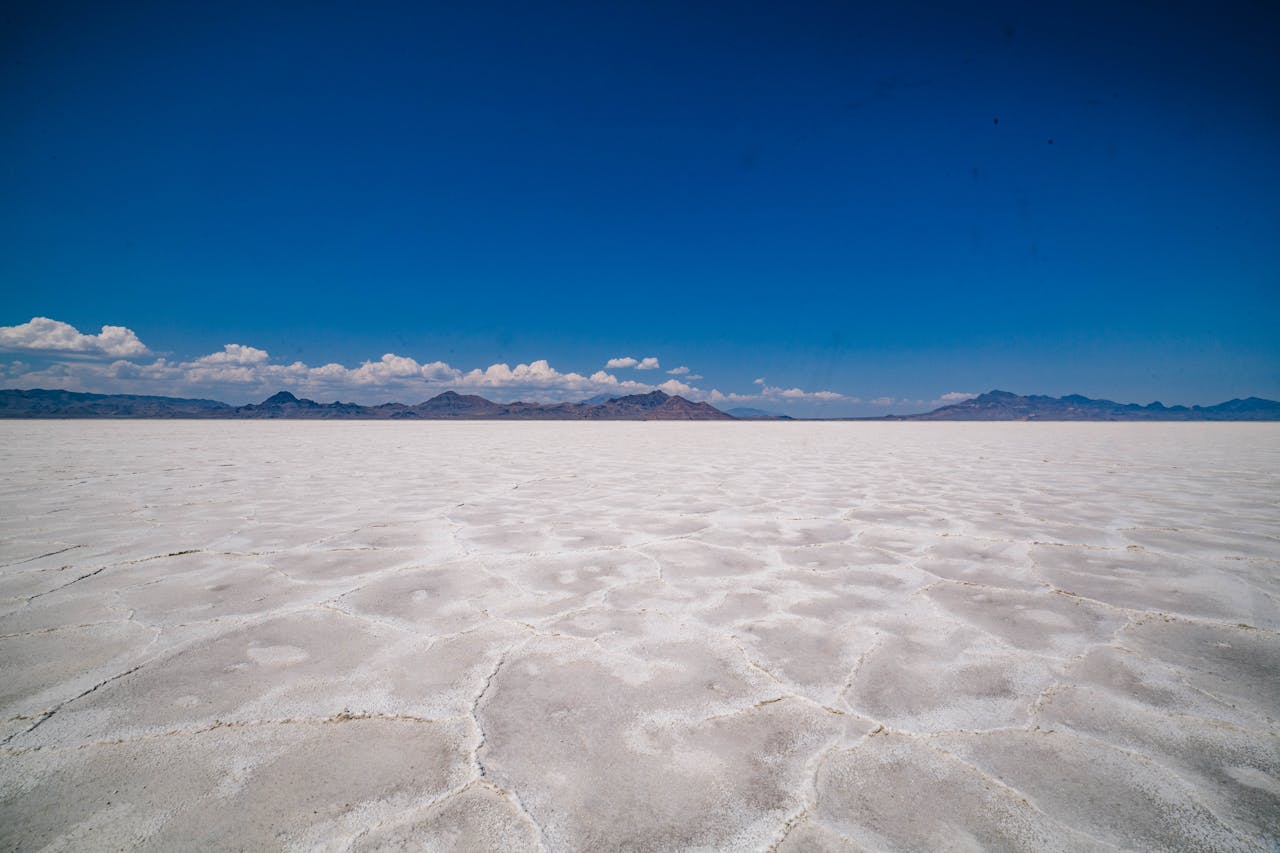
Not every strange place pulling travelers sits overseas. In northwestern Utah, the Bonneville Salt Flats spread across roughly 30,000 acres of hard white crust, and the Bureau of Land Management calls them one of Earth’s most unique landforms. Travel + Leisure recently included the flats among Utah’s must-visit destinations for 2026, noting how the surface resembles snow despite the desert setting. That contradiction is part of the draw. The place looks empty, but not blank. It holds speed-record history, harsh light, and a silence so stark that even a short stop can feel like entering another planet.