We may earn money or products from the companies mentioned in this post. This means if you click on the link and purchase the item, I will receive a small commission at no extra cost to you ... you're just helping re-supply our family's travel fund.
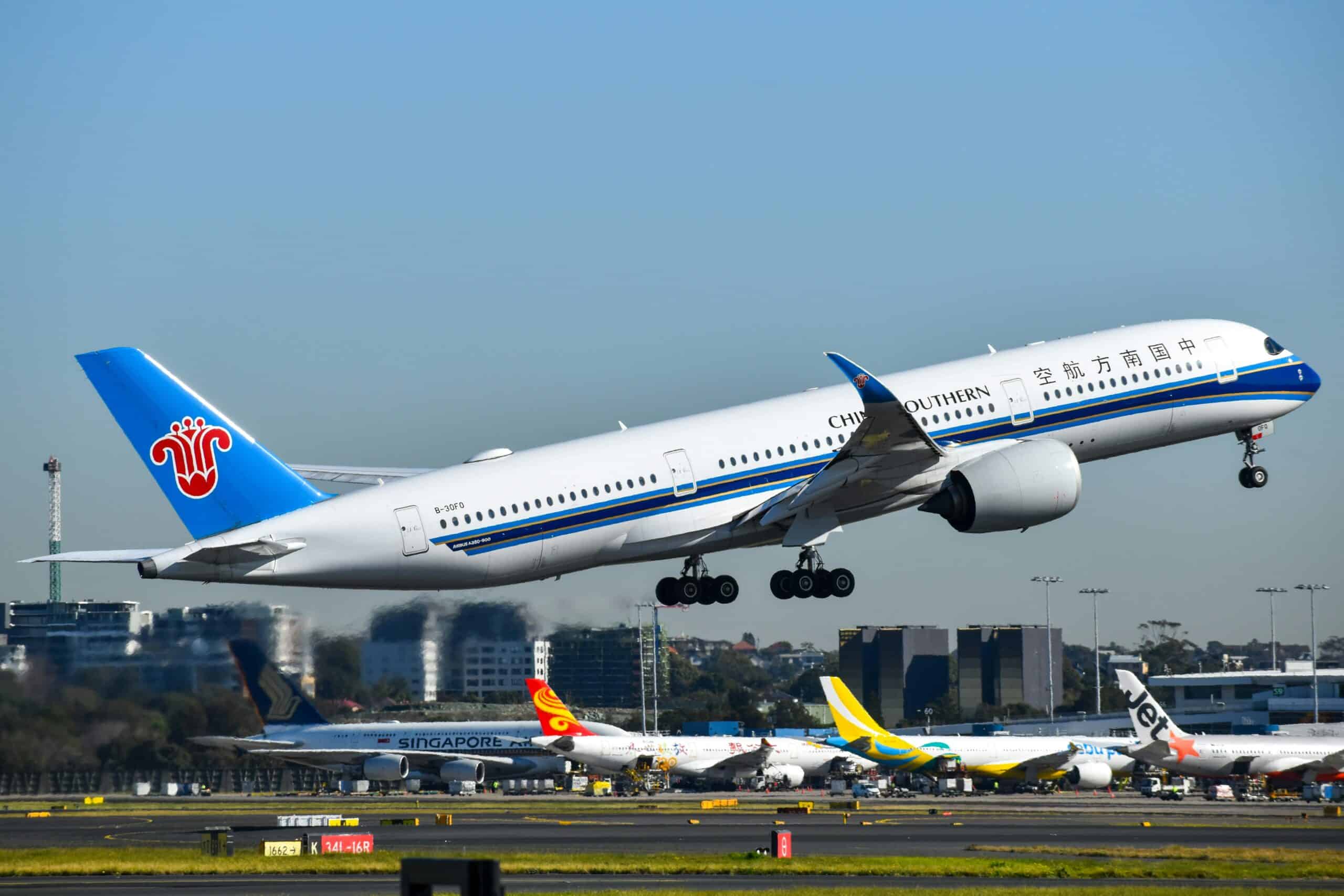
Direct flights between the United States and China used to feel routine: a long haul, a meal tray, and a landing that connected two economies in a single jump. In 2026, that simplicity is still hard to buy. Schedules look thinner than memories suggest, and fares often climb even when planes feel full. The reasons are less mysterious than they seem. Airspace politics, regulatory caution, and plain old capacity limits have stacked up into a new normal that rewards early planning.
Capacity Still Sits Far Below 2019 Levels
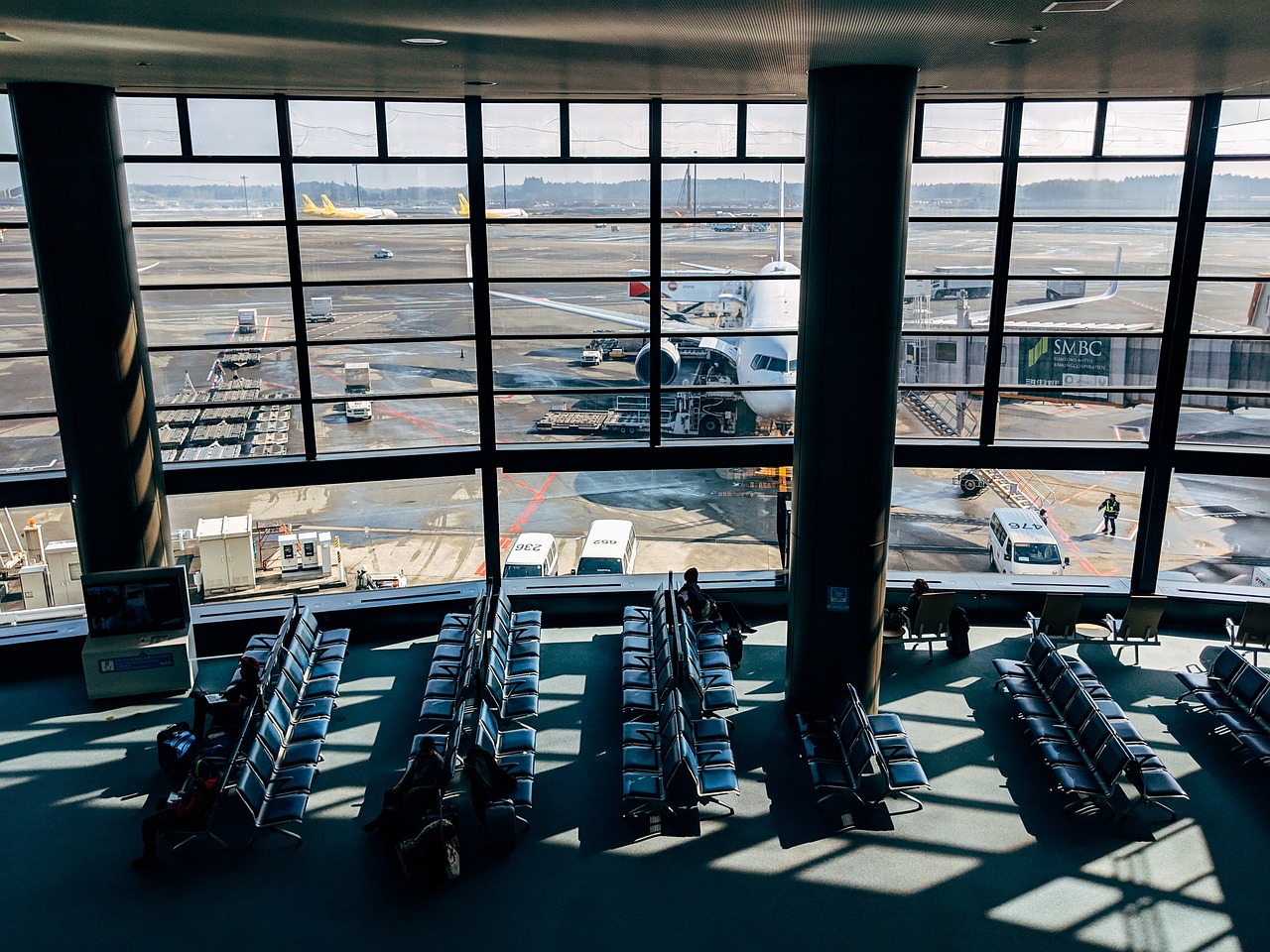
Capacity is the simplest explanation. The U.S. and China rebuilt nonstop schedules in cautious steps, so the market in 2026 still sits far below 2019 levels and concentrates on a small handful of hubs. A single cancellation or aircraft swap can erase a whole day’s worth of options, which pushes travelers onto the same flights. When airlines can sell most seats, there is little reason to release deep-discount buckets, especially around school breaks. Award space gets tight, and last-minute seats price like a premium product. Scarcity, more than glamour, is what keeps fares stubborn. Even midweek deals vanish.
Bilateral Approvals Turn Frequency Into Diplomacy

Bilateral rules still gatekeep how many flights can exist. Seats are not added just because demand rises; they often require negotiated increases, seasonal filings, and approvals on both sides. Airlines also have to decide which few city pairs deserve scarce frequencies, and losing a slot can mean losing a market for a full season. Even a rumor of retaliatory limits can make planners cautious, because aircraft rotations are built months ahead. That lag turns every extra nonstop into a small diplomatic event, and pricing reflects the risk. Popular routes wait on fragile approvals and fares stay elevated too.
Widebody Jets Get Sent Where Risk Feels Lower
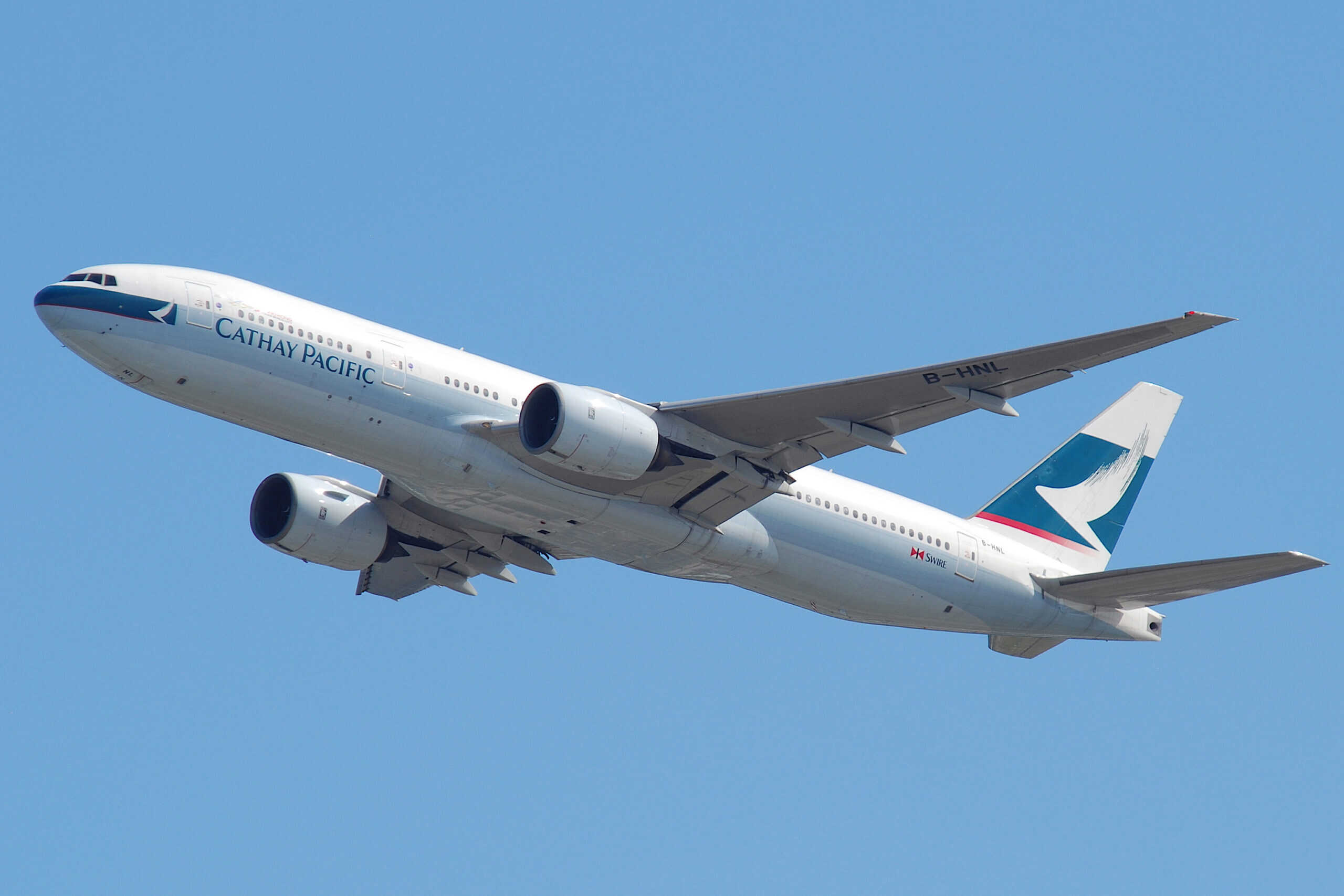
Airlines treat widebody jets like chess pieces, and China routes compete with everything else. A single Boeing 777 or A350 can either do a China nonstop, a Europe rotation, or a high-demand Pacific leisure run, and management usually sends scarce aircraft where schedules feel most predictable. With demand strong elsewhere and aircraft supply constrained, carriers protect margin by flying fewer, fuller departures rather than adding risky frequency. That strategy keeps nonstop options thin, even when search engines show heavy interest. China growth waits until extra aircraft and crew buffers return for real.
Aircraft Shortages and Engine Issues Cap Growth
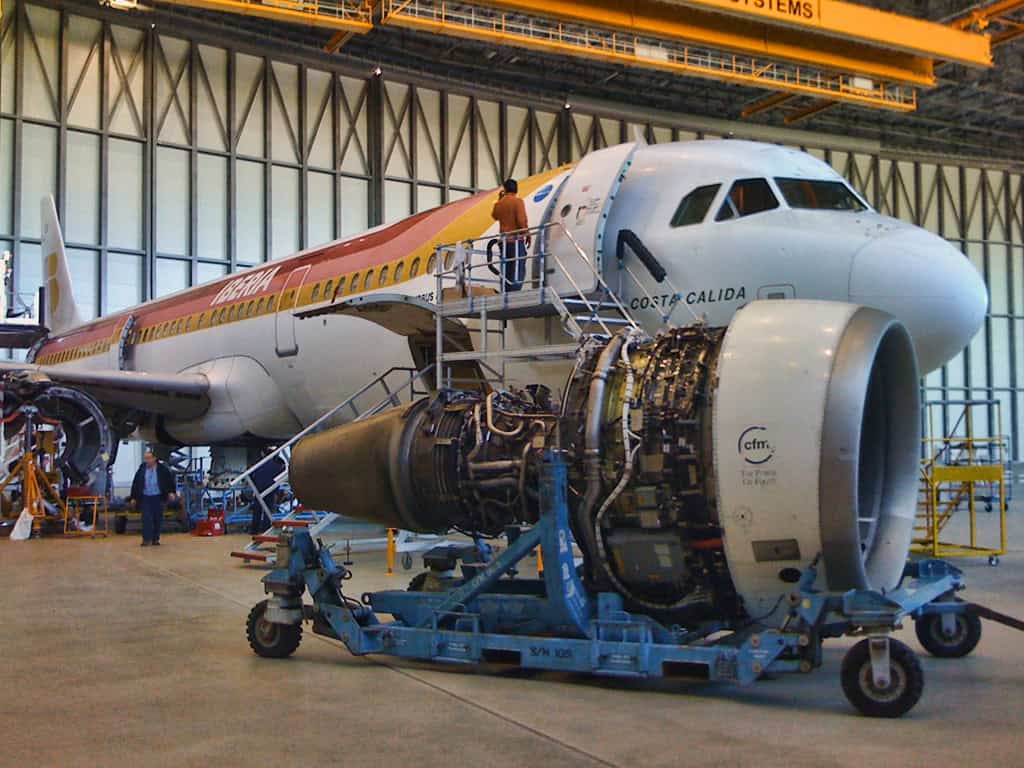
Global aircraft constraints are not abstract, and China flying feels the squeeze. Manufacturers and suppliers have struggled with delivery delays and parts bottlenecks, while engine programs have kept hundreds of jets out of service for inspections. When fleets cannot grow on schedule, airlines triage routes and keep spare capacity thin, which makes long-haul networks brittle. A limited pool of aircraft also raises lease rates and maintenance costs, and those costs show up in ticket prices. Even when demand cools, the hardware shortage keeps load factors high and discounts rare on key days.
Longer Flying Time Raises the Fare Floor
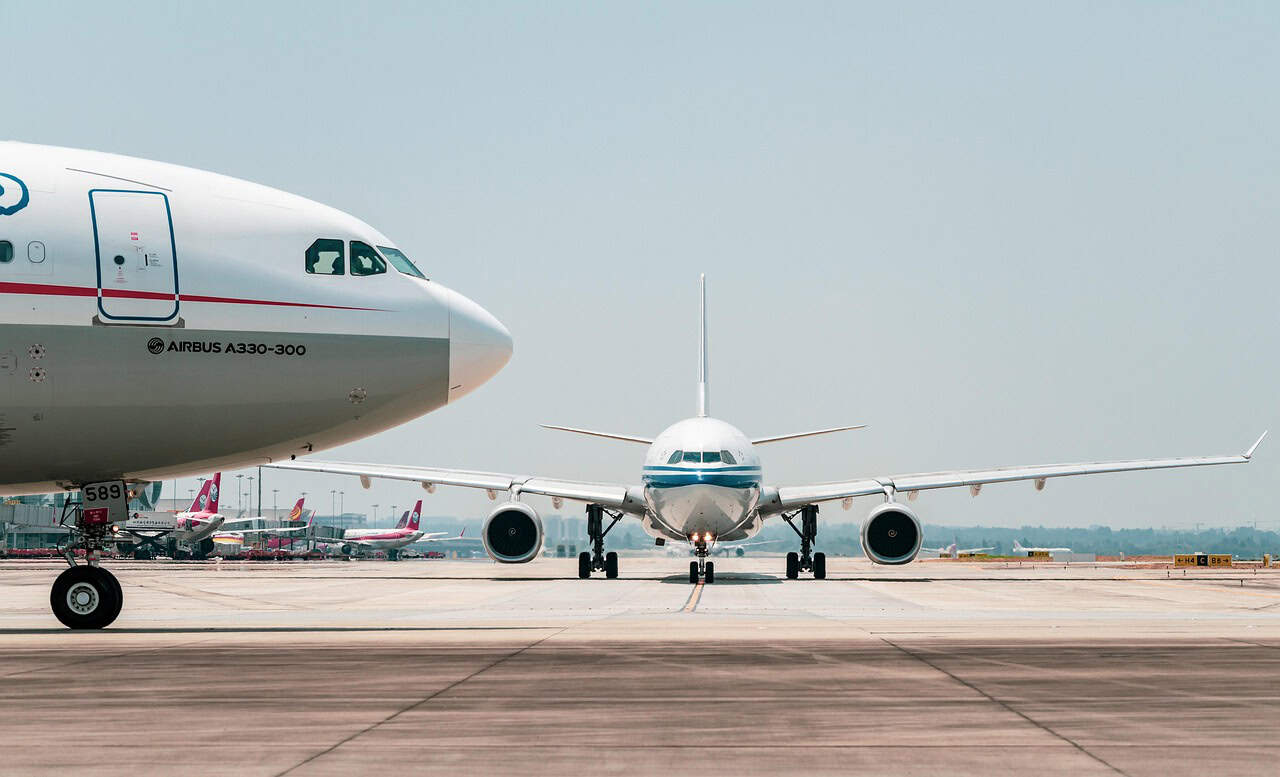
Longer routes mean higher operating costs, and cost drives fare floors. Extra flight time adds fuel burn, crew hours, and maintenance cycles, and ultra-long hauls can force weight limits that reduce cargo revenue. When carriers cannot count on cargo to subsidize passenger fares, they lean harder on ticket pricing. This is why a nonstop can cost more than a one-stop itinerary that moves the trip onto shorter legs. The premium is not always luxury; sometimes it is physics, paperwork, and margin protection.Airlines price in disruption risk, since Pacific diversions are costly and rebooking is scarce in winter.
Demand Spikes Turn Seats Into Event Inventory
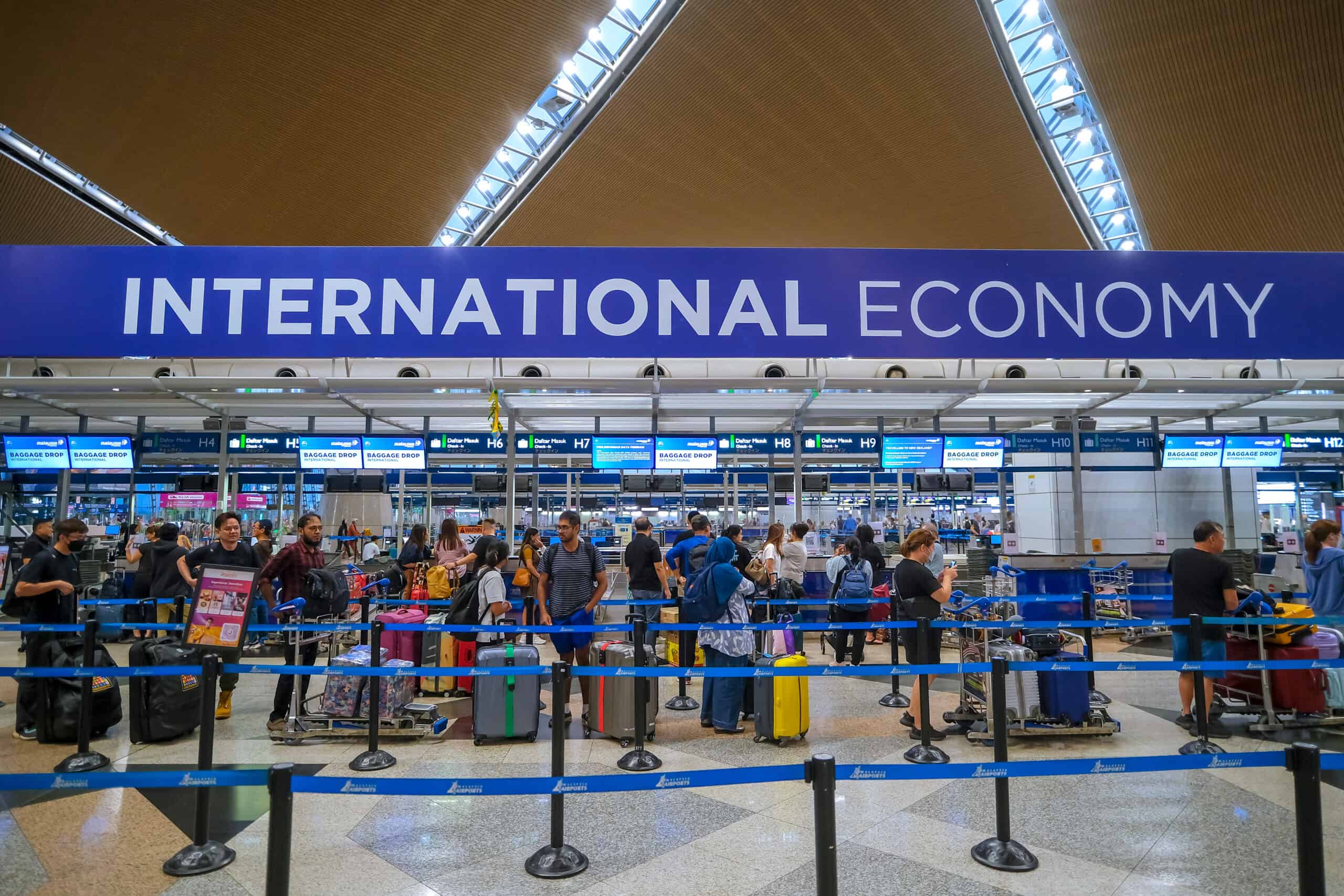
Demand is not steady; it arrives in waves that punish last-minute shoppers. University visits, student travel, conventions, and holiday family trips cluster into a few predictable windows, and nonstop flights have fewer frequencies to absorb the surge. When a route runs once per day instead of three times, every school break feels like a squeeze. Airlines respond the way any seller would: higher fares, tighter change rules, and fewer bargain seats released late. Even corporate travel forecasts point to firm pricing power in 2026. Those spikes make nonstop tickets behave like event tickets, not transport.
Leave a Reply