We may earn money or products from the companies mentioned in this post. This means if you click on the link and purchase the item, I will receive a small commission at no extra cost to you ... you're just helping re-supply our family's travel fund.
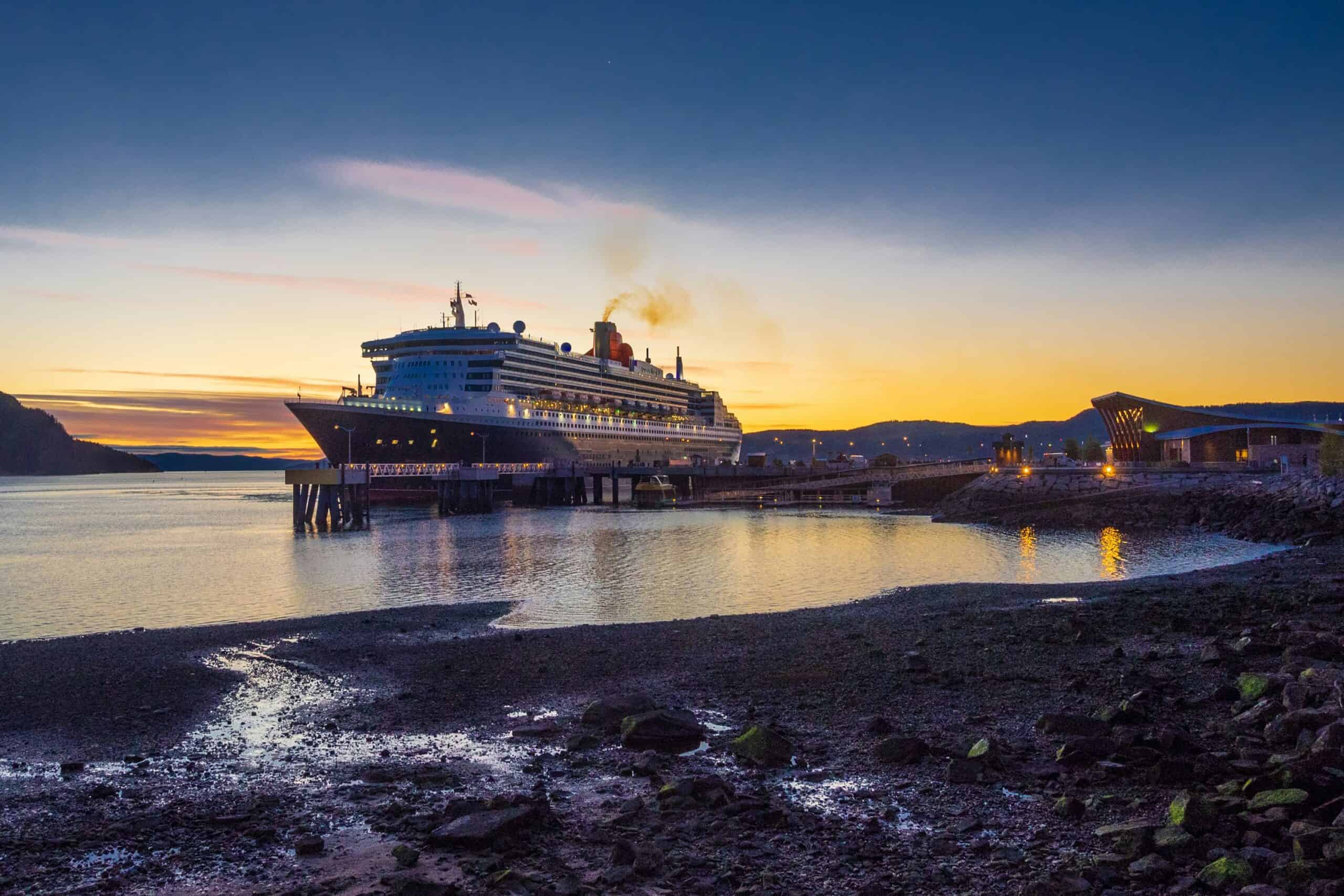
Cruise itineraries used to feel like clockwork, but the modern schedule is built with erasers. Ports close for storms, unrest, smoke, or damaged docks. Cities cap arrivals when crowds overwhelm narrow streets and fragile utilities. A single security alert can redraw a region’s map overnight, and a surprise repair can erase a headline stop for weeks. For cruise lines, rerouting is no longer an exception. It is a core skill, balancing safety, logistics, and expectations while trying to keep every voyage calm, coherent, and worth the fare.
Conflict Zones Force Long Detours
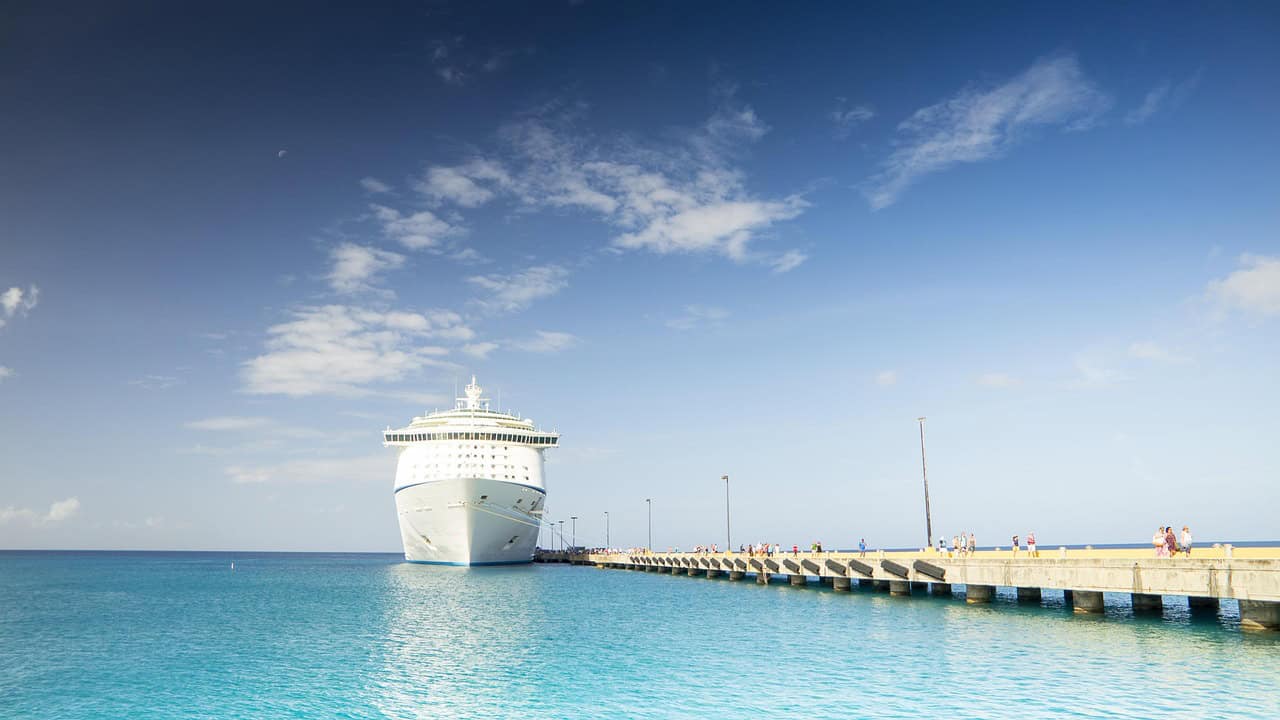
When risk spikes along major sea lanes, cruise lines redraw routes fast, even if it breaks a carefully sold itinerary. Since late 2023, attacks on commercial shipping in the Red Sea have pushed operators to cancel Suez transits and swap Middle East calls for longer repositioning voyages around the Cape of Good Hope, where weather windows and fuel planning matter more than postcards. The detour adds days, burns more bunkers, and reshuffles crew rotations, and it cascades into new port reservations, updated visas, different suppliers, and revised shore excursions, all while onboard teams work to make the change feel intentional, not reactive.
Unstable Destinations Trigger Safety Swaps
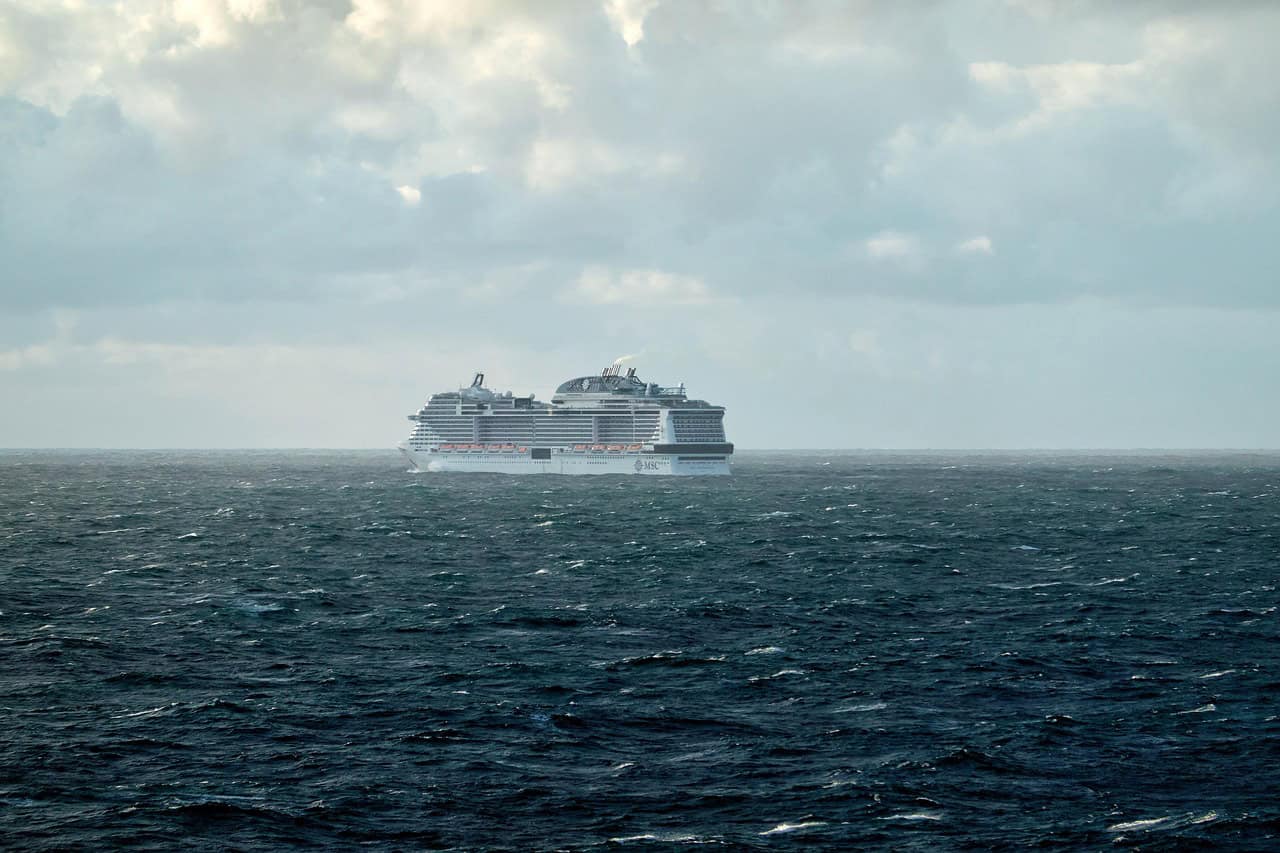
Some reroutes are not about waves. They are about whether the shore can stay predictable from morning to sail-away. In 2024 and 2025, worsening instability in Haiti led major lines to suspend calls at Labadee and replace them with nearby alternatives such as Nassau, CocoCay, or Grand Cayman, because excursion routes and staffing plans cannot be built on rumors. Even private enclaves depend on safe roads, reliable local partners, and emergency capacity, so companies treat port-agent briefings and travel advisories as hard limits, then pivot early to avoid a day of canceled tenders, stranded tour buses, and anxious headlines.
Stronger Storm Seasons Make Plans Fragile
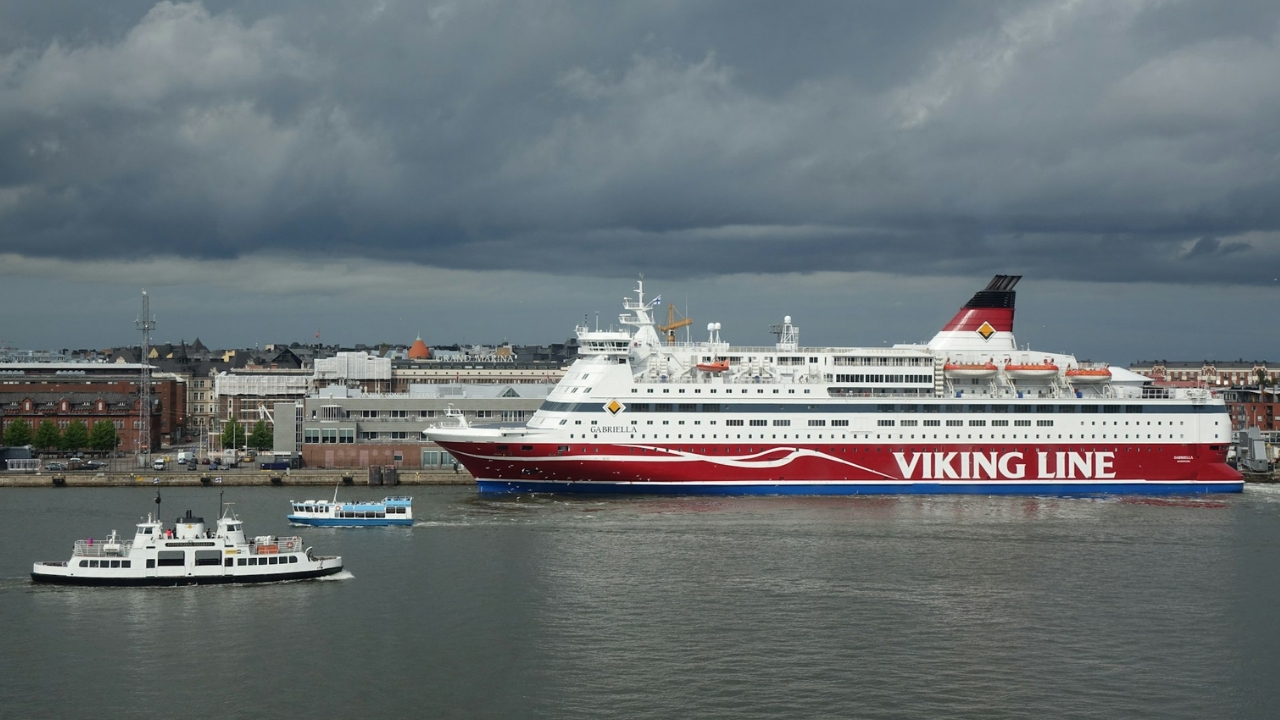
Warmer seas are making disruption feel routine, especially in hurricane corridors where one forecast cone can shut multiple ports, pilot services, and excursion routes at once. Lines now build itineraries with extra sea days, flexible arrival windows, and contracts that allow quick swaps, then issue updates that favor safe approaches over perfect timing and keep ships away from rough anchorages. Rerouting also buys ports time to clear debris, reopen channels, and restore power, which keeps the next call from turning into a scramble for tugs, buses, potable water, and medical support when the shoreline is still recovering.
Wildfire Smoke and Extreme Heat Empty Shore Days
A port can be open while the destination is functionally off-limits. During severe wildfire seasons, smoke, road closures, and strained emergency services have forced excursion changes, shortened stays, or outright cancellations across parts of the Mediterranean and other dry coastal regions, even when the harbor itself looks calm. Extreme heat adds another layer, because long bus tours and crowded historic centers can become medical risks, so planners sometimes trade a famous stop for a cooler, calmer harbor where air quality is stable, transportation runs on time, and responders are not stretched thin.
Pier Damage and Repairs Knock Out Favorite Stops
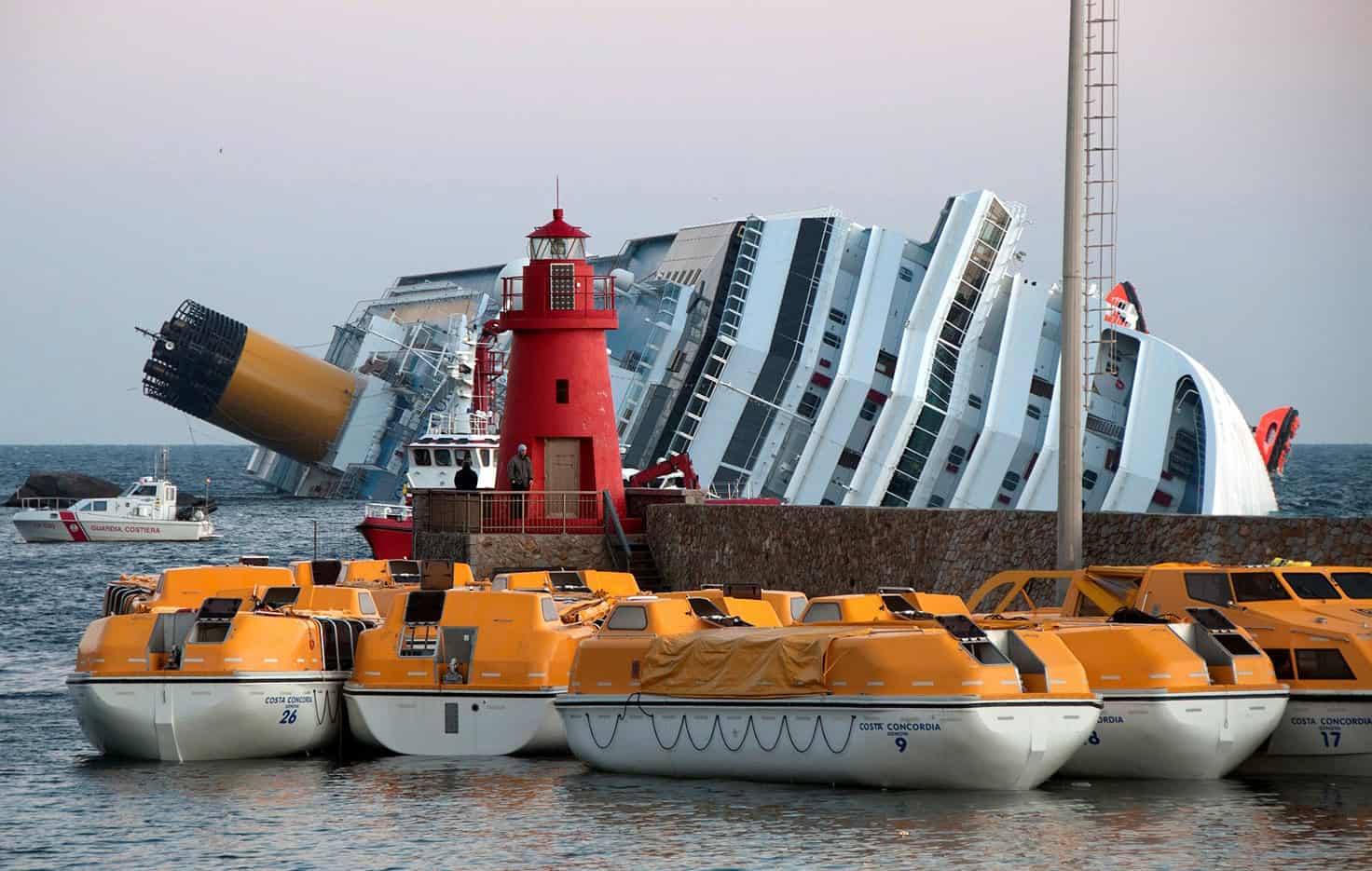
A modern cruise ship is only as flexible as the concrete waiting at the shoreline. One damaged berth can sideline an entire port for the largest vessels, forcing substitutions that ripple through customs, baggage offload, food delivery, waste removal, and shore staffing, especially when cranes, fenders, and gangways need exact alignments. Repair windows also collide with peak seasons, when every usable pier slot is booked months ahead, so lines pivot to ports with the right depth, tugs, pilots, and terminal space, then rebuild the day around realistic transportation, tender capacity, shore-power limits, and crowd flow.
Crowd Caps Turn Icons Into Limited-Entry Ports
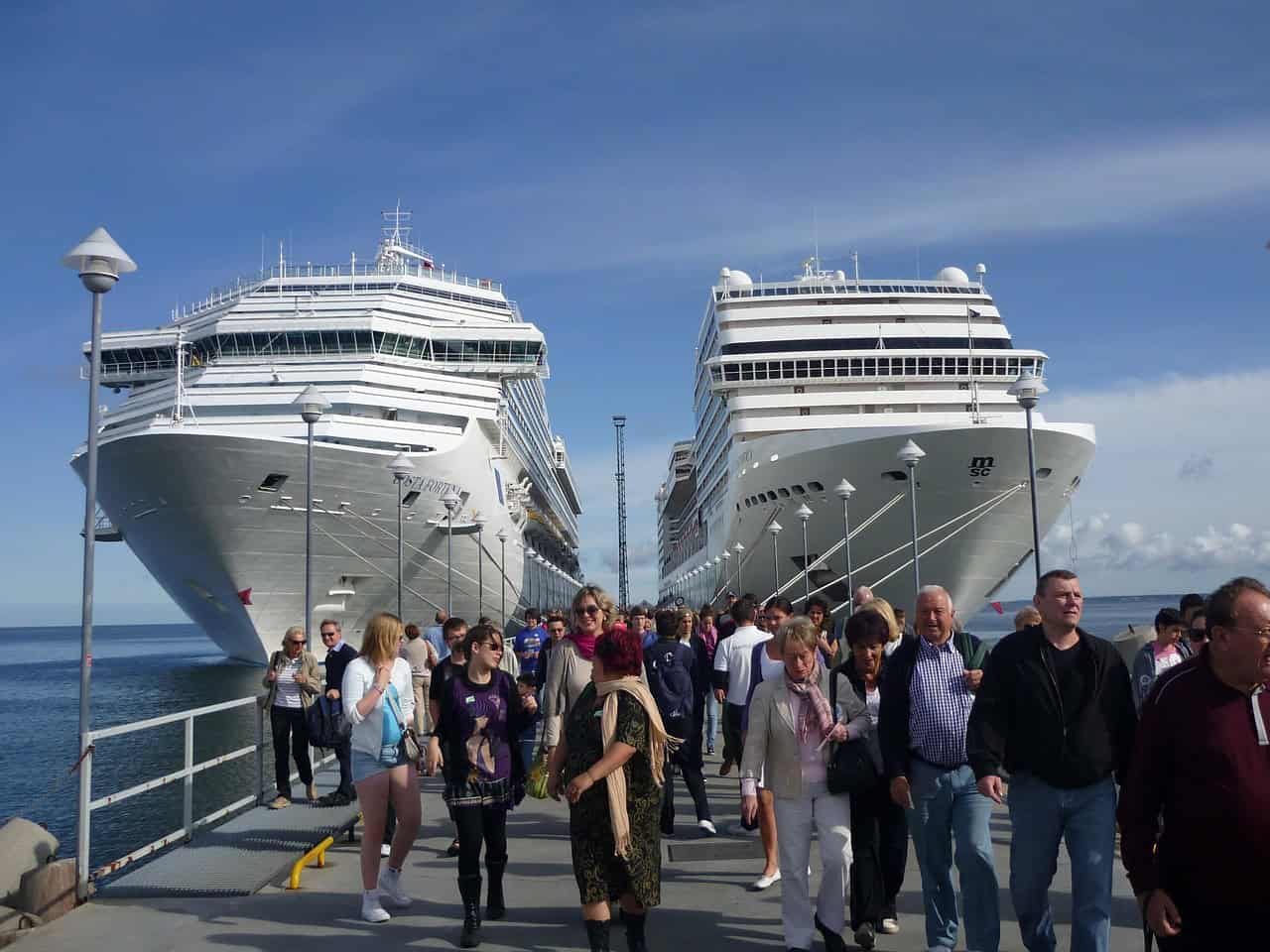
Some ports are not closing. They are tightening the door, one timed slot at a time. Santorini has moved toward daily limits on cruise visitors, Dubrovnik has managed berth scheduling to keep the Old Town from choking, and Barcelona has pursued long-term reductions tied to terminal capacity and neighborhood impact. Those caps turn planning into a puzzle of tender queues, bus slots, and staggered departures, so cruise lines rotate in smaller towns, spread pressure across more calls, and rewrite excursion menus to favor museums, beaches, and viewpoints that can absorb people without turning streets into gridlock.
New Fees Quietly Push Ships Elsewhere
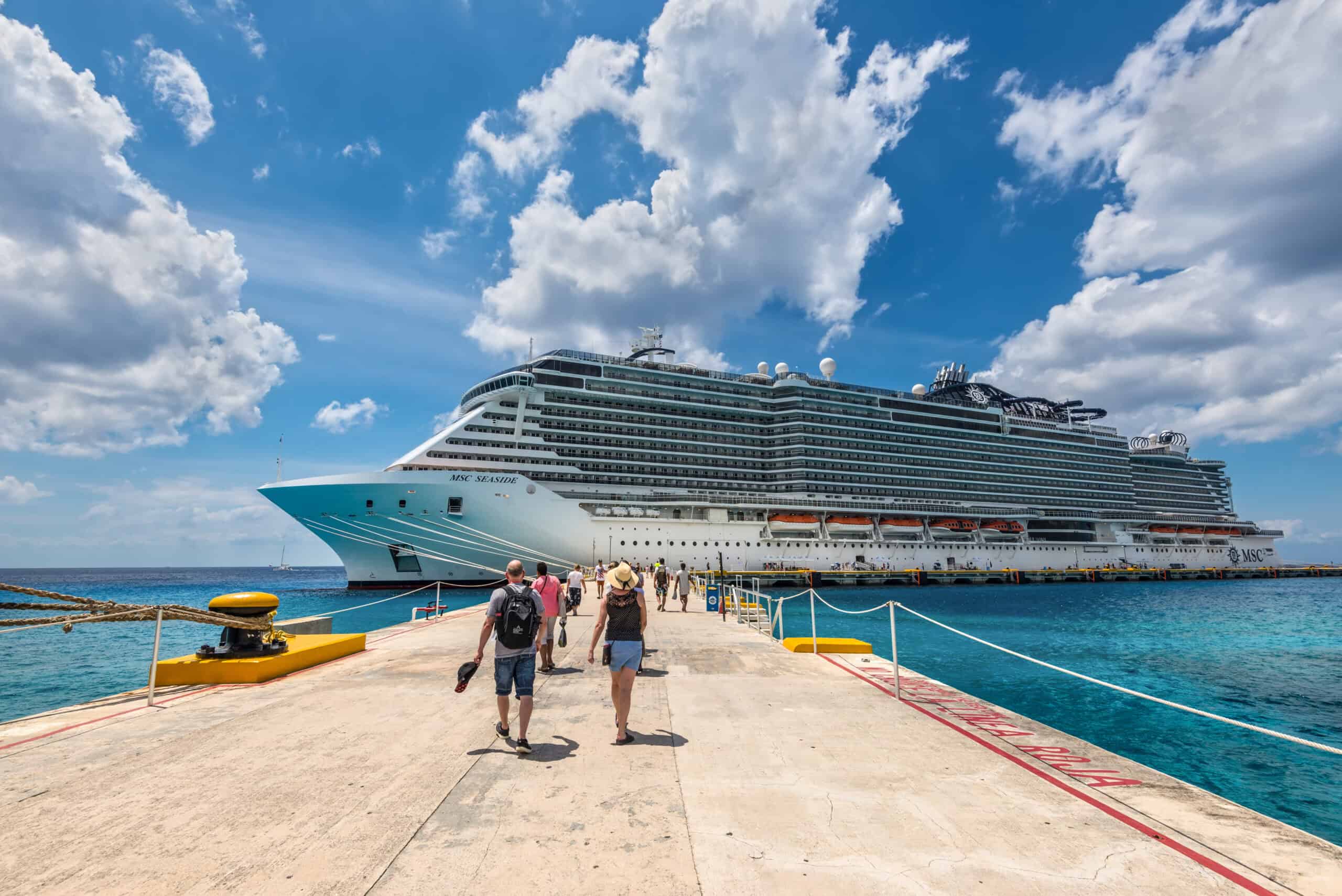
Rerouting is sometimes an economic decision disguised as a scenic surprise. Greece approved a cruise levy that can reach €20 per passenger for Santorini and Mykonos in peak season, aimed at funding infrastructure while discouraging the biggest surges, and similar fee conversations are spreading. When a visit gets pricier on top of port charges, pilotage, and tour contracts, lines model the cost per hour ashore, renegotiate excursion guarantees, and weigh guest compensation rules, then shorten the call or swap islands, because the budget math still shapes where ships can linger without triggering refund demands.