We may earn money or products from the companies mentioned in this post. This means if you click on the link and purchase the item, I will receive a small commission at no extra cost to you ... you're just helping re-supply our family's travel fund.
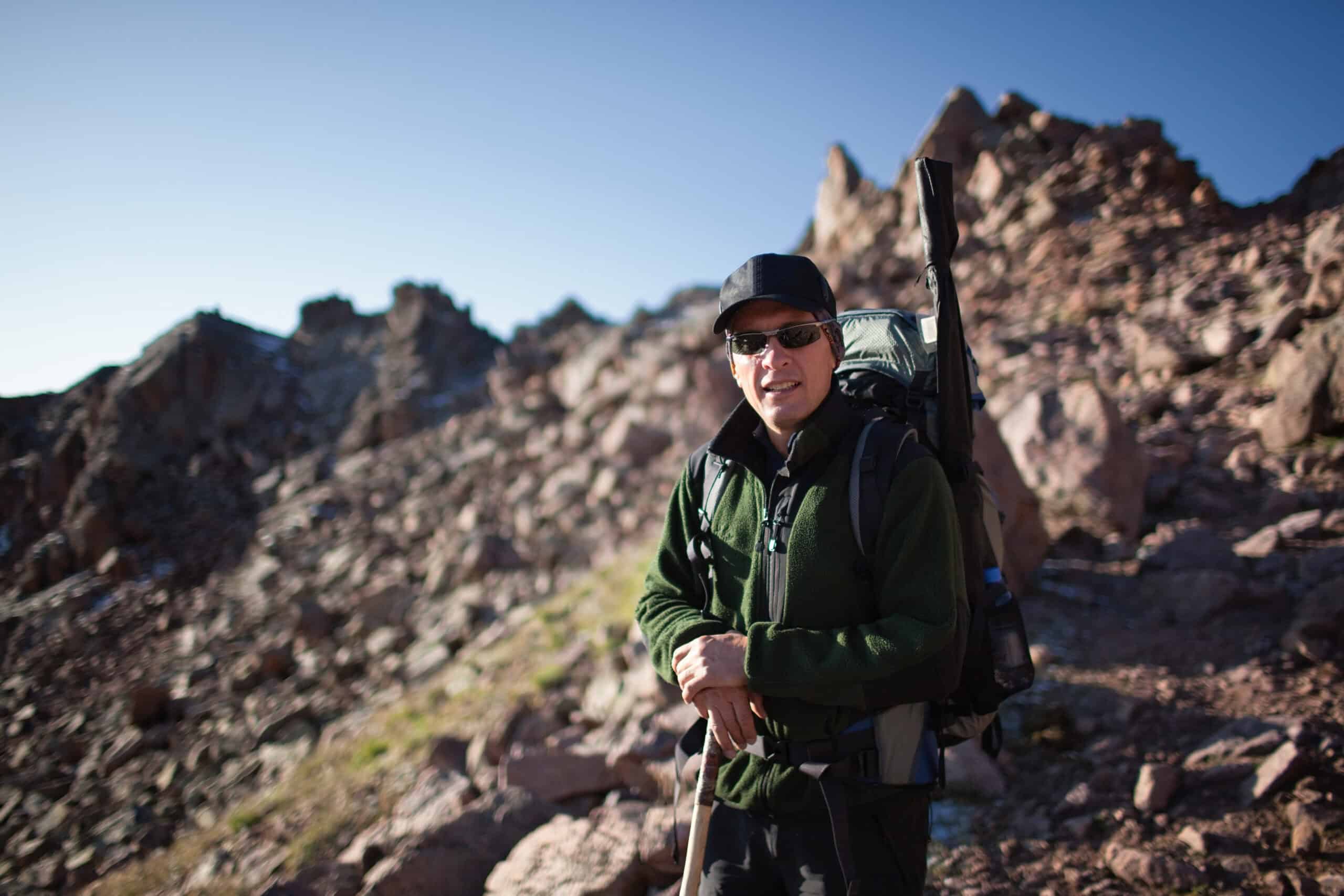
Backpacking tends to strip life down to the essentials. Weight matters, decisions matter, and awareness becomes second nature. For some, carrying a firearm feels like an added layer of protection in remote places. The reality is more complicated than that instinct suggests. Laws change across regions, risks extend beyond wildlife, and the presence of a weapon can quietly shift both behavior and mindset. What starts as a precaution can introduce new problems, adding complexity to an experience that is usually built around simplicity and trust in preparation.
Legal Restrictions Across Regions
Firearm laws shift across states, parks, and protected lands, and those changes are not always obvious on the trail. A route that crosses different jurisdictions can quickly turn a legal item into a serious issue. National parks, forests, and even local areas may follow different rules, often with strict enforcement. Missing a detail can lead to fines or worse. For backpackers moving across regions, this uncertainty adds pressure, turning what should feel like a straightforward journey into something that requires constant legal awareness.
Added Weight And Limited Practical Use
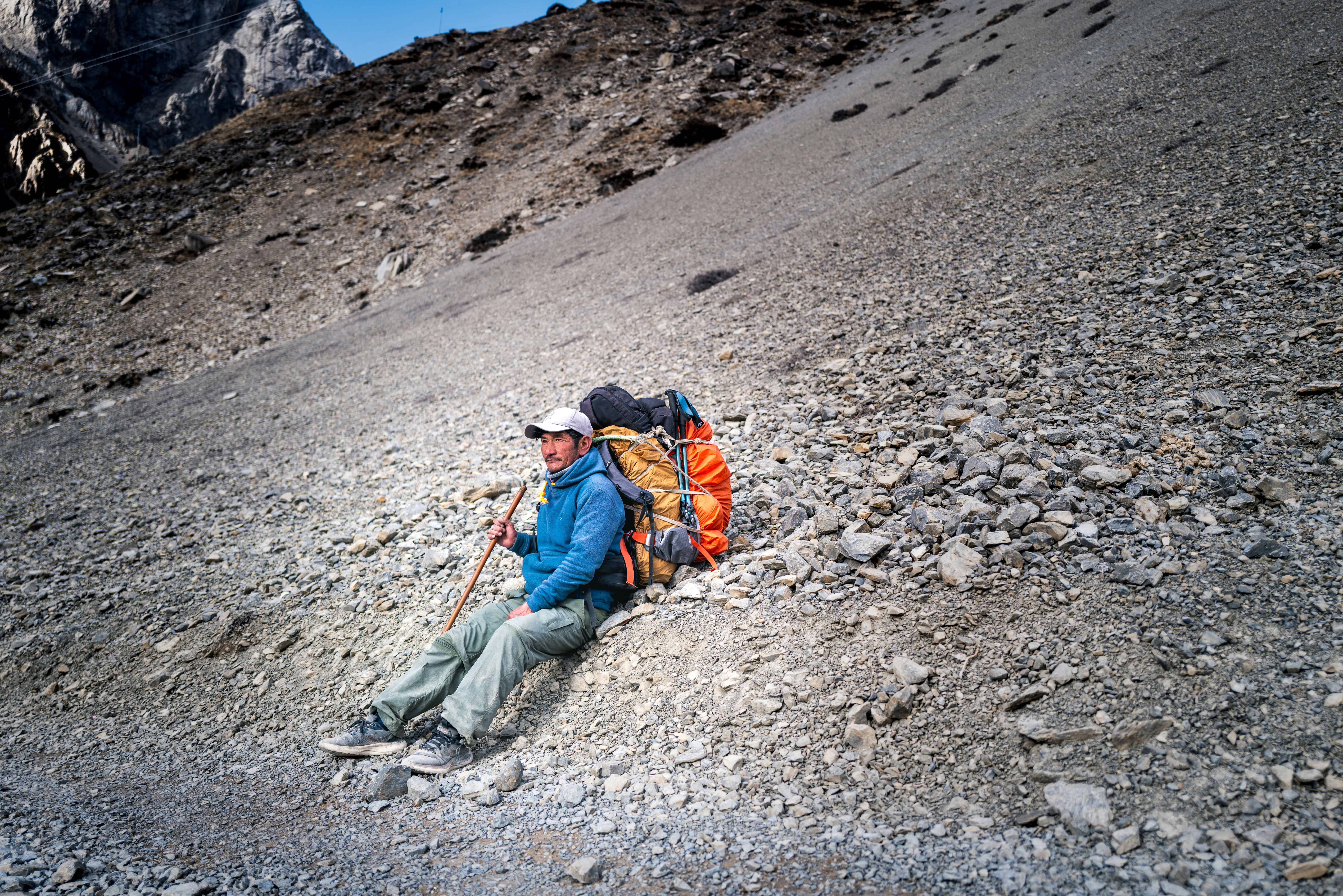
Every item in a backpack has a purpose, and extra weight is felt with every mile. Firearms and related gear add noticeable bulk, yet situations where they are truly needed remain rare in most backcountry settings. Over long distances, that added load affects balance, stamina, and overall comfort. When terrain becomes steep or conditions change, the weight becomes even more noticeable. Many backpackers find that the physical cost outweighs the practical benefit, especially on trips built around efficiency and endurance.
Increased Risk Of Accidental Injury
Outdoor conditions are rarely stable, and that unpredictability increases the risk tied to handling a firearm. Uneven ground, fatigue, and shifting weather can affect coordination and focus in subtle ways. A small mistake, even during routine moments like setting up camp, can have serious consequences. Unlike controlled environments, the backcountry leaves little room for error. The presence of a firearm demands constant attention, and that level of responsibility can become harder to maintain as the trip progresses.
Complications With Transportation And Storage
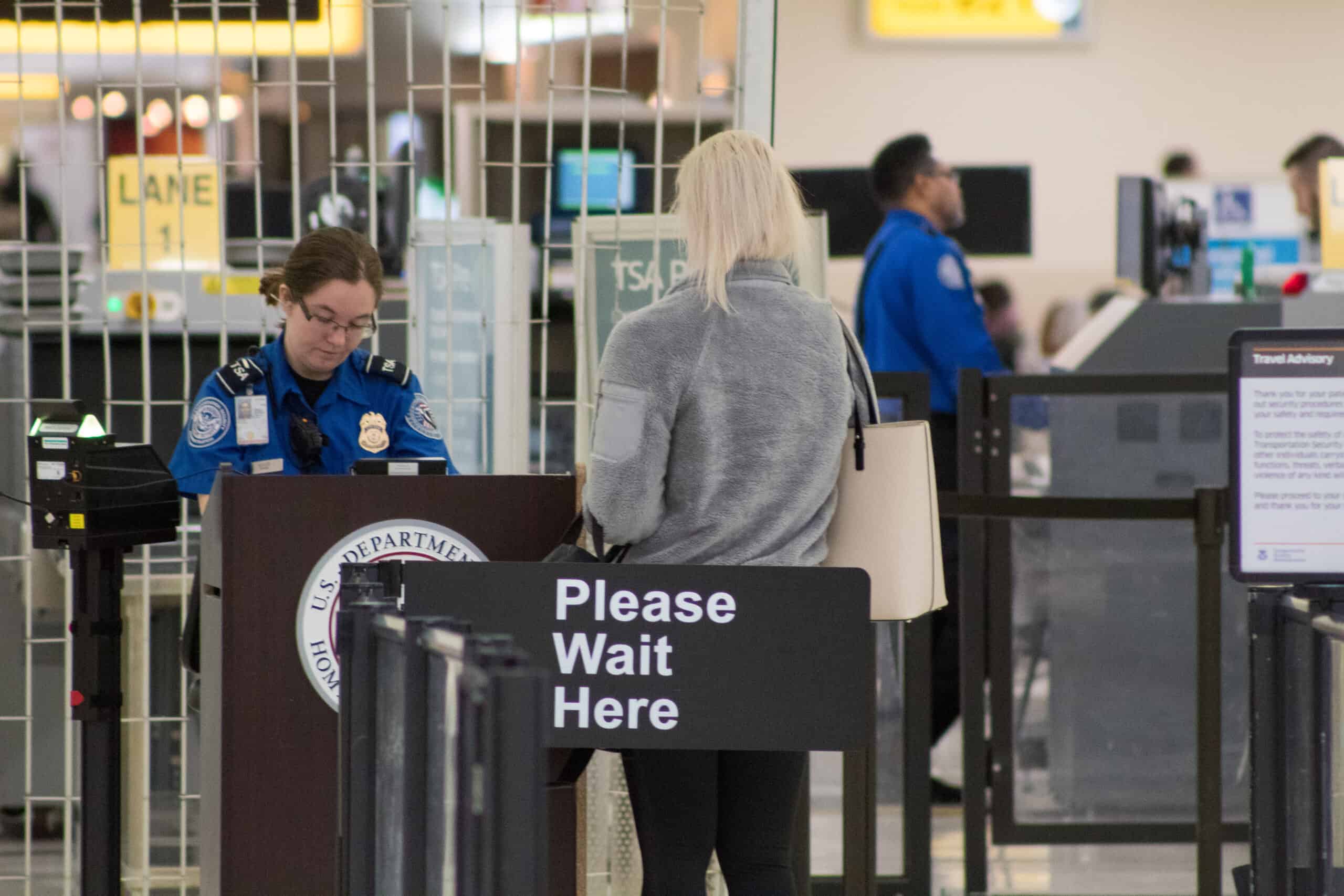
Getting a firearm to the trailhead can involve more planning than expected. Airlines, public transportation, and local regulations all impose specific requirements that must be followed carefully. Once on the trail, storage becomes another concern, especially in shared campsites or open areas. Keeping the item secure while also accessible is not always simple. These added layers can complicate a trip that would otherwise feel flexible and easy to manage, adding friction before and during the journey.
Escalation In Human Encounters
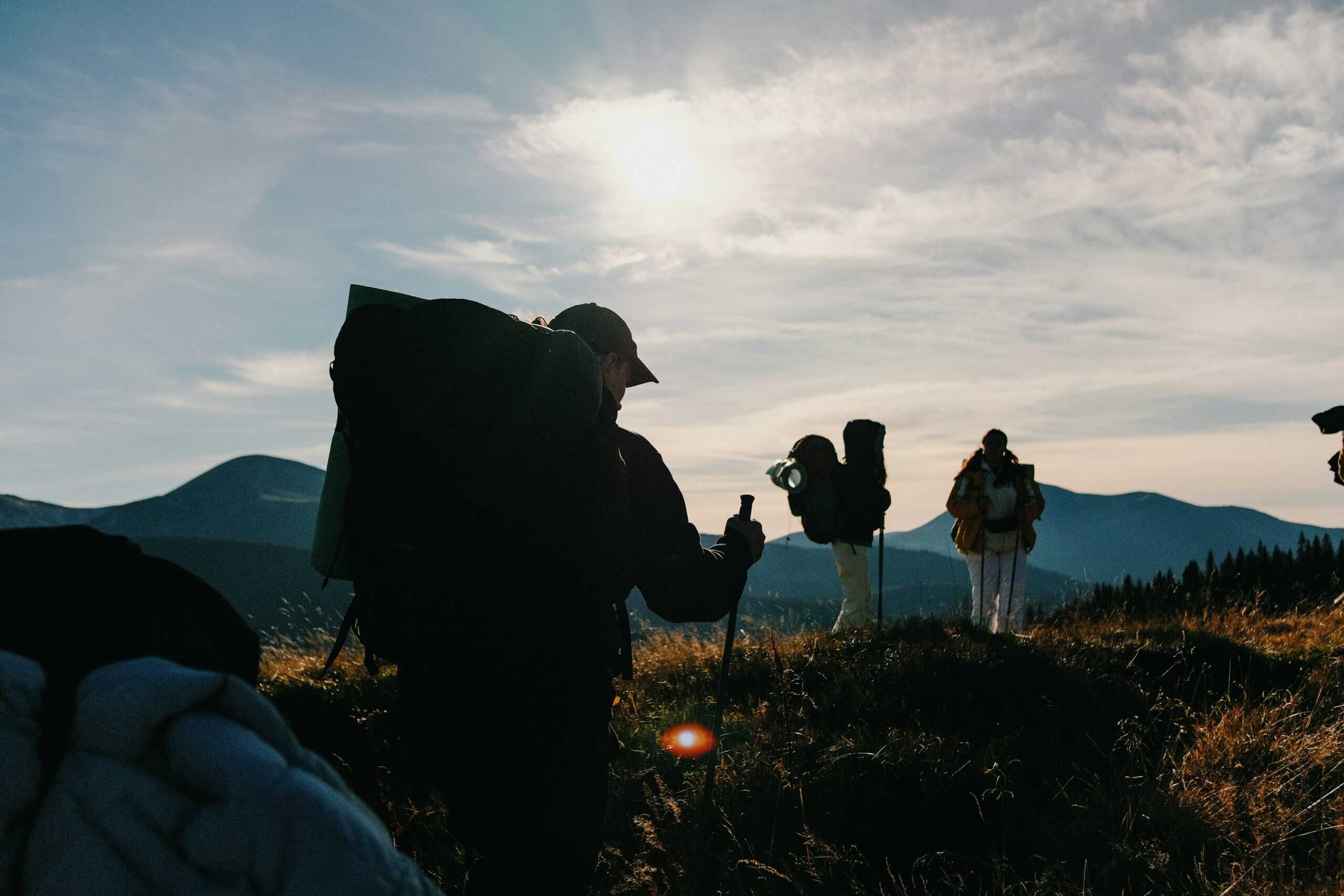
Backpacking often relies on quiet trust between strangers sharing the same space. The presence of a firearm can shift that dynamic, even if it remains out of sight. In tense moments, it can raise the stakes rather than calm them. Misunderstandings can develop quickly in remote settings where communication is limited. Instead of creating reassurance, a weapon may introduce unease, changing how people interact on the trail. That subtle shift can affect the overall tone of the experience.
False Sense Of Security
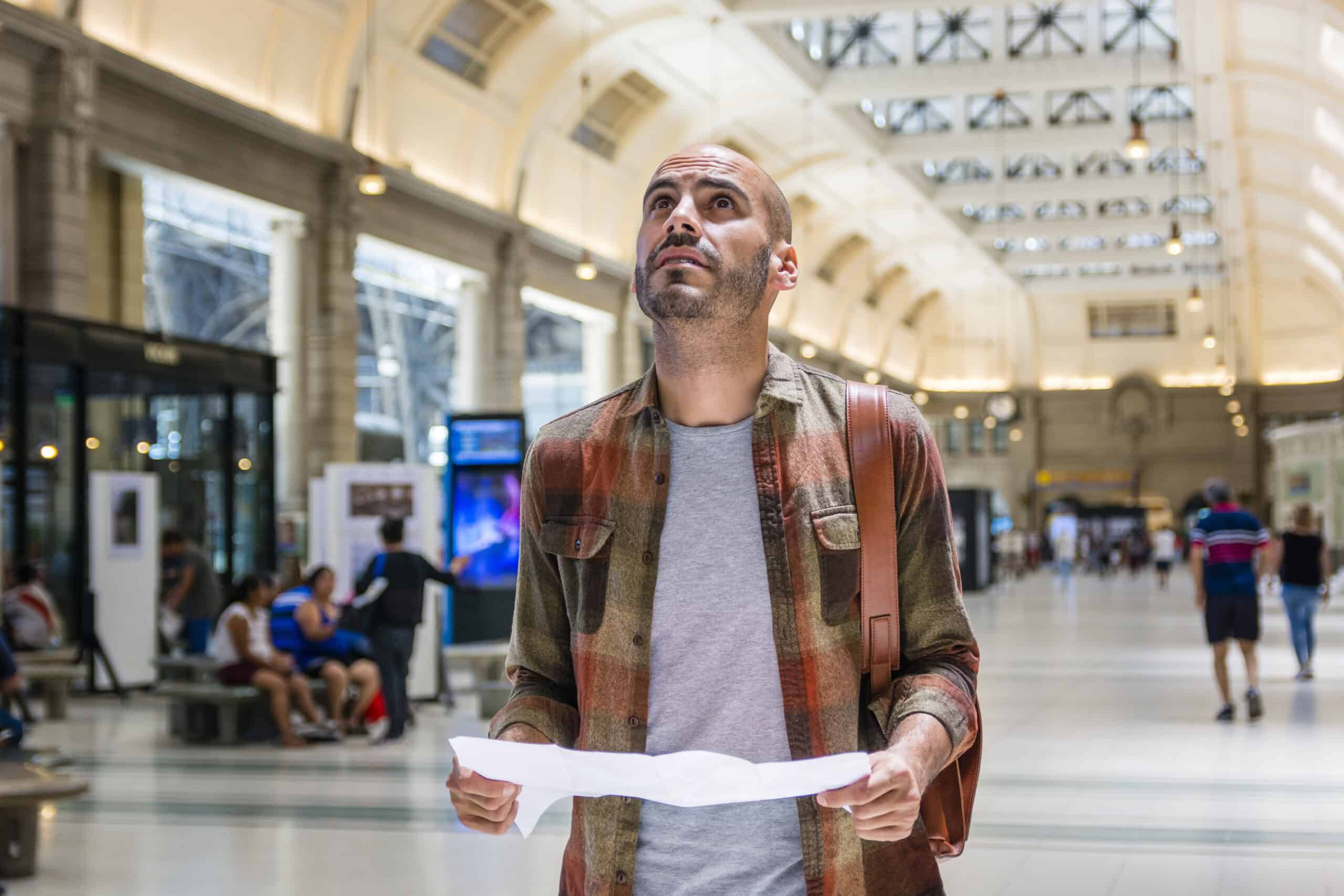
Carrying a firearm can create the feeling that major risks are covered, which may lead to less attention on more common safety needs. Navigation, weather awareness, and proper gear matter far more in most situations. When focus narrows to one form of protection, other precautions can slip. This imbalance can increase risk rather than reduce it. Confidence built on preparation and awareness tends to be more reliable than confidence tied to a single item.
Challenges With Wildlife Management
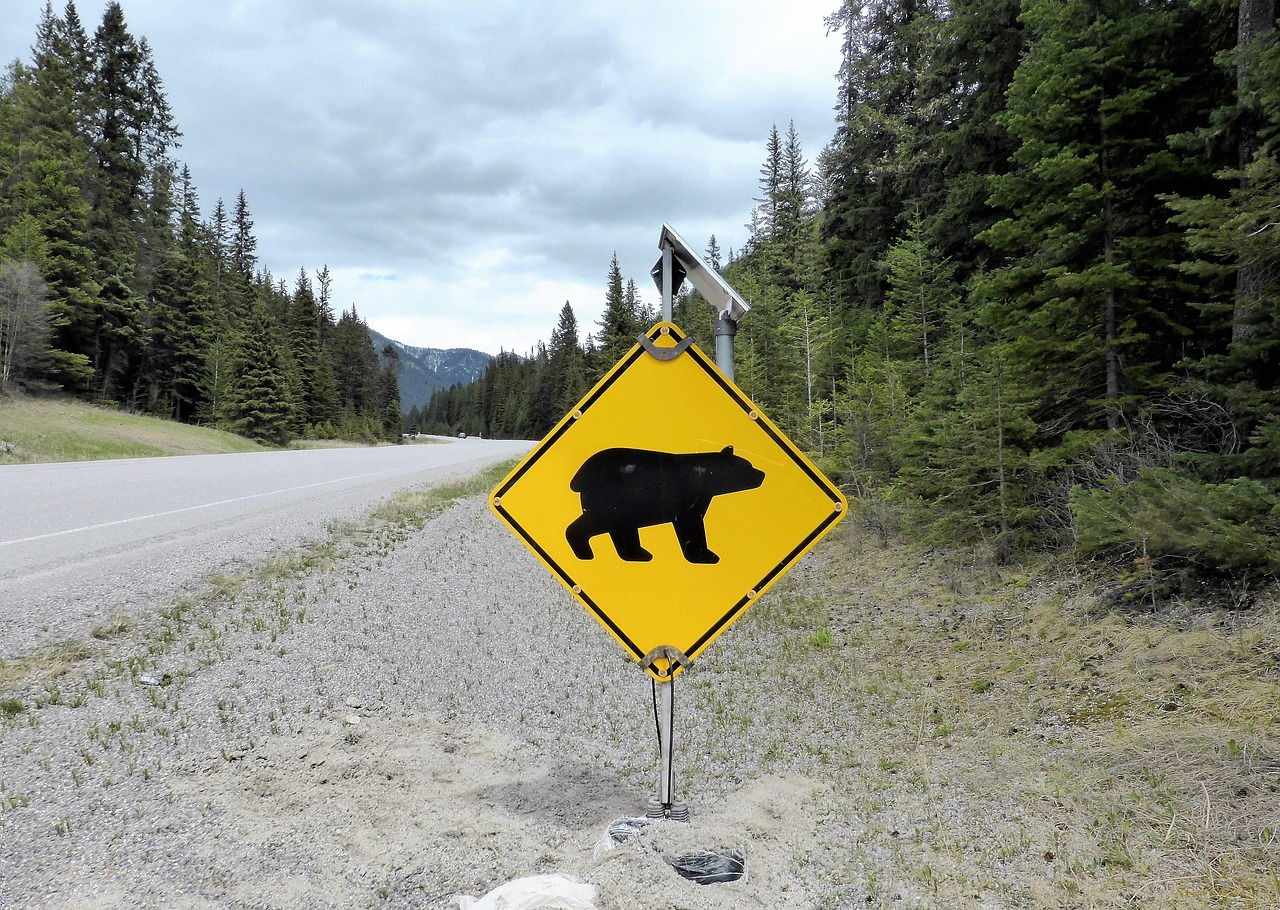
Wildlife encounters are often the reason people consider carrying a firearm, yet it is rarely the most effective response. Most situations are better handled through distance, awareness, and proper food storage. Using force can escalate a situation or create unintended outcomes. Wildlife behavior is unpredictable, and reacting quickly with a weapon does not guarantee safety. Non-lethal approaches tend to offer more control and fewer risks, especially in environments where balance matters.
Impact On Travel Across Borders
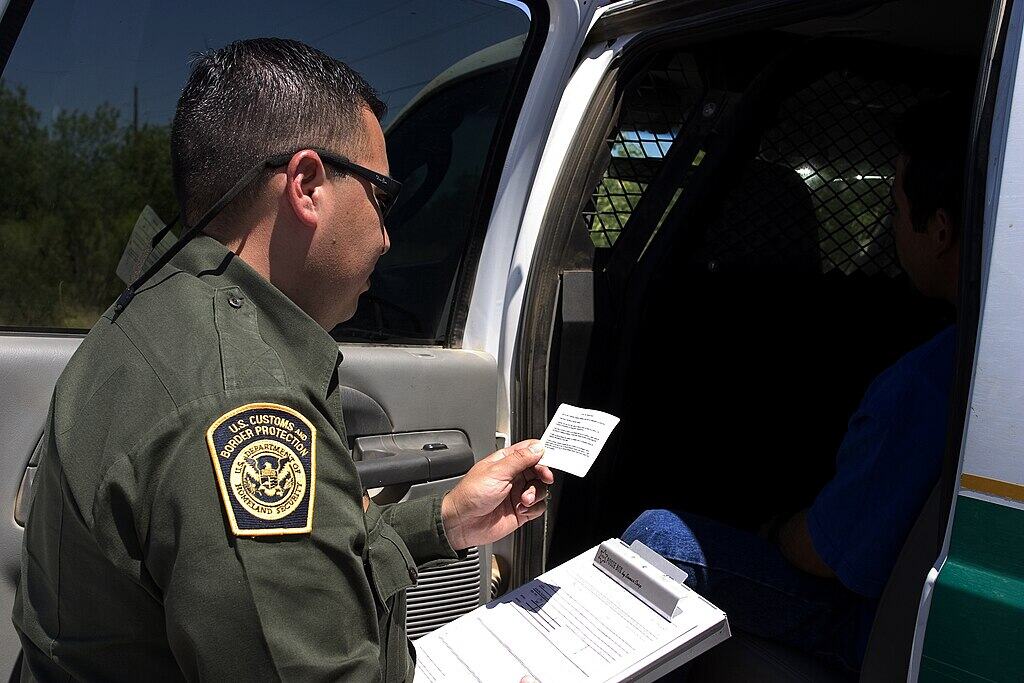
International travel adds another layer of difficulty. Many countries have strict laws that make carrying firearms impractical or illegal, with serious consequences for violations. Even planning a route that crosses a border can become complicated. This limits flexibility and reduces the range of destinations available. For backpackers who value freedom of movement, these restrictions can feel limiting. What begins as a simple plan can quickly become difficult to manage across different legal systems.