We may earn money or products from the companies mentioned in this post. This means if you click on the link and purchase the item, I will receive a small commission at no extra cost to you ... you're just helping re-supply our family's travel fund.
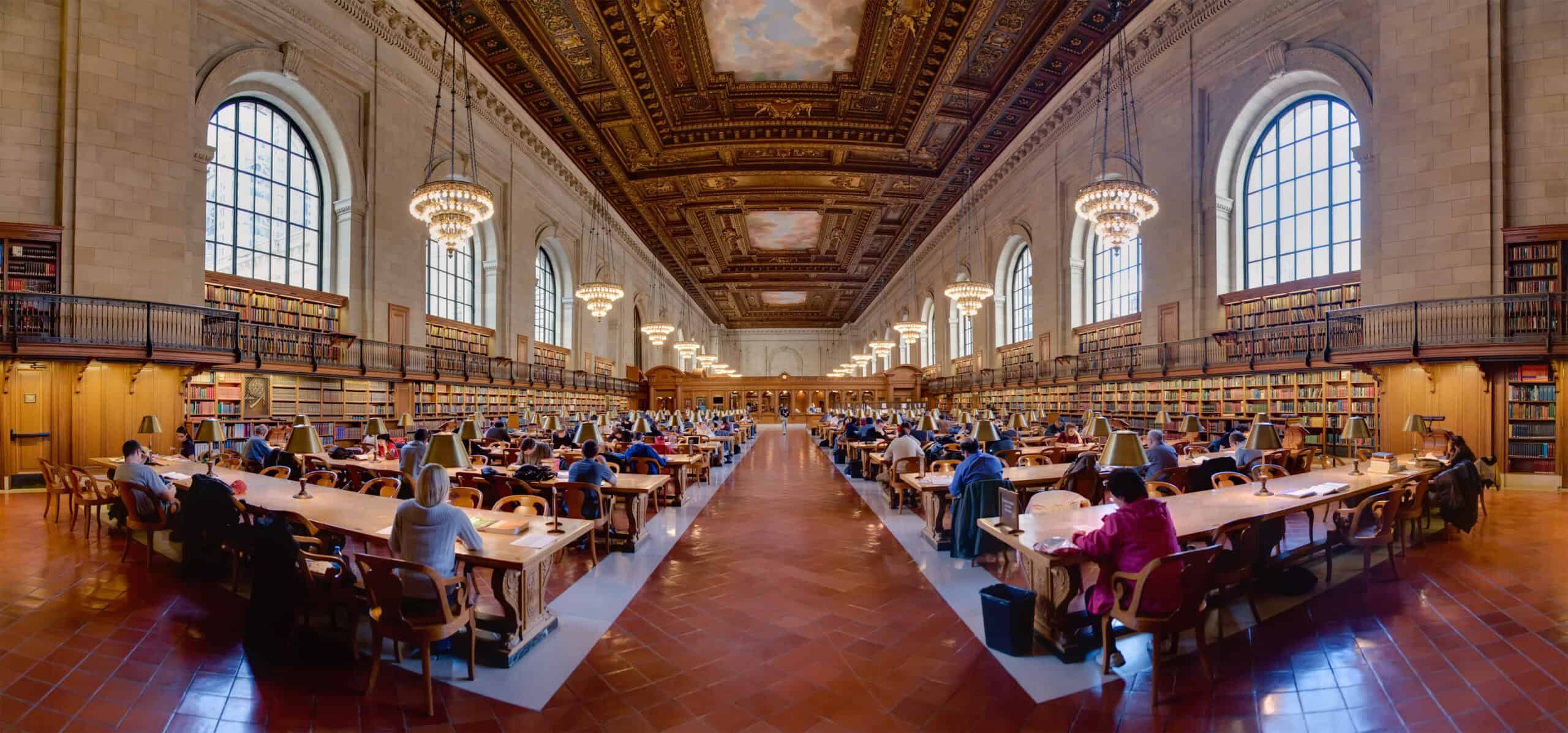
Some towns are known for one museum, one diner, or one view. Others are known for a library: a Carnegie building on the square, a beloved children’s room, an archive that keeps local memory intact. As book challenges surge, that civic anchor is getting pulled into political fights that spill far beyond the stacks. In a few places, the controversy becomes a travel story in its own right, shaping whether visitors come to browse, skip town, or arrive specifically to show support. Library tourism has started to reflect the same tensions reshaping local life.
When The Library Turns Into The Headline
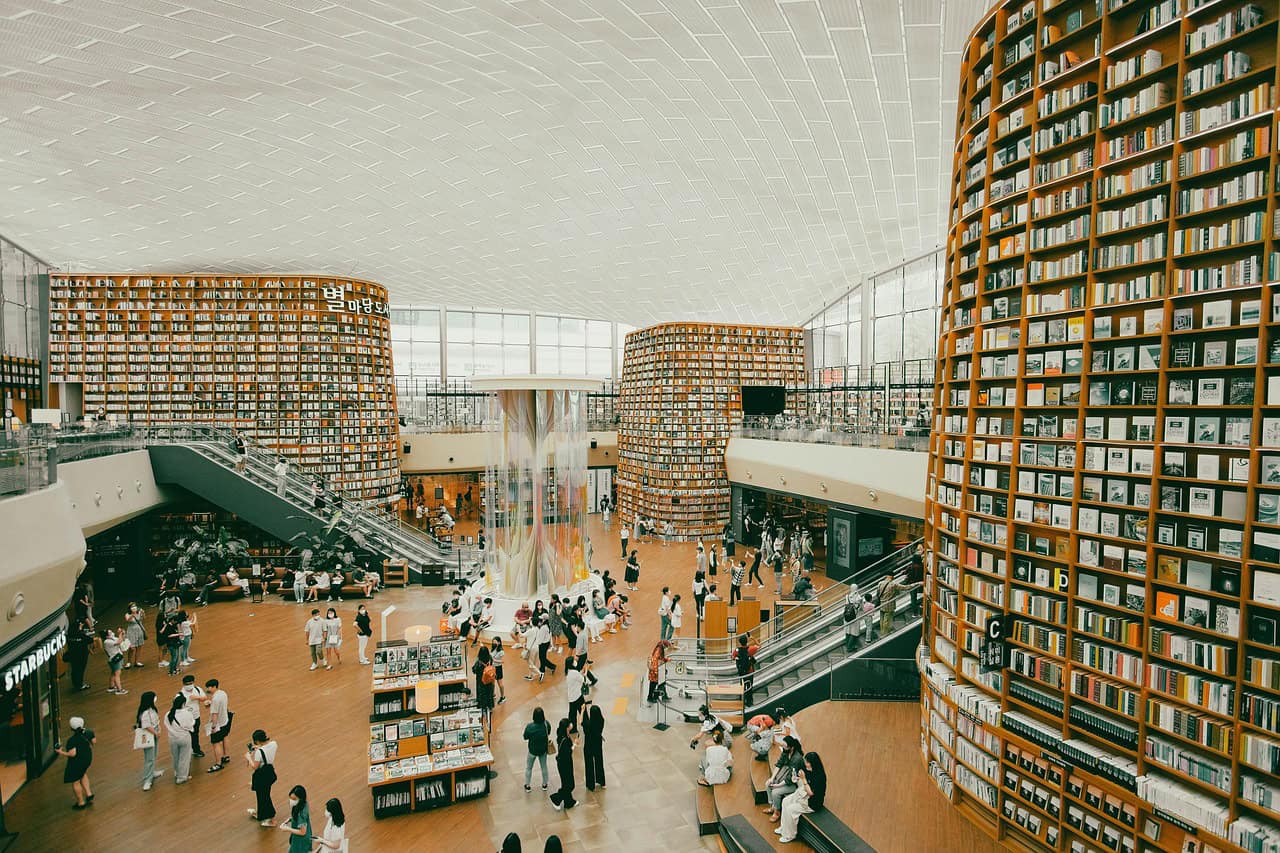
When a town’s library becomes the center of a public fight, it stops being a quiet attraction and starts feeling like a headline in real time. Visitors who planned a calm hour with stained-glass light and local-history shelves may instead find policy notices at the door, a meeting agenda taped to the bulletin board, and staff pulled away to manage complaints, media calls, and tense conversations. With challenges increasingly pushed by organized groups and officials, the mood can feel bigger than one patron’s objection, and travelers decide quickly whether the stop still feels like a welcoming civic landmark.
Challenges Turn Routine Access Into A Question Mark

Book challenges rarely stay neatly inside one title. They can trigger reviews, removals, and new rules about where materials are shelved and who can access them, which makes the visitor experience hard to forecast. A planned exhibit may be postponed, a genealogy desk may restrict files to supervised hours, or a requested title may be unavailable until a committee vote, even when a trip was planned around a specific collection. ALA tracked 821 attempts to censor library materials and services in 2024, so uncertainty can become a standing condition that quietly changes displays, workflows, and what shows up on the shelves.
Programming Gets Quietly Thinner

Small-town library calendars often double as a town’s cultural itinerary: author talks, craft workshops, writing circles, book clubs, and lectures that send people to dinner afterward. Censorship pressure changes that mix because programming becomes a risk calculation, especially when a visiting speaker could trigger organized backlash, added security costs, or a wave of disruptive complaints. School Library Journal has described abrupt cancellations and notes they are likely undercounted, which quietly drains the kinds of evenings that justify a weekend drive or a planned overnight stay near the town square.
Safety And Security Costs Can Spike Overnight

Even when the doors stay open, the atmosphere can change fast when threats and protests enter the picture. In Lancaster, Pa., a library canceled a “Drag Queen Story Hour” after a suspicious package and threats, prompting an evacuation and a police response. Once a library is framed as a flashpoint, visitors who came for calm may find picketing, cameras, extra patrols, and last-minute room closures, and many choose a quicker visit; staff time shifts toward safety planning and crowd logistics, and some tour groups reroute to quieter attractions, trimming the gentle, bookish tourism that usually benefits downtown.
A Town’s Brand Can Shift From Charming To Combative

For many travelers, a library stop is part of how a town introduces itself: curious, welcoming, and proud of learning. When a community becomes known for restricting access, that identity can flip into a reputational drag that spreads online faster than any tourism campaign, shaping everything from book-club weekends to conference site selection. Citrus County, Fla., drew national attention after officials voted against buying digital access to The New York Times, and emails to the local visitor bureau claimed vacation plans were changing, showing how library decisions can spill into travel choices and local revenue.
Tourism Campaigns And Visitor Values Start Interacting
Some places lean into the moment instead of hiding from it, and that choice can redirect travel interest. Visit Seattle promoted a campaign built around challenged books by local authors during “Banned Books Week,” turning literary culture into a tourism message rather than a neutral backdrop. For visitors who care about intellectual freedom, the signal can shape where weekends get spent, which libraries get toured, and which towns get skipped, with stops planned around readings and displays, guided walks, and a quick stop to pick up a commemorative library card.