We may earn money or products from the companies mentioned in this post. This means if you click on the link and purchase the item, I will receive a small commission at no extra cost to you ... you're just helping re-supply our family's travel fund.
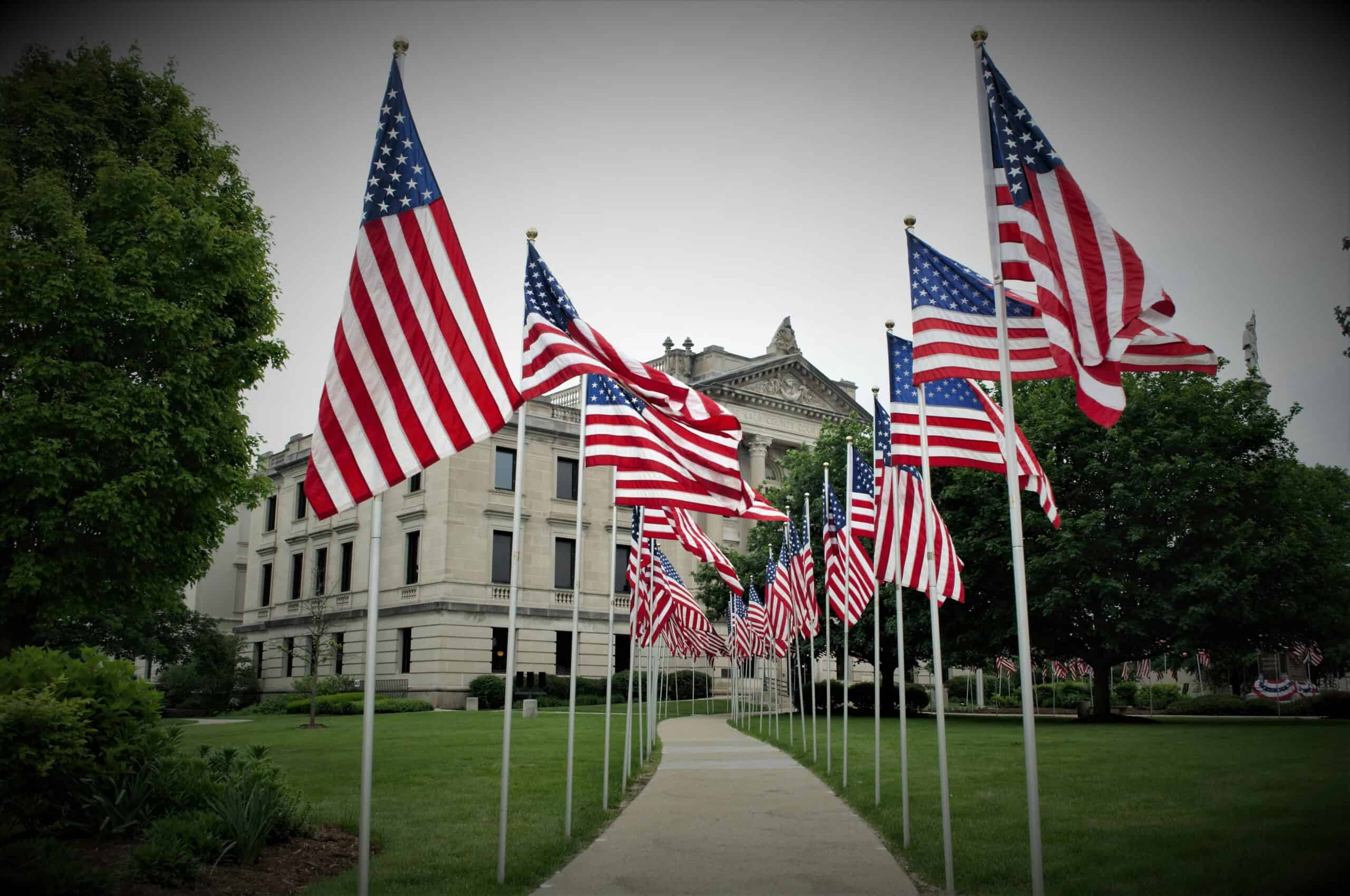
America250 was supposed to feel like a national crescendo toward July 4, 2026, yet the work of celebration has always been local. In many cities, planning has shifted from grand to careful: fewer moving parts, clearer budgets, and more attention to what can be staffed and secured. The reasons are rarely one-dimensional. Funding gaps, administrative disruption, higher public-safety costs, and politics around public history all shape what gets built. What remains can still be meaningful, just more selective and easier to run well.
Federal Humanities Grants Vanished Mid,Planning

Many America250 plans in smaller cities were built on state humanities council grants: library speaker series, local-history exhibits, oral-history days, and school projects that could run for months. In April 2025, councils said NEH grant terminations landed mid-fiscal year, and planned 2026 calendars had to be rewritten overnight, often after partners had already booked rooms and printed flyers. When a $25,000 neighborhood award disappears, there is rarely a backup sponsor, so cities keep one headline weekend downtown and drop the smaller, high-touch programs that would have carried the anniversary into every neighborhood.
NEH Disruptions Made Timelines Feel Unreliable

Even when local money can be found, federal disruption slows the machinery behind public programming, from contracts to reimbursements that keep small partners afloat. Reports in 2025 described staffing turbulence at NEH, and humanities groups warned that processing and guidance could stall, which makes city managers wary of touring exhibits or multi-venue schedules that depend on perfect timing. The safer move is to plan events that can shrink without legal pain: local historians instead of flown-in headliners, borrowed venues instead of rented tents, and backup dates so one delay does not cascade into a season of cancellations.
Security Costs Are Eating The Fun First
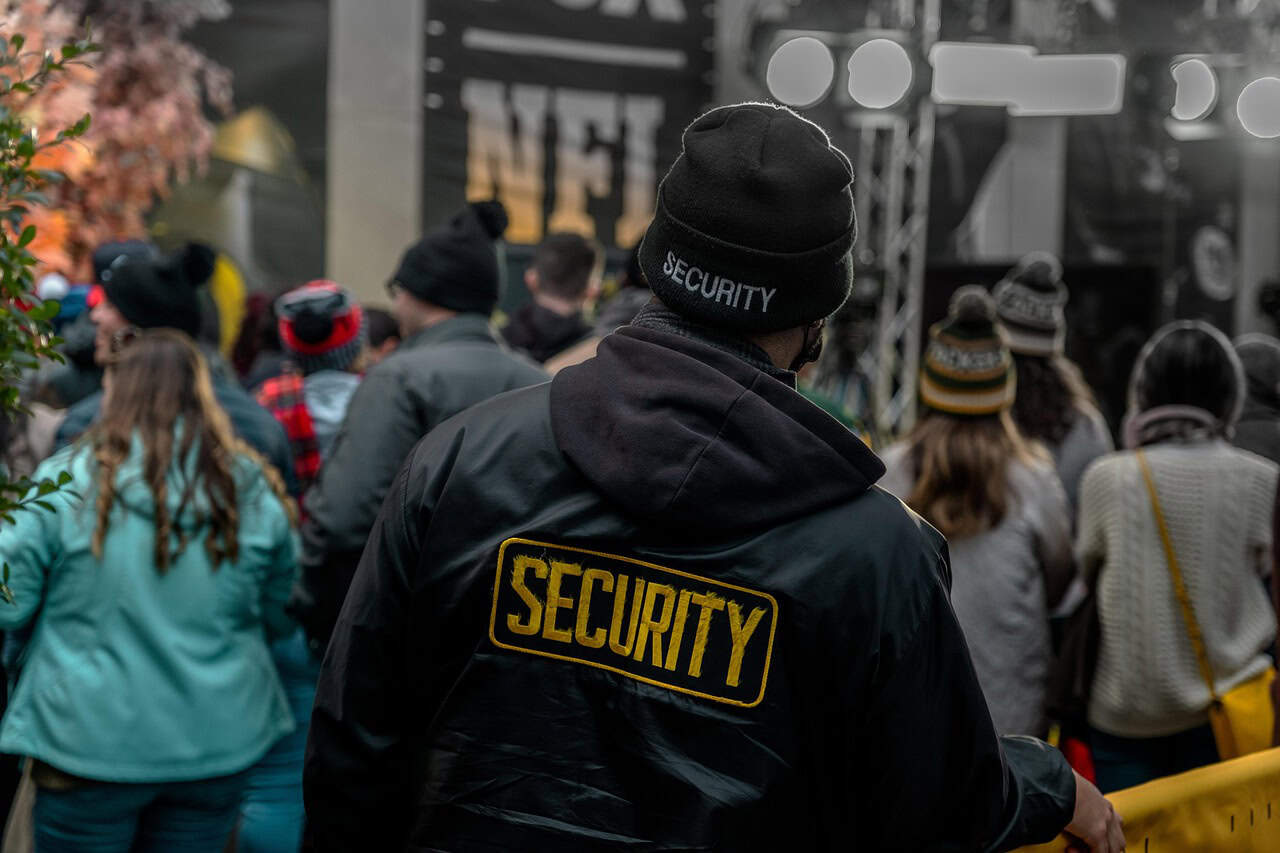
Public events have become expensive to secure, and America250 lands in a year already crowded with high-attendance gatherings that compete for police time, EMS coverage, and vendor capacity. Overtime, barricades, traffic control, medical teams, and insurance can outgrow the arts budget fast, so planners cut the decorative layer first: fewer stages, shorter routes, and tighter footprints that are easier to monitor and evacuate if needed. The celebration still happens, but it looks more controlled, with earlier end times, fewer street closures, and programming designed to keep crowds moving instead of clustering at one chokepoint.
Budget Gaps Are Shrinking Discretionary Spending
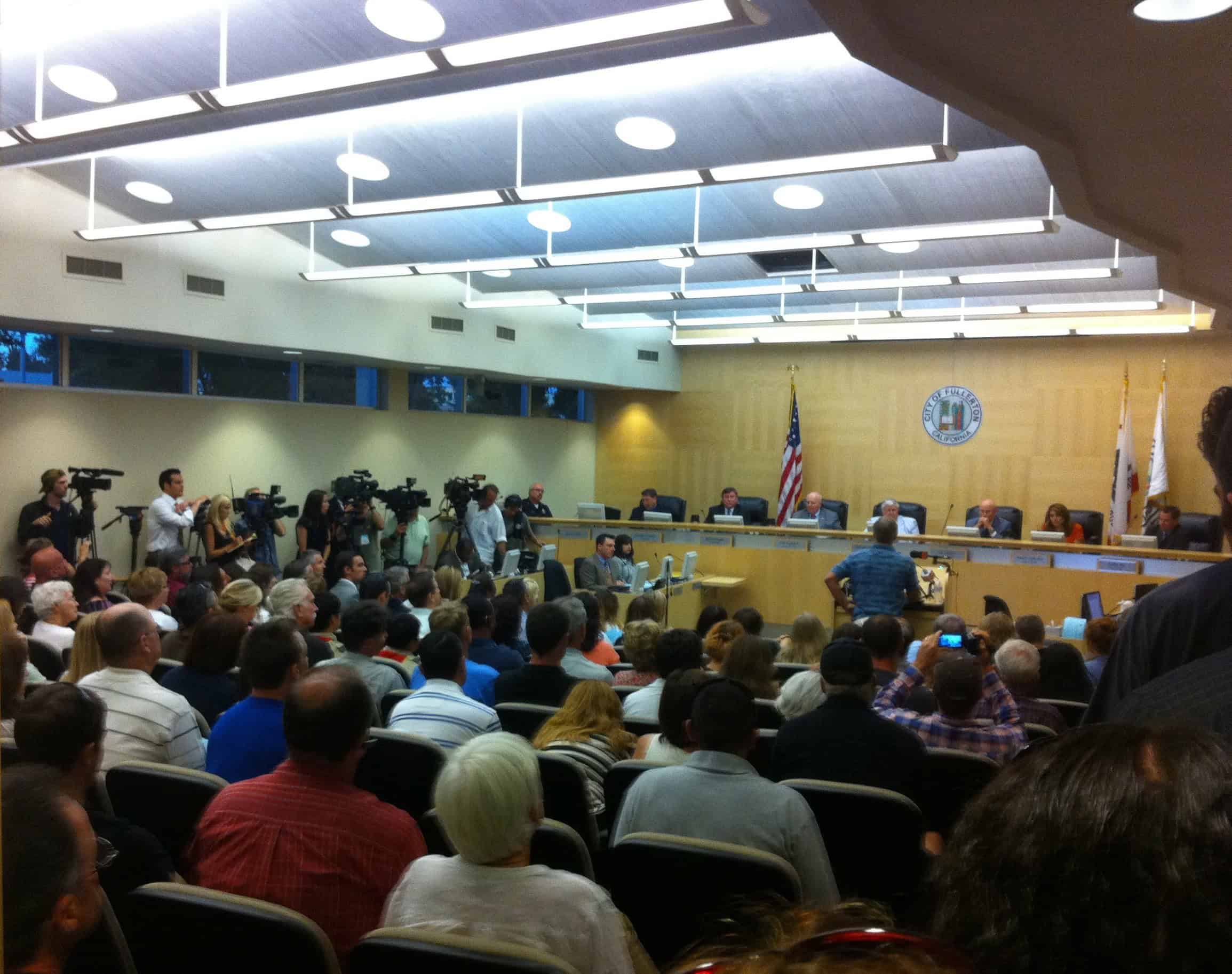
Municipal budgets are tight, and anniversary celebrations compete with services residents notice every day, from transit reliability to pothole repair. When forecasts wobble, discretionary spending is the first place finance offices look, and small community grants often live there, so microgrants shrink and free concerts get trimmed before core services do. Cities then compress programming into fewer days because staffing, sanitation, and permit costs do not scale down gracefully, and a shorter schedule is easier to sponsor, easier to staff, and less likely to be cut again when the next budget update lands.
Vendor Bottlenecks Push Plans Smaller
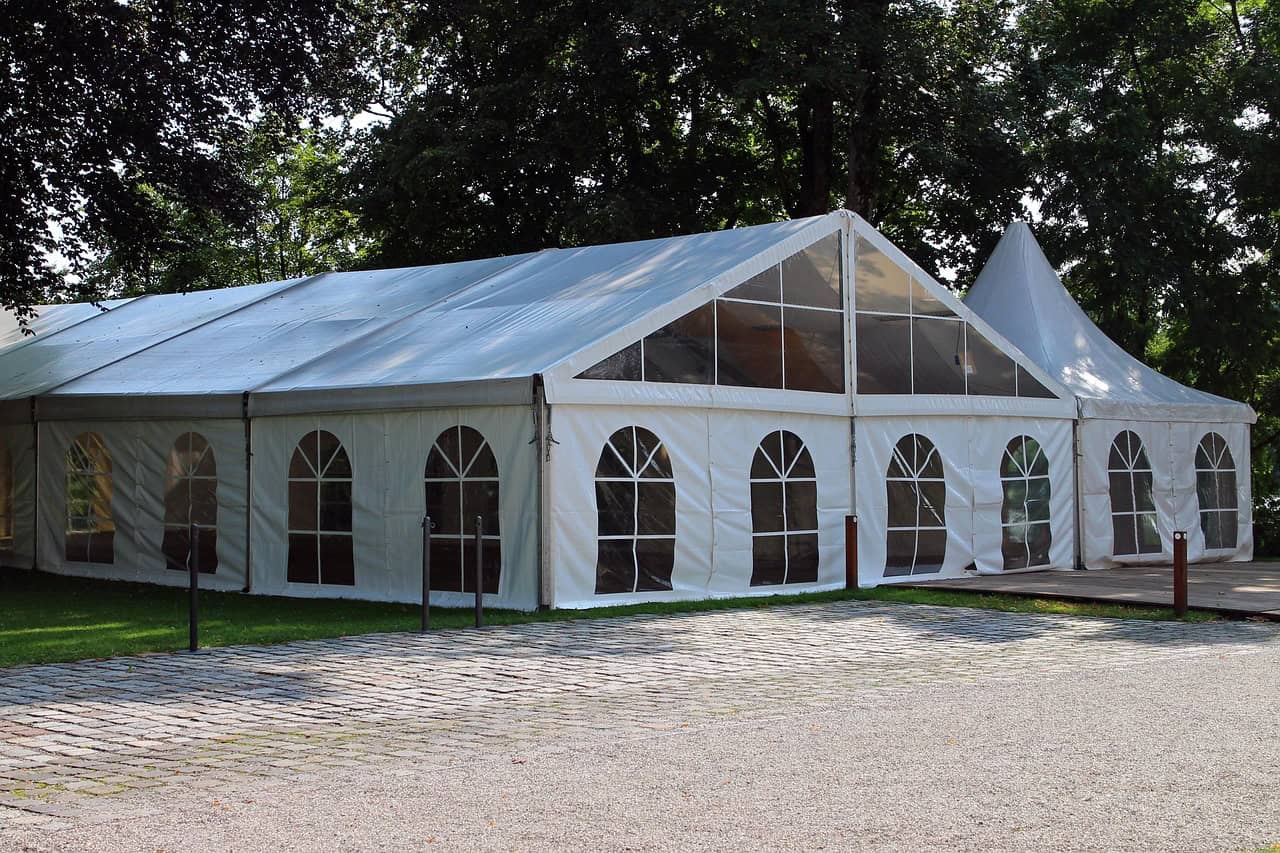
A July 2026 calendar squeezes the same limited pool of vendors: staging, fencing, lighting, portable restrooms, shuttle buses, and event security. When multiple cities book similar infrastructure at the same time, availability tightens and prices climb, so organizers scale down early with shorter routes, fewer build-outs, and more indoor or campus-style venues that already have power, bathrooms, and predictable crowd control. The goal is reliability: plans that survive weather, late trucks, or one contractor backing out, with simple layouts that can be staffed by existing city crews and still feel festive without renting a temporary city.
Big National Spectacles Pull Sponsors Away
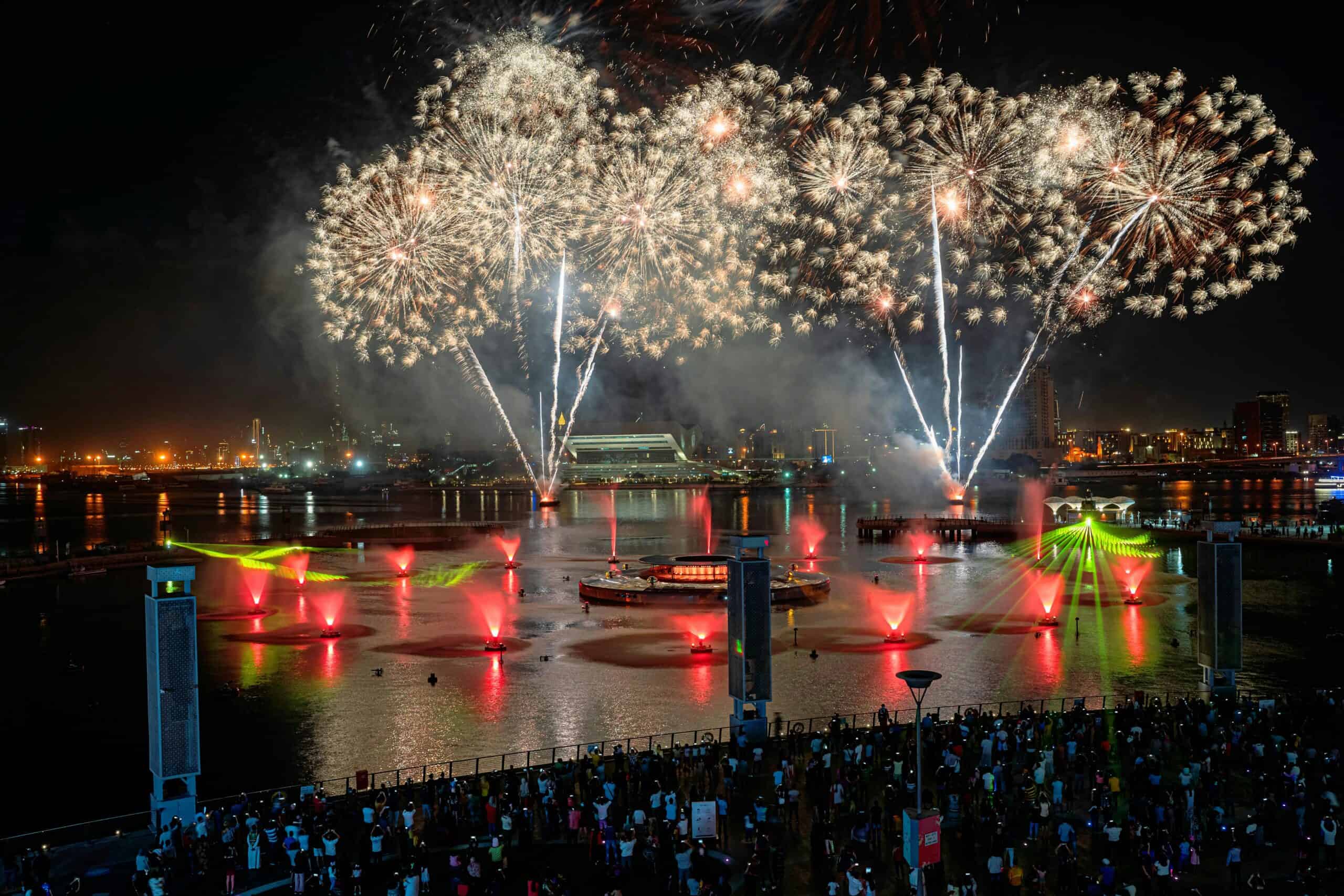
Sponsors chase visibility, and a few national stages can absorb attention that local committees hoped to earn for neighborhood programming. When big-ticket commemorations dominate the media cycle, mid-size cities face a fundraising problem: donors assume the main story is happening elsewhere, and they hold back until plans look guaranteed and press-worthy. Local organizers respond by banking one sponsorable weekend and cutting the season-long series that needs repeated fundraising, because a single, high-impact moment is easier to justify in a boardroom than months of smaller events that do not photograph as cleanly.