We may earn money or products from the companies mentioned in this post. This means if you click on the link and purchase the item, I will receive a small commission at no extra cost to you ... you're just helping re-supply our family's travel fund.
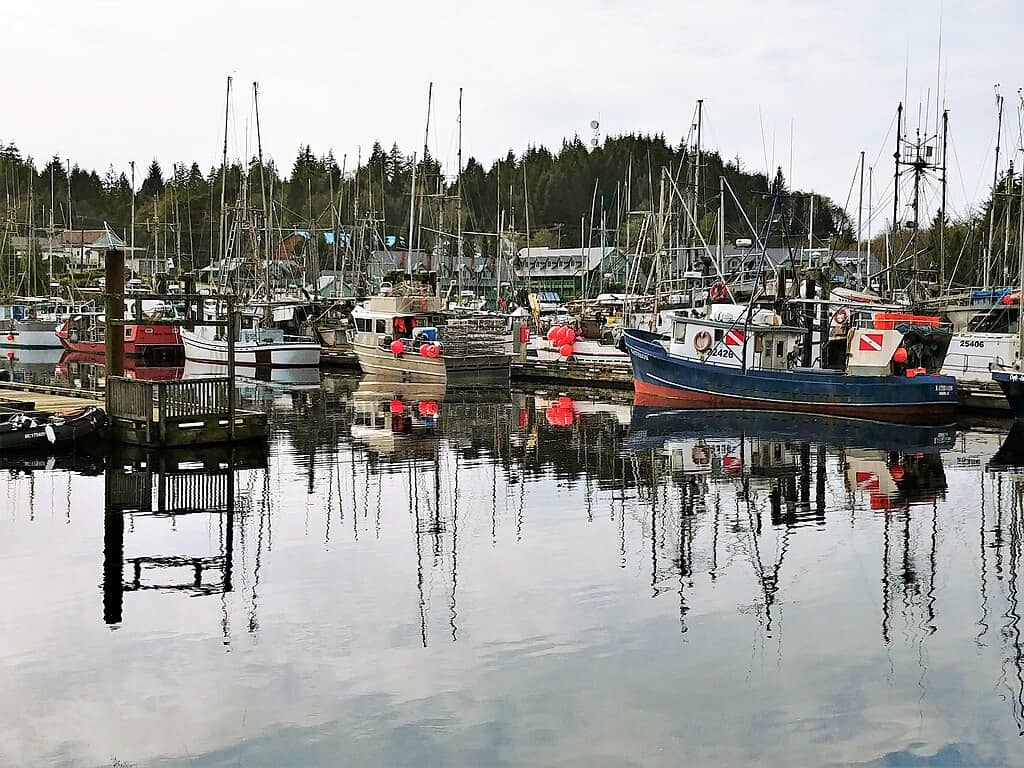
Travel in 2026 is defined by contrast. Travelers are splitting their time between remote nature escapes and culturally rich cities, between slow island living and high-energy urban hubs. Search data, airline capacity increases, and hotel expansion trends all point toward destinations offering authenticity, accessibility, and strong infrastructure. Below are ten places drawing the strongest global interest this year, each combining visitor growth, new developments, and unforgettable experiences.
1. Big Sky, Montana, USA
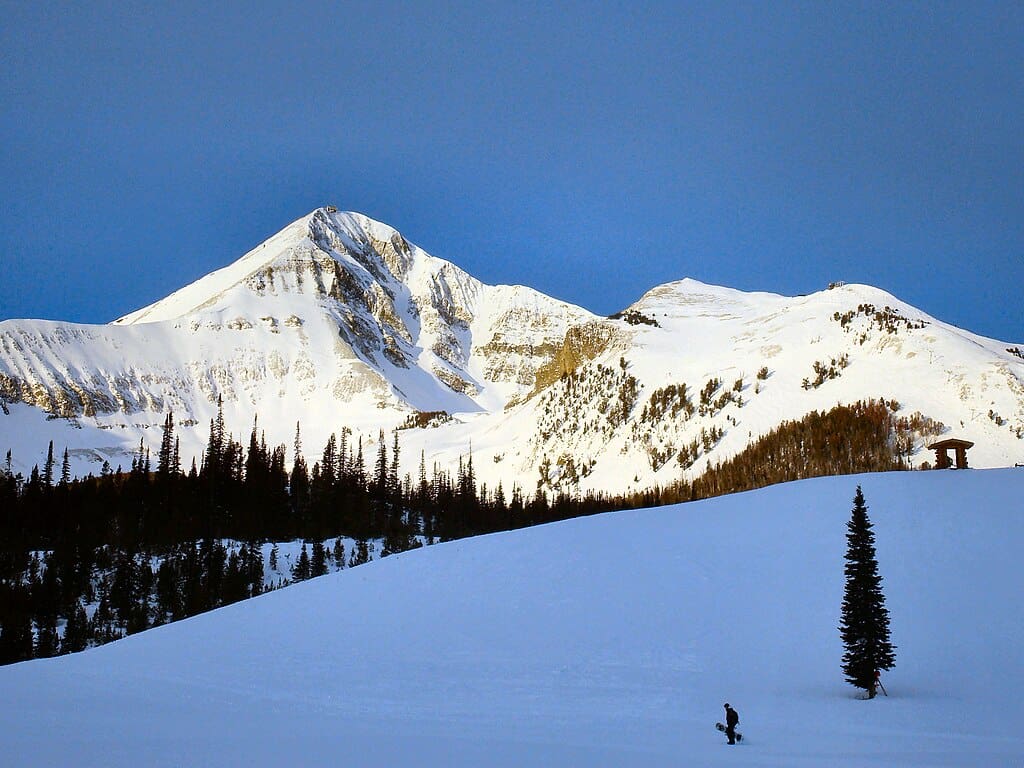
Big Sky has transformed from a quiet mountain outpost into one of North America’s fastest-growing alpine destinations. Visitor numbers have risen nearly 18% year over year, fueled by expanded lift access and 5,800 skiable acres at Big Sky Resort.
In summer, over 2 million acres of nearby wilderness open for hiking and wildlife viewing, with Yellowstone National Park just 1 hour away. Hotel inventory has increased by 22% since 2023, yet the area still feels uncrowded, with fewer than 3,500 full-time residents preserving its open-sky charm.
2. Okinawa, Japan
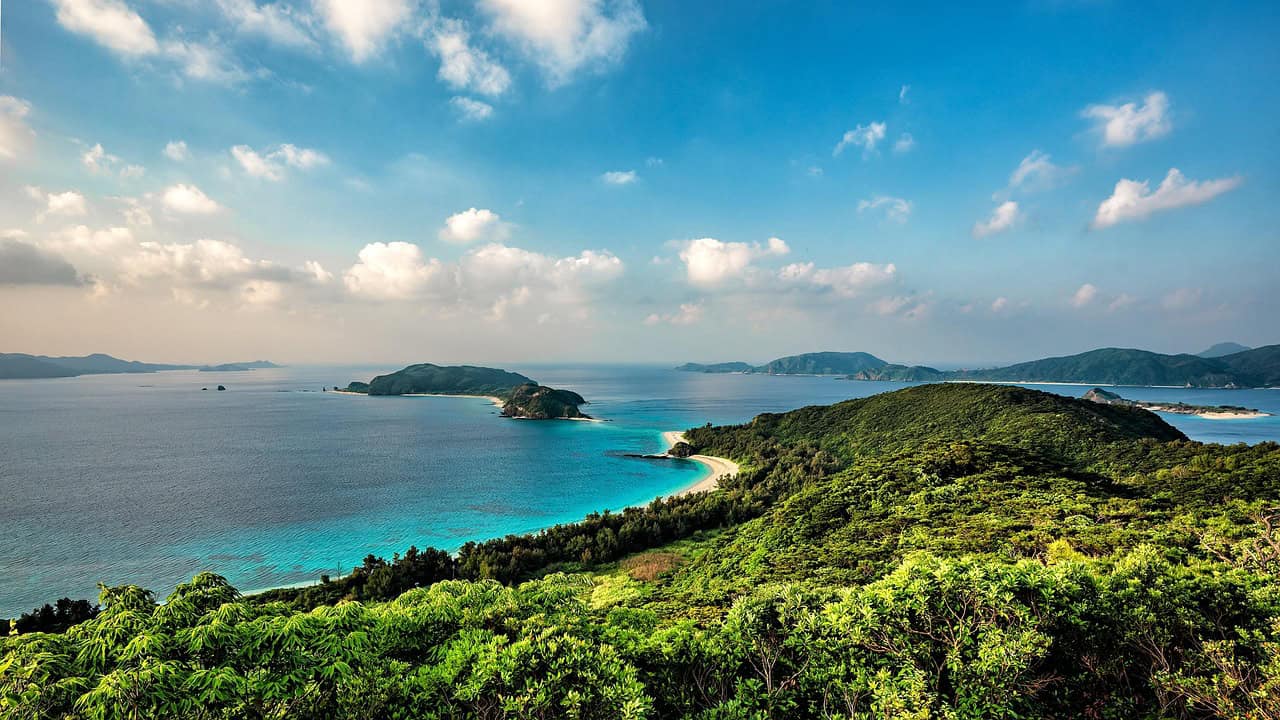
Okinawa offers a subtropical alternative to mainland Japan, attracting record tourism growth of 15% entering 2026. The prefecture includes more than 150 islands, though only 49 are inhabited, giving travelers a wide choice.
Sea temperatures average 23–29°C, ideal for diving along coral reefs stretching over 1,000 kilometers. Cultural interest is rising too, especially in traditional Ryukyuan heritage sites and local cuisine. Direct international flight routes have increased by 12%, making access smoother than ever for long-haul visitors.
3. Sardinia, Italy
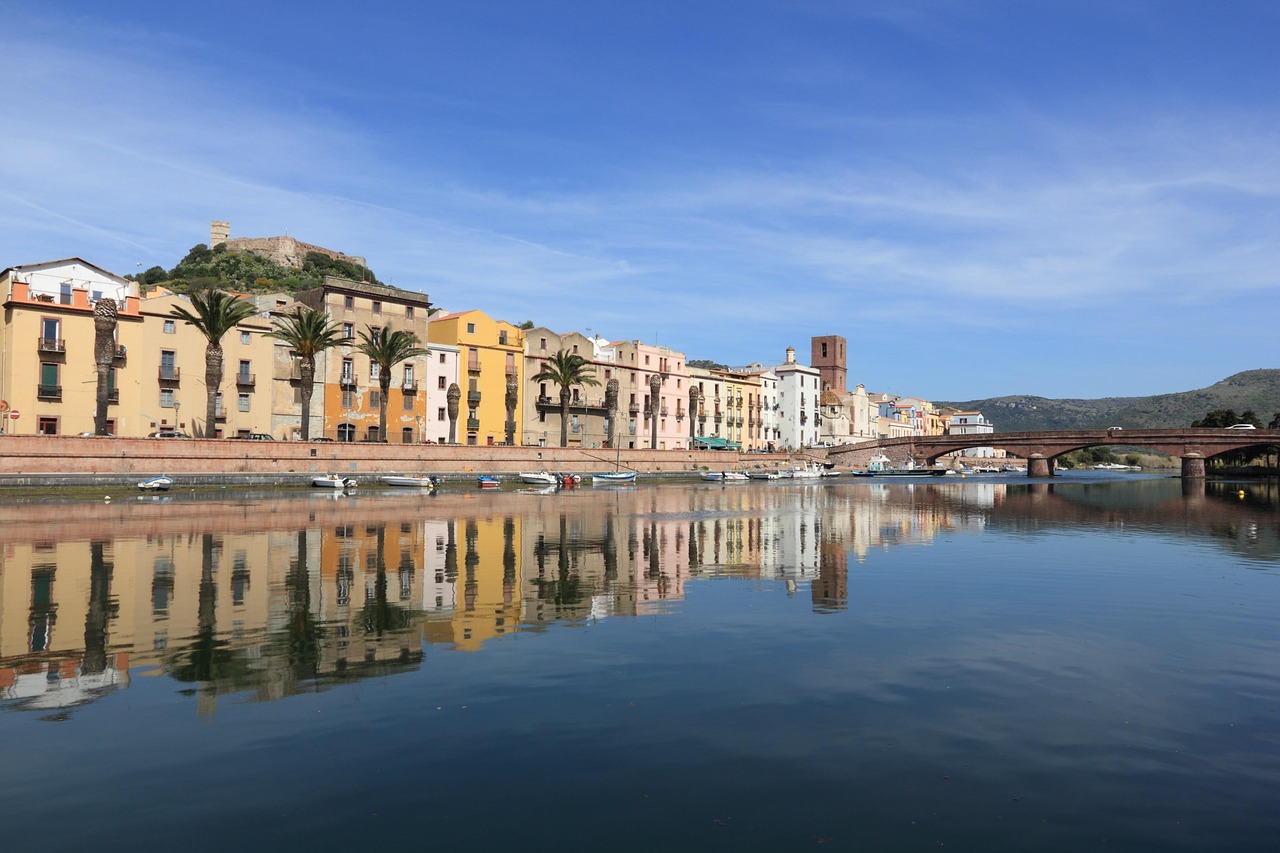
Sardinia continues to dominate Mediterranean wish lists, especially with its 1,800 kilometers of coastline and crystal waters ranking among Europe’s clearest. International arrivals climbed 14% last year, driven by eco-tourism and boutique hospitality growth.
Luxury resorts now represent 28% of new accommodations, yet rural agriturismos remain strong, offering authentic farm-to-table experiences. Archaeological sites dating back over 3,000 years add depth beyond beaches, while improved ferry links from mainland Italy have expanded regional travel by nearly 10%.
4. Madeira, Portugal
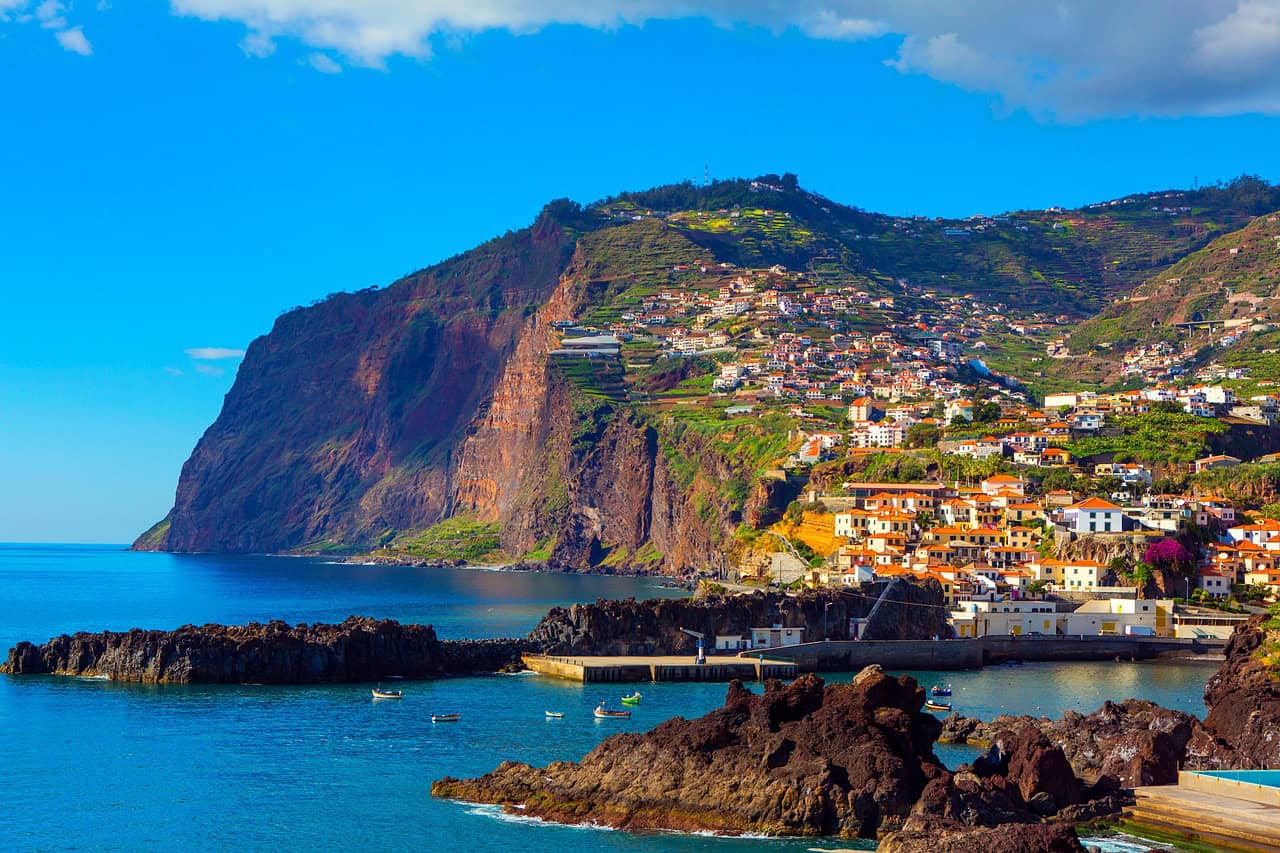
Madeira’s dramatic cliffs and volcanic landscapes are attracting adventure-minded travelers, with hiking trail usage increasing 21% since 2024. The island sees roughly 1.6 million annual visitors despite a population under 260,000, balancing tourism with preservation.
Average year-round temperatures hover near 20°C, making it a four-season escape. New eco-certified hotels have grown by 17%, reinforcing sustainability goals. Direct air connections across Europe and North America expanded 11% this year, pushing Madeira firmly into the global spotlight.
5. Tbilisi, Georgia
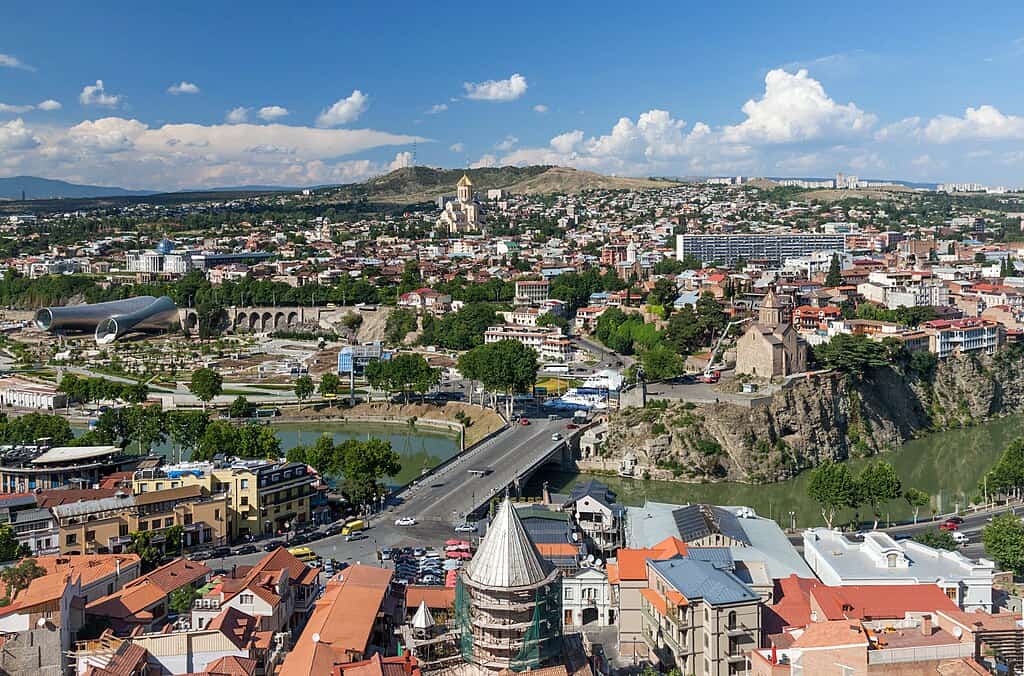
Tbilisi blends centuries-old architecture with an evolving creative scene, driving tourism growth above 19% heading into 2026. The city’s population of 1.2 million supports a dynamic food culture influenced by Europe and Asia alike.
Wine tourism plays a major role, as Georgia’s 8,000-year-old winemaking tradition attracts global curiosity. Boutique hotel capacity has risen 25% since 2022, while average daily costs remain about 30% lower than most Western European capitals, strengthening its value appeal.
6. Phu Quoc, Vietnam
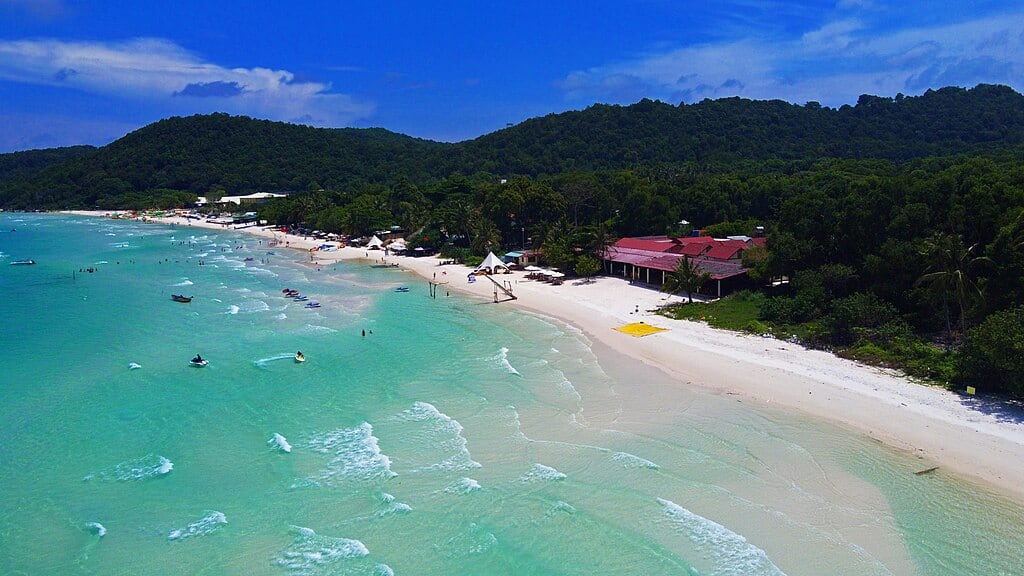
Phu Quoc has quickly shifted from quiet island to Southeast Asia hotspot, recording a 26% jump in international arrivals. The island spans 574 square kilometers, much of it protected national parkland.
Beach resorts line nearly 150 kilometers of coastline, yet interior forests still shelter rare wildlife. Visa exemptions for 30 days have boosted accessibility, and new airport expansions increased passenger capacity to 10 million annually. Night markets and seafood exports continue drawing culinary tourism upward.
7. San Miguel de Allende, México
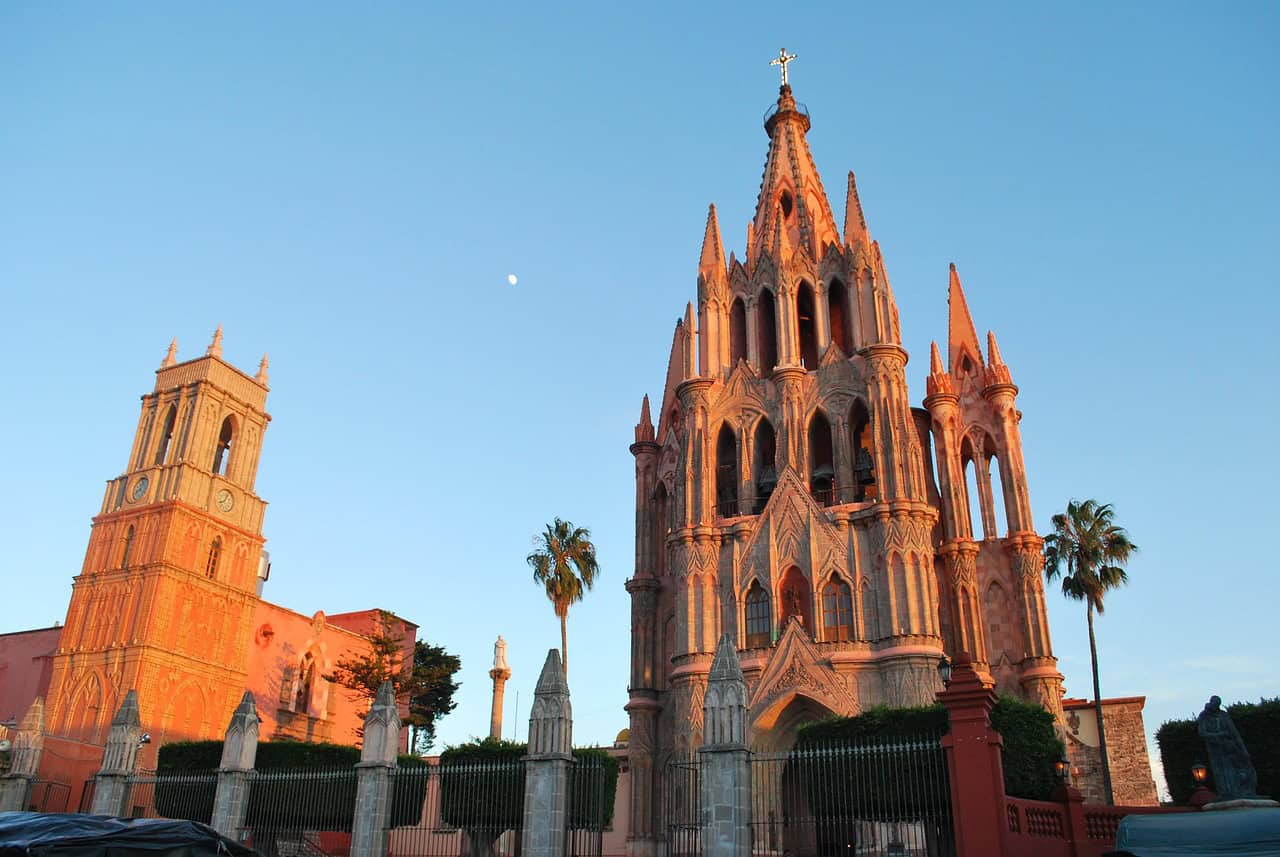
San Miguel de Allende pairs colonial architecture with contemporary art energy. Visitor numbers climbed roughly 16% last year, while nearly 10% of residents are now international expats.
The historic center, a UNESCO-recognized zone, features over 300 preserved heritage buildings. Boutique hotels have grown 20% since 2023, yet the town maintains a population under 200,000, keeping its intimate feel. Culinary festivals and rooftop dining scenes continue expanding its global lifestyle appeal.
8. The Cotswolds, England
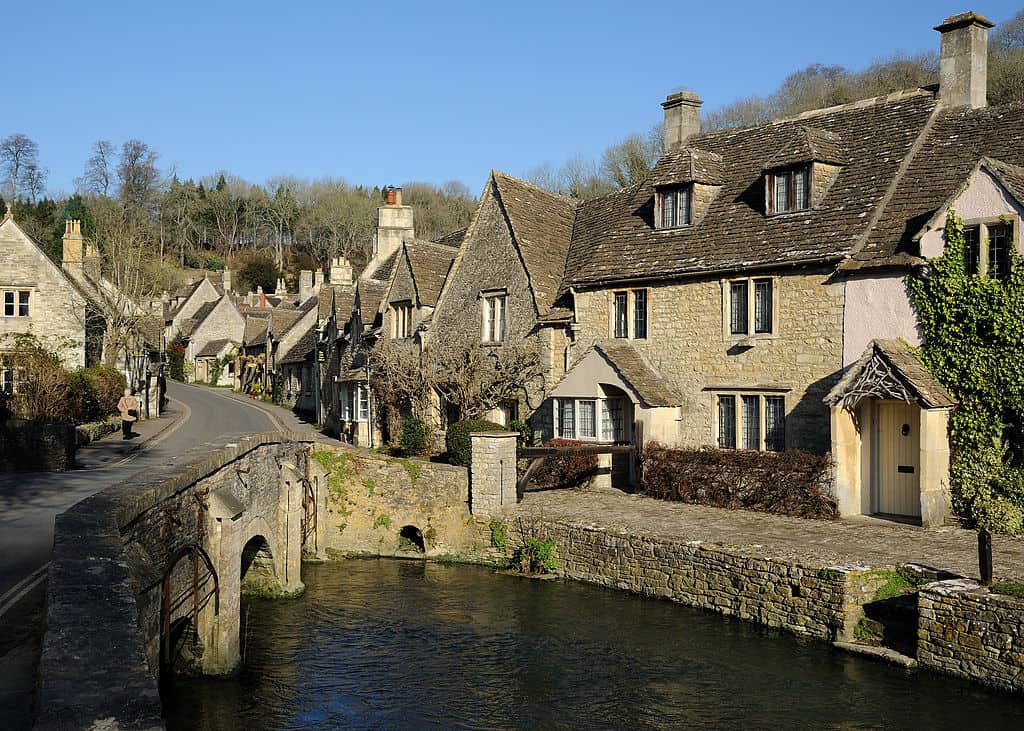
The Cotswolds stretch across nearly 2,000 square kilometers of rolling countryside, welcoming around 23 million day visitors annually. Interest in rural retreats rose 13% this year as travelers seek slower travel experiences.
More than 3,000 miles of footpaths connect honey-colored villages, many dating back 500 years. Luxury manor stays increased 18% in bookings, while farm-stay accommodations grew 11%, reinforcing the region’s blend of heritage and comfort within two hours of London.
9. Hobart, Tasmania, Australia
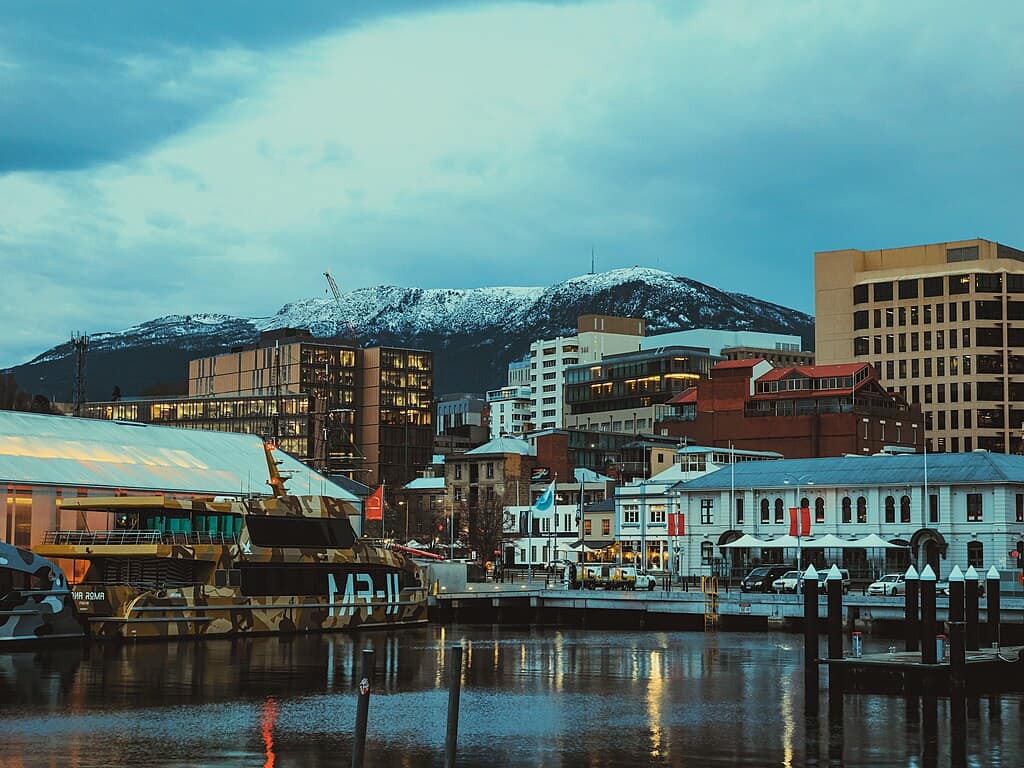
Hobart combines maritime history with cutting-edge art, drawing a 14% rise in international searches this year. Though home to just 250,000 residents, it serves as a gateway to vast wilderness covering nearly 40% of Tasmania.
The Museum of Old and New Art attracts over 500,000 visitors annually, anchoring the city’s cultural reputation. Cruise arrivals have increased 9%, while boutique waterfront hotels expanded room supply by 15%, supporting steady tourism growth without overwhelming local infrastructure.
10. Ucluelet, British Columbia, Canada
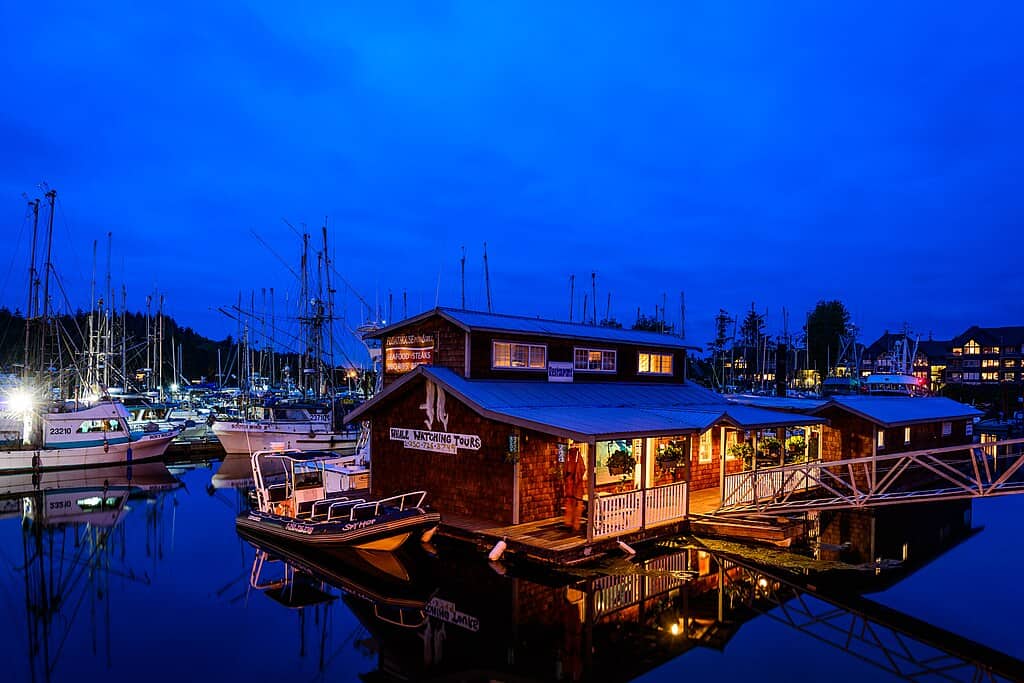
Ucluelet offers raw Pacific coastline experiences, welcoming nearly 400,000 annual visitors despite a local population under 2,000. Tourism demand has grown 12% thanks to rising interest in storm watching and eco-lodges.
The Wild Pacific Trail spans 8 kilometers of dramatic oceanfront paths, while marine wildlife tours operate year-round. Sustainable accommodations now account for 35% of lodging options, reflecting Canada’s environmental focus. Its proximity to Vancouver, roughly 5 hours away, strengthens accessibility.