We may earn money or products from the companies mentioned in this post. This means if you click on the link and purchase the item, I will receive a small commission at no extra cost to you ... you're just helping re-supply our family's travel fund.
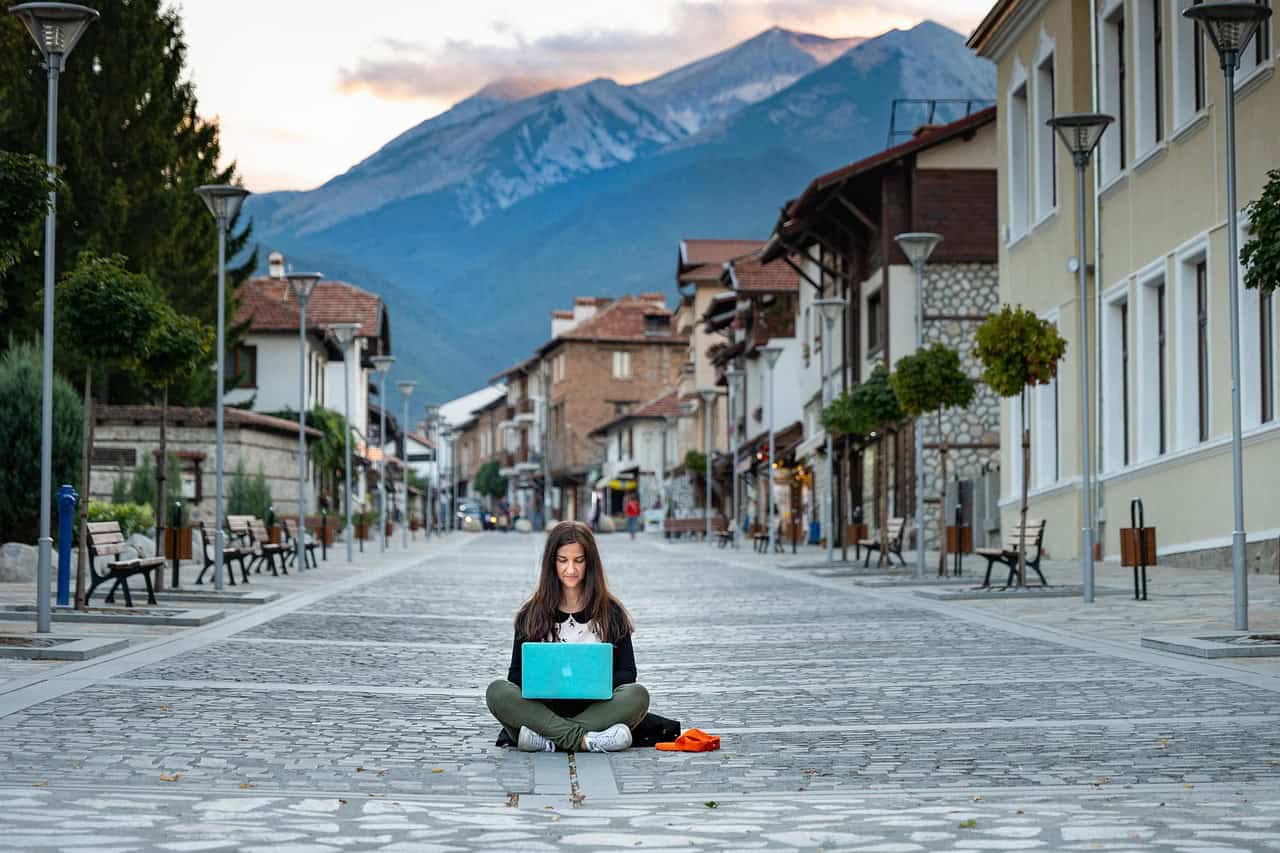
The rise of digital nomads, remote workers traveling while earning foreign incomes has been celebrated as a boon for local economies and tourism. However, not all communities have embraced this trend. In many cities worldwide, locals are pushing back, citing rising rents, housing shortages, and cultural displacement. Remote workers often live in enclaves, spend in foreign currency, and inadvertently accelerate gentrification. Below are ten cities where the presence of digital nomads has triggered visible resentment.
1. Mexico City, Mexico
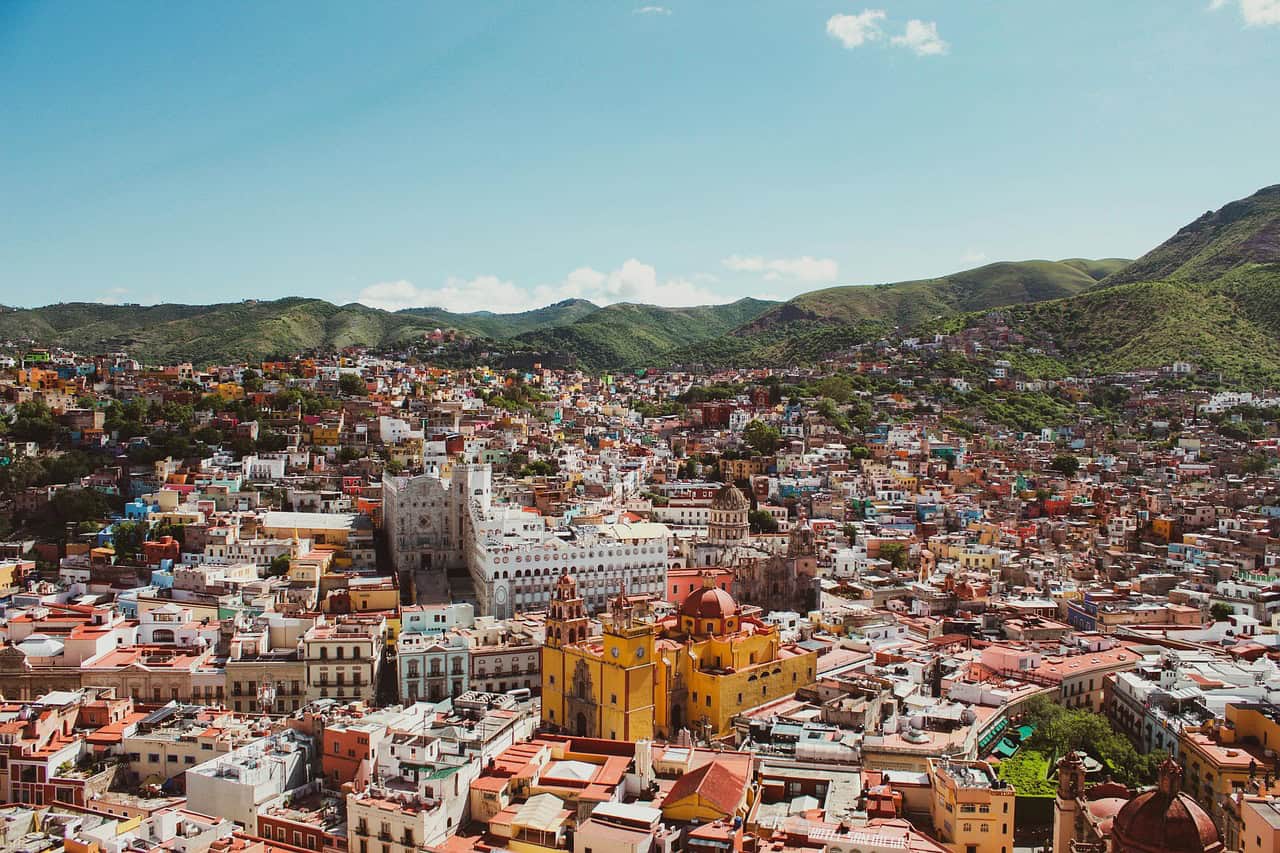
In mid-2025, protests erupted in Roma, Condesa, and Juárez over rising rents linked to foreign remote workers. Rents have surged about 50% since 2020, forcing many families to spend over half their income on housing or relocate. With over 26,000 short-term rental listings citywide, long-term residents are displaced and neighbourhoods transformed. While some blame foreigners directly, officials argue the issue is speculative real estate, not nationality. Cultural identity and affordability are the core of the backlash.
2. Lisbon, Portugal
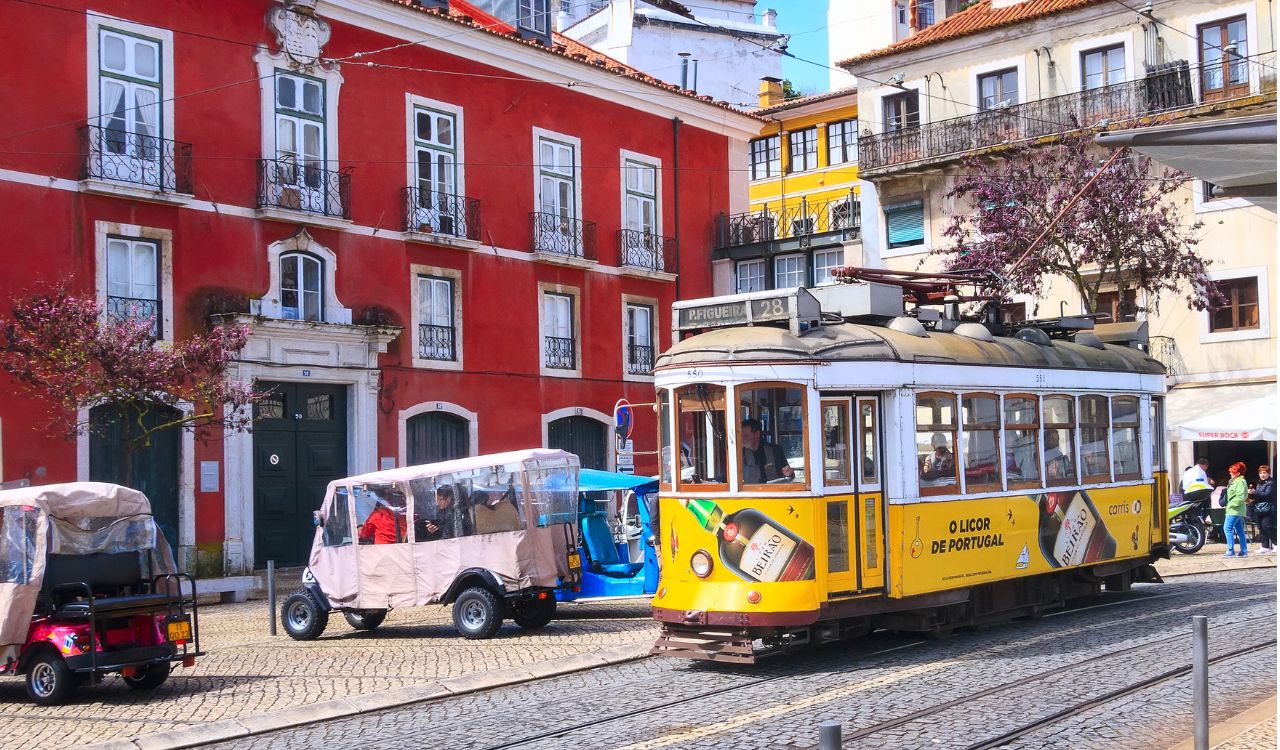
Lisbon has become a hotspot for remote workers, but locals are feeling the pressure. Since 2019, rents have jumped 110%, with many median-income residents (~€1,200/month) unable to afford flats averaging €1,500+. Buildings are being converted into short-term rentals or “nomad apartments,” displacing locals. Historic districts like Alfama or Graça see traditional shops replaced by coworking cafés, boutique gyms, and expat-focused businesses. Many feel the city is losing its authenticity while outsiders profit from foreign currency spending.
3. Barcelona & Mallorca, Spain
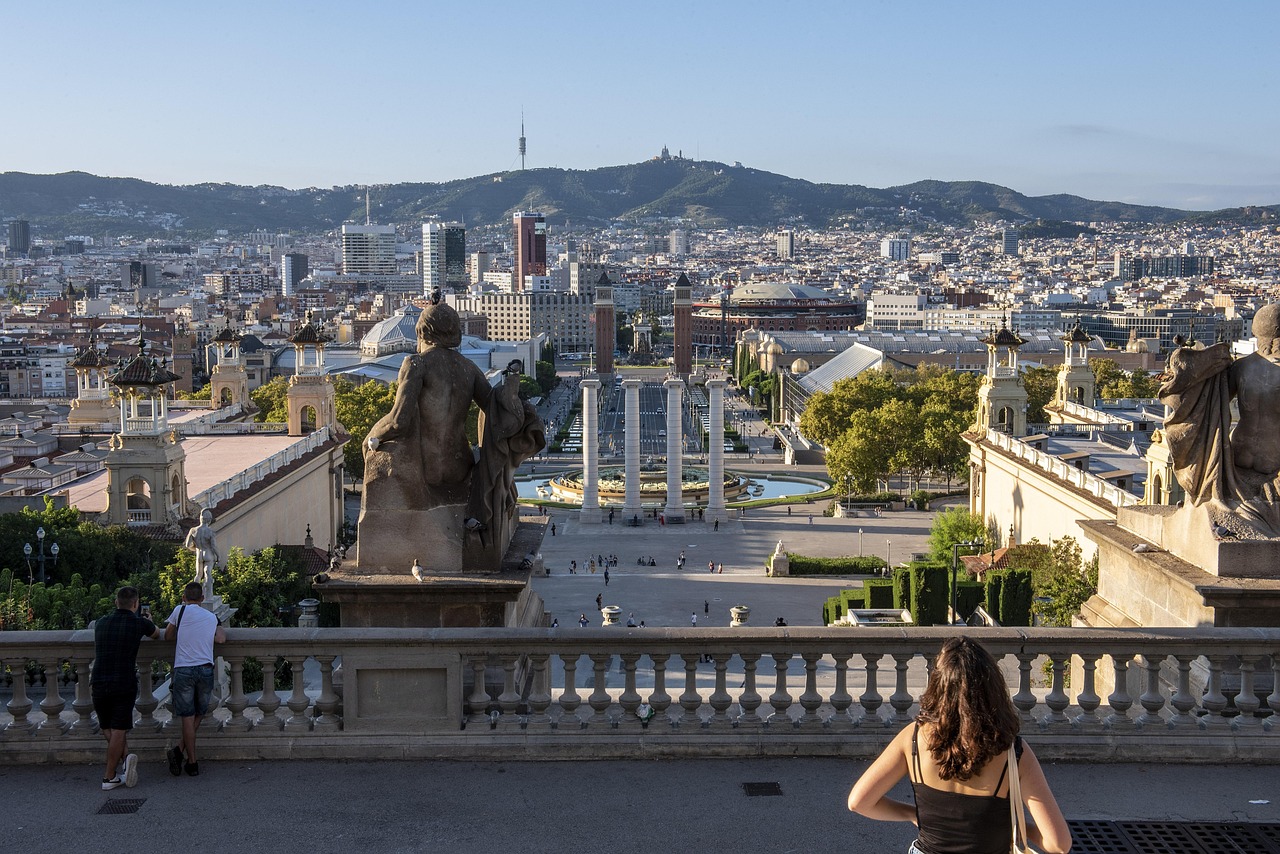
In 2025, residents in Barcelona and Mallorca used protests including spraying tourists with water pistols to voice frustration over gentrification. Short-term rentals have converted vibrant neighbourhoods into transient zones, with rents rising sharply. Local officials plan to eliminate 10,000 holiday-home licenses by 2028 to curb pressure. Citizens complain infrastructure struggles to accommodate seasonal surges, while cultural identity is eroded. Remote workers, often living in tourist enclaves, exacerbate social tensions and heighten economic inequality.
4. Medellín, Colombia
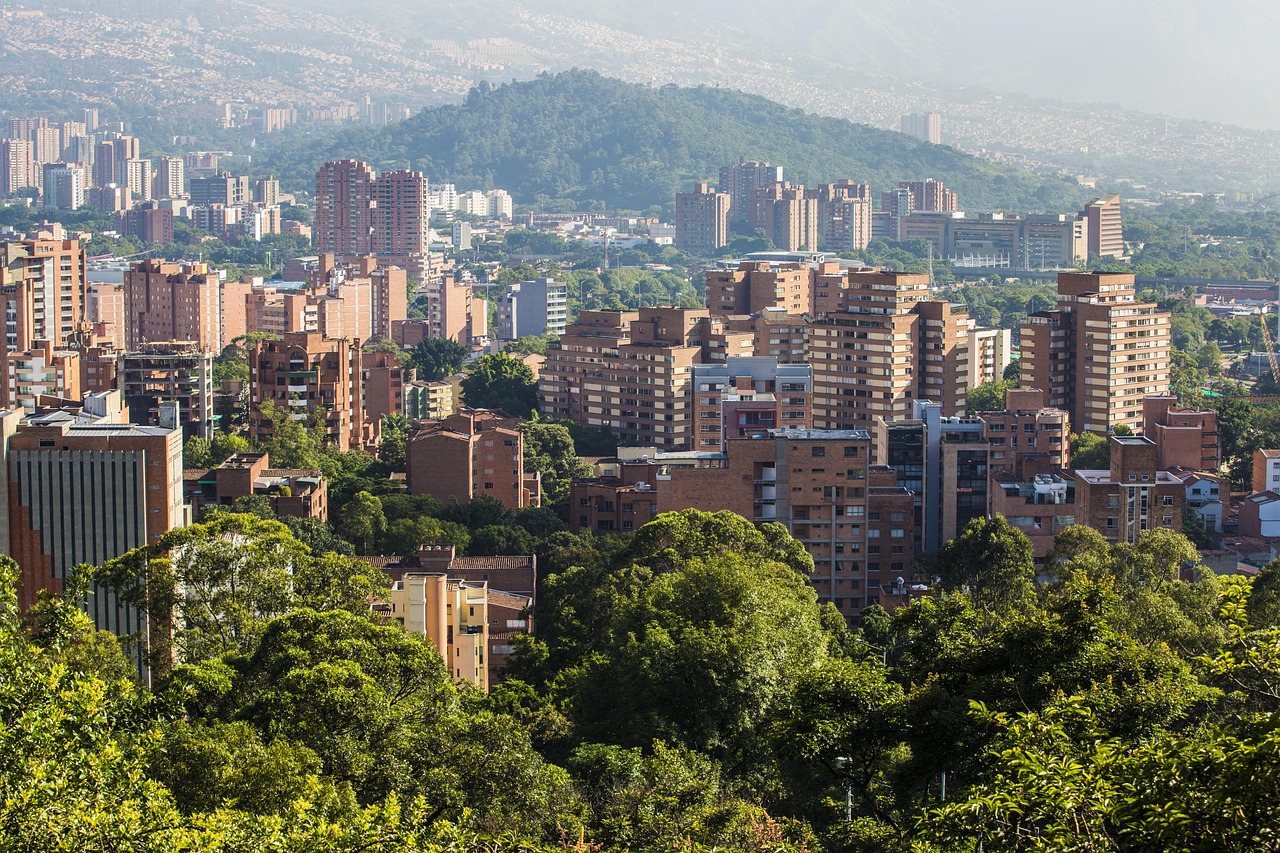
Since the introduction of a digital nomad visa in 2022, Medellín has seen roughly 8,300 remote workers arrive monthly. Housing demand has spiked; furnished apartments in popular areas like El Poblado yield 13%+ rental returns, attracting landlords. Long-term residents are squeezed out as traditional rentals vanish, while local shops are replaced by tourist-oriented businesses. Critics argue the growth benefits landlords and investors more than the community, deepening economic inequality and social alienation in historically residential neighborhoods.
5. Cape Town, South Africa
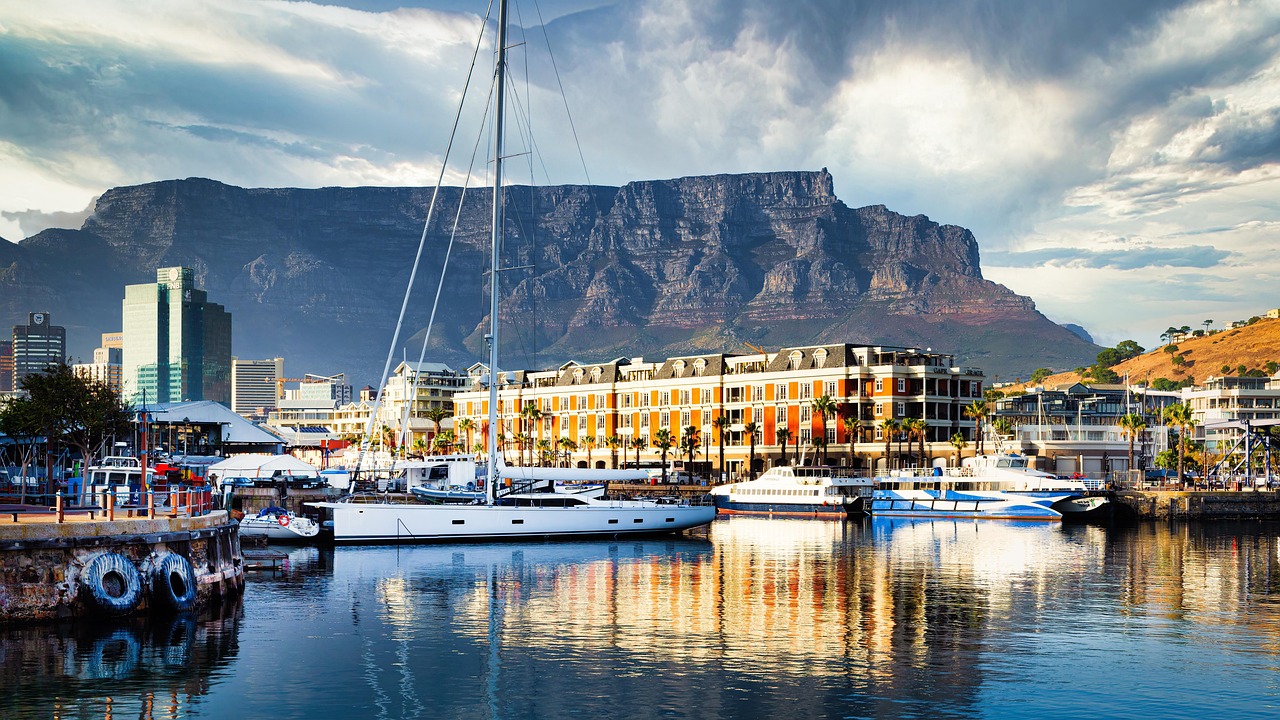
Cape Town’s beaches and lifestyle attract digital nomads, but locals, particularly in Bo-Kaap, cite cultural and economic disruption. Foreign incomes allow newcomers to bid up rent and housing costs, leaving local families struggling. Remote workers often remain in isolated “bubbles,” limiting meaningful interaction with communities. Social tensions are rising, prompting groups like the Good Nomad Collective to advocate responsible engagement. Housing pressures combined with cultural displacement make remote work both a blessing and a source of resentment.
6. Las Palmas de Gran Canaria, Spain
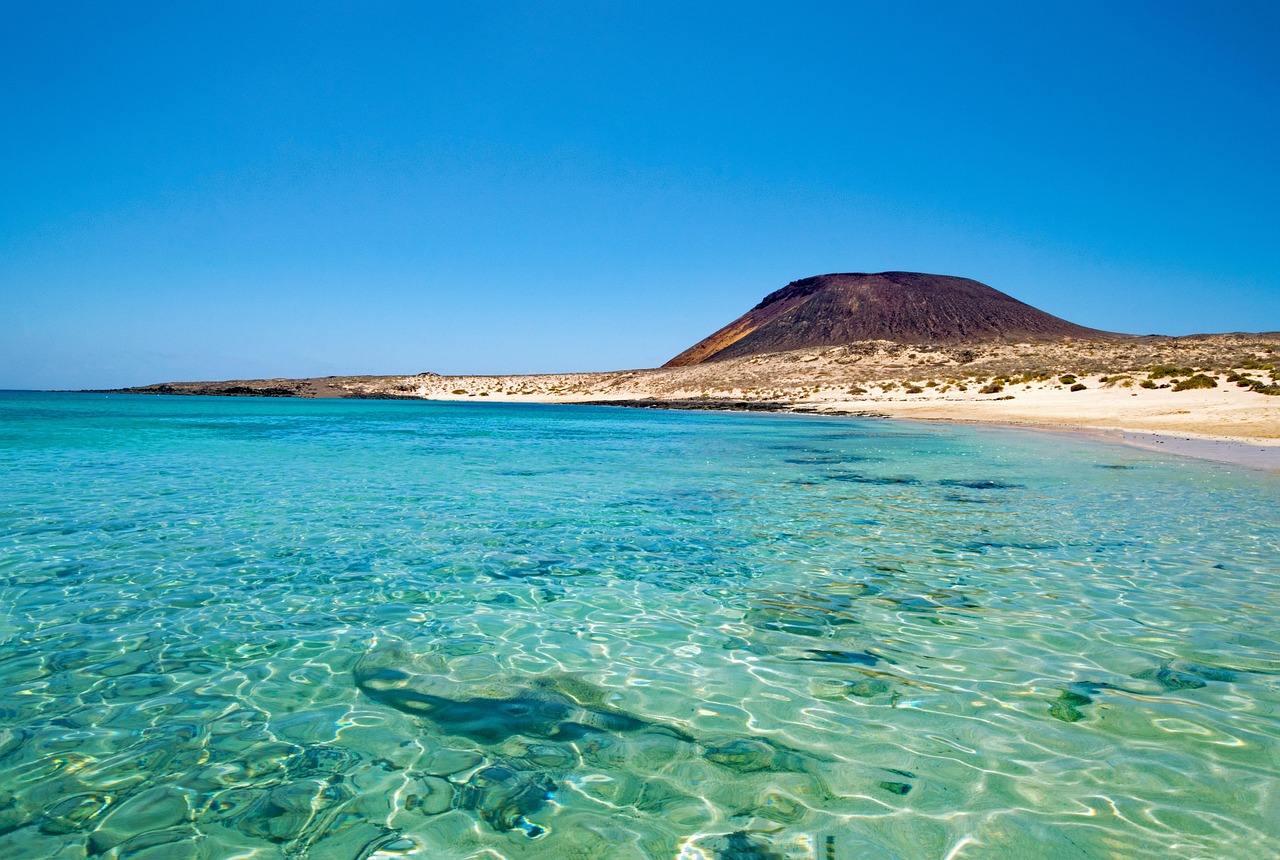
On this Canary Island, graffiti and public sentiment warn “Digital Nomads Go Home.” Housing and resources are increasingly tailored to foreign remote workers, often at the expense of residents. Landlords prefer renting to foreigners, leading to scarcity and rising prices. Even modest nomad communities impact social cohesion, with traditional local businesses and services replaced by tourist-oriented cafés and coworking spaces. Some newcomers report feeling unwelcome due to language and cultural gaps, highlighting tensions between economic benefit and social integration.
7. Bali (Canggu), Indonesia

Bali’s Canggu has been transformed by post-pandemic digital nomads. Housing costs and real estate prices have spiked, affecting villagers’ livelihoods. Many nomads live in villas, boutique coworking cafés, and “nomad hotels,” rarely interacting with locals. Cultural and social disconnects are pronounced, as traditional shops and communal spaces are replaced by tourist-focused facilities. While the island benefits economically, locals argue the gains are uneven, with rising inequality and the erosion of community life, making Bali feel less accessible to long-time residents.
8. Venice, Italy
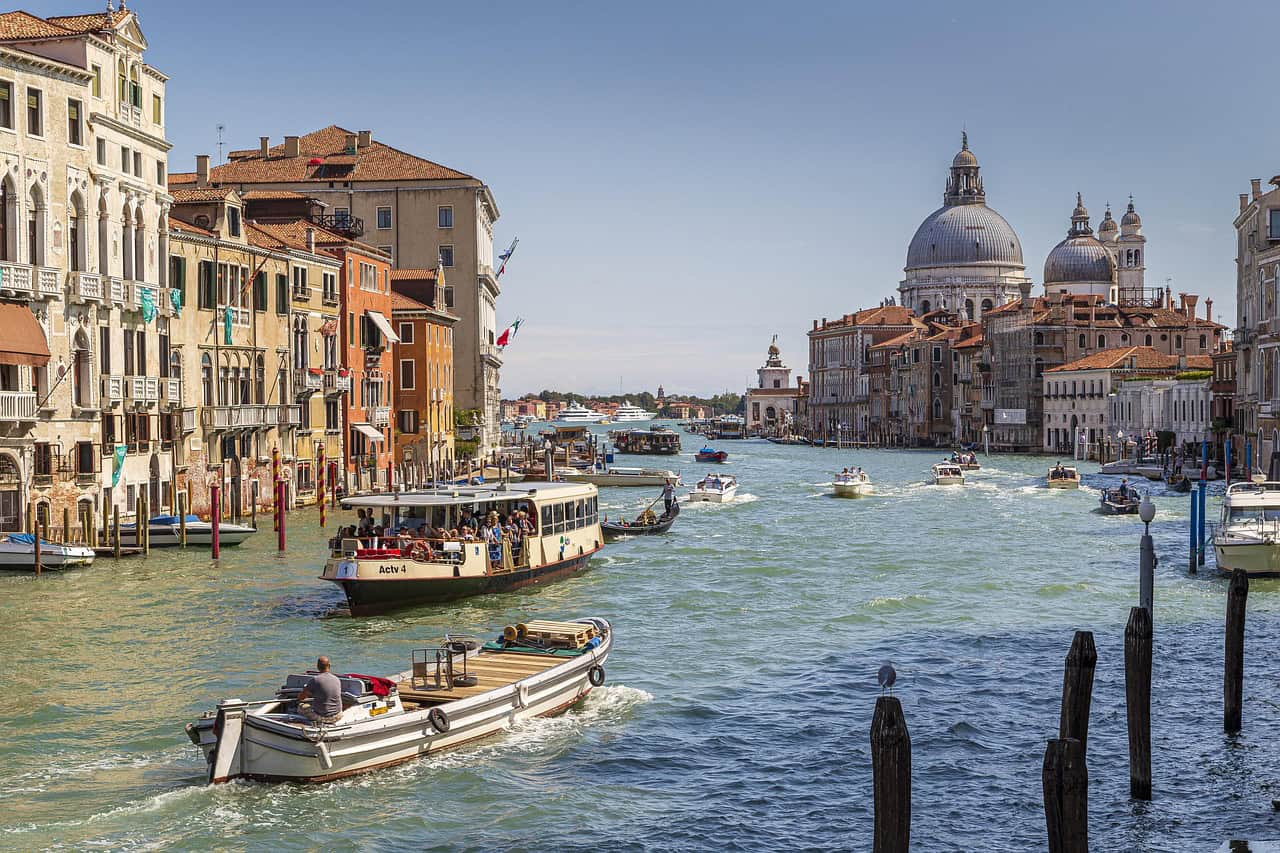
Venice has long struggled with tourism, but remote workers seeking picturesque, short-term stays exacerbate housing scarcity. Flats are increasingly converted to short-term rentals, contributing to a shrinking permanent population. Entry fees, resident-only zones, and caps on rentals are being debated to preserve community life. Locals view the influx of transient foreigners as a cultural threat, reducing authentic neighborhood interactions and weakening civic ties. Venice risks becoming a museum city rather than a vibrant, living community due to this combined pressure.
9. Porto, Portugal
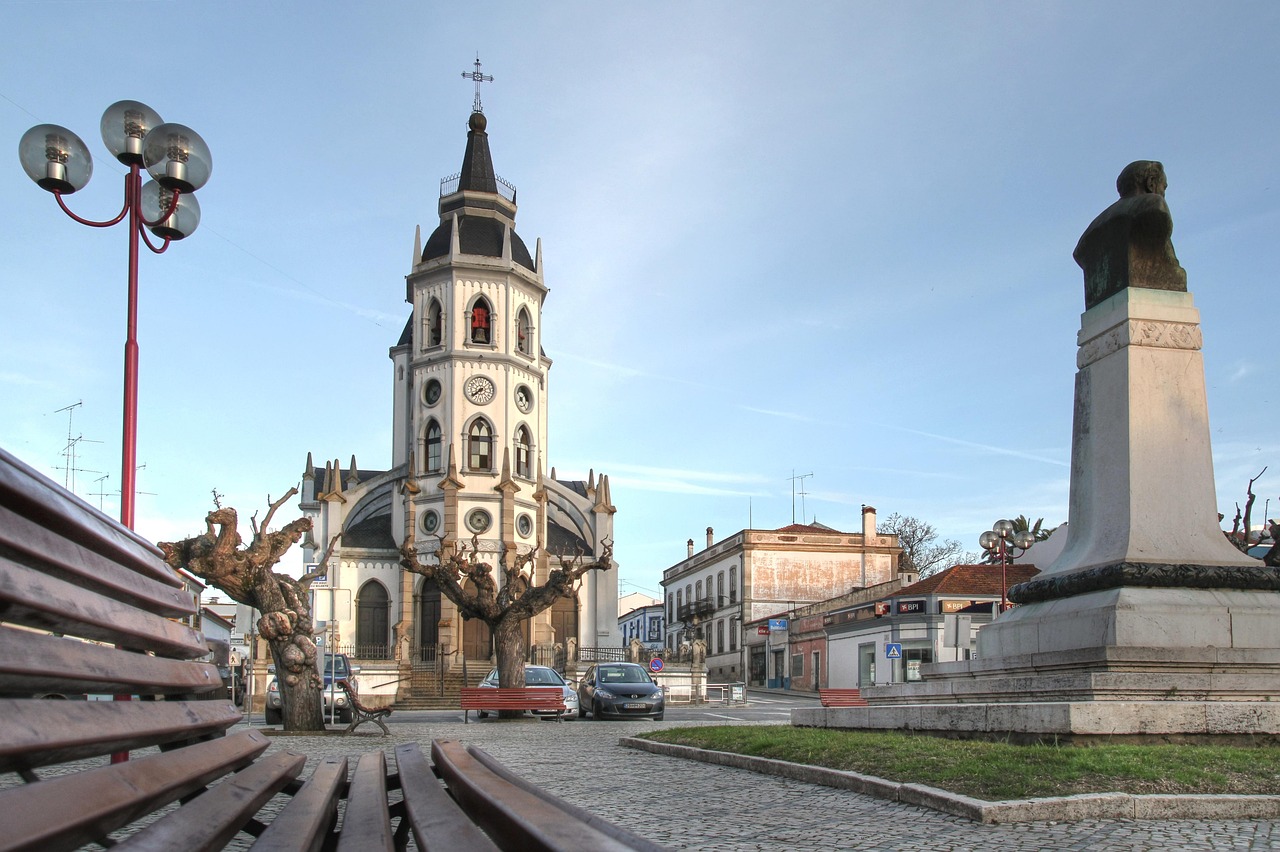
Porto is experiencing ripple effects from Lisbon’s housing crisis. Between 2018 and 2024, real estate prices nearly doubled nationwide. Remote workers avoid Lisbon’s high rents but still elevate Porto’s housing market. Short-term rentals and investor-focused apartments displace locals, while historic neighborhoods lose shops and social spaces. Residents face higher living costs and weaker community networks. While the city benefits from foreign spending, locals increasingly view remote workers as contributors to gentrification rather than community vitality.
10. Emerging Global Flashpoints

Smaller cities and regions worldwide are also beginning to resist digital nomads. Limited housing, rapid rent increases, and cultural displacement occur even when newcomers are numerically small. Traditional neighborhoods are transformed into boutique cafés and coworking enclaves. Residents feel alienated, and tensions often flare as locals perceive foreign workers as outsiders benefiting disproportionately from local resources. As remote work spreads, these flashpoints could grow, highlighting the global scale of digital-nomad-induced gentrification.