We may earn money or products from the companies mentioned in this post. This means if you click on the link and purchase the item, I will receive a small commission at no extra cost to you ... you're just helping re-supply our family's travel fund.
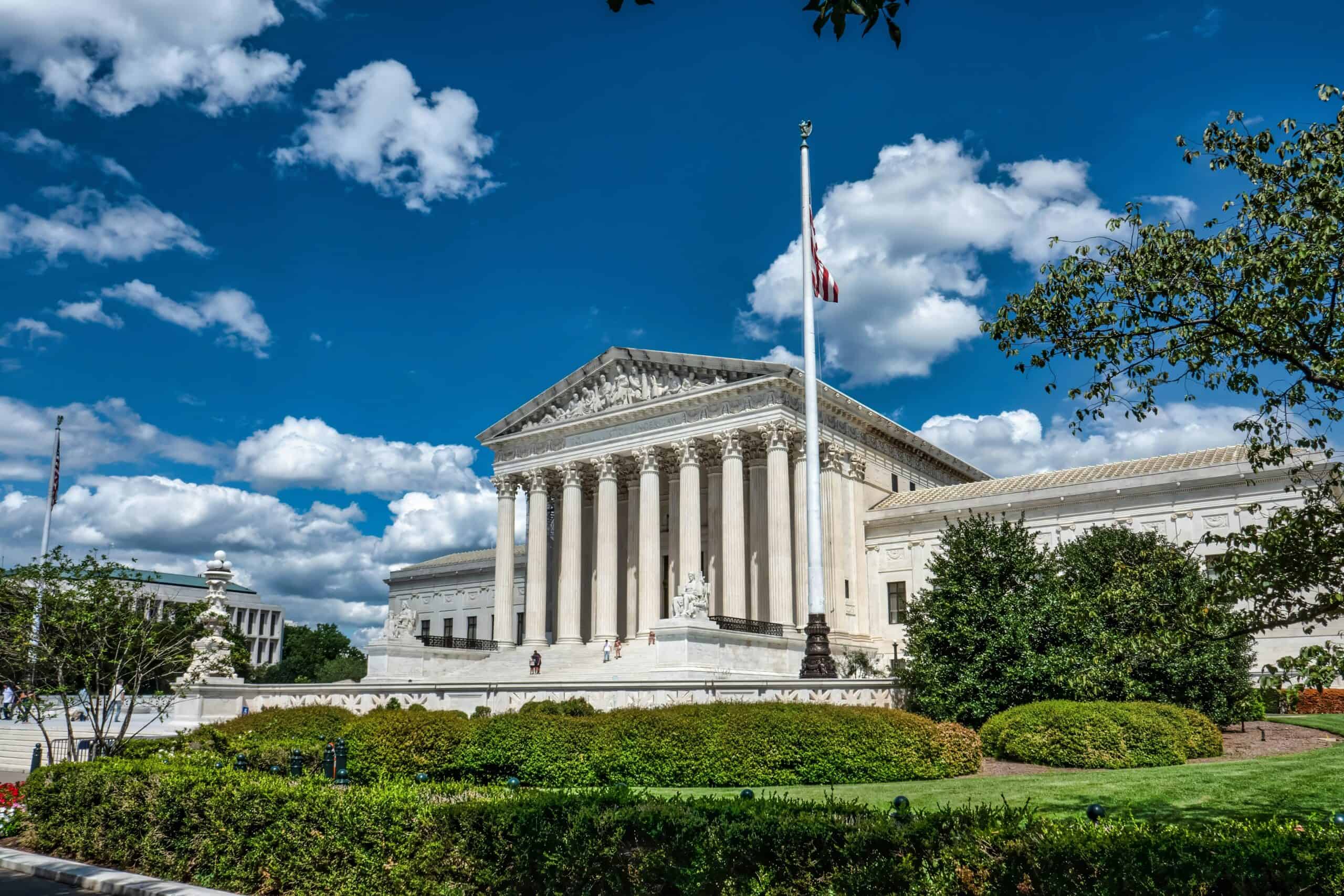
As the Supreme Court revisits gun regulations, the implications reach far beyond legal circles. Arena operators, festival promoters, hotel brands, and mall owners are quietly mapping scenarios while holiday calendars fill and tour schedules lock in. The core questions feel practical: who sets the rules inside shared spaces, how clearly those rules must appear, and what happens at the door when rights and risk collide. The season ahead becomes a stress test of policy, signage, and trust in real time.
The Hawaii Case And Default Carry Rules

The Hawaii dispute targets a deceptively simple question: are guns barred in most publicly accessible private spaces unless owners say yes, or allowed unless owners say no. Affirming Hawaii’s approach hands venues clear control to keep interiors gun-free by default. Striking it narrows that power and forces explicit bans. Either way, owners must align leases, entry language, and security training so no one is improvising at the entrance on a sold-out night.
Malls And Retail Districts Testing Boundaries

Regional malls and lifestyle centers function as social squares, yet remain private property navigating complex gun laws. A ruling that validates consent-based limits lets landlords apply one coherent standard from parking deck to food court. A pullback on that logic may splinter policy by tenant, door, or anchor, confusing visitors and staff under seasonal pressure. Successful properties will focus on clarity: consistent wording, visible notices, and staff who understand both the law and the tone of the place.
Hotels, Resorts, And Convention Centers

Lodging spaces blur public and private life: elevators, corridors, lounges, and ballrooms fold into one vertical neighborhood. Decisions on private-property defaults and sensitive areas will influence whether firearms feel exceptional or assumed in those zones. Many brands are preparing playbooks that pair straightforward no-carry policies in shared spaces with clear protocols for lawful guests. The goal is steady: prevent confusion at check-in, reduce conflict in hallways, and reassure staff who handle concerns at close range.
Smaller Venues And Community Spaces

Independent theaters, houses of worship, galleries, and halls often sit closest to community tension yet have the least legal support on staff. Clear endorsement of owner discretion would let them adopt policies that reflect local comfort without guesswork. A murkier outcome heightens exposure on all sides. Thoughtful operators will document decisions, align with insurers, and coordinate with local law enforcement, so ushers and volunteers are never left carrying the weight of vague national doctrine alone.
Policy Transparency As A Safety Tool
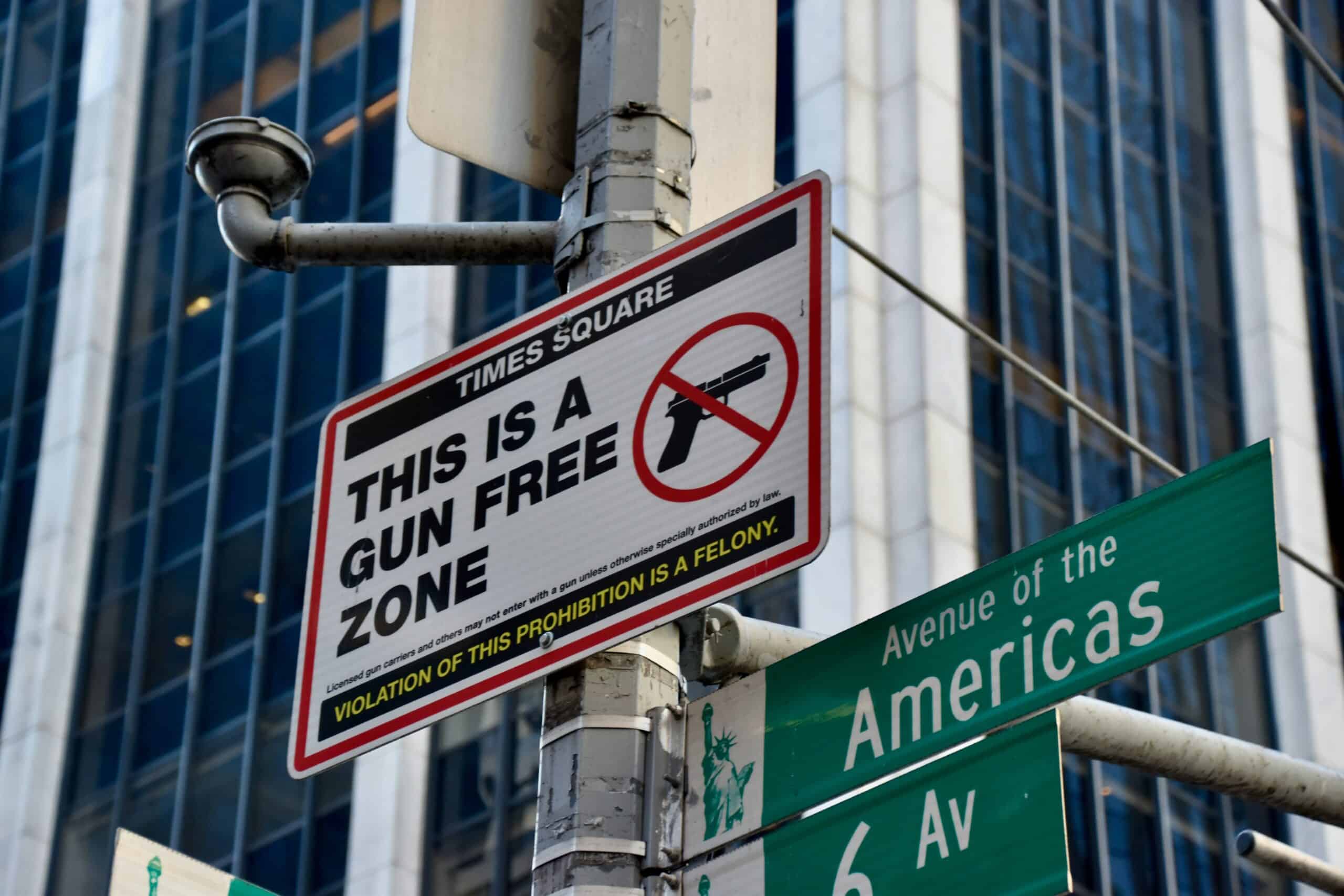
Across sectors, one principle cuts through debate: people handle rules better when those rules are obvious. Venues posting firearm policies on tickets, websites, confirmations, and physical entrances reduce standoffs at doors and loading zones. Security teams can distinguish confusion from defiance, and guests know expectations before metal meets magnetometer. As the docket unfolds, policy visibility becomes part of basic crowd management, preserving a calmer rhythm from curb to seat.
Touring Circuits And Patchwork Realities
Leagues, tours, and convention organizers already navigate a map where adjacent states treat guns very differently. New Supreme Court guidance could smooth specific conflicts or deepen contrasts, but it will not erase variation. Many tours will hedge by adopting carry policies stable enough to survive every stop, then selecting venues and jurisdictions that support that standard. Predictability becomes a quiet asset, saving time, legal friction, and fragile goodwill with local authorities and fans.