We may earn money or products from the companies mentioned in this post. This means if you click on the link and purchase the item, I will receive a small commission at no extra cost to you ... you're just helping re-supply our family's travel fund.
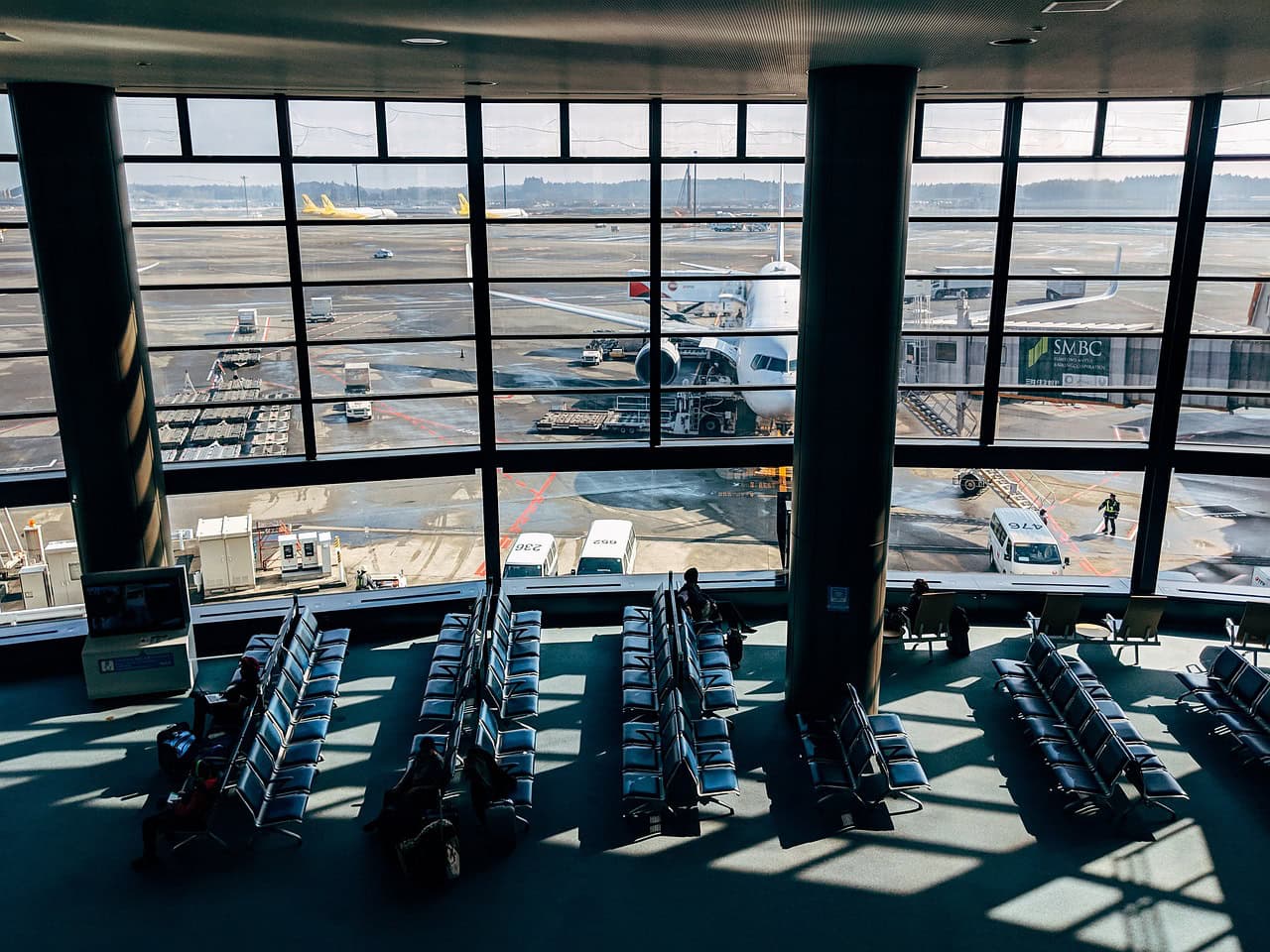
Air travel in 2026 is evolving in noticeable ways that directly affect vacation planning, budgets, and comfort. Airlines are adjusting routes, pricing models, cabin features, and loyalty rules to match demand and rising operational costs. Understanding these shifts early helps travelers avoid surprises and make smarter booking decisions. Below are seven key airline changes for 2026, each written in the same format and kept to approximately 650 characters, with clear numerical details and a natural, engaging tone.
1. Expansion of International and Secondary Routes
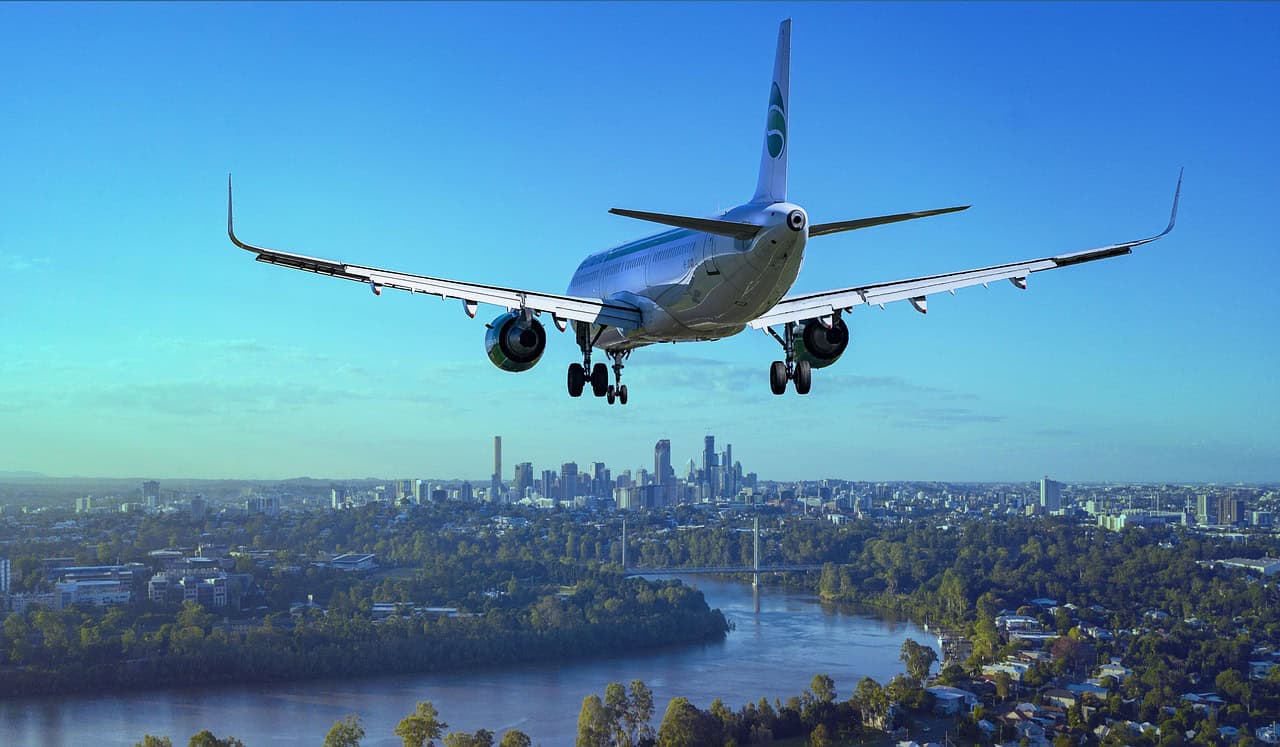
Airlines in 2026 are adding more than 300 new international routes worldwide, with nearly 40 percent focused on smaller, secondary cities rather than major hubs. These nonstop flights reduce travel times by 2 to 5 hours and eliminate tiring connections. New long-range narrow-body aircraft can fly over 4,000 nautical miles efficiently, making these routes profitable. Introductory fares are typically 8 to 12 percent lower during the first season. Travelers benefit from less congestion, shorter journeys, and easier access to coastal, regional, and emerging leisure destinations.
2. Rise of Ancillary Fees and Unbundled Pricing
Ancillary fees now generate about 20 percent of total airline revenue in 2026. Checked baggage costs average 45 to 75 dollars one way, while seat selection ranges from 30 to 120 dollars per segment depending on demand. Some basic fares even restrict carry-on bags. While base ticket prices rise only around 5 percent, total trip costs can increase by 18 to 25 percent once add-ons are included. Travelers who plan luggage, seats, and boarding options early can avoid higher airport fees and last-minute surprises.
3. Assigned Seating Replacing Open Seating Models
Assigned seating is becoming the standard in 2026 as airlines move away from open boarding systems. This change reduces boarding times by 7 to 12 minutes per flight and improves on-time performance. Nearly 65 percent of passengers now pay to select seats in advance rather than risk random assignments. Standard seats may be free, but aisle, window, and extra-legroom seats often cost extra. Families gain predictability, while solo travelers face fewer no-cost seating choices than in previous years.
4. Faster Wi-Fi and Smarter Cabin Technology
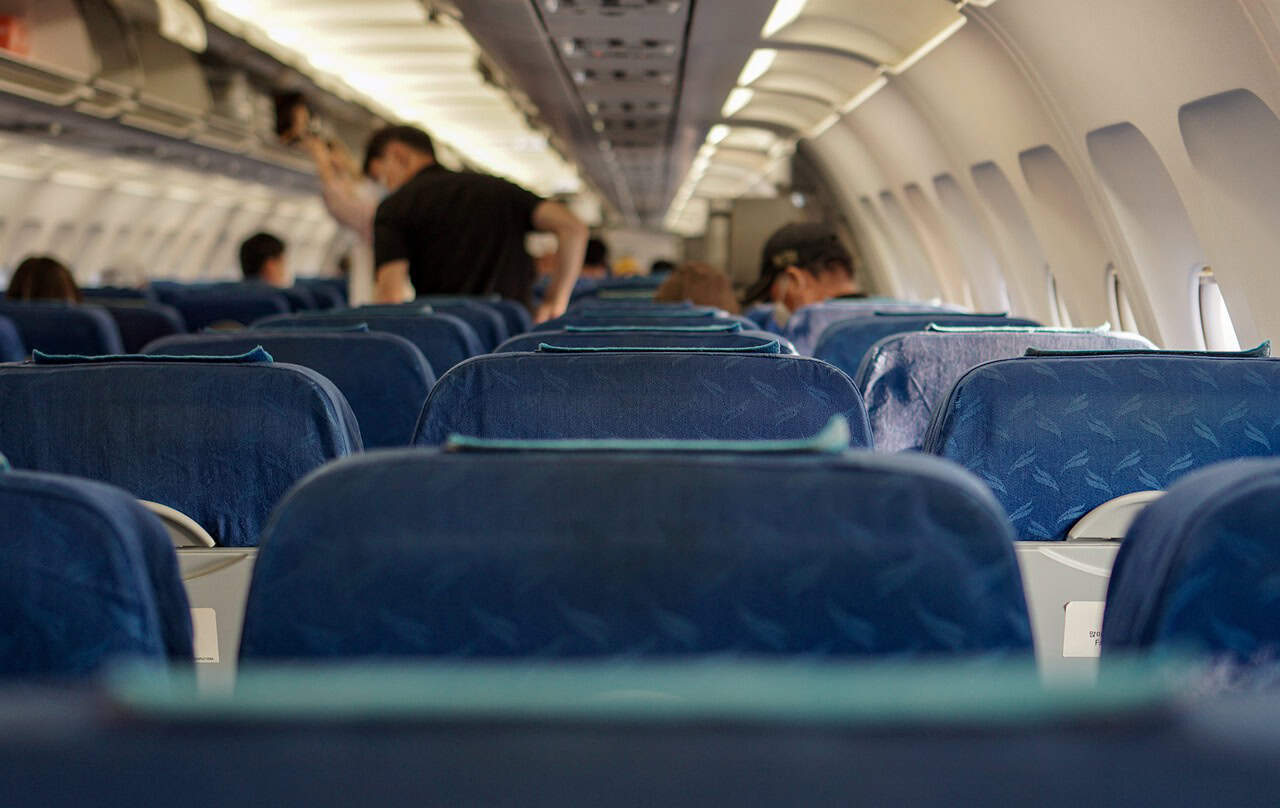
Cabin technology improves significantly in 2026, with over 80 percent of newly delivered aircraft offering high-speed satellite Wi-Fi exceeding 100 Mbps. Many airlines provide free access for loyalty members, while others charge 8 to 15 dollars per flight. Power outlets and USB ports appear on about 90 percent of long-haul seats. Streaming-only entertainment systems replace heavy seat-back screens, cutting aircraft weight by roughly 450 kilograms and improving fuel efficiency on long flights lasting 8 to 14 hours.
5. Sustainability and Fuel-Efficient Aircraft Growth
Sustainability efforts expand in 2026 as airlines retire older jets and introduce aircraft that burn 15 to 25 percent less fuel. Sustainable aviation fuel accounts for about 3 to 5 percent of total fuel use on select routes. Some carriers add eco-surcharges ranging from 3 to 10 dollars per ticket. These measures reduce per-passenger emissions by up to 20 percent while also lowering cabin noise. Travelers may pay slightly more but experience smoother, quieter flights with a smaller environmental footprint.
6. Loyalty Programs Becoming Spend-Based

Frequent-flyer programs in 2026 focus more on spending than distance flown. Up to 90 percent of elite status qualification is now tied to ticket price. Mid-tier status often requires annual spending of 6,000 to 8,000 dollars, while top tiers exceed 15,000 dollars. Award ticket pricing is dynamic, meaning a flight may cost anywhere from 45,000 to 95,000 miles. Casual travelers earn rewards more easily, but frequent flyers must plan spending carefully to retain meaningful perks.
7. Higher Prices but Better Fare Segmentation
Average airfare prices in 2026 are about 6 to 10 percent higher than pre-pandemic levels due to fuel, labor, and aircraft shortages. However, airlines now offer clearer fare tiers. Premium economy seating has grown by nearly 30 percent since 2020 and costs 20 to 35 percent less than business class. These seats offer up to 15 centimeters more legroom than standard economy. Travelers who book early or fly midweek can still save 12 to 18 percent compared to peak travel days.