We may earn money or products from the companies mentioned in this post. This means if you click on the link and purchase the item, I will receive a small commission at no extra cost to you ... you're just helping re-supply our family's travel fund.
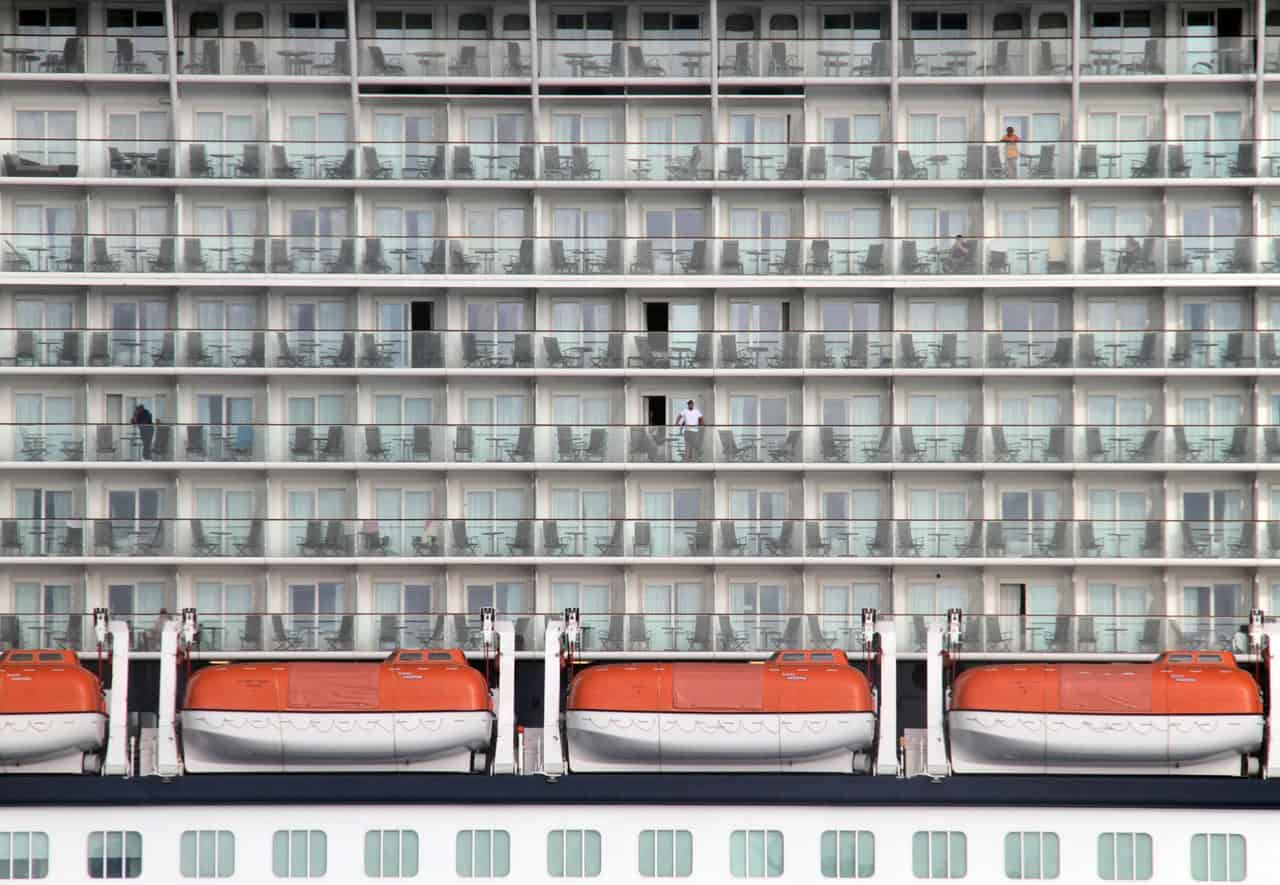
Balcony cabins are often marketed as the ultimate cruise upgrade; private views, fresh sea air, and romantic sunsets from your own floating terrace. But the glossy brochures rarely tell the full story. Behind the promise of oceanfront serenity are practical trade-offs involving space, wind, privacy, cost, and usability. Before paying 20–60% more than an interior cabin, it’s worth understanding what really comes with that sliding glass door. Here are five lesser-known truths cruise lines rarely emphasize, explained with clarity and real numbers.
1. The Balcony Is Smaller Than You Imagine
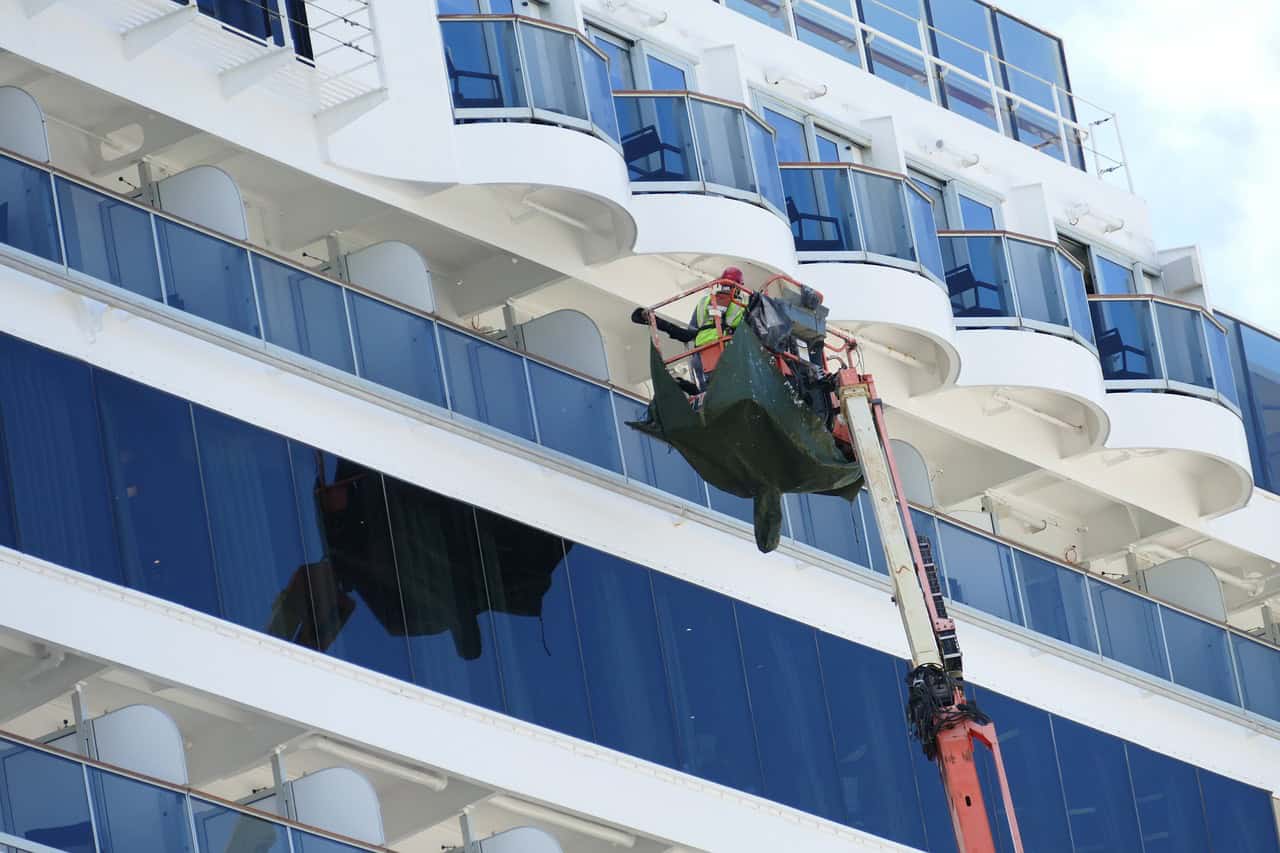
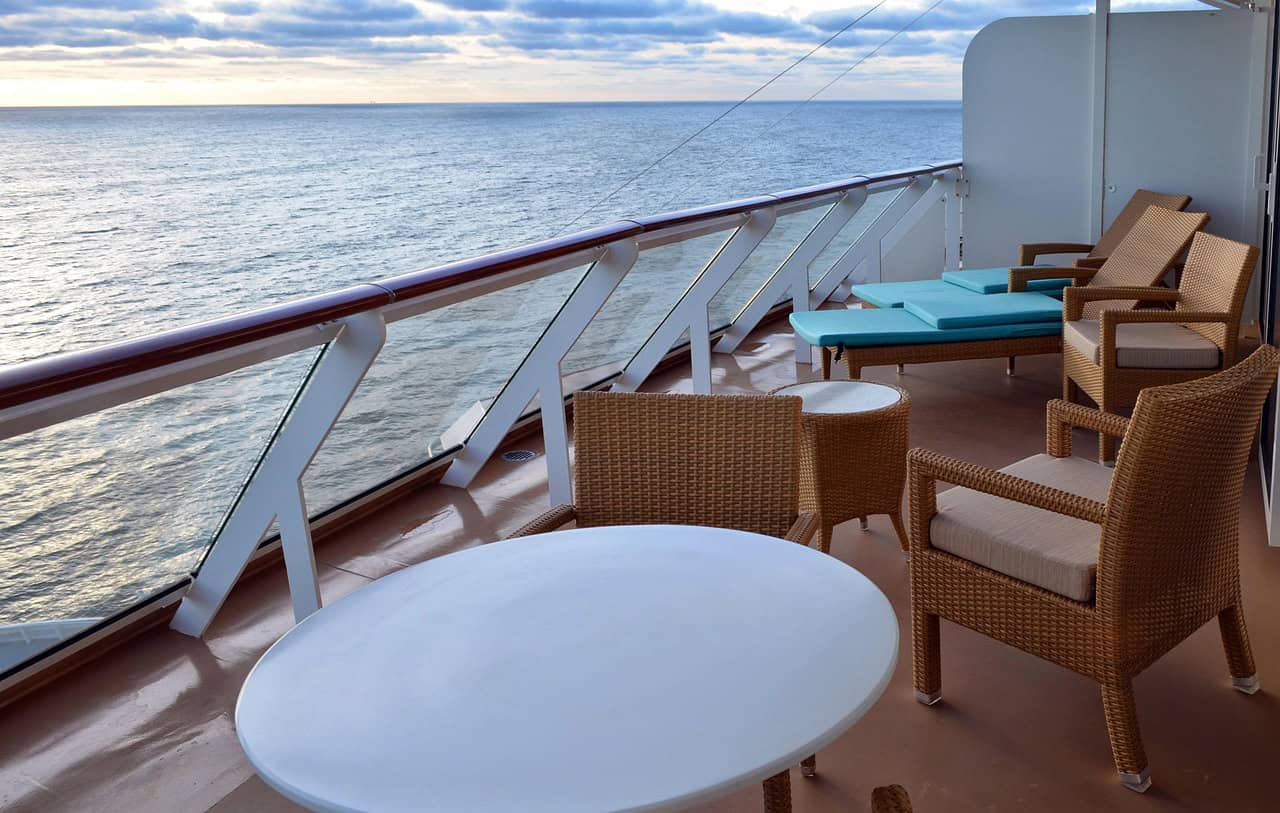
Most standard cruise balconies measure between 35 and 55 square feet, roughly the size of a small walk-in closet. On many mid-sized ships, the depth averages just 4 to 5 feet, leaving room for two slim chairs and a narrow table. While marketing photos suggest roomy lounging, you typically can’t stretch fully unless you book a premium category. Some “guarantee” balcony cabins also have partial obstructions from lifeboats positioned 10–20 feet below, subtly trimming the horizon view. Always check deck plans carefully before assuming you’re getting uninterrupted ocean scenery.
2. Wind, Weather, and Salt Change Everything
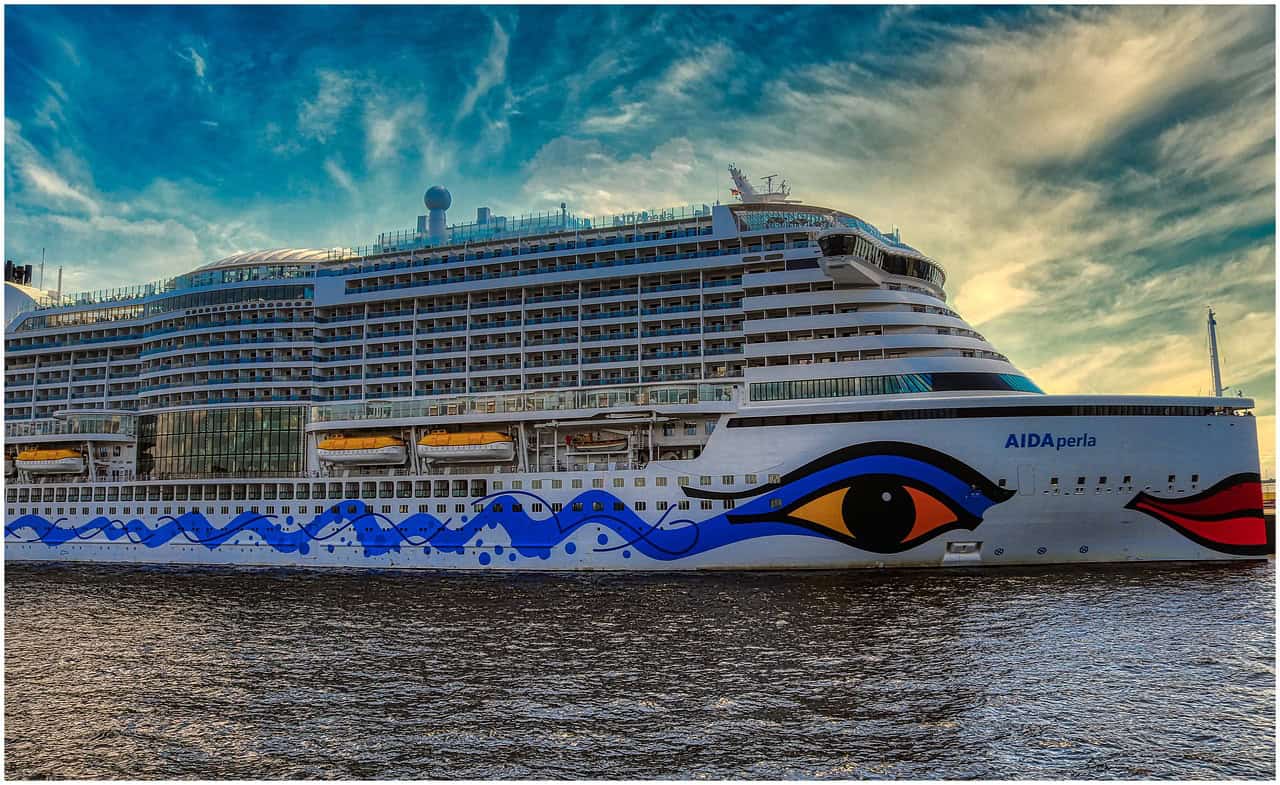
At sea speeds of 18–23 knots, even calm days create strong wind flow across balcony decks. On cooler itineraries or during rough weather, gusts can make sitting outside uncomfortable or impossible. Lower-deck balconies are more prone to sea spray, especially in swells above 8–10 feet. Salt residue builds quickly on railings and furniture, sometimes within a single afternoon. During heavy rain or port maneuvering, balconies may be temporarily restricted for safety. That picture-perfect morning coffee view can easily turn into an indoor experience depending on conditions.
3. Privacy Isn’t Always Private
Balconies are separated by dividers that typically extend about 6 feet high, but gaps above or below allow sound to travel easily. Conversations, music, and even phone calls can be heard from neighboring cabins within a 10–15 foot range. On some ships, angled balcony designs mean adjacent guests can see partial side views. Additionally, upper decks may overlook lower balconies entirely. If you value complete seclusion, note that only certain premium categories offer fully enclosed or extended privacy partitions, often at a 30–40% higher price point.
4. The Price Jump Is Significant
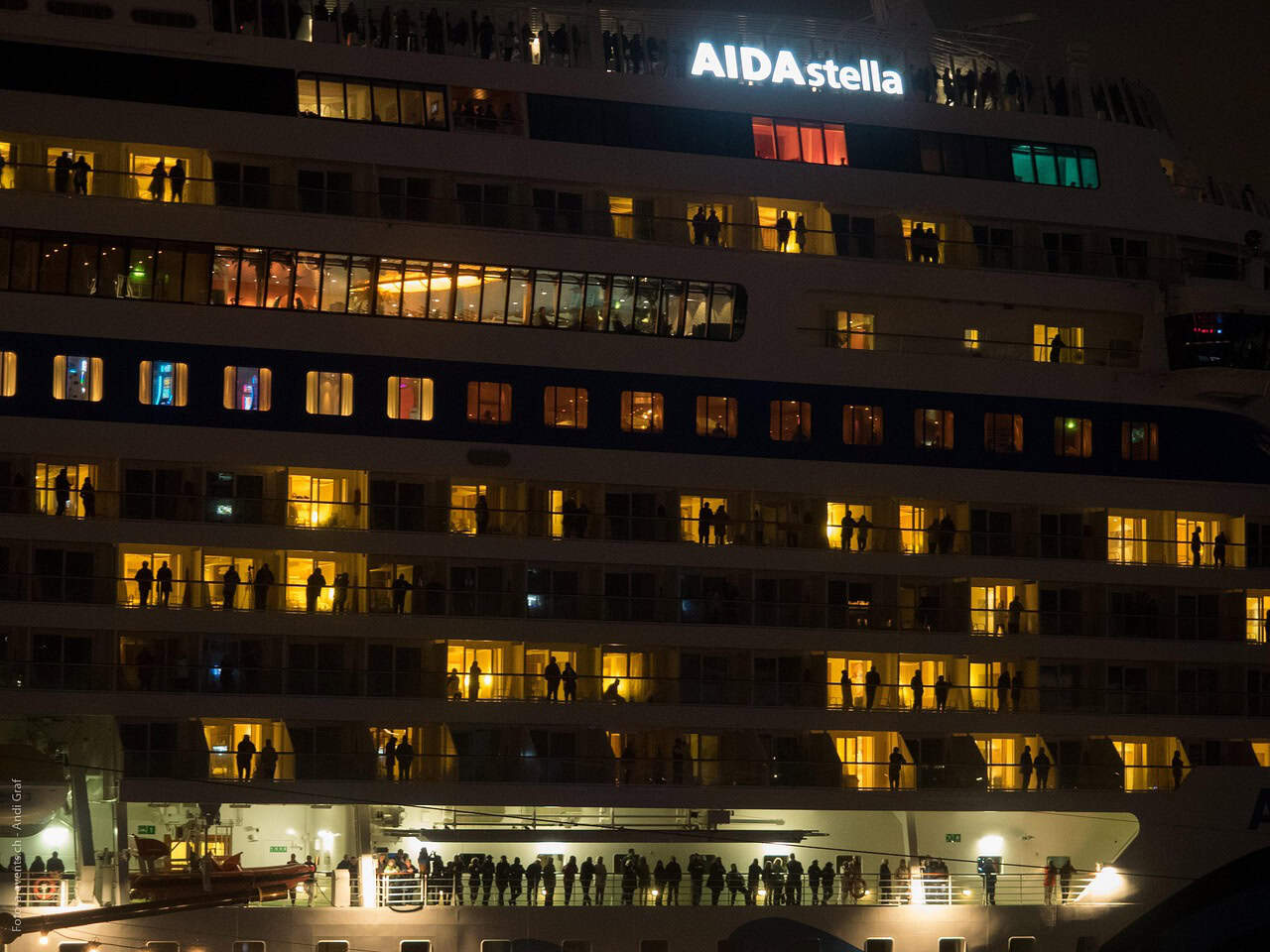
Balcony cabins often cost 25–75% more than interior rooms on the same sailing. For a 7-night cruise priced at $900 per person for an inside cabin, a balcony version may range from $1,200 to $1,600. Yet onboard amenities, dining, and entertainment remain identical. Cruise lines rely on emotional appeal to justify the premium, even though the actual usable outdoor space may average under 50 square feet. For travelers who spend 10–12 hours daily exploring the ship or ports, the added expense may not translate into proportional value.
5. You Might Use It Less Than Expected
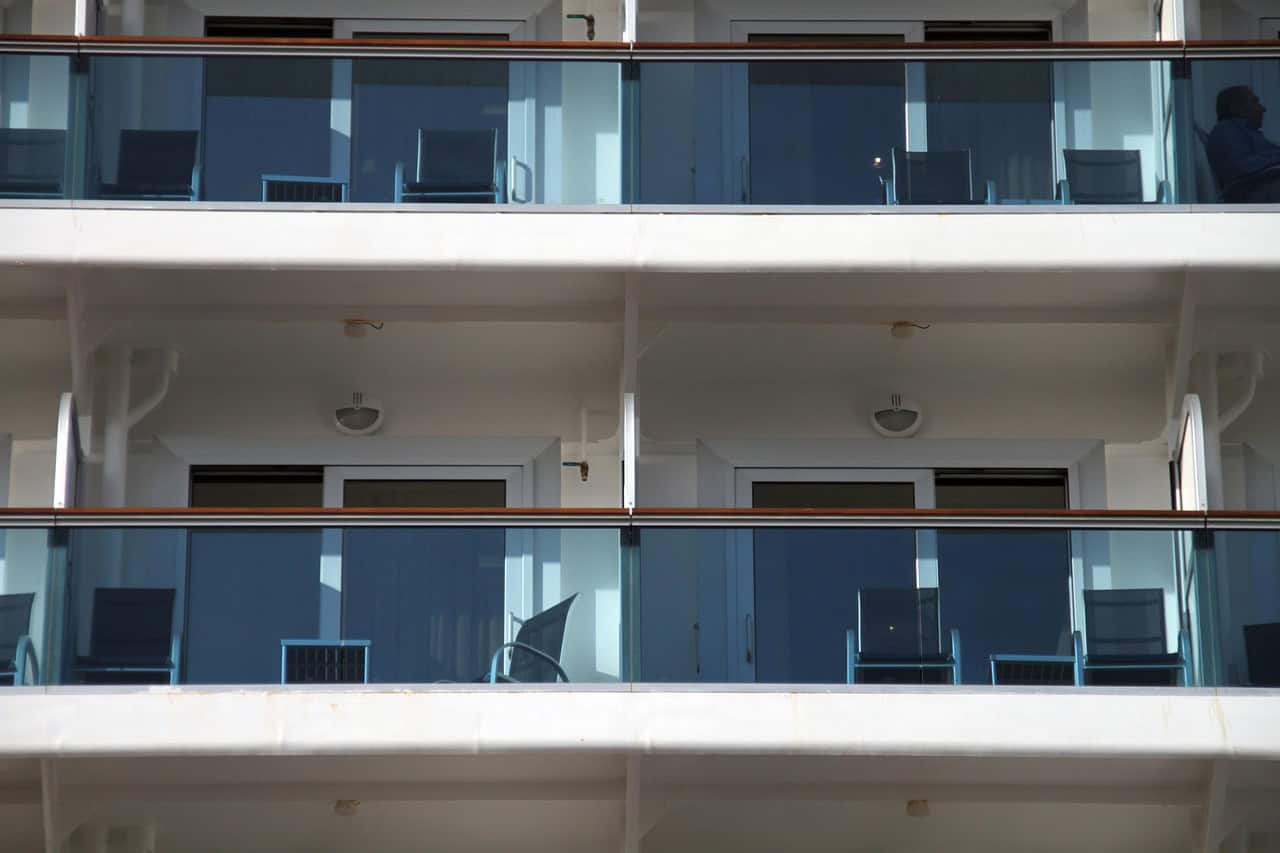
Passenger surveys frequently show guests spending under 1 hour per day on their private balcony, often limited to early mornings or sunset. With ships offering multiple lounges, pools, observation decks, and panoramic bars, public viewing areas can provide wider 180-degree vistas without cabin constraints. Many travelers realize mid-cruise that they prefer social spaces over solitude. If your itinerary includes long port days averaging 6–8 hours ashore, your balcony time shrinks further. The luxury is real — but for many, it’s enjoyed briefly rather than constantly.