We may earn money or products from the companies mentioned in this post. This means if you click on the link and purchase the item, I will receive a small commission at no extra cost to you ... you're just helping re-supply our family's travel fund.

Cruising still promises a polished version of escape: unpack once, wake somewhere new, let the sea do the carrying. But for many travelers, the breaking point is not one cinematic disaster. It is a quieter unraveling made of mounting charges, crowded decks, rough nights, missed ports, and the weary feeling that relaxation keeps slipping just out of reach. As the cruise industry keeps growing, those frustrations have become easier to spot. What turns people away is often not the ocean itself, but the mismatch between the dream being sold and the experience that unfolds onboard.
The Fare Was Not The Final Number
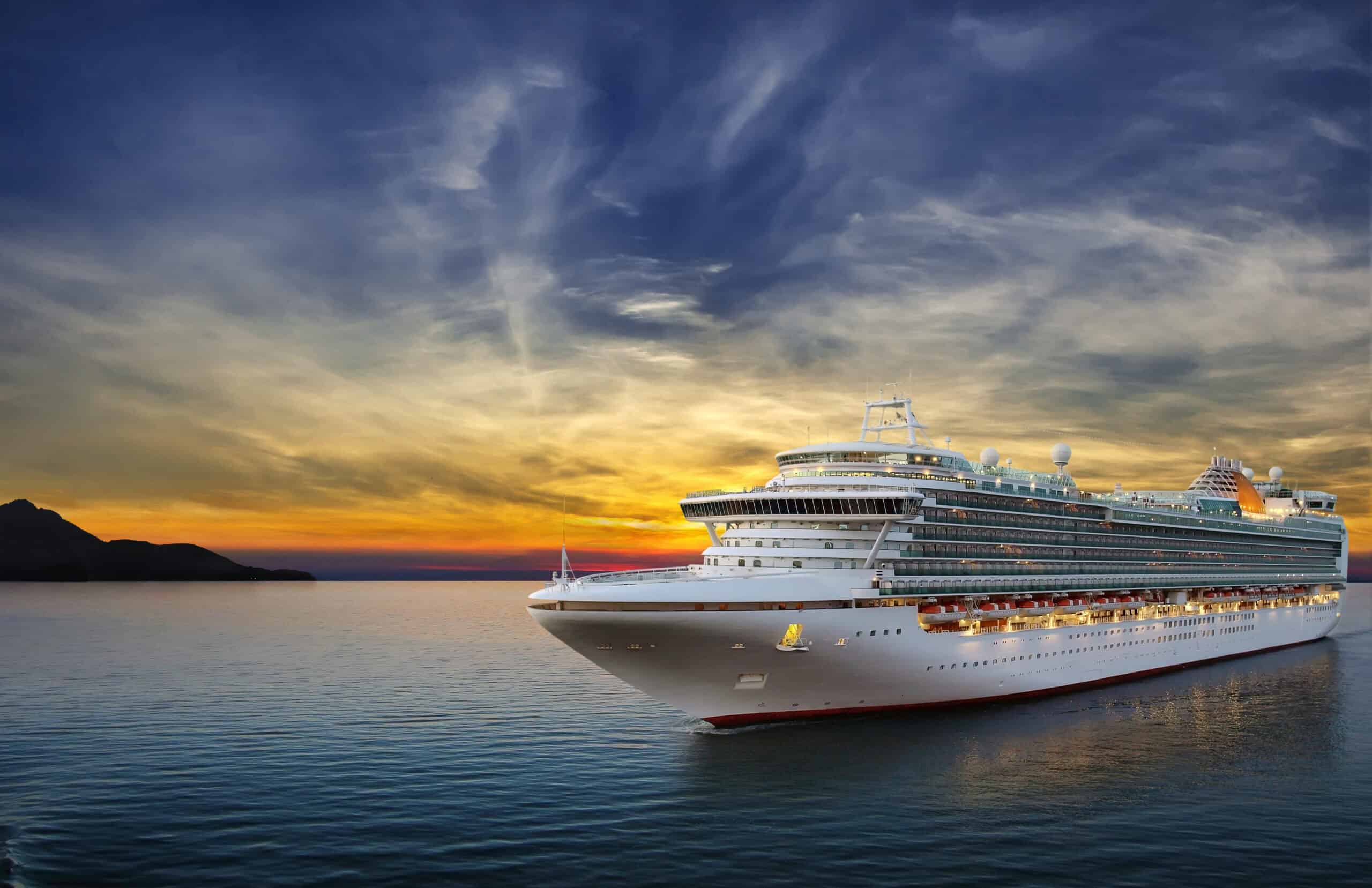
One of the sharpest complaints was financial rather than emotional. Travelers said they booked a cruise expecting the fare to cover most of the experience, then watched the total rise through daily gratuities, service charges, and a trail of little additions that never felt little once the bill arrived. Princess currently lists automatic crew appreciation at $18 to $20 per guest, per day depending on cabin type, along with a 20% service charge on most onboard food and beverage purchases, which helps explain why some former cruise fans say the breaking point was not luxury itself, but the drip of charges after they thought the main decision was already made.
Every Useful Extra Started Feeling Like Another Purchase

A close cousin to fee fatigue was the sense that convenience had been broken into pieces and sold back to passengers. Cruise lines openly market drink bundles, specialty dining, streaming internet, and package deals before sailing, often emphasizing that pre-purchase pricing beats onboard rates. For travelers already stretching to afford the trip, that sales structure could turn a holiday into a rolling calculation about what to add, what to skip, and how much comfort should cost. Several of the strongest anti-cruise stories begin right there: not with danger, but with the feeling of being upsold through what was supposed to feel simple.
The Ship Felt More Crowded Than Restful
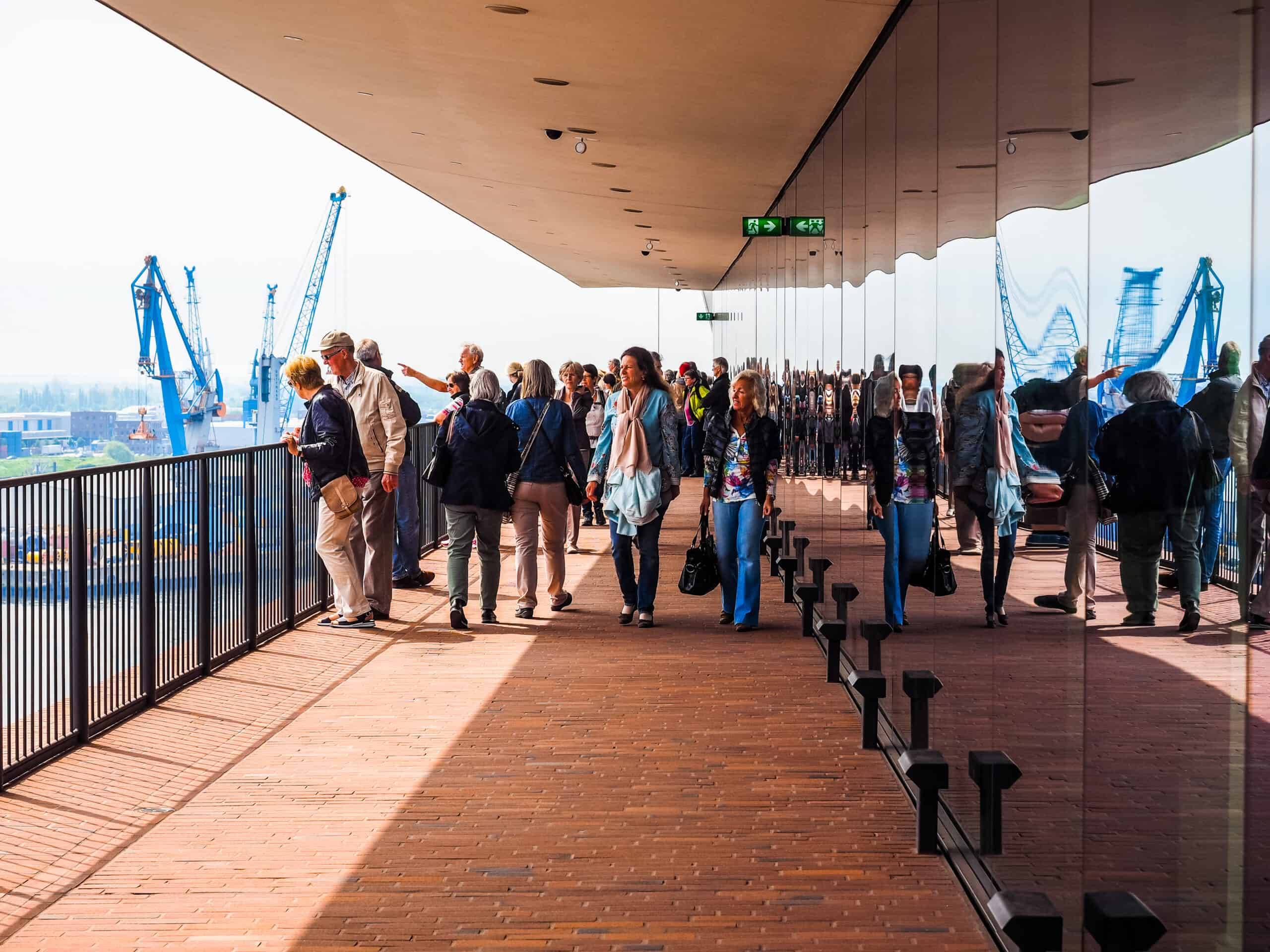
Some people did not mind the size of modern ships until they were living inside them. Then the elevators, buffet lines, pool chairs, and theater queues started to feel less festive and more like a floating city with nowhere quiet to disappear. CLIA projected 37.7 million ocean-going cruise passengers in 2025, and that scale helps explain why some travelers describe mega-ship cruising as impressive in theory but exhausting in practice. Their frustration was rarely that the ship lacked entertainment. It was that peace, spontaneity, and breathing room seemed harder to find than the marketing had implied.
The Cabin Felt Too Small To Recover In
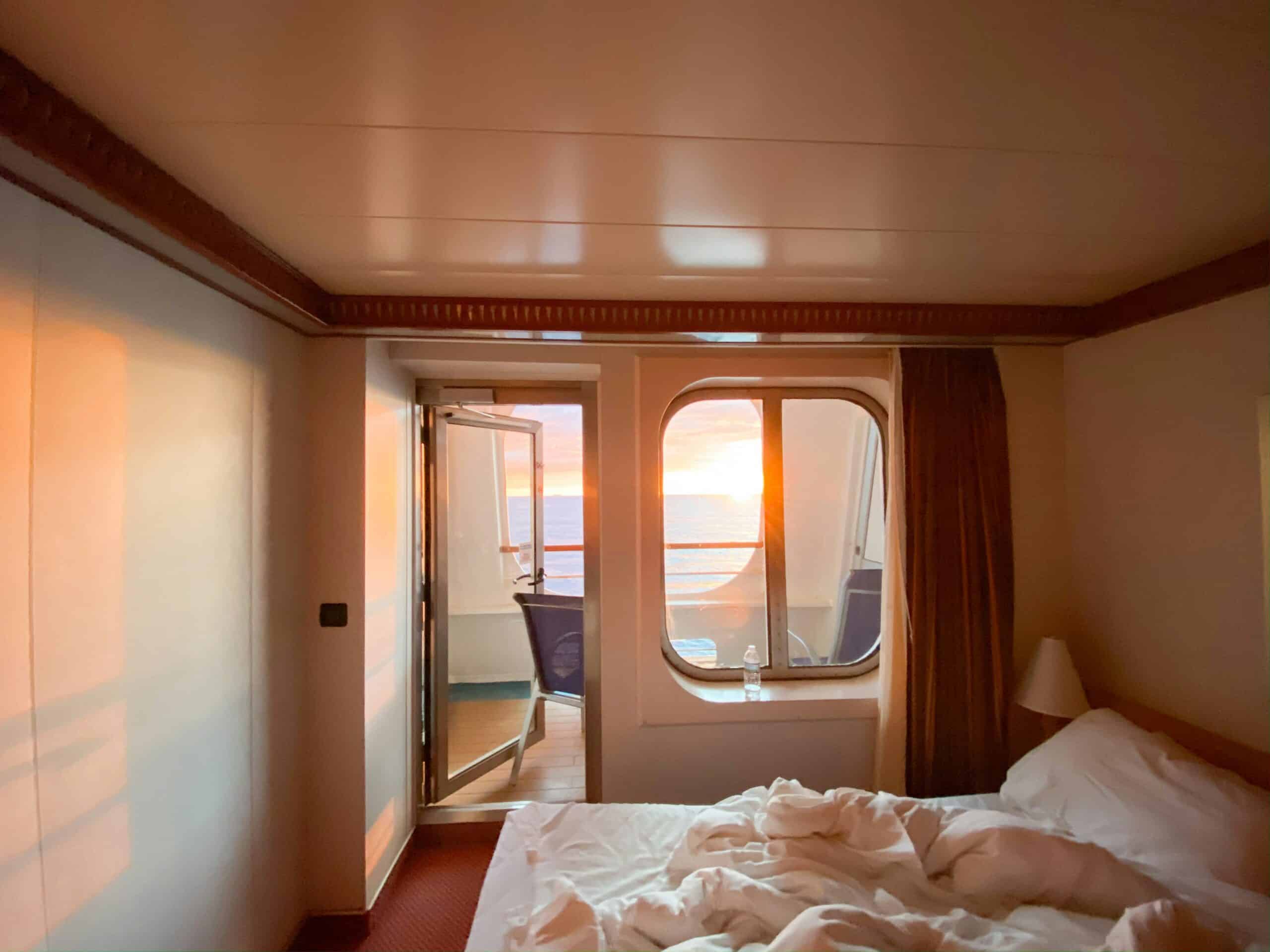
For travelers who needed calm after crowded public spaces, the cabin sometimes became its own disappointment. Royal Caribbean deck information shows interior rooms on large ships such as Anthem of the Seas at 166 square feet and some Icon of the Seas interior rooms at 156 square feet, which can work perfectly well for passengers who treat them as a place to sleep. But people who swore off cruising often described a different reaction: once weather turned, illness hit, or nerves frayed, the room stopped feeling efficient and started feeling confining. The ship could be enormous, yet their personal corner of it suddenly felt very small.
Rough Seas Turned The Vacation Into Endurance
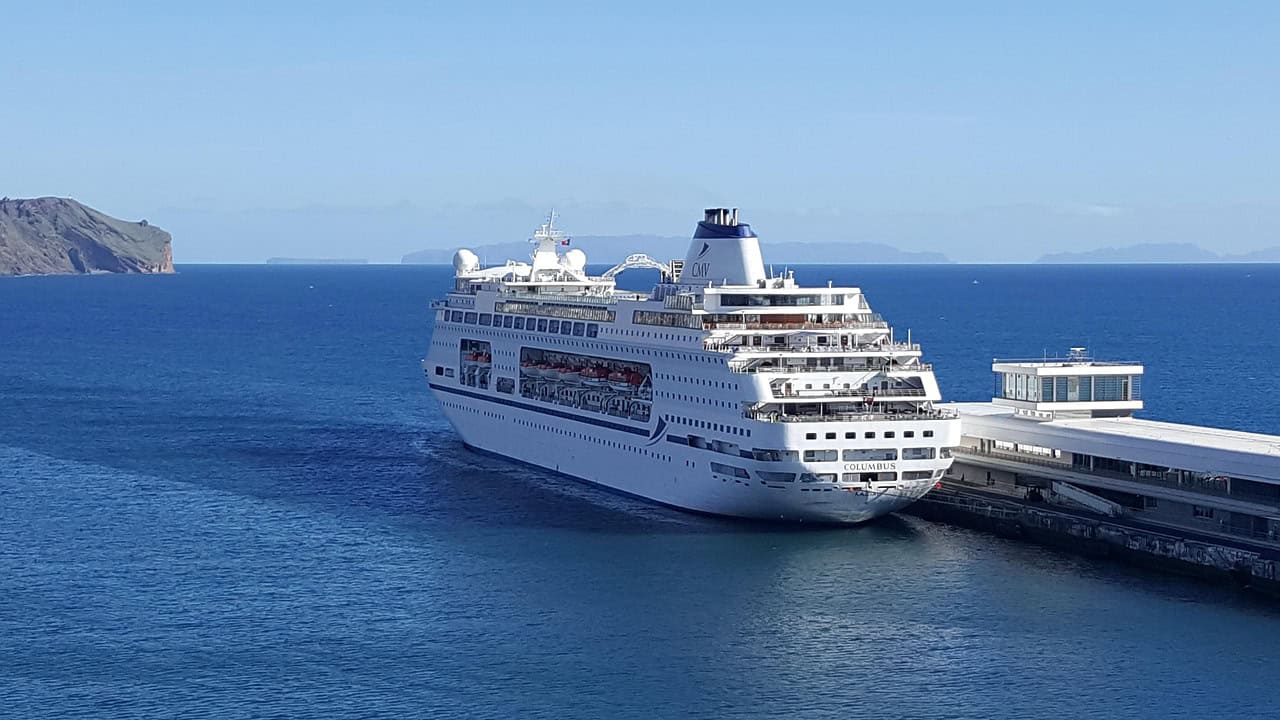
A surprising number of cruise regrets begin with bodies that never fully adjusted. CDC guidance on motion sickness notes the familiar advice to stay hydrated, limit alcohol and caffeine, eat lightly, and look toward the horizon, but the larger truth is simpler: some people do not enjoy constant motion, even on large ships. Travelers who vowed never to cruise again often said the worst part was not dramatic vomiting or collapse. It was the slow erosion of appetite, energy, sleep, and mood over days, until the ship felt less like transport and more like an obligation they had to physically endure.
One Illness Story Changed The Mood Entirely
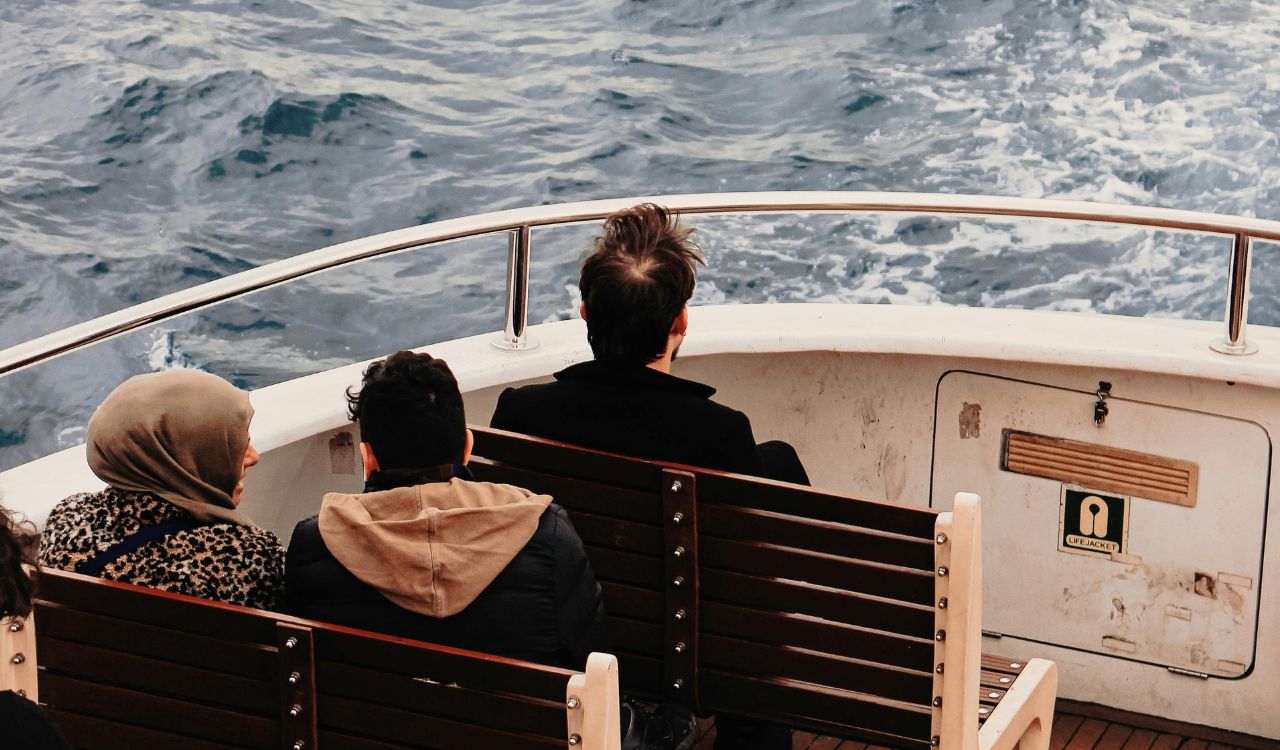
For others, the emotional break came when the health risk stopped feeling abstract. CDC’s Vessel Sanitation Program publicly posts outbreaks when 3% or more of passengers or crew report gastrointestinal symptoms to ship medical staff, and the agency continues to track outbreaks in 2026. The CDC also tells passengers to wash hands often and not rely on hand sanitizer alone, which underscores how seriously ships treat the risk. Even travelers who never got sick themselves said that once vomiting, isolation protocols, or outbreak chatter entered the atmosphere, the voyage no longer felt carefree. It felt fragile, shared, and suddenly much less optional.
The Medical Safety Net Felt Thinner Than Expected
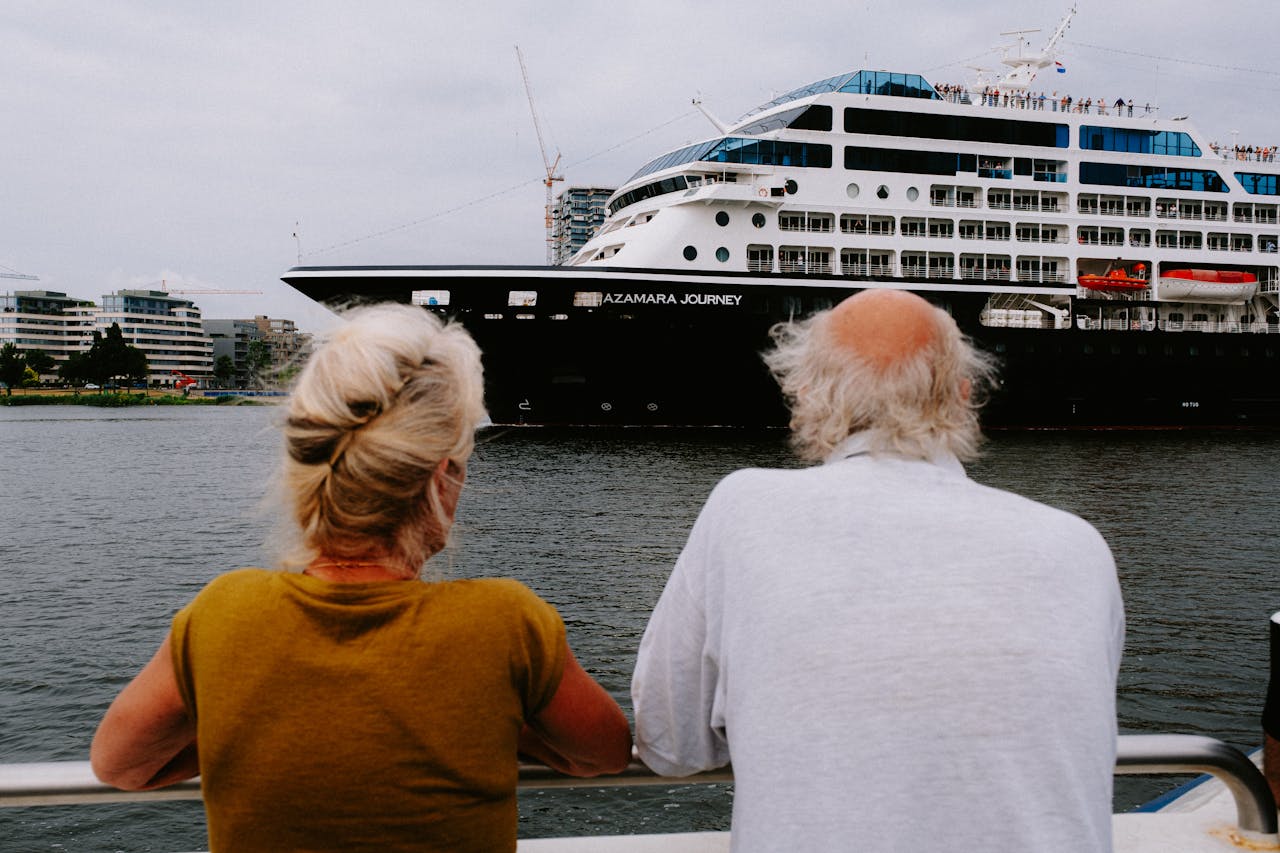
Illness at sea frightened some people not only because they felt bad, but because they suddenly understood how complicated help could become. The U.S. State Department and CDC both advise cruise passengers to think seriously about medical and emergency evacuation coverage, noting that Medicare and Medicaid do not cover medical costs abroad and that travelers may need to pay for care out of pocket. Once passengers grasped that the ship’s medical center is not the same as easy land access, the emotional math changed. A vacation that had seemed neatly contained began to feel remote, expensive, and harder to control in an emergency.
Relaxation Started To Feel Like Management
Another common breaking point was subtler: too much time spent managing the cruise instead of enjoying it. Before sailing, travelers were encouraged to sort internet, drinks, dining, and other packages in advance. Onboard, the day could become a string of reservations, line checks, timing decisions, and small tactical choices about where to be and when. Cruise lines market that planning ecosystem as a way to customize and save, but for some passengers it had the opposite effect. The trip began to feel less like ease and more like maintaining a complicated little machine built around entertainment, spending, and crowd avoidance.
They Realized They Missed The Destination More Than They Enjoyed The Cruise

In the end, some people discovered that their disappointment was philosophical. They had wanted immersion, long afternoons on land, meals that belonged to a place, and the open-ended pleasure of staying put long enough to notice something real. Cruise travel, by design, excels at movement, containment, and packaged variety, and millions of passengers love it for exactly those reasons. But travelers who promised never to sail again often said their final clarity was simple: they did not actually want a floating resort with shifting plans and managed experiences. They wanted the destination itself, with all the texture and unpredictability that only dry land can hold.