Virginia Beach Has 35 Miles of Coastline and the Worst Crowds in the Mid-Atlantic. Here’s How to Visit Anyway
We may earn money or products from the companies mentioned in this post. This means if you click on the link and purchase the item, I will receive a small commission at no extra cost to you ... you're just helping re-supply our family's travel fund.
Virginia Beach is one of the most-visited beach destinations on the East Coast and one of the most misunderstood. The resort strip — the crowded, high-rise, neon-and-souvenir section of the oceanfront — is what most visitors experience and what most people mean when they say they’ve been to Virginia Beach. The city is also 249 square miles with one of the most significant wildlife refuges on the Atlantic flyway, a substantial First Landing State Park, and a Back Bay National Wildlife Refuge that draws birders from across the country.
What Virginia Beach Offers Beyond the Resort Strip
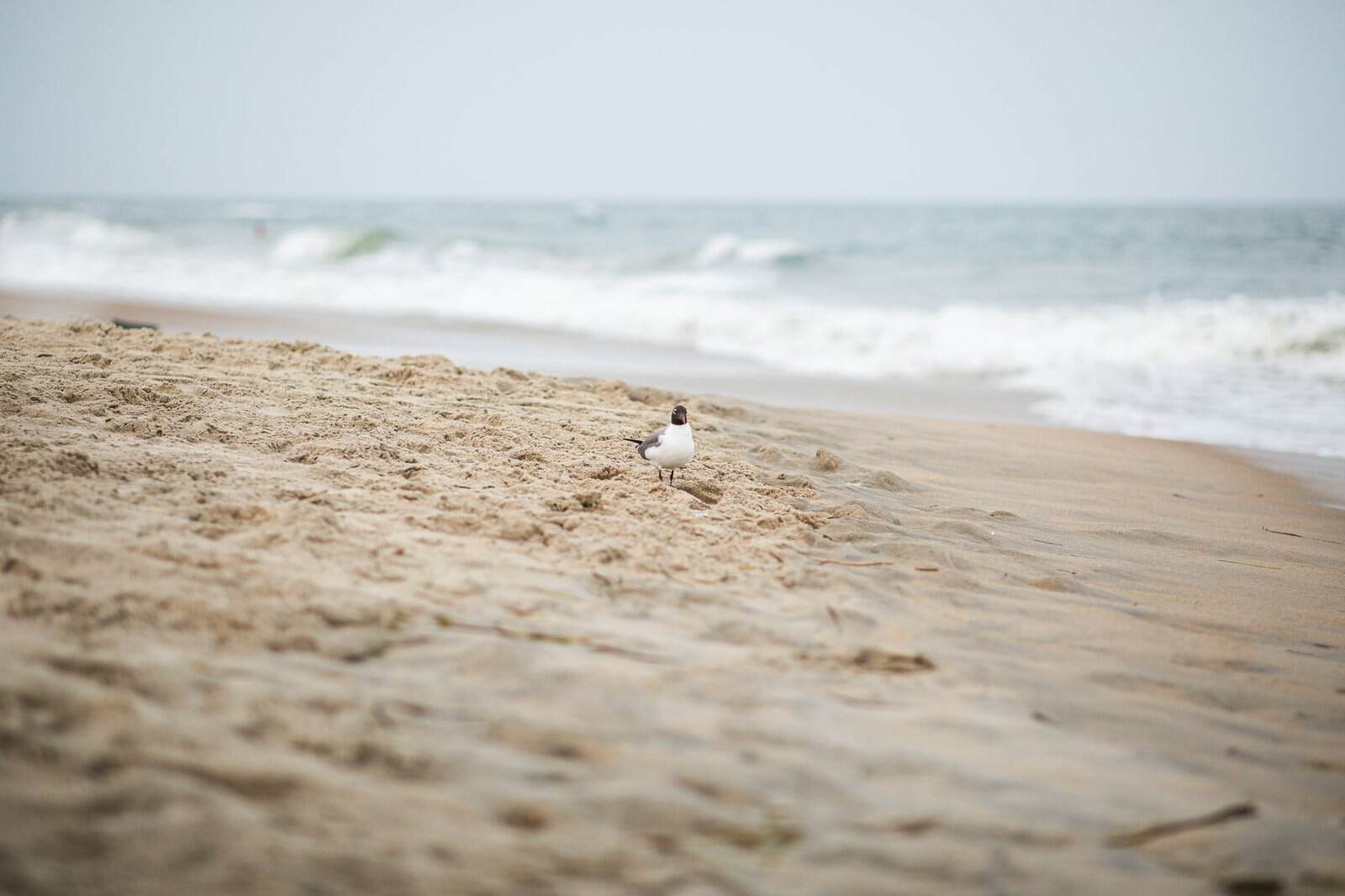
First Landing State Park, at the northern end of the city, is where the Virginia Company’s 1607 colonists first came ashore before founding Jamestown. The park has 19 miles of trail through cypress swamp and maritime forest that feel nothing like the beach resort city 5 miles south. Back Bay National Wildlife Refuge, at the southern end of Virginia Beach, protects 9,000 acres of beach, dune, and freshwater marsh on the Outer Banks fringe. The beach within the refuge is accessible only on foot or by bike — no commercial development, no lifeguards, no rental chairs. For the traveler who drove 8 hours to Virginia Beach and found the resort strip overwhelming, this is 5 miles south.
When to Go and What It Costs
Timing and pricing:
- September and October: the Atlantic stays warm (68–72°F), crowds drop dramatically after Labor Day, prices fall 25–40%
- Oceanfront hotel: $200–$350/night in summer; $130–$200 in September
- First Landing State Park and Back Bay: $10/vehicle day-use fee
- Seafood is the genuine dining strength — the Chesapeake Bay and Atlantic together supply a local seafood culture that rewards restaurant research
Virginia Beach works best for travelers who understand it’s a large, complex city with a resort district and a natural environment that coexist at opposite ends of the same address. Arrive expecting the resort and you’ll find it. Build the itinerary around First Landing, Back Bay, and the September shoulder season and you find a different place entirely — one that earns the 35-miles-of-coastline claim rather than just crowding all of it into one strip.
The Chesapeake Bay Side of Virginia Beach
Most Virginia Beach visitors never cross the city to the Chesapeake Bay side. The western shore of the city, facing the bay rather than the ocean, has calmer water, a different beach character, and the Cape Henry Lighthouses — the oldest and newest federal lighthouses at the same site, marking the entrance to the Chesapeake Bay that English settlers navigated in 1607. The Cape Henry Memorial at Fort Story is an active military installation that requires a driver’s license to enter but is open to civilian visitors and provides a historical anchor to the site where the Virginia Company’s expedition first came ashore before proceeding to Jamestown.
The Virginia Aquarium and Marine Science Center, in the Croatan area of Virginia Beach, is consistently rated among the top ten aquariums in the United States — a 800,000-gallon aquarium facility with outdoor nature trails, a marsh exhibit, and a live marine mammal care center. Admission runs $32/adult and is worth it as a half-day anchor activity for a Virginia Beach trip that isn’t exclusively built around the beach. Boat tours to watch bottlenose dolphins in the Chesapeake Bay and nearshore Atlantic waters depart from the Virginia Beach waterfront seasonally and are among the most reliable dolphin viewing experiences on the mid-Atlantic coast.
Virginia Beach is a city of neighborhoods and experiences that the resort strip marketing flattens into one image. The travelers who leave satisfied found Back Bay, the aquarium, the Cape Henry history, the September shoulder-season emptiness, and the Chesapeake Bay seafood that the bayside restaurants do better than the oceanfront ones. The travelers who leave disappointed stayed on Atlantic Avenue during the second week of July and experienced the resort strip at peak capacity. Virginia Beach has 35 miles of coastline for a reason — and most of it is nothing like what 20 million annual visitors see from the boardwalk.
Virginia Beach’s September Advantage
The September Outer Banks and Virginia Beach window — when the Atlantic water stays in the low 70s but the summer crowds have left — is one of the most underutilized shoulder seasons on the entire East Coast. For Virginia Beach specifically, September means the resort strip returns to a scale where it’s actually walkable and enjoyable rather than gridlocked. The Virginia Aquarium runs at full operation through October, and the dolphin boat tours out of the waterfront maintain their seasonal schedule through September. The Cape Hatteras National Seashore beaches directly south of Virginia Beach, accessible by crossing the Virginia-North Carolina state line on US-158, provide the most empty-beach experience anywhere in the mid-Atlantic corridor in September.
The argument for Virginia Beach over the Outer Banks as a base: Virginia Beach has a wider hotel selection, airport access (Norfolk International, 20 minutes north), and urban amenities that the Outer Banks towns — which are barrier island communities of 1,000–5,000 year-round residents — don’t provide. The Outer Banks offers the deeper coastal isolation experience. Virginia Beach offers the coastal experience with the infrastructure backup that matters when your flight home is tomorrow and you need a dinner that isn’t at a seasonal fish shack with a 90-minute wait.