We may earn money or products from the companies mentioned in this post. This means if you click on the link and purchase the item, I will receive a small commission at no extra cost to you ... you're just helping re-supply our family's travel fund.
Dental veneers can transform your smile, but at $1,500-2,500 per tooth in the US, a full mouth makeover can cost $30,000-50,000. If you want to get veneers overseas, this guide is for anyone considering dental veneers abroad, whether for cost savings, quality care, or combining treatment with travel. With rising dental costs in the US and Europe, more patients are exploring overseas options to achieve their dream smile affordably. This topic matters because dental tourism offers a way to access high-quality cosmetic dentistry at a fraction of the price, often while enjoying an international vacation.
This cosmetic procedure attracts thousands of international patients annually to destinations like Colombia, Mexico, and Turkey, where experienced dentists offer the same materials and techniques used in North America and Europe. With proper research and planning, overseas dental treatments can deliver exceptional results while saving you tens of thousands of dollars.
Key Takeaways
- Getting veneers overseas can save 50-70% compared to US and European prices, with quality porcelain veneers starting at $186-800 per tooth.
- Top destinations include Colombia, Mexico, Turkey, and Costa Rica, offering experienced dentists and modern facilities.
- Plan 5-7 days abroad for porcelain veneers or 2-3 days for composite veneers, including consultation and fitting appointments.
- Research clinic credentials, read patient reviews, and verify international accreditations before booking treatment.
- Most overseas dental work includes additional services like airport transfers, accommodation assistance, and English-speaking staff.
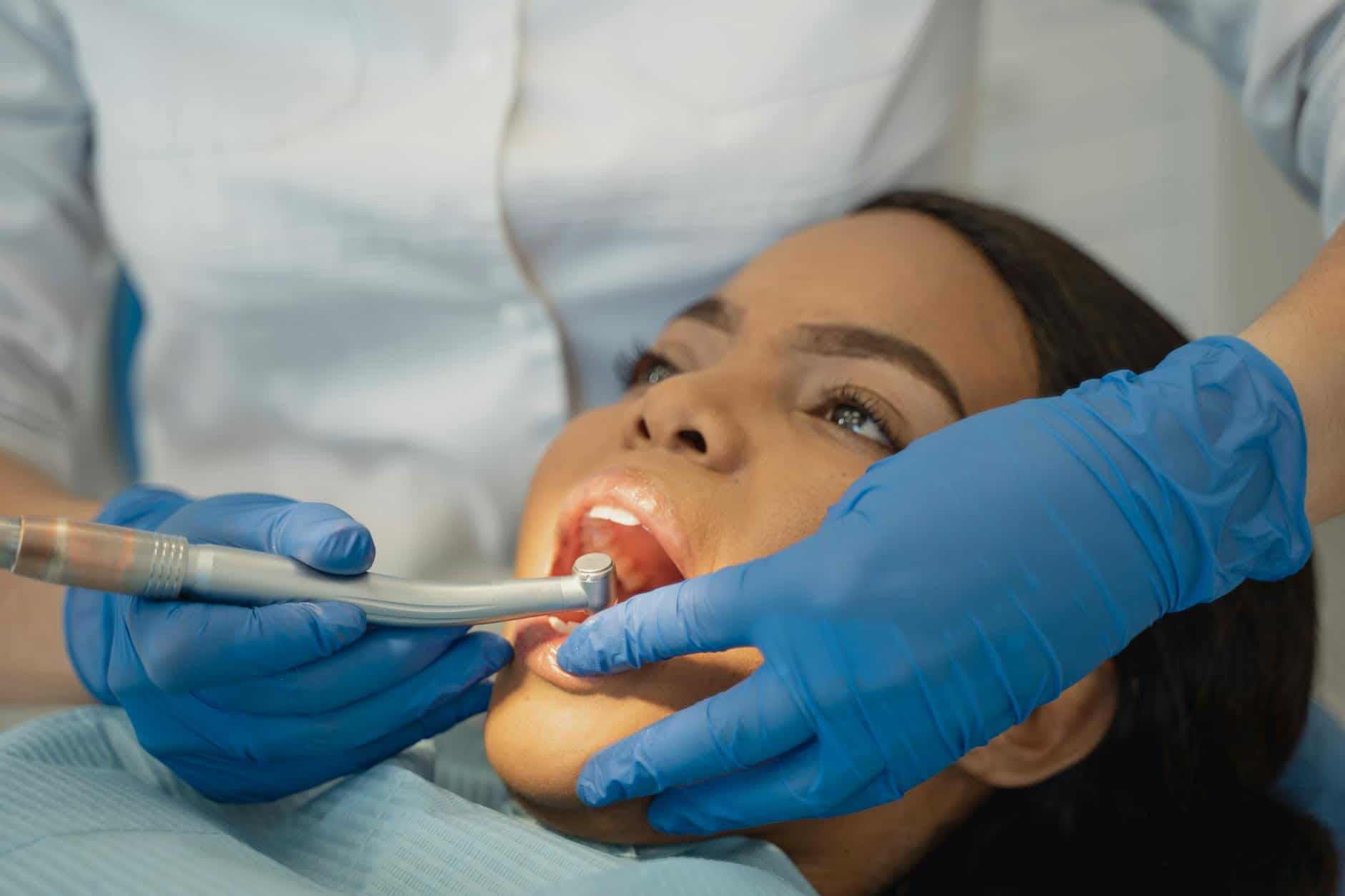
What Does Getting Veneers Overseas Mean?
Definition of Dental Veneers
Dental veneers are thin shells of porcelain or composite resin that are bonded to the front of teeth to improve their appearance. Porcelain veneers are made from high-quality ceramic materials and are known for their durability and natural look, while composite veneers are crafted from tooth-colored resin and are generally more affordable but may not last as long.
What is Dental Tourism for Veneers?
Dental tourism for cosmetic dentistry involves traveling to another country specifically to receive dental treatments at lower costs than available domestically. When you get veneers overseas, you’re accessing the same porcelain and composite veneer materials and advanced techniques used by the best dentist in major metropolitan areas, but at dramatically reduced prices.
Many overseas clinics offer high-quality veneers at an affordable price, making them accessible to a wider range of patients.
Why Dental Tourism is Growing
This approach to dental care has grown exponentially as patients discover they can receive high quality dental care from qualified international dentists while exploring new destinations. Modern dental clinics in popular medical tourism hubs often surpass domestic facilities in terms of technology and patient amenities.
What to Expect from the Overseas Veneer Experience
The typical overseas veneer experience combines a brief vacation with professional dental work. Patients usually spend 5-7 days abroad for porcelain veneers or 2-3 days for composite veneers, allowing time for initial consultation, tooth preparation, laboratory work, and final fitting. Many clinics offer comprehensive packages including airport transfers, accommodation assistance, and even local sightseeing arrangements.
Benefits Beyond Cost Savings
Beyond cost savings, international patients often enjoy shorter wait times, personalized attention, and access to dentists who specialize exclusively in cosmetic reasons and smile makeovers. These specialists often see dozens of veneer cases weekly, developing expertise that many general dentists in smaller markets may lack. Some clinics are recognized for providing the best veneers, known for their superior appearance and strong reputation.
Transition: Now that you understand what getting veneers overseas involves and why it’s an attractive option, let’s explore the best destinations for overseas veneers.
Best Destinations for Overseas Veneers
The global landscape for dental tourism offers several world-class destinations, each with unique advantages for international patients seeking veneers abroad. Location choice often depends on proximity to your home country, specific cost requirements, and personal preferences for culture and climate.
Top Countries for Veneers Abroad
| Destination | Average Cost Per Veneer | Travel Time from US | Key Advantages |
|---|---|---|---|
| Colombia | $200-500 | 3-6 hours | English-speaking dentists, modern facilities |
| Mexico | $450-600 | 2-5 hours | Border proximity, established infrastructure |
| Turkey | $200-300 | 8-12 hours | Advanced technology, comprehensive packages |
| Costa Rica | $350-550 | 4-7 hours | High safety standards, eco-tourism appeal |
| Thailand | $350-450 | 15-20 hours | Luxury medical facilities, vacation destination |
Colombia: Leading South American Destination
Colombia has emerged as a premier destination for patients seeking veneers in Colombia, with major dental hubs in Medellín, Bogotá, and Cartagena offering world-class cosmetic dentistry services. The country’s dental schools rank among Latin America’s best, producing highly skilled practitioners who often train internationally.
Average costs range from $200-500 per porcelain veneer, compared to $1,500-2,500 in the United States. I will say that I got my veneers done for even less. I was quoted $4,100 for 22 eMax porcelain veneers, and upon arrival I could upgrade to translucent ones (where there’s a little translucency at the bottoms of your teeth) for an additional $100 in total. I also had them fix a molar that had a tiny shard chipped off that made it difficult for me to floss between those teeth, and this cost me an additional $40 (it would’ve been $400+ in the states). This included transportation, x-rays, gum contouring, a nighttime retainer, and my hotel stay, too.
Many Colombian dentists speak fluent English and maintain international accreditations, making communication seamless for North American and European patients. The country’s modern dental clinics often feature the latest CAD/CAM technology (computer-aided design and computer-aided manufacturing, which allows for precise and efficient creation of dental restorations) for precise veneer fabrication.
Full mouth packages typically range from $4,500-7,500, representing savings of $15,000-30,000 compared to domestic treatment. Colombian clinics frequently include additional services like gum contouring, gum reshaping to address gummy smiles, and comprehensive smile design consultations. The country’s stable political climate and growing medical tourism infrastructure make it an increasingly popular choice.
Medellín, known as the “City of Eternal Spring,” offers an ideal climate year-round and has invested heavily in medical tourism facilities. Many clinics provide free transportation, luxury accommodation packages, and bilingual staff to ensure international patients experience seamless care.
Mexico: Convenient for North Americans
Mexico’s proximity to the United States makes it the most accessible overseas destination for North American patients. Popular cities like Tijuana, Cancún, and Los Cabos have developed sophisticated dental tourism infrastructure, with many clinics located within walking distance of the US border or major resort areas.
The convenience factor cannot be overstated – patients can drive to border cities like Tijuana for same-day composite veneer treatments or fly to Cancún for a week-long smile makeover combined with beach vacation. Mexican dental schools maintain high standards, and many practitioners complete additional training in the United States or Europe.
Cultural familiarity and established tourism infrastructure make Mexico particularly appealing for first-time dental tourists. Most clinics offer payment plans and work with American financing companies, making treatment accessible even for patients with limited upfront capital. The peso’s favorable exchange rate against the dollar further amplifies savings.
Border cities offer the unique advantage of returning home the same day if needed, reducing travel-related complications. However, popular resort destinations like Cancún and Puerto Vallarta provide more comprehensive vacation experiences for patients combining treatment with leisure travel.
Turkey: European Quality at Asian Prices
Istanbul has become a global hub for dental tourism, attracting patients from across Europe, the Middle East, and beyond. Turkish dental clinics often feature JCI-accredited hospitals, the gold standard for international healthcare quality, ensuring patients receive care that meets or exceeds Western standards.
The country offers remarkable value, with porcelain veneers typically costing $200-300 per tooth compared to €750-1,200 in the UK or Germany. Many Turkish clinics operate their own laboratories, enabling rapid turnaround times and better quality control over the veneer fabrication process.
Package deals frequently include luxury accommodation at five-star hotels, airport transfers, and even local tourism excursions, creating a comprehensive experience that justifies the longer travel time from North America. Turkish dentists often speak multiple languages and maintain international certifications.
Istanbul’s unique position bridging Europe and Asia offers cultural richness that enhances the medical tourism experience. The city’s modern healthcare infrastructure rivals that of major European capitals, while costs remain significantly lower due to favorable currency exchange rates and lower operating expenses.
Transition: Now that you know the top destinations, let’s compare the costs and potential savings of getting veneers overseas.
Cost Savings: How Much Can You Save?
The financial advantages of getting veneers overseas become clear when comparing specific treatment costs across different countries. These savings often justify travel expenses multiple times over, especially for full mouth treatments requiring 16-20 veneers. The price for a single veneer can vary depending on the type of material used and the country where the procedure is performed.
Veneer Cost Comparison Table
| Treatment Type | US Cost | Colombia | Mexico | Turkey | Savings |
|---|---|---|---|---|---|
| Single Porcelain Veneer | $1,500-2,500 | $186-500 | $450-600 | $200-300 | 60-93% |
| Composite Veneer | $250-1,500 | $150-400 | $200-350 | $100-200 | 70-90% |
| Full Mouth Porcelain (16 teeth) | $24,000-40,000 | $4,800-12,800 | $7,200-9,600 | $3,200-4,800 | 65-85% |
| Full Mouth Composite (16 teeth) | $4,000-24,000 | $2,400-6,400 | $3,200-5,600 | $1,600-3,200 | 60-80% |
When calculating total savings, factor in travel costs, accommodation, and time off work. Even including these expenses, most patients save $10,000-30,000 on full mouth treatments. A typical week-long trip to Colombia including flights, hotel, meals, and treatment might cost $6,000-8,000 total, compared to $25,000-40,000 for equivalent domestic treatment.
Hidden costs to consider include potential revision visits, local dentist consultations for follow-up care, and travel insurance covering medical procedures. However, these rarely offset the substantial primary savings, particularly for extensive treatments requiring multiple veneers or a single veneer.
Many international clinics offer payment plans and accept multiple currencies, making large treatments more manageable financially. Some even partner with medical tourism financing companies to provide extended payment options for qualifying patients.
Transition: Understanding the cost savings is important, but knowing your veneer options is just as crucial. Next, let’s look at the types of veneers available overseas.
Types of Veneers Available Overseas
International dental clinics typically offer the same veneer types and materials available domestically, often using identical products from leading manufacturers. Veneers are made from thin layers of porcelain or composite material that are custom-designed to fit over natural teeth, providing aesthetic improvement and addressing issues like discoloration, chips, and gaps. Understanding these options helps patients make informed decisions about their treatment abroad.

Porcelain Veneers Abroad
Porcelain veneers represent the premium option, crafted from high-quality ceramic materials like lithium disilicate (IPS e.max) or feldspathic porcelain. These materials provide superior aesthetics, matching the translucency and color depth of natural tooth enamel while resisting stains and maintaining their appearance for 10-15 years with proper care.
The porcelain veneer process overseas typically requires two appointments spaced 3-5 days apart. During the first visit, the dentist performs minimal tooth preparation by removing a thin layer of enamel (usually 0.3-1.0mm) from the front surface of natural teeth. This enamel removal is permanent and irreversible, making veneers a significant commitment.
Temporary veneers are placed while the laboratory fabricates custom veneers using digital impressions and advanced CAD/CAM technology. CAD/CAM technology stands for computer-aided design and computer-aided manufacturing, which allows for precise and efficient creation of dental restorations. Many international clinics operate in-house laboratories, ensuring quality control and faster turnaround times compared to facilities that outsource lab work.
Cost ranges vary significantly by destination, from $200-300 per tooth in Turkey to $600-800 in higher-end Colombian clinics. Despite these variations, all represent substantial savings compared to domestic pricing while often using identical materials and techniques.
Composite Veneers International Options
Composite resin veneers offer an affordable option for patients seeking smile improvement without the higher investment required for porcelain. These composite resin veneers can often be completed in a single appointment, making them ideal for shorter international trips.
The composite veneer process involves bonding tooth-colored composite resin directly to the tooth surface, with minimal or no preparation of the natural tooth enamel. This conservative approach preserves more of your natural teeth while providing immediate aesthetic improvement for minor misalignments, gaps, or discoloration.
While composite veneers typically last 5-7 years compared to porcelain’s 10-15 year lifespan, their lower cost and reversibility make them attractive for younger patients or those wanting to “try out” veneers before committing to permanent porcelain options.
International pricing for composite veneers ranges from $100-200 per tooth in Turkey to $300-400 in premium Costa Rican clinics. Even at the higher end, this represents 70-80% savings compared to domestic treatment, making smile makeovers accessible to a broader range of patients.
Transition: Now that you know your veneer options, let’s walk through the process of getting veneers overseas, step by step.
The Process: What to Expect Getting Veneers Overseas
Understanding the step-by-step process helps patients prepare mentally and logistically for their international dental experience. Most reputable clinics follow standardized protocols that mirror or exceed domestic care standards while accommodating the compressed timeline necessitated by international travel.
Step 1: Before You Travel
- Virtual Consultation: The overseas veneer journey begins with a virtual consultation, typically conducted via video call or detailed photo submission. Patients photograph their smile from multiple angles and complete comprehensive medical histories, allowing the overseas dentist to evaluate candidacy and provide preliminary treatment recommendations.
- Discuss Goals and Preferences: During this phase, discuss your aesthetic goals, material preferences, and any concerns about the dental procedure. Reputable clinics provide detailed treatment plans including the number of veneers recommended, material specifications, expected timeline, and comprehensive cost breakdowns including any additional dental treatments that might be needed.
- Medical Clearance: Most clinics require medical clearance, particularly for patients with underlying health conditions or those taking medications that might affect healing. Your home dentist may need to provide recent X-rays or dental exam results to ensure you’re a suitable candidate for treatment abroad.
- Digital Smile Design: Treatment planning includes digital smile design when available, allowing you to preview potential results before committing to irreversible tooth preparation. This technology helps align expectations and reduces the likelihood of dissatisfaction with final results.
Step 2: During Your Treatment
- Initial Appointment: The first day typically involves a comprehensive dental exam, updated imaging, and final treatment planning with your overseas dentist. This appointment confirms the preliminary plan developed during virtual consultation and allows for adjustments based on in-person examination findings.
- Addressing Dental Issues: If gum disease or other dental issues are discovered, these must be addressed before veneer placement, potentially extending your stay. Many patients appreciate this thorough approach, as it ensures optimal outcomes and prevents complications that might arise from placing veneers over unhealthy teeth.
- Tooth Preparation: Tooth preparation occurs during the second appointment, with local anesthesia ensuring comfort throughout the procedure. The dentist removes a precise amount of enamel from the front surface and edges of targeted teeth, creating space for the veneer while maintaining natural proportions.
- Temporary Veneers: Temporary veneers protect prepared teeth and provide a preview of your new smile while permanent veneers are being crafted. These temporaries also allow you to adjust to eating soft foods and practicing proper oral hygiene techniques you’ll need after final veneer placement.
- Final Fitting: Final fitting typically occurs 3-5 days after preparation, depending on laboratory scheduling and any needed adjustments. Your dentist ensures perfect fit, proper bite alignment, and optimal aesthetics before permanently bonding veneers with special cement and curing with ultraviolet light.
Step 3: After Your Treatment
- Post-Treatment Instructions: Your dentist will provide detailed aftercare instructions, including tips for eating, oral hygiene, and managing any sensitivity.
- Follow-Up: Some clinics offer virtual follow-up appointments or recommend seeing a local dentist for a check-up within a few weeks of returning home.
- Warranty and Documentation: Make sure you understand the warranty terms and keep all documentation for future reference.
Transition: Choosing the right clinic is just as important as understanding the process. Next, let’s discuss how to select a reputable overseas dental clinic.
Choosing the Right Overseas Dental Clinic
Selecting the appropriate international dental clinic requires careful research and due diligence. The quality variance between top-tier and substandard facilities can be dramatic, making thorough vetting essential for achieving optimal outcomes and ensuring patient safety.
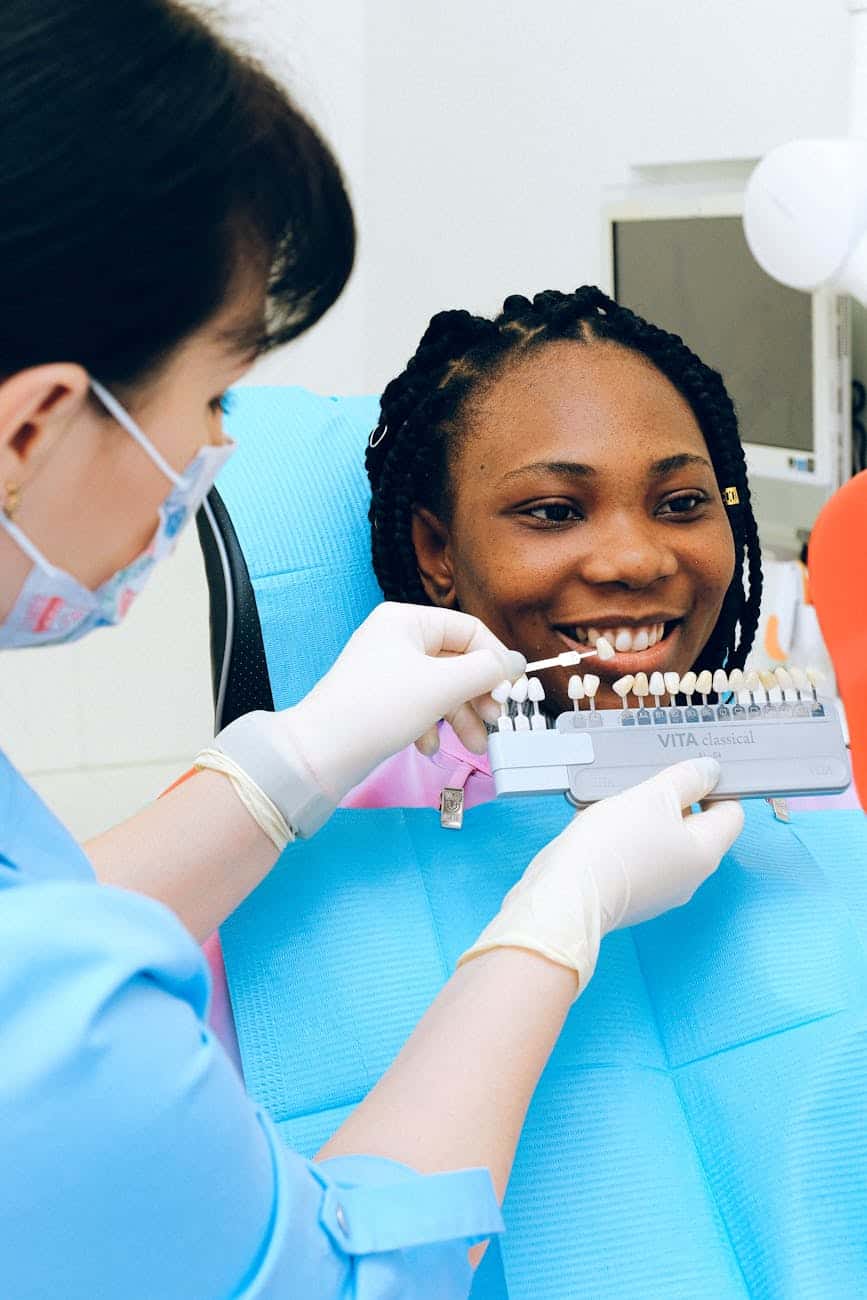
Essential Credentials to Verify
When evaluating clinics, look for the following credentials and accreditations:
- Joint Commission International (JCI) Accreditation: JCI is a globally recognized organization that sets rigorous standards for healthcare quality and patient safety. Clinics with JCI accreditation have undergone comprehensive evaluations to ensure they meet international best practices.
- ISO 9001 Certification: This is an international standard for quality management systems, indicating that the clinic follows strict protocols for consistent, high-quality care.
- Dentist’s Educational Background: Verify where the dentist completed dental school, any post-graduate cosmetic dentistry training, and ongoing continuing education commitments.
- Professional Memberships: Look for memberships in organizations such as the American Academy of Cosmetic Dentistry, International Academy of Oral Medicine and Toxicology, or local dental associations.
- Modern Equipment and Technology: Ensure the clinic uses up-to-date digital imaging, CAD/CAM systems, and follows strict sterilization protocols.
Reading Patient Reviews and Testimonials
Authentic patient reviews provide invaluable insight into real experiences with international dentists and clinics. Look beyond clinic websites to independent review platforms, social media, and dental tourism forums where patients share unfiltered experiences.
Pay attention to reviews mentioning:
- Follow-up care
- Communication quality
- How complications were handled
- Pain management
- Appointment punctuality
- Staff professionalism
Before-and-after photos can demonstrate technical skill and aesthetic sensibility, but verify these represent actual patient results rather than stock photography. Request contact information for recent patients willing to discuss their experiences, as reputable clinics often facilitate these conversations.
Red flags include exclusively positive reviews, lack of detail in testimonials, or reluctance to provide patient references. Legitimate clinics understand that prospective international patients need reassurance and willingly provide multiple ways to verify their track record.
Transition: Once you’ve chosen a clinic, it’s important to know what to expect from the facilities and staff. Let’s look at what dental offices abroad are like.
Dental Office and Facilities: What to Expect Abroad
When you travel for dental veneers abroad, the quality of the dental office and its facilities can make a big difference in your overall experience and results. Leading international dental clinics are designed to provide high quality dental care, often rivaling or exceeding what you might find at home. From the moment you arrive, you’ll notice a modern, welcoming environment—think spotless waiting areas, private treatment rooms, and state-of-the-art equipment dedicated to cosmetic procedures like porcelain veneers and composite veneers.
What to Expect in Overseas Dental Clinics
- Communication: Most reputable clinics employ staff who speak fluent English, ensuring you feel comfortable and informed throughout your visit.
- Comprehensive Exam: Your journey typically begins with a comprehensive dental exam, including digital X-rays, impressions, and a detailed discussion about your smile design goals.
- Transparent Costs: The dental office should provide a clear breakdown of the veneers cost, including any additional fees for other dental treatments such as gum contouring, dental implants, or minor procedures.
- Safety and Comfort: Expect strict hygiene protocols, the use of local anesthesia for a pain-free experience, and the application of special cement to securely bond your veneers.
- Temporary Veneers: If you’re receiving porcelain veneers, you’ll likely be fitted with temporary veneers while your custom restorations are crafted.
- Aftercare Guidance: The clinic’s team will provide helpful tips for proper care of your new veneers, such as using a soft bristled toothbrush and maintaining good oral hygiene.
Transition: Safety is a top priority when seeking dental care abroad. Next, we’ll cover essential safety considerations for overseas dental work.
Safety Considerations for Overseas Dental Work
Patient safety should remain the paramount concern when seeking dental treatments abroad. While many international clinics maintain exemplary safety standards, patients must verify infection control protocols, emergency procedures, and quality assurance measures before committing to treatment.
Key Safety Measures
- Sterilization and Infection Control: Procedures should follow or exceed CDC guidelines, with autoclaving of all instruments, single-use disposable items where appropriate, and documented cleaning protocols.
- Material Standards: Verify that materials used meet FDA or European CE marking standards.
- Emergency Procedures: Ensure the clinic has protocols for managing complications and confirm nearby hospital availability for serious medical emergencies.
- Travel Insurance: Consider travel insurance that covers medical procedures abroad, including emergency evacuation coverage.
Transition: With safety in mind, let’s move on to planning your dental tourism trip for a smooth and enjoyable experience.
Planning Your Dental Tourism Trip
Successful dental tourism requires careful logistical planning to ensure smooth treatment delivery while maximizing the travel experience. Consider treatment timeline, recovery requirements, and local amenities when structuring your international dental trip.
Trip Planning Tips
- Treatment Timeline: Plan for 5-7 days minimum for porcelain veneers, allowing time for consultation, preparation, laboratory work, and final fitting. Composite veneers may be completed in 2-3 days.
- Accommodation: Book accommodations near the dental office to minimize travel stress between appointments. Many clinics partner with local hotels to provide discounted rates and transportation services.
- Scheduling: Consider scheduling treatment earlier in your trip rather than at the end, allowing time to address any complications or adjustments before returning home.
Documentation and Legal Considerations
- Passport and Visa: Ensure your passport remains valid for at least six months beyond your planned travel dates. Research visa requirements for your destination country. Some countries offer ‘visa-on-arrival,’ which means you can obtain your visa upon entering the country rather than applying in advance.
- Treatment Records: Maintain detailed documentation of all dental work performed, including treatment records, X-rays, material specifications, and warranty information.
- Legal Protections: Understand legal protections and malpractice considerations when receiving care abroad. Pursuing legal recourse across international borders can be complex and expensive.
- Insurance: Research dental insurance policies regarding overseas treatment. While most US insurance doesn’t cover international procedures, some plans provide partial reimbursement when proper documentation is submitted upon return home.
Transition: After your treatment, proper aftercare is essential for long-term success. Let’s review aftercare and maintenance tips for overseas veneers.
Aftercare and Maintenance for Overseas Veneers
Proper aftercare ensures optimal healing and long-term success of your international veneer investment. Follow specific post-treatment instructions while abroad and establish appropriate maintenance routines after returning home.
Aftercare Tips
- Follow Dentist’s Instructions: Immediately after veneer placement, follow your dentist’s instructions regarding eating soft foods, avoiding cold foods that might cause sensitivity, and using a soft bristled toothbrush.
- Pain Management: Pain levels should remain minimal, but your dentist can recommend appropriate methods to reduce pain if discomfort occurs.
- Warranty and Follow-Up: Before leaving the clinic, understand warranty terms and follow-up procedures. Many international dentists provide 1-2 year guarantees covering veneer defects or bonding failures, but may require returning to their facility for warranty service.
- Local Check-Up: Schedule a dental exam with a local dentist within 2-4 weeks after returning home to ensure proper healing and identify any issues requiring attention. Bring all treatment documentation.
- Oral Hygiene: Maintain good oral hygiene with regular brushing, flossing, and professional cleanings every six months.
- Protect Your Veneers: Avoid hard foods that might chip or crack veneers, and consider wearing a night guard if you grind or clench your teeth during sleep.
Getting veneers overseas offers an exceptional opportunity to achieve your dream smile while enjoying significant cost savings and exploring new destinations. With proper research, careful provider selection, and realistic expectations, international dental tourism can deliver outstanding results that rival or exceed domestic treatment quality.
The key to success lies in thorough preparation, choosing accredited providers with strong track records, and maintaining appropriate follow-up care after returning home. While dental tourism isn’t right for everyone, patients willing to invest time in research and planning often discover that overseas veneers provide both beautiful results and substantial financial benefits.
Remember that veneers represent a long-term investment in your appearance and confidence. Whether you choose to pursue treatment domestically or internationally, prioritize quality, safety, and provider expertise over cost alone to ensure optimal outcomes that will serve you well for years to come.
FAQ
How long do I need to stay overseas for veneer treatment?
Most patients need 5-7 days for porcelain veneers, which require two appointments spaced 3-5 days apart for laboratory fabrication. Composite veneers can often be completed in 2-3 days since they’re typically applied in a single visit. However, staying longer allows time for any needed adjustments and ensures proper healing before traveling home.
What happens if I have complications after returning home?
Reputable overseas clinics typically provide warranty periods of 1-2 years covering material defects or bonding failures. Many work with networks of local dentists for follow-up care or offer virtual consultations for minor issues. For urgent problems, seek care from a qualified local cosmetic dentist and contact your treating clinic immediately. Travel insurance with medical coverage can help with costs if emergency return visits are needed.
Are overseas veneers the same quality as those in the US or Europe?
Many of the best international dental veneer clinics use identical materials (like IPS e.max lithium disilicate) and follow similar protocols as domestic providers. The key difference is often cost structure rather than quality. However, quality can vary significantly between clinics, making careful research and credential verification essential. Look for JCI accreditation, international training backgrounds, and patient references to ensure comparable standards.
Can I use my dental insurance for overseas veneer treatment?
Most US dental insurance doesn’t cover overseas cosmetic procedures, and veneers are typically excluded regardless of location since they’re considered cosmetic rather than medically necessary. However, some patients receive partial reimbursement by submitting detailed receipts and treatment records upon return. Check with your specific insurer about international coverage and reimbursement policies before traveling.
What should I do if my overseas veneers need adjustment or replacement?
First contact your treating dentist, as many offer remote consultations and can guide you through minor issues or provide local referrals. For urgent problems like loose veneers or severe sensitivity, find a qualified local cosmetic dentist familiar with veneer work. Bring all treatment documentation to help them understand the original procedure. Keep in mind that local repairs might not be covered under your original warranty and could affect future warranty claims.
Leave a Reply