We may earn money or products from the companies mentioned in this post. This means if you click on the link and purchase the item, I will receive a small commission at no extra cost to you ... you're just helping re-supply our family's travel fund.
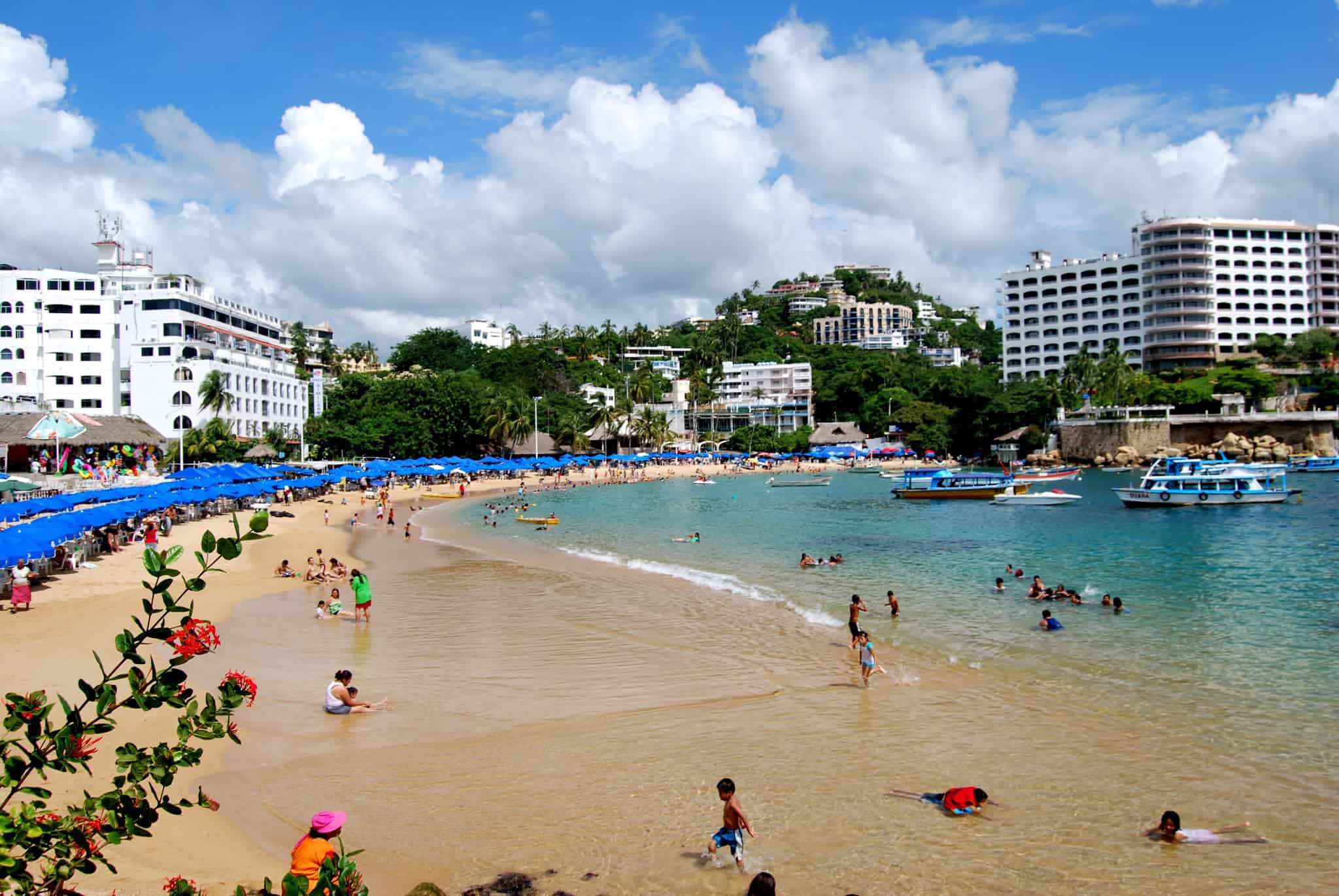
Mexico’s shoreline can feel timeless, but travel risk can shift fast, and official guidance often changes the tone overnight. The U.S. State Department’s Mexico advisory places several states at Level 4, “Do Not Travel,” a category reserved for places considered high-risk, where U.S. assistance may be limited. Because these advisories are issued by state, beloved beach cities can be swept into the same warning as inland hotspots. Four well-known coastal getaways now sit squarely inside that highest-tier caution.
Mazatlán, Sinaloa
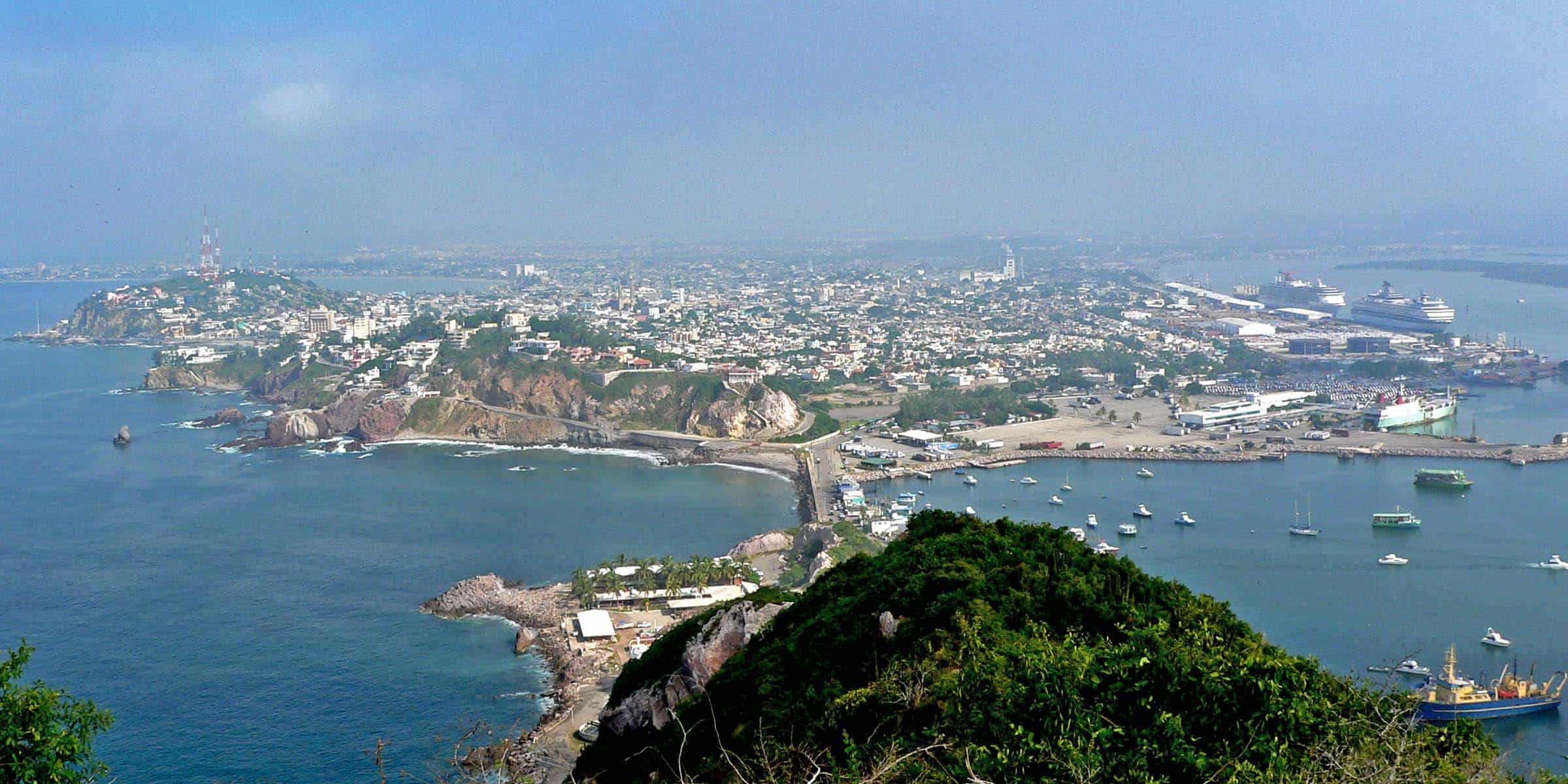
Mazatlán sits in Sinaloa, a state marked Level 4, but the Mexico advisory includes a rare, detailed exception: U.S. government employees may arrive by air or sea and keep travel inside specific zones. The permitted footprint centers on the historic town core from Avenida Gutierrez Najera to the ocean, plus the coastal Malecón corridor until Route 503, using direct routes to the airport or sea terminal. That does not erase statewide risk, tied to organized criminal activity, yet it explains why planning often revolves around controlled arrivals, well-traveled streets, and staying close to the places designed for visitors especially after dark.
Acapulco,Guerrero
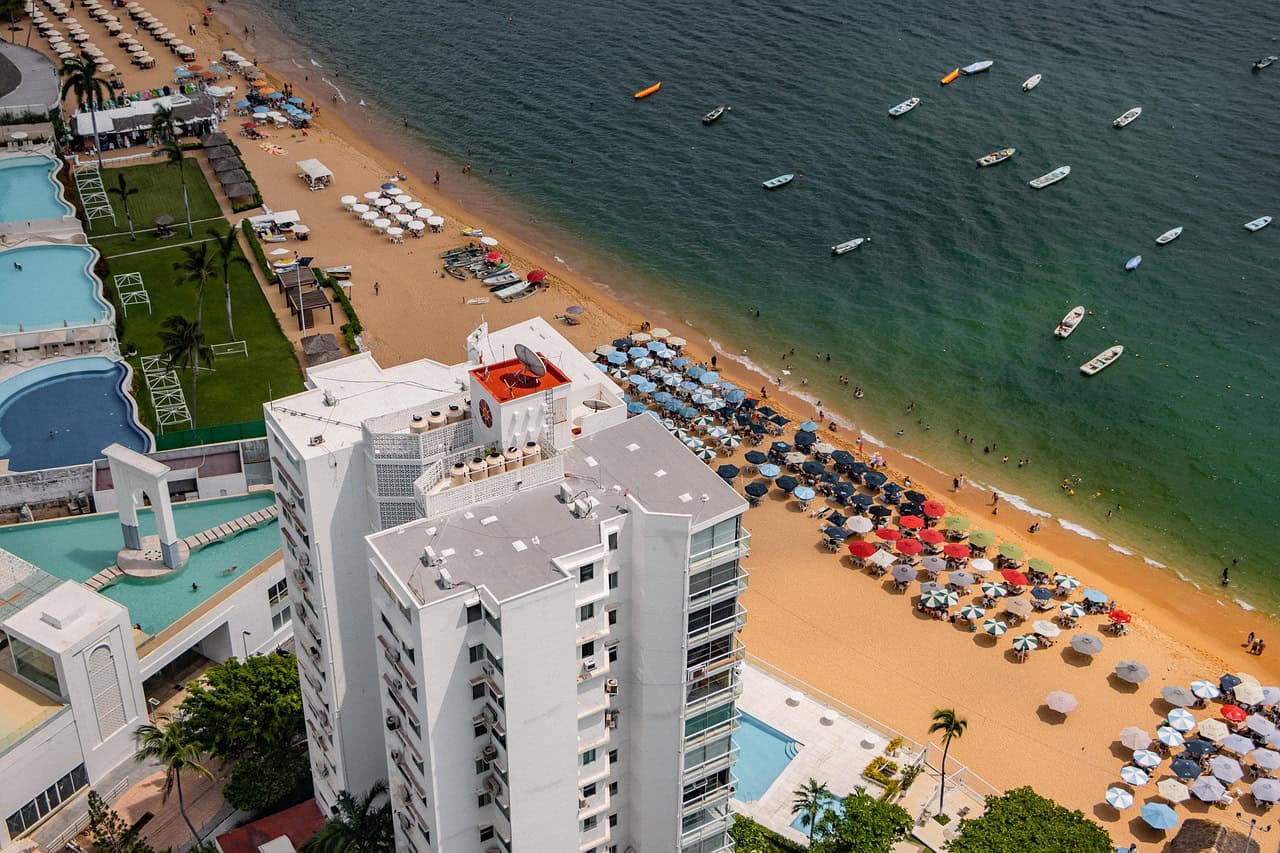
Acapulco’s bay still looks like a postcard, but Guerrero’s status is unambiguous: the State Department labels the entire state “do not travel,” citing terrorism and crime risks. The advisory warns that armed groups operate independently in many areas, set up roadblocks, and may use violence toward travelers, which turns ordinary transit into the most stressful part of any trip. It also states that U.S. government employees may not travel anywhere in Guerrero, explicitly naming Acapulco among the restricted tourist areas, a blunt signal that the coast is not insulated from statewide instability and emergency help can be harder to deliver fast.
Ixtapa-Zihuatanejo, Guerrero
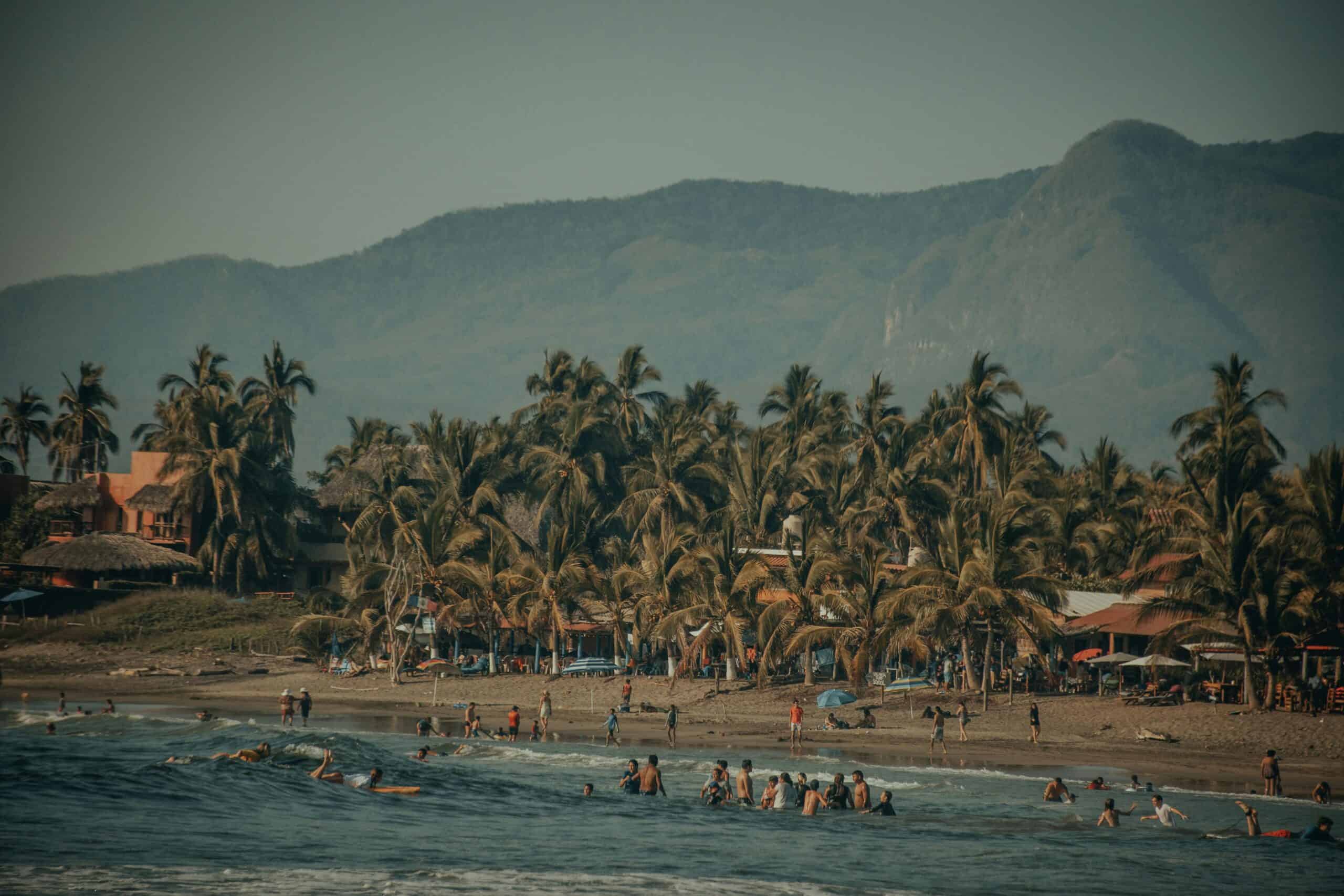
Ixtapa-Zihuatanejo often markets itself as two moods in one: a planned resort zone and a neighboring working seaside town, both wrapped around gentle Pacific water. Officially, none of that matters to the advisory, because the destination sits inside Guerrero, and the State Department applies the same Level 4 “do not travel” guidance across the state, citing risks tied to organized groups and violence. The notice specifically lists Zihuatanejo and Ixtapa among areas barred to U.S. government employees, a reminder that roadblocks and volatile corridors inland can define the safety picture more than the beach scene ever suggests in peak season.
Manzanillo, Colima
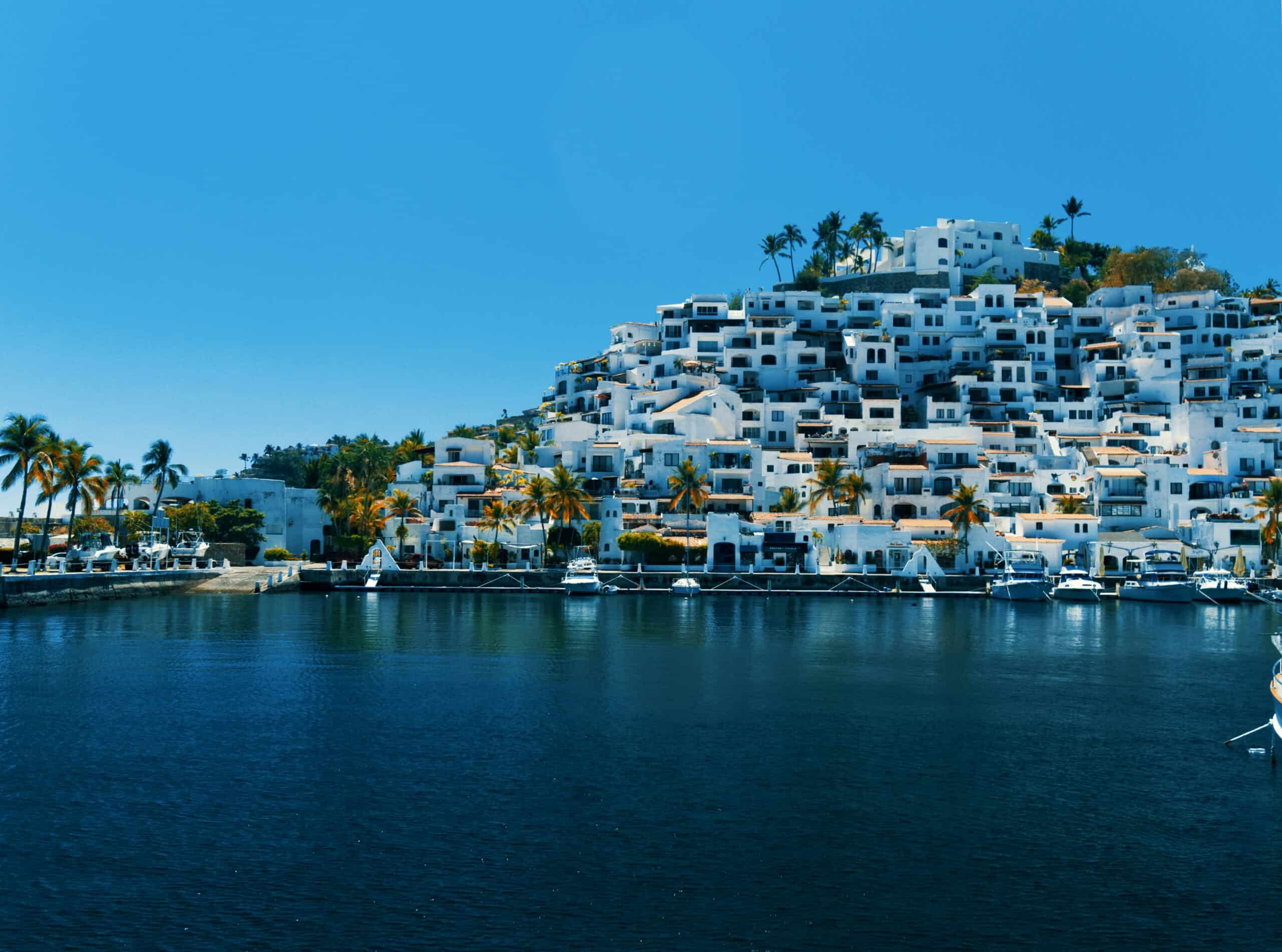
Manzanillo is Colima’s beach-and-port crossroads, and the State Department’s Mexico advisory puts Colima at Level 4 for terrorism, crime, and kidnapping. It notes that many homicides are targeted and that shootings between criminal groups have harmed bystanders, then pairs that warning with a narrow allowance for U.S. government employees to stay in Manzanillo’s central tourist and port areas. Those defined zones include the historic center and Malecón, the hotel strip, and resort clusters such as Peninsula Santiago or Las Hadas and Club Santiago, showing how a shoreline can sit beside a higher-risk logistics hub year-round, even in daylight.