We may earn money or products from the companies mentioned in this post. This means if you click on the link and purchase the item, I will receive a small commission at no extra cost to you ... you're just helping re-supply our family's travel fund.
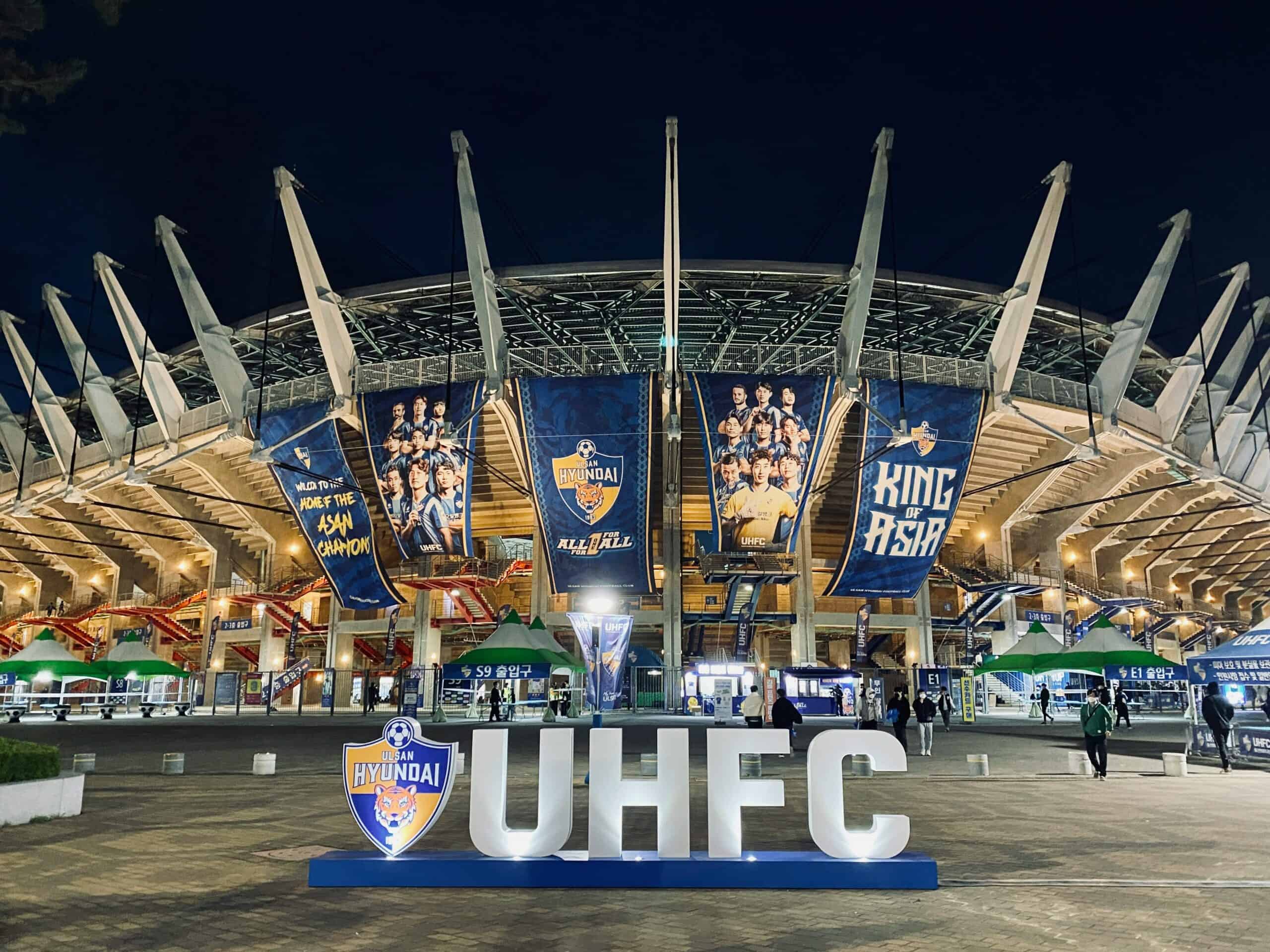
Big tournaments sell a fantasy of open gates: flags, chants, and a shared calendar that pulls strangers into the same seats. U.S. policy is moving the other way. Reuters reported that President Donald Trump’s administration expanded a visa travel-ban exception for major sporting events, including the Olympic Games and the FIFA World Cup. The carve-out is narrow, aimed at athletes and essential support staff, not the wider travel wave. A State Department cable warned that only a small subset will qualify. For people from places covered by the ban, the difference between a roster spot and a plane ticket now sits in the fine print.
Olympics And FIFA World Cup Added
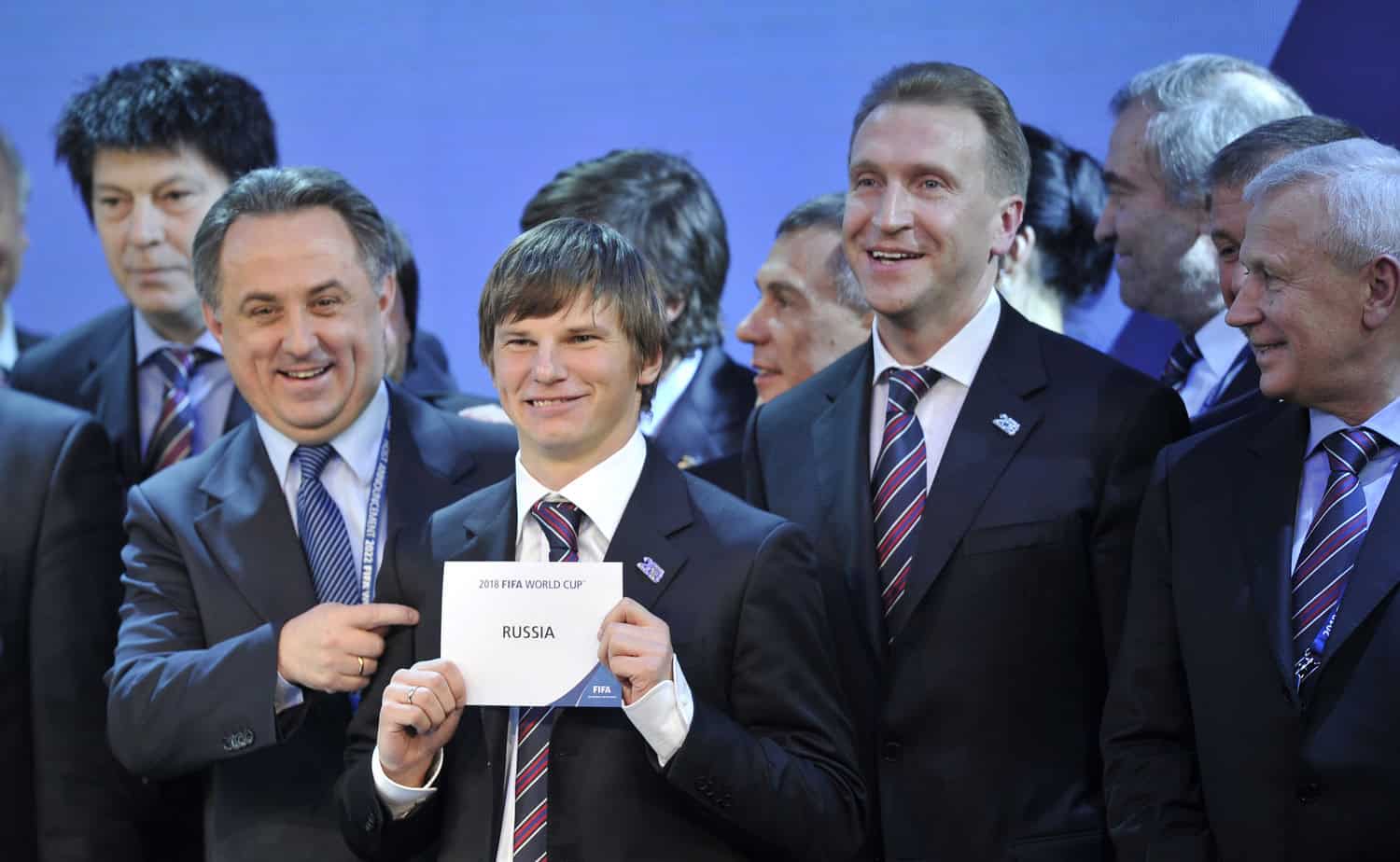
Reuters reported that the Olympic Games and the FIFA World Cup were added to a list of competitions exempted from a visa travel ban. That decision is less about spectacle than logistics. Global events run on fixed training cycles, medical planning, and broadcast schedules that cannot slide once venues and security plans are set. By naming these tournaments, the administration is trying to avoid last-minute roster chaos for accredited delegations. The exception is still limited, but it signals that certain events will be treated as essential travel even when ordinary visits remain blocked, especially on tight timelines.
More Global Multi-Sport Events Included
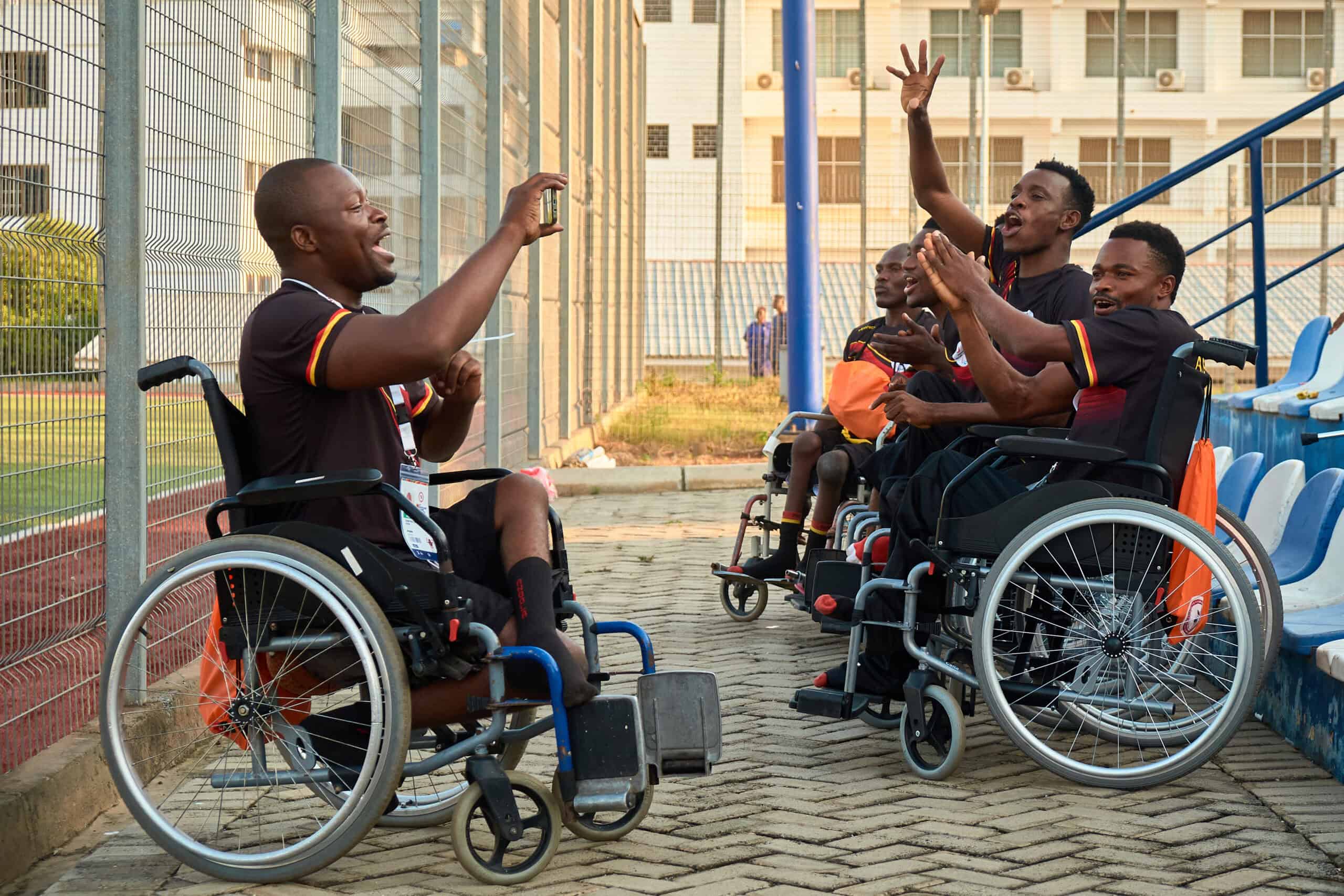
The expanded list also includes the Paralympic Games, the Pan-American Games, the Para Pan-American Games, and the Special Olympics, Reuters reported. These events depend on deep teams beyond star athletes: coaches, medical staff, guides, classification officials, and logistics crews who move on set dates. They also carry accessibility needs that fall apart when a single specialist cannot travel. When an exemption covers only headline tournaments, the supporting events can still break under paperwork delays. Adding these names is a way to keep competition functional and safe, while keeping the carve-out tied to roles, not general travel.
College And Pro Leagues Enter The Exception
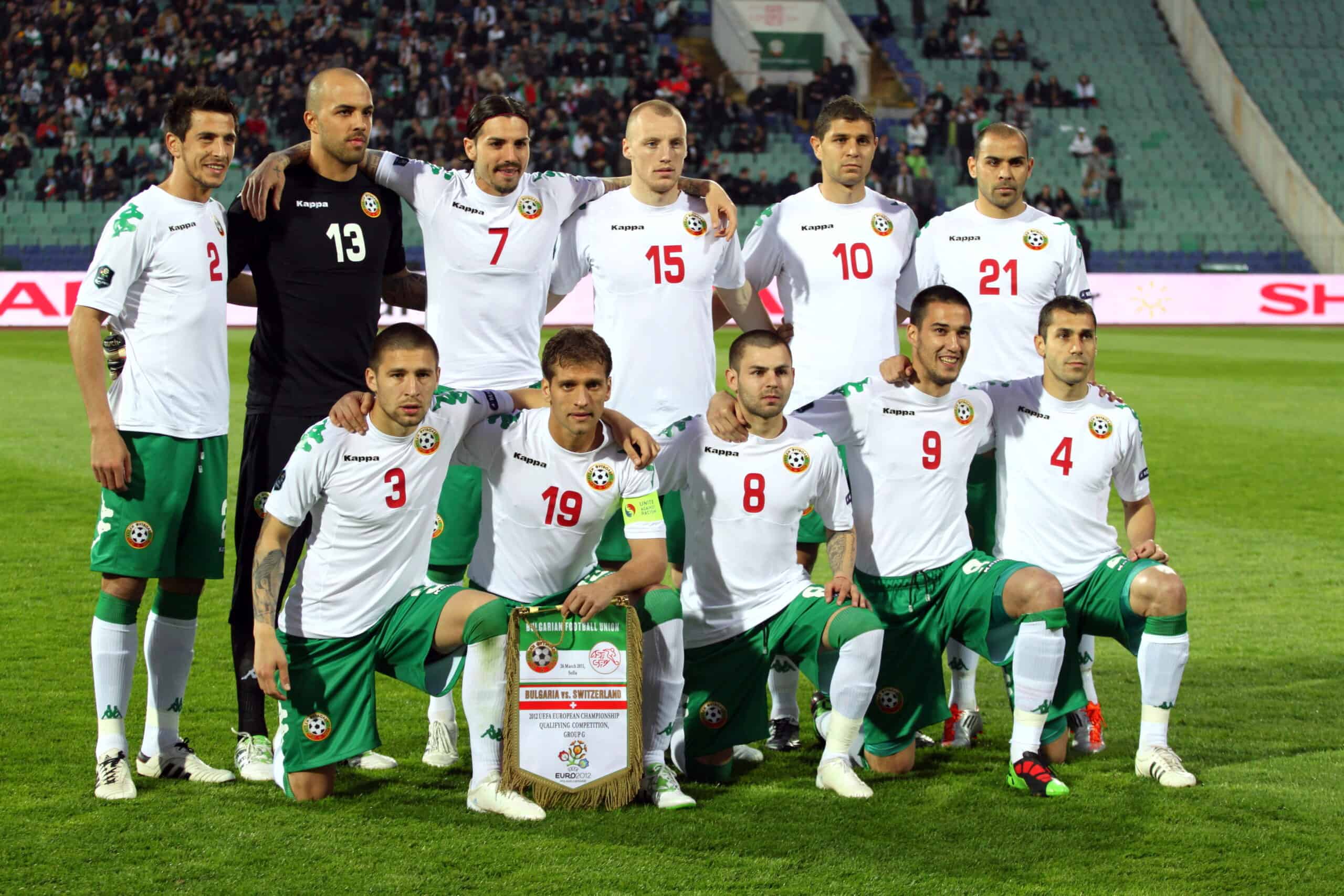
Beyond international spectacles, Reuters said events and competitions held by U.S. professional sports leagues were added, along with events hosted by the National Collegiate Athletic Association. That matters because domestic seasons still pull in international athletes and support personnel, and a single visa denial can derail team planning, contractual obligations, and broadcast commitments that rely on specific matchups. The expansion quietly widens what counts as a major event, moving the carve-out from rare global tournaments toward high-stakes games embedded in the regular U.S. sports calendar, with more events added later if approved.
Military And University Sports Events Covered

Two international bodies also appear in the Reuters description: events hosted by the International Military Sports Council and the International University Sports Federation. These competitions may be lower-profile, but they involve official delegations, accreditation lists, and dates set long before travel documents are finalized, often with layered approvals that do not move quickly. By naming them, the administration signals that the exception is meant to protect sanctioned competitions broadly, not only the events that dominate headlines, tourism marketing, and prime-time attention even when travel policy stays restrictive overall today.
Who Qualifies, Athletes, Coaches, Support Staff
A State Department cable to U.S. embassies and consulates said athletes, coaches, and support staff for the Olympics, the World Cup, and certain college and pro events would be exempt, Reuters reported, citing the Associated Press. The focus on roles is deliberate, because eligibility follows function, not fame, and consular officers need a clear filter when interviews are brief and backlogs stretch. Accreditation, letters from organizers, and documentation become the proof and teams carry the burden of showing who is essential, what duties are planned, and why the trip cannot be replaced, and the cable warned only a few will qualify in fact.
Media, Fans, And Corporations Are Still Out
Reuters reported a hard boundary around the exception: unless a person qualifies, members of the media, fans, and corporations from nations under the ban will not be allowed to enter the United States. That line matters because sport is not only the game. It is grandparents trying to see a first cap, reporters chasing a story in real time, and sponsors moving staff for events that depend on them. The policy keeps competitions staffed, but it can still hollow out the atmosphere around them, leaving stands quieter, coverage thinner, and the usual travel economy smaller than organizers expect for months.
A Travel Ban Still Frames The Whole Picture
The broader context stays in place. Reuters reported that the travel ban applies to the Palestinian Authority and 39 countries, and the sports exception sits inside that larger restriction. The practical result is a narrow channel carved for time-sensitive competition needs, while most other reasons to visit remain off-limits. A ticket, a hotel booking, or a sponsor invite does not create eligibility. For families and supporters, that can mean plans collapse late, after money is spent and leave is approved, because the exemption is not about celebration, it is about staging the event on time still.
More Events Could Be Added Later
Reuters reported that other leagues and events could be added, leaving the exception list open-ended and subject to administrative updates. Flexibility can help when qualifying tournaments shift venues, or when a league lands an international showcase with short notice. It also creates uncertainty for teams and organizers who need clarity months in advance to book flights, secure housing, and lock rosters. If recognition arrives late, consulates may not apply it consistently, and a delegation can learn at the window that an event is not, in fact, on the approved list yet. In practice, that turns planning into case-by-case guesswork.
The Qualifying Roles Are Clearly Defined

Earlier in the week, the State Department informed U.S. embassies and consulates that athletes, coaches, and support staff for the Olympics, the World Cup, and certain college and pro events would be exempt, Reuters reported, citing The Associated Press. The focus on job function is intentional because eligibility follows duties, not celebrity. Applicants will likely need organizer letters, accreditation proof, and travel dates that align with an official schedule. The cable also warned that only a small subset of World Cup, Olympics, Paralympics, and other major-event travelers will qualify, so teams have to document every role carefully.