We may earn money or products from the companies mentioned in this post. This means if you click on the link and purchase the item, I will receive a small commission at no extra cost to you ... you're just helping re-supply our family's travel fund.
New U.S. travel advisories rarely land quietly, but the early Mar. 2026 updates arrived with a sharper edge, shaped by regional tensions, flight disruptions, and shifting embassy operations. Five destinations now carry fresh guidance that signals higher caution, especially for travelers who assume routine transit, beach breaks, or family visits will run as planned. The warnings do not erase the beauty or culture of these places, but they do change the planning math. For many Americans, the biggest risk is not one headline, but the speed at which conditions can pivot overnight.
Cyprus, Level 3 Reconsider Travel

Cyprus moved to Level 3, with the State Department urging Americans to reconsider travel due to the threat of armed conflict and limited U.S. embassy assistance in the Turkish Cypriot administered area. The change matters because Cyprus often feels like an easy Mediterranean stop, yet disruption can arrive as closed airspace nearby, congested airports, and sudden limits on consular reach across checkpoints. It is the kind of advisory that turns a relaxed beach week into contingency planning, with buffer days, flexible tickets, duplicate copies of documents, extra cash, backup lodging, and patience for long, uncertain delays if ferries pause.
Pakistan, Level 3 Reconsider Travel
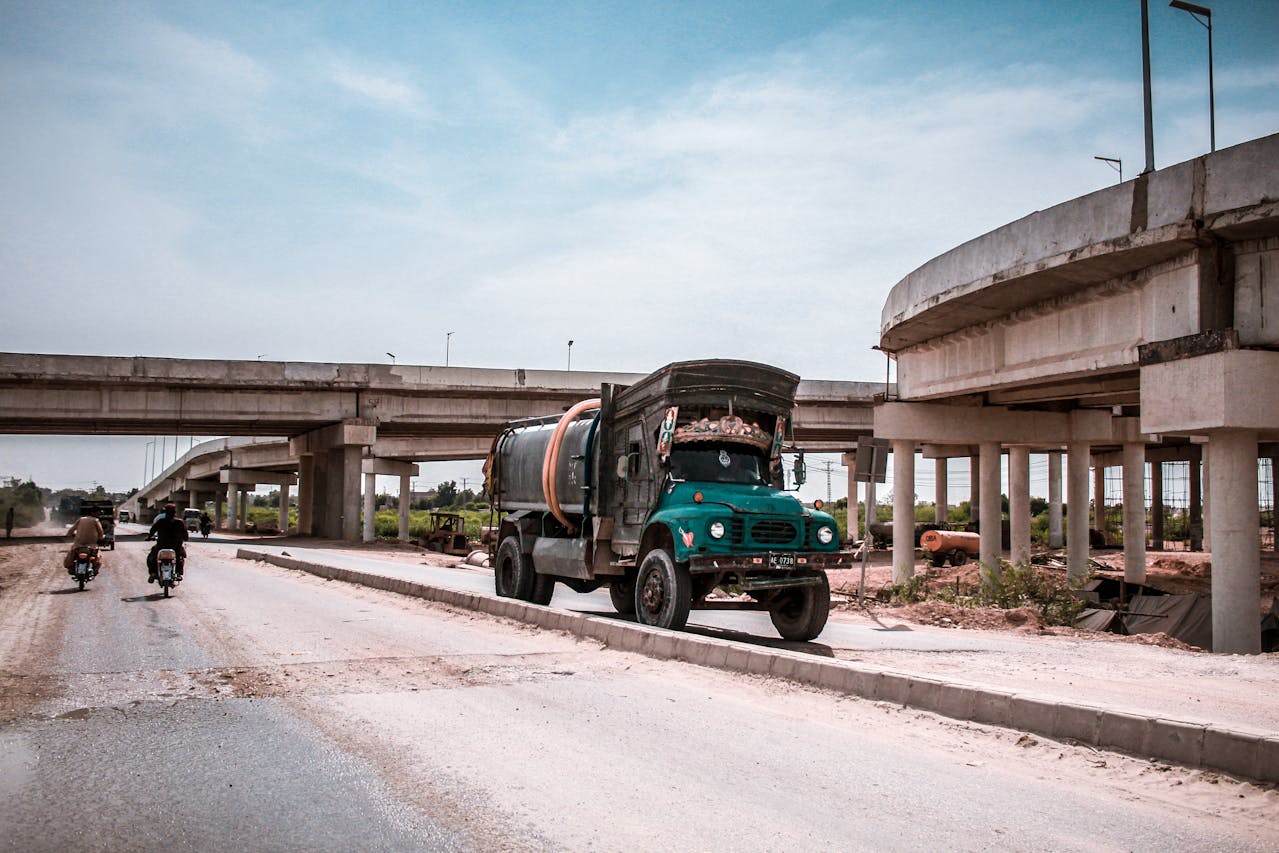
Pakistan remains at Level 3, and the March 2026 update links the caution to U.S. mission operations, including an order for non-emergency U.S. personnel and family members at the Lahore and Karachi consulates to depart due to safety risks. The advisory flags terrorism, kidnapping, and crime, and notes that some areas are designated Level 4, which can restrict movement and narrow help if trouble flares. In practice, uncertainty can show up as flight suspensions, roadblocks, and shifting curfews, with local guidance changing fast enough to upend plans between breakfast and nightfall, and leaving limited options for quick, safe departures fast.
Oman, Level 3 Reconsider Travel
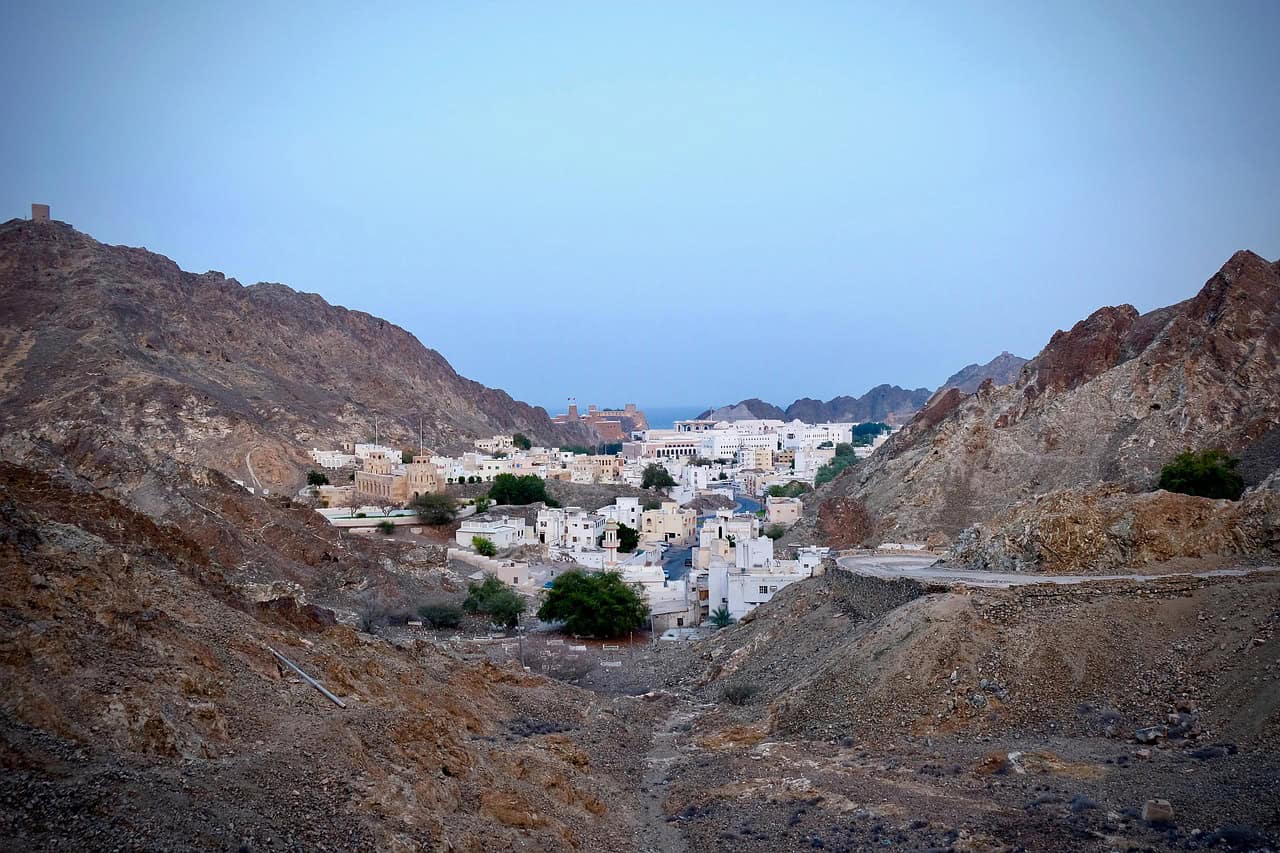
Oman was raised to Level 3, reflecting concerns about armed conflict and terrorism, and it includes a “Do Not Travel” warning for the Yemen border area. The shift is striking because Oman’s hospitality and calm reputation can mask how exposed the country is to regional spillover, especially when air routes or shipping lanes tighten along the Arabian Sea. Even without an incident in Muscat, ripple effects can mean rerouted flights, tighter screening, and limited embassy staffing, plus a quieter, more watchful mood in hotels, ports, and public spaces as people track updates hour by hour, and services operate on shorter, more cautious schedules.
Saudi Arabia, Level 3 Reconsider Travel
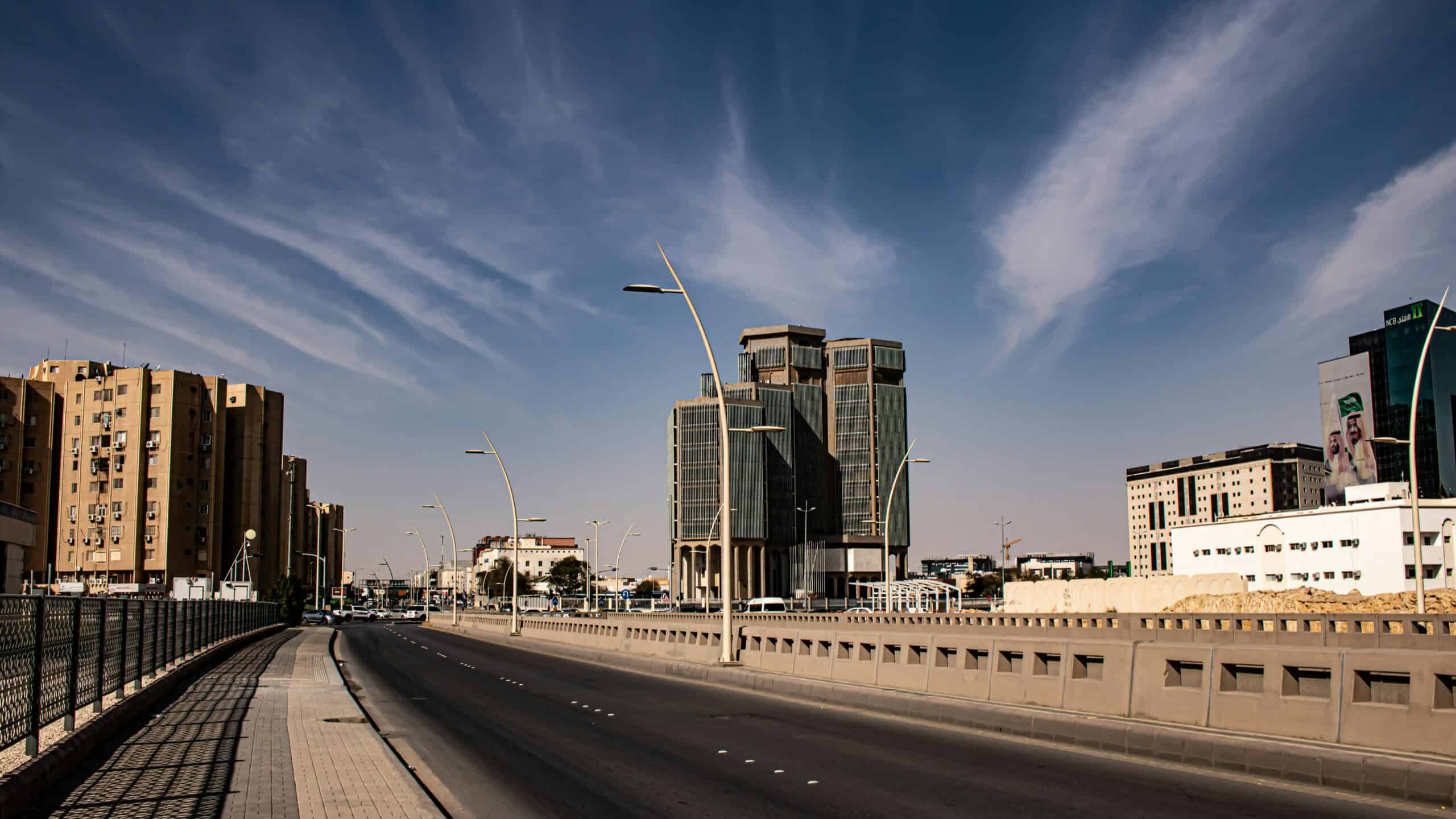
Saudi Arabia was increased to Level 3, citing risks tied to armed conflict, terrorism, exit bans, and local laws, including scrutiny around social media activity, with certain areas carrying higher risk. The advisory also notes changes to U.S. mission operations, a signal that help may be more limited if the situation escalates or travel corridors narrow. For travelers, the real challenge is how quickly routine plans can collide with restrictions, from sudden flight changes to tighter screening and permit checks, and how hard it can be to pivot when seats, routes, drivers, and hotels disappear overnight, especially during peak travel periods.
United Arab Emirates, Level 3 Reconsider Travel
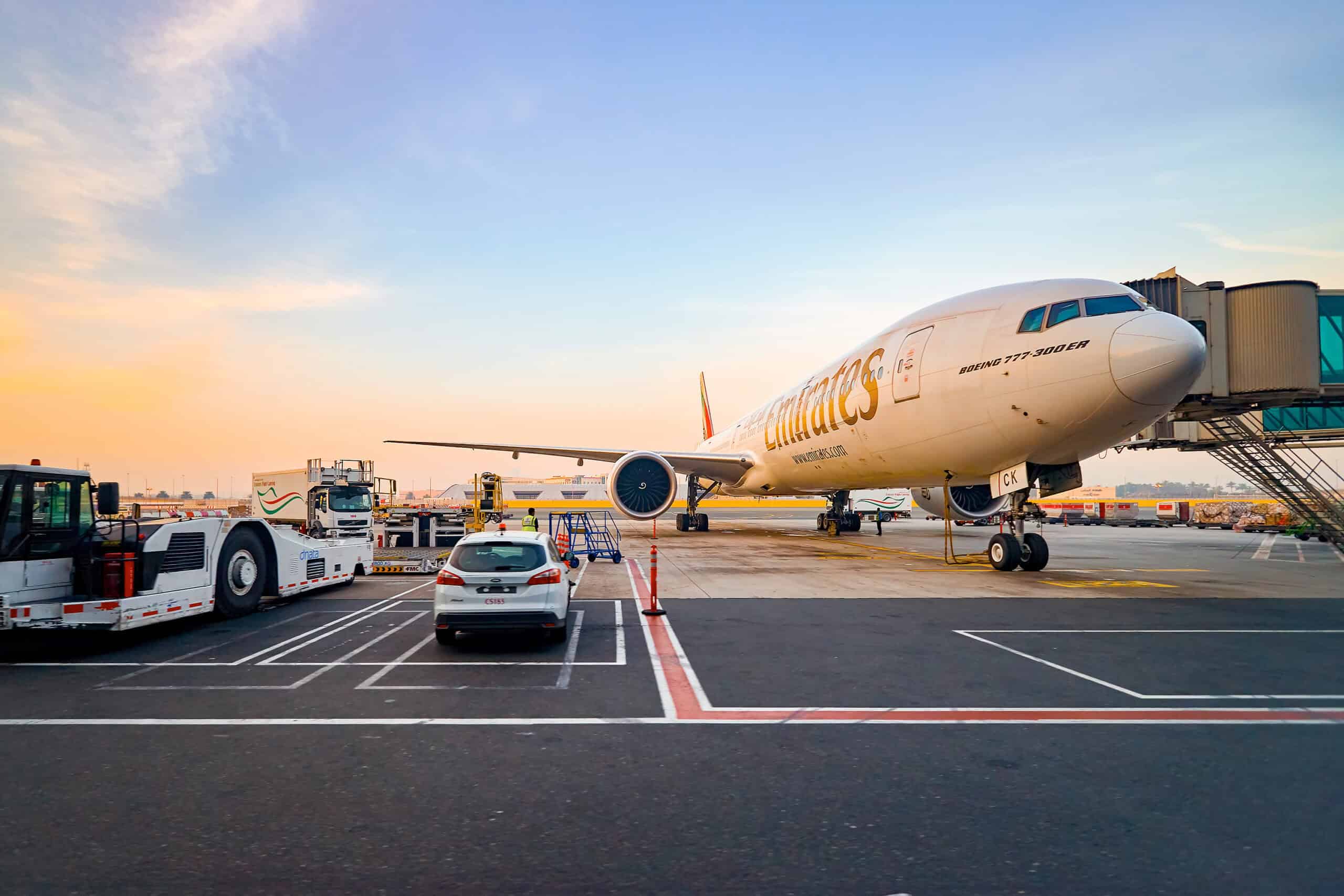
The United Arab Emirates is now Level 3, with the advisory pointing to the threat of armed conflict and terrorism and noting an ordered departure of non-emergency U.S. personnel and families. The update also references disruptions to commercial flights and the risk of drone or missile attacks in the context of hostilities, a reminder that even the region’s most polished hubs can wobble. When Dubai or Abu Dhabi slows, the impact spreads beyond the terminal: missed global connections, scarce rooms, delayed baggage, and rebookings that cascade across continents in a single, exhausting day, then linger for weeks as aircraft and crews reset today