We may earn money or products from the companies mentioned in this post. This means if you click on the link and purchase the item, I will receive a small commission at no extra cost to you ... you're just helping re-supply our family's travel fund.
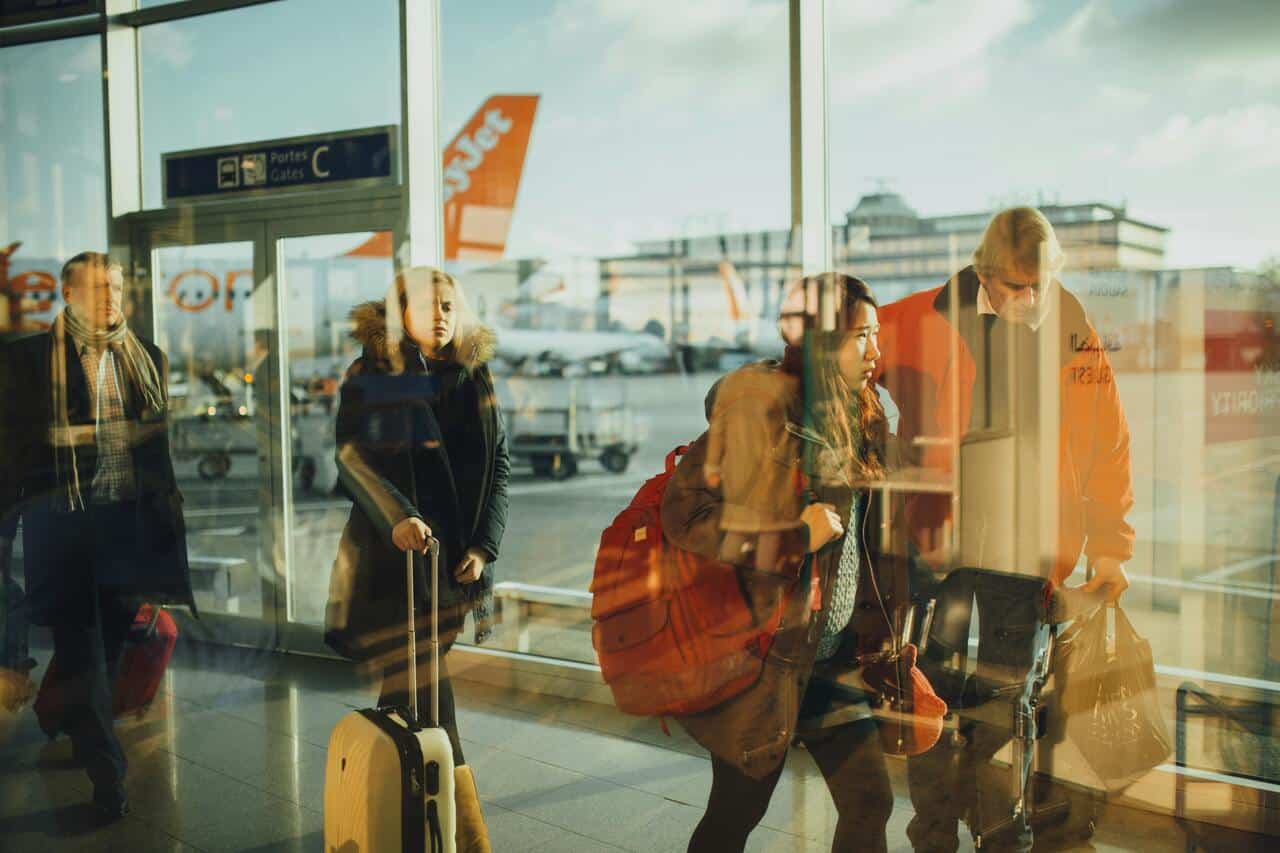
Air travel security has tightened worldwide, and even everyday items can trigger alarms, extra screening, or temporary no-fly alerts. Frequent travellers warn that many people unknowingly carry things that appear harmless but are treated as potential threats. From electronics to powders, some possessions can result in delays, fines, or denial of boarding. Knowing exactly what raises red flags can save stress, wasted time, and missed flights, making packing smarter and safer for every journey.
1. Lithium Batteries
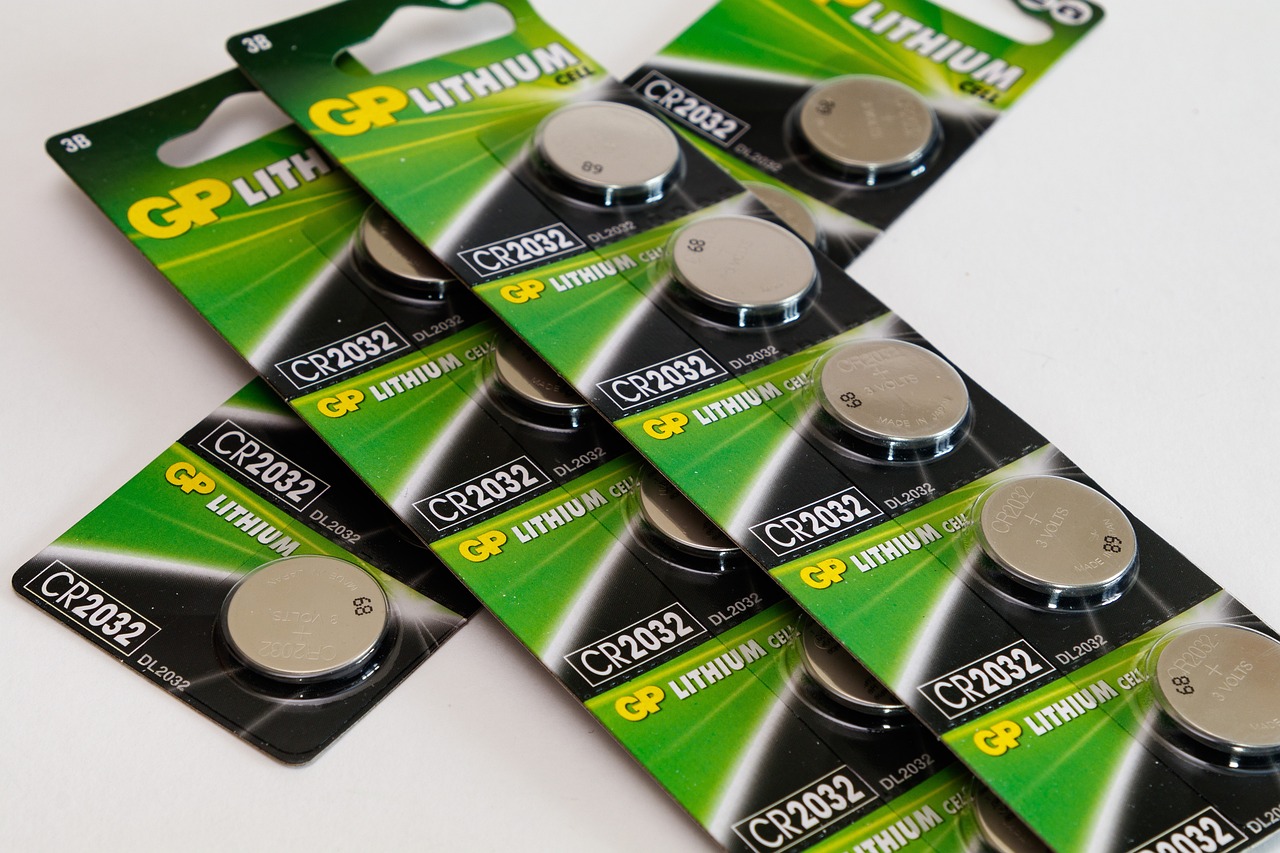
Lithium-ion batteries power laptops, cameras, e-cigarettes, and portable chargers, but they are highly flammable and strictly regulated. Airlines allow a maximum of two spare batteries per passenger, and any above 100 watt-hours needs airline approval. Loose batteries in checked luggage or improper packaging often trigger alarms. Around 15% of passengers carrying batteries face extra questioning, sometimes 30–60 minutes, and repeated violations can even lead to temporary no-fly alerts, emphasizing careful packing and declaration.
2. Sharp Objects
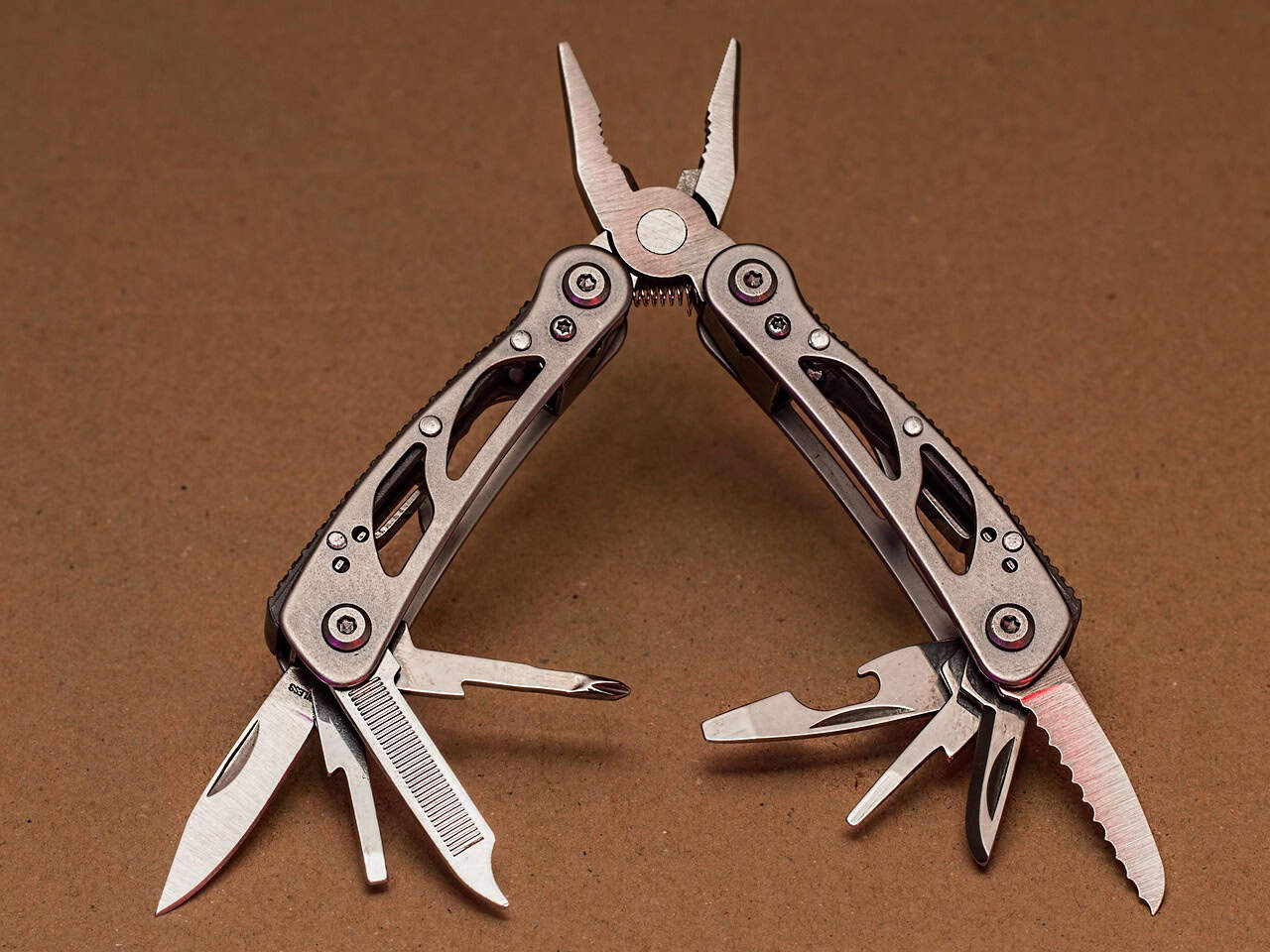
Knives, scissors, and multi-tools are among the most common items seized at airports. Even blades shorter than two inches can be confiscated in carry-on luggage. TSA reports show over 4,000 knives are intercepted weekly in U.S. airports. Frequent travellers warn that attempting to bypass rules repeatedly may trigger temporary no-fly alerts. Properly packing sharp items in checked luggage, securely wrapped, and declaring them is the safest way to avoid fines, long delays, or being barred from boarding flights entirely.
3. Liquids Above the Limit
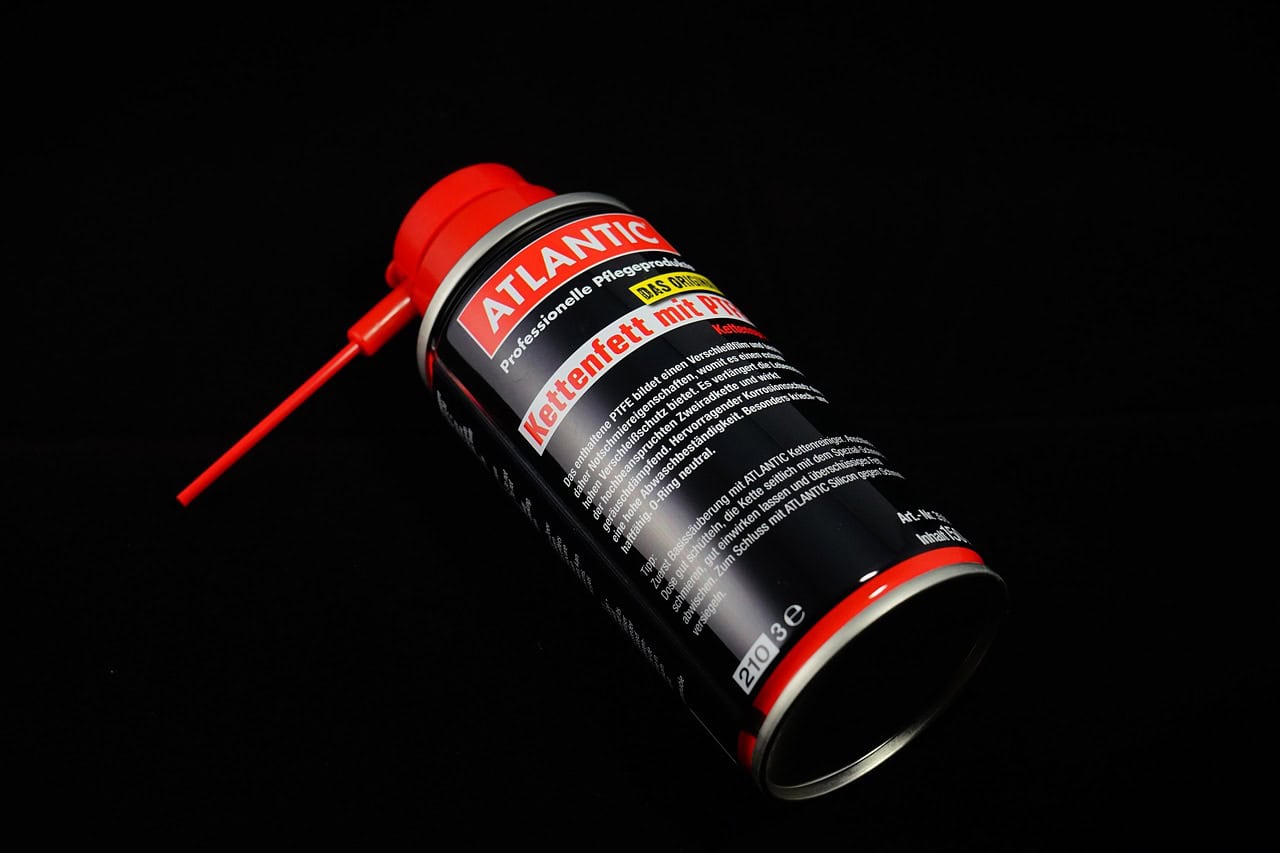
Security rules strictly limit liquids to containers of 100 milliliters each, all fitting inside a clear quart-size bag. Sunscreen, sauces, perfumes, and toiletries often exceed this limit. Travellers report that 20–25% of liquid violations lead to secondary screening, sometimes causing 10–30 minute delays. Repeated violations or attempts to bypass these restrictions may result in temporary no-fly alerts. Organizing liquids properly and checking quantities before security can prevent confiscation, fines, and stressful interactions at checkpoints.
4. Novelty or Decorative Weapons
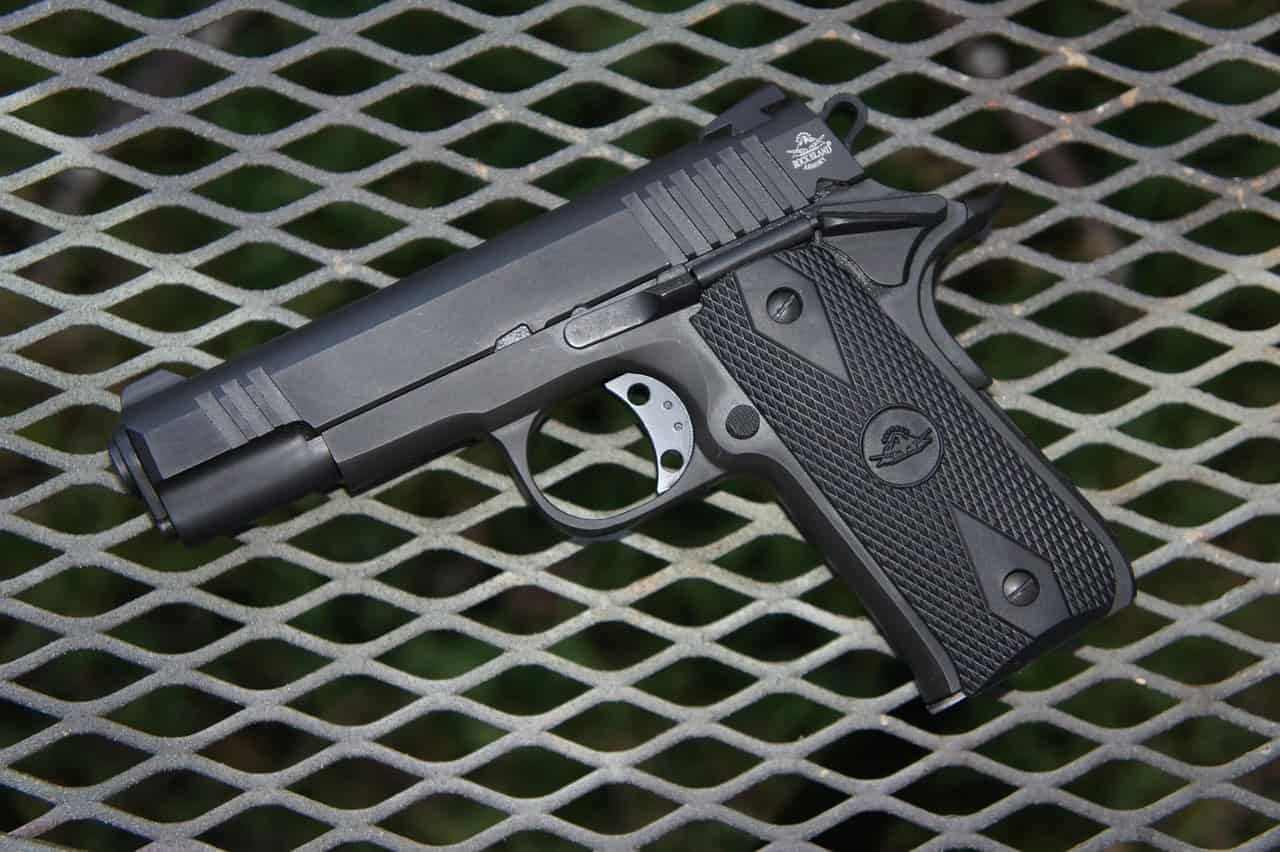
Replica guns, toy grenades, decorative swords, or novelty knives are often mistaken for real threats. Airport scanners cannot reliably distinguish them, and security treats alerts seriously. Frequent travellers say over 15% of passengers carrying such items in checked luggage face secondary screening, with questioning lasting up to two hours. Airlines advise shipping such items separately or seeking prior approval. Ignoring these rules can cause denied boarding, confiscation, or temporary travel restrictions, even when the items are purely ornamental.
5. Unusual Powders or Substances
Powders such as protein supplements, spices, baking soda, or powdered medications are heavily scrutinized. Carry-on limits are 12 ounces (350 grams) per passenger, and exceeding them may trigger testing or delays. Passengers report 10–15 minutes of questioning for a single bag with powder, and repeated violations can result in fines or temporary no-fly alerts. Clearly labeling powders and separating them in transparent containers helps prevent confusion. Understanding these rules avoids unnecessary screening and keeps trips on schedule.